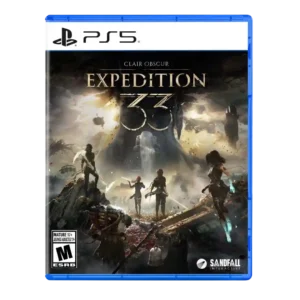
Narrative quality was the strongest consensus point, with reviews repeatedly calling the story unique, compelling, mature, and emotionally resonant.
Pros: monetization fairness, microtransaction impact
Cons: platforming precision, menu usability
Narrative quality was the strongest consensus point, with reviews repeatedly calling the story unique, compelling, mature, and emotionally resonant.
Pros: monetization fairness, microtransaction impact
Cons: platforming precision, menu usability
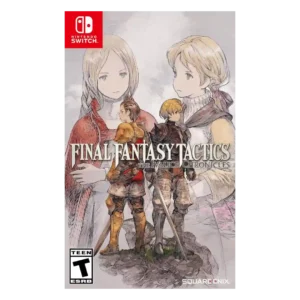
Narrative quality was the strongest consensus point, with reviewers repeatedly calling the story powerful, sophisticated, and still relevant.
Pros: emotional impact, polish
Cons: bug frequency, crash stability
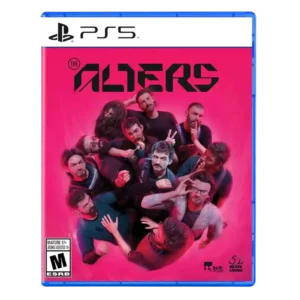
Narrative quality was one of the strongest areas, with many reviewers praising the story as compelling, thoughtful, philosophical, or emotionally resonant.
Pros: controls responsiveness, onboarding experience
Cons: crash stability, grind level
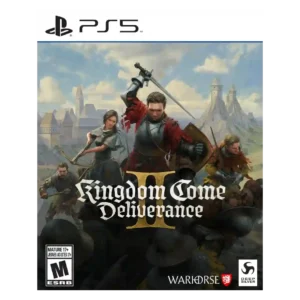
Narrative quality was a major strength, with reviewers praising the historical saga, main quest, character arcs, and cinematic ambition.
Pros: soundtrack quality, fun factor
Cons: checkpoint system, family friendliness
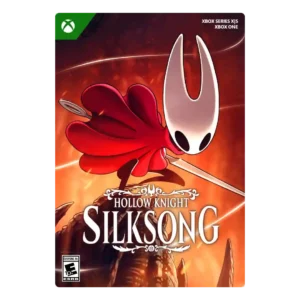
Narrative quality is praised as more focused and engaging than the original, helped by Hornet’s voice and guided exploration.
Pros: core gameplay loop, world interactivity
Cons: loot system, accessibility options
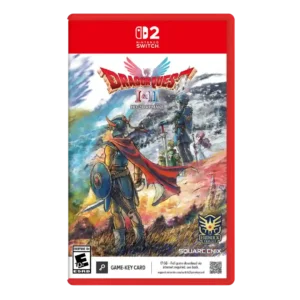
The expanded narrative was repeatedly praised for making the Erdrick trilogy feel richer, more cohesive, and less like a bare-bones relic.
Pros: visual effects quality, environmental detail
Cons: AI behavior, level design

Narrative quality was heavily praised for its engaging mystery, character-driven structure, and satisfying setup despite being a first chapter.
Pros: protagonist appeal, art direction
Cons: camera behavior, tutorial quality
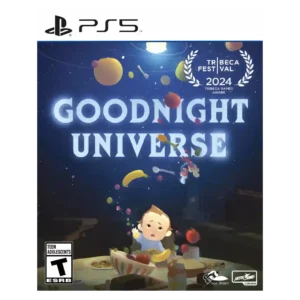
Narrative quality was the strongest consensus point, with most reviewers praising the emotional family story, unusual premise, and memorable journey, though a minority found it less focused or affecting.
Pros: side character depth, visual effects quality
Cons: user interface design, handheld play suitability
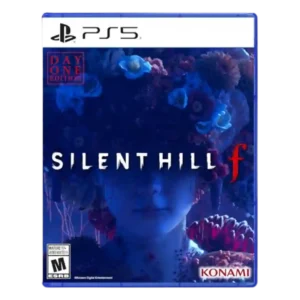
Narrative quality was one of the strongest areas, with most reviewers praising its dark, layered psychological story, though a minority found it confusing, disjointed, or unengaging.
Pros: voice acting, emotional impact
Cons: family friendliness, menu usability

Road Trip's story and cutscenes were usually seen as surprisingly polished or charming, though a few found the story slight or secondary.
Pros: flying mechanics, exploration quality
Cons: AI behavior, boss design

The narrative is generally praised as emotional, well-executed, and compelling, but some reviewers criticize predictability, structure, or linear revenge beats.
Pros: movement feel, environmental detail
Cons: puzzle design, age appropriateness
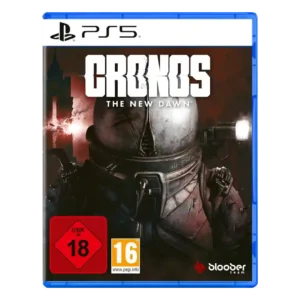
Narrative quality was broadly praised for mystery, time travel, and world intrigue, but several reviews found its execution muddled, emotionally distant, or over-complicated.
Pros: core gameplay loop, emotional impact
Cons: checkpoint system, bug frequency
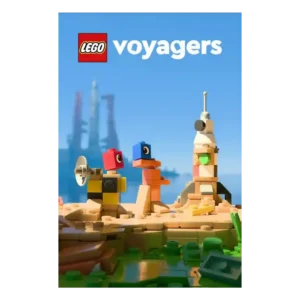
The wordless narrative was often praised as wholesome, coherent, touching, and surprisingly emotional, though a few reviewers found it vague or confusing.
Pros: writing quality, checkpoint system
Cons: menu usability, user interface design

Narrative quality is mostly praised as gripping, timeless, and emotionally durable, with one review criticizing the story as badly aged.
Pros: world interactivity, sandbox freedom
Cons: crash stability, learning curve

Narrative quality was a major strength overall, especially the folklore-driven stories, even though some reviews criticized connective tissue or messy plotting.
Pros: atmosphere, voice acting
Cons: world interactivity, camera behavior
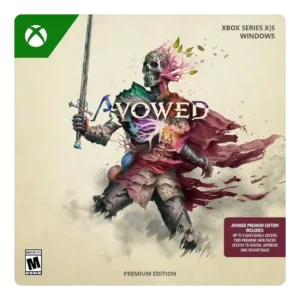
Narrative quality was usually a strength thanks to mystery, choices, and world stakes, but some reviewers found the main plot predictable or underwhelming.
Pros: tutorial quality, level design
Cons: stealth mechanics, endgame content
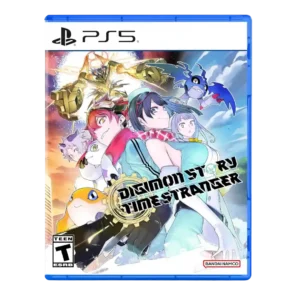
Narrative quality was generally positive, especially once the time-travel story builds momentum, but a few reviewers found parts uneven or generic.
Pros: atmosphere, world-building
Cons: HUD clarity, fast travel convenience

Narrative quality was more positive than expected for a platformer, especially around DK and Pauline, though one reviewer found the setting unengaging.
Pros: gameplay mechanics, world interactivity
Cons: economy and resource balance, enemy variety
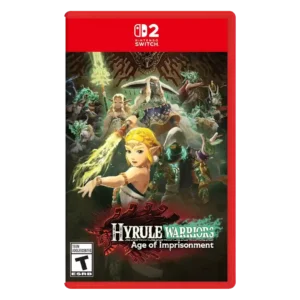
Narrative quality was the most divisive attribute: several reviewers praised the canon story, while others found it dull or a missed opportunity.
Pros: animation quality, multiplayer design
Cons: save system reliability, companion AI
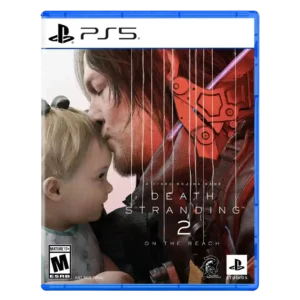
Narrative quality is highly divisive: many praise the story as memorable and emotional, while others find it muddled, messy, or unsatisfying.
Pros: animation quality, facial animations
Cons: quest design, AI behavior
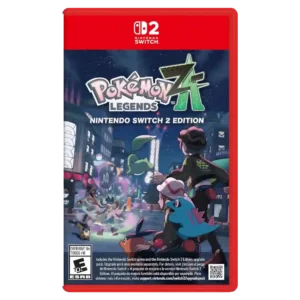
Narrative quality was broadly praised for mature themes and civic ideas, though some reviewers called it flat, underexplored, or not groundbreaking.
Pros: crash stability, gameplay mechanics
Cons: AI behavior, monetization fairness
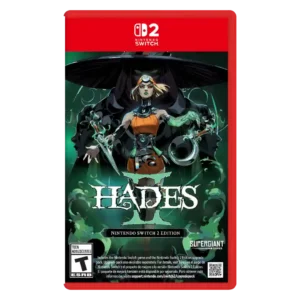
Narrative reactions are mixed: some call it seamless and compelling, while others find the ending, stakes, or emotional focus weaker.
Pros: skill tree depth, dialogue quality
Cons: emotional impact, economy and resource balance
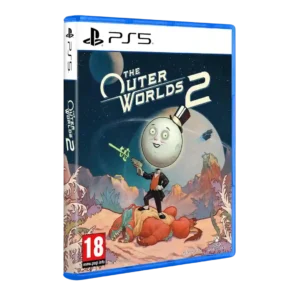
Narrative quality ranged from excellent political intrigue and strong story beats to complaints about a weak, predictable, or flat core story.
Pros: world-building, mission design
Cons: mission variety, enemy variety
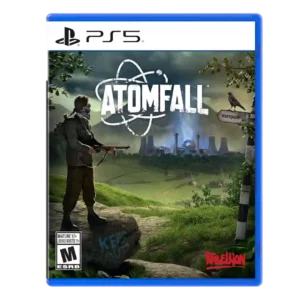
Narrative quality split reviewers: many enjoyed the mystery, branching endings, and investigative structure, while others found the plot thin, vague, or underwhelming at the end.
Pros: art direction, frame rate stability
Cons: boss design, camera behavior
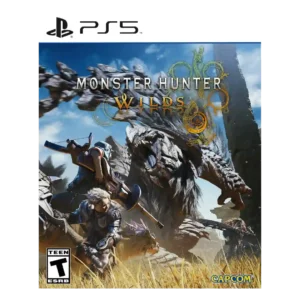
Narrative quality was mixed: some called it the best or most robust series story, while others found it familiar, linear, or trope-heavy.
Pros: art direction, cross-play support
Cons: dialogue quality, monetization fairness

Narrative quality was sharply mixed: reviewers praised the character drama and emotional payoffs but often criticized the supernatural mystery, structure, ending, or uneven payoff.
Pros: character roster, animation quality
Cons: core gameplay loop, polish
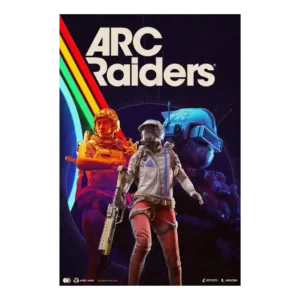
The story premise drew interest, but one review wished the narrative were more present outside lore and cutscenes.
Pros: frame rate stability, platform-specific feature support
Cons: voice acting, writing quality
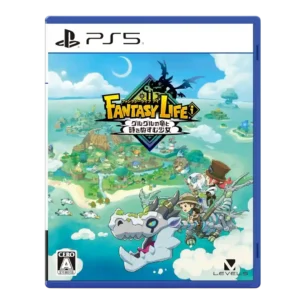
Narrative reception is mixed: some reviewers praise the charming, funny, or surprisingly strong story, while others call it weak or predictable.
Pros: load times, crash stability
Cons: originality, voice acting
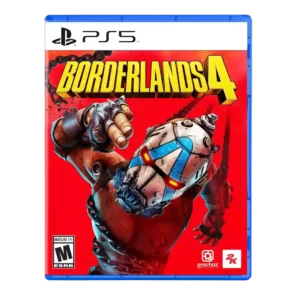
Narrative quality is strongly divided: reviewers praise the grounded tone and progression while others call the story dull, thin, or weakened near the end.
Pros: sandbox freedom, art direction
Cons: polish, save system reliability

Narrative quality is the most mixed creative element: some call it one of the franchise’s better stories, while many describe it as simple, thin, or tonally inconsistent.
Pros: graphics quality, environmental detail
Cons: bug frequency, dialogue quality
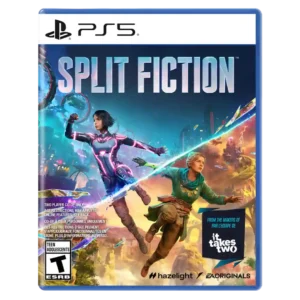
Narrative quality divided reviewers: some liked the human story and concept, while others found the plot predictable or forgettable.
Pros: puzzle design, level design
Cons: exploration quality, side character depth
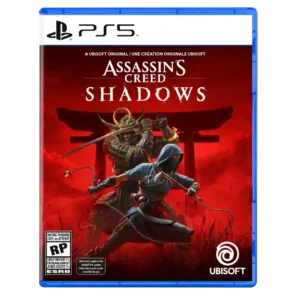
Narrative quality is the most divided major attribute: some reviewers found it compelling or even the best feature, while many criticized dull, thin, or unfocused storytelling.
Pros: environmental detail, cross-save support
Cons: writing quality, enemy variety
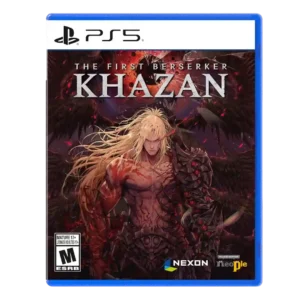
Narrative quality is mixed: reviewers like the coherent revenge setup and some entertaining moments, but many call the story thin, generic, predictable, or underwhelming.
Pros: core gameplay loop, controls responsiveness
Cons: mission design, learning curve

Narrative quality is mixed: some enjoy character stories and unique storylines, while others find presentation lifeless or underdeveloped.
Pros: emotional impact, animation quality
Cons: enemy variety, server reliability
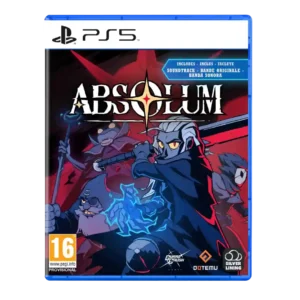
Narrative quality split reviewers: some enjoyed the world and evolving story, while others found the plot bland or slow.
Pros: mission design, world interactivity
Cons: quest design, endgame content
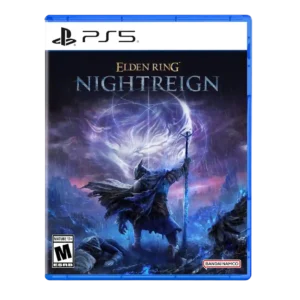
Narrative quality was generally secondary, with some reviewers finding it barebones or disconnected and others praising character-focused Remembrances.
Pros: emotional impact, visual effects quality
Cons: crash stability, cross-play support

Narrative reception was mixed-to-negative: Lamorn lore intrigued some reviewers, but the ending, Sylux, and character use often disappointed.
Pros: world-building, frame rate stability
Cons: companion AI, upgrade system
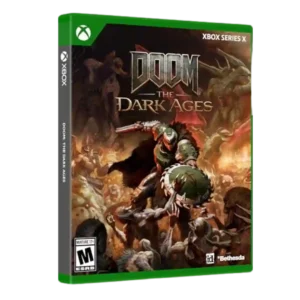
Narrative quality was highly divided, ranging from Doom’s strongest story to self-serious, confusing, bland or unnecessary storytelling.
Pros: environmental detail, polish
Cons: camera behavior, value for money

Narrative events and historical flavor split reviewers: some enjoyed the added human character, while others found events shallow, dull, or lacking impact.
Pros: animation quality, controls responsiveness
Cons: matchmaking quality, user interface design
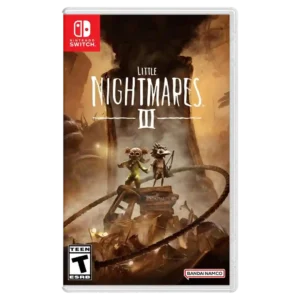
Narrative quality was mixed to negative overall, with recurring complaints about slight, disjointed, ambiguous, or abrupt storytelling despite a few positive reads.
Pros: load times, haptic feedback integration
Cons: save system reliability, aiming precision

Narrative quality is limited; Project Justice’s story is recognized, but at least one reviewer did not find it compelling enough.
Pros: emotional impact, sound design
Cons: cross-play support, boss design
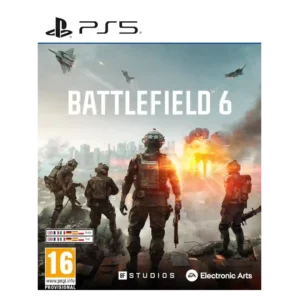
narrative quality was broadly weak, with only isolated positive impressions.
Pros: haptic feedback integration, performance optimization
Cons: pacing, microtransaction impact

Narrative quality was weak by the lone opinionated mention, which noted the absence of story and wished for even a basic purpose.
Pros: animation quality, sound design
Cons: difficulty balance, AI behavior