Best for operating system experience
Apple Watch SE 3
5.0 feature score
Highest scored product for this feature based on supporting review evidence.
Highest scored product for this feature based on supporting review evidence.
Balances feature score, supporting reviews, and overall product strength.
Has the broadest review evidence for this feature.
Strongest overall product among items with scored evidence for this feature.
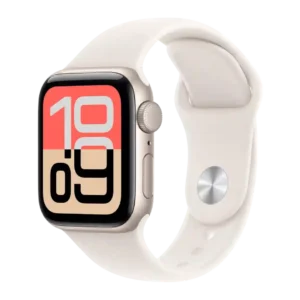
watchOS experience received very strong marks for polish, smoothness, and making the SE 3 feel similar to pricier Apple Watches.
Pros: app ecosystem, operating system experience
Cons: cross-platform compatibility, ECG functionality
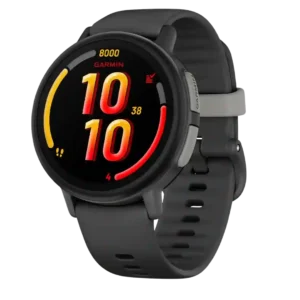
The overall watch experience feels smooth and enjoyable in normal use. Basic navigation is quick even for young first-time smartwatch users.
Pros: Wi-Fi connectivity, cross-platform compatibility
Cons: charging convenience, third-party app support
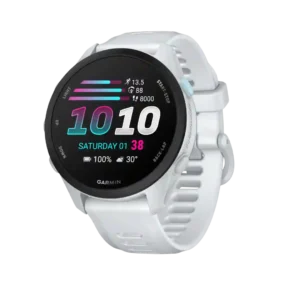
Garmin’s newer operating system brings the same polished interface and widgets found on more expensive watches. The experience feels modern and consistent across the lineup.
Pros: step counting accuracy, app ecosystem
Cons: Bluetooth connectivity, pairing reliability
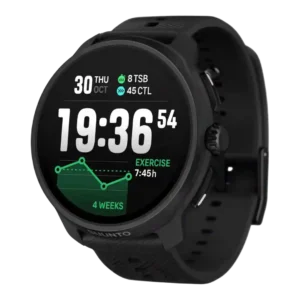
The operating system experience was praised in one review as one of the best fitness-first watch systems.
Pros: operating system experience, brightness
Cons: safety features, health tracking accuracy
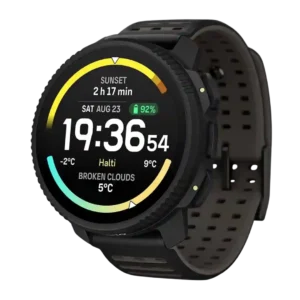
The operating system experience was praised as fast and efficient in the available review evidence.
Pros: operating system experience, materials quality
Cons: contactless payments, onboard music storage
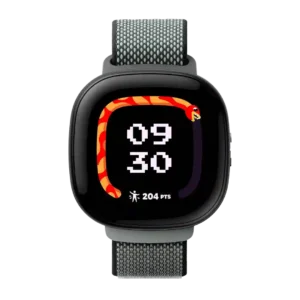
The operating system experience was praised as polished, slick, and purpose-built for children.
Pros: operating system experience, watch face quality
Cons: app ecosystem, third-party app support
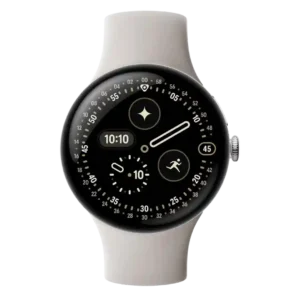
Wear OS 6 and Material 3 Expressive were widely praised as polished, charming, and well matched to the round screen.
Pros: step counting accuracy, charging speed
Cons: stress tracking, band quality
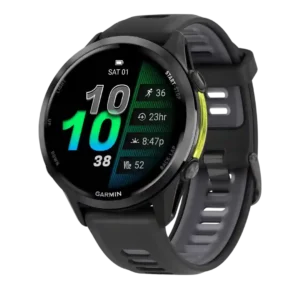
The operating system experience was praised as best-in-class among sports watches by one reviewer, reinforcing Garmin’s software depth.
Pros: stress tracking, customization options
Cons: menu navigation, companion app quality
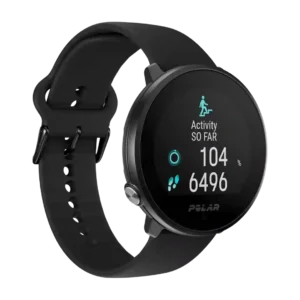
The operating system experience receives strong praise in one review for its simple Polar-owned interface.
Pros: app ecosystem, charging speed
Cons: call handling, contactless payments
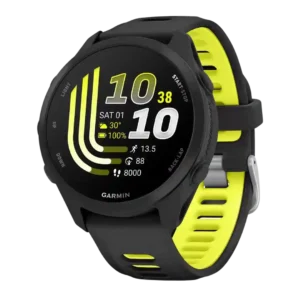
Garmin’s newer OS looks more polished, feels more modern, and aligns the watch with higher-end Forerunners.
Pros: recovery insights, fitness tracking accuracy
Cons: ECG functionality, call handling
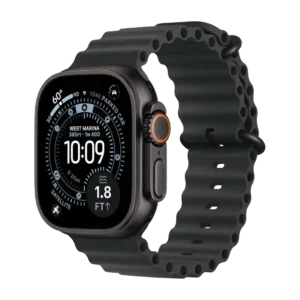
Operating-system experience was praised for frictionless iPhone integration and ecosystem fit.
Pros: app ecosystem, watch face quality
Cons: cross-platform compatibility, size options
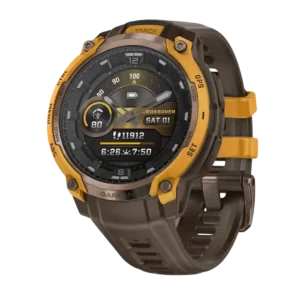
The operating experience was praised for respecting attention, supporting on-and-off wear, and not demanding constant interaction.
Pros: heart rate accuracy, GPS accuracy
Cons: onboard music storage, mapping and navigation
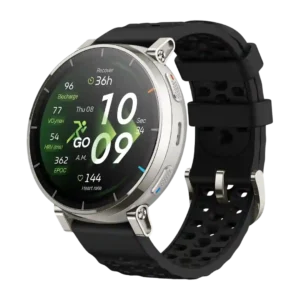
Operating system experience is positive, with reviewers describing Zepp OS interaction as smooth and free of stutters.
Pros: pairing reliability, brightness
Cons: Wi-Fi connectivity, Bluetooth connectivity
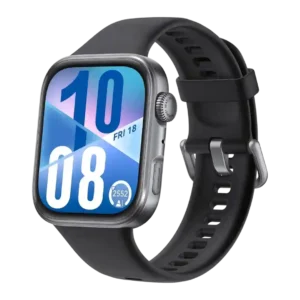
The operating system felt polished and smooth overall, though some reviewers noted limited development or similarity to older Huawei models.
Pros: step counting accuracy, menu navigation
Cons: voice assistant quality, contactless payments
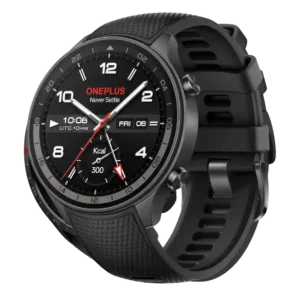
The Wear OS and RTOS dual-system experience was mostly praised as smooth, harmonious, and lag-free.
Pros: software smoothness, charging speed
Cons: ECG functionality, safety features
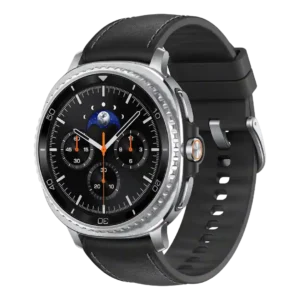
The operating system experience was widely praised for Wear OS and One UI improvements, though one reviewer still found the watch software somewhat busy.
Pros: third-party app support, heart rate accuracy
Cons: music controls, cross-platform compatibility
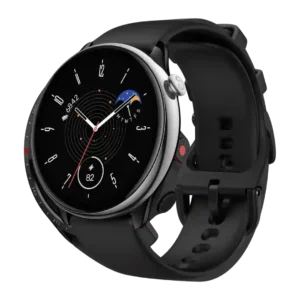
The operating system experience was praised as fast, simple, lightweight, and useful for a sports-watch experience.
Pros: pairing reliability, workout tracking variety
Cons: contactless payments, onboard music storage
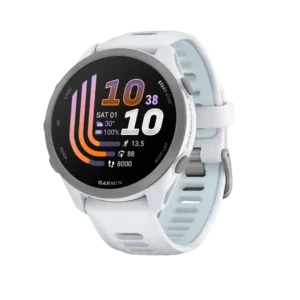
Garmin’s latest interface looks more polished, colorful, and modern while bringing sports and smartwatch tools into one place. It also positions the watch well for future updates.
Pros: music controls, pairing reliability
Cons: LTE connectivity, ECG functionality
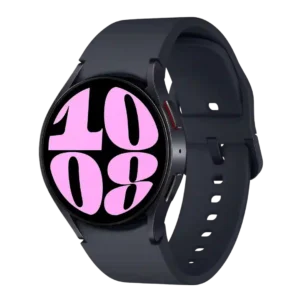
The operating system experience was praised as a strong Wear OS implementation, though app and ecosystem restrictions kept it from being flawless.
Pros: voice assistant quality, music controls
Cons: blood oxygen tracking, cross-platform compatibility
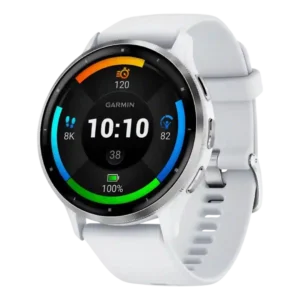
The operating system experience is positive overall, with reviewers describing it as convenient, well rounded, and a seamless blend of fitness and daily smartwatch use.
Pros: health tracking accuracy, software smoothness
Cons: LTE connectivity, mapping and navigation
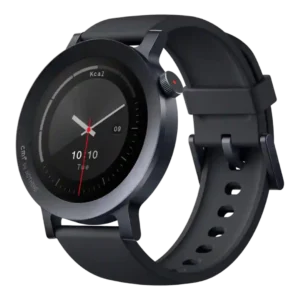
The proprietary operating system was praised as polished and refined for the price.
Pros: workout tracking variety, user interface
Cons: Wi-Fi connectivity, onboard music storage
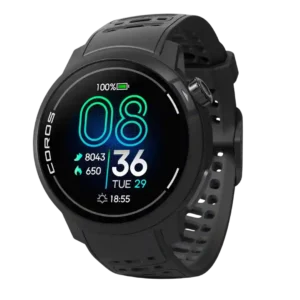
Operating system experience was praised for strong performance on the updated processor.
Pros: comfort, value for money
Cons: third-party app support, contactless payments
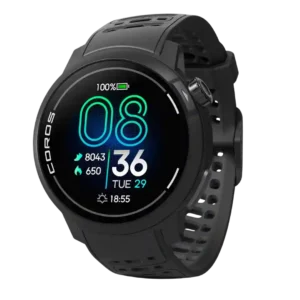
The operating system experience was considered focused and polished by reviewers who wanted a training-first watch rather than a full smartwatch.
Pros: outdoor visibility, display quality
Cons: contactless payments, flashlight usefulness
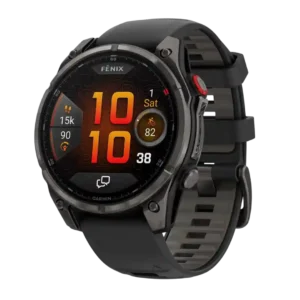
The operating experience was described as smooth and impressive in general Garmin use.
Pros: workout tracking variety, pairing reliability
Cons: size options, companion app quality
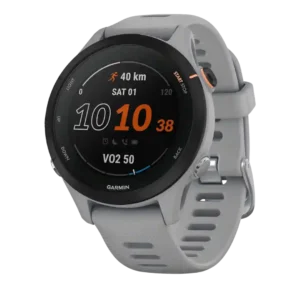
Operating system experience received one positive long-term judgment, with the reviewer describing Garmin's familiar system as easy to use.
Pros: step counting accuracy, fit
Cons: blood oxygen tracking, charging convenience
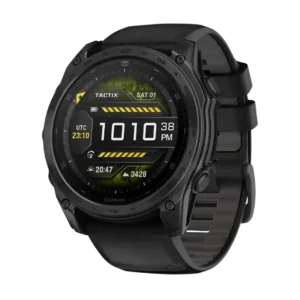
Operating system experience was praised in the display comparison for upgraded organization and easier access to activities.
Pros: wellness insights, build quality
Cons: LTE connectivity, band quality
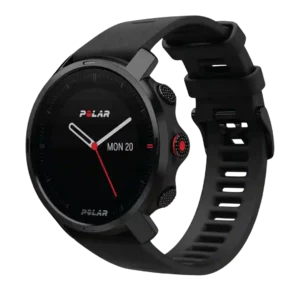
The operating system was seen as focused and clean, with a strong watch-side training platform despite limited lifestyle features.
Pros: materials quality, recovery insights
Cons: contactless payments, music controls
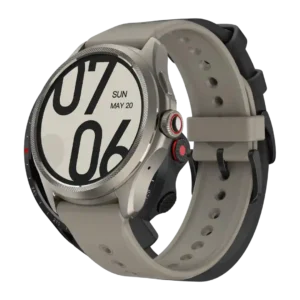
Wear OS experience was generally strong, with reviewers praising the modern interface while flagging uncertain future updates.
Pros: contactless payments, battery life
Cons: voice assistant quality, LTE connectivity
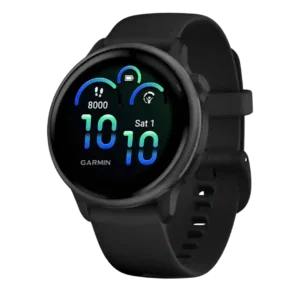
The operating system experience is improved, with reviewers calling the redesigned UI easier, cleaner, and more approachable.
Pros: software smoothness, comfort
Cons: LTE connectivity, voice assistant quality
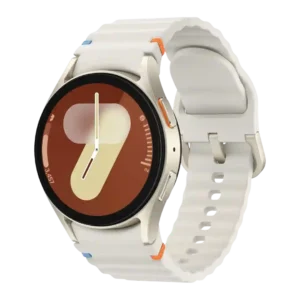
The operating-system experience is generally slick, with Wear OS 5 and Samsung One UI providing expandable apps and a smooth smartwatch feel.
Pros: display quality, durability
Cons: cross-platform compatibility, antioxidant index

The operating-system experience was generally smooth and capable, though mode switching or background wake delays could occasionally interrupt it.
Pros: blood oxygen tracking, step counting accuracy
Cons: LTE connectivity, calorie tracking usefulness
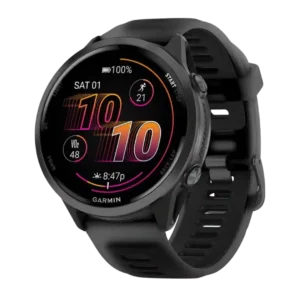
The operating-system experience felt more modern and coherent, though one Apple switcher still found Garmin clunkier.
Pros: charging speed, GPS accuracy
Cons: ECG functionality, smartphone notifications
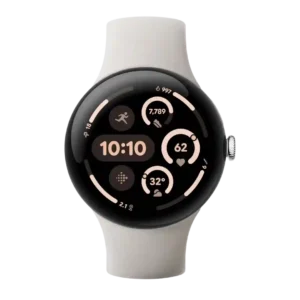
Wear OS was widely described as polished, zippy, and much improved, though some reviewers still noticed quiet updates, occasional stutters, or missing Gemini-era polish.
Pros: outdoor visibility, pairing reliability
Cons: calorie tracking usefulness, materials quality
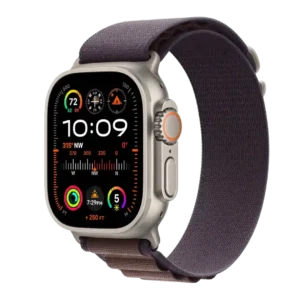
The operating system experience was positive overall, with watchOS and Smart Stack improving everyday usability.
Pros: app ecosystem, smartwatch features
Cons: cross-platform compatibility, blood oxygen tracking
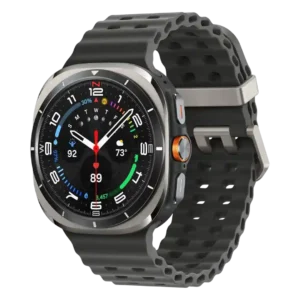
The operating system experience is improved by One UI 8, with more functional UI elements and praised new software features.
Pros: LTE connectivity, pairing reliability
Cons: antioxidant index, blood oxygen tracking
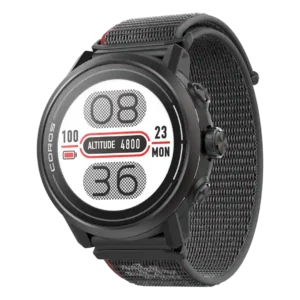
The operating experience was described as fast and functional in positive reviews, especially once users adapted to the watch.
Pros: resume later function, durability
Cons: watch face quality, call handling
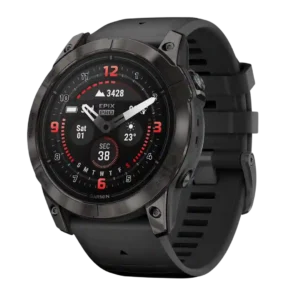
The operating system experience is strong overall, described as more robust and as operating well for endurance use.
Pros: GPS accuracy, charging speed
Cons: ECG functionality, voice assistant quality
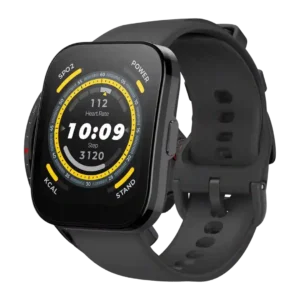
Operating system experience receives positive evidence for a responsive, well-balanced interface.
Pros: comfort, touchscreen responsiveness
Cons: calorie tracking usefulness, onboard music storage
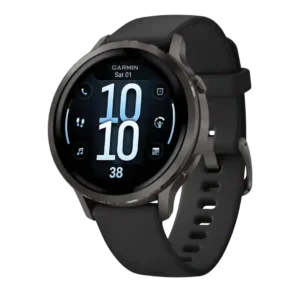
The newer Garmin OS and unified platform were generally viewed as a meaningful improvement, with smoother menus, better accessibility, and potential quality gains.
Pros: activity auto-detection, style and design
Cons: LTE connectivity, charging convenience
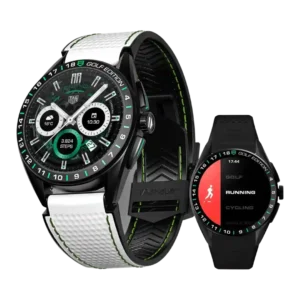
Operating system impressions vary sharply: Wear OS 2 felt dated, while Wear OS 3 and later software were praised as smoother and easier.
Pros: contactless payments, pairing reliability
Cons: LTE connectivity, call handling
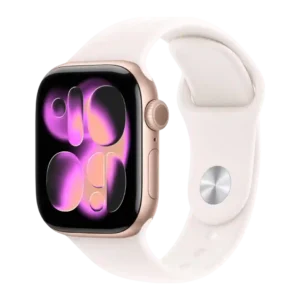
watchOS 26 feels polished and fluid overall, but Liquid Glass readability drew mixed reactions from a few reviewers.
Pros: ECG functionality, app ecosystem
Cons: cross-platform compatibility, recovery insights
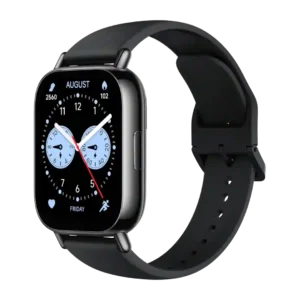
HyperOS was mostly smooth and attractive, though one reviewer found parts of the sleep/night-mode behavior unrefined.
Pros: cross-platform compatibility, pairing reliability
Cons: third-party app support, contactless payments
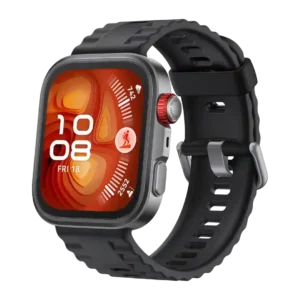
The operating system experience was mostly positive for speed and features, but reviewers also noted Wear OS limitations and occasional quirks.
Pros: Bluetooth connectivity, calorie tracking usefulness
Cons: ECG functionality, flashlight usefulness
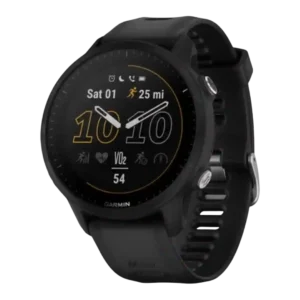
The operating system experience was mixed-to-positive: reviewers liked Garmin’s familiar UX and smoother operation but still called some software clunky.
Pros: outdoor visibility, charging speed
Cons: LTE connectivity, call handling
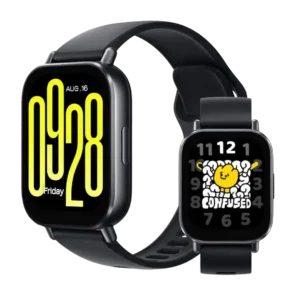
The OS experience was generally smooth and lightweight, though one reviewer still framed it as basic rather than full smartwatch software.
Pros: wellness insights, Bluetooth connectivity
Cons: contactless payments, third-party app support
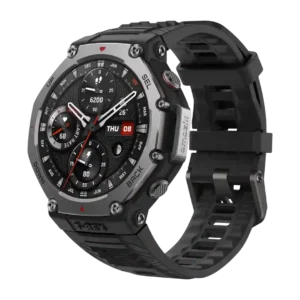
The operating experience was generally smooth and responsive, though some software features still felt immature.
Pros: resume later function, brightness
Cons: safety features, activity auto-detection
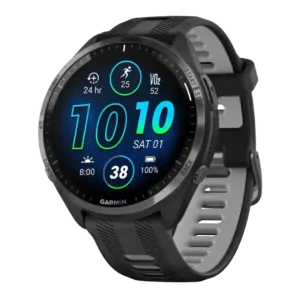
The OS experience was viewed as effective and more fun with the refreshed AMOLED-era interface.
Pros: water resistance, workout tracking variety
Cons: LTE connectivity, ECG functionality
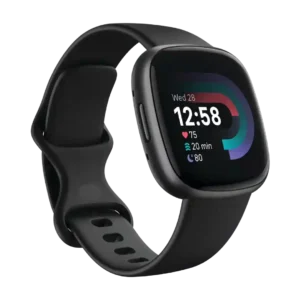
The operating system was easier to use than before, according to the review that focused on Fitbit OS changes.
Pros: pairing reliability, user interface
Cons: third-party app support, music controls
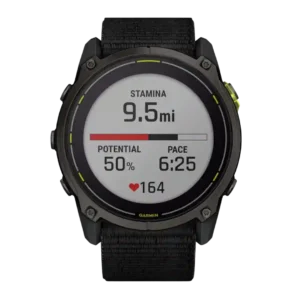
The updated software experience makes the Enduro 3 feel closer to a smartwatch while keeping its sports-watch focus.
Pros: contactless payments, reliability
Cons: onboard music storage, watch face quality
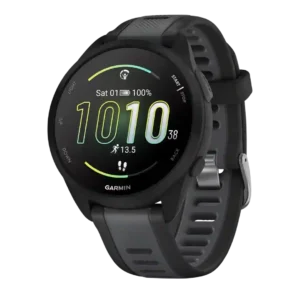
The operating experience was familiar and straightforward for Garmin users.
Pros: smartphone notifications, watch face quality
Cons: music controls, Wi-Fi connectivity