Best for third-party app support
Samsung Galaxy Watch 8
4.8 feature score
Highest scored product for this feature based on supporting review evidence.
Highest scored product for this feature based on supporting review evidence.
Balances feature score, supporting reviews, and overall product strength.
Has the broadest review evidence for this feature.
Strongest overall product among items with scored evidence for this feature.
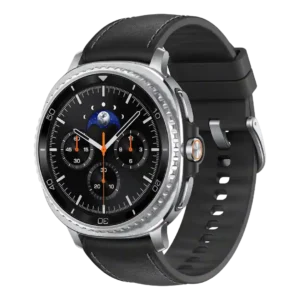
Third-party app support is strong thanks to Google Play access and examples like Spotify and other smartwatch apps.
Pros: third-party app support, heart rate accuracy
Cons: cross-platform compatibility, antioxidant index

Third-party app support is excellent for a Xiaomi watch because Wear OS brings Play Store apps, Google services, Spotify, WhatsApp, and more.
Pros: materials quality, Bluetooth connectivity
Cons: ECG functionality, reliability
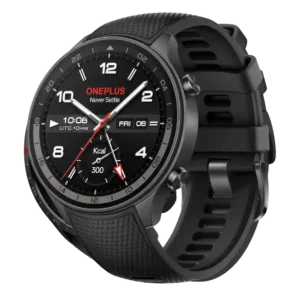
Third-party app support is strong because Wear OS provides Play Store access and reviewers cite many third-party apps, games, and watch faces.
Pros: third-party app support, workout tracking variety
Cons: ECG functionality, LTE connectivity
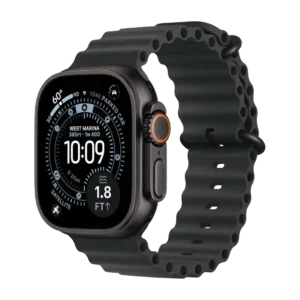
Third-party app support is a standout advantage, especially for Strava, Runna, WorkOutDoors, AllTrails, Spotify, and other Apple Watch apps.
Pros: pairing reliability, app ecosystem
Cons: cross-platform compatibility, size options
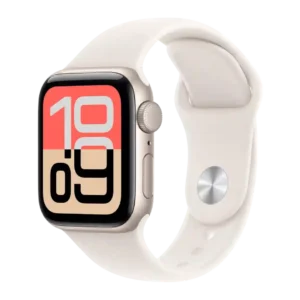
Third-party app support is strong because the SE 3 retains Apple’s large app store and broad developer support.
Pros: value for money, contactless payments
Cons: blood oxygen tracking, ECG functionality
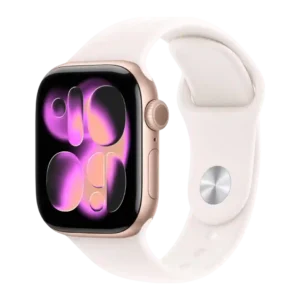
Third-party app support is strong, with App Store availability and named apps such as Flighty, Tesla, Parcel, and Carrot Weather.
Pros: contactless payments, pairing reliability
Cons: cross-platform compatibility, recovery insights
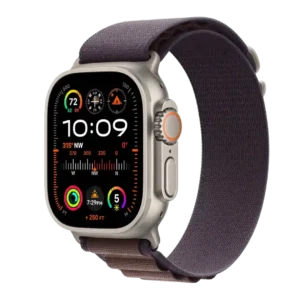
Third-party app support is excellent through the watchOS App Store and helps fill gaps in navigation, fitness, and everyday smartwatch use.
Pros: display quality, heart rate accuracy
Cons: cross-platform compatibility, recovery insights

Third-party app support is strong because Wear OS provides Play Store access and popular apps like Strava, Spotify, Audible, and AllTrails.
Pros: step counting accuracy, button controls
Cons: LTE connectivity, cross-platform compatibility
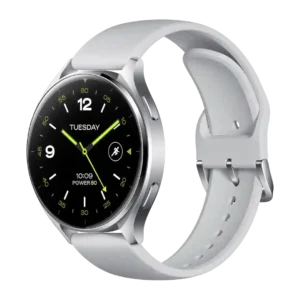
Third-party app support is strong because Wear OS and Google Play bring apps such as Spotify, WhatsApp, Audible, Amazon Music, and more.
Pros: charging speed, workout tracking variety
Cons: ECG functionality, LTE connectivity

Third-party app support is strong for a smartwatch, with Play Store access and apps such as WhatsApp, Spotify, Strava, Calm, and Audible mentioned.
Pros: outdoor visibility, workout tracking variety
Cons: cross-platform compatibility, battery life
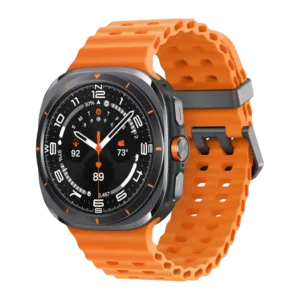
Third-party app support was a Wear OS advantage, especially popular apps like Komoot, Strava, Spotify, and broader Wear OS options.
Pros: outdoor visibility, display quality
Cons: size options, cross-platform compatibility
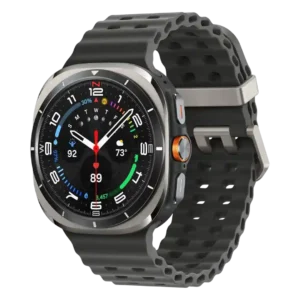
Third-party app support is solid through Google Play, fitness apps such as Strava and Map My Run, and a growing Wear OS app selection.
Pros: brightness, durability
Cons: cross-platform compatibility, value for money
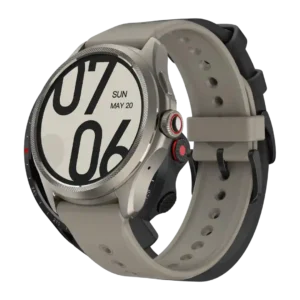
Third-party app support is strong through the Google Play Store, Google Fit, Strava, and broad Wear OS app access.
Pros: battery life, pairing reliability
Cons: ECG functionality, LTE connectivity
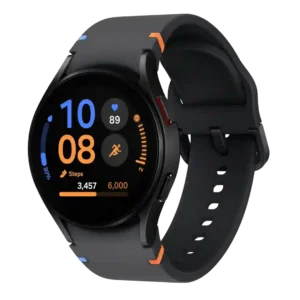
Third-party app support is a major advantage, with Google Play and apps like WhatsApp, Spotify, Google Maps, AllTrails, Strava, and more cited.
Pros: workout tracking variety, materials quality
Cons: size options, cross-platform compatibility
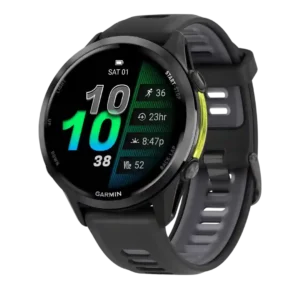
Third-party app support was strong through Connect IQ and integrations or services such as Strava, Komoot, RideWithGPS, and useful extra apps.
Pros: button controls, GPS accuracy
Cons: LTE connectivity, size options
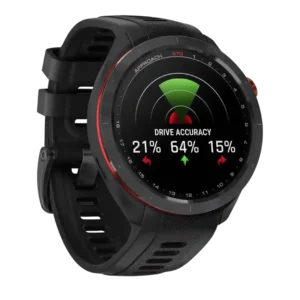
Third-party app support is useful but not always seamless, with Connect IQ and downloadable apps/features appearing as the main support path.
Pros: pairing reliability, brightness
Cons: software smoothness, user interface
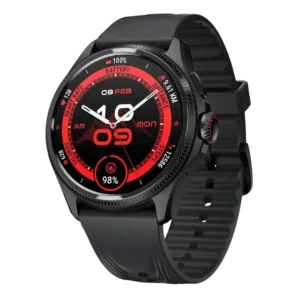
Third-party app support is strong thanks to the Play Store and optimized apps such as Strava, Nike Run Club, Spotify, WhatsApp, and others.
Pros: durability, battery life
Cons: ECG functionality, voice assistant quality
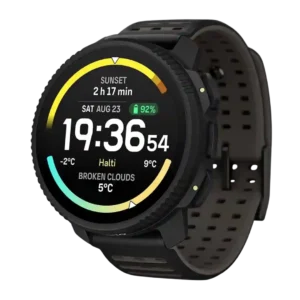
Third-party support is a bright spot for a performance watch, with repeated mentions of Strava, TrainingPeaks, Komoot, SuuntoPlus, and partner integrations.
Pros: cross-platform compatibility, outdoor visibility
Cons: onboard music storage, contactless payments
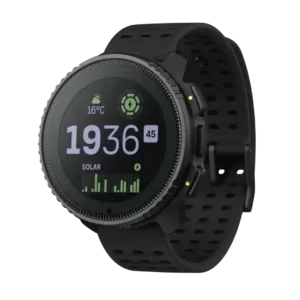
Third-party app support is useful through SuuntoPlus, partner apps, and an app store reviewers felt had caught up.
Pros: battery life, materials quality
Cons: ECG functionality, contactless payments
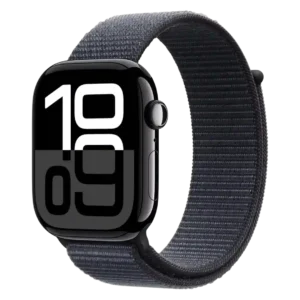
Third-party app support is a major advantage, from Spotify and Strava-related workflows to specialist sports apps like Stryd and WorkOutDoors.
Pros: charging speed, contactless payments
Cons: cross-platform compatibility, blood oxygen tracking
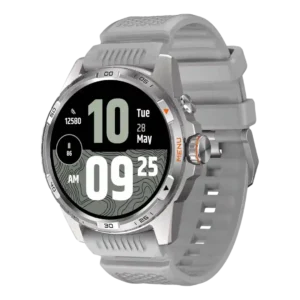
Third-party app support was strong through the Play Store, Strava, Spotify, Google Fit, WhatsApp, and other Wear OS apps.
Pros: battery life, durability
Cons: ECG functionality, LTE connectivity
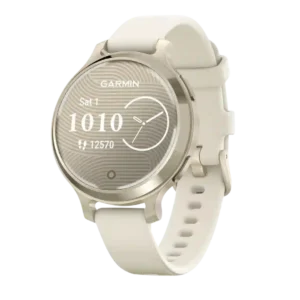
Third-party support is strong for fitness sharing and sensors, including Strava, TrainingPeaks, heart-rate broadcasting, and external sensor pairing.
Pros: comfort, style and design
Cons: ECG functionality, onboard music storage
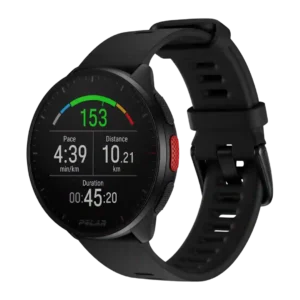
Third-party app support was a positive point, especially Strava support plus links to Adidas Running and Nike Run Club.
Pros: workout tracking variety, brightness
Cons: contactless payments, onboard music storage
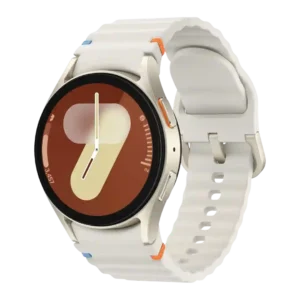
Third-party app support was strong through Google Play and Wear OS, but deeper health-data export and external sensor support remained limited.
Pros: user interface, build quality
Cons: antioxidant index, cross-platform compatibility
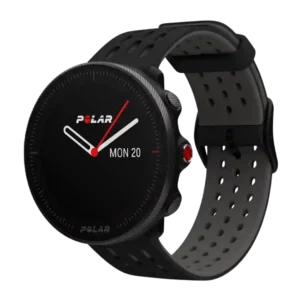
Third-party app support is good through Polar Flow connections such as Strava and other fitness services.
Pros: workout tracking variety, sleep tracking accuracy
Cons: blood oxygen tracking, voice assistant quality
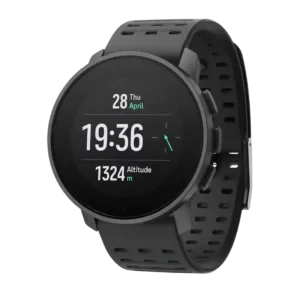
Third-party app support is a notable strength through SuuntoPlus, Strava, TrainingPeaks, Komoot, partner APIs, and app-store-like tools.
Pros: charging speed, durability
Cons: voice assistant quality, contactless payments
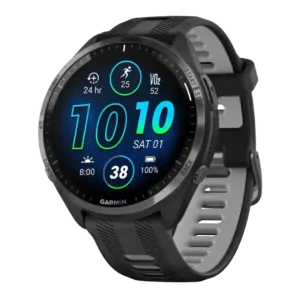
Third-party support is useful through Connect IQ, Strava, Komoot, and integrations, but the app ecosystem lacks the polish and breadth of larger smartwatch platforms.
Pros: mapping and navigation, watch face quality
Cons: ECG functionality, LTE connectivity
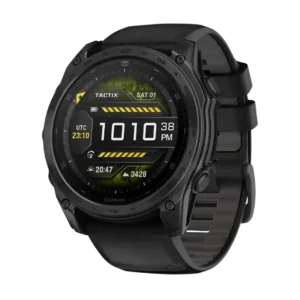
Third-party app support appeared through Komoot route loading and music services, though it was not the deepest review theme.
Pros: materials quality, durability
Cons: LTE connectivity, value for money
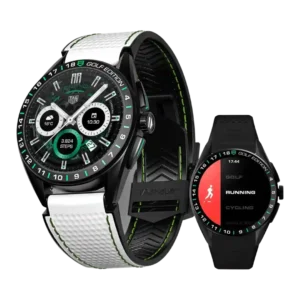
Third-party app support is good through Google Play and Wear OS, with reviewers noting downloadable apps and installable fitness apps.
Pros: materials quality, style and design
Cons: blood oxygen tracking, ECG functionality

Third-party support appears through Connect IQ, letting users add watch faces, data fields, widgets, and apps.
Pros: mapping and navigation, GPS accuracy
Cons: voice assistant quality, call handling
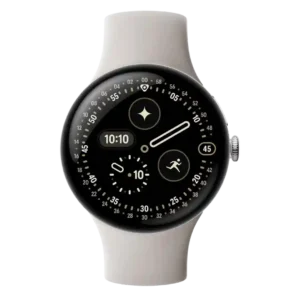
Third-party app support is represented by Strava syncing in the sports review, with broader Play Store strength covered under the app ecosystem.
Pros: outdoor visibility, charging speed
Cons: stress tracking, band quality
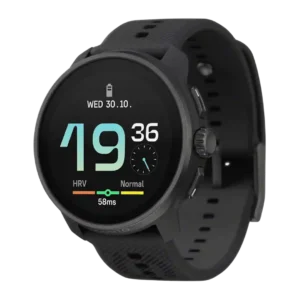
Third-party support is useful through SuuntoPlus and connected services, but on-watch app limits hold it back.
Pros: build quality, GPS accuracy
Cons: activity auto-detection, contactless payments
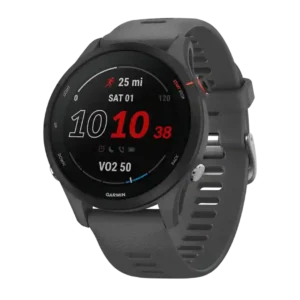
Third-party app support exists through Connect IQ and downloadable faces/apps, but reviewers describe it as useful rather than Apple Watch-level broad.
Pros: reliability, GPS accuracy
Cons: call handling, touchscreen responsiveness
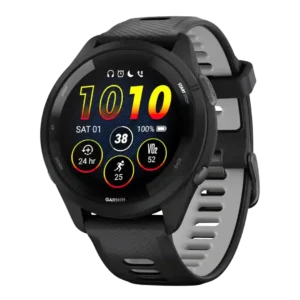
Third-party app support is good for fitness integrations and Connect IQ, but it is weaker than lifestyle smartwatch app ecosystems.
Pros: GPS accuracy, brightness
Cons: ECG functionality, voice assistant quality
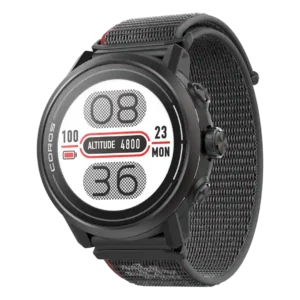
Third-party app support is helpful for syncing routes and fitness data to services such as Strava, Komoot, Apple Health, Nike Run Club, and adidas Running.
Pros: durability, pairing reliability
Cons: contactless payments, call handling
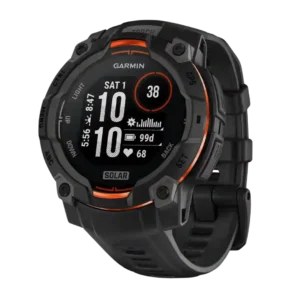
Third-party app support exists through Connect IQ, including apps like Komoot, but reviewers still saw limitations around mapping.
Pros: water resistance, charging speed
Cons: LTE connectivity, Wi-Fi connectivity
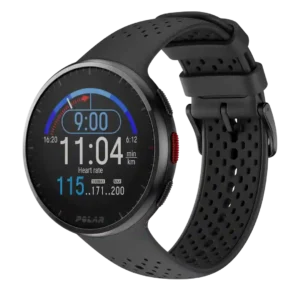
Third-party fitness support is useful through Strava, Komoot, TrainingPeaks-style integrations, and Strava Live Segments, but it is not a full app-store experience.
Pros: workout tracking variety, comfort
Cons: blood oxygen tracking, ECG functionality
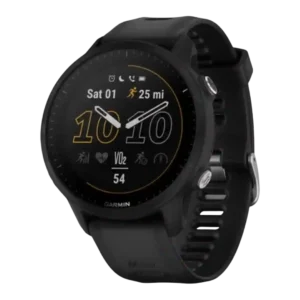
Third-party app support is useful through Connect IQ apps, data fields, faces, and widgets, but reviewers also say the platform needs growth or is not Apple-like.
Pros: charging speed, workout tracking variety
Cons: voice assistant quality, LTE connectivity
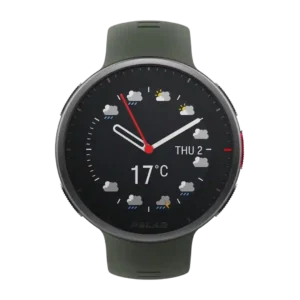
Third-party app support is useful for Strava, TrainingPeaks, Komoot, and segments, but reviewers also noted gaps such as no broader apps or missing Strava route support.
Pros: reliability, workout tracking variety
Cons: blood oxygen tracking, contactless payments
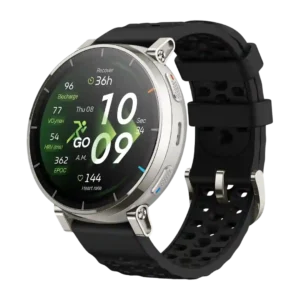
Third-party support is mixed: key training platforms like Strava, TrainingPeaks, Runna, and Intervals appear, but broader app-store access and some training-app links are limited.
Pros: outdoor visibility, software smoothness
Cons: ECG functionality, LTE connectivity
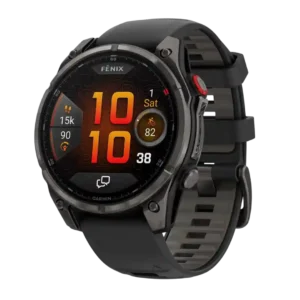
Third-party app support was present through Connect IQ, but app experience and Garmin Messenger setup were less polished than mainstream smartwatches.
Pros: pairing reliability, workout tracking variety
Cons: size options, value for money
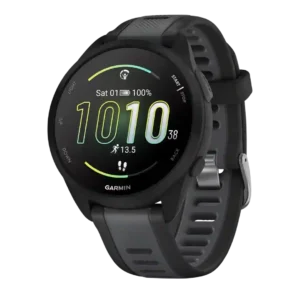
Third-party app support exists through Connect IQ widgets, watch faces, data fields, and apps, but reviewers did not portray it as a rich smartwatch store.
Pros: brightness, outdoor visibility
Cons: ECG functionality, voice assistant quality
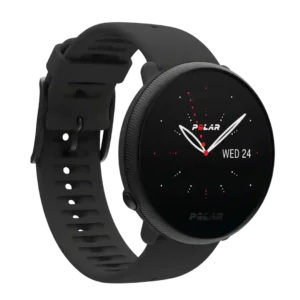
Third-party support is mixed: workouts can sync to services and controls can work with apps, but there is no downloadable app-store ecosystem.
Pros: workout tracking variety, coaching features
Cons: blood oxygen tracking, contactless payments
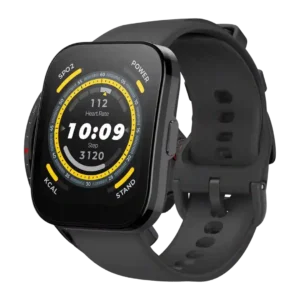
Third-party app support exists through Zepp apps and service syncs, but app quality and depth are limited compared with premium ecosystems.
Pros: value for money, workout tracking variety
Cons: onboard music storage, contactless payments
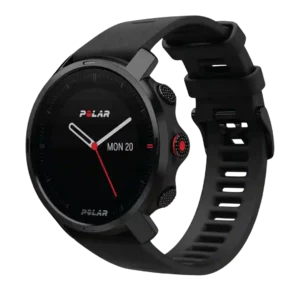
Third-party support was mixed: Strava and related services were useful, but importing outside workout files into Polar Flow was a notable gap.
Pros: wellness insights, workout tracking variety
Cons: contactless payments, onboard music storage
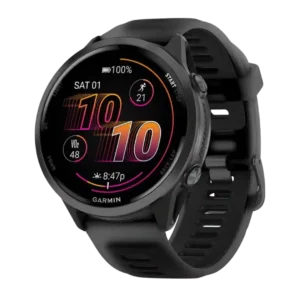
Third-party app support exists through Connect IQ, but reviewers view Garmin's store as useful yet limited versus full smartwatch platforms.
Pros: outdoor visibility, brightness
Cons: ECG functionality, LTE connectivity

Third-party support is improving through Strava, Komoot, Apple Health, Google Fit, Sonos, Spotify controllers, and app-store options, but integrations remain uneven.
Pros: workout tracking variety, water resistance
Cons: ECG functionality, LTE connectivity
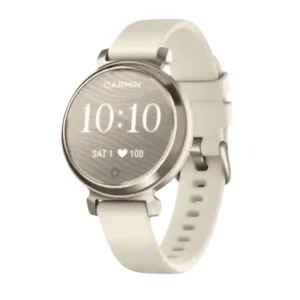
Third-party app support is limited overall, but manually started workouts can sync to outside services like Strava through Garmin Connect.
Pros: comfort, pairing reliability
Cons: ECG functionality, onboard music storage
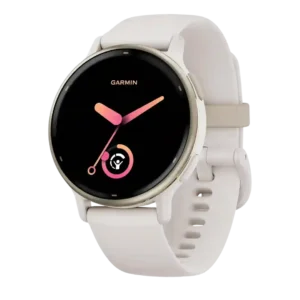
Third-party app support exists through Connect IQ, Strava, and services, but it is less broad than Apple or Google ecosystems.
Pros: brightness, outdoor visibility
Cons: ECG functionality, LTE connectivity
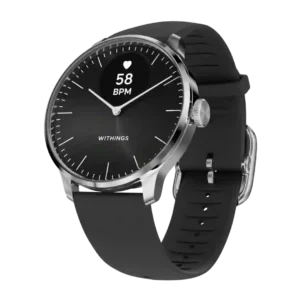
Third-party support is mainly sync-based, with evidence for Google Fit, Strava, and Samsung Health rather than on-watch apps.
Pros: style and design, build quality
Cons: blood oxygen tracking, ECG functionality