Best for battery life
Keychron Q1 Ultra 8K
4.9 feature score
Highest scored product for this feature based on supporting review evidence.
Highest scored product for this feature based on supporting review evidence.
Balances feature score, supporting reviews, and overall product strength.
Has the broadest review evidence for this feature.
Strongest overall product among items with scored evidence for this feature.
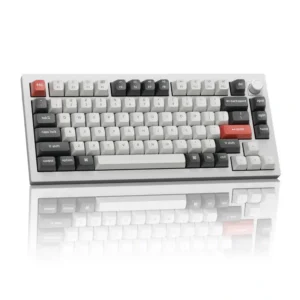
Battery endurance is a standout strength, with claims up to 660 hours and real use ranging from a full week with RGB to roughly a month or more between charges.
Pros: legend visibility, RGB customization
Cons: actuation consistency, rapid trigger support
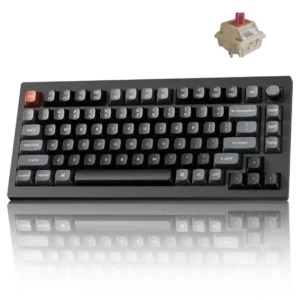
Battery endurance is the standout feature: the 600- to 660-hour claim was not fully exhausted, but testers saw very little drain. RGB and 8K wireless polling reduce runtime, yet even...
Pros: key responsiveness, actuation consistency
Cons: rapid trigger support, analog input support
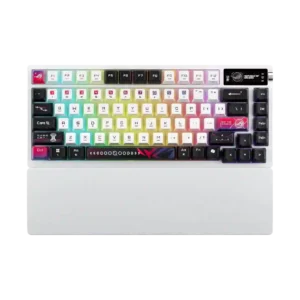
Battery life drew near-universal praise, with many reviewers calling it impressive even when RGB or OLED reduced rated endurance.
Pros: latency, wireless performance
Cons: rapid trigger support, analog input support

Battery life was strongly praised, with reviewers emphasizing the large 8,000 mAh capacity and long time between charges.
Pros: value for money, customization options
Cons: cable quality, portability
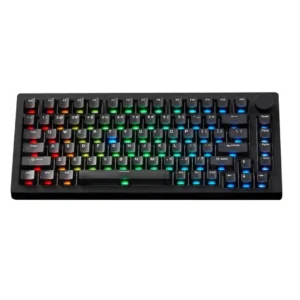
Battery life is one of the most consistently praised areas, helped by the 8000mAh pack and multi-week or high-percentage real-world reports.
Pros: switch options, hot-swappable switches
Cons: portability, cable quality
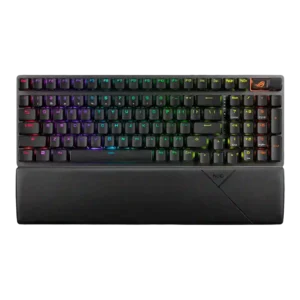
Battery life is one of the most consistently praised attributes, with reviewers calling it beastly, impressive, class-leading, or unusually long-lasting.
Pros: per-key lighting control, wireless performance
Cons: rapid trigger support, analog input support
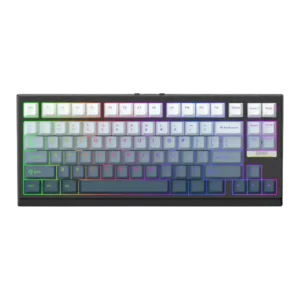
Battery life was praised strongly, including nearly impossible-to-drain testing, a two-month claim, and expected long gaming sessions.
Pros: desk space efficiency, layout options
Cons: compatibility
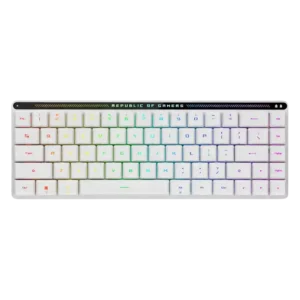
Battery life is a consistent strength, with reviewers reporting long multi-day use and calling endurance fantastic or impressive.
Pros: reliability, typing comfort
Cons: cable quality, wrist rest quality
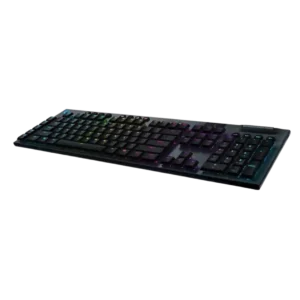
Battery life is one of the strongest points, repeatedly described as solid, commendable, impressive, exceptional, or long-lasting even with RGB enabled.
Pros: latency, polling rate
Cons: passthrough features, cable quality
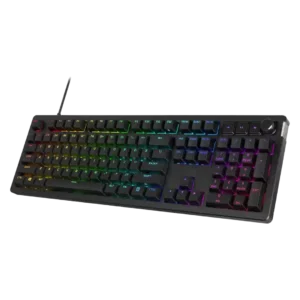
Battery life is a clear wireless-model strength, with reviewers reporting long runtime and being impressed by endurance.
Pros: compatibility, legend visibility
Cons: wrist rest quality, cable quality
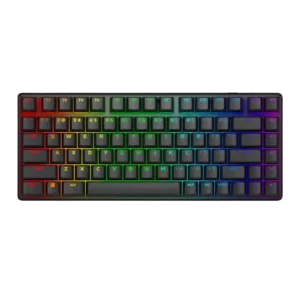
Battery life was mostly praised as long or exceptional, but reviewers noted RGB lighting sharply reduces endurance.
Pros: key stability, backlight brightness
Cons: rapid trigger support, wrist rest quality
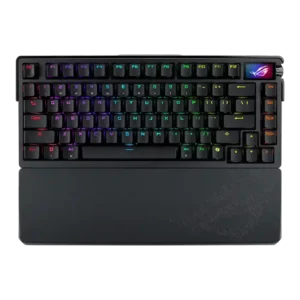
Battery life was praised as excellent, pretty good, incredible, or long-lasting, even when reviewers noted display and RGB settings affect endurance.
Pros: key spacing, reliability
Cons: rapid trigger support, analog input support
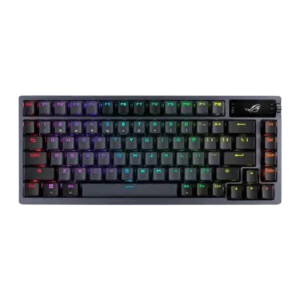
Battery life drew broad praise, from week-plus real-world use to long-term confidence, though reviewers noted the advertised maximum requires turning off RGB and OLED extras.
Pros: durability, wireless performance
Cons: passthrough features, onboard memory
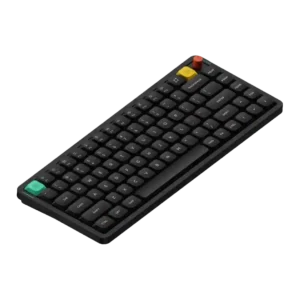
Battery life was a major positive, repeatedly described as amazing or phenomenal, though one reviewer’s extrapolated testing fell below the rated claim.
Pros: key responsiveness, typing feel
Cons: per-key lighting control, legend visibility
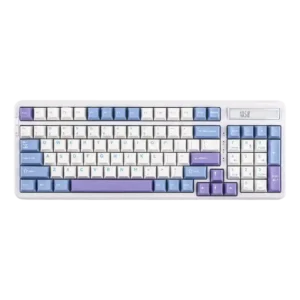
Battery life evidence was favorable, with reviewers saying it eased charging worries or lasted longer than expected.
Pros: ease of switch replacement, typing feel
Cons: key spacing, layout options
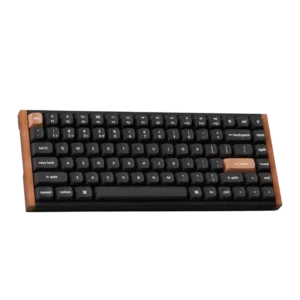
Battery life was generally positive, ranging from several days to multiple weeks depending on RGB and wireless settings, with a few average assessments.
Pros: wrist rest quality, onboard memory
Cons: per-key lighting control, switch options
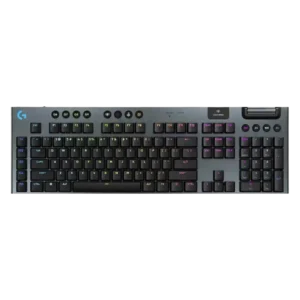
Battery life was one of the strongest recurring positives, usually described as solid to excellent depending on RGB brightness.
Pros: stabilizer quality, latency
Cons: ease of switch replacement, hot-swappable switches
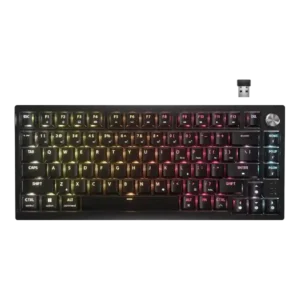
Battery life was widely praised, especially with RGB off; reviewers with RGB on reported shorter but still usable runtimes ranging from days to around a week.
Pros: latency, durability
Cons: legend visibility, rapid trigger support
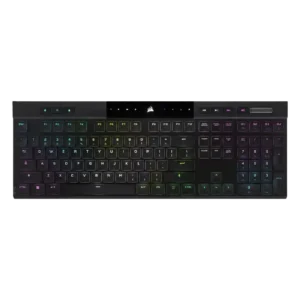
Battery life was one of the clearest strengths, with many reviewers reporting days, a week, or longer between charges and generally validating the 50-hour RGB claim.
Pros: backlight brightness, actuation consistency
Cons: sound dampening, stabilizer quality
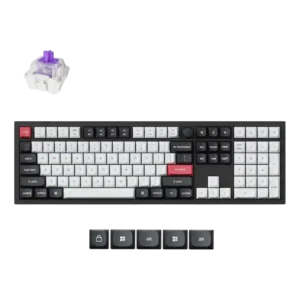
Battery life evidence was positive, with reviewers saying charging was not a problem and that real-world use aligned with good battery expectations.
Pros: key stability, frame rigidity
Cons: portability, switch options
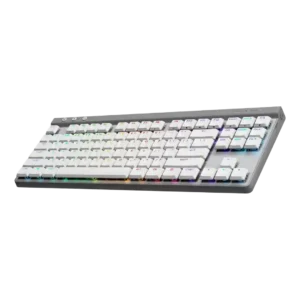
Battery life drew mostly positive reactions in real-world use, especially with lighting managed, but several reviewers said it trails some competing wireless boards.
Pros: latency, wireless performance
Cons: rapid trigger support, ease of switch replacement
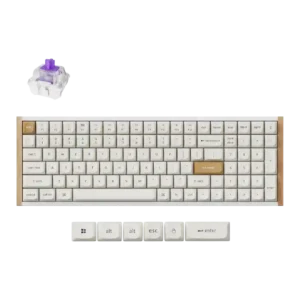
Battery life was viewed as good or reasonable, though one reviewer noted it was not as strong as some full-size alternatives with backlighting off.
Pros: durability, rapid trigger support
Cons: per-key lighting control, stabilizer quality
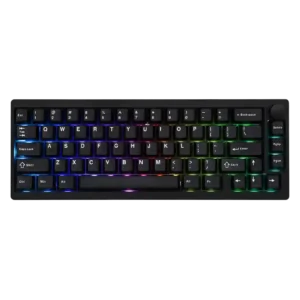
Battery life ranges from several days with RGB enabled to much longer with lighting off. Most found it acceptable, though one reviewer wanted at least a full week.
Pros: frame rigidity, acoustics
Cons: rapid trigger support, analog input support
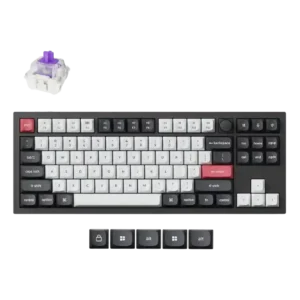
Battery life was mixed: one reviewer found it really good, while another warned RGB wireless use noticeably taxes the battery.
Pros: build quality, extra gaming features
Cons: switch options, hot-swappable switches
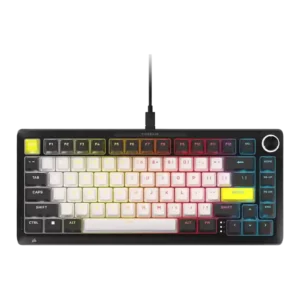
Battery-life evidence was split: one review criticized the optional wireless module's reduced endurance, while another praised weeks between charges.
Pros: per-key lighting control, durability
Cons: portability, noise level
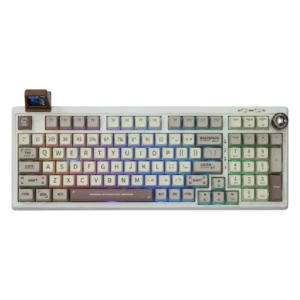
Battery life is mixed: some reviewers saw only a couple days with RGB or screen use, while others reported a week or more with lighter settings.
Pros: noise level, acoustics
Cons: rapid trigger support, actuation consistency
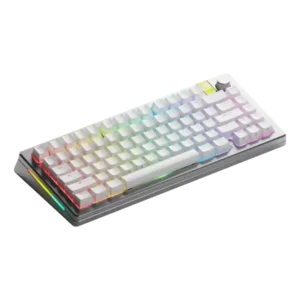
Battery life was mixed: reviewers found real-world endurance adequate or great, but one criticized the battery capacity as small.
Pros: materials quality, customization options
Cons: reliability, actuation consistency
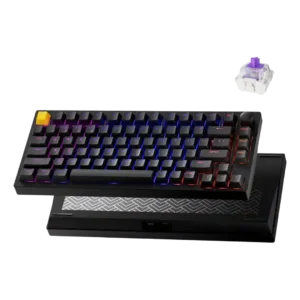
Battery life was considered good enough or standard, though one reviewer called it decent rather than standout.
Pros: frame rigidity, stabilizer quality
Cons: per-key lighting control, RGB customization
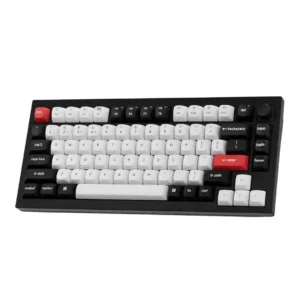
Battery life is acceptable but not a standout; reviewers ranged from calling it weak or only a few days with RGB to saying it was enough for regular use.
Pros: key stability, frame rigidity
Cons: profile management, reliability
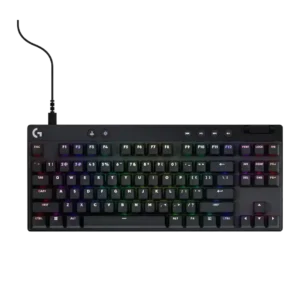
Battery life is usable for wireless play, yet reviewers split between excellent endurance on the 60% and merely average weekly charging on the TKL.
Pros: durability, per-key lighting control
Cons: noise level, sound dampening
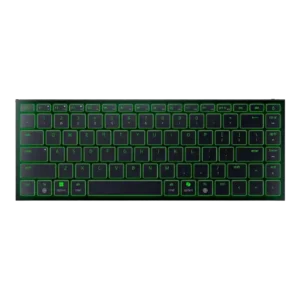
Battery impressions were split: several reviewers praised all-day or weeklong use with modest lighting, while others criticized short runtime with RGB enabled.
Pros: frame rigidity, size and form factor
Cons: sound dampening, per-key lighting control
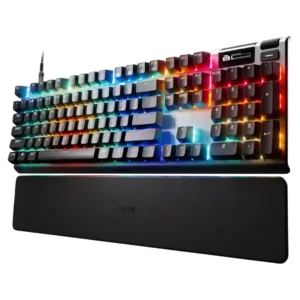
Battery life was acceptable but not standout: reviewers reported several days or about two heavy days, while IGN called it not the greatest.
Pros: key responsiveness, durability
Cons: passthrough features, analog input support
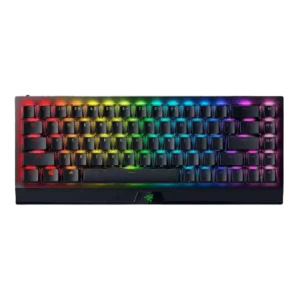
Battery life was the most mixed major attribute: reviewers praised long life with lighting off or low, but full RGB drained the battery quickly.
Pros: per-key lighting control, backlight brightness
Cons: passthrough features, compatibility
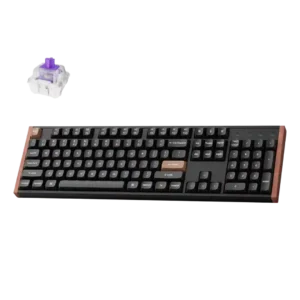
Battery life was mixed because one reviewer liked fast charging but said heavy RGB use required recharging every few days.
Pros: wireless performance, key responsiveness
Cons: switch options, desk space efficiency
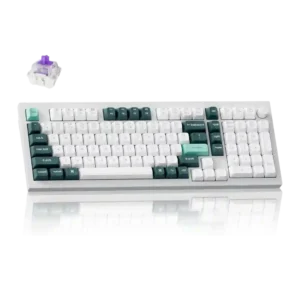
Battery life received mixed evidence: it was usable in testing, but one reviewer said it pales beside other Keychron keyboards.
Pros: cable quality, typing comfort
Cons: portability, switch options
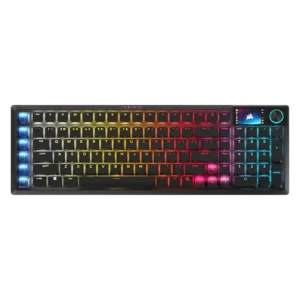
Battery life is the main hardware compromise. Moderate settings can stretch toward the quoted 55 hours, but bright RGB and the LCD commonly reduce real use to roughly 20–30 hours.
Pros: key stability, stabilizer quality
Cons: analog input support, rapid trigger support
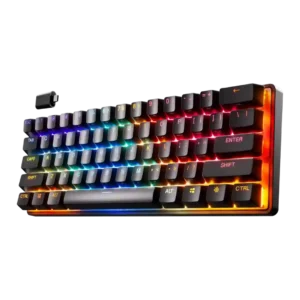
Battery life was a mild concern rather than a strength: reviewers accepted the rated life but criticized regular charging, aggressive sleep behavior, and wake delay.
Pros: latency, key responsiveness
Cons: hot-swappable switches, ease of switch replacement
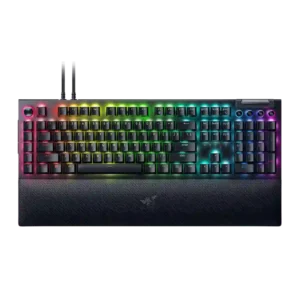
Battery evidence was split by model and settings, ranging from good light-use results to severe drain when RGB, OLED or wireless polling were active.
Pros: key stability, ease of switch replacement
Cons: compatibility, battery life
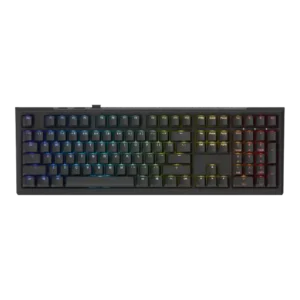
Battery life was repeatedly criticized, with reviewers reporting around 10 to 15 hours with RGB and saying it was not a buying reason.
Pros: typing feel, key stability
Cons: profile management, wrist rest quality
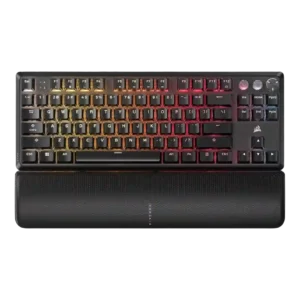
Battery life had limited evidence from the Mini Wireless review, where RGB-on runtime was criticized as poor.
Pros: per-key lighting control, key responsiveness
Cons: ease of switch replacement, battery life