Best for rapid trigger support
Keychron K2 HE
4.9 feature score
Highest scored product for this feature based on supporting review evidence.
Highest scored product for this feature based on supporting review evidence.
Balances feature score, supporting reviews, and overall product strength.
Has the broadest review evidence for this feature.
Strongest overall product among items with scored evidence for this feature.
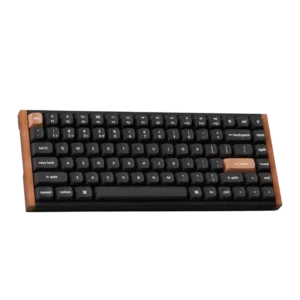
Rapid trigger support was one of the clearest strengths, repeatedly praised for instant reset, gaming movement, and fast repeat inputs.
Pros: wrist rest quality, onboard memory
Cons: per-key lighting control, switch options
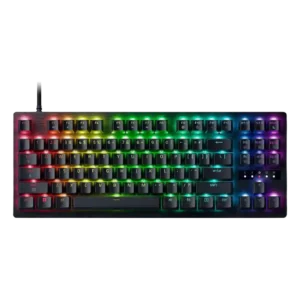
Rapid Trigger is one of the best-reviewed features, praised for fast resets, movement control, and competitive FPS value.
Pros: polling rate, RGB customization
Cons: key stability, typing comfort
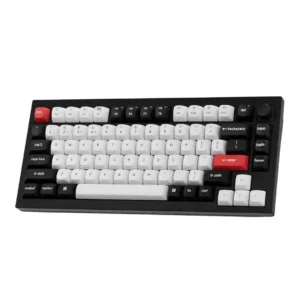
Rapid trigger support is one of the strongest gaming features, with reviewers repeatedly saying it works well, feels solid, and improves fast inputs.
Pros: key stability, frame rigidity
Cons: profile management, reliability
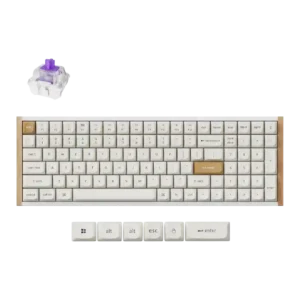
Rapid Trigger support received strong praise for fast reset, snappier strafing, quick repeated actions, and game-changing responsiveness.
Pros: durability, rapid trigger support
Cons: per-key lighting control, stabilizer quality
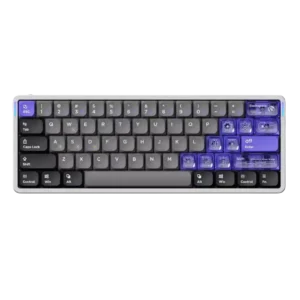
Rapid Trigger support was repeatedly praised as responsive and useful, with reviewers noting near-instant reset and practical gaming benefits.
Pros: frame rigidity, rapid trigger support
Cons: switch options, legend visibility
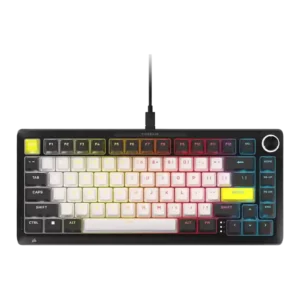
Rapid Trigger was repeatedly praised as useful, well implemented, or genuinely valuable for competitive movement.
Pros: per-key lighting control, durability
Cons: portability, noise level
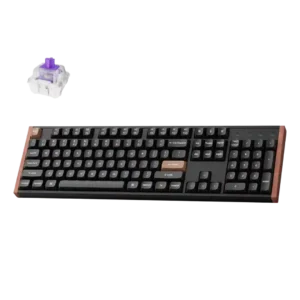
Rapid trigger support was praised as useful for fast repeated inputs, gaming, and responsive competitive play.
Pros: wireless performance, key responsiveness
Cons: switch options, desk space efficiency
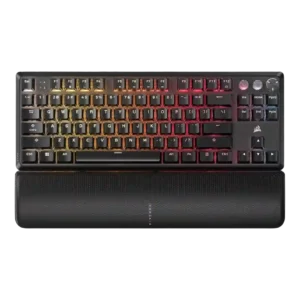
Rapid trigger support was treated as a real competitive feature, especially for Hall-effect TKL models, though reviewers also noted the risk of accidental inputs.
Pros: per-key lighting control, key responsiveness
Cons: ease of switch replacement, battery life
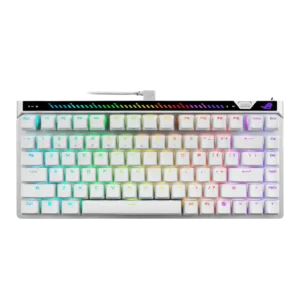
Rapid Trigger was a core strength across reviews, valued for fast reset behavior and competitive tuning.
Pros: key responsiveness, latency
Cons: analog input support, wrist rest quality
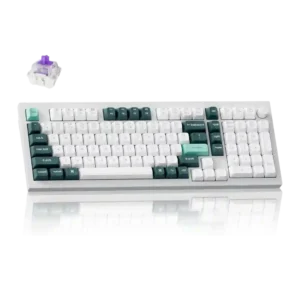
Rapid trigger support was consistently praised as useful for fast inputs, quick reset, and competitive gaming responsiveness.
Pros: cable quality, typing comfort
Cons: portability, switch options
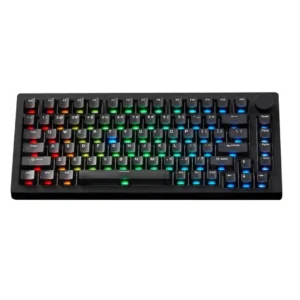
Rapid trigger support is a major gaming strength, offering fine adjustment and low thresholds that reviewers found useful when tuned properly.
Pros: switch options, hot-swappable switches
Cons: portability, cable quality
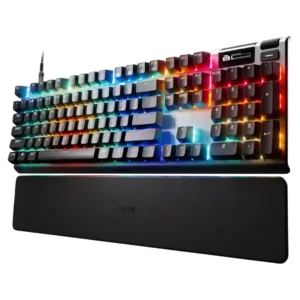
Rapid Trigger/Rapid Tap features were repeatedly praised for faster resets, movement, and competitive control.
Pros: key responsiveness, durability
Cons: passthrough features, analog input support
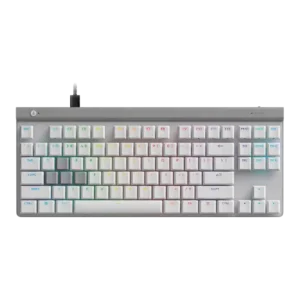
Rapid Trigger was strongly praised across reviews as a meaningful competitive feature for faster resets, movement, and repeat inputs.
Pros: key responsiveness, ergonomics
Cons: wireless performance, volume control
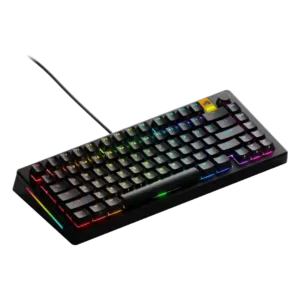
Rapid Trigger earned positive comments for quick successive inputs and snappy response, especially for fast gaming movement.
Pros: RGB lighting quality, layout options
Cons: frame rigidity, value for money
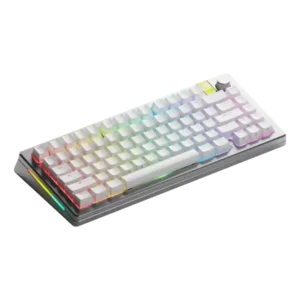
Rapid Trigger support was repeatedly viewed as a standout gaming feature that enabled faster re-presses, instant action, and quick movement.
Pros: materials quality, customization options
Cons: reliability, actuation consistency
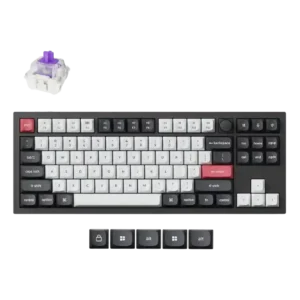
Rapid Trigger support was treated as a strong gaming advantage, described as handy, ideal for fast games, and outstanding.
Pros: build quality, extra gaming features
Cons: switch options, hot-swappable switches
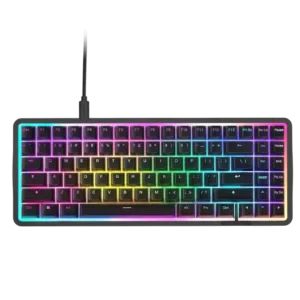
Rapid Trigger support was widely praised for fast reset, repeat inputs, and competitive movement control.
Pros: latency, acoustics
Cons: passthrough features, wireless performance
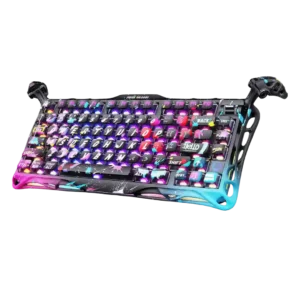
Rapid trigger was repeatedly praised as useful for gaming, competitive advantage, and quick key deactivation.
Pros: legend visibility, key responsiveness
Cons: connectivity, cable quality
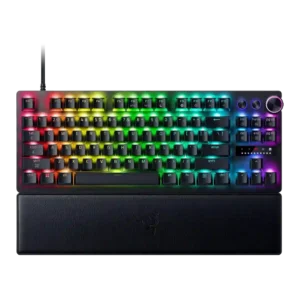
Rapid Trigger was one of the most consistently praised features, described as palpable, fast, and effective for repeated inputs, though a few reviewers said casual players may not notice or...
Pros: key responsiveness, actuation consistency
Cons: switch options, hot-swappable switches
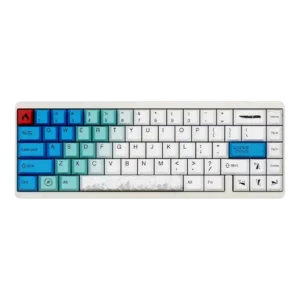
Rapid Trigger was well received, with reviewers saying it felt nice, worked as intended, and helped with fast resets.
Pros: durability, key responsiveness
Cons: reliability, RGB customization
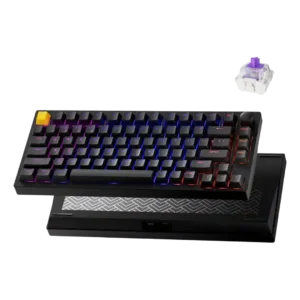
Rapid trigger support was praised as useful for faster repeated inputs and reliable recognition.
Pros: frame rigidity, stabilizer quality
Cons: per-key lighting control, RGB customization
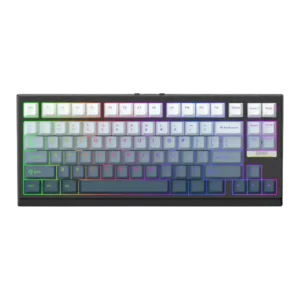
Rapid trigger support was viewed as useful for quick gaming reactions, with one reviewer praising the available rapid-trigger settings and another noting a VAC-related caveat.
Pros: desk space efficiency, layout options
Cons: compatibility
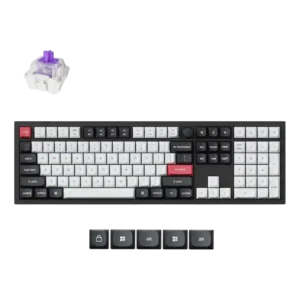
Rapid trigger support was praised for responsiveness and tuning, though one reviewer framed it as most useful for niche gaming use cases.
Pros: key stability, frame rigidity
Cons: portability, switch options
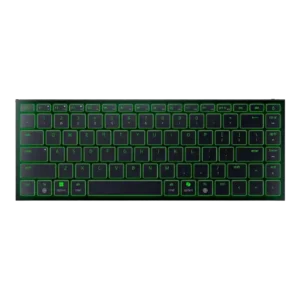
PCWorld explicitly tied Snap Tap to rapid-trigger-style support, giving the Joro credit for that gaming feature.
Pros: frame rigidity, size and form factor
Cons: sound dampening, per-key lighting control
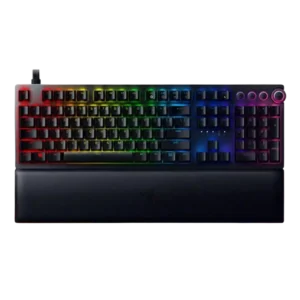
Rapid trigger was seen as potentially useful but niche, adding functionality mainly for users who can benefit from repeated fast presses.
Pros: per-key lighting control, wrist rest quality
Cons: polling rate, portability
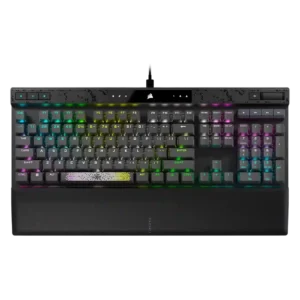
Rapid Trigger support was treated as useful but not decisive; reviewers saw promise, but some noted timing, uniqueness, or practical-use caveats.
Pros: reliability, key responsiveness
Cons: desk space efficiency, wireless performance
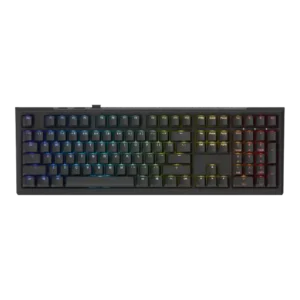
Rapid trigger was valued as useful and easy to toggle, but several reviewers criticized the limited high/medium/low sensitivity controls and lack of deeper tuning.
Pros: typing feel, key stability
Cons: profile management, wrist rest quality
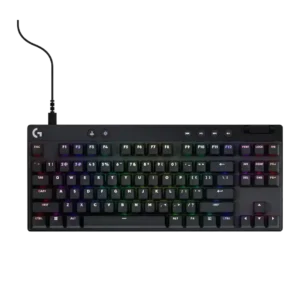
Rapid Trigger support is sharply variant-dependent: the Rapid model earns praise, while other 60% models are criticized for lacking it.
Pros: durability, per-key lighting control
Cons: noise level, sound dampening
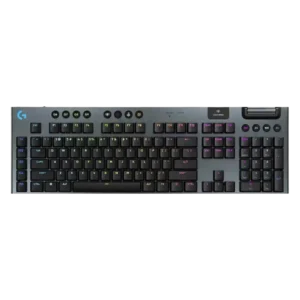
Rapid trigger support was a weakness because reviewers noted the G915 X lacks rapid trigger while competitors offer it.
Pros: stabilizer quality, latency
Cons: ease of switch replacement, hot-swappable switches
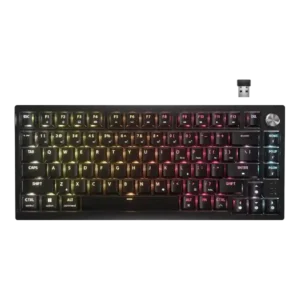
Rapid trigger support was viewed as a missing or unnecessary advanced feature depending on the reviewer’s gaming needs.
Pros: latency, durability
Cons: legend visibility, rapid trigger support
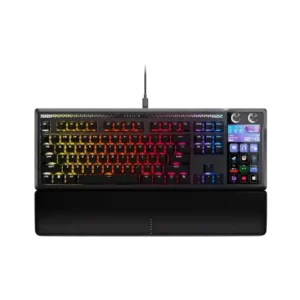
Rapid Trigger is one of the clearest missing gaming features. Reviewers say the mechanical switch design is good for feel, but the lack of Hall-effect-style rapid trigger limits top competitive...
Pros: customization options, ease of switch replacement
Cons: reliability, analog input support
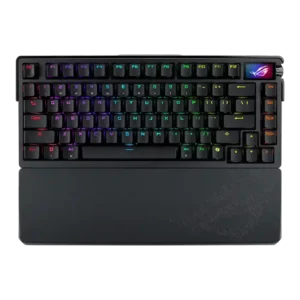
Rapid trigger support was the repeated weakness, with reviewers noting the lack of rapid trigger or Hall-effect-style competitive features.
Pros: key spacing, reliability
Cons: rapid trigger support, analog input support
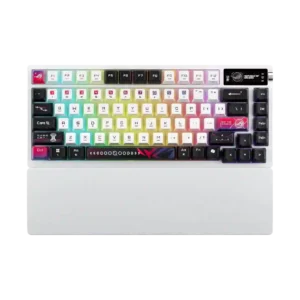
Rapid trigger support was a repeated weakness because reviewers noted the Azoth X lacks true rapid trigger or relies on Speed Tap instead.
Pros: latency, wireless performance
Cons: rapid trigger support, analog input support
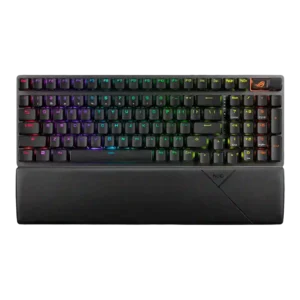
Rapid-trigger support is a weakness for niche rhythm or rapid-trigger-focused players, with one reviewer saying another board would be better for that demand.
Pros: per-key lighting control, wireless performance
Cons: rapid trigger support, analog input support
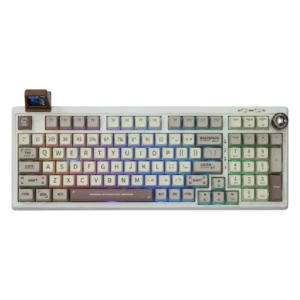
Rapid-trigger style play was a weak point in one review because the Sea Salt switches made fast, precise FPS inputs harder.
Pros: noise level, acoustics
Cons: rapid trigger support, actuation consistency
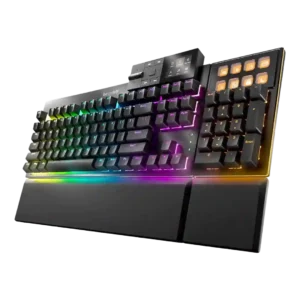
Rapid trigger support was a repeated weakness: several reviewers explicitly missed Rapid Trigger, adjustable actuation, SOCD, or similar modern gaming functions.
Pros: key stability, per-key lighting control
Cons: analog input support, wireless performance
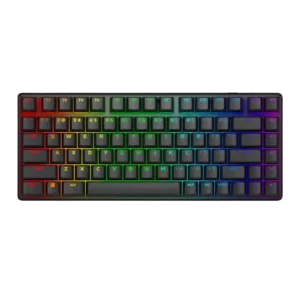
Rapid trigger support was a clear omission for at least one reviewer, who said it was the main missing feature for competitive movement-heavy games.
Pros: key stability, backlight brightness
Cons: rapid trigger support, wrist rest quality
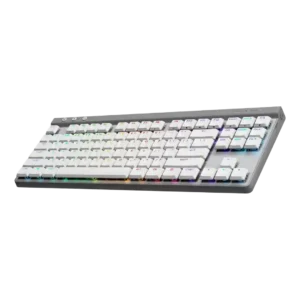
Rapid trigger support scored poorly because a reviewer specifically cited its absence versus similarly priced gaming boards.
Pros: latency, wireless performance
Cons: rapid trigger support, ease of switch replacement
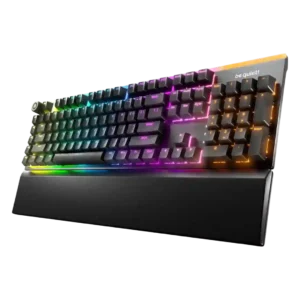
Rapid trigger support is a clear weakness because multiple reviewers explicitly say it is absent.
Pros: ease of switch replacement, acoustics
Cons: rapid trigger support, analog input support