Best for app ecosystem
Apple Watch SE 3
5.0 feature score
Highest scored product for this feature based on supporting review evidence.
Highest scored product for this feature based on supporting review evidence.
Balances feature score, supporting reviews, and overall product strength.
Has the broadest review evidence for this feature.
Strongest overall product among items with scored evidence for this feature.
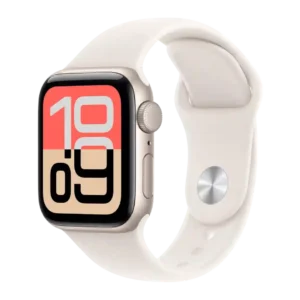
The app ecosystem was one of the SE 3’s strongest advantages, repeatedly described as unmatched or far richer than competing budget watches.
Pros: app ecosystem, operating system experience
Cons: cross-platform compatibility, ECG functionality
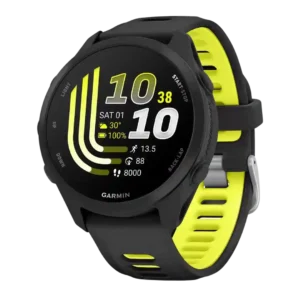
Garmin’s training ecosystem is repeatedly praised as polished and deep, with strong analysis, coaching, and device integration.
Pros: recovery insights, fitness tracking accuracy
Cons: ECG functionality, call handling
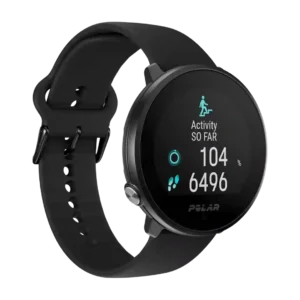
The Polar Flow ecosystem is praised by reviewers who value the integrated watch, app, and data environment.
Pros: app ecosystem, charging speed
Cons: call handling, contactless payments
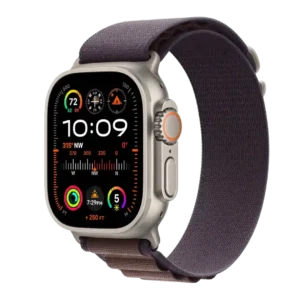
The app ecosystem was framed as a major advantage of the Ultra 2 as part of Apple’s broader smartwatch platform.
Pros: app ecosystem, smartwatch features
Cons: cross-platform compatibility, blood oxygen tracking
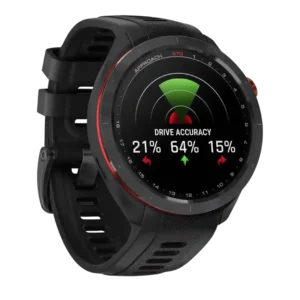
Garmin’s broader app ecosystem receives clear praise from one reviewer who liked how Garmin Golf and related apps tie product data together.
Pros: recovery insights, GPS accuracy
Cons: software smoothness, fitness tracking accuracy
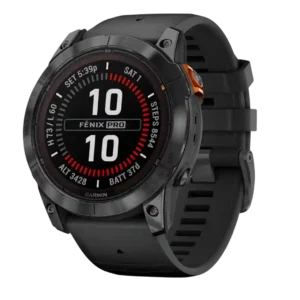
The ecosystem was praised as impressive when judged around Garmin’s outdoor-focused UI, features and design.
Pros: GPS accuracy, app ecosystem
Cons: ECG functionality, calorie tracking usefulness
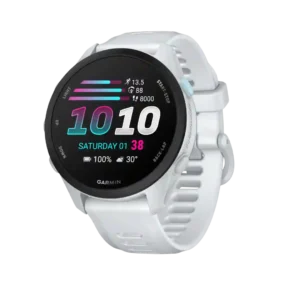
Garmin’s mature ecosystem adds current software features, Connect IQ apps, and broad service integration. It remains one of the watch’s clearest advantages over similarly priced rivals.
Pros: step counting accuracy, app ecosystem
Cons: Bluetooth connectivity, pairing reliability
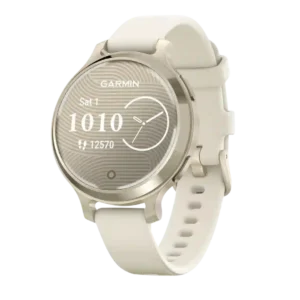
The app ecosystem is praised as comprehensive for wellness data and long-term health interpretation.
Pros: health tracking accuracy, blood oxygen tracking
Cons: ECG functionality, onboard music storage
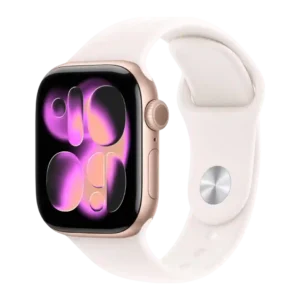
The app ecosystem remains a major advantage, with reviewers praising the sheer range and breadth of Apple Watch apps.
Pros: ECG functionality, app ecosystem
Cons: cross-platform compatibility, recovery insights
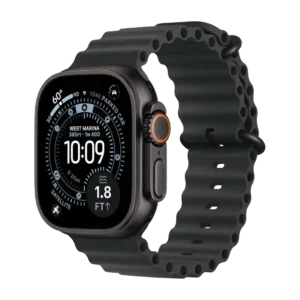
The app ecosystem was a standout strength, with reviewers praising the huge App Store and iPhone-integrated app experience.
Pros: app ecosystem, watch face quality
Cons: cross-platform compatibility, size options
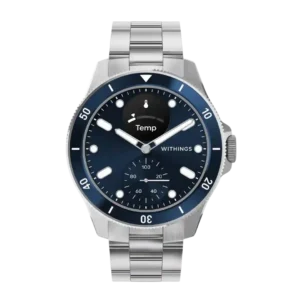
Withings' broader app and device ecosystem was praised for combining watch data with scales and other health products in a useful dashboard.
Pros: battery life, heart rate accuracy
Cons: third-party app support, GPS accuracy
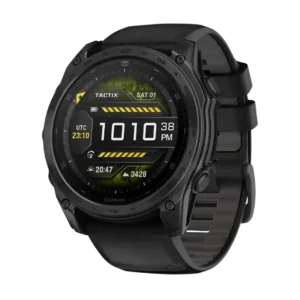
The app ecosystem was described as vast, mainly through the breadth of available Garmin widgets and apps.
Pros: wellness insights, build quality
Cons: LTE connectivity, band quality
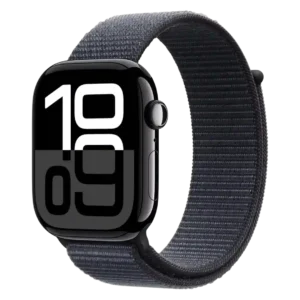
The Apple ecosystem was a major strength, with seamless Strava syncing, Mac authentication, Apple-device continuity, and broad app support.
Pros: reliability, comfort
Cons: calorie tracking usefulness, mapping and navigation
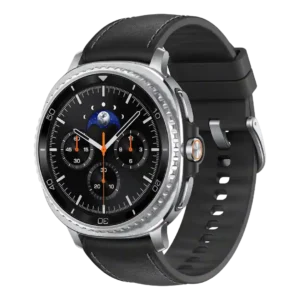
The app ecosystem received limited but strong praise because Wear OS gives the watch access to Google Play.
Pros: third-party app support, heart rate accuracy
Cons: music controls, cross-platform compatibility
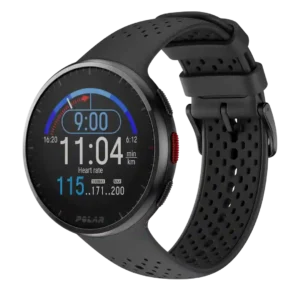
The Polar ecosystem was praised strongly, especially Polar Flow, third-party fitness connections, and recovery/training analysis depth.
Pros: workout tracking variety, activity auto-detection
Cons: onboard music storage, blood oxygen tracking
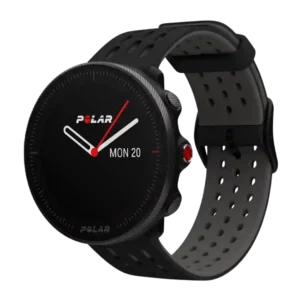
Polar’s platform ecosystem was praised for polish and athlete-focused depth, especially compared with cheaper competitors.
Pros: running power support, fitness tracking accuracy
Cons: contactless payments, smartphone notifications
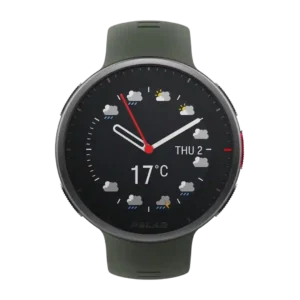
The Polar Flow ecosystem was repeatedly praised for depth, web analysis, and training data, with only isolated usability caveats.
Pros: workout tracking variety, build quality
Cons: blood oxygen tracking, onboard music storage
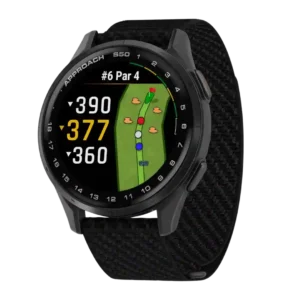
Reviewers liked the Garmin ecosystem because devices and data transfer felt easy to manage, especially for people already using multiple Garmin products.
Pros: touchscreen responsiveness, health tracking accuracy
Cons: call handling, voice assistant quality

Garmin Connect and the broader Garmin ecosystem earn praise for subscription-free data access, training resources, desktop analysis, and motivating badges.
Pros: pairing reliability, wellness insights
Cons: ECG functionality, body temperature tracking

The Wear OS app ecosystem was a clear strength, giving the watch broad app access and flexibility.
Pros: blood oxygen tracking, step counting accuracy
Cons: LTE connectivity, calorie tracking usefulness
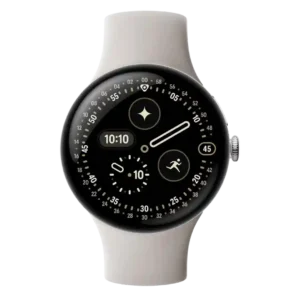
Reviewers praised the Wear OS Play Store and app availability, saying the ecosystem is robust and includes the major third-party options.
Pros: step counting accuracy, charging speed
Cons: stress tracking, band quality
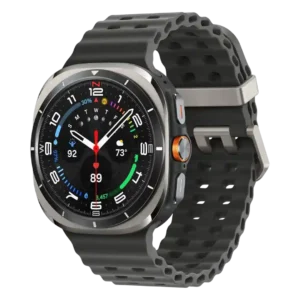
The app ecosystem is strong, with reviewers citing many apps and plenty of smartwatch functionality.
Pros: LTE connectivity, pairing reliability
Cons: antioxidant index, blood oxygen tracking
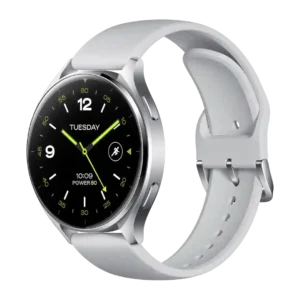
The app ecosystem was a strength because Wear OS provided Google services, downloadable apps, and broad wrist-based functionality.
Pros: charging speed, Bluetooth connectivity
Cons: ECG functionality, recovery insights
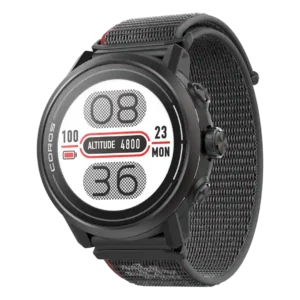
The app ecosystem around the watch was praised for the amount of information and options available through the COROS app.
Pros: resume later function, durability
Cons: watch face quality, call handling
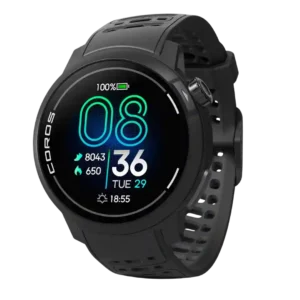
Third-party syncing is a strength where reviewers discussed it; Strava and similar integrations moved data quickly and supported the training workflow.
Pros: outdoor visibility, display quality
Cons: contactless payments, flashlight usefulness
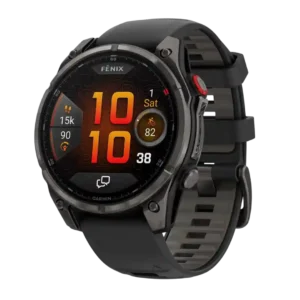
The Garmin app-and-device ecosystem was praised for sharing information across connected Garmin gear.
Pros: workout tracking variety, pairing reliability
Cons: size options, companion app quality
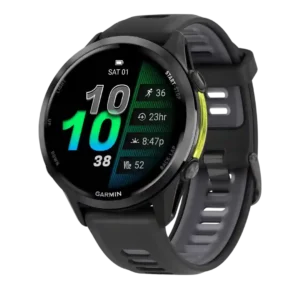
The app ecosystem scored well where reviewers discussed Connect IQ, especially because Garmin’s marketplace is much larger than rival sports-watch ecosystems.
Pros: stress tracking, customization options
Cons: menu navigation, companion app quality

Garmin’s health and activity metrics were strong enough that one reviewer said they made the Garmin ecosystem worthwhile.
Pros: style and design, comfort
Cons: outdoor visibility, coaching features
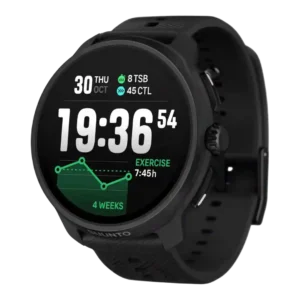
The app ecosystem received positive evidence from SuuntoPlus, with one reviewer saying integrations made the watch feel less insular than rival fitness watches.
Pros: operating system experience, brightness
Cons: safety features, health tracking accuracy
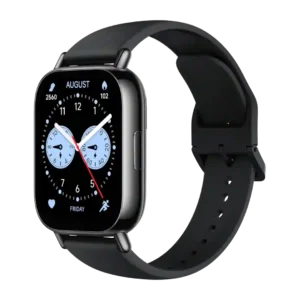
The app ecosystem scored well where reviewed because data sharing with Strava, Google Fit, and Zepp Life was called helpful.
Pros: cross-platform compatibility, pairing reliability
Cons: third-party app support, contactless payments
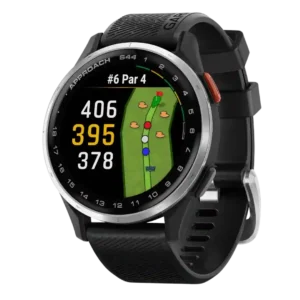
Reviewers liked the Garmin ecosystem, especially when pairing the S44 with Garmin apps, rangefinders, and club sensors for deeper golf data.
Pros: user interface, brightness
Cons: wellness insights, charging convenience
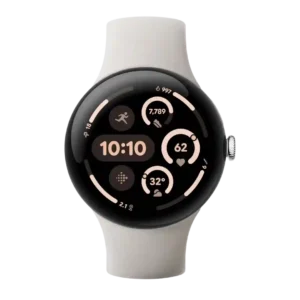
The app ecosystem was praised as robust for Wear OS, with reviewers saying app support has improved enough that major third-party gaps are less noticeable.
Pros: outdoor visibility, pairing reliability
Cons: calorie tracking usefulness, materials quality
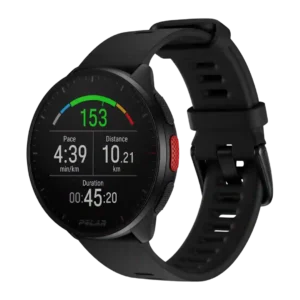
The app ecosystem is a plus for reviewers who value Polar Flow, training programs, and alternatives through connected services.
Pros: third-party app support, comfort
Cons: contactless payments, onboard music storage
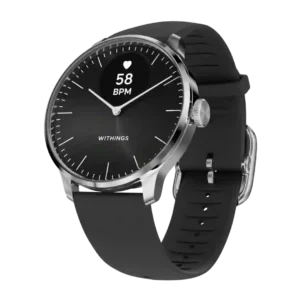
The Withings ecosystem is a plus for users with connected health devices, with reviewers noting that data can combine neatly in the app.
Pros: comfort, build quality
Cons: call handling, contactless payments

The Wear OS and Play Store ecosystem was seen as a major strength, with broad third-party app access, though one long-term reviewer still wanted faster app growth.
Pros: voice assistant quality, music controls
Cons: blood oxygen tracking, cross-platform compatibility
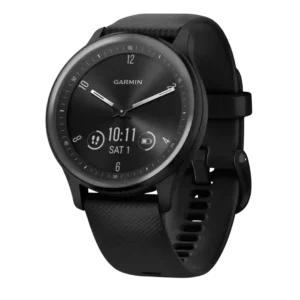
The Garmin ecosystem was a major advantage, with reviewers praising Garmin support, scalable data, app syncing, and the broader fitness platform.
Pros: pairing reliability, reliability
Cons: contactless payments, onboard music storage
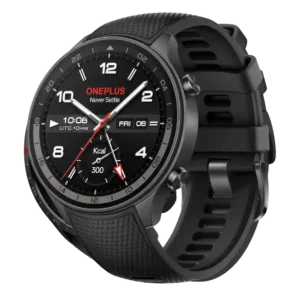
The Wear OS app ecosystem was a strength, with reviewers praising access to Google apps, third-party apps, and broad app availability.
Pros: software smoothness, charging speed
Cons: ECG functionality, safety features

The app ecosystem was one of the biggest strengths thanks to Wear OS and Play Store access, though a few reviewers felt Xiaomi’s implementation lacked polish.
Pros: pairing reliability, outdoor visibility
Cons: ECG functionality, running power support
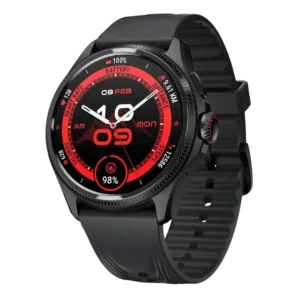
Reviewers liked Wear OS access to the Play Store and Google apps, with enough app breadth to make the watch genuinely useful.
Pros: menu navigation, battery life
Cons: ECG functionality, voice assistant quality
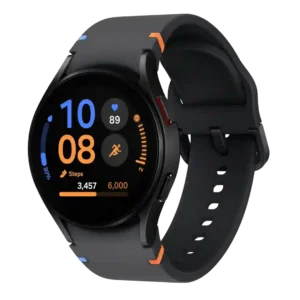
The app ecosystem was a strength thanks to Wear OS, Google Play, and recognizable third-party apps.
Pros: materials quality, workout tracking variety
Cons: size options, cross-platform compatibility
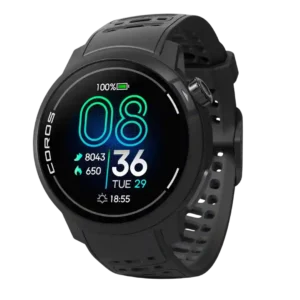
The Coros ecosystem scored well because training analysis is broadly shared across the range and app/training-lab access was praised as free.
Pros: comfort, value for money
Cons: third-party app support, contactless payments
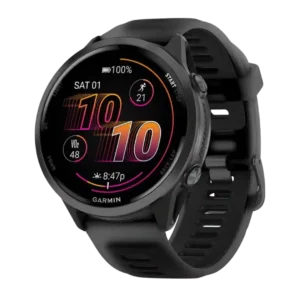
Reviewers saw Garmin’s ecosystem as a strength versus many sports-watch rivals, though not as broad as full smartwatch platforms.
Pros: charging speed, GPS accuracy
Cons: ECG functionality, smartphone notifications
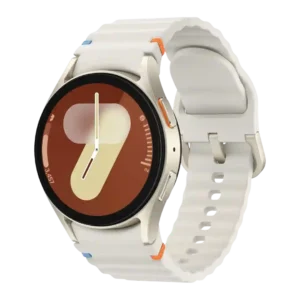
The Wear OS app base is a strength, with reviewers praising access to Samsung, Google, and third-party apps, though one fitness reviewer criticized Samsung Health integration limits.
Pros: display quality, durability
Cons: cross-platform compatibility, antioxidant index
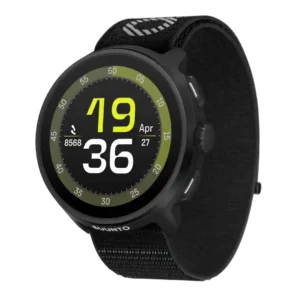
The app ecosystem earned positive remarks where reviewers valued Strava/platform connections and Suunto’s broader ecosystem, though this was less central than hardware performance.
Pros: comfort, value for money
Cons: contactless payments, Wi-Fi connectivity
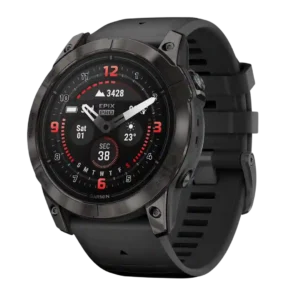
The app ecosystem is a plus thanks to Garmin’s sizeable software marketplace for further personalization.
Pros: GPS accuracy, charging speed
Cons: ECG functionality, voice assistant quality
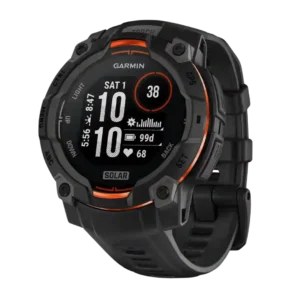
The app ecosystem gets a modest positive note because Connect IQ can expand what the watch can do beyond Garmin’s built-in tools.
Pros: customization options, charging speed
Cons: onboard music storage, voice assistant quality
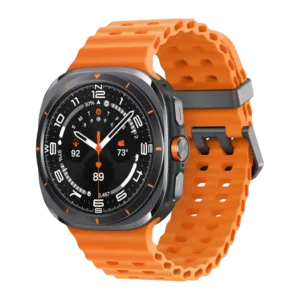
Wear OS app access was treated as a major strength, with reviewers citing useful mainstream apps and thriving third-party support, though not every customization app remained compatible.
Pros: build quality, software smoothness
Cons: stress tracking, blood oxygen tracking
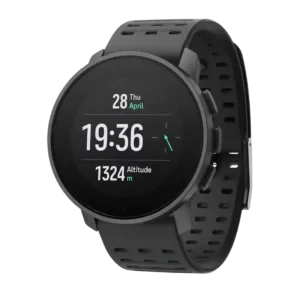
The app ecosystem was a strength, with SuuntoPlus, partner apps, and the Suunto Store seen as meaningful platform advantages.
Pros: step counting accuracy, durability
Cons: voice assistant quality, contactless payments
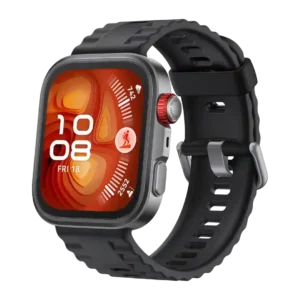
The Zepp app store was seen as useful for basic extras, but reviewers still framed the app ecosystem as smaller than major smartwatch platforms.
Pros: Bluetooth connectivity, calorie tracking usefulness
Cons: ECG functionality, flashlight usefulness
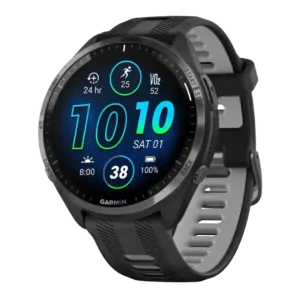
Reviewers liked Garmin’s cloud sync, Strava/Apple Health integration, Connect IQ options, and lack of a required subscription, though it remains sports-first.
Pros: water resistance, workout tracking variety
Cons: LTE connectivity, ECG functionality