Best for onboard music storage
Garmin Forerunner 265
4.7 feature score
Highest scored product for this feature based on supporting review evidence.
Highest scored product for this feature based on supporting review evidence.
Balances feature score, supporting reviews, and overall product strength.
Has the broadest review evidence for this feature.
Strongest overall product among items with scored evidence for this feature.
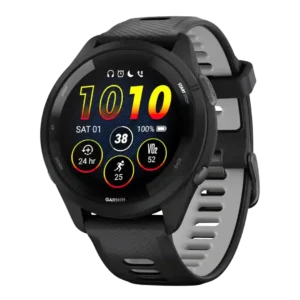
Onboard music storage is a strong feature because offline music is now standard and supports services like Spotify, Amazon Music, Deezer, and podcasts.
Pros: GPS accuracy, brightness
Cons: ECG functionality, voice assistant quality
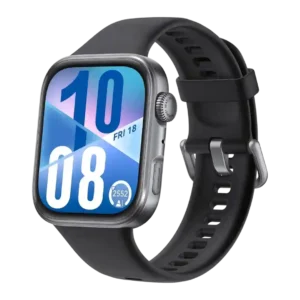
Onboard music storage is a positive where supported, with reviewers noting MP3 copying and internal music storage.
Pros: step counting accuracy, onboard music storage
Cons: ECG functionality, Wi-Fi connectivity
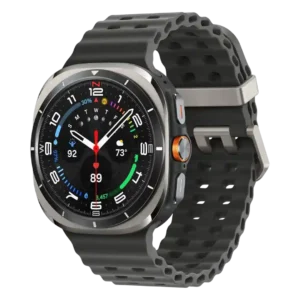
Onboard storage is a clear 2025 upgrade, repeatedly described as 64GB and useful for music, apps, and offline maps.
Pros: brightness, durability
Cons: cross-platform compatibility, value for money
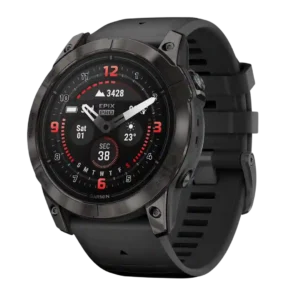
Onboard storage is a strength, with 32GB available for maps, music, and workout data and enough room for phone-free listening.
Pros: mapping and navigation, GPS accuracy
Cons: voice assistant quality, call handling

Onboard music storage is supported, with reviewers noting offline playlists and 32GB storage for local music.
Pros: battery life, pairing reliability
Cons: ECG functionality, LTE connectivity

Onboard storage was a clear upgrade, with 32GB praised for apps, music, maps, routes, and audio storage.
Pros: user interface, build quality
Cons: antioxidant index, cross-platform compatibility
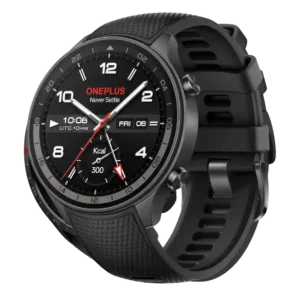
Onboard storage is strong for the class, with 32GB repeatedly cited for music, apps, podcasts, maps, and watch faces.
Pros: third-party app support, workout tracking variety
Cons: ECG functionality, LTE connectivity
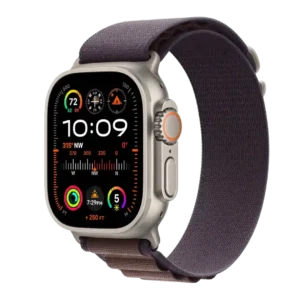
Onboard storage is improved to 64GB, giving reviewers more confidence for offline music, podcasts, apps, and media downloads.
Pros: display quality, heart rate accuracy
Cons: cross-platform compatibility, recovery insights
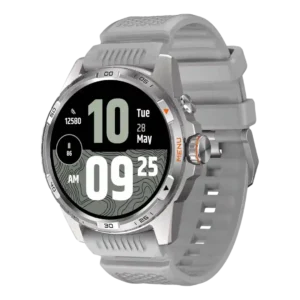
Onboard music storage was a strength thanks to 32GB of storage and offline music support.
Pros: battery life, durability
Cons: ECG functionality, LTE connectivity
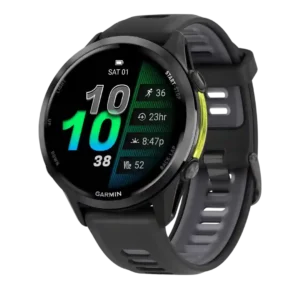
Onboard music storage was strongly supported, with 32GB storage and offline music or streaming-service downloads mentioned across reviews.
Pros: button controls, GPS accuracy
Cons: LTE connectivity, size options
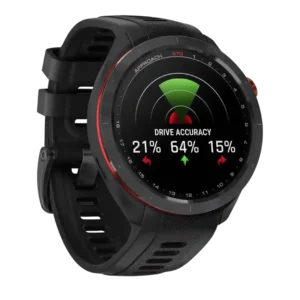
Onboard music storage is a clear plus, with multiple reviewers noting downloaded songs or playlists from services such as Spotify or Amazon Music.
Pros: pairing reliability, brightness
Cons: software smoothness, user interface
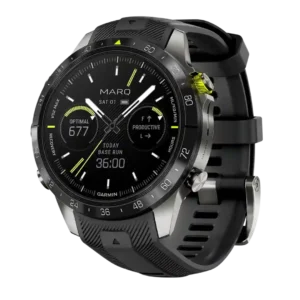
Onboard music is a strength, with offline streaming playlists, 32GB storage, and built-in music storage repeatedly mentioned.
Pros: charging speed, build quality
Cons: LTE connectivity, ECG functionality
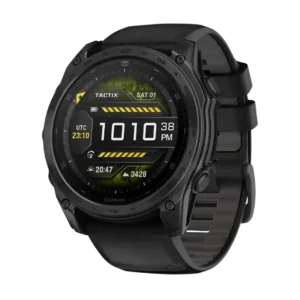
Onboard music storage was a clear feature, with offline music, podcasts, Spotify/Amazon music, and local storage repeatedly mentioned.
Pros: materials quality, durability
Cons: LTE connectivity, value for money
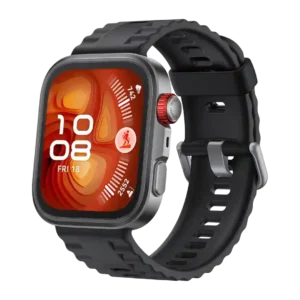
Offline music support is a meaningful extra, with reviewers noting MP3/podcast downloads and built-in storage.
Pros: workout tracking variety, software smoothness
Cons: LTE connectivity, Wi-Fi connectivity
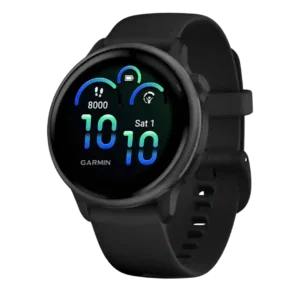
Onboard music storage is a clear upgrade, with 8GB and support for services such as Spotify, Deezer, Amazon Music, and YouTube Music.
Pros: comfort, software smoothness
Cons: ECG functionality, LTE connectivity
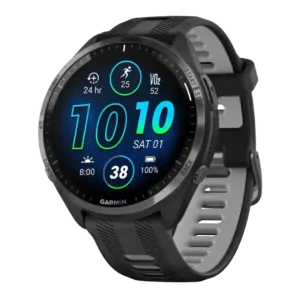
Onboard music storage is a solid smart feature, with Spotify, Deezer, Amazon Music, MP3 or podcast support and enough storage for music plus maps.
Pros: mapping and navigation, watch face quality
Cons: ECG functionality, LTE connectivity
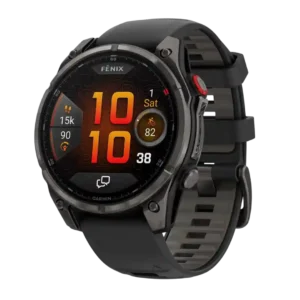
Onboard music was supported by downloading music to the watch and linking to Spotify, Amazon Music, and Deezer.
Pros: pairing reliability, workout tracking variety
Cons: size options, value for money
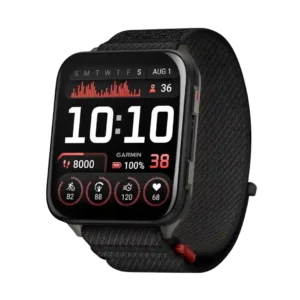
Onboard music storage is a strength, especially with repeated 32GB storage mentions and offline playback support.
Pros: pairing reliability, watch face quality
Cons: LTE connectivity, ECG functionality
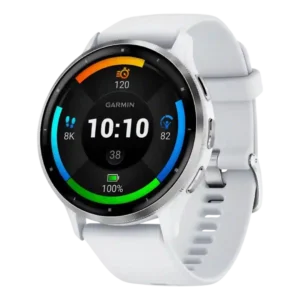
Onboard music storage and offline playback were valued, with reviewers noting playlists can be downloaded and used without carrying a phone.
Pros: heart rate accuracy, display quality
Cons: LTE connectivity, third-party app support

Onboard storage is a strength, with 32GB or more cited for apps, files, audio, offline tunes, and streaming app storage.
Pros: durability, battery life
Cons: ECG functionality, voice assistant quality

Onboard storage is ample for apps and music, with multiple reviews citing 32GB storage or room for playlists.
Pros: step counting accuracy, button controls
Cons: LTE connectivity, cross-platform compatibility

Onboard storage and offline playback are improved, with 64GB storage and support for music or media without the phone nearby.
Pros: value for money, contactless payments
Cons: blood oxygen tracking, ECG functionality

Onboard music storage is a real advantage, with offline Spotify, Deezer, Amazon Music, and local storage support.
Pros: brightness, outdoor visibility
Cons: ECG functionality, LTE connectivity
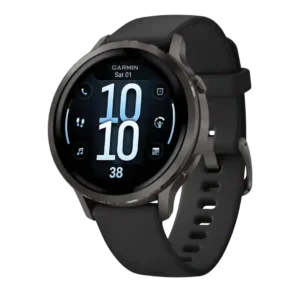
Onboard music storage is a real strength among fitness-first watches, with Spotify, Amazon Music, Deezer, and YouTube Music support or offline audio mentioned across reviews.
Pros: outdoor visibility, brightness
Cons: LTE connectivity, charging convenience
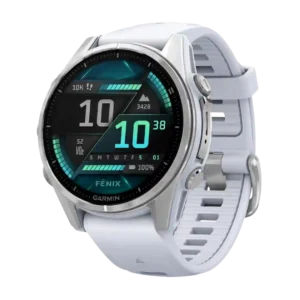
Onboard/offline music support was well supported through Spotify, Amazon Music, YouTube Music, MP3s, and playlist downloads.
Pros: workout tracking variety, durability
Cons: LTE connectivity, value for money
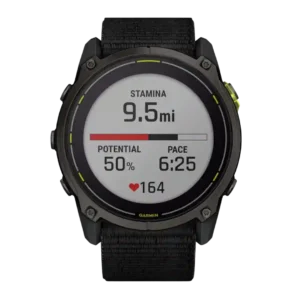
Onboard music storage is well supported, with offline music, 32GB for maps/music, and streaming services such as Spotify, Amazon Music, Deezer, and YouTube Music mentioned.
Pros: reliability, workout tracking variety
Cons: LTE connectivity, voice assistant quality
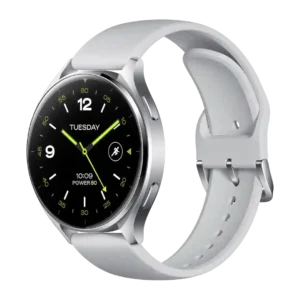
Onboard music storage is a strength because the 32GB storage was repeatedly described as enough for apps, playlists, podcasts, or offline music.
Pros: charging speed, workout tracking variety
Cons: ECG functionality, LTE connectivity

Onboard storage is generous at 32GB and supports offline music, though one reviewer disliked the difficulty of moving files manually.
Pros: materials quality, Bluetooth connectivity
Cons: ECG functionality, reliability
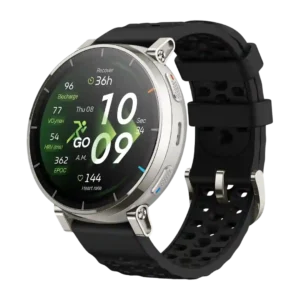
Onboard storage is useful for maps, music, podcasts, and routes, but space is limited compared with higher-end Amazfit models.
Pros: outdoor visibility, software smoothness
Cons: ECG functionality, LTE connectivity

Onboard storage helps with offline maps and music, making phone-free runs more practical.
Pros: outdoor visibility, health tracking accuracy
Cons: cross-platform compatibility, durability

Onboard music storage is supported through the 16GB storage and offline music or podcast downloads, making phone-free listening possible.
Pros: outdoor visibility, workout tracking variety
Cons: cross-platform compatibility, battery life
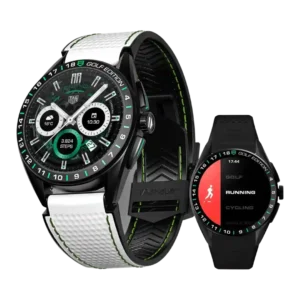
Onboard music support is good for Wear OS, with offline playlist syncing and downloads mentioned for supported music services.
Pros: materials quality, style and design
Cons: blood oxygen tracking, ECG functionality
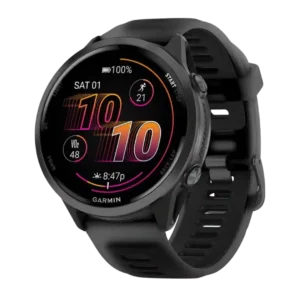
Onboard music storage is supported through 8GB storage, MP3s, and streaming-service syncing, giving it better music capability than many sports watches.
Pros: outdoor visibility, brightness
Cons: ECG functionality, LTE connectivity

Onboard music storage is supported and useful, with reviewers noting local track storage through the watch or Huawei Health app.
Pros: water resistance, brightness
Cons: LTE connectivity, Wi-Fi connectivity
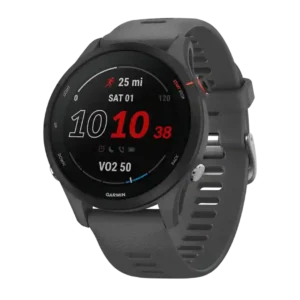
Onboard music storage is a clear optional strength on Music models, with Spotify/offline playlist support and roughly 500-song storage noted, though storage is limited versus higher models.
Pros: reliability, GPS accuracy
Cons: call handling, touchscreen responsiveness

Onboard music storage was strong on capacity, but the syncing workflow could feel dated.
Pros: customization options, workout tracking variety
Cons: calorie tracking usefulness, ECG functionality
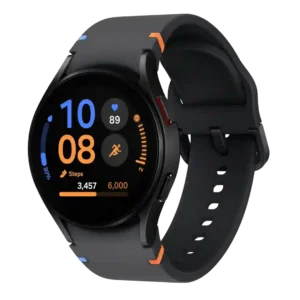
Onboard music storage is supported by the watch's 16GB storage, which reviewers connect to music or internal storage use.
Pros: workout tracking variety, materials quality
Cons: size options, cross-platform compatibility
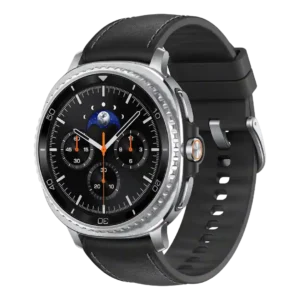
Onboard music support is credible because reviewers cite 32GB storage and the ability to download music, though the Classic offers more storage.
Pros: third-party app support, heart rate accuracy
Cons: cross-platform compatibility, antioxidant index

Onboard music storage is only lightly covered, but one review notes Apple Watch storage can support standalone audio playback duration.
Pros: charging speed, contactless payments
Cons: cross-platform compatibility, blood oxygen tracking
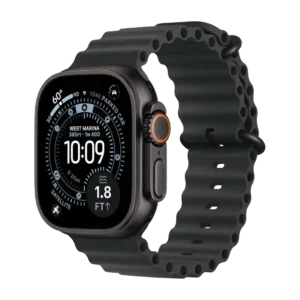
Onboard storage is confirmed at 64GB, but reviewers did not deeply evaluate local media storage as a standalone feature.
Pros: pairing reliability, app ecosystem
Cons: cross-platform compatibility, size options
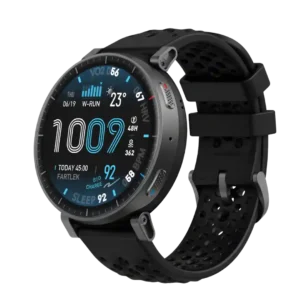
Onboard music storage is a real feature thanks to 4GB storage, though reviewers noted limits around streaming and total capacity.
Pros: brightness, outdoor visibility
Cons: ECG functionality, LTE connectivity

Onboard storage is generous for maps and local media, including podcasts and audio files, but subscription streaming support remains limited.
Pros: brightness, water resistance
Cons: reliability, customization options

Onboard music storage evidence is limited, but one reviewer mentions music downloading faster while running, supporting phone-light music use.
Pros: contactless payments, pairing reliability
Cons: cross-platform compatibility, recovery insights
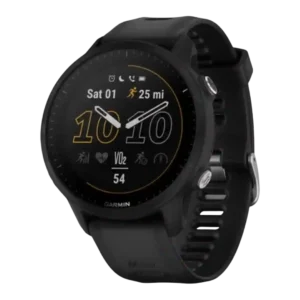
Onboard music storage is useful for offline Spotify, Deezer, Amazon Music, and stored tracks, but reviewers also report service limitations and setup/sync frustrations.
Pros: charging speed, workout tracking variety
Cons: voice assistant quality, LTE connectivity
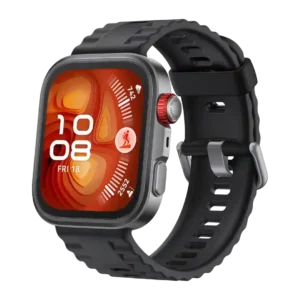
Onboard music storage is useful through 32GB storage and MP3 uploads, but reviewers criticize the lack of streaming-service sync.
Pros: water resistance, workout tracking variety
Cons: ECG functionality, LTE connectivity
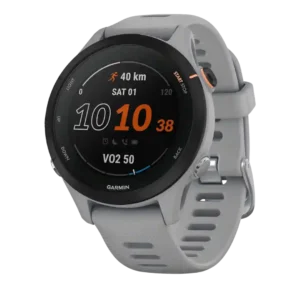
Onboard music is a useful feature with storage for offline audio, but setup and loading can be slow or confusing for some users.
Pros: reliability, fit
Cons: touchscreen responsiveness, third-party app support
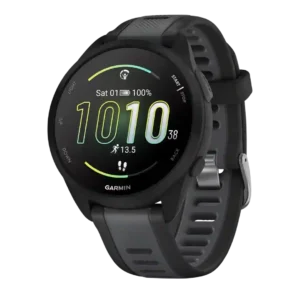
Onboard music storage is useful on the Music edition, but reviews were split because syncing can be tedious and costs extra.
Pros: brightness, outdoor visibility
Cons: ECG functionality, voice assistant quality

Onboard MP3 storage is supported with substantial capacity, but reviewers note the lack of streaming music services.
Pros: workout tracking variety, water resistance
Cons: ECG functionality, LTE connectivity

Onboard music storage exists and is useful for phone-free workouts on supported setups, but storage and transfer behavior are limited.
Pros: pairing reliability, step counting accuracy
Cons: ECG functionality, voice assistant quality
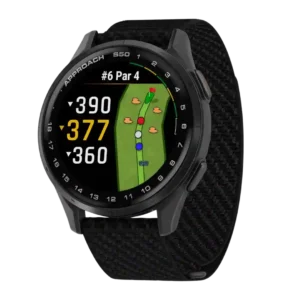
Onboard music storage is available, but storage is modest compared with the S70 and one review specifically called out the 4 GB limit.
Pros: software smoothness, GPS accuracy
Cons: voice assistant quality, call handling