Best for blood oxygen tracking
Apple Watch Series 11
4.5 feature score
Highest scored product for this feature based on supporting review evidence.
Highest scored product for this feature based on supporting review evidence.
Balances feature score, supporting reviews, and overall product strength.
Has the broadest review evidence for this feature.
Strongest overall product among items with scored evidence for this feature.
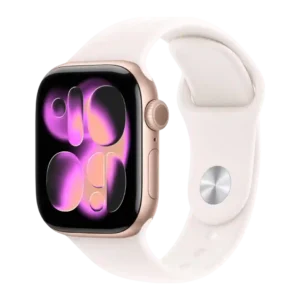
Blood oxygen tracking is cited as available or returned in the US, adding to the broader health sensor suite.
Pros: contactless payments, pairing reliability
Cons: cross-platform compatibility, recovery insights
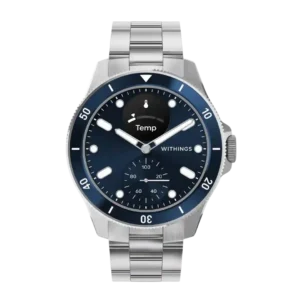
Blood oxygen tracking is consistently treated as a useful core health feature, usually easy to trigger and presented clearly in the app.
Pros: software smoothness, safety features
Cons: contactless payments, music controls
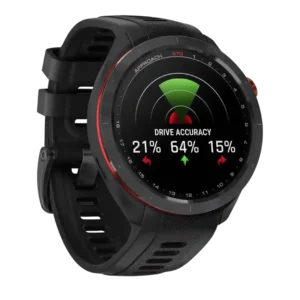
Pulse ox and blood oxygen tracking are present in several reviews and treated as part of the S70’s higher-end health sensor package.
Pros: pairing reliability, brightness
Cons: software smoothness, user interface
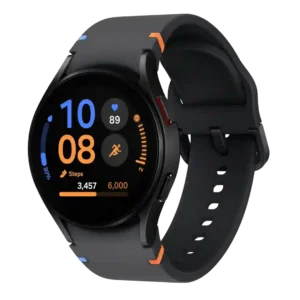
Reviewers consistently note SpO2 or blood oxygen tracking as part of the FE's health feature set.
Pros: workout tracking variety, materials quality
Cons: size options, cross-platform compatibility
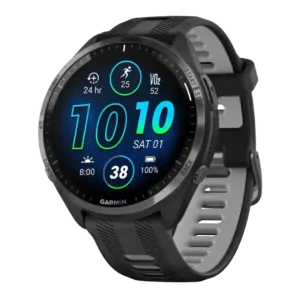
The Forerunner 965 supports Pulse Ox or blood oxygen readings, and reviewers treat it as part of a broad health-sensor suite rather than a headline differentiator.
Pros: mapping and navigation, watch face quality
Cons: ECG functionality, LTE connectivity
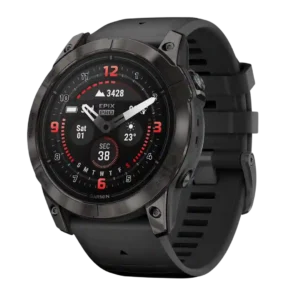
Blood oxygen tracking is present through wrist-based pulse oximetry, with one reviewer reporting readings stayed in the expected 95-100% range.
Pros: mapping and navigation, GPS accuracy
Cons: voice assistant quality, call handling
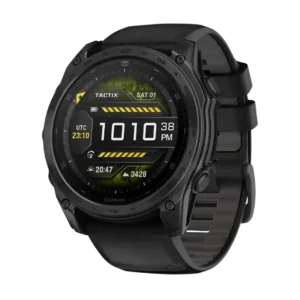
Blood oxygen support was mentioned as part of the health suite, including respiratory-health context and oxygen saturation readings.
Pros: materials quality, durability
Cons: LTE connectivity, value for money
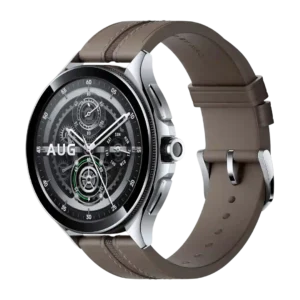
Blood oxygen tracking is widely present, including overnight SpO2 in some setups, and one sports test found pulse-oximeter deviation acceptable.
Pros: materials quality, Bluetooth connectivity
Cons: ECG functionality, reliability
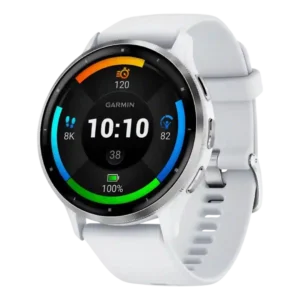
Blood oxygen support was repeatedly noted as part of the broader health sensor package, including optional all-day tracking in some accounts.
Pros: heart rate accuracy, display quality
Cons: LTE connectivity, third-party app support
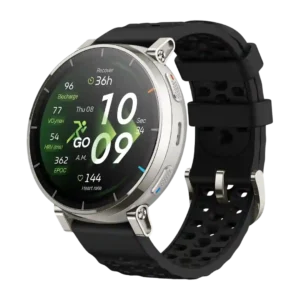
Blood oxygen tracking is repeatedly listed among the health features and background sensor options.
Pros: outdoor visibility, software smoothness
Cons: ECG functionality, LTE connectivity
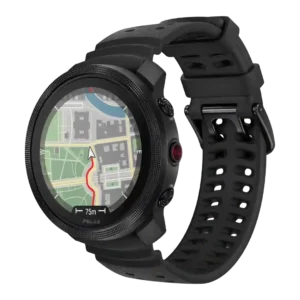
Blood oxygen tracking is consistently listed as part of the upgraded health sensor package.
Pros: workout tracking variety, outdoor visibility
Cons: call handling, voice assistant quality
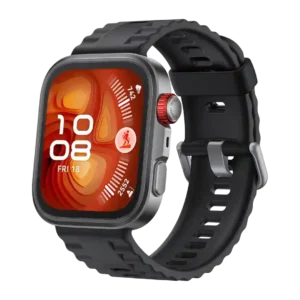
Reviewers confirm SpO2 or blood oxygen tracking is included as part of the broader health sensor suite.
Pros: workout tracking variety, software smoothness
Cons: LTE connectivity, Wi-Fi connectivity
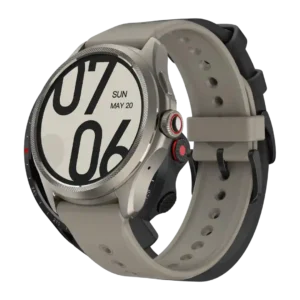
Blood oxygen support is broadly present through SpO2 sensors, one-tap measurements, and health tiles, though evidence focuses more on availability than clinical depth.
Pros: battery life, pairing reliability
Cons: ECG functionality, LTE connectivity
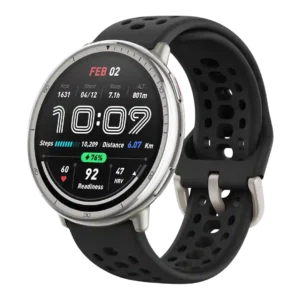
Blood oxygen tracking is widely available and sometimes tested well, including a very small deviation in one review, though most reviewers treat it as a wellness metric rather than medical...
Pros: workout tracking variety, value for money
Cons: ECG functionality, LTE connectivity
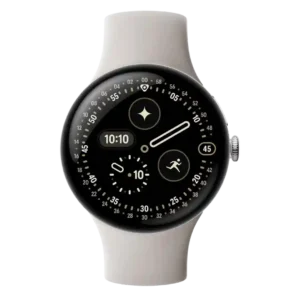
Blood oxygen tracking is repeatedly listed as part of the health suite, alongside heart rate, sleep, skin temperature and Fitbit health metrics.
Pros: outdoor visibility, charging speed
Cons: stress tracking, band quality
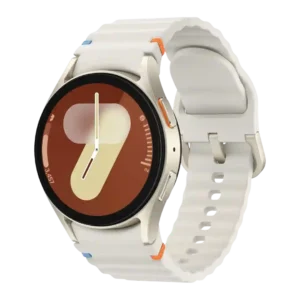
Blood oxygen tracking is available and tied into sleep and health data, with one reviewer noting fewer random discrepancies than on the prior model.
Pros: user interface, build quality
Cons: antioxidant index, cross-platform compatibility
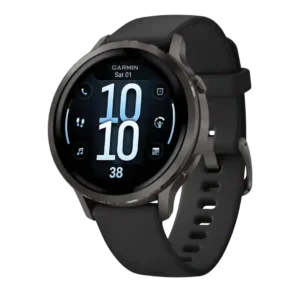
Pulse Ox and blood-oxygen tracking are repeatedly included as part of the watch’s overnight health-status and wellness stack rather than singled out as a major standalone strength.
Pros: outdoor visibility, brightness
Cons: LTE connectivity, charging convenience
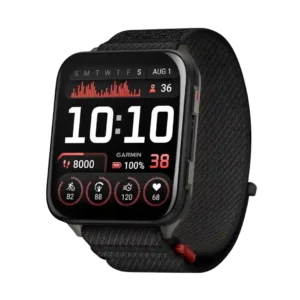
Blood oxygen or SpO2 tracking is repeatedly listed as part of Garmin's health sensor package, but the reviews offer little detailed accuracy testing for that metric specifically.
Pros: pairing reliability, watch face quality
Cons: LTE connectivity, ECG functionality
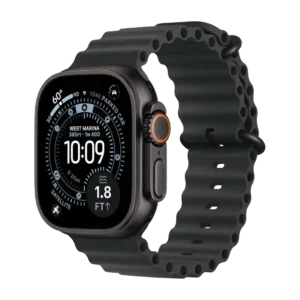
Blood oxygen tracking is treated as part of Apple’s broad health suite, with reviewers noting SpO2 or Blood Oxygen availability rather than deeply testing accuracy.
Pros: pairing reliability, app ecosystem
Cons: cross-platform compatibility, size options
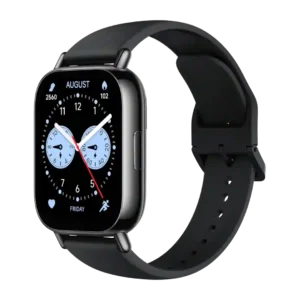
Blood oxygen tracking is broadly present and configurable, with reviews noting SpO2 measurement, alerts, and one comparison that favored the Lite's reading.
Pros: workout tracking variety, value for money
Cons: ECG functionality, third-party app support
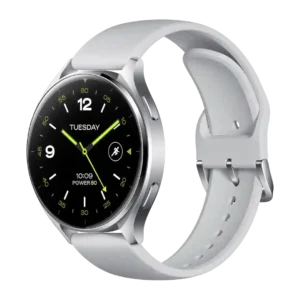
Blood oxygen tracking is widely present and generally useful, with several reviewers noting all-day or nighttime SpO2 support and one comparison showing close readings.
Pros: charging speed, workout tracking variety
Cons: ECG functionality, LTE connectivity
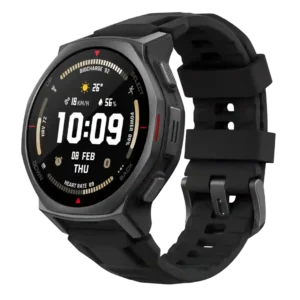
Blood oxygen tracking is present and was specifically praised in one comparison, with reviewers noting SPO2 support alongside broader health sensors.
Pros: calorie tracking usefulness, cross-platform compatibility
Cons: ECG functionality, LTE connectivity
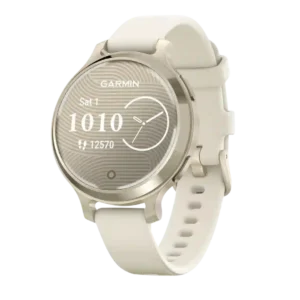
Pulse Ox and SpO2 support is clearly present, with reviewers calling out overnight tracking, spot checks, and accurate-looking readings.
Pros: comfort, style and design
Cons: ECG functionality, onboard music storage
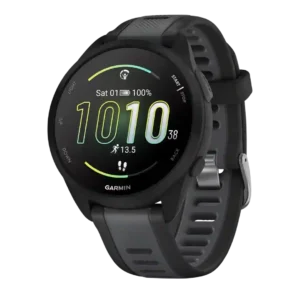
The watch includes blood oxygen or Pulse Ox tracking, but reviewers treated it as a useful health sensor rather than a headline reason to buy.
Pros: brightness, outdoor visibility
Cons: ECG functionality, voice assistant quality
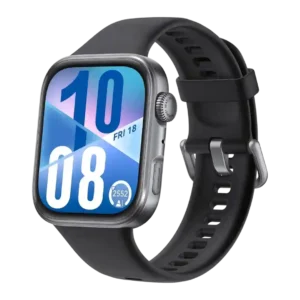
SpO2 tracking is present and repeatedly included among the watch's health metrics, with reviewers treating it as part of a solid wellness set.
Pros: step counting accuracy, onboard music storage
Cons: ECG functionality, Wi-Fi connectivity
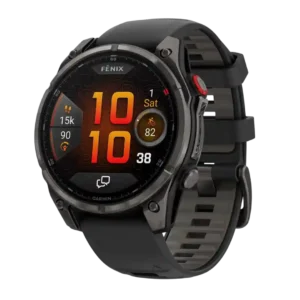
Blood oxygen support appeared through Pulse Ox and pulse oximeter references, mainly as part of the broader health-tracking sensor set.
Pros: pairing reliability, workout tracking variety
Cons: size options, value for money
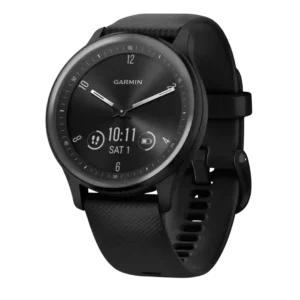
Blood oxygen tracking is widely supported through Pulse Ox or SpO2, including sleep, spot checks, or all-day options, with one test finding readings mostly in a normal range.
Pros: activity auto-detection, comfort
Cons: voice assistant quality, onboard music storage
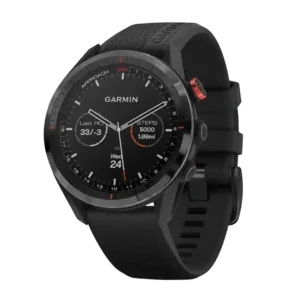
Blood oxygen or Pulse Ox tracking appeared in many reviews as part of the S62's wellness feature set, although reviewers mostly discussed its presence rather than clinical accuracy.
Pros: battery life, GPS accuracy
Cons: voice assistant quality, onboard music storage
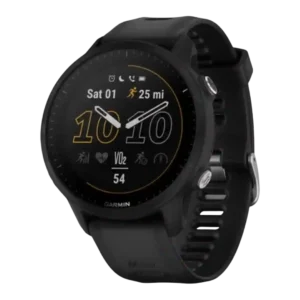
Blood oxygen tracking is well represented through Pulse Ox, sleep/altitude use cases, Health Snapshot, and sensor descriptions, but reviewers also note battery drain and that readings require proper conditions.
Pros: charging speed, workout tracking variety
Cons: voice assistant quality, LTE connectivity
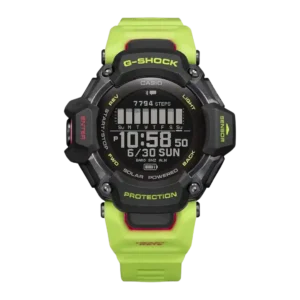
Blood oxygen tracking is present and usually discussed as part of the improved sensor package, though it is not deeply tested in every review.
Pros: water resistance, activity auto-detection
Cons: ECG functionality, call handling
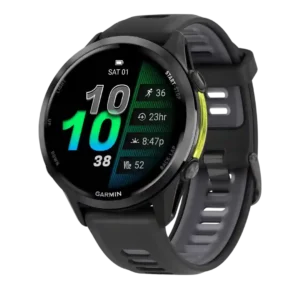
Blood oxygen support is present through PulseOx or SpO2, and reviewers also tied it to breathing disturbance and broader sensor tracking.
Pros: button controls, GPS accuracy
Cons: LTE connectivity, size options
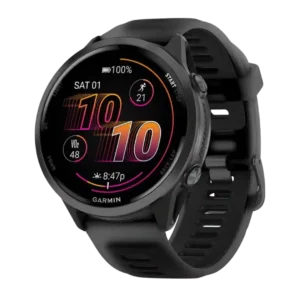
Blood oxygen tracking is present and used in overnight health tracking, but reviewers mention it as part of the health suite rather than a standout accuracy feature.
Pros: outdoor visibility, brightness
Cons: ECG functionality, LTE connectivity
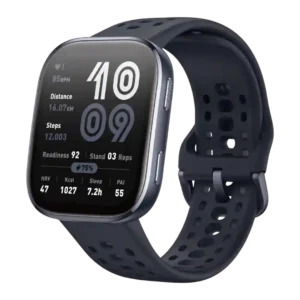
Blood oxygen tracking is consistently listed as part of the health suite, usually alongside heart rate, stress, and breathing-rate measurements.
Pros: workout tracking variety, brightness
Cons: ECG functionality, LTE connectivity
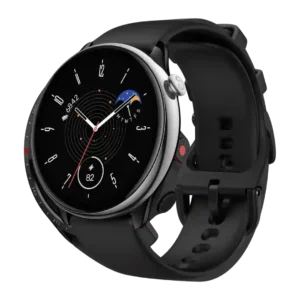
Blood oxygen tracking is consistently present across the reviews, usually described as part of the watch's 24-hour health sensor suite.
Pros: value for money, comfort
Cons: contactless payments, onboard music storage
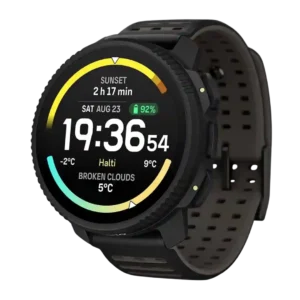
Blood oxygen tracking is present and repeatedly mentioned as part of the health suite, with one reviewer noting more stable readings from the redesigned sensor.
Pros: cross-platform compatibility, outdoor visibility
Cons: onboard music storage, contactless payments
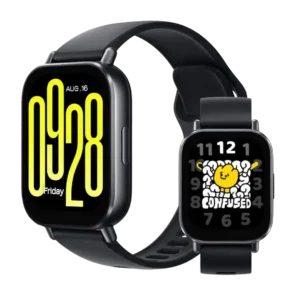
Blood oxygen tracking is consistently available and usually treated as a credible basic health metric for this budget watch.
Pros: touchscreen responsiveness, software smoothness
Cons: contactless payments, onboard music storage
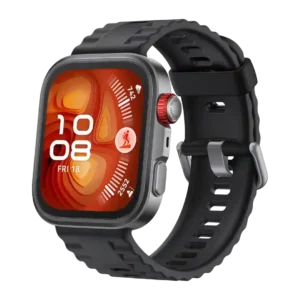
Blood oxygen tracking is present as part of the health sensor suite, with reviewers noting SPO2/blood-oxygen readings alongside heart-rate and stress data.
Pros: water resistance, workout tracking variety
Cons: ECG functionality, LTE connectivity
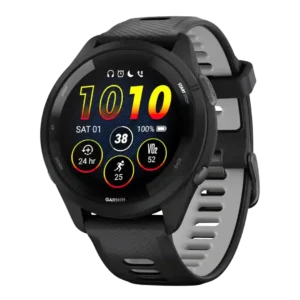
Blood oxygen tracking is present through Garmin's Pulse Ox or SpO2 readings and is repeatedly listed among the watch's health metrics.
Pros: GPS accuracy, brightness
Cons: ECG functionality, voice assistant quality
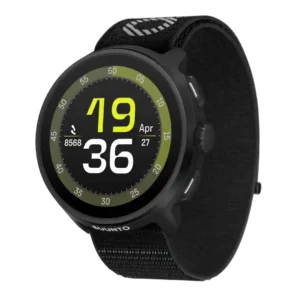
Blood oxygen and pulse-ox tracking are present on the watch, though reviewers mostly treated it as a supported wellness feature rather than deeply testing accuracy.
Pros: comfort, value for money
Cons: Wi-Fi connectivity, contactless payments
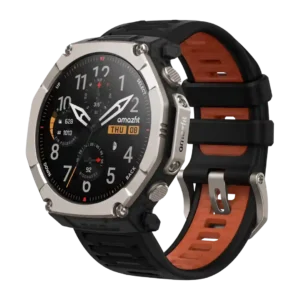
Blood oxygen tracking is consistently present in the health stack, with reviews citing SpO2 or blood oxygen monitoring alongside heart-rate and stress features.
Pros: brightness, water resistance
Cons: reliability, customization options
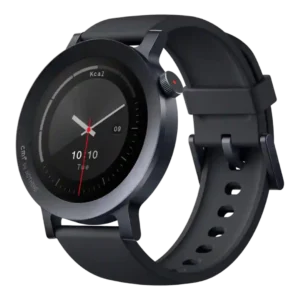
Blood oxygen tracking is present, with alerts or spot readings mentioned, and one reviewer found readings close to a pulse oximeter, though reviewers did not deeply validate it.
Pros: workout tracking variety, operating system experience
Cons: contactless payments, Wi-Fi connectivity
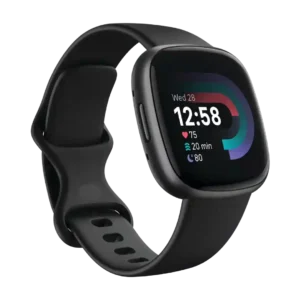
Blood oxygen tracking is present through SpO2/oxygen saturation readings, usually discussed as part of overnight health metrics rather than as a headline feature.
Pros: pairing reliability, brightness
Cons: third-party app support, music controls
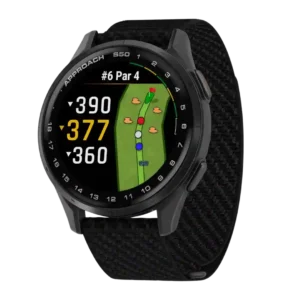
Blood oxygen tracking is present through Pulse Ox, with reviewers noting both the sensor and sleep/on-demand measurement behavior.
Pros: software smoothness, GPS accuracy
Cons: voice assistant quality, call handling
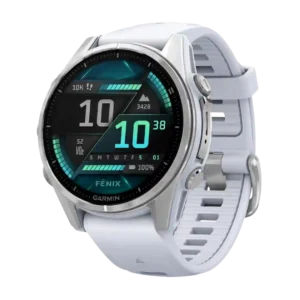
Blood oxygen and SpO2 support were confirmed by multiple reviewers, mostly as part of the broader health-sensor suite rather than a deeply tested standout.
Pros: workout tracking variety, durability
Cons: LTE connectivity, value for money
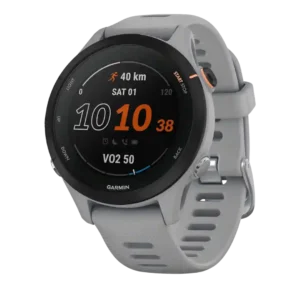
Blood oxygen tracking is present for sleep or daytime monitoring, but reviews treat it as one metric among many rather than a standout feature.
Pros: reliability, fit
Cons: touchscreen responsiveness, third-party app support
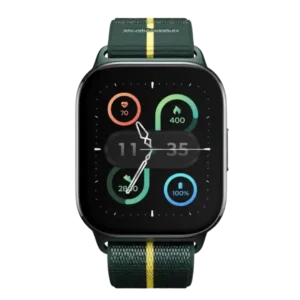
Blood oxygen tracking is consistently present in the health suite, though reviewers discuss it more as a supported metric than a deeply tested standout.
Pros: fit, battery life
Cons: call handling, voice assistant quality
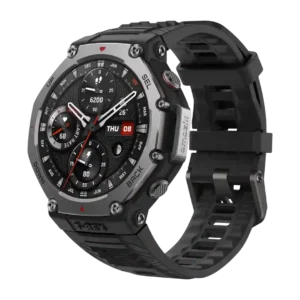
Blood oxygen tracking is consistently present as part of the health sensor suite, usually mentioned alongside HRV, skin temperature, and stress monitoring rather than deeply tested.
Pros: workout tracking variety, water resistance
Cons: ECG functionality, LTE connectivity
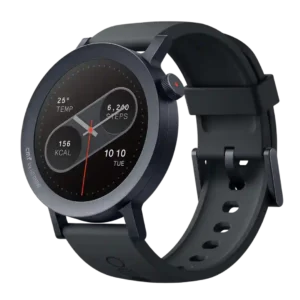
Blood oxygen tracking is present and often works acceptably for spot or continuous readings, though it is part of a broader basic health-tracking package.
Pros: pairing reliability, workout tracking variety
Cons: ECG functionality, contactless payments
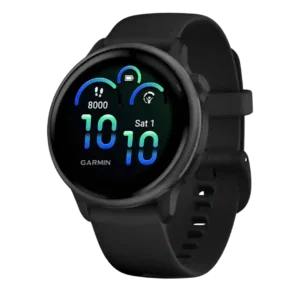
Blood oxygen tracking is present as part of the health sensor set, but reviewers mostly mention availability rather than detailed accuracy testing.
Pros: comfort, software smoothness
Cons: ECG functionality, LTE connectivity

Blood oxygen tracking is consistently presented as an included Garmin health sensor through Pulse Ox or blood oxygen monitoring.
Pros: cross-platform compatibility, water resistance
Cons: call handling, third-party app support