Best for Bluetooth connectivity
Xiaomi Watch 2 Pro
4.7 feature score
Highest scored product for this feature based on supporting review evidence.
Highest scored product for this feature based on supporting review evidence.
Balances feature score, supporting reviews, and overall product strength.
Has the broadest review evidence for this feature.
Strongest overall product among items with scored evidence for this feature.
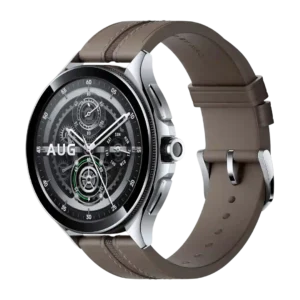
Bluetooth connectivity was straightforward in the reviews that tested it, with solid phone, earbud, and Mi Fitness syncing experiences.
Pros: materials quality, Bluetooth connectivity
Cons: ECG functionality, reliability
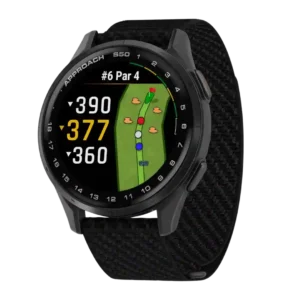
Bluetooth connectivity is useful for accessories, especially rangefinder yardages and connected golf hardware.
Pros: software smoothness, GPS accuracy
Cons: voice assistant quality, call handling
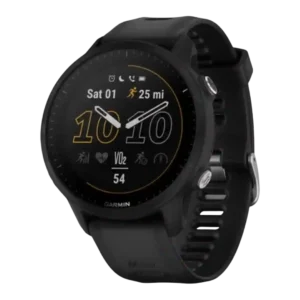
Bluetooth support is strong for headphones and sensors, with reviewers citing Bluetooth headphones and broad ANT+/Bluetooth Smart sensor compatibility.
Pros: charging speed, workout tracking variety
Cons: voice assistant quality, LTE connectivity
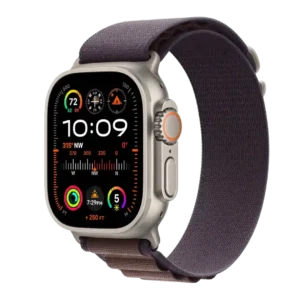
Bluetooth support is strong for cycling accessories, especially power meters, speed sensors, and cadence sensors, with reviewers treating it as a useful sports upgrade.
Pros: display quality, heart rate accuracy
Cons: cross-platform compatibility, recovery insights
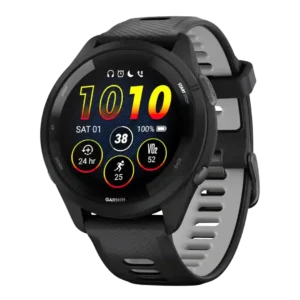
Bluetooth support is reliable in the reviewed evidence, covering sensor broadcasting and earbud pairing for phone-free music.
Pros: GPS accuracy, brightness
Cons: ECG functionality, voice assistant quality
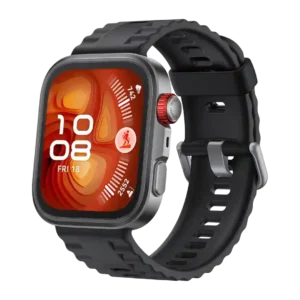
Bluetooth features work well for calls, headphones, and phone-connected use, with reviewers reporting smooth call handling and no major Bluetooth issues.
Pros: workout tracking variety, software smoothness
Cons: LTE connectivity, Wi-Fi connectivity
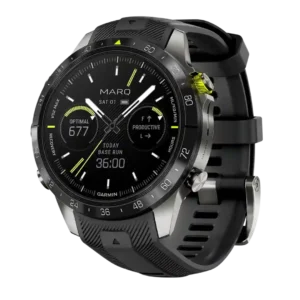
Bluetooth support is useful for phone sync, headphones, and connected sensors, with evidence of smooth background syncing and offline music use.
Pros: charging speed, build quality
Cons: LTE connectivity, ECG functionality
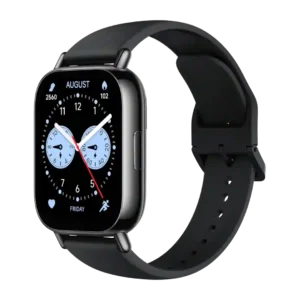
Bluetooth connectivity is generally strong, with Bluetooth 5.4 and real-world comments that the nearby phone connection stayed solid.
Pros: workout tracking variety, value for money
Cons: ECG functionality, third-party app support
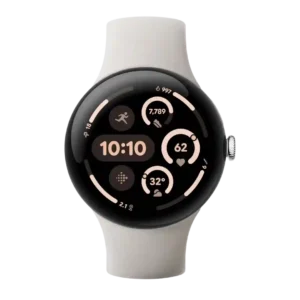
Bluetooth was viewed positively for upgraded specs and stable phone pairing, with some ecosystem unlocking benefits tied to connectivity.
Pros: outdoor visibility, health tracking accuracy
Cons: cross-platform compatibility, durability
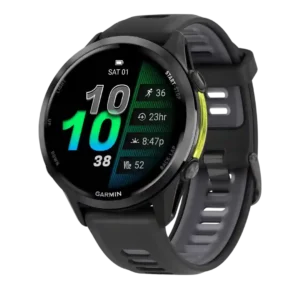
Bluetooth connectivity was supported for headphones and external sensors, including Bluetooth and ANT+ pairings.
Pros: button controls, GPS accuracy
Cons: LTE connectivity, size options
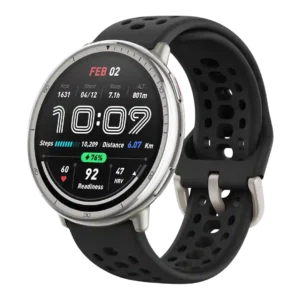
Bluetooth support is strong for the class, covering phone connection, music controls, notifications, and external sensors such as heart-rate monitors and power meters.
Pros: workout tracking variety, value for money
Cons: ECG functionality, LTE connectivity
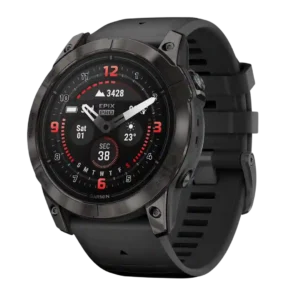
Bluetooth support is well documented for sensors and accessories, with reviewers noting Bluetooth/ANT+ connectivity and phone/accessory support.
Pros: mapping and navigation, GPS accuracy
Cons: voice assistant quality, call handling
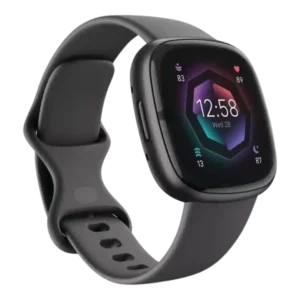
Bluetooth and syncing are generally dependable in the evidence, with reviewers reporting trouble-free sync and improved range.
Pros: pairing reliability, cross-platform compatibility
Cons: third-party app support, music controls
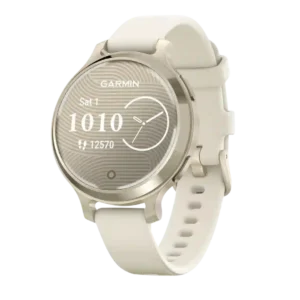
Bluetooth and ANT+ connectivity are strong, supporting phone pairing, sensor connections, and heart-rate broadcasting.
Pros: comfort, style and design
Cons: ECG functionality, onboard music storage
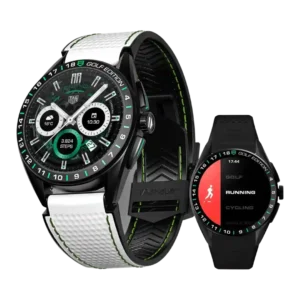
Bluetooth support is treated as a practical upgrade, with Bluetooth 5.0 repeatedly linked to faster syncing and data transfer.
Pros: materials quality, style and design
Cons: blood oxygen tracking, ECG functionality
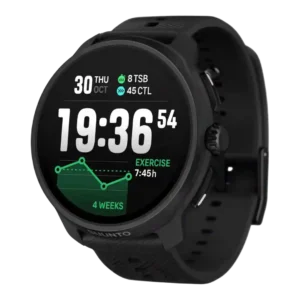
Bluetooth-related pairing was generally reliable, especially for power meters and external sensors, with multiple reviewers praising simple pairing and saved multi-sensor support.
Pros: workout tracking variety, charging speed
Cons: ECG functionality, voice assistant quality
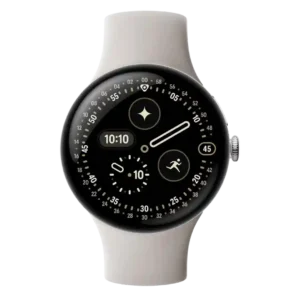
Bluetooth connectivity appears reliable for watch-to-phone bike streaming and benefits from Bluetooth 6 in one review, though detailed standalone Bluetooth testing is limited.
Pros: outdoor visibility, charging speed
Cons: stress tracking, band quality
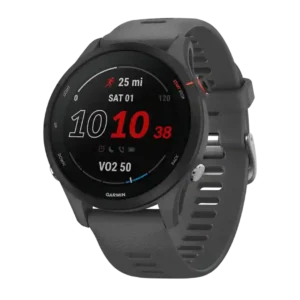
Bluetooth connectivity is strong for headphones and external sensors, with reviewers noting Bluetooth audio and ANT+/Bluetooth sensor pairing.
Pros: reliability, GPS accuracy
Cons: call handling, touchscreen responsiveness
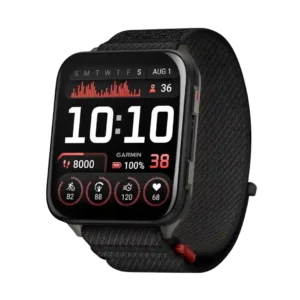
Bluetooth and sensor connectivity are supported for accessories, headphones, and external sensors, with reviewers generally treating this as a solid part of the training ecosystem.
Pros: pairing reliability, watch face quality
Cons: LTE connectivity, ECG functionality
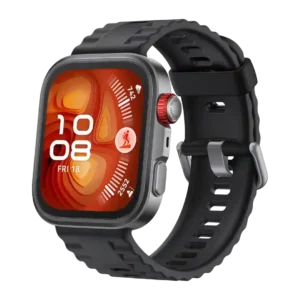
Bluetooth support is solid for calls, external sensors, and accessories, with reviewers noting Bluetooth calls and paired heart-rate or cycling sensors.
Pros: water resistance, workout tracking variety
Cons: ECG functionality, LTE connectivity
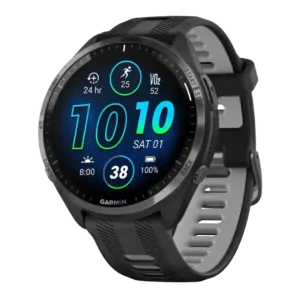
Bluetooth and ANT+ support are useful for headphones, sensors, accessories, and heart-rate broadcasting, with reviewers repeatedly noting broad connectivity.
Pros: mapping and navigation, watch face quality
Cons: ECG functionality, LTE connectivity
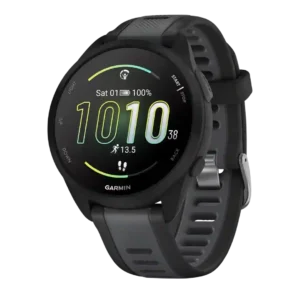
Bluetooth and ANT+ sensor/headphone support were viewed positively, with reviewers noting external sensor support and solid headphone connectivity.
Pros: brightness, outdoor visibility
Cons: ECG functionality, voice assistant quality
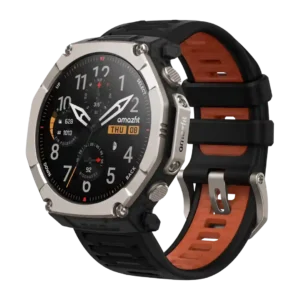
Bluetooth connectivity is explicitly supported, including BLE and pairing with headphones or sensors.
Pros: brightness, water resistance
Cons: reliability, customization options
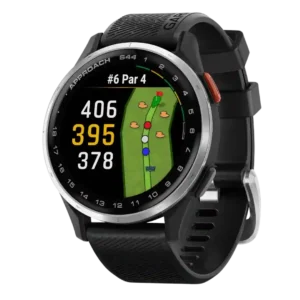
Bluetooth was useful in the Garmin golf ecosystem, especially for sending Z30 rangefinder yardages directly to the watch.
Pros: pairing reliability, display quality
Cons: heart rate accuracy, sleep tracking accuracy
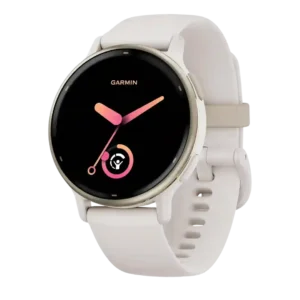
Bluetooth pairing and sensor/headphone support are solid, including phone pairing and Bluetooth/ANT+ accessories.
Pros: brightness, outdoor visibility
Cons: ECG functionality, LTE connectivity
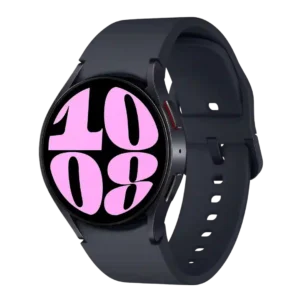
Bluetooth support works well for common smartwatch uses like streaming to headphones, though reviewers discussed it more as a dependable baseline than a standout feature.
Pros: outdoor visibility, workout tracking variety
Cons: cross-platform compatibility, battery life
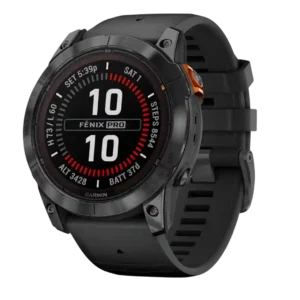
Bluetooth connectivity was described as sufficient for the reviewer's GPS-watch use case.
Pros: customization options, workout tracking variety
Cons: calorie tracking usefulness, ECG functionality
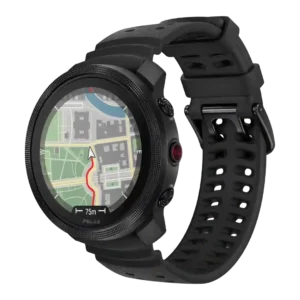
Bluetooth sensor support is a plus, with evidence that the watch can pair with Bluetooth Smart sport sensors and third-party accessories.
Pros: workout tracking variety, outdoor visibility
Cons: call handling, voice assistant quality
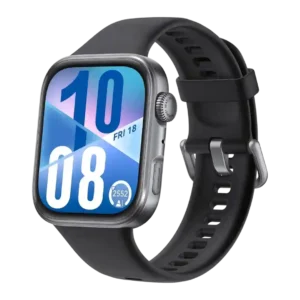
Bluetooth support is generally positive for calls, external sensors, and earbuds, with Bluetooth 5.2 and pairing use cases called out.
Pros: step counting accuracy, onboard music storage
Cons: ECG functionality, Wi-Fi connectivity
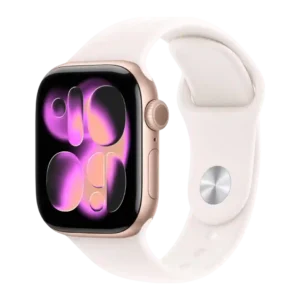
Bluetooth support is mentioned through Bluetooth 5.3 and headphone/AirPods use, with no major Bluetooth reliability complaints in the evidence.
Pros: contactless payments, pairing reliability
Cons: cross-platform compatibility, recovery insights
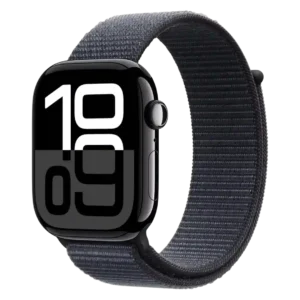
Bluetooth support is solid, especially for fitness sensors, while the new speaker reduces dependence on paired headphones in some use cases.
Pros: charging speed, contactless payments
Cons: cross-platform compatibility, blood oxygen tracking
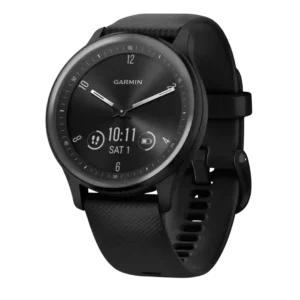
Bluetooth connectivity is necessary for pairing, notifications, GPS tethering, syncing, and phone features, and reviewers generally present it as functional.
Pros: activity auto-detection, comfort
Cons: voice assistant quality, onboard music storage
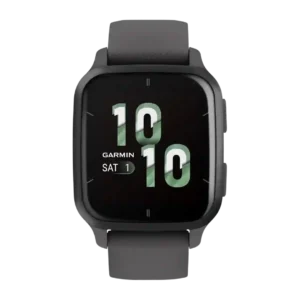
Bluetooth support is solid for sensors, headphones, and external heart-rate gear, with reviewers noting ANT+ and Bluetooth Smart accessory compatibility.
Pros: charging speed, battery life
Cons: LTE connectivity, ECG functionality
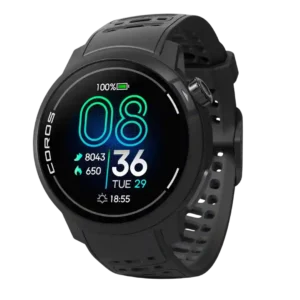
Bluetooth connectivity is useful for sensors and audio devices, with evidence for broadcasting heart rate and pairing external straps or accessories.
Pros: cross-platform compatibility, fit
Cons: call handling, voice assistant quality
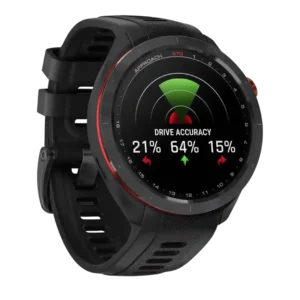
Bluetooth connectivity is supported through Bluetooth music and headphone pairing, though the evidence is functional rather than deeply evaluated.
Pros: pairing reliability, brightness
Cons: software smoothness, user interface
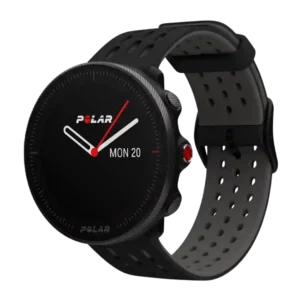
Bluetooth support is useful for phones and sensors, but the evidence also shows no ANT+ support and occasional sensor-specific pairing limits.
Pros: workout tracking variety, sleep tracking accuracy
Cons: blood oxygen tracking, voice assistant quality
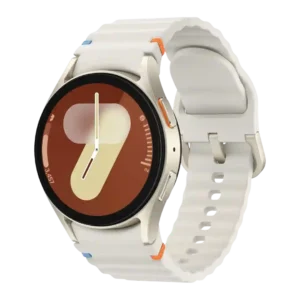
Bluetooth support was described as standard and useful, including pairing through Bluetooth menus and direct Bluetooth headphone support.
Pros: user interface, build quality
Cons: antioxidant index, cross-platform compatibility
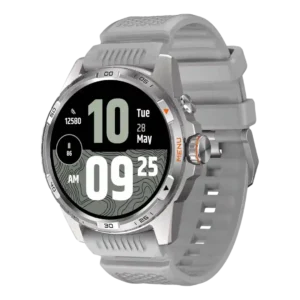
Bluetooth call connectivity worked well in the reviews that tested wrist calls, with good volume and clarity and functional speaker/microphone use.
Pros: battery life, durability
Cons: ECG functionality, LTE connectivity
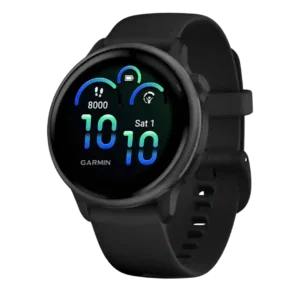
Bluetooth support is useful for headphones and external sensors, including heart-rate straps.
Pros: comfort, software smoothness
Cons: ECG functionality, LTE connectivity
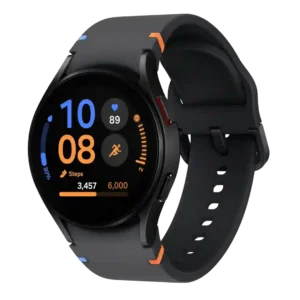
Bluetooth support is treated as standard and reliable, with one reviewer noting an updated Bluetooth version and better expected stability.
Pros: workout tracking variety, materials quality
Cons: size options, cross-platform compatibility
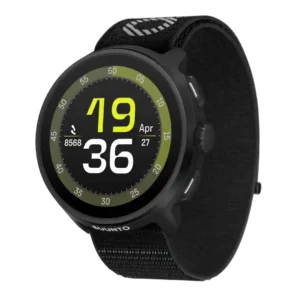
Bluetooth connectivity is useful for headphones, heart-rate straps, foot pods, and music playback, with multiple reviewers connecting accessories successfully.
Pros: comfort, value for money
Cons: Wi-Fi connectivity, contactless payments
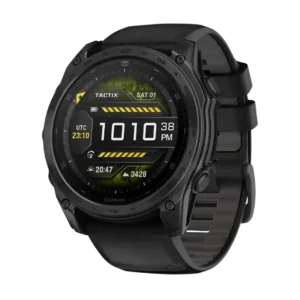
Bluetooth was mainly discussed through Bluetooth calling, headphones, and wireless modes; reviewers treated it as present and useful rather than a standout.
Pros: materials quality, durability
Cons: LTE connectivity, value for money
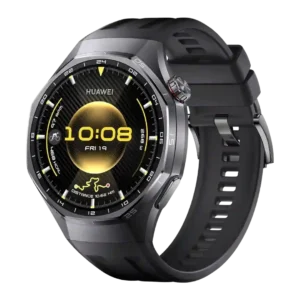
Bluetooth basics are solid, including Bluetooth 6.0 phone connection, headphone pairing, and third-party sensor support in some contexts.
Pros: water resistance, brightness
Cons: LTE connectivity, Wi-Fi connectivity
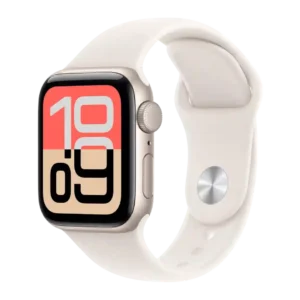
Bluetooth support is present and useful for headphones and audio, though reviewers mostly mention it as part of the connectivity package rather than a standout feature.
Pros: value for money, contactless payments
Cons: blood oxygen tracking, ECG functionality
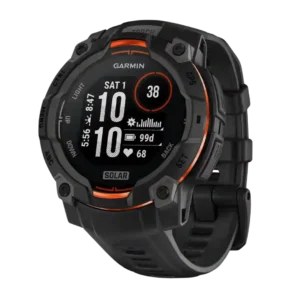
Bluetooth syncing and phone pairing were described as automatic or modern, with no major complaints in the supporting reviews.
Pros: water resistance, charging speed
Cons: LTE connectivity, Wi-Fi connectivity
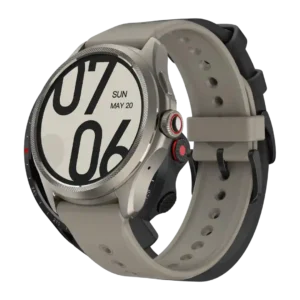
Bluetooth support is straightforward and reliable in the limited review evidence, including phone connection and stated Bluetooth 5.2 support.
Pros: battery life, pairing reliability
Cons: ECG functionality, LTE connectivity
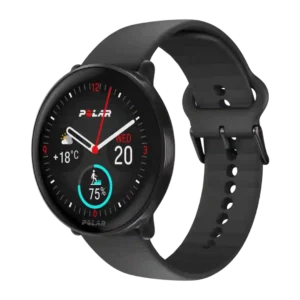
Bluetooth is useful for heart-rate broadcasting, external sensors, and phone/headphone-linked features, though some audio functions still require carrying the phone.
Pros: workout tracking variety, display quality
Cons: blood oxygen tracking, ECG functionality
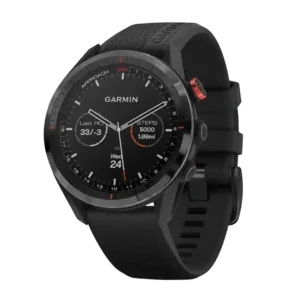
Bluetooth and phone pairing were generally described as straightforward and useful for phone-linked features such as wind data and app syncing.
Pros: battery life, GPS accuracy
Cons: voice assistant quality, onboard music storage
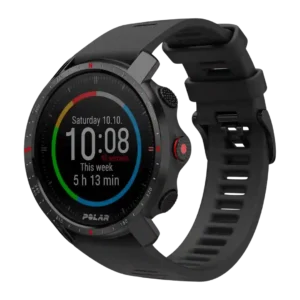
Bluetooth works for syncing, heart-rate broadcasting, and common sensor pairing, but cycling sensor limitations and the lack of ANT+ create practical drawbacks.
Pros: durability, workout tracking variety
Cons: contactless payments, onboard music storage
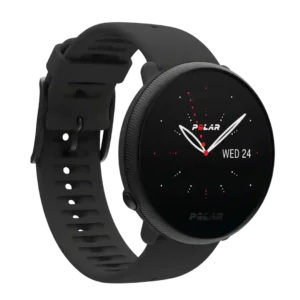
Bluetooth is useful for sensor pairing and heart-rate broadcasting, though broader sensor support is more limited than some rivals.
Pros: workout tracking variety, coaching features
Cons: blood oxygen tracking, contactless payments