Best for layout options
Corsair K100 RGB
5.0 feature score
Highest scored product for this feature based on supporting review evidence.
Highest scored product for this feature based on supporting review evidence.
Balances feature score, supporting reviews, and overall product strength.
Has the broadest review evidence for this feature.
Strongest overall product among items with scored evidence for this feature.
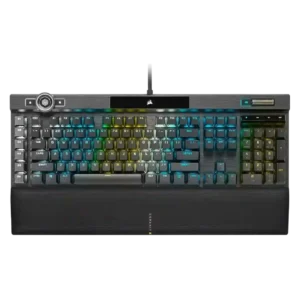
Reviews praise the move to a standard bottom row, which broadens keycap compatibility.
Pros: key responsiveness, latency
Cons: hot-swappable switches, ease of switch replacement
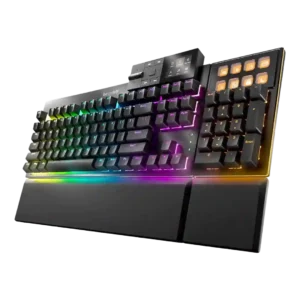
The Dark Mount flexes between TKL-style and full-size use, with left/right attachment flexibility.
Pros: sound dampening, noise level
Cons: rapid trigger support, analog input support
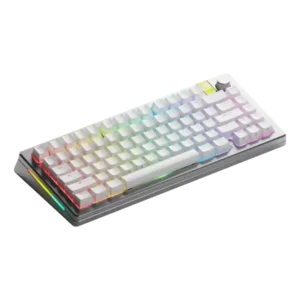
The lineup is offered in 65%, 75%, and 100% layouts.
Pros: polling rate, rapid trigger support
Cons: reliability, portability
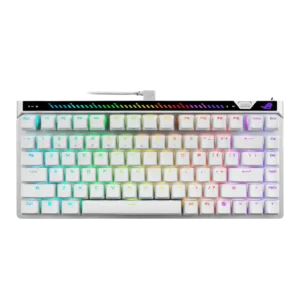
The 75% layout is widely praised for balancing compact size with useful extras like arrows, F-keys, and a small nav cluster.
Pros: latency, actuation consistency
Cons: analog input support, wrist rest quality
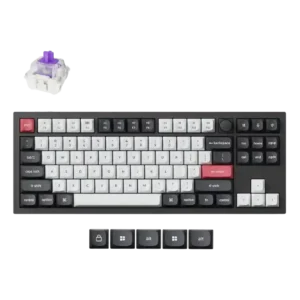
The layout is generally praised for offering a full TKL arrangement with useful keys and a knob while avoiding a full-size board's extra bulk.
Pros: rapid trigger support, build quality
Cons: portability, switch options
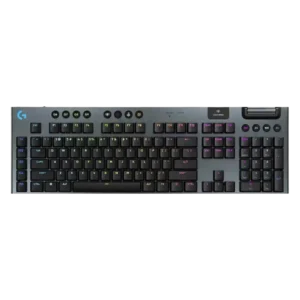
Review coverage confirms both full-size and TKL layout options in the lineup.
Pros: customization options, latency
Cons: wrist rest quality, hot-swappable switches
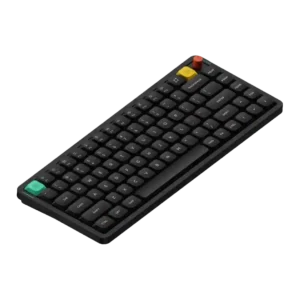
ISO and JIS availability stand out as meaningful layout additions that broaden the board’s appeal beyond standard ANSI buyers.
Pros: key responsiveness, compatibility
Cons: per-key lighting control, legend visibility
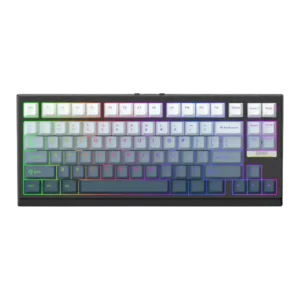
Layout options were praised around the 75% or 80% arrangement, with reviewers noting compact functionality, writer-friendly sizing, and navigation/arrow keys.
Pros: polling rate, desk space efficiency
Cons: media controls
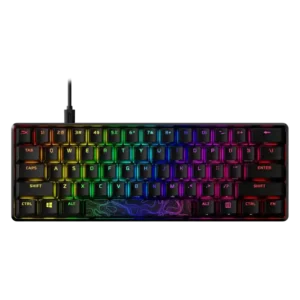
Layout options are a strength because the lineup spans full-size, tenkeyless, 65 percent, and 60 percent models.
Pros: frame rigidity, materials quality
Cons: wireless performance, hot-swappable switches
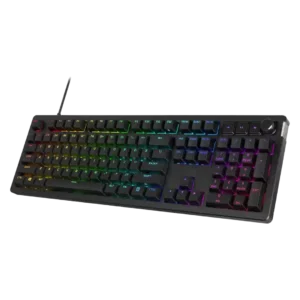
Reviewers valued the availability of both full-size and 75% layouts, with the 75% version balancing compactness and function.
Pros: legend visibility, materials quality
Cons: wrist rest quality, ease of switch replacement
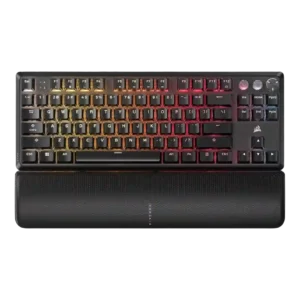
Software support extends to alternate layouts, with one review explicitly mentioning options beyond QWERTY.
Pros: key responsiveness, onboard memory
Cons: hot-swappable switches, ease of switch replacement
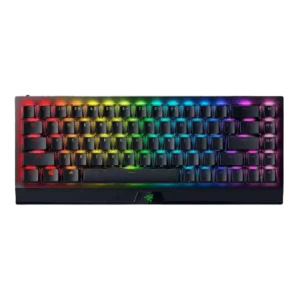
The 65% layout is widely seen as a sweet spot because it keeps arrow or navigation access and secondary functions without taking full-size desk space.
Pros: desk space efficiency, frame rigidity
Cons: passthrough features, stabilizer quality
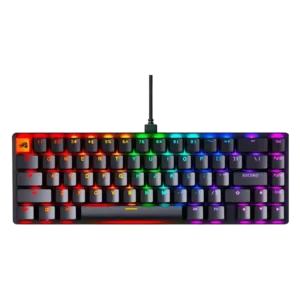
Reviewers like the choice between 65% and 96%, with both sizes seen as useful rather than filler.
Pros: frame rigidity, durability
Cons: actuation consistency
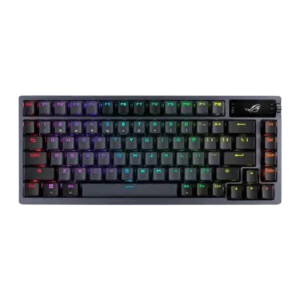
Layout flexibility is decent for this category, with reviewers noting the 75% format and availability beyond a single regional layout.
Pros: hot-swappable switches, gaming performance
Cons: passthrough features, wrist rest quality
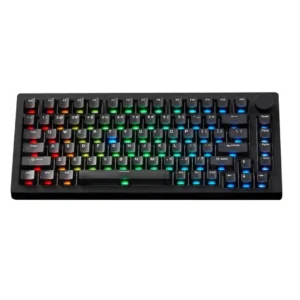
Layout support is positive overall, with 75% layout, ISO availability, layer remapping, and needed keys praised; one ISO sample had small-key layout complaints.
Pros: switch options, extra gaming features
Cons: portability, key spacing
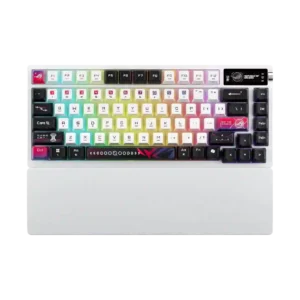
Reviews mention the 75% layout plus Mac mode and ISO or ANSI context, but not a wide range of physical layouts in the box.
Pros: connectivity, wireless performance
Cons: rapid trigger support, analog input support
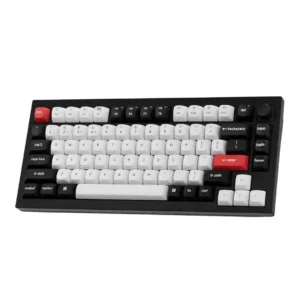
Layout flexibility is good for a ready-built board, with 75% variants, ISO availability, swappable nav caps, and multiple colorway choices.
Pros: build quality, frame rigidity
Cons: portability, wrist rest quality
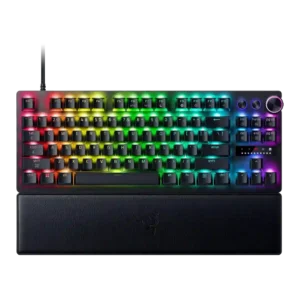
Layout flexibility is good, with reviewers noting full-size, TKL, and Mini variants.
Pros: gaming performance, latency
Cons: passthrough features, hot-swappable switches
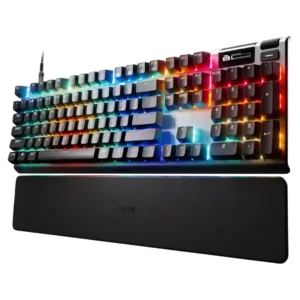
The lineup offers multiple layout choices, including full-size, TKL, and mini or 60 percent variants depending on the review source.
Pros: legend visibility, frame rigidity
Cons: passthrough features, analog input support
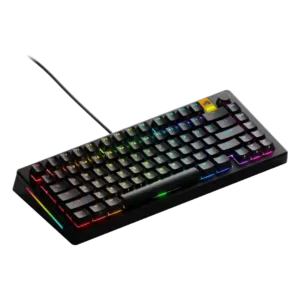
Reviews note multiple size choices, including 65%, 75%, and 100% layouts.
Pros: customization options, hot-swappable switches
Cons: value for money, desk space efficiency
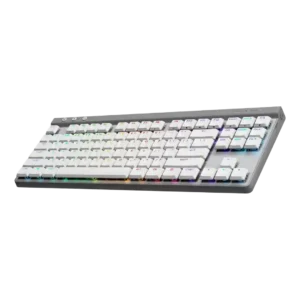
The board sticks to a familiar TKL layout rather than offering alternate size variants, and reviewers found that layout practical and easy to learn.
Pros: macro customization, customization options
Cons: rapid trigger support, passthrough features
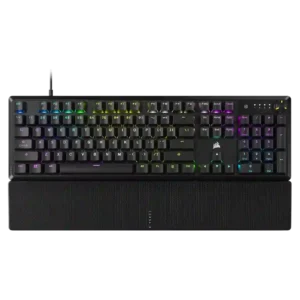
Layout availability is only lightly covered, but one review notes multiple regional layouts and languages are offered.
Pros: per-key lighting control, typing feel
Cons: hot-swappable switches, ease of switch replacement
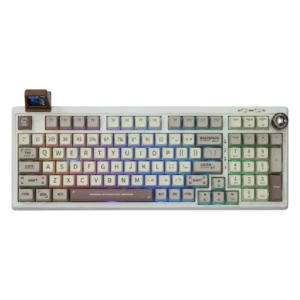
One review notes an ISO option in addition to the standard layout, which adds some regional flexibility.
Pros: key responsiveness, latency
Cons: actuation consistency, rapid trigger support
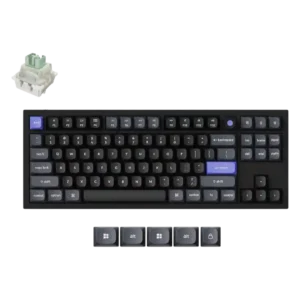
The direct evidence identifies the board as an 80% layout, supporting a compact but not ultra-small format.
Pros: polling rate, extra gaming features
Cons: portability, switch options
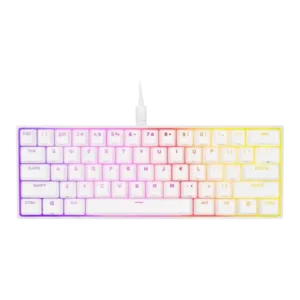
Software-level layout flexibility is a plus, with reviewers noting active layout changes and support beyond the default QWERTY setup.
Pros: desk space efficiency, portability
Cons: wrist rest quality, hot-swappable switches
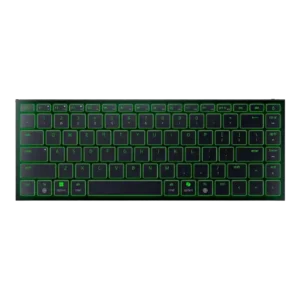
The 75% layout with function row and extra navigation is practical, though not every reviewer loves the specific key choices.
Pros: compatibility, portability
Cons: per-key lighting control, sound dampening
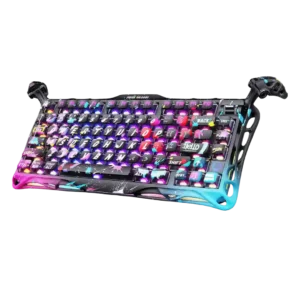
Layout options are solid around the 75% form factor, variants, and configurations, though users wanting larger boards or numpads may still be limited.
Pros: rapid trigger support, ease of switch replacement
Cons: wireless performance, connectivity
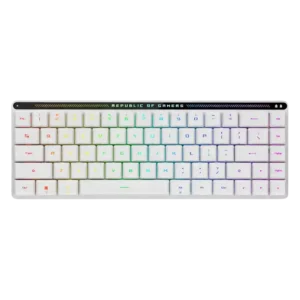
Layout flexibility is modest but present in the evidence through Mac/PC switching and at least one mention of an alternate regional layout option.
Pros: noise level, battery life
Cons: wrist rest quality, hot-swappable switches
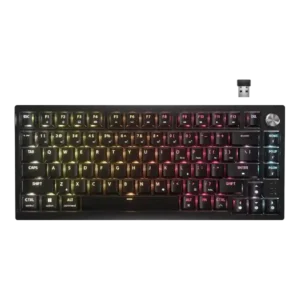
Layout flexibility is decent, with mention of ANSI/ISO availability and quick Windows or Mac layout switching.
Pros: hot-swappable switches, connectivity
Cons: wrist rest quality, switch options
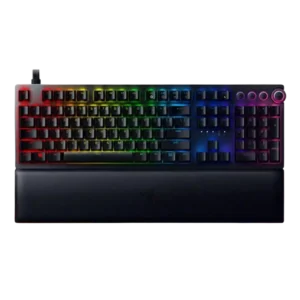
Reviews note a familiar full-size layout and mention support for different region layouts, but they do not discuss multiple size variants for this exact model.
Pros: RGB customization, frame rigidity
Cons: portability, legend visibility
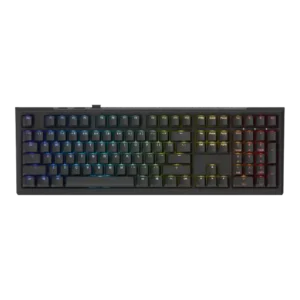
The lineup offers both full-size and 60% options, along with layout variety.
Pros: switch feel, key responsiveness
Cons: switch options, wrist rest quality
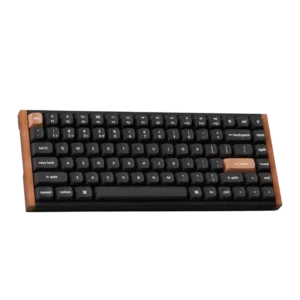
The scored evidence notes layout variation beyond the base board, including an ISO option tied to layout changes.
Pros: rapid trigger support, switch feel
Cons: switch options, portability
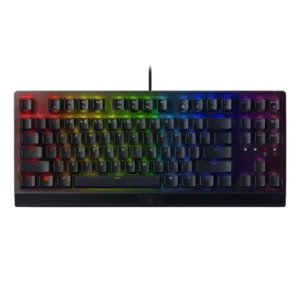
One review frames the standard BlackWidow V3 as the full-size layout option within the V3 family. That gives the line some layout variety even though this specific model is the...
Pros: key responsiveness, latency
Cons: hot-swappable switches, passthrough features
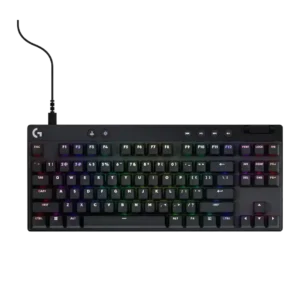
Layout choices suit competitive and compact use best. TKL and 60% formats save space, but they also require compromises and adaptation for users who want more dedicated keys.
Pros: analog input support, latency
Cons: sound dampening, value for money
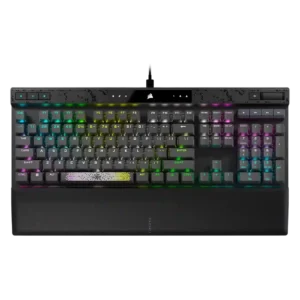
The board is consistently presented as a full-size standard layout, with only limited layout variety discussed in the reviews.
Pros: per-key lighting control, polling rate
Cons: passthrough features, wireless performance
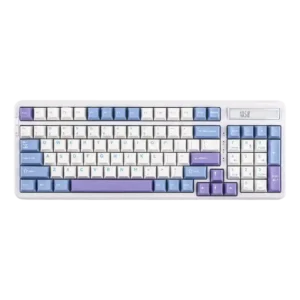
The board is consistently described as a compact 96% or 90% layout, though one reviewer personally prefers a proper full-size layout.
Pros: hot-swappable switches, ease of switch replacement
Cons: key spacing, legend visibility
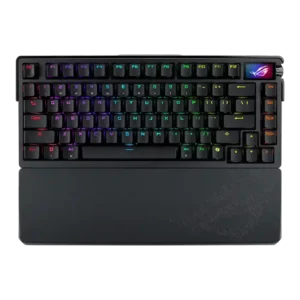
One review mentions that layouts and languages vary by region, but evidence for broader layout choice is limited.
Pros: build quality, frame rigidity
Cons: rapid trigger support, analog input support
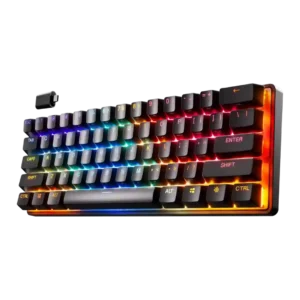
The 60% layout uses layered functions intelligently, but the lack of dedicated keys remains a real tradeoff for productivity and adaptation.
Pros: switch options, latency
Cons: hot-swappable switches, ease of switch replacement
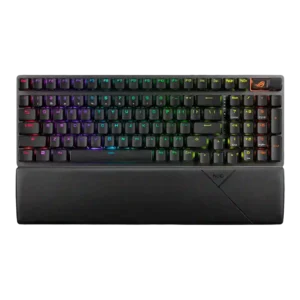
The 96% layout preserves many full-size functions, but several reviewers call out awkward Delete or navigation positioning.
Pros: polling rate, battery life
Cons: backlight brightness, legend visibility
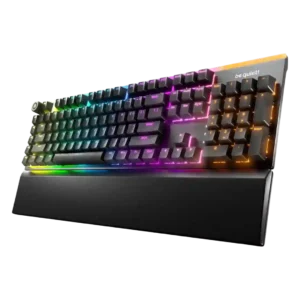
Reviews confirm ISO and ANSI choices, but the board is still limited to a full-size layout.
Pros: acoustics, sound dampening
Cons: rapid trigger support, analog input support
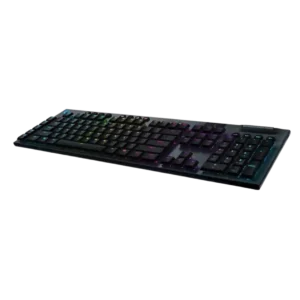
The review set mainly describes a full-size, macro-heavy layout rather than a broad range of built-in layout variants.
Pros: RGB customization, build quality
Cons: passthrough features, wrist rest quality
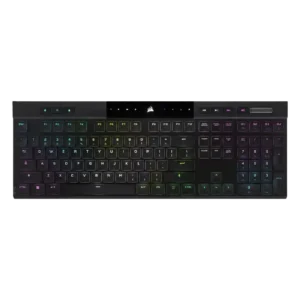
The full-size layout works well for those who want everything onboard, but reviewers also wish smaller variants existed.
Pros: polling rate, RGB customization
Cons: hot-swappable switches, wrist rest quality
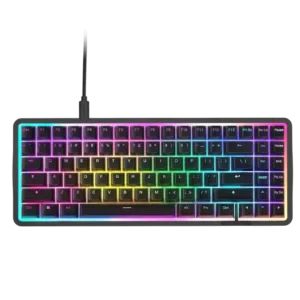
Layout options are limited because the Elite model focuses on a compact 75%/MiniTKL format without full-size or numpad alternatives.
Pros: polling rate, sound dampening
Cons: passthrough features, wireless performance
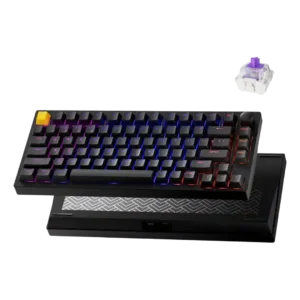
Reviews describe a 75% layout, with one noting that ISO is not currently available.
Pros: extra gaming features, rapid trigger support
Cons: per-key lighting control, layout options
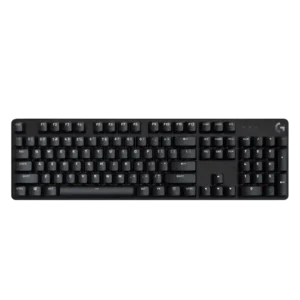
Availability in both full-size and TKL is a plus, but one reviewer criticized the TKL layout for omitting expected keys.
Pros: materials quality, durability
Cons: per-key lighting control, wrist rest quality
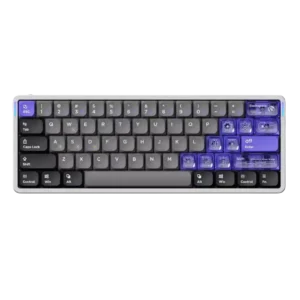
The Air60 HE is firmly a compact 60% board, and reviews note limited layout flexibility plus no ISO option.
Pros: polling rate, rapid trigger support
Cons: legend visibility, layout options