Best for button controls
Garmin Lily 2 Active
5.0 feature score
Highest scored product for this feature based on supporting review evidence.
Highest scored product for this feature based on supporting review evidence.
Balances feature score, supporting reviews, and overall product strength.
Has the broadest review evidence for this feature.
Strongest overall product among items with scored evidence for this feature.
Showing Garmin only. Switch back to all brands anytime.
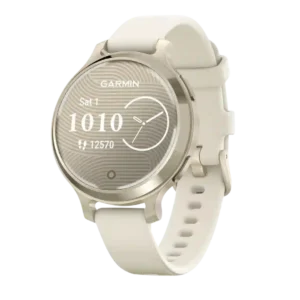
Button controls are a unanimous strength because they make workouts and navigation much easier than touch-only Lily models.
Pros: health tracking accuracy, blood oxygen tracking
Cons: ECG functionality, onboard music storage
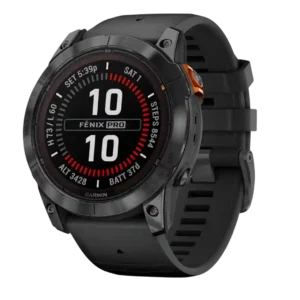
Button controls were consistently praised for intuitive navigation, glove/rain usability and reliable interaction during activity.
Pros: GPS accuracy, app ecosystem
Cons: ECG functionality, calorie tracking usefulness
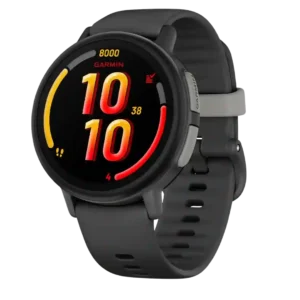
Physical side buttons make the watch easier to operate with wet, dirty, or gloved hands. They provide a dependable alternative to touch input.
Pros: Wi-Fi connectivity, cross-platform compatibility
Cons: charging convenience, third-party app support
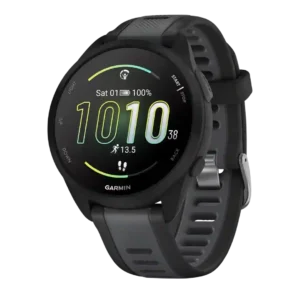
Button controls were a major strength, especially for workouts, gloves, sweat, rain, and avoiding touchscreen reliance.
Pros: smartphone notifications, watch face quality
Cons: music controls, Wi-Fi connectivity
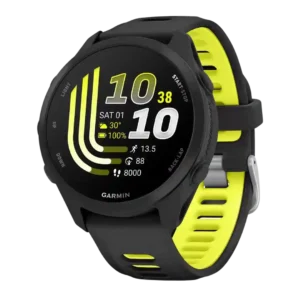
Five physical buttons are a major usability strength, especially during runs, with gloves, or when sweaty hands make touch controls awkward.
Pros: recovery insights, fitness tracking accuracy
Cons: ECG functionality, call handling
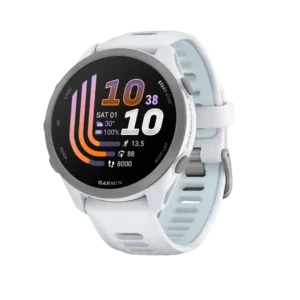
Five physical buttons are a major strength during runs, especially with sweaty hands or gloves. Nearly every function can be controlled without relying on touch.
Pros: music controls, pairing reliability
Cons: LTE connectivity, ECG functionality
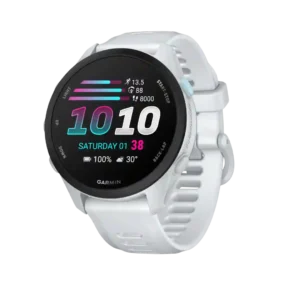
Five physical buttons make the watch easy to operate with sweaty hands, gloves, or rain. They complement the touchscreen especially well during workouts.
Pros: step counting accuracy, app ecosystem
Cons: Bluetooth connectivity, pairing reliability
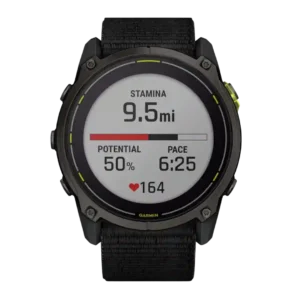
Physical button controls were praised as reliable and satisfying, with the touchscreen-button blend described as the best of both worlds.
Pros: contactless payments, reliability
Cons: onboard music storage, watch face quality
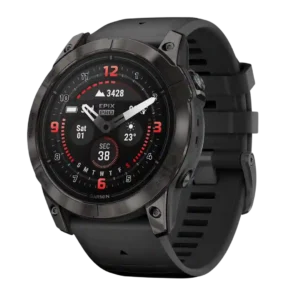
Button controls are a standout usability feature, especially for workouts, with praise for tactile clicks and mid-activity control.
Pros: GPS accuracy, charging speed
Cons: ECG functionality, voice assistant quality
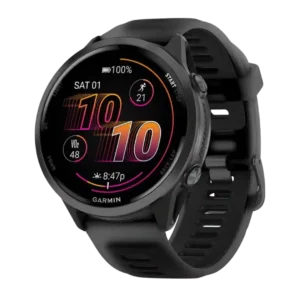
Button controls were strongly praised, especially for wet hands, sweaty workouts, swimming, and glove use.
Pros: charging speed, GPS accuracy
Cons: ECG functionality, smartphone notifications
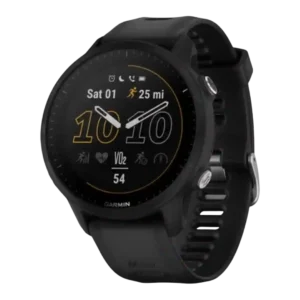
Button controls were a major strength, especially during workouts, gloves, movement, and wet conditions.
Pros: outdoor visibility, charging speed
Cons: LTE connectivity, call handling
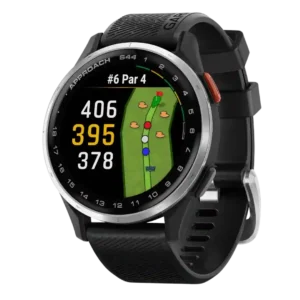
Button controls were a clear upgrade over the S42, with reviewers calling the second button easier, more intuitive, and better for navigation.
Pros: user interface, brightness
Cons: wellness insights, charging convenience
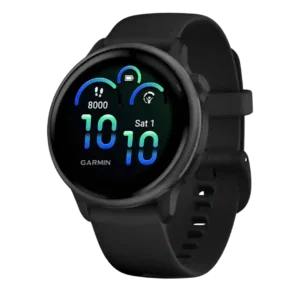
Button controls are generally well-liked, with reviewers praising the raised button, simplicity, and tactile workout controls.
Pros: software smoothness, comfort
Cons: LTE connectivity, voice assistant quality
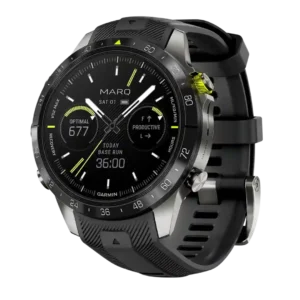
Button controls were repeatedly praised as intuitive, sturdy, tactile, polished, and useful alongside the touchscreen.
Pros: pairing reliability, reliability
Cons: size options, call handling
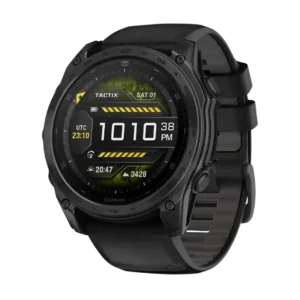
Button controls were mostly praised for texture and feel, but dive-rated buttons created mixed feedback from users who preferred older tactile clicks.
Pros: wellness insights, build quality
Cons: LTE connectivity, band quality
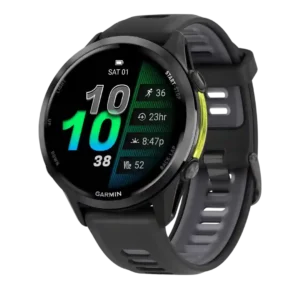
Button controls were useful and reliable, preserving full control when touch is unavailable, though one reviewer wanted a more tactile click.
Pros: stress tracking, customization options
Cons: menu navigation, companion app quality
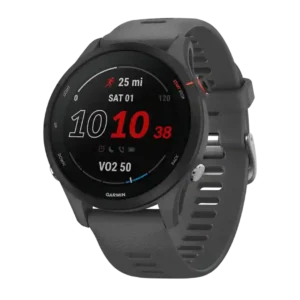
Button controls were polarizing but mostly positive: many liked reliability during workouts, while some found the buttons numerous or squishy.
Pros: durability, cross-platform compatibility
Cons: stress tracking, app ecosystem
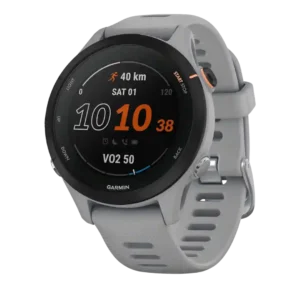
Button controls were mostly praised for workouts, water use, and avoiding accidental touches, though the button-only approach may not suit touchscreen-first users.
Pros: step counting accuracy, fit
Cons: blood oxygen tracking, charging convenience
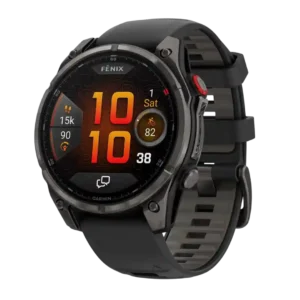
Button controls were praised for premium haptics and easier, quicker operation than earlier Fenix buttons.
Pros: workout tracking variety, pairing reliability
Cons: size options, companion app quality
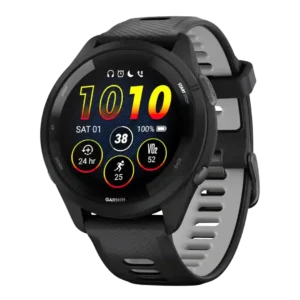
Button controls were widely praised for workout reliability, tactile feedback, and the larger Run button, though one reviewer disliked squishy secondary buttons.
Pros: step counting accuracy, third-party app support
Cons: ECG functionality, LTE connectivity
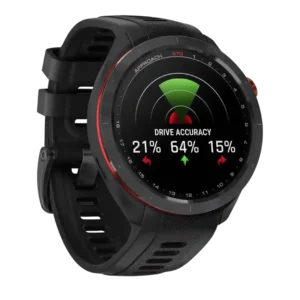
Button controls are generally useful and easy, though one reviewer still noted a learning curve.
Pros: recovery insights, GPS accuracy
Cons: software smoothness, fitness tracking accuracy
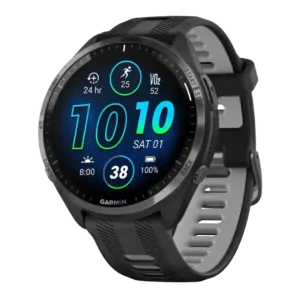
Buttons were consistently praised as tactile, easy to use during workouts, and a dependable alternative to touch controls.
Pros: water resistance, workout tracking variety
Cons: LTE connectivity, ECG functionality
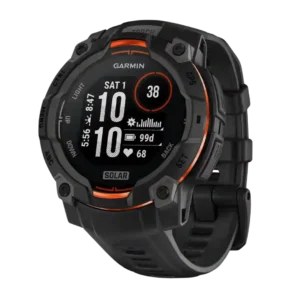
Button controls are mostly praised for predictable wet/glove use, though a few reviewers found the buttons harder to press or slower than touch controls.
Pros: customization options, charging speed
Cons: onboard music storage, voice assistant quality
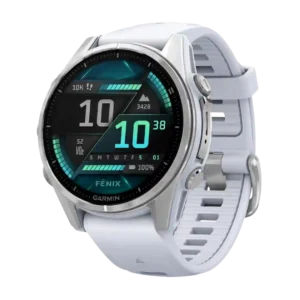
Button controls remain useful and reliable, but the new leakproof/inductive feel drew mixed reactions compared with older mechanical buttons.
Pros: workout tracking variety, onboard music storage
Cons: LTE connectivity, value for money
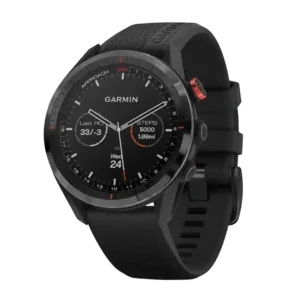
Button controls were appreciated for gloved use and click feel, though the touch-button mix sometimes caused confusion.
Pros: software smoothness, style and design
Cons: voice assistant quality, onboard music storage
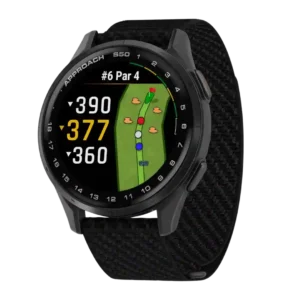
Button controls were usable but not ideal for button-first users; reviewers found navigation workable while still preferring more physical controls on higher-end models.
Pros: touchscreen responsiveness, health tracking accuracy
Cons: call handling, voice assistant quality
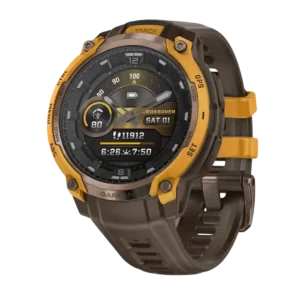
Button controls split opinion: one reviewer found them second nature, while others found the no-touchscreen button workflow slower or fiddly.
Pros: heart rate accuracy, GPS accuracy
Cons: onboard music storage, mapping and navigation
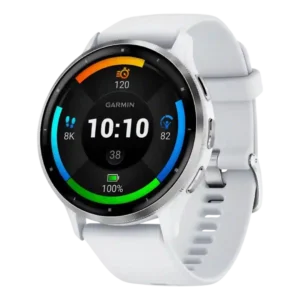
Button controls are useful during workouts, but opinions are mixed because some reviewers wanted more button navigation or found the smaller buttons less usable.
Pros: health tracking accuracy, software smoothness
Cons: LTE connectivity, mapping and navigation
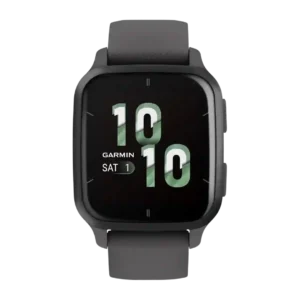
Button controls were mixed: one reviewer found the system simple and workable, while another thought the two-button setup felt clunky.
Pros: charging speed, coaching features
Cons: ECG functionality, call handling
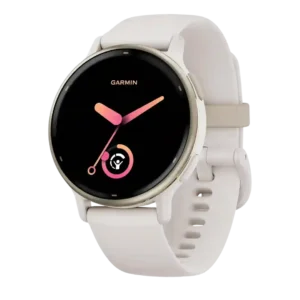
Button controls drew mixed reactions: some liked having dual navigation, while others preferred more dedicated buttons or found presses fiddly.
Pros: fitness tracking accuracy, wellness insights
Cons: software smoothness, ECG functionality
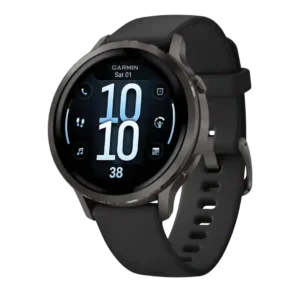
Button controls were one of the most repeated tradeoffs: the two-button layout looks cleaner, but several reviewers missed more physical controls during activity.
Pros: activity auto-detection, style and design
Cons: LTE connectivity, charging convenience
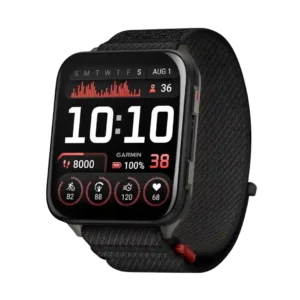
The two-button design was the most repeated control complaint, with reviewers missing Garmin’s extra buttons or wanting another shortcut button.
Pros: pairing reliability, watch face quality
Cons: ECG functionality, LTE connectivity
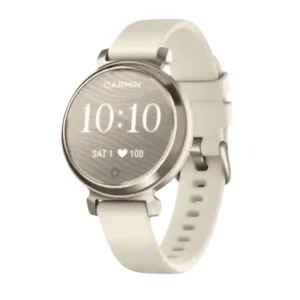
The no-button design and pseudo-button are a recurring frustration, especially for pausing workouts or navigating during activity.
Pros: pairing reliability, wellness insights
Cons: ECG functionality, body temperature tracking
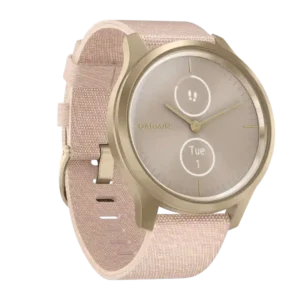
The absence of physical buttons frustrated reviewers who felt a button would reduce touchscreen problems.
Pros: style and design, comfort
Cons: outdoor visibility, coaching features
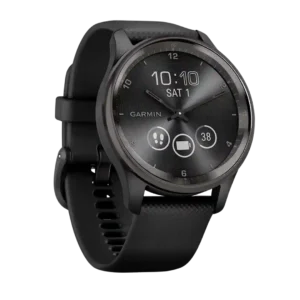
Button controls were a recurring weakness because reviewers missed even a single physical button and found touch-only exercise control harder.
Pros: activity auto-detection, build quality
Cons: blood oxygen tracking, Bluetooth connectivity
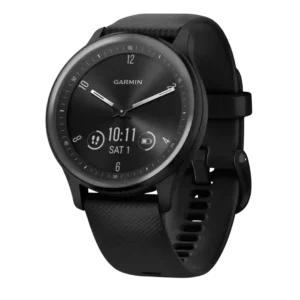
Lack of side buttons hurt navigation for reviewers who wanted physical controls on a small touchscreen device.
Pros: pairing reliability, reliability
Cons: contactless payments, onboard music storage