Best for charging convenience
Suunto Vertical 2
4.9 feature score
Highest scored product for this feature based on supporting review evidence.
Highest scored product for this feature based on supporting review evidence.
Balances feature score, supporting reviews, and overall product strength.
Has the broadest review evidence for this feature.
Strongest overall product among items with scored evidence for this feature.
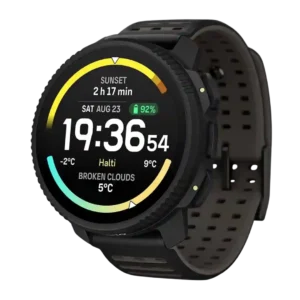
Charging convenience was a major improvement, with reviewers praising the stronger magnetic charger, better clip, and reliable connection.
Pros: operating system experience, materials quality
Cons: contactless payments, onboard music storage
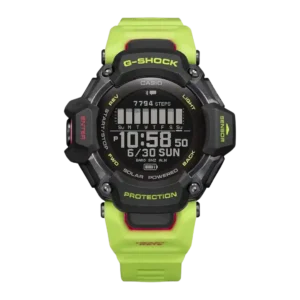
Charging convenience is excellent because solar charging reduces how often users need the proprietary cable.
Pros: brightness, charging convenience
Cons: ECG functionality, stress tracking
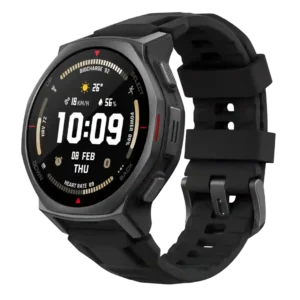
Charging convenience is generally positive, with reviewers liking the compact magnetic USB-C puck or reporting easy charging, despite some charger-position caveats elsewhere.
Pros: workout tracking variety, calorie tracking usefulness
Cons: LTE connectivity, ECG functionality
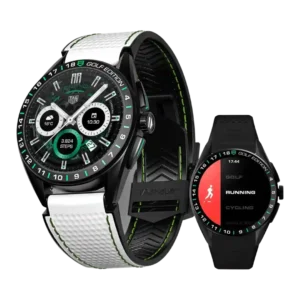
Charging convenience is strong because reviewers liked the stand/dock as stylish, sturdy, nightstand-friendly, and easier than a puck.
Pros: contactless payments, pairing reliability
Cons: LTE connectivity, call handling
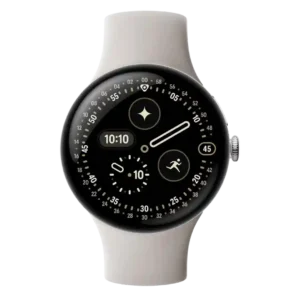
The new side dock was widely praised for reliability and convenience, though a few reviewers wanted stronger magnets or disliked another charger change.
Pros: step counting accuracy, charging speed
Cons: stress tracking, band quality
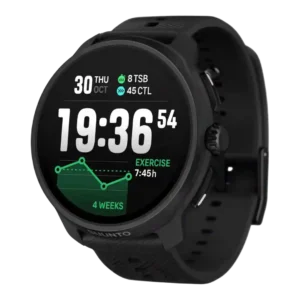
Charging convenience improved substantially, with reviewers praising the redesigned magnetic charger and more secure dock.
Pros: operating system experience, brightness
Cons: safety features, health tracking accuracy
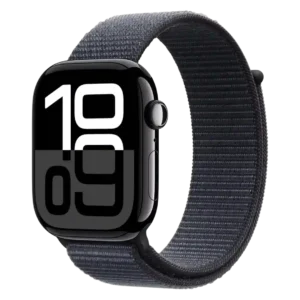
Charging convenience was strong because short charging sessions could cover sleep tracking or daily use and fit into routines.
Pros: reliability, comfort
Cons: calorie tracking usefulness, mapping and navigation
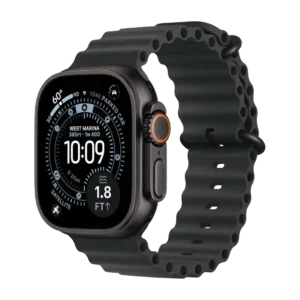
Charging convenience was praised because quick top-ups reduced sleep-tracking and daily-use friction.
Pros: app ecosystem, watch face quality
Cons: cross-platform compatibility, size options
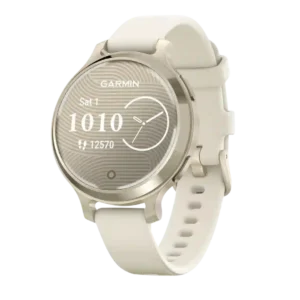
Charging convenience improves because the watch uses the standard Garmin cable rather than the older Lily clip style.
Pros: health tracking accuracy, blood oxygen tracking
Cons: ECG functionality, onboard music storage
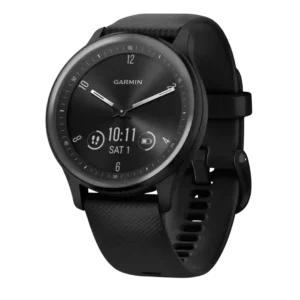
Charging convenience was positive in one review because the wired connector was simple to plug in and easy to use.
Pros: pairing reliability, reliability
Cons: contactless payments, onboard music storage
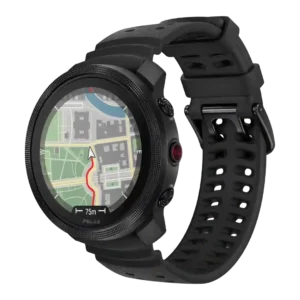
Charging convenience has limited but positive evidence, described as quick and painless.
Pros: brightness, display quality
Cons: call handling, voice assistant quality
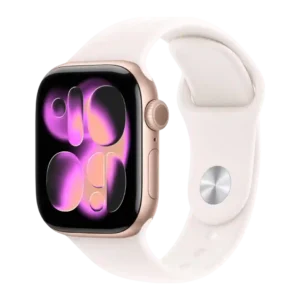
Charging convenience is improved because top-ups during a shower or morning routine make sleep tracking easier, though it still needs regular charging.
Pros: ECG functionality, app ecosystem
Cons: cross-platform compatibility, recovery insights
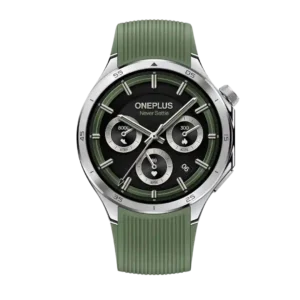
Charging convenience was mostly positive thanks to the small magnetic dock and USB-C-friendly design, though comfort-related charging avoidance appeared once.
Pros: blood oxygen tracking, step counting accuracy
Cons: LTE connectivity, calorie tracking usefulness
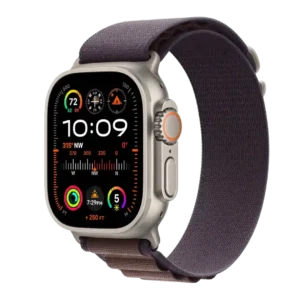
Charging convenience was helped by multi-day use and quick top-ups, though reviewers still noted the need to manage charging.
Pros: app ecosystem, smartwatch features
Cons: cross-platform compatibility, blood oxygen tracking
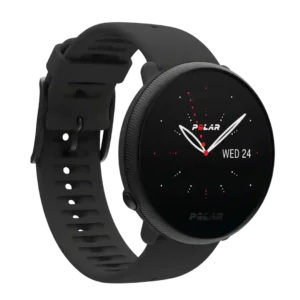
Charging convenience was positive, with reviewers calling the charging unit neat and easy for quick top-ups between sessions.
Pros: wellness insights, coaching features
Cons: mapping and navigation, contactless payments
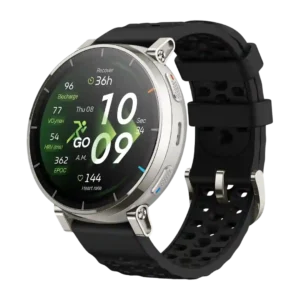
Charging convenience has limited positive evidence because the familiar Amazfit charger works across several recent models.
Pros: pairing reliability, brightness
Cons: Wi-Fi connectivity, Bluetooth connectivity
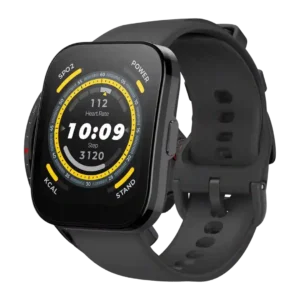
Charging convenience is supported by the magnetic dock and flexible USB, PC, laptop, or power-bank charging options.
Pros: comfort, touchscreen responsiveness
Cons: calorie tracking usefulness, onboard music storage
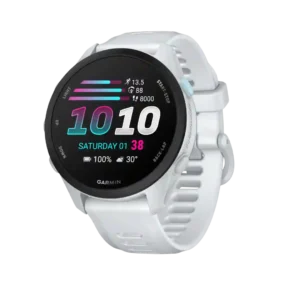
Quick mid-range charging makes brief top-ups practical, and the familiar Garmin connector is easy to use. Charging slows near full capacity as expected.
Pros: step counting accuracy, app ecosystem
Cons: Bluetooth connectivity, pairing reliability
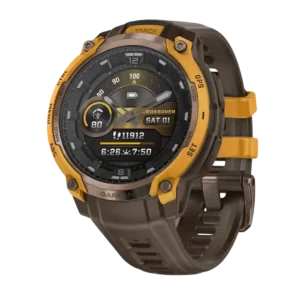
Charging was viewed as easy to manage because topping the watch off did not feel burdensome.
Pros: heart rate accuracy, GPS accuracy
Cons: onboard music storage, mapping and navigation
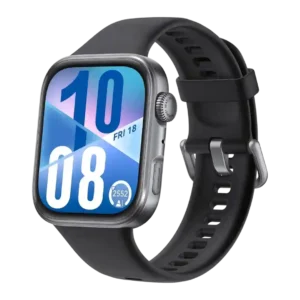
Charging convenience was mostly positive thanks to secure magnetic or wireless charging, though one reviewer disliked the proprietary cradle.
Pros: step counting accuracy, menu navigation
Cons: voice assistant quality, contactless payments
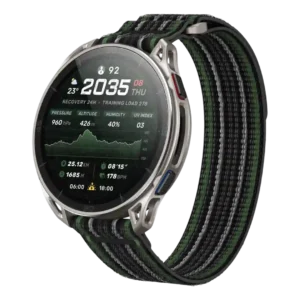
Charging convenience is mostly positive, with secure magnetic charging and useful top-up behavior, though one magnet felt only decent.
Pros: software smoothness, flashlight usefulness
Cons: sleep tracking accuracy, ECG functionality
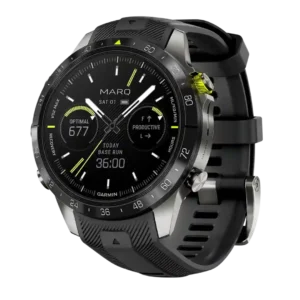
Charging convenience was mostly improved by the magnetic cradle and fast top-ups, though the unique proprietary cable drew some concern.
Pros: pairing reliability, reliability
Cons: size options, call handling
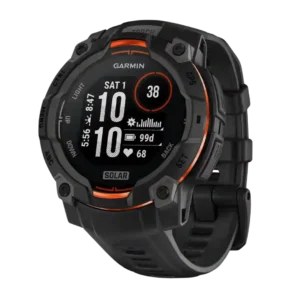
Charging convenience is mixed-positive: charging is straightforward and quick, but the proprietary cable drew some annoyance.
Pros: customization options, charging speed
Cons: onboard music storage, voice assistant quality
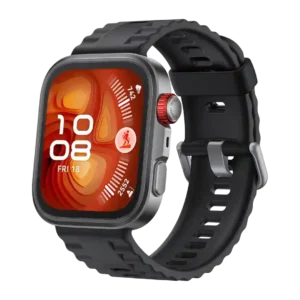
Charging convenience was positive overall thanks to magnetic or Qi wireless charging, with some caveats about temperamental wireless charging or fixed cables.
Pros: software smoothness, durability
Cons: voice assistant quality, LTE connectivity
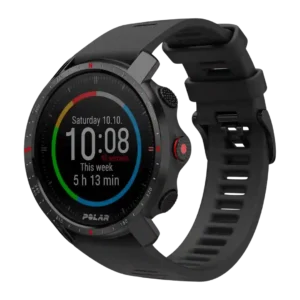
Charging convenience was positive for the magnetic, unclogged charger, though one reviewer noted only a cable is supplied.
Pros: water resistance, health tracking accuracy
Cons: contactless payments, onboard music storage
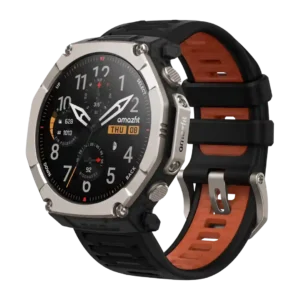
Charging convenience was positive where mentioned, thanks to the charging puck working with common USB-C cables.
Pros: display quality, brightness
Cons: onboard music storage, size options
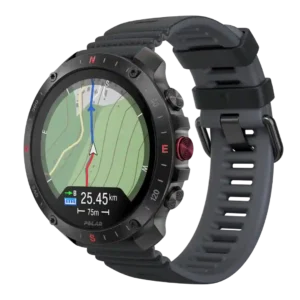
One reviewer valued being able to charge during an activity, especially for long hikes.
Pros: recovery insights, build quality
Cons: contactless payments, onboard music storage
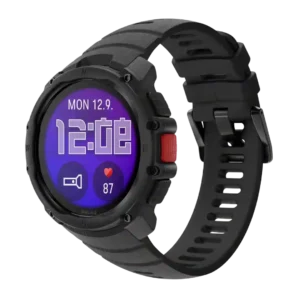
Charging convenience was positive because the shared USB-C charger was described as useful for owners of multiple Polar watches.
Pros: workout tracking variety, flashlight usefulness
Cons: blood oxygen tracking, ECG functionality
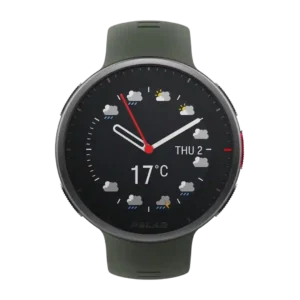
Charging convenience received positive evidence from reuse of the same charging cable across Polar models.
Pros: workout tracking variety, build quality
Cons: blood oxygen tracking, onboard music storage
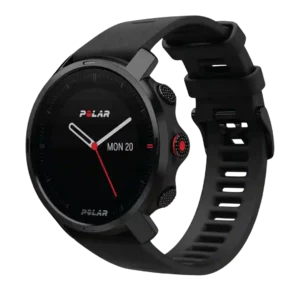
Charging convenience was mostly good thanks to the magnetic/shared charger, though one reviewer disliked the proprietary cable.
Pros: materials quality, recovery insights
Cons: contactless payments, music controls
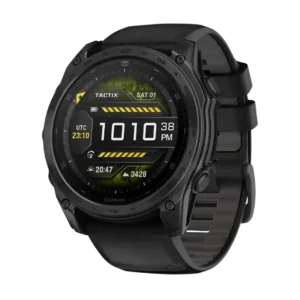
Charging convenience was mixed: rare charging was a major benefit, but the proprietary cable frustrated one long-term user.
Pros: wellness insights, build quality
Cons: LTE connectivity, band quality
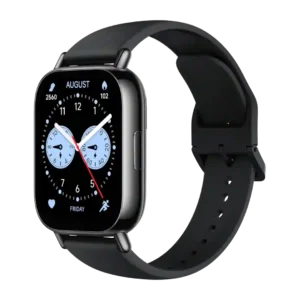
Charging convenience was mostly positive for magnetic charging, though one reviewer disliked relying on a proprietary dock when traveling.
Pros: cross-platform compatibility, pairing reliability
Cons: third-party app support, contactless payments
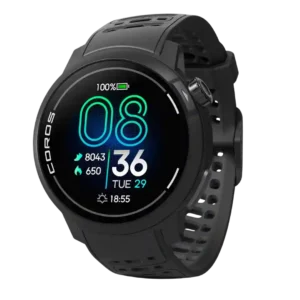
Charging convenience was split: reviewers liked the tiny USB-C adapter for travel, but others criticized the changed port, lack of a cable, and risk of losing the adapter.
Pros: outdoor visibility, display quality
Cons: contactless payments, flashlight usefulness
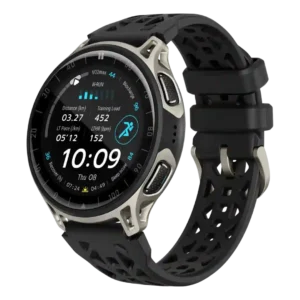
Charging convenience was mixed: the magnetic puck was liked, but reviewers disliked the proprietary charger and need to carry another accessory.
Pros: calorie tracking usefulness, durability
Cons: ECG functionality, size options
Charging convenience was mixed: the small USB-C adapter and keychain were handy, but needing a separate cable added friction.
Pros: comfort, value for money
Cons: third-party app support, contactless payments
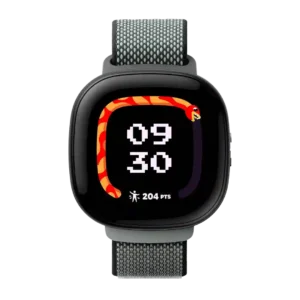
Charging convenience is mixed: kids must remember daily charging, but the watch also rewards plugging in.
Pros: operating system experience, watch face quality
Cons: app ecosystem, third-party app support
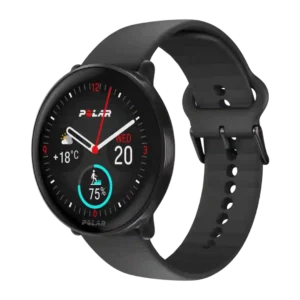
Charging convenience was mixed: reviewers liked rapid or simple charging but complained about proprietary, fiddly, or awkward cables.
Pros: brightness, charging speed
Cons: call handling, third-party app support
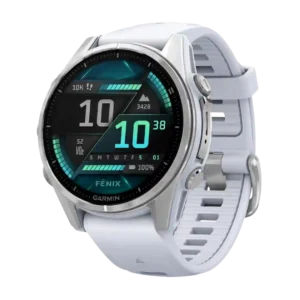
Charging convenience was mixed: the proprietary cable was less convenient than magnetic charging but viewed as reliable.
Pros: workout tracking variety, onboard music storage
Cons: LTE connectivity, value for money
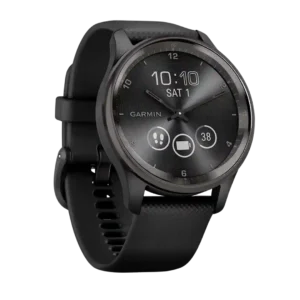
Charging convenience was a central strength thanks to Qi charging, but reviewers also reported compatibility variability, finicky pads, and clip alignment issues.
Pros: activity auto-detection, build quality
Cons: blood oxygen tracking, Bluetooth connectivity
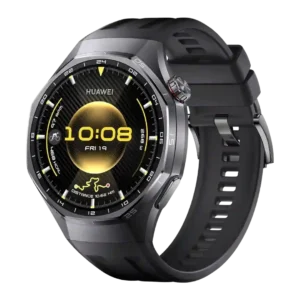
Charging convenience was mixed, with useful top-ups but criticism of older connectors or proprietary charging.
Pros: fitness tracking accuracy, display quality
Cons: voice assistant quality, LTE connectivity
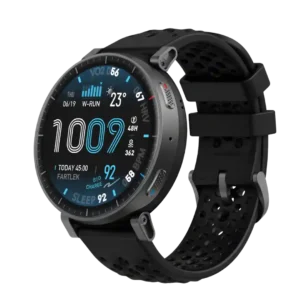
Charging convenience was mixed: reviewers liked quick magnetic charging but disliked the proprietary dock or missing cable.
Pros: workout tracking variety, outdoor visibility
Cons: calorie tracking usefulness, safety features
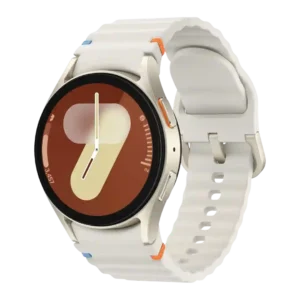
Charging convenience is mixed: the magnetic puck is easy, but proprietary limitations and the loss of Wireless PowerShare frustrated reviewers.
Pros: display quality, durability
Cons: cross-platform compatibility, antioxidant index
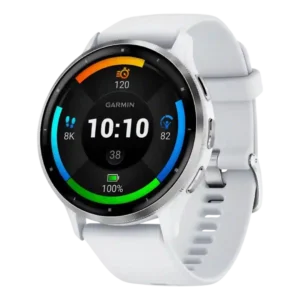
Charging convenience is mixed: long battery life reduces charger dependence, but reviewers disliked the proprietary cable and loose connector.
Pros: health tracking accuracy, software smoothness
Cons: LTE connectivity, mapping and navigation
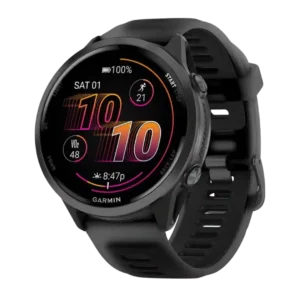
Charging convenience was mixed: the connector clicks in reliably, but the lack of wireless charging disappointed an Apple Watch switcher.
Pros: charging speed, GPS accuracy
Cons: ECG functionality, smartphone notifications
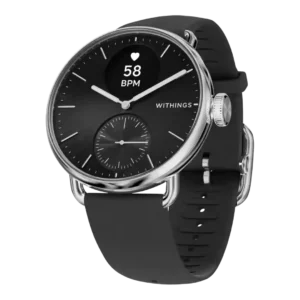
Charging convenience varied by reviewer: some liked the secure newer cradle, while others found the proprietary cradle flimsy, fiddly, clunky, or inelegant.
Pros: Bluetooth connectivity, pairing reliability
Cons: third-party app support, contactless payments
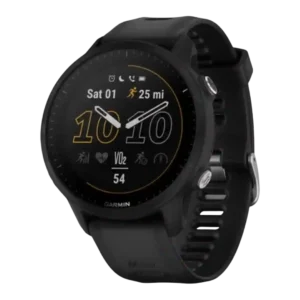
Charging convenience was mixed: long battery life reduced charging friction, but solar’s added cost and limited gains drew skepticism.
Pros: outdoor visibility, charging speed
Cons: LTE connectivity, call handling
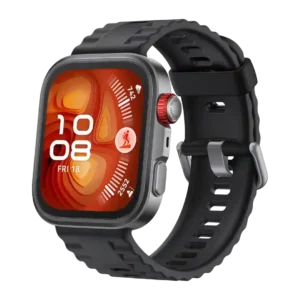
Charging convenience was acceptable but mixed, mainly because the compact charger still requires a separate USB-C cable.
Pros: Bluetooth connectivity, calorie tracking usefulness
Cons: ECG functionality, flashlight usefulness
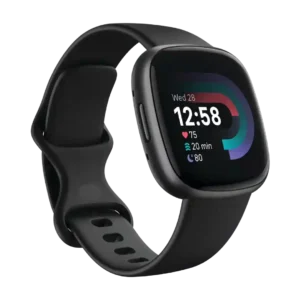
Charging convenience was adequate but not perfect, with a secure magnetic setup but a proprietary USB-A charger.
Pros: pairing reliability, user interface
Cons: third-party app support, music controls
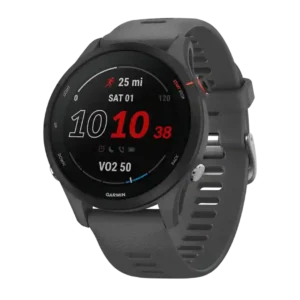
Charging convenience was mixed because proprietary charging annoyed reviewers, but long battery life reduced how often it mattered.
Pros: durability, cross-platform compatibility
Cons: stress tracking, app ecosystem
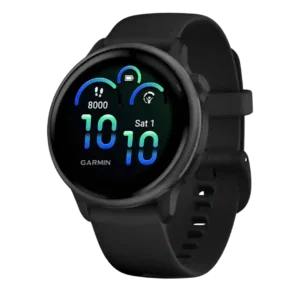
Charging convenience is mixed because the cable can click in securely, but the proprietary charger annoyed reviewers.
Pros: software smoothness, comfort
Cons: LTE connectivity, voice assistant quality