Best for desk space efficiency
Keychron Q1 Ultra 8K
5.0 feature score
Highest scored product for this feature based on supporting review evidence.
Highest scored product for this feature based on supporting review evidence.
Balances feature score, supporting reviews, and overall product strength.
Has the broadest review evidence for this feature.
Strongest overall product among items with scored evidence for this feature.
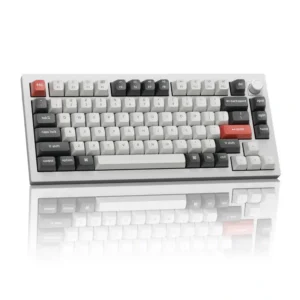
The compact layout frees meaningful mouse space while retaining a full function row, arrows, and a small navigation cluster.
Pros: legend visibility, RGB customization
Cons: actuation consistency, rapid trigger support
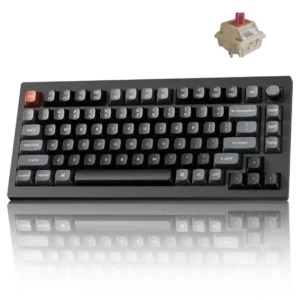
The 75% footprint keeps arrows and a function row while removing the numpad, leaving noticeably more room on compact desks.
Pros: key responsiveness, actuation consistency
Cons: rapid trigger support, analog input support
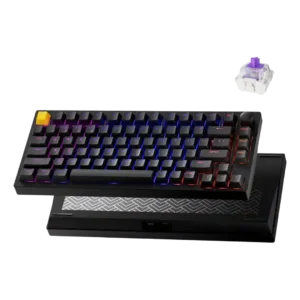
Desk space efficiency was praised because the 75% layout leaves more mouse room while keeping practical keys.
Pros: frame rigidity, stabilizer quality
Cons: per-key lighting control, RGB customization
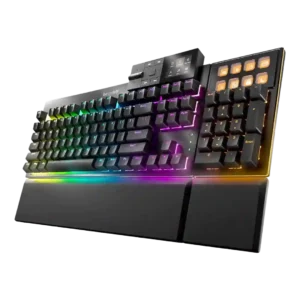
Desk space efficiency was praised because the detachable or left-mounted numpad frees mouse space without giving up full-size functionality.
Pros: key stability, per-key lighting control
Cons: analog input support, wireless performance
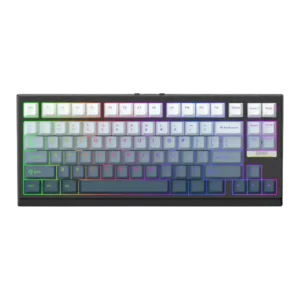
Desk space efficiency was a clear strength, with reviewers valuing the compact footprint for laptop overlay use and mouse-space comfort.
Pros: desk space efficiency, layout options
Cons: compatibility
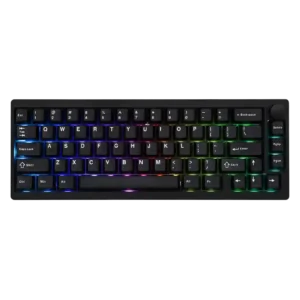
The 65% layout frees substantial mouse room while retaining arrow keys and a control knob.
Pros: frame rigidity, acoustics
Cons: rapid trigger support, analog input support
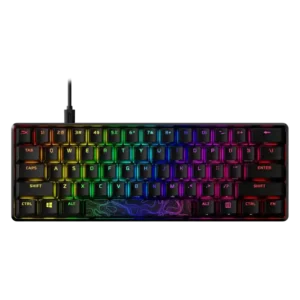
Desk space efficiency is strongly supported, especially for TKL, 60%, and 65% variants that leave more mouse room.
Pros: latency, actuation consistency
Cons: ease of switch replacement, reliability
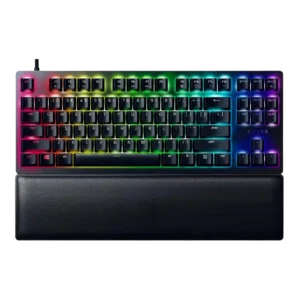
Desk space efficiency was a clear TKL advantage, giving reviewers more mouse room and a more centered typing position.
Pros: key stability, per-key lighting control
Cons: stabilizer quality, media controls
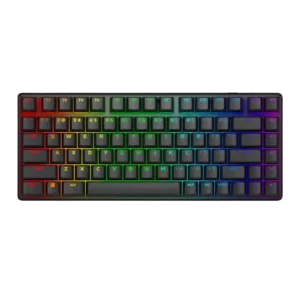
Desk space efficiency was a clear strength, with reviewers valuing the smaller footprint for extra mouse room and cleaner setups.
Pros: key stability, backlight brightness
Cons: rapid trigger support, wrist rest quality
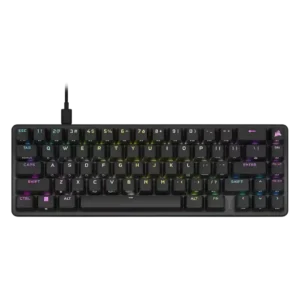
Reviewers liked the desk-space savings, especially for gaming, while still retaining enough functionality.
Pros: volume control, key responsiveness
Cons: wireless performance, wrist rest quality
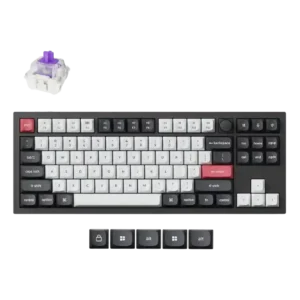
Desk space efficiency was praised by one reviewer who liked the Mac Magic Keyboard-like footprint for a compact workspace.
Pros: build quality, extra gaming features
Cons: switch options, hot-swappable switches
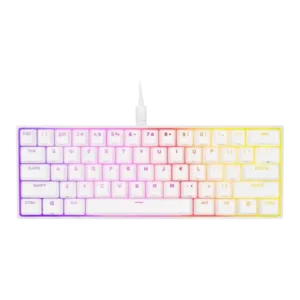
Desk space efficiency was one of the clearest strengths, especially for mouse movement and compact setups.
Pros: desk space efficiency, frame rigidity
Cons: sound dampening, ease of switch replacement
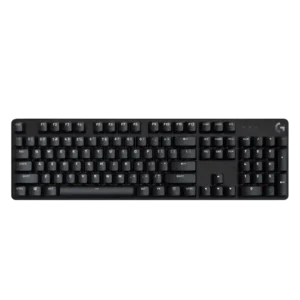
Desk space efficiency is a strength, especially for TKL users and reviewers who praised the extra mouse room or no-waste footprint.
Pros: durability, desk space efficiency
Cons: switch options, onboard memory
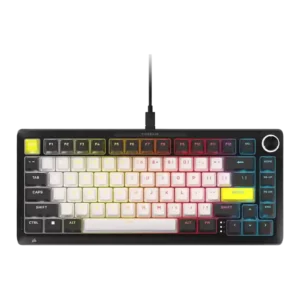
The 75% footprint was repeatedly praised for freeing mouse space while keeping important keys accessible.
Pros: per-key lighting control, durability
Cons: portability, noise level
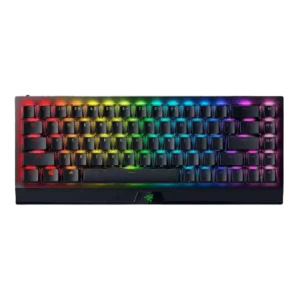
Desk space efficiency was highly praised, with reviewers valuing the extra mouse room, reduced footprint, and less clutter.
Pros: per-key lighting control, backlight brightness
Cons: passthrough features, compatibility
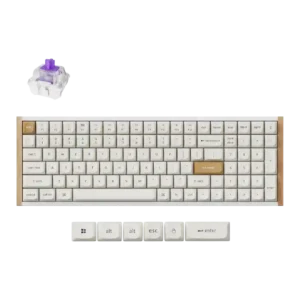
Reviewers generally liked the desk-space tradeoff, saying the 96% layout preserved functionality while freeing room for mouse movement.
Pros: durability, rapid trigger support
Cons: per-key lighting control, stabilizer quality
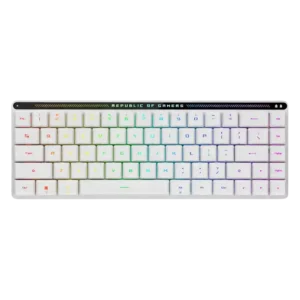
The compact design is praised for saving desk space and leaving more room for mouse movement or small-desk setups.
Pros: reliability, typing comfort
Cons: cable quality, wrist rest quality
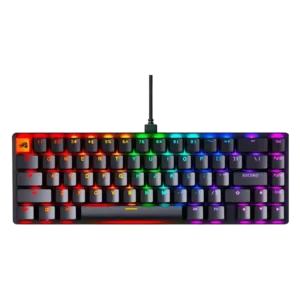
Desk space efficiency was a clear strength for the compact 96% and 65% layouts, especially for users who need mouse room.
Pros: compatibility, key responsiveness
Cons: wrist rest quality, key spacing
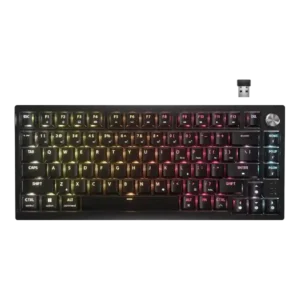
Reviewers consistently said the 75% layout frees up desk and mouse space while preserving useful keys.
Pros: latency, durability
Cons: legend visibility, rapid trigger support
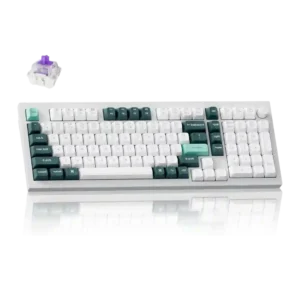
Desk space efficiency was viewed positively because the compact full-size layout saves width and gives more mouse-side room.
Pros: cable quality, typing comfort
Cons: portability, switch options
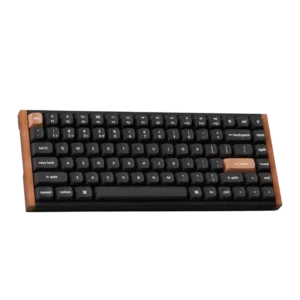
The 75% layout was praised for saving desk space while retaining essentials, though some users missed larger layouts.
Pros: wrist rest quality, onboard memory
Cons: per-key lighting control, switch options
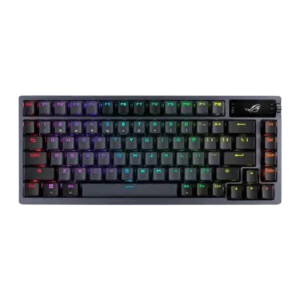
The 75% layout was praised for saving desk space and giving the mouse hand more room without becoming as restrictive as smaller compact layouts.
Pros: durability, wireless performance
Cons: passthrough features, onboard memory
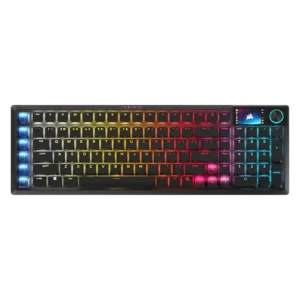
The 99% layout keeps a numpad and function row while using less horizontal space than a conventional full-size board. It frees meaningful mouse room without abandoning productivity keys.
Pros: key stability, stabilizer quality
Cons: analog input support, rapid trigger support
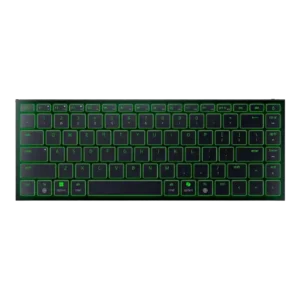
Reviewers liked how the compact 75% layout preserved useful controls while saving space and staying productivity-friendly.
Pros: frame rigidity, size and form factor
Cons: sound dampening, per-key lighting control
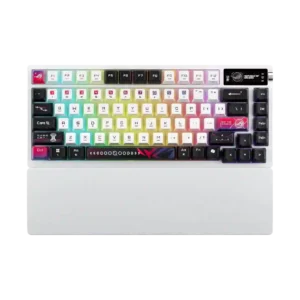
Desk space efficiency was praised because the keyboard stayed compact without feeling cramped and saved space versus larger layouts.
Pros: latency, wireless performance
Cons: rapid trigger support, analog input support
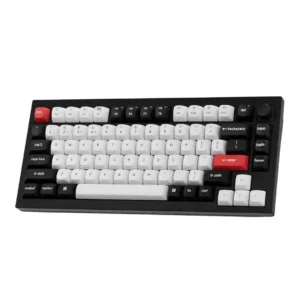
The 75% layout was praised for balancing compactness with usability and fitting smaller desks while keeping essential controls.
Pros: key stability, frame rigidity
Cons: profile management, reliability
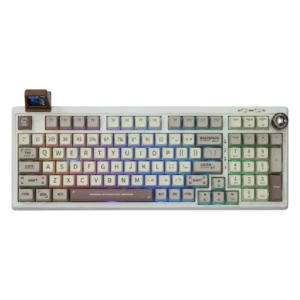
Desk space efficiency is a strong point for users who want numpad functionality without a sprawling full-size footprint.
Pros: noise level, acoustics
Cons: rapid trigger support, actuation consistency
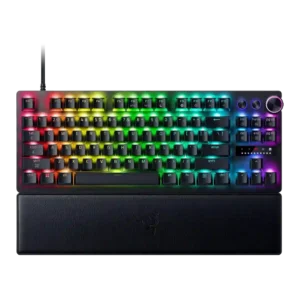
Desk space efficiency was a strength for compact models and TKL layouts, especially for mouse room and cramped desks.
Pros: key responsiveness, actuation consistency
Cons: switch options, hot-swappable switches
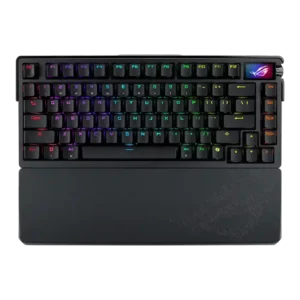
Desk space efficiency was supported by the 75% layout balancing compactness with practical functionality.
Pros: key spacing, reliability
Cons: rapid trigger support, analog input support
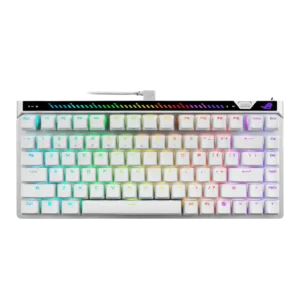
Desk space efficiency was positive where discussed, with the smaller profile taking up less space.
Pros: key responsiveness, latency
Cons: analog input support, wrist rest quality
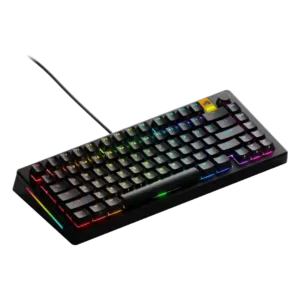
Desk space efficiency was supported by praise for the compact yet functional 75% layout.
Pros: RGB lighting quality, layout options
Cons: frame rigidity, value for money
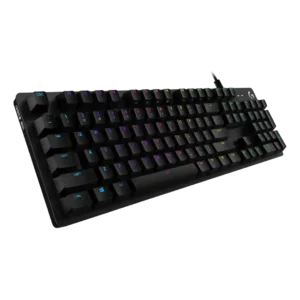
Desk space efficiency is praised for a full-size board because one reviewer found little wasted space on the keyboard deck.
Pros: key spacing, key responsiveness
Cons: reliability, connectivity
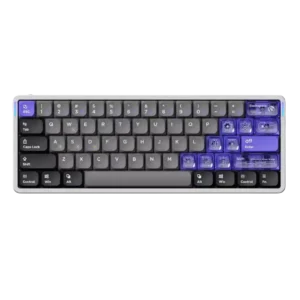
Desk space efficiency was praised for freeing mouse space in gaming setups.
Pros: frame rigidity, rapid trigger support
Cons: switch options, legend visibility
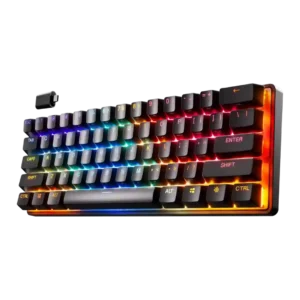
Desk space efficiency was consistently positive, with reviewers praising the compact layout for reclaiming desk space and enabling larger mouse movements.
Pros: latency, key responsiveness
Cons: hot-swappable switches, ease of switch replacement
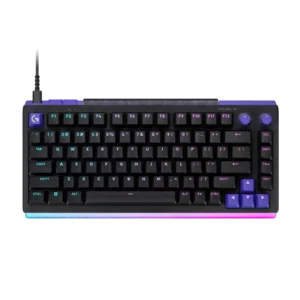
Both layouts use space well, especially the 75% model for wide mouse movement and the 96/98% model for retaining a numpad without full-size width.
Pros: latency, RGB customization
Cons: actuation consistency, connectivity
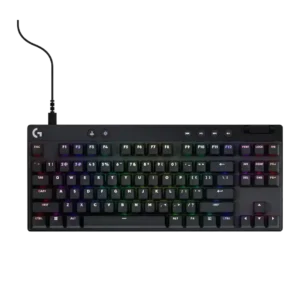
Compact TKL and 60% layouts are repeatedly praised for freeing mouse space and maximizing smaller desks.
Pros: durability, per-key lighting control
Cons: noise level, sound dampening
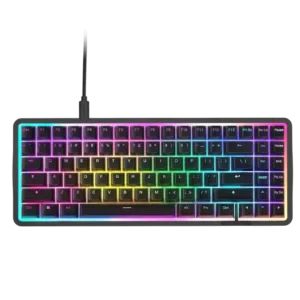
Reviewers consistently liked the compact layout for freeing desk space and giving more room for mouse movement.
Pros: latency, acoustics
Cons: passthrough features, wireless performance
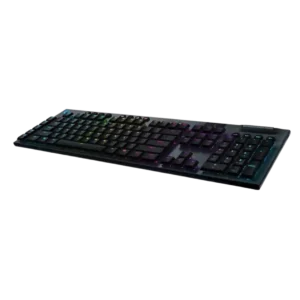
Tenkeyless coverage highlights major mouse-space gains, while the full-size model is seen as less desk-friendly because of its length.
Pros: latency, polling rate
Cons: passthrough features, cable quality
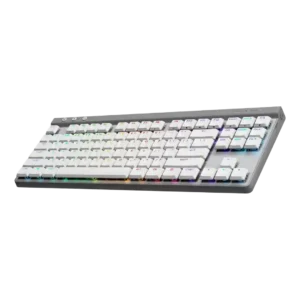
The TKL layout was treated as a useful space saver for mouse movement and cleaner desks, especially for users who do not need a numpad.
Pros: latency, wireless performance
Cons: rapid trigger support, ease of switch replacement
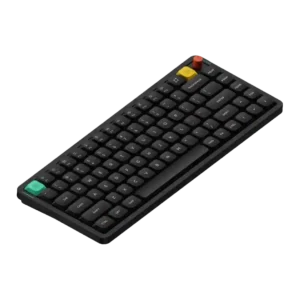
Desk-space efficiency was positive because the compact 75% layout kept useful keys without becoming too wide.
Pros: key responsiveness, typing feel
Cons: per-key lighting control, legend visibility
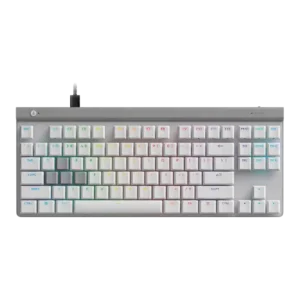
The TKL layout was praised for saving desk space and leaving more mouse room while preserving most major controls.
Pros: key responsiveness, ergonomics
Cons: wireless performance, volume control
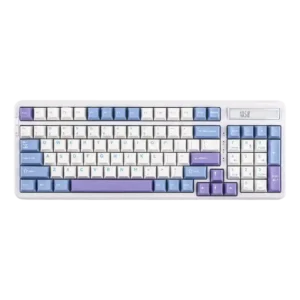
Desk space efficiency was mostly praised because the keyboard keeps a numpad while saving space, though one reviewer felt the tradeoff in navigation.
Pros: ease of switch replacement, typing feel
Cons: key spacing, layout options
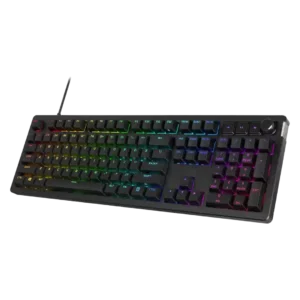
Desk space efficiency is strongest on the 75% model, which reviewers say saves space while retaining important keys and improving wrist placement.
Pros: compatibility, legend visibility
Cons: wrist rest quality, cable quality
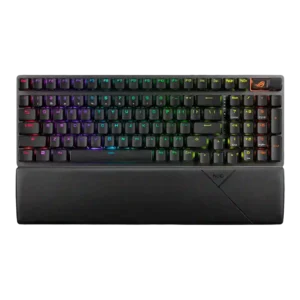
Desk space efficiency is usually praised for giving more mouse room, but a minority say the 96% layout does not free up enough meaningful space.
Pros: per-key lighting control, wireless performance
Cons: rapid trigger support, analog input support
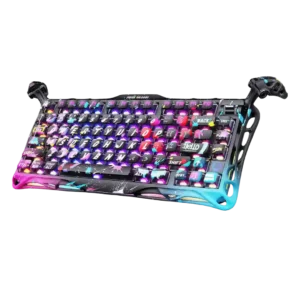
One reviewer found the 75% layout not too sparse while still keeping most needed keys outside the numpad.
Pros: legend visibility, key responsiveness
Cons: connectivity, cable quality

Desk space efficiency was positive in one review, which liked that TKL saves space while leaving room for an optional macro pad.
Pros: value for money, customization options
Cons: cable quality, portability
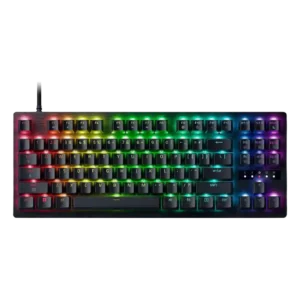
The compact TKL body is treated as easy to fit on a setup while still feeling solid, making it friendlier for tighter desks than a full-size board.
Pros: polling rate, RGB customization
Cons: key stability, typing comfort
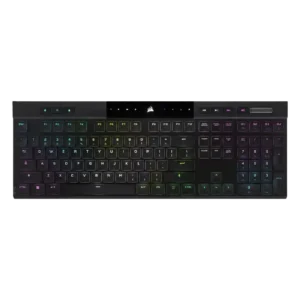
The ultra-thin body helped desk fit, but the full-size layout still took noticeable room for some reviewers.
Pros: backlight brightness, actuation consistency
Cons: sound dampening, stabilizer quality
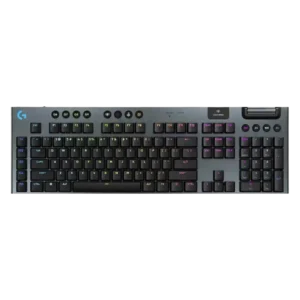
Desk space efficiency depended on layout: TKL models were praised for saving space, while the full-size model was criticized for taking more room.
Pros: stabilizer quality, latency
Cons: ease of switch replacement, hot-swappable switches
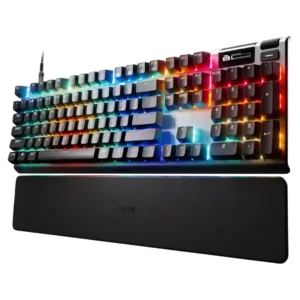
Desk-space efficiency was polarizing: full-size models consumed space, while Mini and TKL versions freed up room.
Pros: key responsiveness, durability
Cons: passthrough features, analog input support