Best for ECG functionality
Apple Watch Ultra 2
4.7 feature score
Highest scored product for this feature based on supporting review evidence.
Highest scored product for this feature based on supporting review evidence.
Balances feature score, supporting reviews, and overall product strength.
Has the broadest review evidence for this feature.
Strongest overall product among items with scored evidence for this feature.
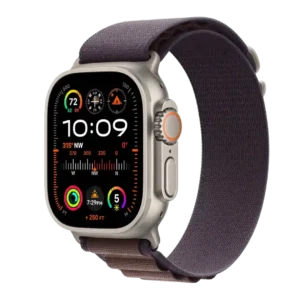
ECG functionality is well supported and repeatedly mentioned as part of the Ultra 2’s robust health suite, including Afib-related features.
Pros: display quality, heart rate accuracy
Cons: cross-platform compatibility, recovery insights
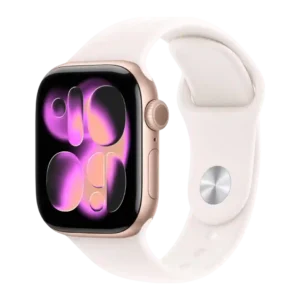
ECG functionality is repeatedly mentioned as present and valuable as part of the watch's health feature set.
Pros: contactless payments, pairing reliability
Cons: cross-platform compatibility, recovery insights
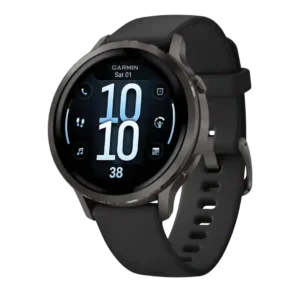
ECG is treated as a meaningful advantage for the Venu 4, especially because several comparisons note it is included where some Garmin alternatives lack it.
Pros: outdoor visibility, brightness
Cons: LTE connectivity, charging convenience
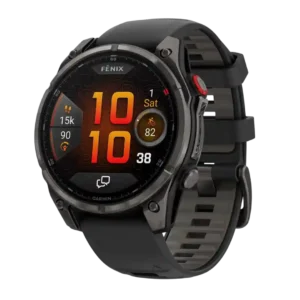
ECG support was clearly present, with reviewers mentioning ECG readings, rhythm checks, and AFib detection.
Pros: pairing reliability, workout tracking variety
Cons: size options, value for money
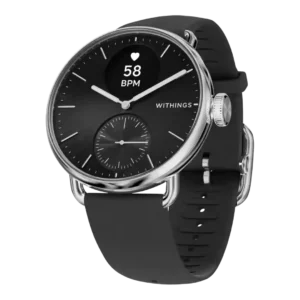
ECG functionality was one of the strongest health features, repeatedly described as medical-grade, easy to use, FDA-approved, or shareable with doctors.
Pros: durability, pairing reliability
Cons: third-party app support, contactless payments
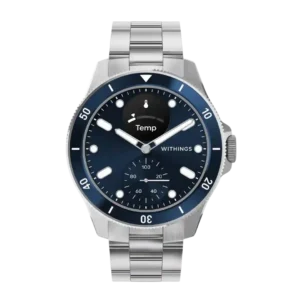
ECG functionality is one of the strongest health features, with repeated praise for on-demand readings, medical framing, and AFib-related capabilities.
Pros: software smoothness, safety features
Cons: contactless payments, music controls
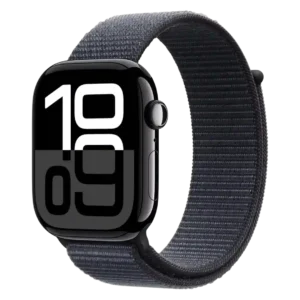
ECG remains part of the health feature set, with reviews listing it among continuing Apple Watch health tools.
Pros: charging speed, contactless payments
Cons: cross-platform compatibility, blood oxygen tracking
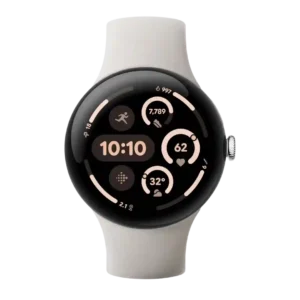
ECG is present as part of the health suite, but reviewers tended to mention it alongside other sensors rather than testing it deeply.
Pros: outdoor visibility, health tracking accuracy
Cons: cross-platform compatibility, durability
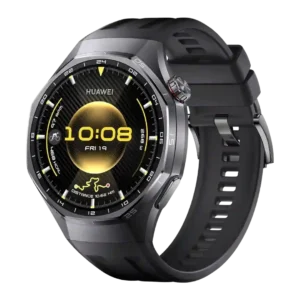
ECG functionality is useful and Pro-specific, though availability and certified arrhythmia features may vary by region.
Pros: water resistance, brightness
Cons: LTE connectivity, Wi-Fi connectivity
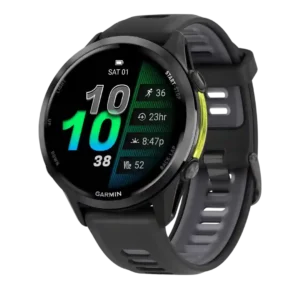
ECG functionality was widely confirmed as a major health upgrade, usually described as manual or snapshot-based rather than passive continuous monitoring.
Pros: button controls, GPS accuracy
Cons: LTE connectivity, size options
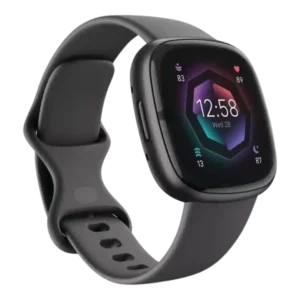
ECG is treated as a valuable advanced health feature for atrial-fibrillation checks, though not a daily-use feature for everyone.
Pros: pairing reliability, cross-platform compatibility
Cons: third-party app support, music controls
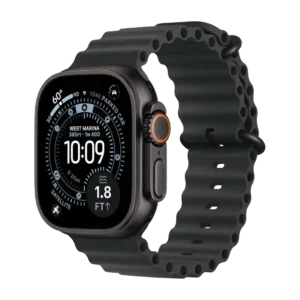
ECG support is repeatedly listed as part of Apple’s advanced health feature set, though not deeply performance-tested in these reviews.
Pros: pairing reliability, app ecosystem
Cons: cross-platform compatibility, size options
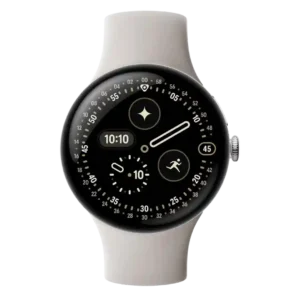
ECG is consistently present in the health feature suite, with reviewers mentioning ECG/AFib assessment as part of the Pixel Watch 4’s capabilities.
Pros: outdoor visibility, charging speed
Cons: stress tracking, band quality
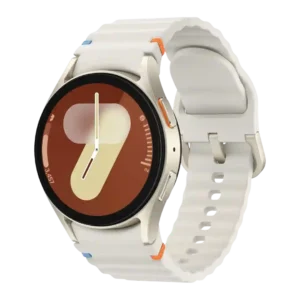
ECG support was available and considered useful or reliable, but access often depends on Samsung's Health Monitor setup and phone ecosystem.
Pros: user interface, build quality
Cons: antioxidant index, cross-platform compatibility
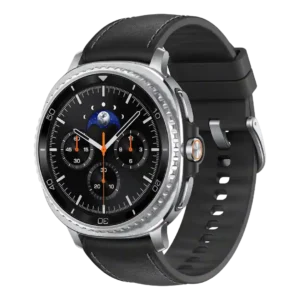
ECG functionality is present and one reviewer calls ECG readings dependable, with others listing ECG among the retained health features.
Pros: third-party app support, heart rate accuracy
Cons: cross-platform compatibility, antioxidant index
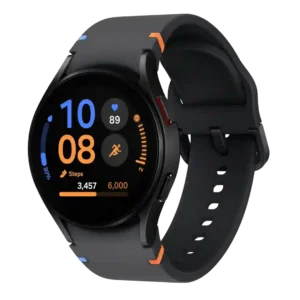
ECG is repeatedly cited as a valuable health feature, though several reviews note it may require a Samsung phone.
Pros: workout tracking variety, materials quality
Cons: size options, cross-platform compatibility
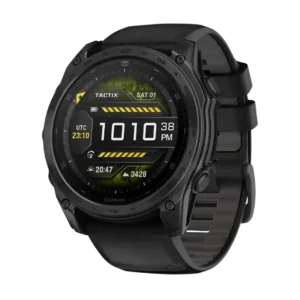
ECG was mentioned as part of the watch's premium health hardware or smart features.
Pros: materials quality, durability
Cons: LTE connectivity, value for money
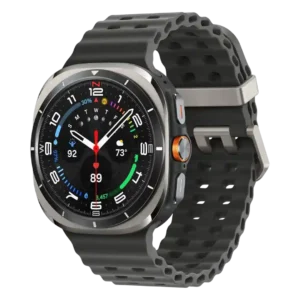
ECG functionality is widely listed as part of the health feature set, though one review notes Samsung-phone pairing requirements for ECG and blood pressure.
Pros: brightness, durability
Cons: cross-platform compatibility, value for money
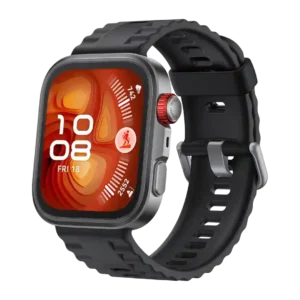
ECG support is a Pro-model advantage, though reviewers note context and availability can vary by region or implementation.
Pros: workout tracking variety, software smoothness
Cons: LTE connectivity, Wi-Fi connectivity
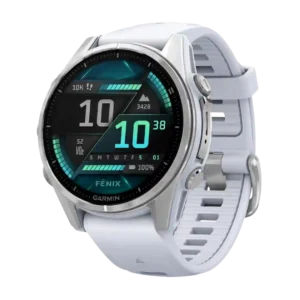
ECG support was confirmed through the Elevate sensor, with availability depending on region or approval status.
Pros: workout tracking variety, durability
Cons: LTE connectivity, value for money
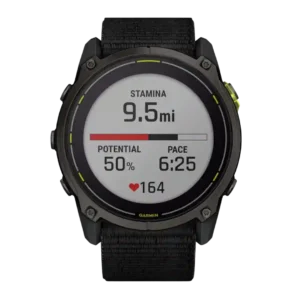
ECG support is repeatedly noted through the Gen 5 sensor, but availability is region-dependent and not treated as the watch's main draw.
Pros: reliability, workout tracking variety
Cons: LTE connectivity, voice assistant quality
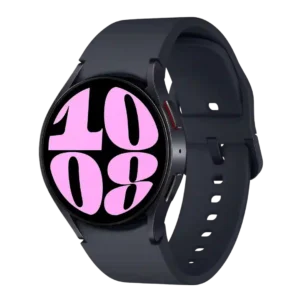
ECG is a valuable health feature, but reviewers repeatedly note that ECG and related rhythm alerts are restricted to Samsung phone users.
Pros: outdoor visibility, workout tracking variety
Cons: cross-platform compatibility, battery life
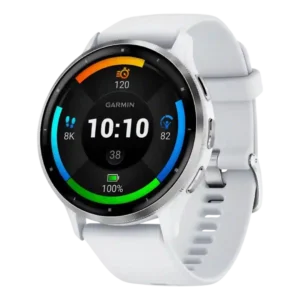
ECG support was a mixed point across reviews because availability changed by region and timing; where available, it added useful heart-rhythm checks.
Pros: heart rate accuracy, display quality
Cons: LTE connectivity, third-party app support
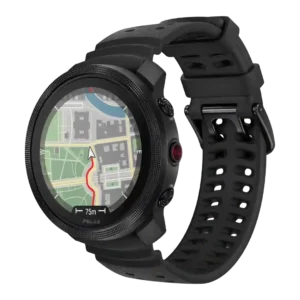
ECG is present, but reviewers repeatedly note limitations such as no Afib detection or lack of FDA-style diagnostic support.
Pros: workout tracking variety, outdoor visibility
Cons: call handling, voice assistant quality
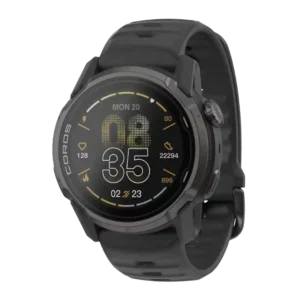
ECG-based wellness checks are available, but reviewers note it is not a medical-grade ECG and is mainly for HRV/metrics.
Pros: battery life, software smoothness
Cons: contactless payments, LTE connectivity
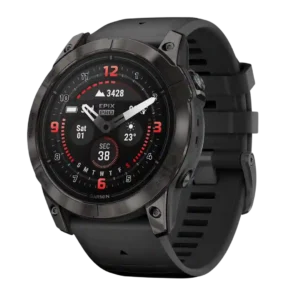
ECG evidence is mixed by review timing: one source notes a firmware update enabled ECG, while another earlier review says it was not yet available.
Pros: mapping and navigation, GPS accuracy
Cons: voice assistant quality, call handling
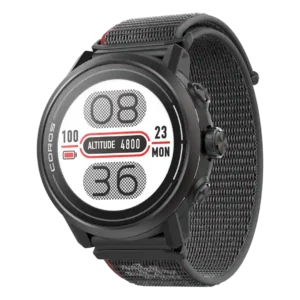
The watch includes ECG-related hardware mainly used for HRV-style readings, but evidence frames it more as wellness data than full medical ECG functionality.
Pros: durability, pairing reliability
Cons: contactless payments, call handling
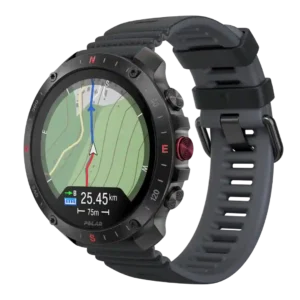
ECG functionality exists, but reviewers consistently frame it as non-medical and not an atrial-fibrillation detection tool.
Pros: durability, water resistance
Cons: contactless payments, onboard music storage
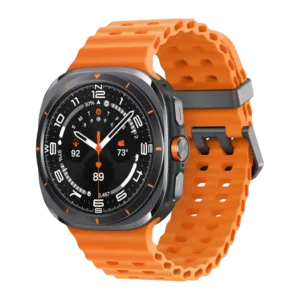
ECG was valued as an advanced health feature, but multiple reviewers noted Samsung-phone or app restrictions.
Pros: outdoor visibility, display quality
Cons: size options, cross-platform compatibility

ECG support is a major caveat: hardware or global support exists, but US and North American availability is repeatedly criticized.
Pros: step counting accuracy, button controls
Cons: LTE connectivity, cross-platform compatibility
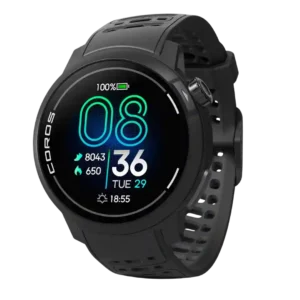
ECG-style wellness readings are included, but reviewers repeatedly stress that the feature is not medically certified and does not detect AFib.
Pros: brightness, outdoor visibility
Cons: contactless payments, music controls
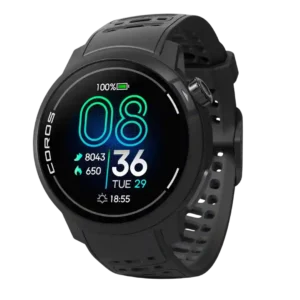
ECG evidence is conflicting: one review listed an electrocardiogram sensor, while another explicitly said the Pace 4 lacks the sensors required for ECG readings.
Pros: cross-platform compatibility, fit
Cons: call handling, voice assistant quality
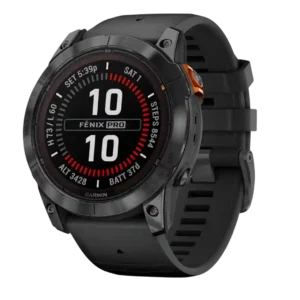
ECG evidence was mixed by timing: some review content described ECG capability, while others said it was not enabled or certified at launch.
Pros: customization options, workout tracking variety
Cons: calorie tracking usefulness, ECG functionality
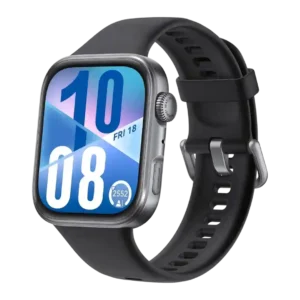
ECG functionality is a clear omission from the regular Fit 4, appearing as a Pro-model advantage rather than a base-model feature.
Pros: step counting accuracy, onboard music storage
Cons: ECG functionality, Wi-Fi connectivity
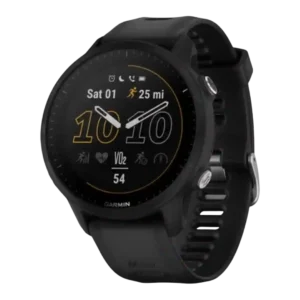
ECG functionality is weak or absent in the review evidence; reviewers explicitly note no ECG, with only speculative or future-support language elsewhere.
Pros: charging speed, workout tracking variety
Cons: voice assistant quality, LTE connectivity
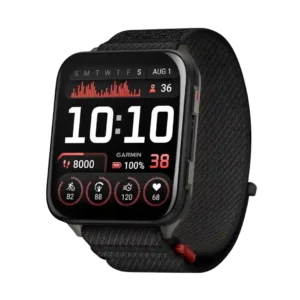
ECG is the most mixed-but-mostly-negative attribute: most reviewers say it is missing, while one transcript says ECG is included.
Pros: pairing reliability, watch face quality
Cons: LTE connectivity, ECG functionality
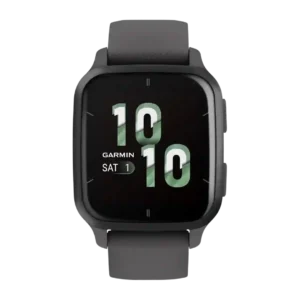
ECG functionality is absent; reviewers repeatedly state the Venu Sq 2 has no ECG feature and that Garmin ECG support was limited elsewhere.
Pros: charging speed, battery life
Cons: LTE connectivity, ECG functionality
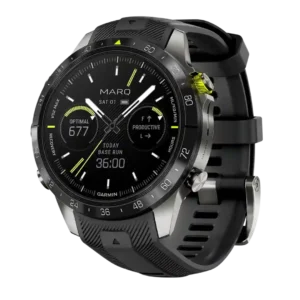
ECG is effectively absent from this MARQ evidence, with reviewers pointing to Venu 2 Plus as Garmin’s ECG-capable design instead.
Pros: charging speed, build quality
Cons: LTE connectivity, ECG functionality
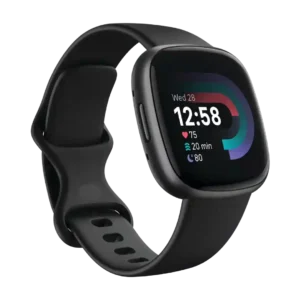
ECG functionality is absent on the Versa 4, a repeated contrast with Sense models and some cheaper Fitbit alternatives.
Pros: pairing reliability, brightness
Cons: third-party app support, music controls
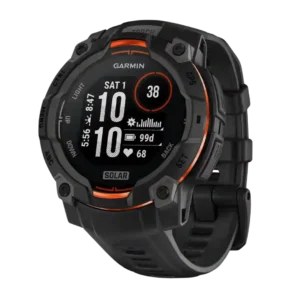
ECG functionality was consistently absent because the watch uses the older Garmin sensor platform rather than the Gen 5 feature set.
Pros: water resistance, charging speed
Cons: LTE connectivity, Wi-Fi connectivity
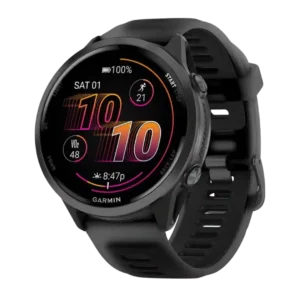
ECG functionality is the clearest omission: many reviewers criticize the lack of ECG despite the newer heart-rate sensor and the price.
Pros: outdoor visibility, brightness
Cons: ECG functionality, LTE connectivity
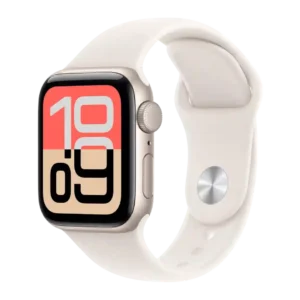
ECG functionality is absent, and reviewers repeatedly call this one of the main health-feature tradeoffs.
Pros: value for money, contactless payments
Cons: blood oxygen tracking, ECG functionality
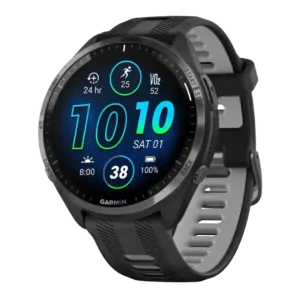
The Forerunner 965 lacks ECG hardware, a repeated limitation compared with Garmin’s Venu line and newer or more smartwatch-oriented alternatives.
Pros: mapping and navigation, watch face quality
Cons: ECG functionality, LTE connectivity
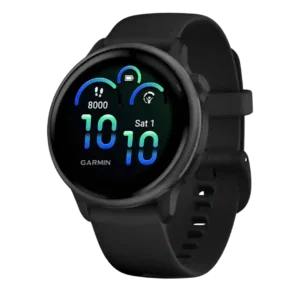
ECG is consistently absent because the watch uses Garmin’s older Elevate sensor generation.
Pros: comfort, software smoothness
Cons: ECG functionality, LTE connectivity
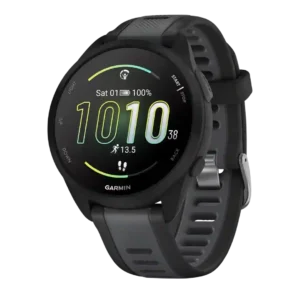
ECG functionality was consistently absent; reviewers repeatedly stated users need a different or higher-end Garmin for ECG/EKG.
Pros: brightness, outdoor visibility
Cons: ECG functionality, voice assistant quality
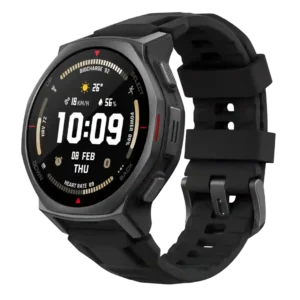
ECG functionality is consistently absent; reviewers repeatedly note that the T-Rex 3 Pro does not include ECG support.
Pros: calorie tracking usefulness, cross-platform compatibility
Cons: ECG functionality, LTE connectivity
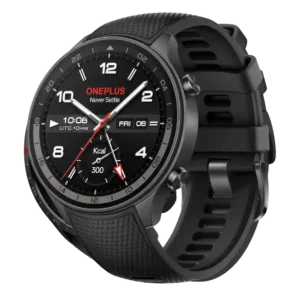
ECG is a clear missing feature, with multiple reviewers explicitly stating the Watch 2R cannot take ECG readings.
Pros: third-party app support, workout tracking variety
Cons: ECG functionality, LTE connectivity
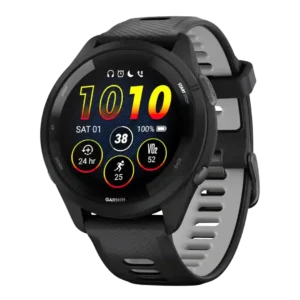
ECG functionality is absent; reviewers explicitly state that the Forerunner 265 lacks the required hardware or ECG app support.
Pros: GPS accuracy, brightness
Cons: ECG functionality, voice assistant quality
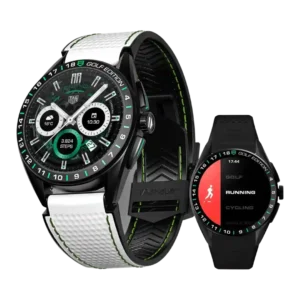
ECG functionality is absent, with reviewers explicitly noting no ECG or medical-style electrocardiogram feature.
Pros: materials quality, style and design
Cons: blood oxygen tracking, ECG functionality
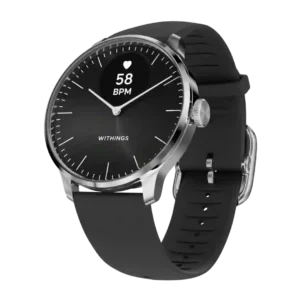
ECG and Afib-related features are missing on the Light, pushing heart-health-focused buyers toward other ScanWatch models.
Pros: style and design, build quality
Cons: blood oxygen tracking, ECG functionality