Best for layout options
Keychron Q1 Ultra 8K
5.0 feature score
Highest scored product for this feature based on supporting review evidence.
Highest scored product for this feature based on supporting review evidence.
Balances feature score, supporting reviews, and overall product strength.
Has the broadest review evidence for this feature.
Strongest overall product among items with scored evidence for this feature.
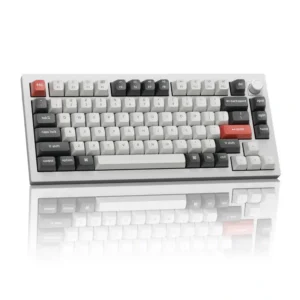
The compact 75% layout retains function keys, arrows, and navigation controls, while the wider Ultra family offers 80% and full-size alternatives.
Pros: legend visibility, RGB customization
Cons: actuation consistency, rapid trigger support
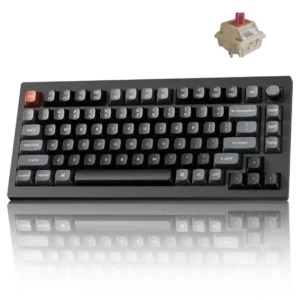
The 75% layout is repeatedly called a practical sweet spot because it retains arrows, the function row, navigation keys, and a knob without full-size bulk.
Pros: key responsiveness, actuation consistency
Cons: rapid trigger support, analog input support
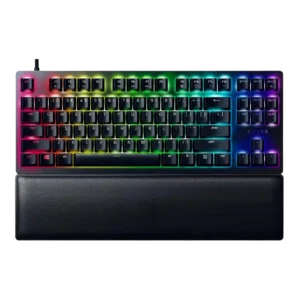
Layout options were praised where the TKL layout was judged one of the best balances for gaming and typing.
Pros: key stability, per-key lighting control
Cons: stabilizer quality, media controls
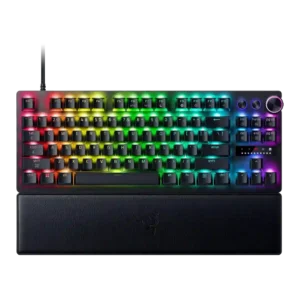
Layout options were praised on the Mini because its dual-step arrow-key implementation felt intuitive and useful.
Pros: key responsiveness, actuation consistency
Cons: switch options, hot-swappable switches
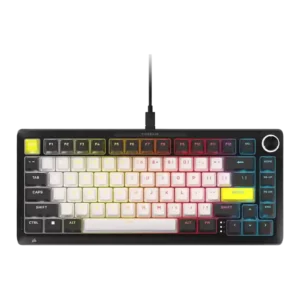
The 75% layout itself was praised as well balanced, spacious for its footprint, and close to ideal for several reviewers.
Pros: per-key lighting control, durability
Cons: portability, noise level
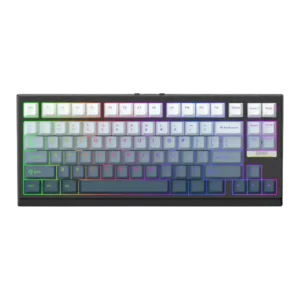
Layout options were praised for functional 75% or compact layouts that avoided missing important keys.
Pros: desk space efficiency, layout options
Cons: compatibility
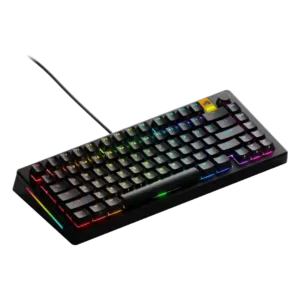
Layout options were viewed as a strength because reviewers noted 65%, 75%, and 100% choices serving different preferences.
Pros: RGB lighting quality, layout options
Cons: frame rigidity, value for money
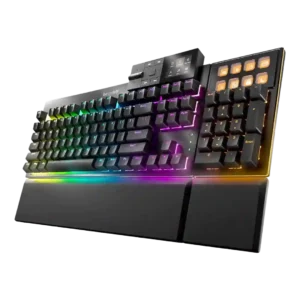
Layout options were a major strength, with praise for the TKL/full-size modular design, ambidextrous numpad, and many possible configurations.
Pros: key stability, per-key lighting control
Cons: analog input support, wireless performance
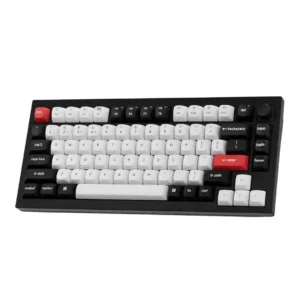
Layout evidence is highly positive, especially among reviewers who preferred the Q1 HE's 75% layout over smaller gaming boards.
Pros: key stability, frame rigidity
Cons: profile management, reliability
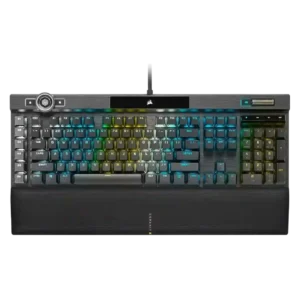
Layout options improve because reviewers appreciate the standard bottom row and easier compatibility with aftermarket keycap sets.
Pros: actuation consistency, key stability
Cons: hot-swappable switches, switch options
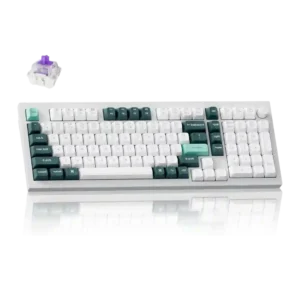
Layout options were praised because the 96% layout preserves productivity keys while remaining more compact than a full-size board.
Pros: cable quality, typing comfort
Cons: portability, switch options
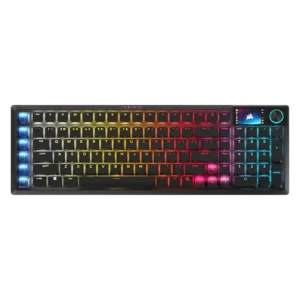
Included Windows and Mac keycaps plus a physical OS switch make the board unusually accommodating across desktop platforms.
Pros: key stability, stabilizer quality
Cons: analog input support, rapid trigger support
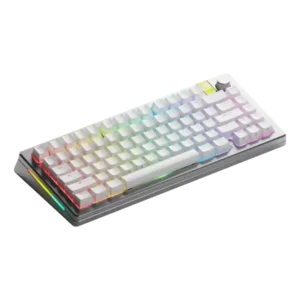
Layout options were praised because the range can be tailored by size and use case.
Pros: materials quality, customization options
Cons: reliability, actuation consistency
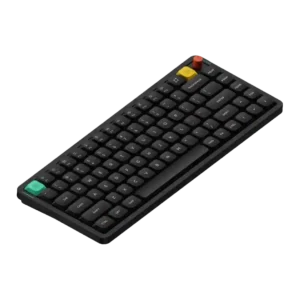
Layout options were praised, especially ISO and JIS support, and reviewers generally liked the practical 75% layout.
Pros: key responsiveness, typing feel
Cons: per-key lighting control, legend visibility
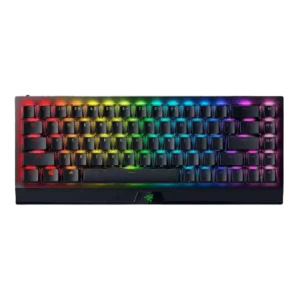
The 65% layout with arrows was widely praised as a useful middle ground, although some reviewers noted a learning curve and missing full-size keys.
Pros: per-key lighting control, backlight brightness
Cons: passthrough features, compatibility
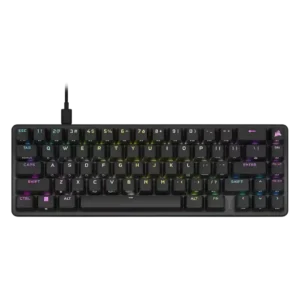
The 65% layout earned strong praise for keeping arrow/navigation keys and useful functions while avoiding much of the adjustment pain of smaller boards.
Pros: volume control, key responsiveness
Cons: wireless performance, wrist rest quality
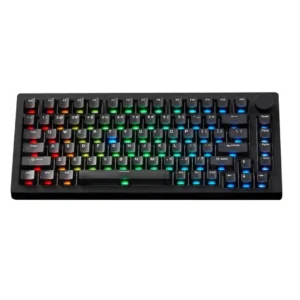
Layout options are well received, especially 75% navigation keys, knob placement, ISO availability, and Windows/Mac support, even with the hidden mode switch caveat.
Pros: switch options, hot-swappable switches
Cons: portability, cable quality
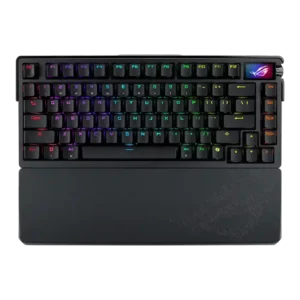
Layout options were viewed positively, especially the 75% layout and improved function-row spacing.
Pros: key spacing, reliability
Cons: rapid trigger support, analog input support
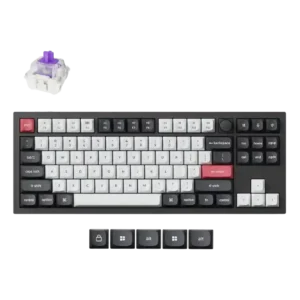
Layout options were praised for the full TKL arrangement and separated navigation area, especially for users who value a knob and traditional spacing.
Pros: build quality, extra gaming features
Cons: switch options, hot-swappable switches
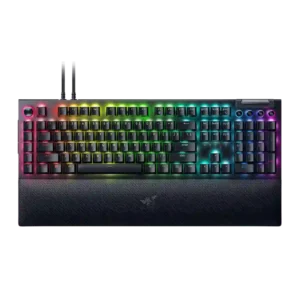
Layout evidence favored the 75% layout as a useful, welcome middle ground while the full-size layout drew space and adjustment complaints.
Pros: key stability, ease of switch replacement
Cons: compatibility, battery life
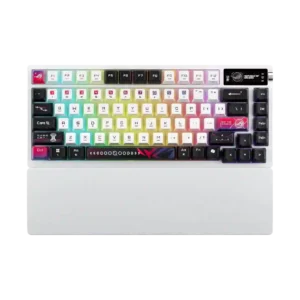
Layout evidence was limited but positive, with one reviewer saying the layout made sense and was clearly labeled.
Pros: latency, wireless performance
Cons: rapid trigger support, analog input support
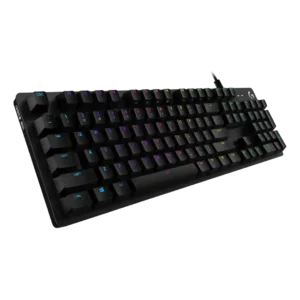
Layout options receive narrow but positive support from one reviewer who praised the standard bottom row for easier keycap changes.
Pros: key spacing, key responsiveness
Cons: reliability, connectivity
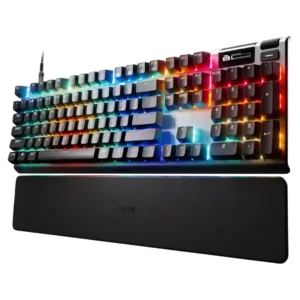
Layout options were appreciated in the review that noted full-size, tenkeyless, and wireless variants.
Pros: key responsiveness, durability
Cons: passthrough features, analog input support
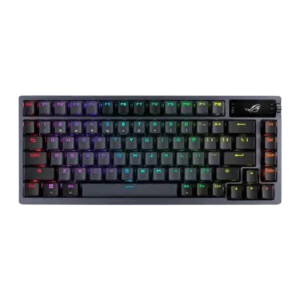
Layout options were praised for balancing compact size with retained function-row, arrow, and navigation utility.
Pros: durability, wireless performance
Cons: passthrough features, onboard memory
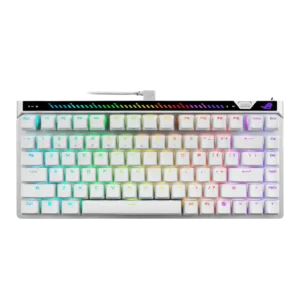
The 75% layout was broadly liked for keeping function keys, arrows, and productivity-friendly controls while staying compact.
Pros: key responsiveness, latency
Cons: analog input support, wrist rest quality
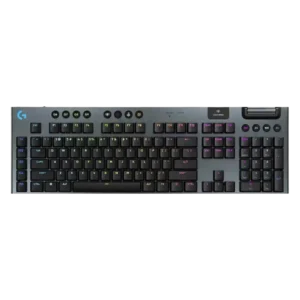
Layout options received limited positive evidence, with the full-size layout described as sensible and complete.
Pros: stabilizer quality, latency
Cons: ease of switch replacement, hot-swappable switches
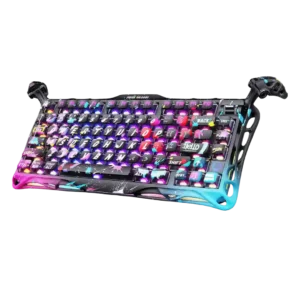
Layout-related feedback was positive for alternative layout presets and a liked layout with function layers.
Pros: legend visibility, key responsiveness
Cons: connectivity, cable quality
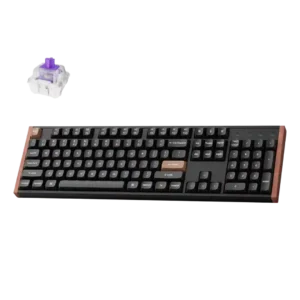
Layout options were praised by users who needed a number pad and found the full-size layout useful for work tasks.
Pros: wireless performance, key responsiveness
Cons: switch options, desk space efficiency
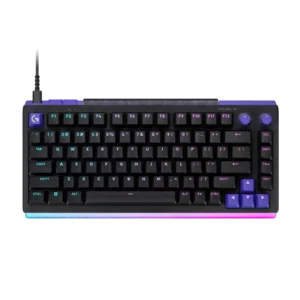
The choice between compact 75% and near-full-size 96/98% layouts covers both mouse-space priorities and numpad needs.
Pros: latency, RGB customization
Cons: actuation consistency, connectivity
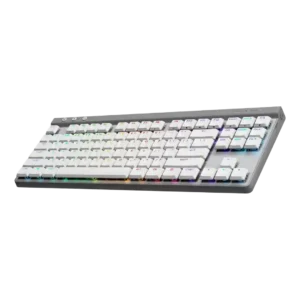
The TKL layout was considered easy to adapt to and standard enough for broad use, though numpad users may miss the extra keys.
Pros: latency, wireless performance
Cons: rapid trigger support, ease of switch replacement
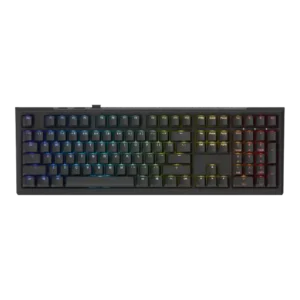
Layout options received positive evidence from reviewers who appreciated the full-size and 60% choices and broader layout availability.
Pros: typing feel, key stability
Cons: profile management, wrist rest quality
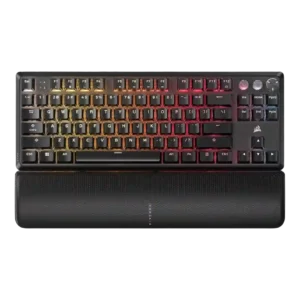
Layout options evidence was positive but limited, covering useful full-size gaming benefits and alternative layout support through software.
Pros: per-key lighting control, key responsiveness
Cons: ease of switch replacement, battery life
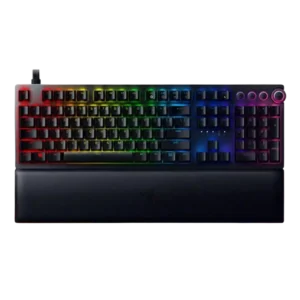
Layout evidence was limited but positive where the standard keycap/bottom-row arrangement made customization easier.
Pros: per-key lighting control, wrist rest quality
Cons: polling rate, portability
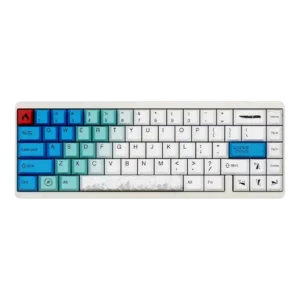
Layout options had limited positive evidence from a reviewer who liked the 65% layout because it includes arrow keys.
Pros: durability, key responsiveness
Cons: reliability, RGB customization
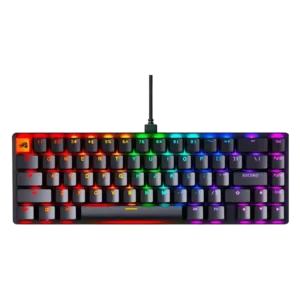
Layout options were mostly appreciated for 65% and 96% choices, although some reviewers wanted a tenkeyless option or noted compressed layouts.
Pros: compatibility, key responsiveness
Cons: wrist rest quality, key spacing
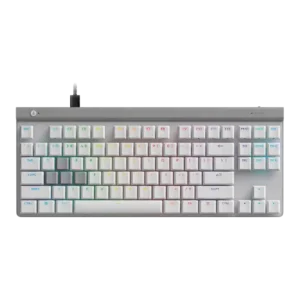
The TKL layout was mostly viewed as clean and space-saving, but users who need a numpad or more top controls may miss them.
Pros: key responsiveness, ergonomics
Cons: wireless performance, volume control
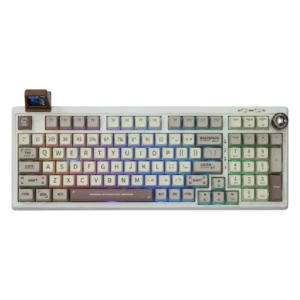
Layout options are praised mainly through the compact full-size/number-pad layout, which suits office work and number-heavy use.
Pros: noise level, acoustics
Cons: rapid trigger support, actuation consistency
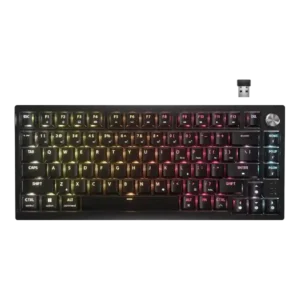
The 75% layout was praised as a productivity-and-gaming compromise, but reviewers also noted missing or awkwardly relocated keys and limited regional layouts.
Pros: latency, durability
Cons: legend visibility, rapid trigger support
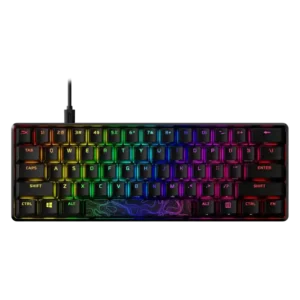
Layout options are useful for gamers who want smaller boards, but the 60% layout creates productivity tradeoffs for some users.
Pros: latency, actuation consistency
Cons: ease of switch replacement, reliability
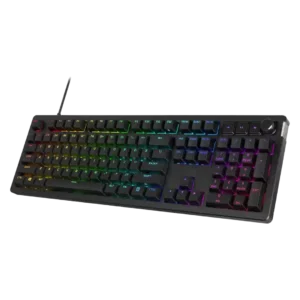
Layout options are mixed: reviewers value the 75% balance and full-size choice, but some dislike missing or remapped keys.
Pros: compatibility, legend visibility
Cons: wrist rest quality, cable quality
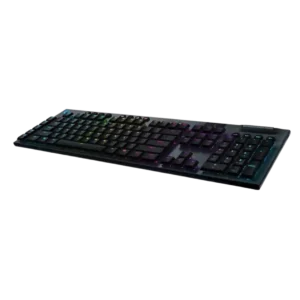
Layout feedback is mixed: tenkeyless versions improve compactness, while some reviewers disliked the large full-size footprint.
Pros: latency, polling rate
Cons: passthrough features, cable quality
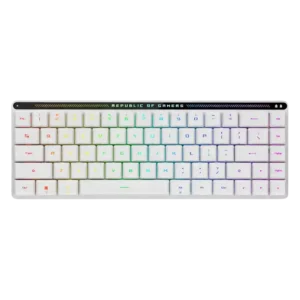
Layout feedback is mixed: reviewers like the compact function access, but missing dedicated function-row keys can be inconvenient.
Pros: reliability, typing comfort
Cons: cable quality, wrist rest quality
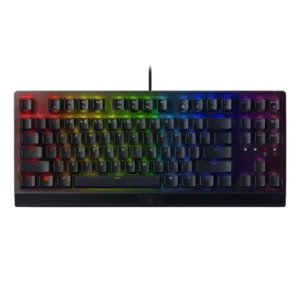
Layout options received limited support, mainly from the suggestion that some users would be better served by the TKL version.
Pros: latency, durability
Cons: sound dampening, passthrough features
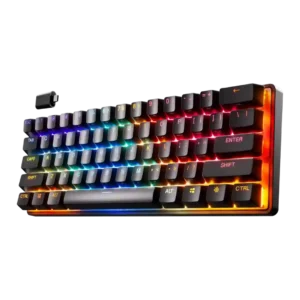
Layout options were the clearest usability tradeoff: some reviewers loved the intuitive secondary bindings, but others struggled with missing arrow, function, and navigation keys.
Pros: latency, key responsiveness
Cons: hot-swappable switches, ease of switch replacement
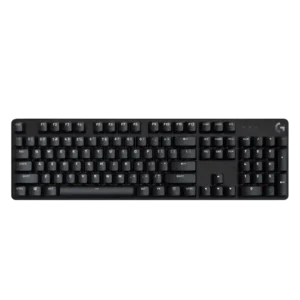
Layout options are mixed: one reviewer criticizes the TKL layout omissions, while another praises the choice between full-size and TKL versions.
Pros: durability, desk space efficiency
Cons: switch options, onboard memory
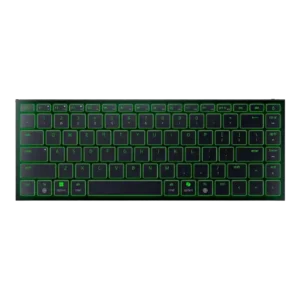
Layout opinions split sharply: some reviewers found the 75% layout efficient, while others disliked the small Shift, spacebar, or right-side key choices.
Pros: frame rigidity, size and form factor
Cons: sound dampening, per-key lighting control
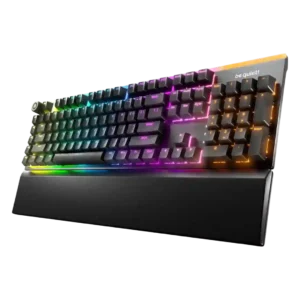
Layout options are mixed: ISO/ANSI availability helps, but the lack of TKL or smaller layouts limits choice.
Pros: ease of switch replacement, acoustics
Cons: rapid trigger support, analog input support
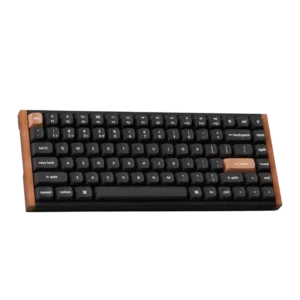
Layout options were mixed: the 75% layout kept useful keys, but missing numpad, print screen, or full-size spacing bothered some users.
Pros: wrist rest quality, onboard memory
Cons: per-key lighting control, switch options
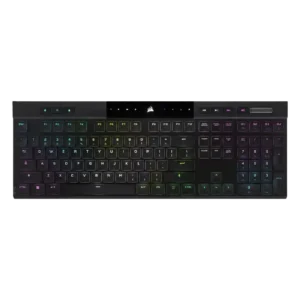
Reviewers liked aspects of the full-size layout, but several wanted smaller TKL or compact versions.
Pros: backlight brightness, actuation consistency
Cons: sound dampening, stabilizer quality
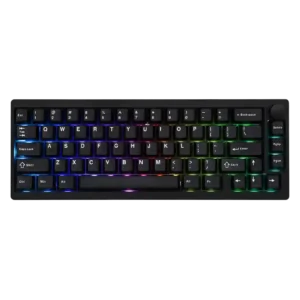
The compact 65% layout saves room but removes the function row, numpad and some dedicated keys, requiring shortcuts or remapping.
Pros: frame rigidity, acoustics
Cons: rapid trigger support, analog input support