Best for polling rate
NuPhy Air60 HE
5.0 feature score
Highest scored product for this feature based on supporting review evidence.
Highest scored product for this feature based on supporting review evidence.
Balances feature score, supporting reviews, and overall product strength.
Has the broadest review evidence for this feature.
Strongest overall product among items with scored evidence for this feature.
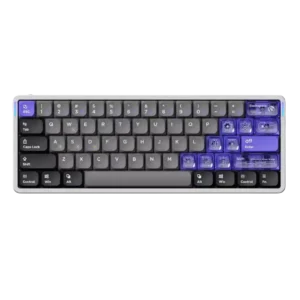
High polling is a core part of the Air60 HE’s performance story, with 8,000Hz repeatedly mentioned across reviews.
Pros: polling rate, rapid trigger support
Cons: legend visibility, layout options
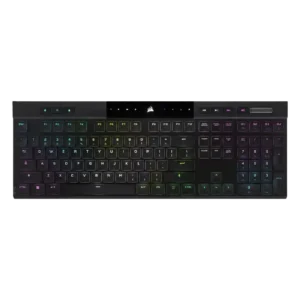
Polling-rate capability is one of the board’s headline strengths, especially in wired mode.
Pros: polling rate, RGB customization
Cons: hot-swappable switches, wrist rest quality
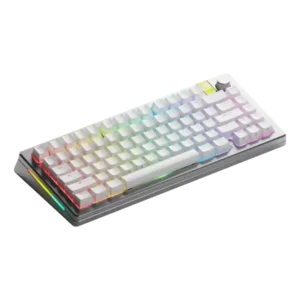
Multiple reviews confirm wired polling up to 8000Hz and describe that high rate as working without issue.
Pros: polling rate, rapid trigger support
Cons: reliability, portability
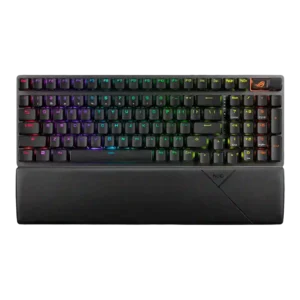
Reviews that measured or cited specs consistently point to a 1,000Hz polling rate, including over 2.4GHz.
Pros: polling rate, battery life
Cons: backlight brightness, legend visibility
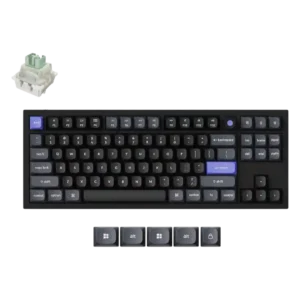
Both direct reviews make 8K polling a headline strength and treat it as a major performance differentiator.
Pros: polling rate, extra gaming features
Cons: portability, switch options
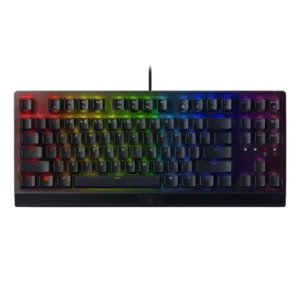
One review directly cites a 1000 Hz polling rate alongside N-key rollover. That points to strong input reporting on paper and in use.
Pros: key responsiveness, latency
Cons: hot-swappable switches, passthrough features
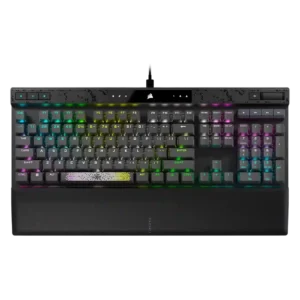
High polling rate support is one of the board’s standout gaming features across reviews.
Pros: per-key lighting control, polling rate
Cons: passthrough features, wireless performance
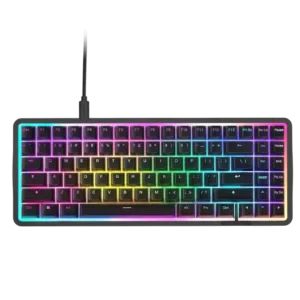
The 8K polling rate is one of the most consistently cited premium specs, even when some reviewers say most casual users may not notice it.
Pros: polling rate, sound dampening
Cons: passthrough features, wireless performance
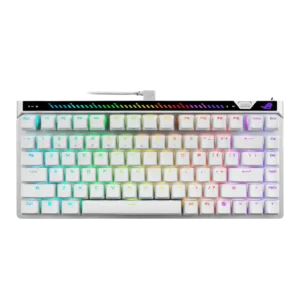
Polling rate support is a headline feature, with multiple reviews calling out the 8K capability.
Pros: latency, actuation consistency
Cons: analog input support, wrist rest quality
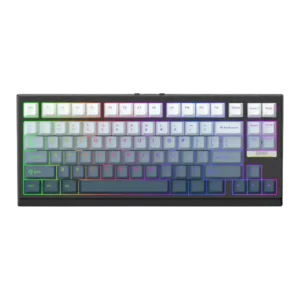
Polling-rate evidence is strong but narrow, with reviewers citing 8000Hz polling and one saying they ran it at 8,000 hertz throughout testing.
Pros: polling rate, desk space efficiency
Cons: media controls
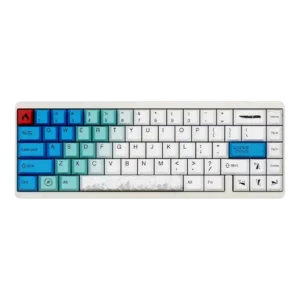
8,000Hz polling support is mentioned across multiple reviews.
Pros: latency, polling rate
Cons: compatibility, software quality
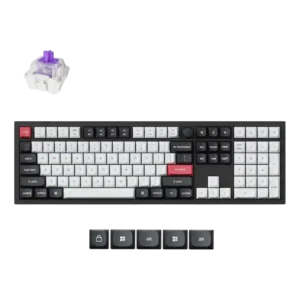
Reviews explicitly call out 1000 Hz support on the faster connection modes.
Pros: key responsiveness, key stability
Cons: portability, switch options
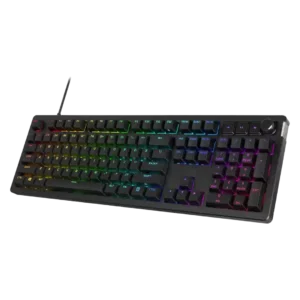
Polling rate was a standout spec on wired models at 8,000Hz, though reviewers differed on how meaningful that is for keyboards.
Pros: legend visibility, materials quality
Cons: wrist rest quality, ease of switch replacement
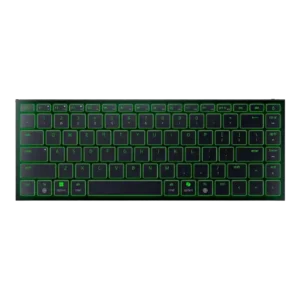
Wired mode's 1,000Hz polling is a meaningful plus for gaming-minded users, even if the wireless story is less impressive.
Pros: compatibility, portability
Cons: per-key lighting control, sound dampening
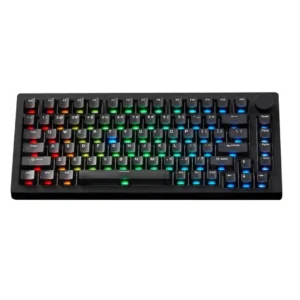
Polling-rate support is a strong gaming point in TMR/HE reviews, with multiple mentions of 8K wired/wireless polling and lower Bluetooth polling on VIA models.
Pros: switch options, extra gaming features
Cons: portability, key spacing
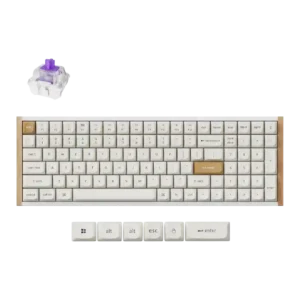
Polling rate is consistently cited at 1,000Hz, which reviewers view as solid for the price but not top-tier.
Pros: durability, customization options
Cons: per-key lighting control, backlight brightness
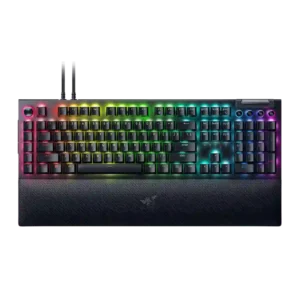
The board’s adjustable polling rate and 8,000Hz ceiling are repeatedly highlighted as premium gaming features, even if some reviewers note many players may not fully notice the difference.
Pros: latency, customization options
Cons: hot-swappable switches, portability
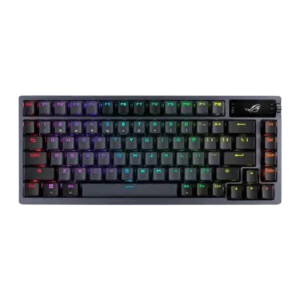
The 1,000Hz polling rate is in line with premium wireless gaming boards and was treated as fully competitive in reviews.
Pros: hot-swappable switches, gaming performance
Cons: passthrough features, wrist rest quality
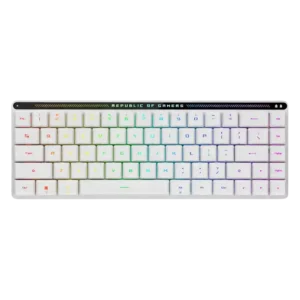
Where polling rate is discussed, reviewers consistently cite a 1000Hz polling rate for the board's gaming-focused wired or 2.4GHz modes.
Pros: noise level, battery life
Cons: wrist rest quality, hot-swappable switches
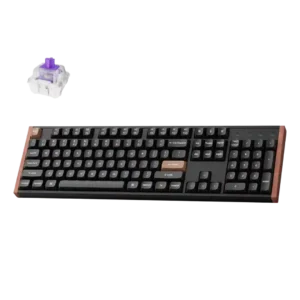
Multiple reviews call out the 1000 Hz polling rate as a reason the keyboard feels responsive for gaming and close to wired performance.
Pros: key responsiveness, latency
Cons: switch options, desk space efficiency
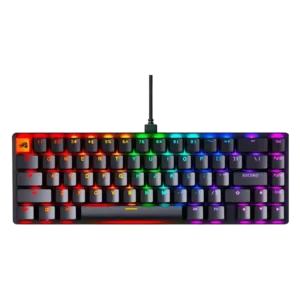
Users can tune polling rate up to 1000Hz, giving the board a full-speed wired setup.
Pros: frame rigidity, durability
Cons: actuation consistency
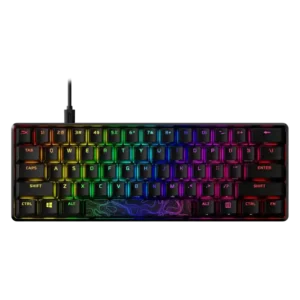
The available measurements and specs point to standard 1000 Hz polling performance, which reviewers considered suitable for gaming.
Pros: frame rigidity, materials quality
Cons: wireless performance, hot-swappable switches
Two reviews explicitly call out the fast wireless report rate, citing 1ms or 1,000Hz behavior consistent with premium gaming boards.
Pros: RGB customization, build quality
Cons: passthrough features, wrist rest quality
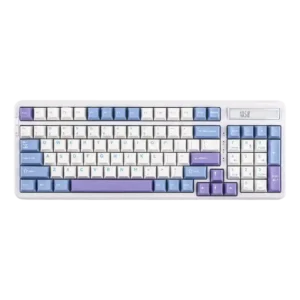
One review explicitly calls out an impressive 1000Hz polling rate.
Pros: hot-swappable switches, ease of switch replacement
Cons: key spacing, legend visibility
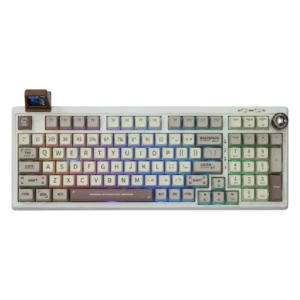
One reviewer said the 2.4GHz dongle matched the speed of many wired gaming keyboards, suggesting strong scan performance for its class.
Pros: key responsiveness, latency
Cons: actuation consistency, rapid trigger support
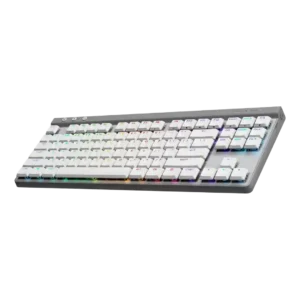
One review explicitly confirms a 1,000 Hz wireless polling rate.
Pros: macro customization, customization options
Cons: rapid trigger support, passthrough features
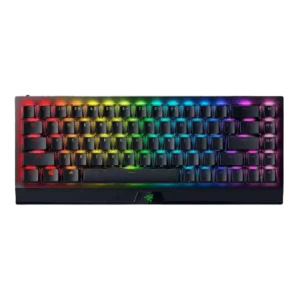
One video review explicitly says HyperSpeed is required for 1000 Hz polling.
Pros: desk space efficiency, frame rigidity
Cons: passthrough features, stabilizer quality
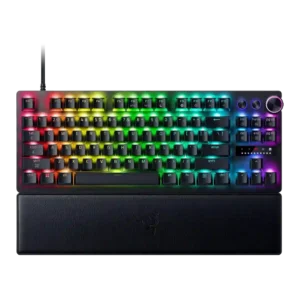
Polling performance is strong overall because 8K variants are praised heavily, though one TKL review criticized the base model for topping out at 1,000Hz.
Pros: gaming performance, latency
Cons: passthrough features, hot-swappable switches
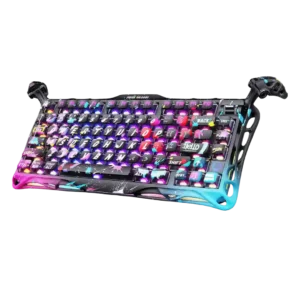
Polling rate is a high-spec strength, with multiple reviews citing or testing 8,000Hz polling, though one reviewer considered it more marketing than noticeable.
Pros: rapid trigger support, ease of switch replacement
Cons: wireless performance, connectivity
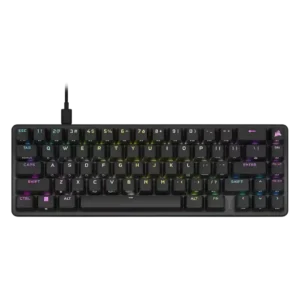
The 8000Hz polling option is a headline feature, even if some reviewers found limited real-world benefit.
Pros: profile management, onboard memory
Cons: hot-swappable switches, wrist rest quality
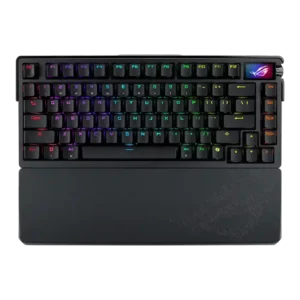
Reviews repeatedly mention 8,000 Hz support, though not all think it matters much for a keyboard.
Pros: build quality, frame rigidity
Cons: rapid trigger support, analog input support
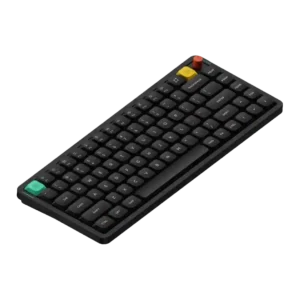
Multiple reviews cite 1000Hz wired and 2.4GHz polling, with lower Bluetooth polling, which aligns with its work-first but gaming-capable positioning.
Pros: key responsiveness, compatibility
Cons: per-key lighting control, legend visibility
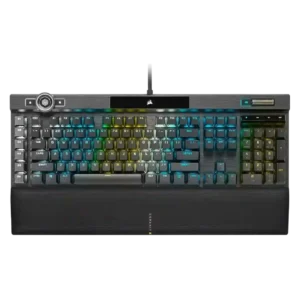
The 4000Hz polling rate is a headline feature, but reviews split between future-proof enthusiasm and skepticism about real-world gains.
Pros: key responsiveness, latency
Cons: hot-swappable switches, ease of switch replacement
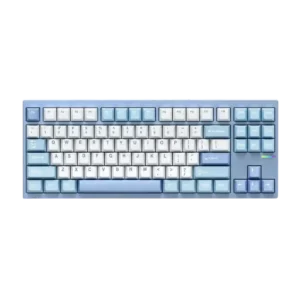
The keyboard is repeatedly described as running at 1,000Hz, with one video also discussing a low-latency mode.
Pros: durability, hot-swappable switches
Cons: portability, switch options
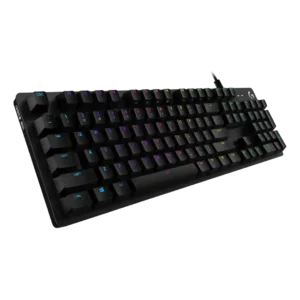
One review explicitly cites a 1ms report rate as part of the G512's update set, supporting strong polling-rate performance.
Pros: key responsiveness, typing feel
Cons: wrist rest quality, portability
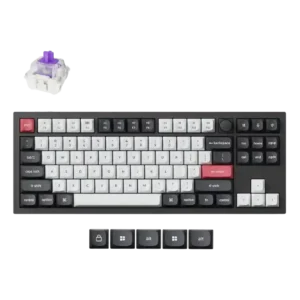
Polling is consistently described as 1,000Hz. Reviewers found it responsive in practice, but some also point out that rivals now offer higher polling at similar or lower prices.
Pros: rapid trigger support, build quality
Cons: portability, switch options
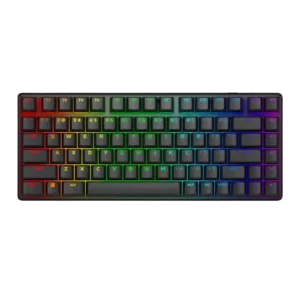
The keyboard runs at around 1,000Hz, which reviewers found fast enough for most use but not class-leading for elite competitive play.
Pros: frame rigidity, materials quality
Cons: wrist rest quality, rapid trigger support
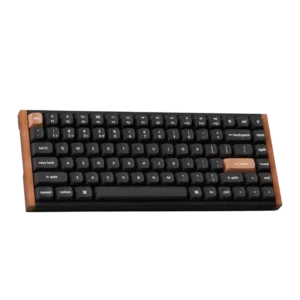
The K2 HE is repeatedly described as a 1,000Hz board over wired or 2.4GHz, with Bluetooth framed as the slower mode.
Pros: rapid trigger support, switch feel
Cons: switch options, portability
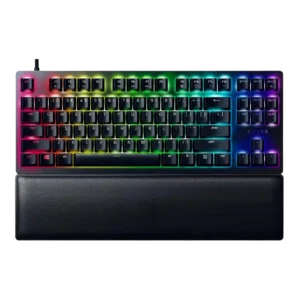
The 8,000Hz polling rate is widely highlighted as a headline feature, but several reviews also question how noticeable or necessary it is outside niche competitive use.
Pros: frame rigidity, per-key lighting control
Cons: analog input support, wireless performance
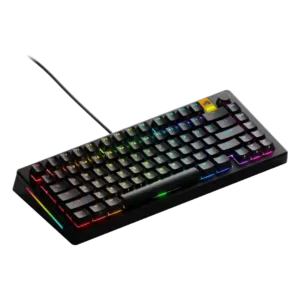
High polling-rate support is widely noted, with 8K available in several reviews, though one reviewer could only get 1K working in software.
Pros: customization options, hot-swappable switches
Cons: value for money, desk space efficiency
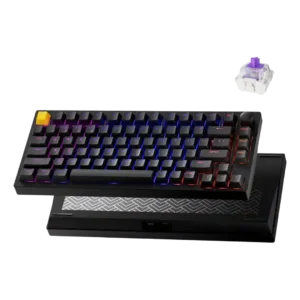
The 1,000Hz polling rate is presented as sufficient for most players, even if some competitors go higher.
Pros: extra gaming features, rapid trigger support
Cons: per-key lighting control, layout options
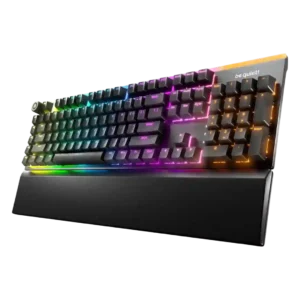
Reviews repeatedly cite a standard 1,000Hz polling rate with NKRO.
Pros: acoustics, sound dampening
Cons: rapid trigger support, analog input support
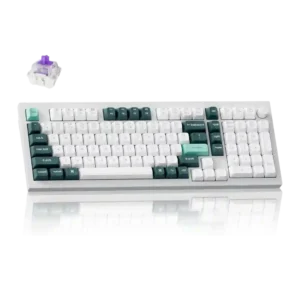
Reviews consistently cite a 1,000Hz polling rate. That is seen as fine for most users, but not class-leading beside 8,000Hz competitors.
Pros: frame rigidity, customization options
Cons: portability, switch options
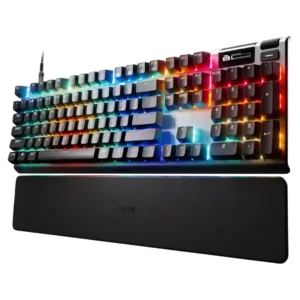
The 1000Hz polling rate is considered adequate for most use cases, though some reviewers note it is no longer class-leading at this price.
Pros: legend visibility, frame rigidity
Cons: passthrough features, analog input support
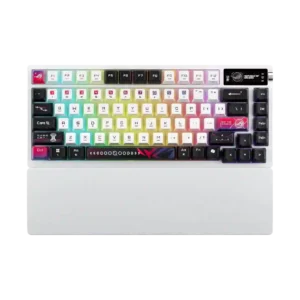
The standard 1000Hz polling rate is seen as sufficient for most users, but not class-leading without the optional booster.
Pros: connectivity, wireless performance
Cons: rapid trigger support, analog input support
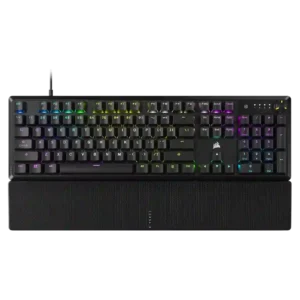
Polling is widely described as a standard 1,000Hz. Reviewers generally found that sufficient, but not a standout high-end spec.
Pros: per-key lighting control, typing feel
Cons: hot-swappable switches, ease of switch replacement
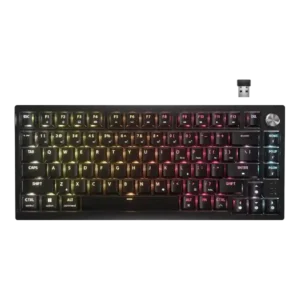
The 1,000Hz polling rate is viewed as fast enough for most use, but not cutting-edge for competitive buyers.
Pros: hot-swappable switches, connectivity
Cons: wrist rest quality, switch options
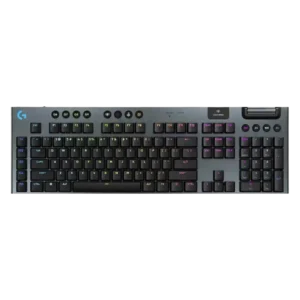
Evidence supports a gaming-grade 1000 Hz report rate, but not a class-leading one versus faster rivals.
Pros: customization options, latency
Cons: wrist rest quality, hot-swappable switches
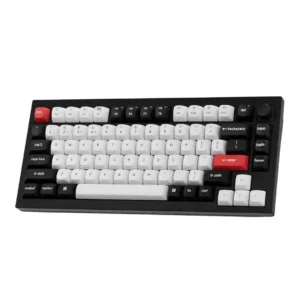
The 1,000Hz polling rate is solid for most use cases, but some reviewers still see it as less aggressive than the fastest HE competitors.
Pros: build quality, frame rigidity
Cons: portability, wrist rest quality
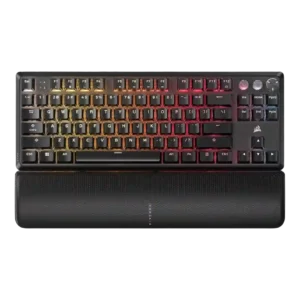
The 8,000Hz polling option is widely noted, but its real-world benefit is mixed: some reviewers noticed gaming gains, while others called it hard to perceive.
Pros: key responsiveness, onboard memory
Cons: hot-swappable switches, ease of switch replacement