Best for portability
Razer Huntsman V3 TKL
5.0 feature score
Highest scored product for this feature based on supporting review evidence.
Highest scored product for this feature based on supporting review evidence.
Balances feature score, supporting reviews, and overall product strength.
Has the broadest review evidence for this feature.
Strongest overall product among items with scored evidence for this feature.
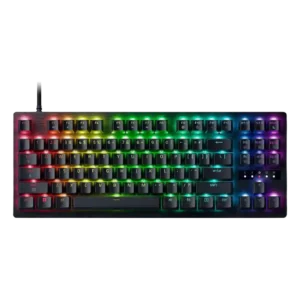
Portability is better than a typical gaming keyboard thanks to the TKL size and detachable cable, making tournament or LAN travel feel practical.
Pros: polling rate, RGB customization
Cons: key stability, typing comfort
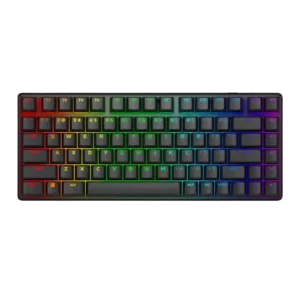
Portability was praised for the compact, travel-friendly design and backpack-friendly size.
Pros: key stability, backlight brightness
Cons: rapid trigger support, wrist rest quality
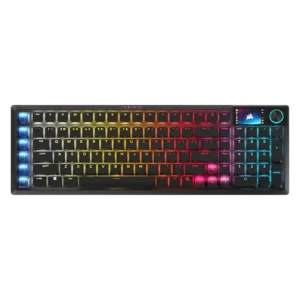
Despite retaining a numpad, the slim chassis weighs under a kilogram and fits into a full backpack more easily than many premium full-size keyboards.
Pros: key stability, stabilizer quality
Cons: analog input support, rapid trigger support
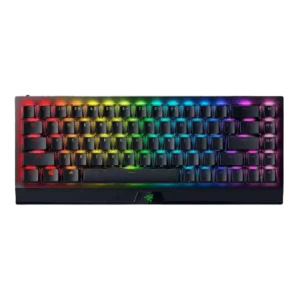
Portability was consistently strong because reviewers liked the compact size, wireless use, travel friendliness, and easy movement around the home.
Pros: per-key lighting control, backlight brightness
Cons: passthrough features, compatibility
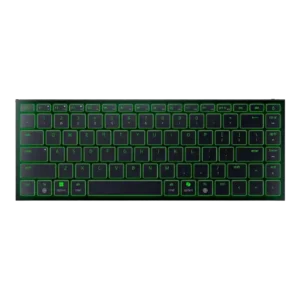
Portability was the strongest consensus point: reviewers repeatedly praised the thin, light, bag-friendly body for travel and mobile work.
Pros: frame rigidity, size and form factor
Cons: sound dampening, per-key lighting control
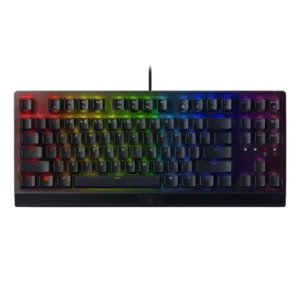
Portability evidence was positive, citing the lightweight full-size build and compact TKL packability.
Pros: latency, durability
Cons: sound dampening, passthrough features
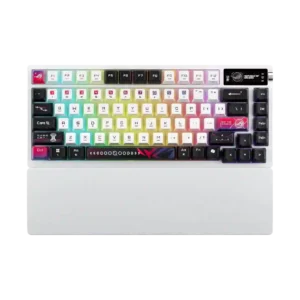
Portability had limited positive support, mainly from long battery life making the board better for LAN parties or mobile work.
Pros: latency, wireless performance
Cons: rapid trigger support, analog input support
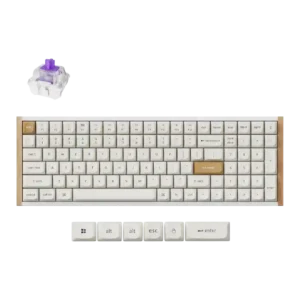
Portability evidence was positive but limited, with one reviewer saying the lighter build was easy to carry in a backpack.
Pros: durability, rapid trigger support
Cons: per-key lighting control, stabilizer quality
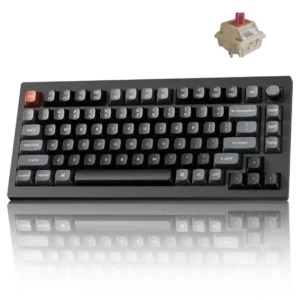
The plastic chassis makes the board lighter and easier to carry than a comparable metal model.
Pros: key responsiveness, actuation consistency
Cons: rapid trigger support, analog input support
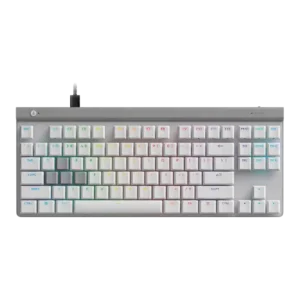
Portability evidence was limited but positive, with one reviewer emphasizing the light, lithe 800-gram design.
Pros: key responsiveness, ergonomics
Cons: wireless performance, volume control
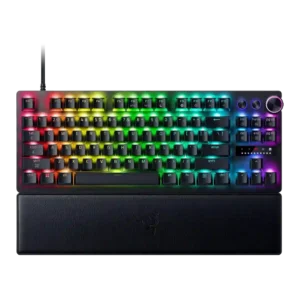
Portability was praised in one TKL review because the board was light, sturdy, and easy to carry to LAN events.
Pros: key responsiveness, actuation consistency
Cons: switch options, hot-swappable switches
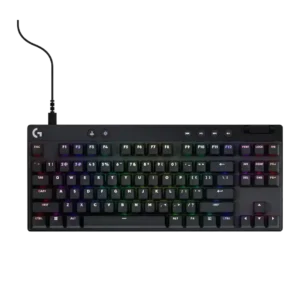
Portability is consistently strong thanks to compact form factors, detachable/portable designs, dongle storage, and hard carry cases.
Pros: durability, per-key lighting control
Cons: noise level, sound dampening
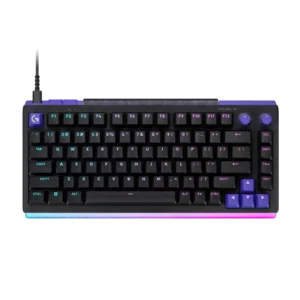
Compact sizing, a detachable cable, onboard switch storage, and pullers that double as feet make the board easier to move than expected. Wired-only operation and the board’s weight still favor...
Pros: latency, RGB customization
Cons: actuation consistency, connectivity
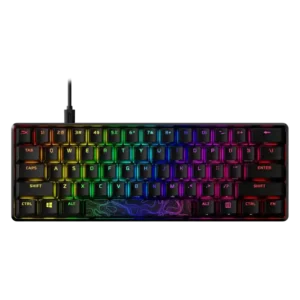
Portability is a strength for the compact versions and detachable-cable design, especially for travel and LAN-style use.
Pros: latency, actuation consistency
Cons: ease of switch replacement, reliability
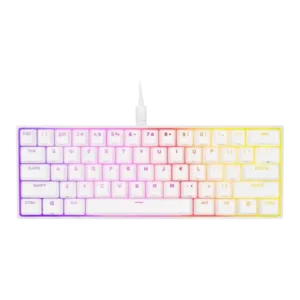
Portability was a strong fit for the board's small footprint, detachable cable, and travel-friendly profile storage.
Pros: desk space efficiency, frame rigidity
Cons: sound dampening, ease of switch replacement
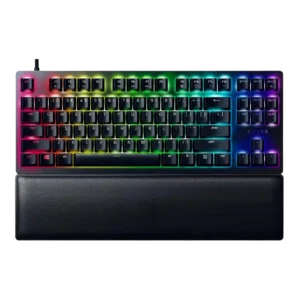
Portability was a strength thanks to compact size, detachable cable, and a design reviewers felt encouraged moving the keyboard around.
Pros: key stability, per-key lighting control
Cons: stabilizer quality, media controls
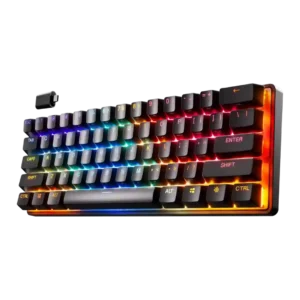
Portability was generally positive for the small body and travel use, though one reviewer wanted better travel packaging and dongle storage.
Pros: latency, key responsiveness
Cons: hot-swappable switches, ease of switch replacement
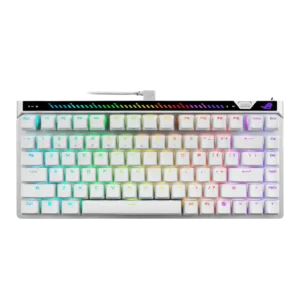
Portability was positive due to the included carrying case and on-the-go readiness.
Pros: key responsiveness, latency
Cons: analog input support, wrist rest quality
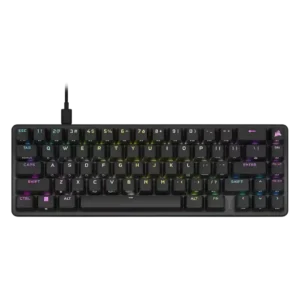
Portability was helped by the light compact body and detachable cable, though wireless absence limited the upside.
Pros: volume control, key responsiveness
Cons: wireless performance, wrist rest quality
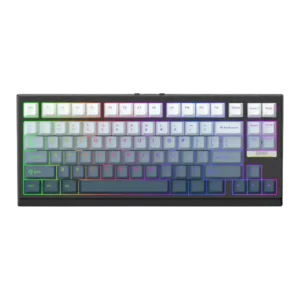
Portability was mostly praised because of the compact/light design and easy relocation, though one reviewer found the board somewhat hefty.
Pros: desk space efficiency, layout options
Cons: compatibility
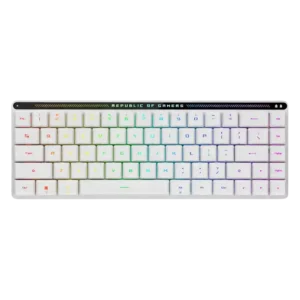
Portability is strongly supported by the compact size and cover, though some reviewers dislike how the cover or dongle storage works for travel.
Pros: reliability, typing comfort
Cons: cable quality, wrist rest quality
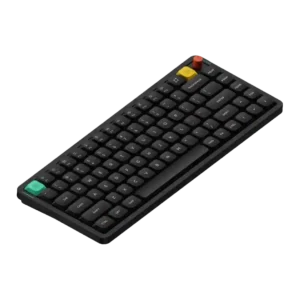
Portability was positive overall because the keyboard is slim and compact, but heavier weight, MacBook fit, and the tall knob created caveats.
Pros: key responsiveness, typing feel
Cons: per-key lighting control, legend visibility
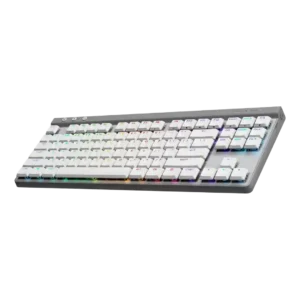
Portability was helped by the slim TKL size, dongle storage, and light-enough weight, though the lack of a carry case limited one reviewer's enthusiasm.
Pros: latency, wireless performance
Cons: rapid trigger support, ease of switch replacement
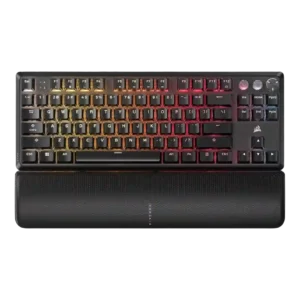
Portability evidence was positive when detachable cables, onboard profiles, or lighter TKL construction made travel or moving easier.
Pros: per-key lighting control, key responsiveness
Cons: ease of switch replacement, battery life
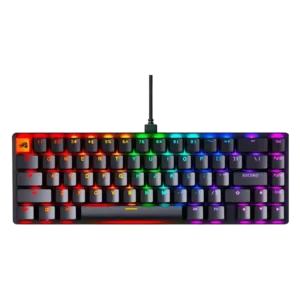
Portability was positive for the 65% model and compact weight, although it was not presented as an ultra-light travel board.
Pros: compatibility, key responsiveness
Cons: wrist rest quality, key spacing
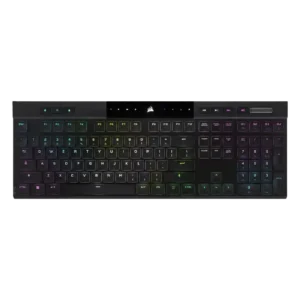
Thinness helped portability, but the full-size length made transport less practical for some reviewers.
Pros: backlight brightness, actuation consistency
Cons: sound dampening, stabilizer quality
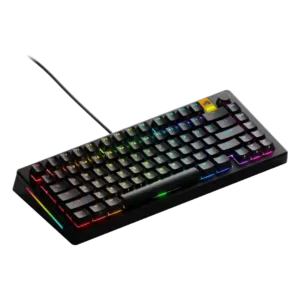
Portability was helped by a lightweight or non-cumbersome feel despite the board's substantial construction.
Pros: RGB lighting quality, layout options
Cons: frame rigidity, value for money
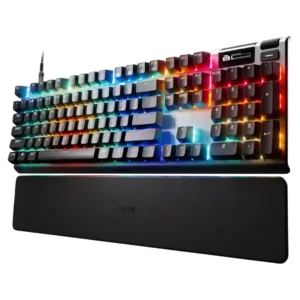
Portability varied by model: Mini and TKL versions were easy to move, while the full-size wired model was desk-bound.
Pros: key responsiveness, durability
Cons: passthrough features, analog input support
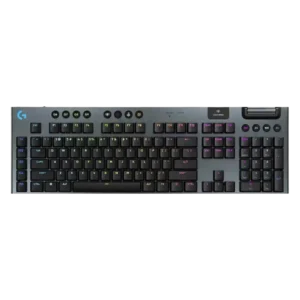
Portability was better on TKL models, which reviewers said could travel easily, while full-size and fragile-feeling concerns reduced enthusiasm.
Pros: stabilizer quality, latency
Cons: ease of switch replacement, hot-swappable switches
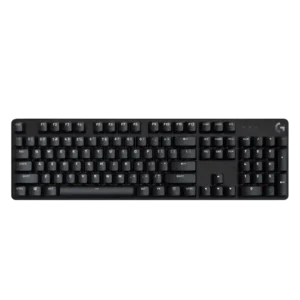
Portability is mixed: reviewers like the compact, light TKL body, but one reviewer dislikes the attached cable for packing.
Pros: durability, desk space efficiency
Cons: switch options, onboard memory
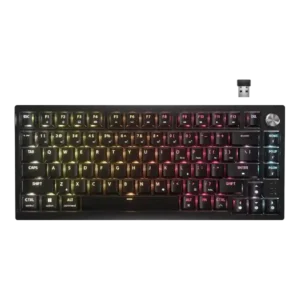
Portability was mixed: the compact form and dongle storage help travel, but multiple reviewers noted the board is heavier than expected.
Pros: latency, durability
Cons: legend visibility, rapid trigger support
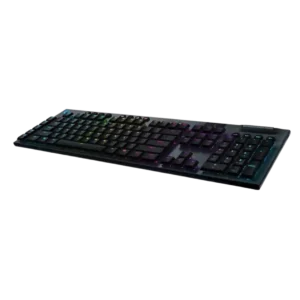
Portability is mixed: the TKL model and dongle storage help, while the full-size board is too long to carry easily.
Pros: latency, polling rate
Cons: passthrough features, cable quality
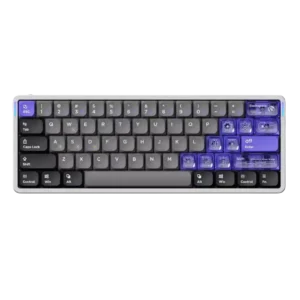
Portability was mixed: reviewers liked the small, light body but repeatedly noted that wired-only operation undercuts travel appeal.
Pros: frame rigidity, rapid trigger support
Cons: switch options, legend visibility
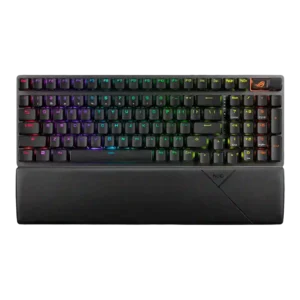
Portability is mixed: one reviewer liked taking it along easily and another said it fits a backpack, while another found it not exactly portable.
Pros: per-key lighting control, wireless performance
Cons: rapid trigger support, analog input support
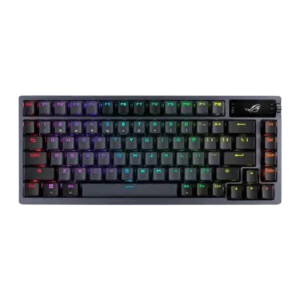
Portability was mixed: one reviewer liked the idea of traveling with it, while another found the heft made it less portable.
Pros: durability, wireless performance
Cons: passthrough features, onboard memory
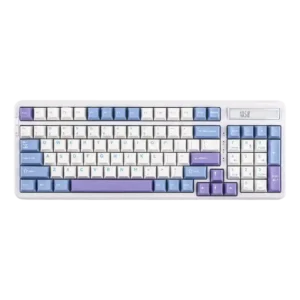
Portability was mixed, with one review calling the board lightweight and portable while another noted its surprising heft.
Pros: ease of switch replacement, typing feel
Cons: key spacing, layout options
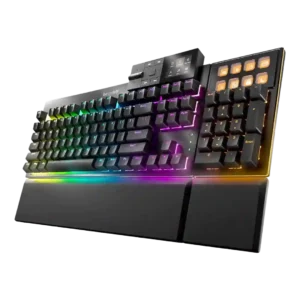
Portability was limited but not wholly negative: one reviewer found it more portable than a daily driver, though the broader design remains a modular desk keyboard.
Pros: key stability, per-key lighting control
Cons: analog input support, wireless performance
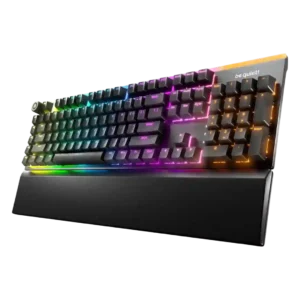
Portability is mixed: lighter weight and web configuration help movement, but the full-size footprint works against travel use.
Pros: ease of switch replacement, acoustics
Cons: rapid trigger support, analog input support
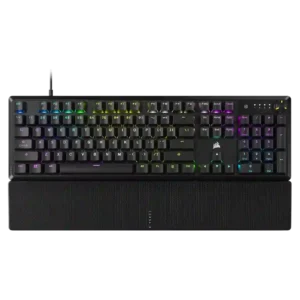
Portability was mixed: the board is reasonably light, but full-size dimensions and the fixed cable limit easy travel.
Pros: per-key lighting control, compatibility
Cons: ease of switch replacement, hot-swappable switches
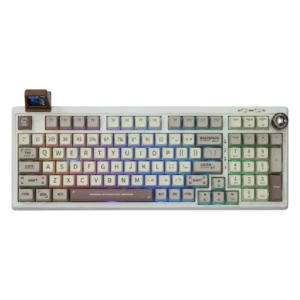
Portability is mixed: the plastic build and moderate weight help, but the protruding screen and near-full layout make travel less friendly.
Pros: noise level, acoustics
Cons: rapid trigger support, actuation consistency
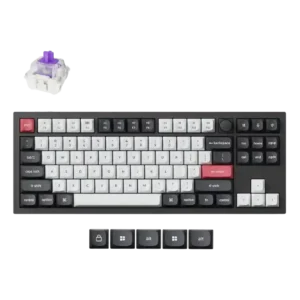
Portability was a weakness because the compact layout helps, but the heavy metal board was described as best kept on a desk.
Pros: build quality, extra gaming features
Cons: switch options, hot-swappable switches
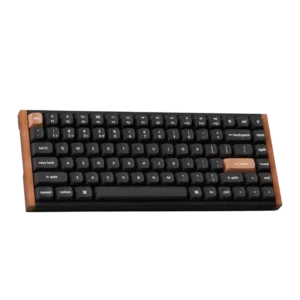
Portability was a weak-to-mixed area because weight and size made the board less travel-friendly despite compact dimensions.
Pros: wrist rest quality, onboard memory
Cons: per-key lighting control, switch options
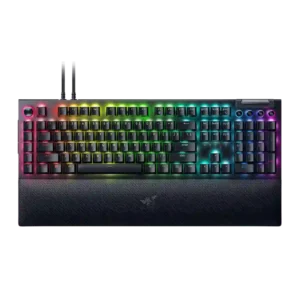
Portability was variant-dependent: the 75% board was bag-friendly, while the full-size board was problematic for transport and mouse space.
Pros: key stability, ease of switch replacement
Cons: compatibility, battery life
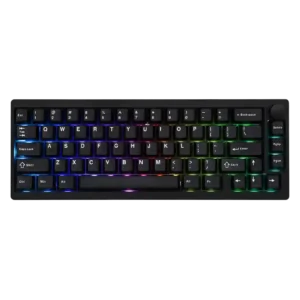
The compact footprint fits bags more easily than larger layouts, but the 1.3kg aluminum body makes it a poor choice for frequent travel.
Pros: frame rigidity, acoustics
Cons: rapid trigger support, analog input support
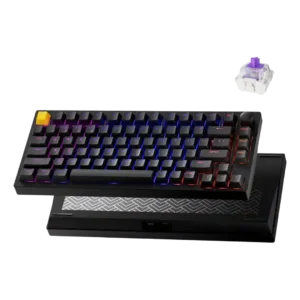
Portability was a weakness because the heavy aluminum body makes the keyboard better suited to a desk than a backpack.
Pros: frame rigidity, stabilizer quality
Cons: per-key lighting control, RGB customization
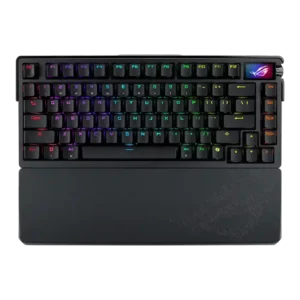
Portability was weak because removable feet looked easy to lose and the overall package was treated as heavy and stationary.
Pros: key spacing, reliability
Cons: rapid trigger support, analog input support
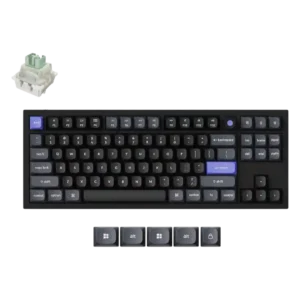
Portability is a weak point because the keyboard was called a chonky board after weighing.
Pros: key responsiveness, polling rate
Cons: switch options, portability
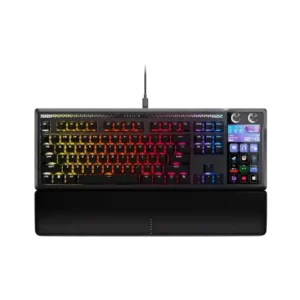
Portability is weak. Reviewers describe the keyboard as heavy, wired, and better suited to a permanent desk or sim rig than travel or quick device switching.
Pros: customization options, ease of switch replacement
Cons: reliability, analog input support
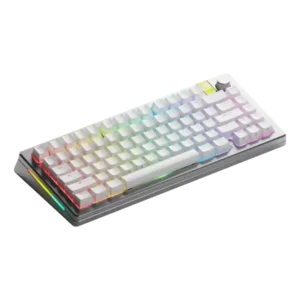
Portability was consistently weak because metal configurations were very heavy and difficult to move quickly.
Pros: materials quality, customization options
Cons: reliability, actuation consistency
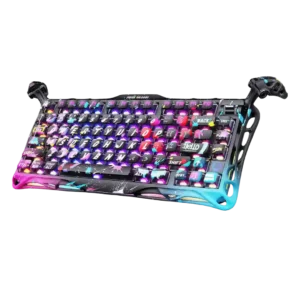
Portability was a weakness because reviewers pointed to the board's weight, legs, and lack of Bluetooth for travel use.
Pros: legend visibility, key responsiveness
Cons: connectivity, cable quality