Best for typing feel
ASUS ROG Azoth
4.8 feature score
Highest scored product for this feature based on supporting review evidence.
Highest scored product for this feature based on supporting review evidence.
Balances feature score, supporting reviews, and overall product strength.
Has the broadest review evidence for this feature.
Strongest overall product among items with scored evidence for this feature.
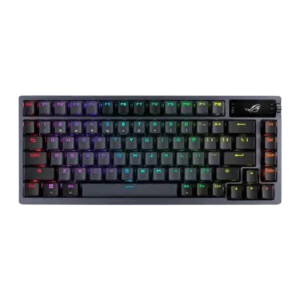
Typing feel is one of the Azoth’s biggest strengths, with many reviewers describing it as premium, smooth, and enthusiast-leaning.
Pros: hot-swappable switches, gaming performance
Cons: passthrough features, wrist rest quality
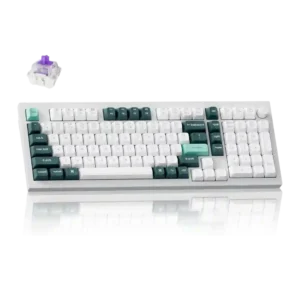
Reviews consistently say the keyboard is excellent to type on, with a premium, smooth, and work-friendly feel.
Pros: frame rigidity, customization options
Cons: portability, switch options
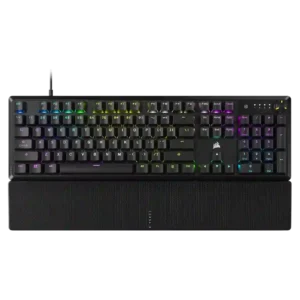
Typing feel is one of the strongest recurring positives. Multiple reviews call it excellent, pleasant, or class-leading for the price.
Pros: per-key lighting control, typing feel
Cons: hot-swappable switches, ease of switch replacement
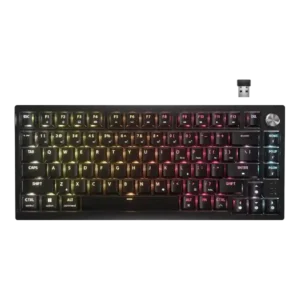
Typing feel is widely praised for feeling premium, smooth, and enjoyable across work and play.
Pros: hot-swappable switches, connectivity
Cons: wrist rest quality, switch options
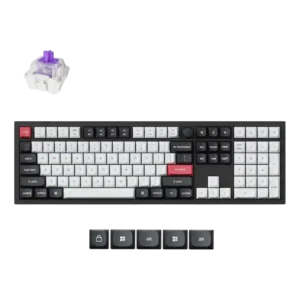
Typing feel is repeatedly praised as smooth, stable, accurate, and premium, though one review notes the heavier key feel.
Pros: key responsiveness, key stability
Cons: portability, switch options
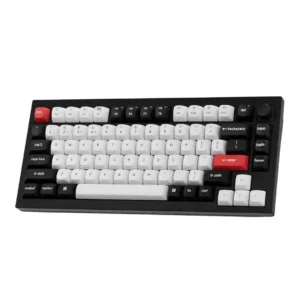
Typing feel is a headline advantage, with reviewers repeatedly describing the keystrokes as satisfying, cloud-like, or unusually pleasant.
Pros: build quality, frame rigidity
Cons: portability, wrist rest quality
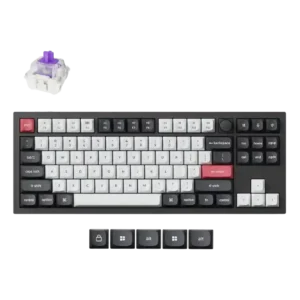
Typing feel is a strong positive overall, with reviewers describing the board as great to type on, unique in character, and pleasing in both sound and feel.
Pros: rapid trigger support, build quality
Cons: portability, switch options
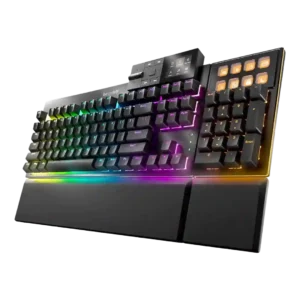
The overall typing feel is polished and satisfying, especially for quiet-focused users.
Pros: sound dampening, noise level
Cons: rapid trigger support, analog input support
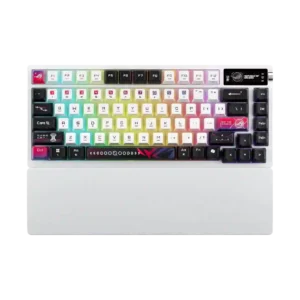
The board’s typing feel is one of its biggest strengths, with springy, refined, custom-leaning feedback.
Pros: connectivity, wireless performance
Cons: rapid trigger support, analog input support
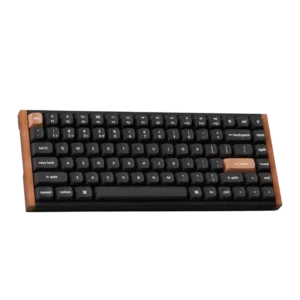
Typing feel is a major strength, with reviewers calling it satisfying, enjoyable, and even cloud-like.
Pros: rapid trigger support, switch feel
Cons: switch options, portability
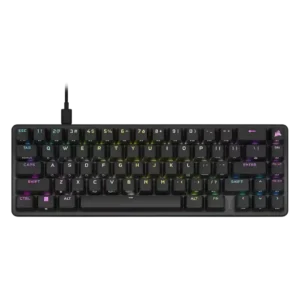
Typing feel is widely liked for its smoothness, sound, and textured caps.
Pros: profile management, onboard memory
Cons: hot-swappable switches, wrist rest quality
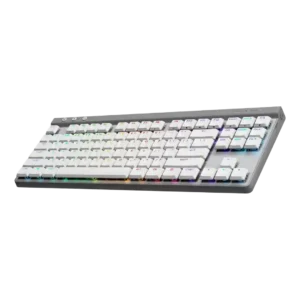
Typing feel is a standout, with reviewers describing it as fast, satisfying, and productive.
Pros: macro customization, customization options
Cons: rapid trigger support, passthrough features
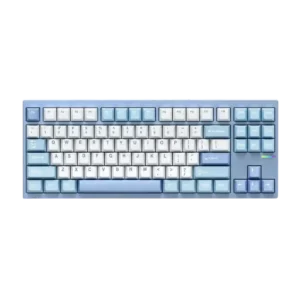
Typing feel is strongly positive, with reviewers describing the GX87 as joyful, smooth, and satisfying to type on.
Pros: durability, hot-swappable switches
Cons: portability, switch options
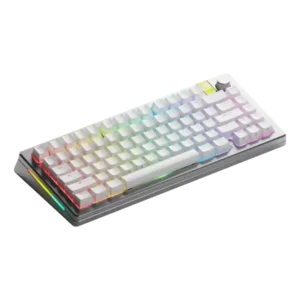
Reviewers repeatedly say the board feels excellent to type on, with silky or premium-feeling key travel depending on the build.
Pros: polling rate, rapid trigger support
Cons: reliability, portability
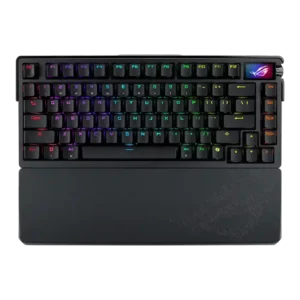
Reviews repeatedly praise the typing experience as crisp, satisfying, and good enough for daily work.
Pros: build quality, frame rigidity
Cons: rapid trigger support, analog input support
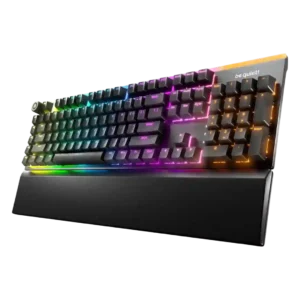
Reviews describe the typing feel as soft, cushioned, satisfying, and controlled rather than mushy.
Pros: acoustics, sound dampening
Cons: rapid trigger support, analog input support
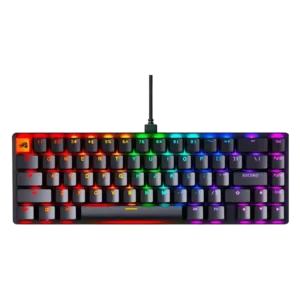
Typing feel is a standout, with reviews repeatedly calling it smooth, satisfying, and impressive out of the box.
Pros: frame rigidity, durability
Cons: actuation consistency
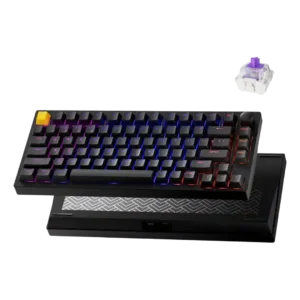
Multiple reviews praise the typing experience as highly enjoyable, comfortable, or close to ideal.
Pros: extra gaming features, rapid trigger support
Cons: per-key lighting control, layout options
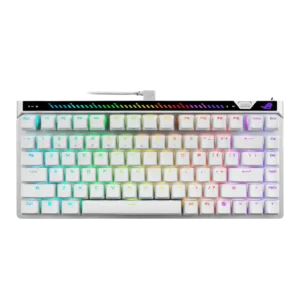
Typing feel is generally described as controlled, easy, and satisfying rather than harsh or sloppy.
Pros: latency, actuation consistency
Cons: analog input support, wrist rest quality
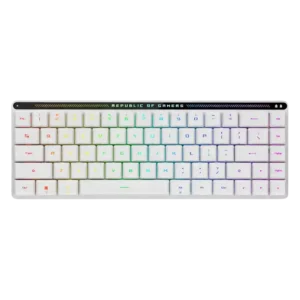
Typing feel is widely praised for being tactile or smooth without feeling harsh, though one review with blue switches called the feel stiff rather than soft.
Pros: noise level, battery life
Cons: wrist rest quality, hot-swappable switches
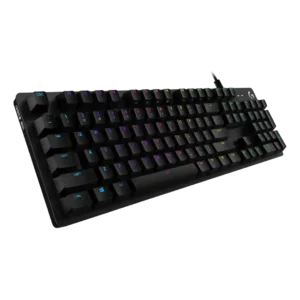
Typing feel is widely praised, with satisfying tactile feedback, enjoyable key feel, and good day-to-day usability across different switch versions.
Pros: key responsiveness, typing feel
Cons: wrist rest quality, portability
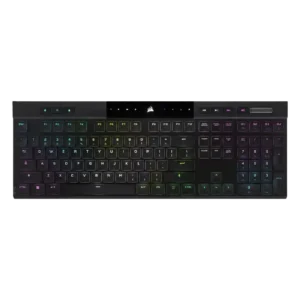
Typing feel is generally described as enjoyable, fluid, and tactile.
Pros: polling rate, RGB customization
Cons: hot-swappable switches, wrist rest quality
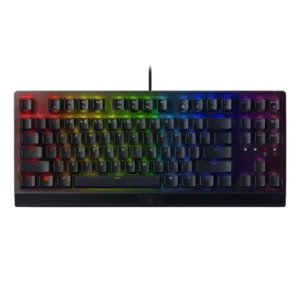
Typing feel is broadly positive, with reviewers describing it as pleasant, fast, and accurate. One review is more measured, calling the switches decent rather than exceptional.
Pros: key responsiveness, latency
Cons: hot-swappable switches, passthrough features
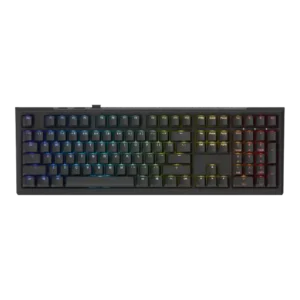
Typing feel is one of the clearest reasons reviewers kept reaching for this keyboard.
Pros: switch feel, key responsiveness
Cons: switch options, wrist rest quality
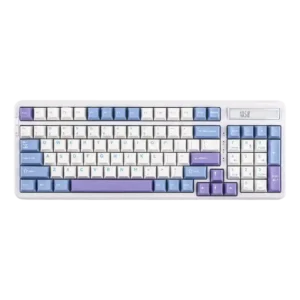
Typing is repeatedly described as lovely, soft, and thocky rather than harsh.
Pros: hot-swappable switches, ease of switch replacement
Cons: key spacing, legend visibility
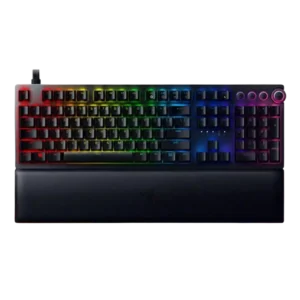
Typing feel is generally praised, with reviewers calling it pleasant, clicky-smooth, and satisfying once they adapt to the analog optical switch behavior.
Pros: RGB customization, frame rigidity
Cons: portability, legend visibility
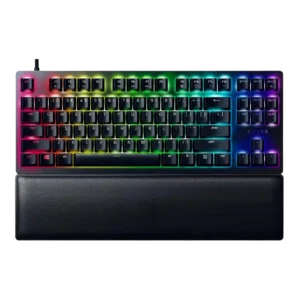
Typing feel trends positive on the linear version, with reviewers calling the keys responsive, smooth, and crisp, though not necessarily enthusiast-grade.
Pros: frame rigidity, per-key lighting control
Cons: analog input support, wireless performance
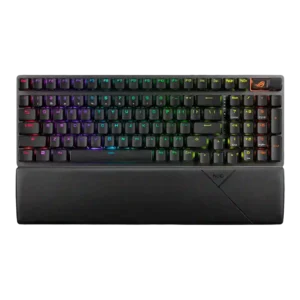
Typing feel is a recurring strength, with reviewers describing it as pleasant, refined, or exceptional out of the box.
Pros: polling rate, battery life
Cons: backlight brightness, legend visibility
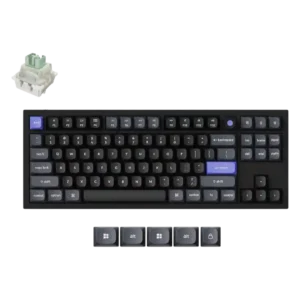
One direct review directly praises the Q3 HE 8K typing feel as stable and responsive.
Pros: polling rate, extra gaming features
Cons: portability, switch options
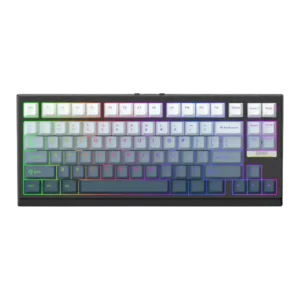
Typing feel was one of the strongest areas, with reviewers describing creamy, premium, smooth, easy, satisfying, and improved typing experiences.
Pros: polling rate, desk space efficiency
Cons: media controls
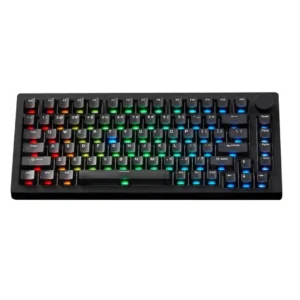
Typing feel is generally strong, with reviewers describing smooth, soft, cushioned, satisfying, and impressive feel, though foam removal or personal switch preference can change the experience.
Pros: switch options, extra gaming features
Cons: portability, key spacing
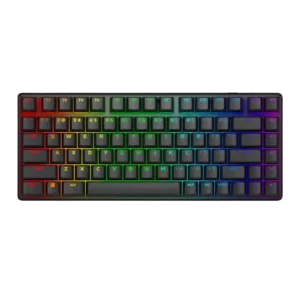
Typing feel is generally strong, though not every reviewer found it exceptional for productivity.
Pros: frame rigidity, materials quality
Cons: wrist rest quality, rapid trigger support
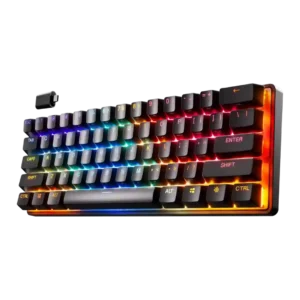
Typing feel is generally positive thanks to smooth switches and solid caps, although linear behavior is not every typist’s favorite.
Pros: switch options, latency
Cons: hot-swappable switches, ease of switch replacement
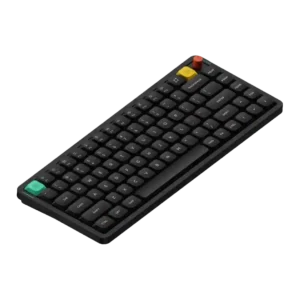
Typing feel is a major strength, with reviews repeatedly calling it premium, cushioned, refined, and more pleasant than previous Air models.
Pros: key responsiveness, compatibility
Cons: per-key lighting control, legend visibility
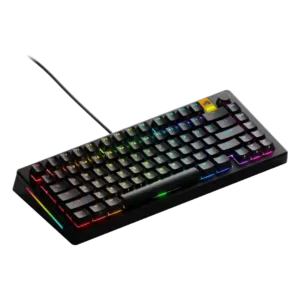
Typing feel is a consistent strength, described as precise, smooth, satisfying, and very good even out of the box.
Pros: customization options, hot-swappable switches
Cons: value for money, desk space efficiency
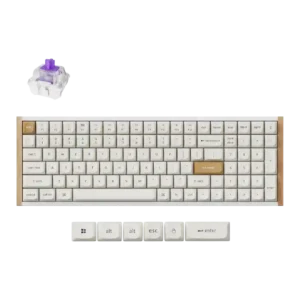
Typing feel is mostly praised for sound and smoothness, but one reviewer found it sloppy for typing out of the box.
Pros: durability, customization options
Cons: per-key lighting control, backlight brightness
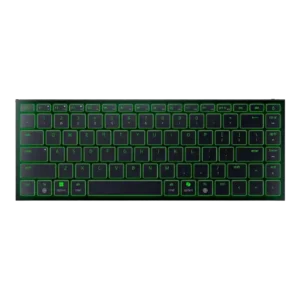
Typing feel is one of the more successful parts of the Joro, with several reviews comparing it favorably to premium laptop keyboards or the Magic Keyboard.
Pros: compatibility, portability
Cons: per-key lighting control, sound dampening
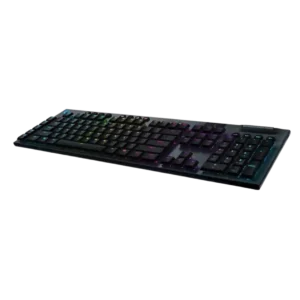
Typing feels smoother and more laptop-like than on a traditional tall mechanical board, which some reviewers ended up preferring.
Pros: RGB customization, build quality
Cons: passthrough features, wrist rest quality
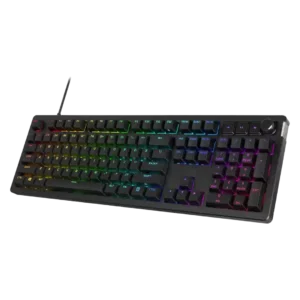
Typing feel was one of the product's strongest areas, with many reviewers calling it smooth, premium, comfortable, or satisfying.
Pros: legend visibility, materials quality
Cons: wrist rest quality, ease of switch replacement
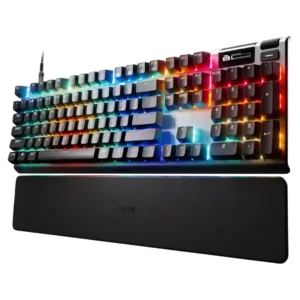
Typing feel is widely praised for writing and general use, with smooth travel and enjoyable feedback, although one mini-focused review found it less special.
Pros: legend visibility, frame rigidity
Cons: passthrough features, analog input support
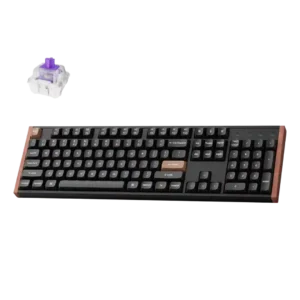
Typing is described as butter smooth and very smooth overall, but one review says the linear feel can come across as sterile for general typing.
Pros: key responsiveness, latency
Cons: switch options, desk space efficiency
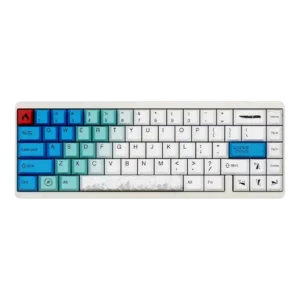
Typing impressions are positive, with reviews calling the typing experience good or nice.
Pros: latency, polling rate
Cons: compatibility, software quality
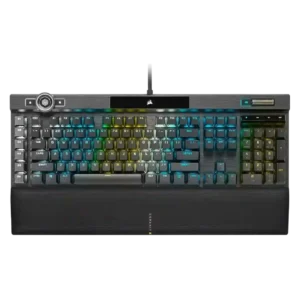
Typing feel is generally positive and quick, though some reviewers found the shallow actuation unforgiving at first.
Pros: key responsiveness, latency
Cons: hot-swappable switches, ease of switch replacement
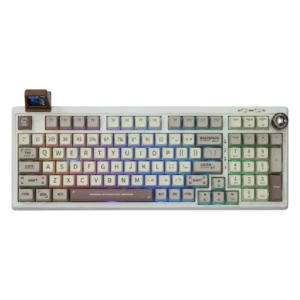
Typing feel is generally praised as soft, satisfying, and pleasant, though one review found it only solid rather than class-leading.
Pros: key responsiveness, latency
Cons: actuation consistency, rapid trigger support
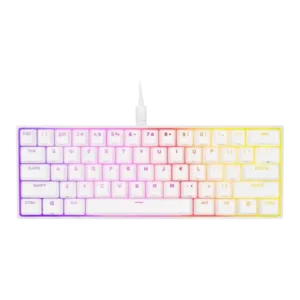
Several reviewers liked the key feel once acclimated, praising the switch-and-keycap combination even if the board is not universally ideal for typing.
Pros: desk space efficiency, portability
Cons: wrist rest quality, hot-swappable switches
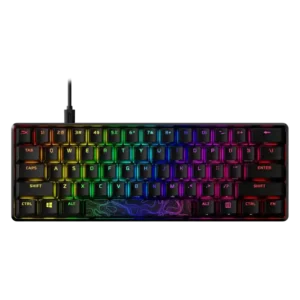
Typing feel was generally satisfying and smooth, but some reviewers found the light switches or compact layouts less ideal for everyday typing.
Pros: frame rigidity, materials quality
Cons: wireless performance, hot-swappable switches
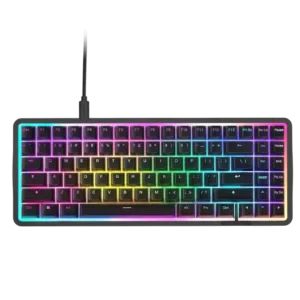
Typing feel is a major positive in most reviews, with smooth, soft, pleasant, or buttery descriptions, offset by one harshly negative review.
Pros: polling rate, sound dampening
Cons: passthrough features, wireless performance
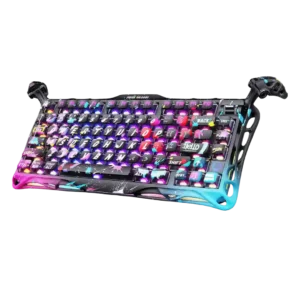
Typing feel is generally good or smooth, helped by light switches and sound tuning, but not every reviewer considered it great due to keycap texture or sensitivity.
Pros: rapid trigger support, ease of switch replacement
Cons: wireless performance, connectivity
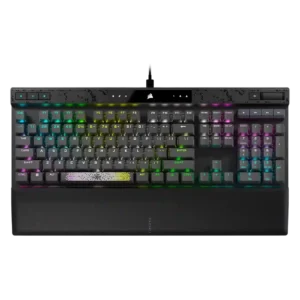
Typing feel is generally enjoyable and smooth, though not every reviewer found it class-leading.
Pros: per-key lighting control, polling rate
Cons: passthrough features, wireless performance
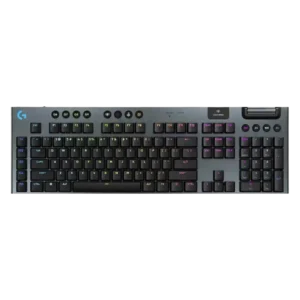
The typing experience lands well for several reviewers, though it is not universally praised.
Pros: customization options, latency
Cons: wrist rest quality, hot-swappable switches