Best for onboard memory
Keychron K2 HE
5.0 feature score
Highest scored product for this feature based on supporting review evidence.
Highest scored product for this feature based on supporting review evidence.
Balances feature score, supporting reviews, and overall product strength.
Has the broadest review evidence for this feature.
Strongest overall product among items with scored evidence for this feature.
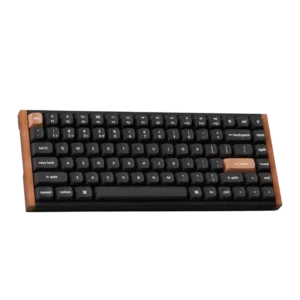
Onboard memory was praised because mappings or settings stayed on the keyboard and transferred across devices.
Pros: wrist rest quality, onboard memory
Cons: per-key lighting control, switch options
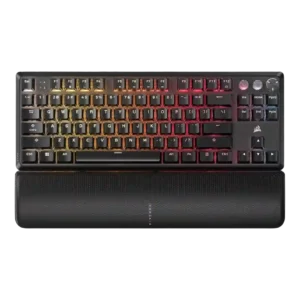
Onboard memory was repeatedly praised for storing profiles, lighting layers, macros, and settings directly on the keyboard.
Pros: per-key lighting control, key responsiveness
Cons: ease of switch replacement, battery life
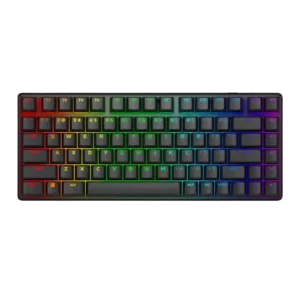
Onboard memory was useful for carrying lighting and profile settings, with reviewers valuing quick access to saved profiles.
Pros: key stability, backlight brightness
Cons: rapid trigger support, wrist rest quality
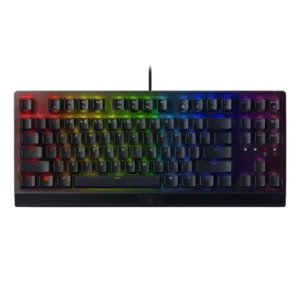
Onboard memory had limited but positive evidence, with up to five profiles described as convenient.
Pros: latency, durability
Cons: sound dampening, passthrough features
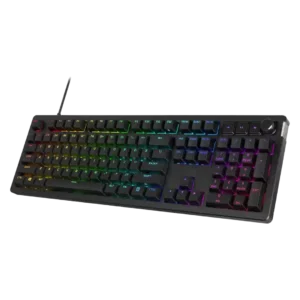
Onboard memory is praised where discussed because settings or configurations can be saved directly to the keyboard.
Pros: compatibility, legend visibility
Cons: wrist rest quality, cable quality
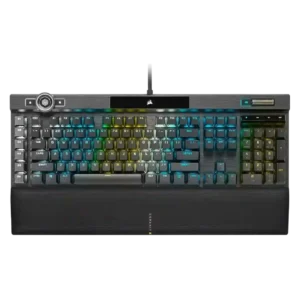
Onboard memory is praised as unusually large or impressive, especially the ability to store many profiles and lighting layers on the keyboard.
Pros: actuation consistency, key stability
Cons: hot-swappable switches, switch options
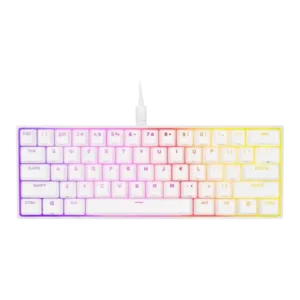
Onboard memory was a clear strength, letting reviewers store profiles, macros, lighting, and assignments for use across computers.
Pros: desk space efficiency, frame rigidity
Cons: sound dampening, ease of switch replacement
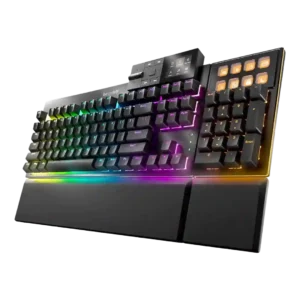
Onboard memory was praised where discussed, especially for saving settings or using board-level controls without constant software dependence.
Pros: key stability, per-key lighting control
Cons: analog input support, wireless performance
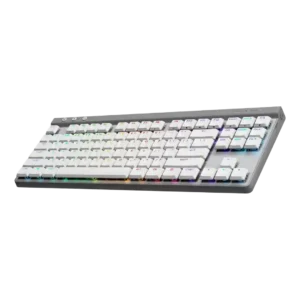
Onboard memory was positively received because it lets users carry profiles or settings without relying on G Hub on every PC.
Pros: latency, wireless performance
Cons: rapid trigger support, ease of switch replacement
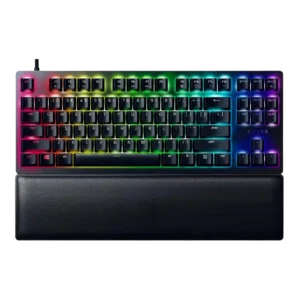
Onboard memory was positively mentioned for saving profiles to the board or hybrid storage.
Pros: key stability, per-key lighting control
Cons: stabilizer quality, media controls
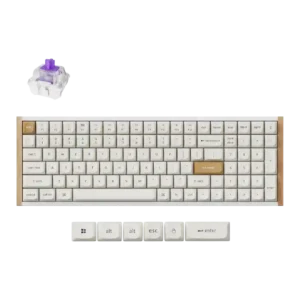
Onboard memory was praised because settings and profiles could be preserved when moving between computers.
Pros: durability, rapid trigger support
Cons: per-key lighting control, stabilizer quality
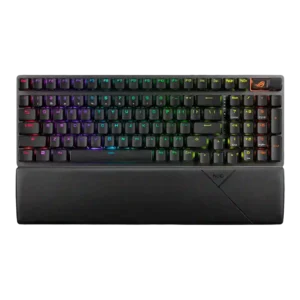
Onboard memory is praised for letting users store profiles on the keyboard and reduce dependence on the software.
Pros: per-key lighting control, wireless performance
Cons: rapid trigger support, analog input support
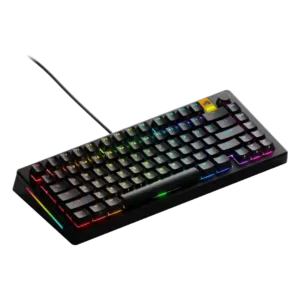
Onboard memory was positively tied to saving and switching up to three keyboard profiles from the board.
Pros: RGB lighting quality, layout options
Cons: frame rigidity, value for money
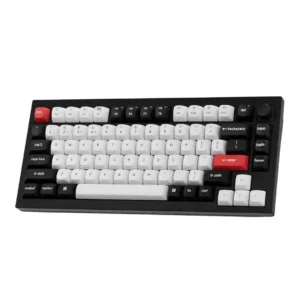
The only scored evidence is positive, with one reviewer valuing that configurations can be stored on the keyboard.
Pros: key stability, frame rigidity
Cons: profile management, reliability
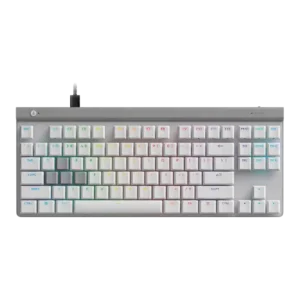
Onboard memory was praised in the one review that evaluated it, because saved setups can follow the keyboard to another PC.
Pros: key responsiveness, ergonomics
Cons: wireless performance, volume control
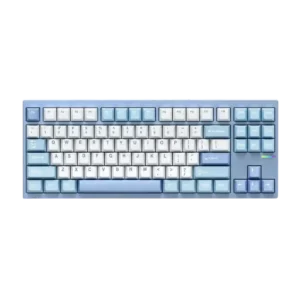
Onboard memory was positively supported by stored keyboard customizations that persist when moving between devices.
Pros: value for money, customization options
Cons: cable quality, portability
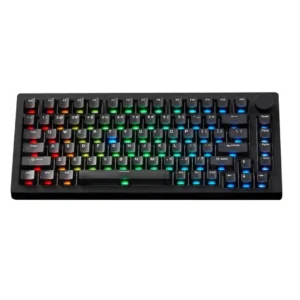
Onboard memory is praised for preserving settings across computers without making PC changes an issue.
Pros: switch options, hot-swappable switches
Cons: portability, cable quality
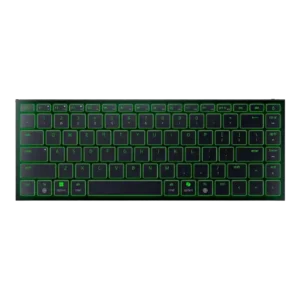
Macworld praised the ability to save function changes directly on the keyboard, supporting onboard memory usefulness.
Pros: frame rigidity, size and form factor
Cons: sound dampening, per-key lighting control
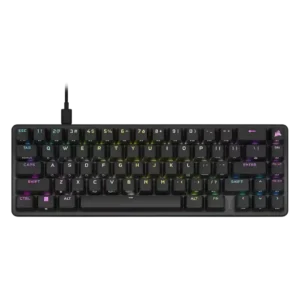
Onboard memory was valued because it lets users save settings locally and avoid keeping software running.
Pros: volume control, key responsiveness
Cons: wireless performance, wrist rest quality
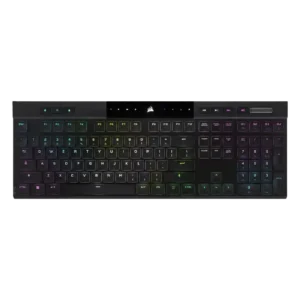
Onboard memory was praised for storing many profiles and allowing settings to travel without relying on iCUE.
Pros: backlight brightness, actuation consistency
Cons: sound dampening, stabilizer quality
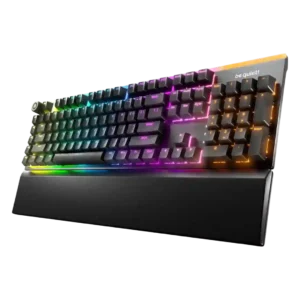
Onboard memory is useful for saved lighting/profile behavior and reducing reliance on always-running software.
Pros: ease of switch replacement, acoustics
Cons: rapid trigger support, analog input support
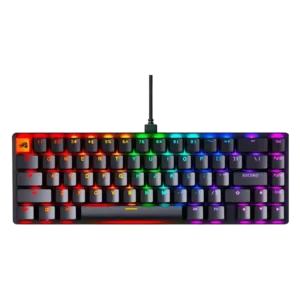
Onboard memory was positively mentioned for saving profiles and settings, but evidence was limited to a few reviews.
Pros: compatibility, key responsiveness
Cons: wrist rest quality, key spacing
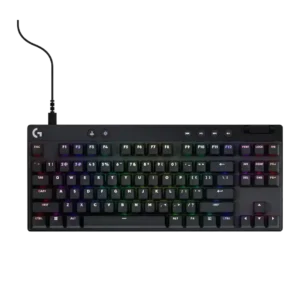
Onboard memory is useful when present, letting reviewers save settings or profiles and avoid keeping software open.
Pros: durability, per-key lighting control
Cons: noise level, sound dampening
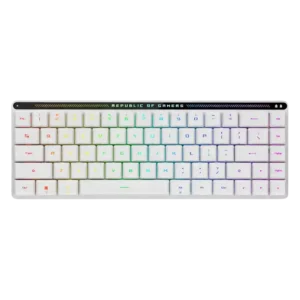
Onboard memory receives positive but limited evidence, with one review noting storage for five profiles.
Pros: reliability, typing comfort
Cons: cable quality, wrist rest quality
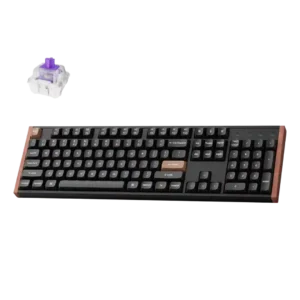
Onboard memory was praised because stored layouts made multi-platform use feel more intentional.
Pros: wireless performance, key responsiveness
Cons: switch options, desk space efficiency
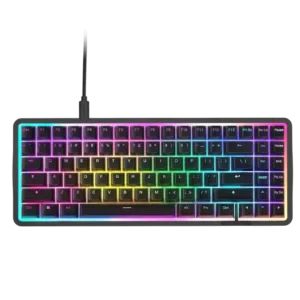
Onboard memory was useful for saving multiple profiles, with reviewers praising profile storage for switching games or setups.
Pros: latency, acoustics
Cons: passthrough features, wireless performance
Onboard memory is useful for profiles, but implementation can feel counterintuitive or limited in software.
Pros: latency, polling rate
Cons: passthrough features, cable quality
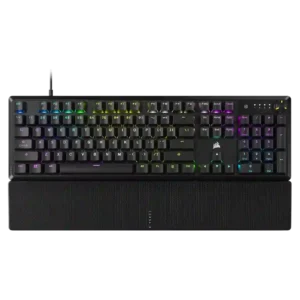
Onboard memory was mostly valued for portable profiles, though one review wanted stronger onboard behavior and another noted software-profile limitations.
Pros: per-key lighting control, compatibility
Cons: ease of switch replacement, hot-swappable switches
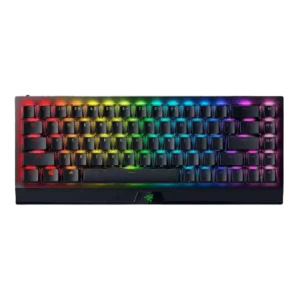
Onboard memory was useful for saved profiles and basic settings, but reviewers noted limitations such as RGB settings not carrying over.
Pros: per-key lighting control, backlight brightness
Cons: passthrough features, compatibility
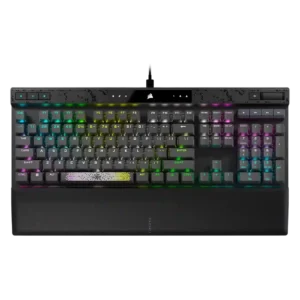
Onboard memory had limited positive evidence, with one reviewer finding the number of onboard profiles more than most users need.
Pros: reliability, key responsiveness
Cons: desk space efficiency, wireless performance
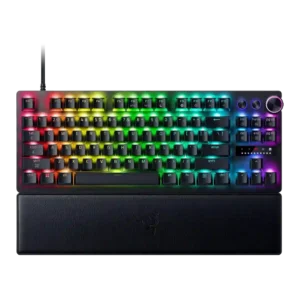
Onboard memory was positively noted because four editable onboard profiles were enough for the reviewer.
Pros: key responsiveness, actuation consistency
Cons: switch options, hot-swappable switches
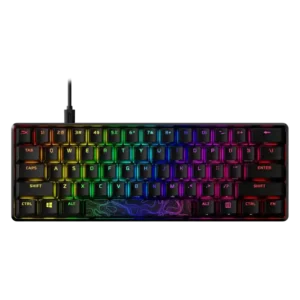
Onboard memory is helpful for saving profiles across systems, but several reviewers considered the three-profile limit modest.
Pros: latency, actuation consistency
Cons: ease of switch replacement, reliability
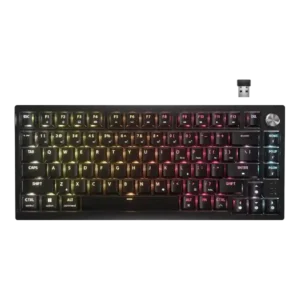
Onboard profile evidence was mixed: some reviewers liked saved profiles, while others criticized the lack of true hardware-profile behavior.
Pros: latency, durability
Cons: legend visibility, rapid trigger support
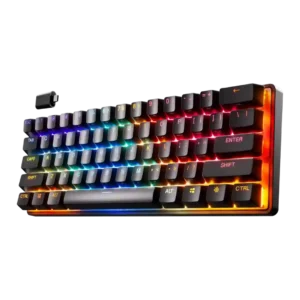
Onboard memory was mixed: one review praised up to five onboard profiles, while another criticized the inability to save lighting profiles to onboard memory.
Pros: latency, key responsiveness
Cons: hot-swappable switches, ease of switch replacement
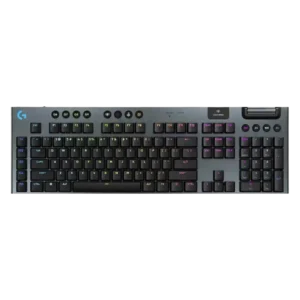
Onboard memory was mixed: one reviewer valued portable saved profiles, while another found onboard support too limited for complex macros.
Pros: stabilizer quality, latency
Cons: ease of switch replacement, hot-swappable switches
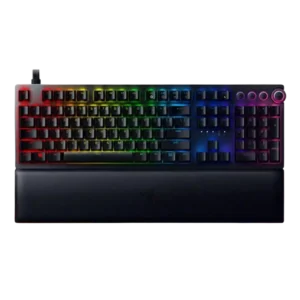
Onboard memory was appreciated in principle, but reviewers noted limitations such as lighting not being stored or profiles not assigning automatically.
Pros: per-key lighting control, wrist rest quality
Cons: polling rate, portability
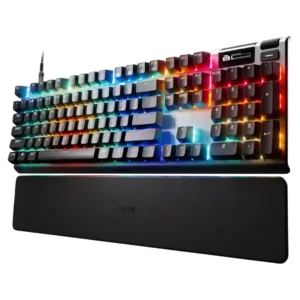
Onboard memory was useful for profiles and cross-PC settings, but lighting behavior and profile requirements limited the experience.
Pros: key responsiveness, durability
Cons: passthrough features, analog input support
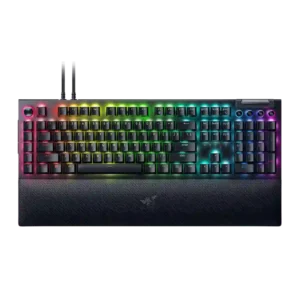
Onboard memory was useful for profiles but limited by Synapse dependency, especially where custom dial modes did not carry over.
Pros: key stability, ease of switch replacement
Cons: compatibility, battery life
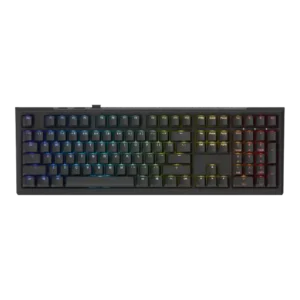
Onboard memory evidence was split: one reviewer praised saved macros/settings, while another criticized the absence of onboard profiles.
Pros: typing feel, key stability
Cons: profile management, wrist rest quality
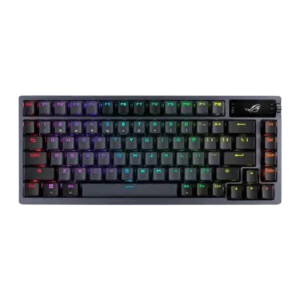
Onboard memory was criticized because some settings did not behave as expected across connection modes despite the keyboard supposedly having onboard storage.
Pros: durability, wireless performance
Cons: passthrough features, onboard memory
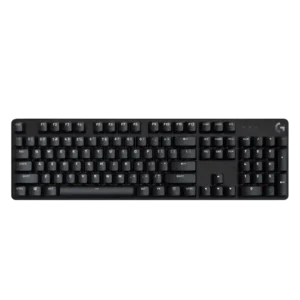
Onboard memory is criticized by one reviewer because lighting settings reset without built-in memory.
Pros: durability, desk space efficiency
Cons: switch options, onboard memory