Best for battery life
Suunto Vertical
5.0 feature score
Highest scored product for this feature based on supporting review evidence.
Highest scored product for this feature based on supporting review evidence.
Balances feature score, supporting reviews, and overall product strength.
Has the broadest review evidence for this feature.
Strongest overall product among items with scored evidence for this feature.
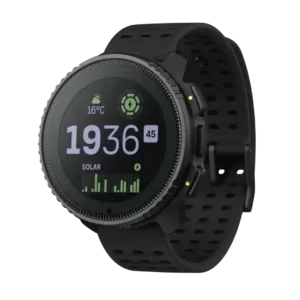
Battery life was the strongest consensus strength, praised across every review for long use, multi-day trips, and class-leading endurance.
Pros: battery life, durability
Cons: resume later function, ECG functionality
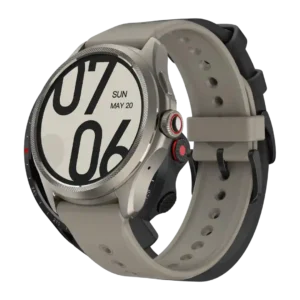
Battery life was the strongest consensus feature, with every reviewer praising multi-day endurance for a Wear OS watch.
Pros: contactless payments, battery life
Cons: voice assistant quality, LTE connectivity
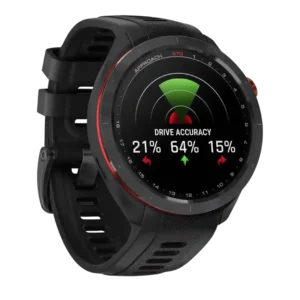
Battery life is one of the strongest consensus wins, with reviewers reporting multi-day or multi-round use and very little drain.
Pros: recovery insights, GPS accuracy
Cons: software smoothness, fitness tracking accuracy
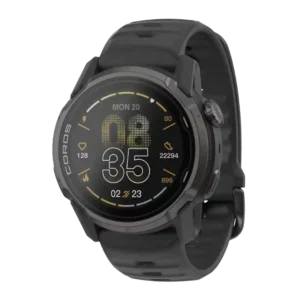
Battery life is the strongest point across reviews, with repeated praise for multi-day use, long GPS endurance, and low charging anxiety.
Pros: reliability, battery life
Cons: LTE connectivity, flashlight usefulness
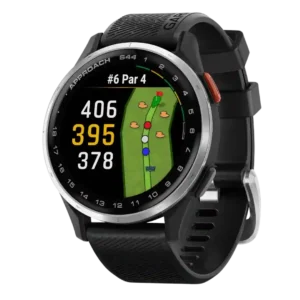
Battery life was strongly praised, with reviewers calling it fabulous or impressive and reporting multi-round use or 10-day everyday endurance.
Pros: user interface, brightness
Cons: wellness insights, charging convenience
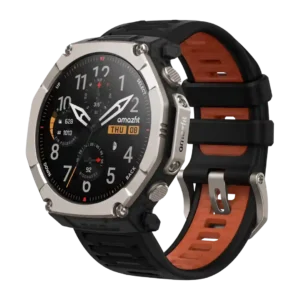
Battery life was the strongest consensus win, with reviewers praising slow drain, multi-week use, and unusually strong GPS endurance.
Pros: display quality, brightness
Cons: onboard music storage, size options
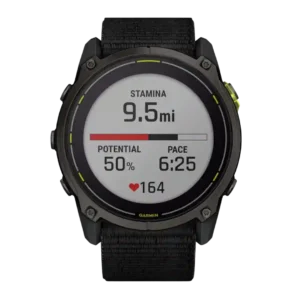
Battery life was the strongest consensus point, with reviewers repeatedly describing weeks of use and endurance-event confidence.
Pros: contactless payments, reliability
Cons: onboard music storage, watch face quality
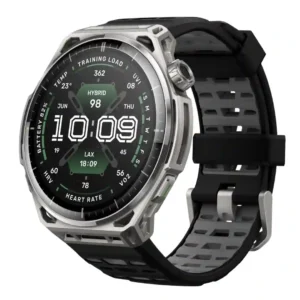
Battery life is a standout strength across the board. Reviewers routinely went well over a week with heavy use, while typical-use and GPS endurance sharply reduce charging anxiety.
Pros: battery life, watch face quality
Cons: activity auto-detection, LTE connectivity
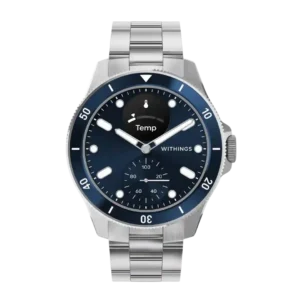
Battery life was one of the strongest points, with reviewers repeatedly reporting weeks of use and little battery anxiety.
Pros: battery life, heart rate accuracy
Cons: third-party app support, GPS accuracy
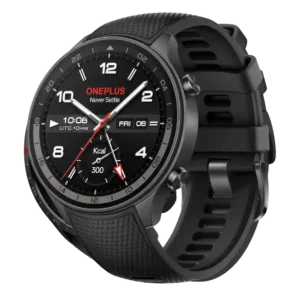
Battery life was the strongest consensus advantage, with nearly every reviewer praising multi-day use and class-leading endurance for Wear OS.
Pros: software smoothness, charging speed
Cons: ECG functionality, safety features
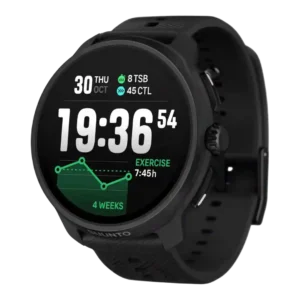
Battery life was one of the clearest strengths, with reviewers repeatedly praising endurance, long GPS runtime, and multi-day use.
Pros: operating system experience, brightness
Cons: safety features, health tracking accuracy
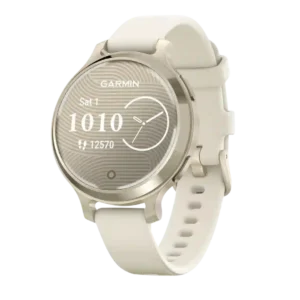
Battery life is strongly praised, often beating or matching expectations and lasting around a week or more in real use.
Pros: health tracking accuracy, blood oxygen tracking
Cons: ECG functionality, onboard music storage
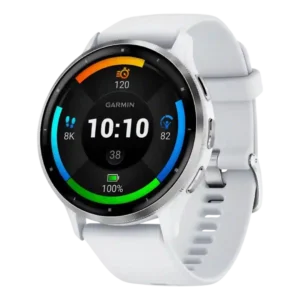
Battery life is the clearest consensus strength, with reviewers repeatedly reporting multi-day to week-plus endurance and far less charging anxiety than typical smartwatches.
Pros: health tracking accuracy, software smoothness
Cons: LTE connectivity, mapping and navigation
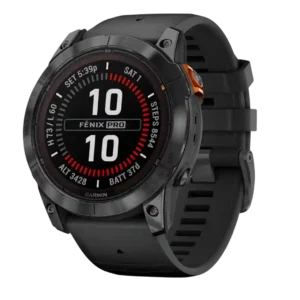
Battery life was one of the strongest themes, often called superb or expectation-beating, though one long-term backcountry reviewer found real-world life below the advertised claim.
Pros: GPS accuracy, app ecosystem
Cons: ECG functionality, calorie tracking usefulness
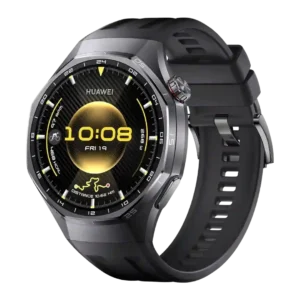
Battery life was the strongest consensus point, with every review praising multi-day or multi-week endurance.
Pros: fitness tracking accuracy, display quality
Cons: voice assistant quality, LTE connectivity
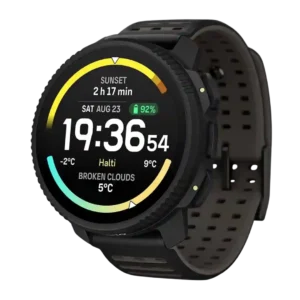
Battery life was the strongest point of agreement: reviewers repeatedly called it class-leading or excellent for AMOLED, with a few real-world caveats versus claims.
Pros: operating system experience, materials quality
Cons: contactless payments, onboard music storage
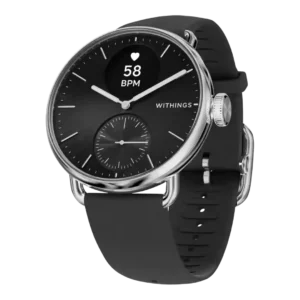
Battery life was the clearest strength, with reviewers repeatedly reporting weeks of use and often calling the 30-day claim realistic or conservative depending on settings.
Pros: Bluetooth connectivity, pairing reliability
Cons: third-party app support, contactless payments
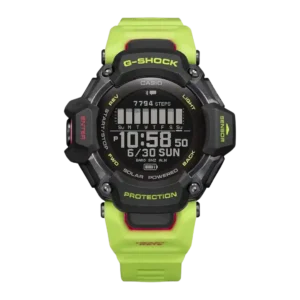
Battery life is one of the strongest areas, with reviewers praising solar assistance, week-plus use, and sometimes near charge-free ownership.
Pros: brightness, charging convenience
Cons: ECG functionality, stress tracking
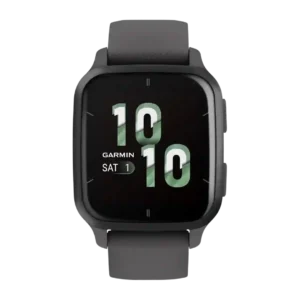
Battery life was the strongest consensus attribute, with reviewers repeatedly reporting multi-day to roughly week-plus use and strong performance versus rivals.
Pros: charging speed, coaching features
Cons: ECG functionality, call handling
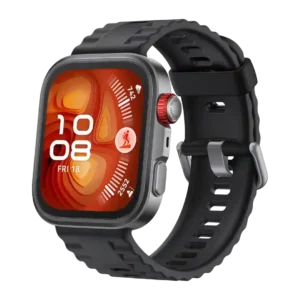
Battery life was the clearest strength, with reviewers repeatedly confirming week-plus to multi-week endurance and calling it a major advantage over many smartwatch rivals.
Pros: Bluetooth connectivity, calorie tracking usefulness
Cons: ECG functionality, flashlight usefulness
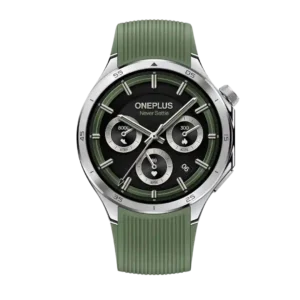
Battery life was the strongest consensus attribute, praised in every review as class-leading or unusually long for Wear OS.
Pros: blood oxygen tracking, step counting accuracy
Cons: LTE connectivity, calorie tracking usefulness
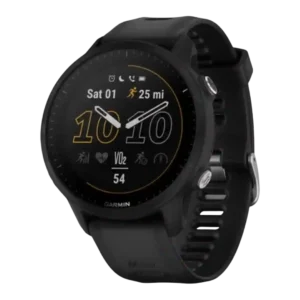
Battery life was one of the strongest attributes, with reviewers reporting long smartwatch runtimes, solid GPS endurance, and week-plus real-world use.
Pros: outdoor visibility, charging speed
Cons: LTE connectivity, call handling
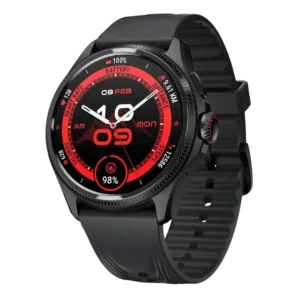
Battery life was the strongest consensus point, typically landing around three to six days and repeatedly beating most Wear OS rivals.
Pros: menu navigation, battery life
Cons: ECG functionality, voice assistant quality
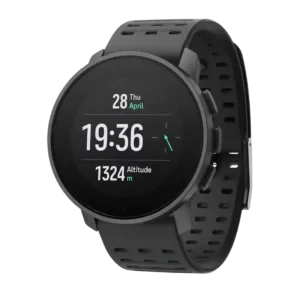
Battery life was a major strength overall, with many reviewers seeing multi-day or multi-week endurance, though one review found it shorter than advertised and cold-sensitive.
Pros: step counting accuracy, durability
Cons: voice assistant quality, contactless payments
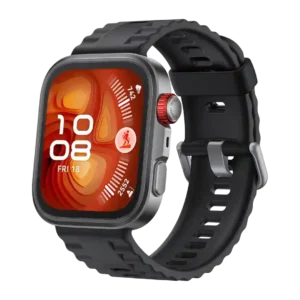
Battery life was the strongest consensus positive, with reviewers repeatedly reporting roughly a week or more and far less charging than mainstream rivals.
Pros: software smoothness, durability
Cons: voice assistant quality, LTE connectivity
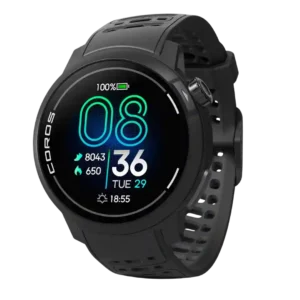
Battery life was one of the clearest strengths, with reviewers repeatedly reporting multi-day AMOLED use and strong GPS endurance, though one review saw shorter always-on life under heavy GPS use.
Pros: outdoor visibility, display quality
Cons: contactless payments, flashlight usefulness
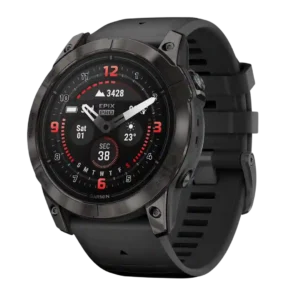
Battery life is a major consensus strength, with reviewers repeatedly reporting multi-day to multi-week use and calling it impressive.
Pros: GPS accuracy, charging speed
Cons: ECG functionality, voice assistant quality
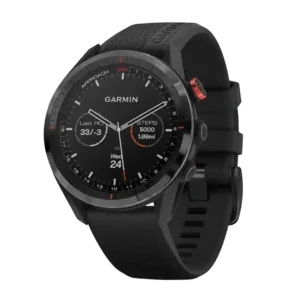
Battery life was one of the clearest strengths, with repeated praise for multiple rounds, long GPS use, and minimal charging needs.
Pros: software smoothness, style and design
Cons: voice assistant quality, onboard music storage
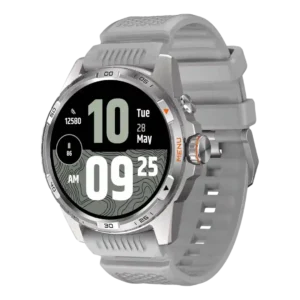
Battery life is the strongest consensus point, usually delivering multi-day endurance and repeatedly beating typical Wear OS expectations.
Pros: touchscreen responsiveness, software smoothness
Cons: ECG functionality, LTE connectivity
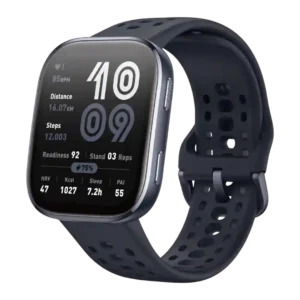
Battery life was the strongest consensus point, with reviewers commonly getting roughly a week or more and several calling the result impressive for an AMOLED smartwatch.
Pros: value for money, battery life
Cons: contactless payments, stress tracking
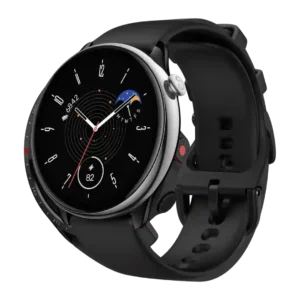
Battery life received the strongest agreement, with reviewers reporting about a week to two weeks or more depending on settings and usage.
Pros: pairing reliability, workout tracking variety
Cons: contactless payments, onboard music storage
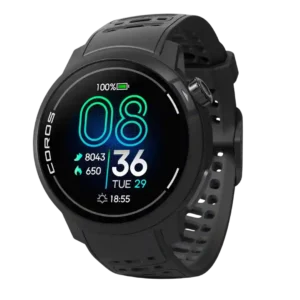
Battery life was a standout across nearly every review, especially given the small case and AMOLED screen.
Pros: comfort, value for money
Cons: third-party app support, contactless payments
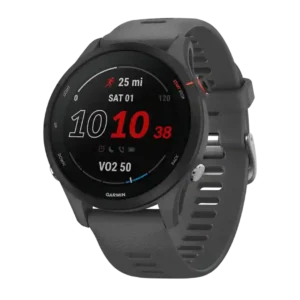
Battery life was a strong consensus positive, often lasting a week or more and improving greatly over older models.
Pros: durability, cross-platform compatibility
Cons: stress tracking, app ecosystem
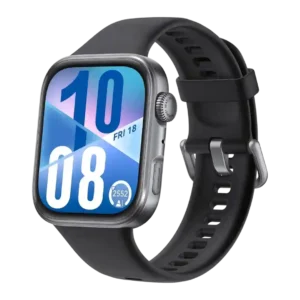
Battery life was one of the strongest points across reviews, ranging from a comfortable week to around 10 days depending on usage.
Pros: step counting accuracy, menu navigation
Cons: voice assistant quality, contactless payments
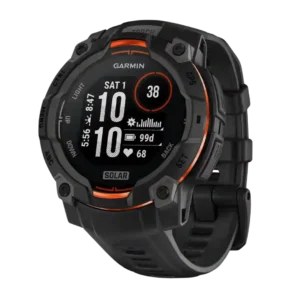
Battery life is one of the strongest consensus positives: AMOLED models last for weeks, and Solar testing produced exceptionally long outdoor runtimes.
Pros: customization options, charging speed
Cons: onboard music storage, voice assistant quality
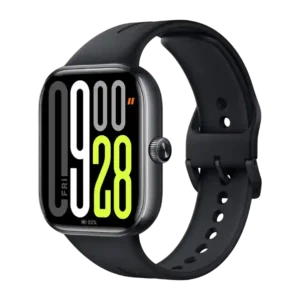
Battery life is the strongest consensus point, with most reviewers reporting unusually long endurance for a budget smartwatch despite one heavier-use outlier.
Pros: step counting accuracy, display quality
Cons: voice assistant quality, contactless payments
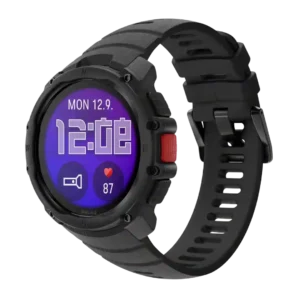
Battery life was one of the strongest attributes, with multiple reviewers praising endurance, predictability, and real-world performance.
Pros: workout tracking variety, flashlight usefulness
Cons: blood oxygen tracking, ECG functionality
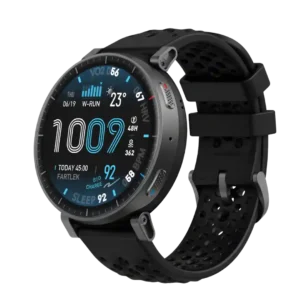
Battery life was the strongest consensus win, with reviewers repeatedly reporting or expecting multi-day to multi-week endurance.
Pros: workout tracking variety, outdoor visibility
Cons: calorie tracking usefulness, safety features
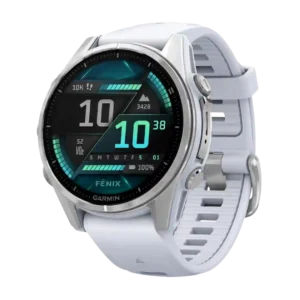
Battery life was one of the clearest strengths, repeatedly meeting specs or lasting many days to weeks depending on model and settings.
Pros: workout tracking variety, onboard music storage
Cons: LTE connectivity, value for money
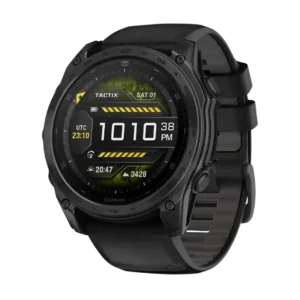
Battery life was one of the clearest strengths, with reviewers often reporting multi-week use, though AMOLED always-on settings reduce endurance.
Pros: wellness insights, build quality
Cons: LTE connectivity, band quality
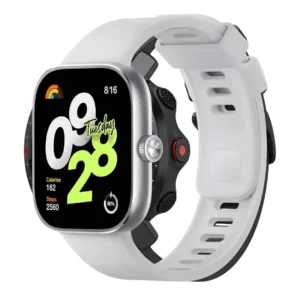
Battery life is the strongest consensus strength, with reviewers repeatedly reporting week-plus, two-week, or excellent endurance.
Pros: battery life, software smoothness
Cons: contactless payments, recovery insights
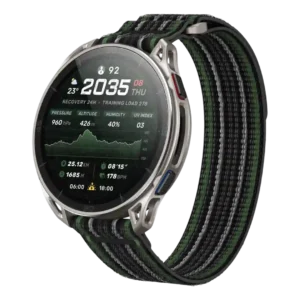
Battery life is one of the strongest areas, with multiple reviewers praising long GPS and everyday endurance despite one short-of-claim test.
Pros: software smoothness, flashlight usefulness
Cons: sleep tracking accuracy, ECG functionality
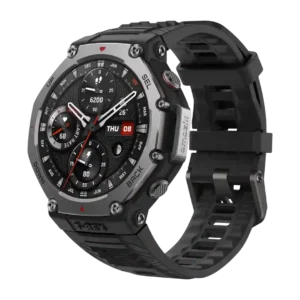
Battery life was one of the strongest points across reviews, usually lasting many days even with GPS and AMOLED use.
Pros: resume later function, brightness
Cons: safety features, activity auto-detection
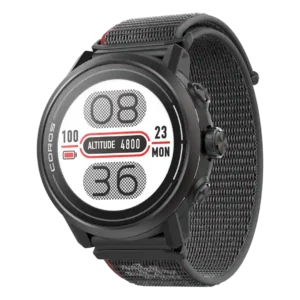
Battery life was one of the strongest consensus positives, repeatedly described as impressive, excellent, commendable, and better than some comparable watches.
Pros: resume later function, durability
Cons: watch face quality, call handling
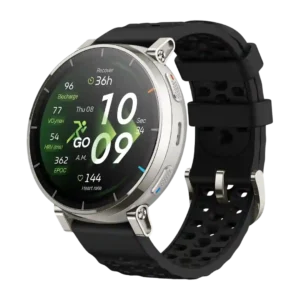
Battery life is one of the strongest attributes, repeatedly praised for multi-day endurance, even when heavy use falls short of the full 12-day claim.
Pros: pairing reliability, brightness
Cons: Wi-Fi connectivity, Bluetooth connectivity
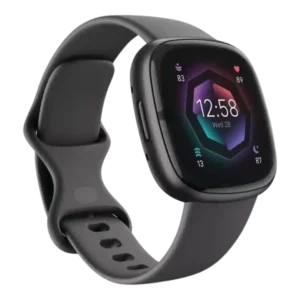
Battery life is one of the strongest points, with reviewers repeatedly reporting multi-day use and often five to seven days depending on always-on display, GPS, and sensor settings.
Pros: pairing reliability, durability
Cons: music controls, Wi-Fi connectivity
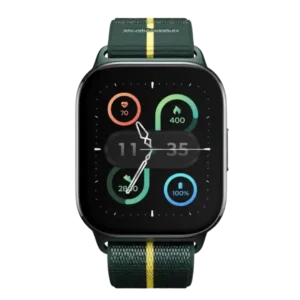
Battery life was the clearest consensus strength, with every review that addressed it describing long endurance or a strong battery claim.
Pros: software smoothness, menu navigation
Cons: contactless payments, stress tracking
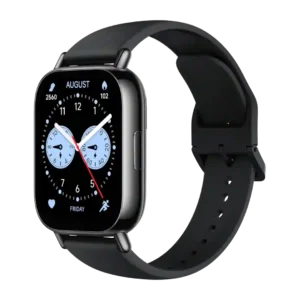
Battery life was one of the strongest consensus positives, with reviewers reporting about a week to two weeks depending on settings.
Pros: cross-platform compatibility, pairing reliability
Cons: third-party app support, contactless payments
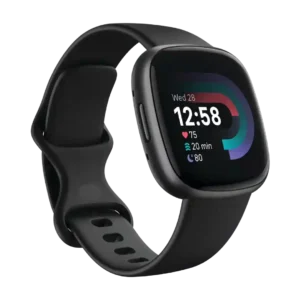
Battery life was a major strength, repeatedly lasting several days to about a week, although always-on display and GPS reduced it.
Pros: pairing reliability, user interface
Cons: third-party app support, music controls
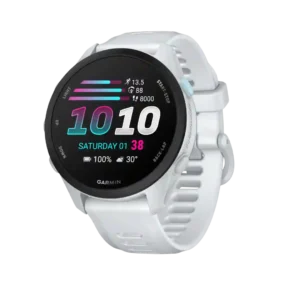
Typical use ranges from about five days with an always-on display to roughly a week or more with lighter settings. Endurance is good for a small AMOLED watch, though some...
Pros: step counting accuracy, app ecosystem
Cons: Bluetooth connectivity, pairing reliability