Best for connectivity
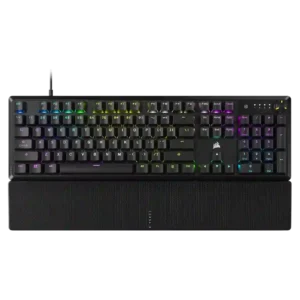
Corsair K65 Plus
4.9 feature score
Highest scored product for this feature based on supporting review evidence.
Highest scored product for this feature based on supporting review evidence.
Balances feature score, supporting reviews, and overall product strength.
Has the broadest review evidence for this feature.
Strongest overall product among items with scored evidence for this feature.
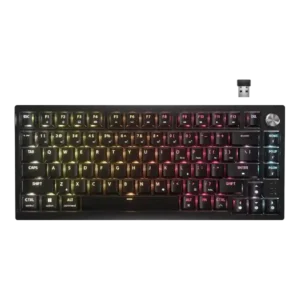
Connectivity was one of the strongest areas, with wired, 2.4GHz, and Bluetooth options repeatedly confirmed.
Pros: hot-swappable switches, connectivity
Cons: rapid trigger support, legend visibility
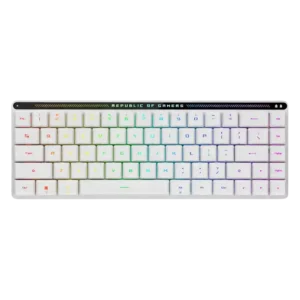
Connectivity was excellent, with USB, 2.4GHz wireless, Bluetooth, Omni receiver support, and easy switching repeatedly mentioned.
Pros: latency, reliability
Cons: rapid trigger support, wrist rest quality
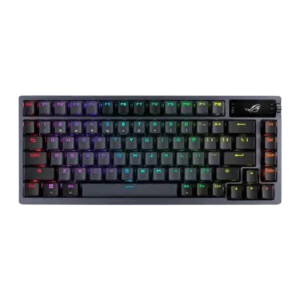
Connectivity is repeatedly praised for offering wired, Bluetooth, and 2.4GHz modes with easy switching and dependable operation.
Pros: hot-swappable switches, connectivity
Cons: passthrough features, wrist rest quality
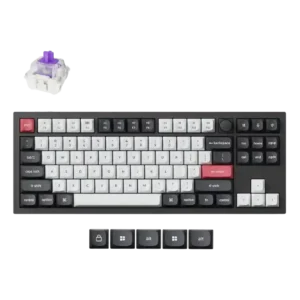
Connectivity was widely praised because the board supports wired, Bluetooth, and 2.4GHz wireless modes, often across multiple devices.
Pros: rapid trigger support, typing feel
Cons: switch options, portability
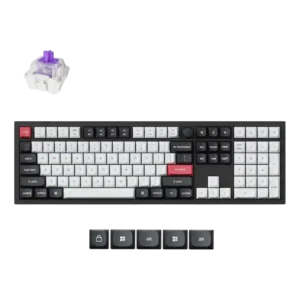
Connectivity was a clear strength thanks to Bluetooth, 2.4 GHz wireless, and wired USB-C options.
Pros: key stability, frame rigidity
Cons: portability, switch options
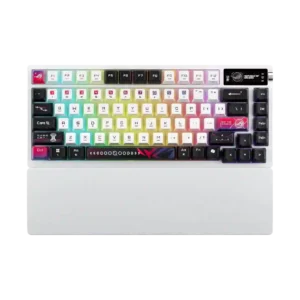
Connectivity was a clear strength, with repeated support for wired USB-C, Bluetooth, 2.4GHz wireless, and dongle or Omni receiver use.
Pros: battery life, hot-swappable switches
Cons: rapid trigger support, analog input support
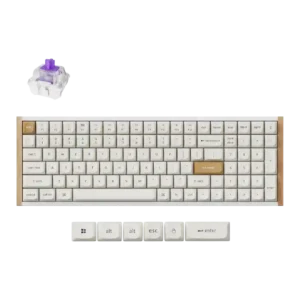
Connectivity is a strength, with wired, 2.4GHz, and Bluetooth modes plus multi-device Bluetooth support.
Pros: rapid trigger support, customization options
Cons: per-key lighting control, media controls
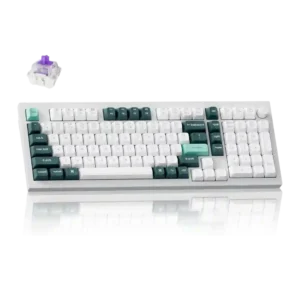
Connectivity is a strength, with wired USB-C, Bluetooth, 2.4GHz wireless, dongles, and multi-device options cited across reviews.
Pros: build quality, frame rigidity
Cons: portability, switch options
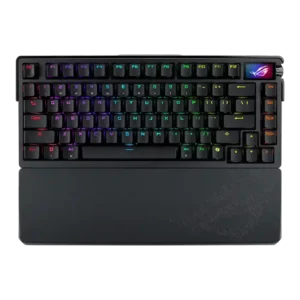
Connectivity is very strong, with wired, 2.4GHz, Bluetooth, and multi-device Bluetooth evidence across reviews.
Pros: typing comfort, wireless performance
Cons: rapid trigger support, analog input support
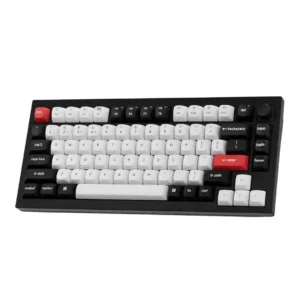
Connectivity is a major strength, with wired, Bluetooth, and 2.4GHz wireless options repeatedly highlighted.
Pros: frame rigidity, build quality
Cons: portability, per-key lighting control
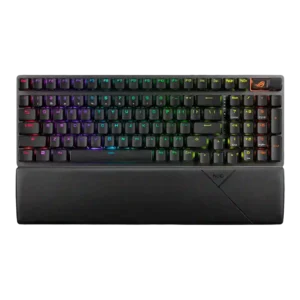
Connectivity was a major strength, with wired, Bluetooth, 2.4GHz, RF dongle, and multi-device workflows repeatedly supported.
Pros: latency, battery life
Cons: rapid trigger support, software quality
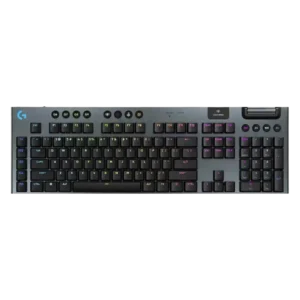
Connectivity is a consistent strength, with repeated support for Lightspeed, Bluetooth, wired USB, and easy switching between modes.
Pros: stabilizer quality, frame rigidity
Cons: hot-swappable switches, ease of switch replacement
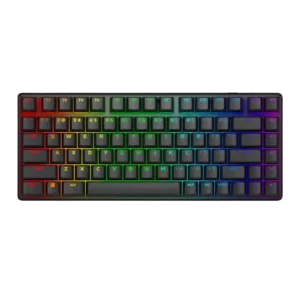
Connectivity was broadly praised because the keyboard supports wired, 2.4GHz wireless, and Bluetooth modes with quick multi-device switching.
Pros: backlight brightness, latency
Cons: rapid trigger support, wrist rest quality
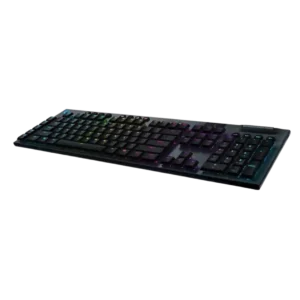
Connectivity is a major strength, with Lightspeed, Bluetooth and in some cases wired use or fast device switching.
Pros: polling rate, key responsiveness
Cons: passthrough features, wrist rest quality
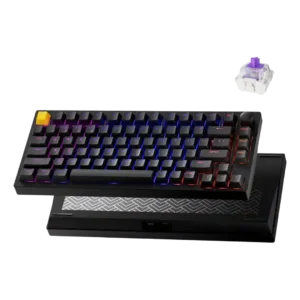
Connectivity was a major strength, with wired, 2.4 GHz, Bluetooth, and multi-device support repeatedly described as complete and versatile.
Pros: desk space efficiency, connectivity
Cons: per-key lighting control, layout options
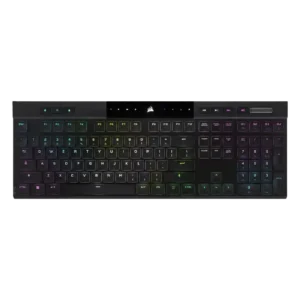
Connectivity is a major strength, with repeated praise for Slipstream wireless, Bluetooth multi-device pairing, wired operation, and quick device switching.
Pros: extra gaming features, onboard memory
Cons: hot-swappable switches, ease of switch replacement
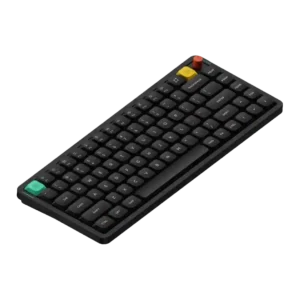
Tri-mode connectivity and physical toggles were widely praised for being easy and flexible.
Pros: typing feel, layout options
Cons: rapid trigger support, per-key lighting control
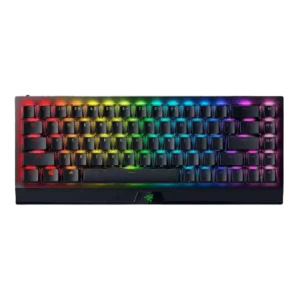
Connectivity was one of the clearest strengths, with reviewers consistently noting USB-C, Bluetooth, and 2.4 GHz HyperSpeed options.
Pros: per-key lighting control, gaming performance
Cons: passthrough features, stabilizer quality
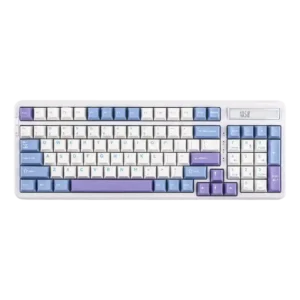
Connectivity is a major strength, with reviewers consistently pointing to wired, 2.4GHz, and Bluetooth modes, plus multi-device pairing.
Pros: polling rate, hot-swappable switches
Cons: key spacing, switch options
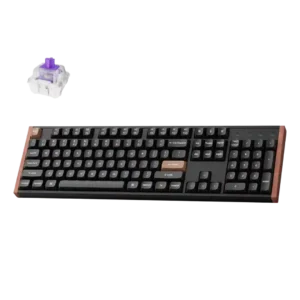
Connectivity was one of the strongest areas, with Bluetooth, 2.4 GHz, USB-C, triple-mode support, dongle use, and multi-device pairing all mentioned.
Pros: extra gaming features, sound dampening
Cons: desk space efficiency, portability
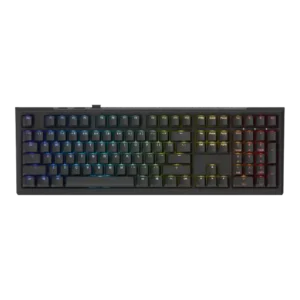
Connectivity is a consistent strength, with wired, Bluetooth, and 2.4GHz wireless modes cited across reviews.
Pros: key stability, typing feel
Cons: wrist rest quality, profile management
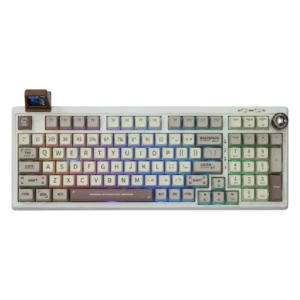
Connectivity is consistently strong, with USB-C, Bluetooth, and 2.4GHz wireless appearing across reviews as flexible and easy to use.
Pros: noise level, hot-swappable switches
Cons: rapid trigger support, legend visibility
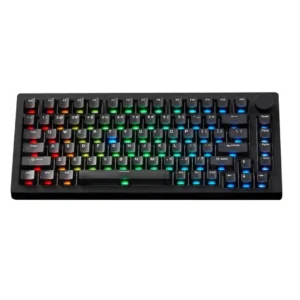
Connectivity is a major strength, with repeated support for USB-C, 2.4 GHz wireless, Bluetooth, and tri-mode operation.
Pros: switch options, extra gaming features
Cons: portability
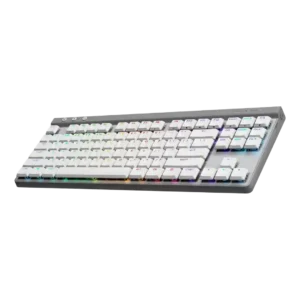
Connectivity was one of the most consistently praised areas, with reviewers highlighting Lightspeed, Bluetooth, wired USB-C, and dongle-sharing options.
Pros: macro customization, latency
Cons: hot-swappable switches, passthrough features
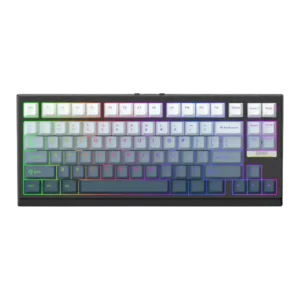
Connectivity is a major strength, repeatedly supported by wired USB-C, Bluetooth, 2.4GHz wireless, tri-mode use, and quick mode switching.
Pros: polling rate, ease of switch replacement
Cons: wrist rest quality, media controls
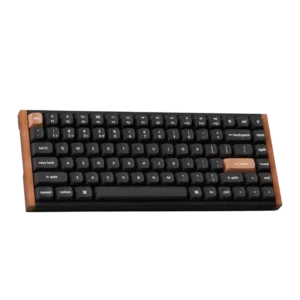
Connectivity is a major feature with wired, Bluetooth, and 2.4GHz modes, though some reviewers found wake behavior inconsistent.
Pros: rapid trigger support, switch feel
Cons: per-key lighting control, switch options
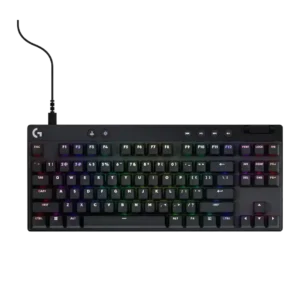
Connectivity is a major positive on wireless variants, with Bluetooth and Lightspeed options widely mentioned, though one reviewer had concerns about wireless-only operation.
Pros: analog input support, frame rigidity
Cons: wrist rest quality, stabilizer quality
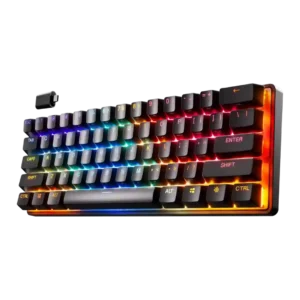
Connectivity is strong on the wireless model, with USB-C wired use, 2.4 GHz wireless, and Bluetooth support; the wired model naturally lacks wireless.
Pros: wireless performance, latency
Cons: wrist rest quality, hot-swappable switches
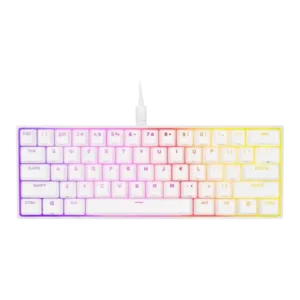
Connectivity centered on wired detachable USB-C, which reviewers generally liked for travel and customization; wireless was not part of the design.
Pros: desk space efficiency, polling rate
Cons: wrist rest quality, hot-swappable switches
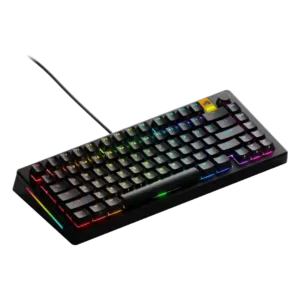
Connectivity evidence centered on USB-C, wired use, and included cabling, with one review also noting wireless or wired options in the broader context.
Pros: customization options, hot-swappable switches
Cons: value for money, desk space efficiency
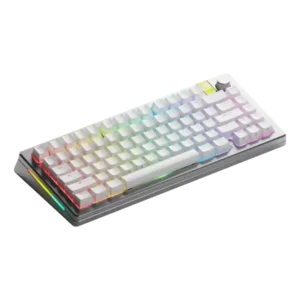
Connectivity is broad, with USB-C, Bluetooth, and 2.4GHz wireless repeatedly mentioned, though mode labeling and pairing guidance drew some criticism.
Pros: size and form factor, customization options
Cons: passthrough features, portability
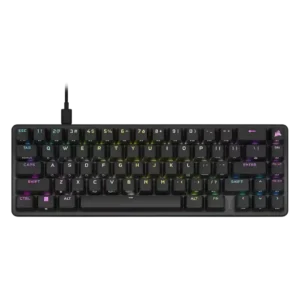
Connectivity is reliable but wired-only, centered on a detachable USB-C connection.
Pros: profile management, durability
Cons: wireless performance, analog input support
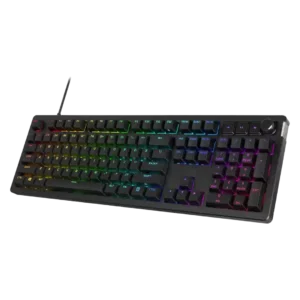
Connectivity depends on model: wireless versions earned praise for tri-mode options, while wired-only models were criticized for lacking wireless.
Pros: legend visibility, materials quality
Cons: wrist rest quality, ease of switch replacement

Connectivity is good overall through tri-mode support, but one review flags infrequent minor connectivity issues.
Pros: hot-swappable switches, frame rigidity
Cons: portability, cable quality
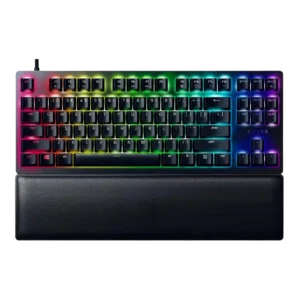
Connectivity centered on wired USB-C, with praise for detachable cabling but caveats around high-polling cable requirements and no wireless option.
Pros: key responsiveness, frame rigidity
Cons: analog input support, wireless performance
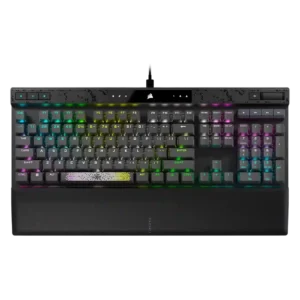
Connectivity is serviceable but limited: reviewers describe wired-only USB-C and a reliable wired connection, while noting no wireless option.
Pros: frame rigidity, actuation consistency
Cons: passthrough features, wireless performance
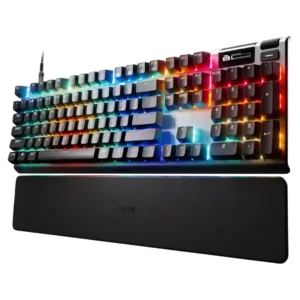
Connectivity was mixed: setup and Bluetooth switching could be smooth, but one review reported 2.4GHz dongle issues.
Pros: customization options, sound dampening
Cons: passthrough features, ease of switch replacement
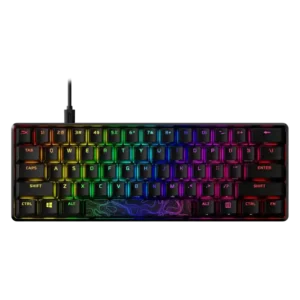
Connectivity is solid for wired USB-C use, helped by detachable cables, but there is no wireless connectivity.
Pros: frame rigidity, materials quality
Cons: wireless performance, hot-swappable switches
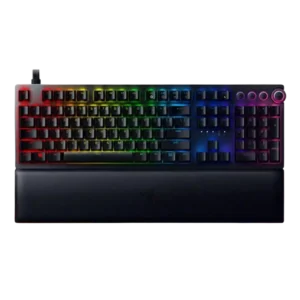
Connectivity is functional and modern with USB-C, USB-A adapters, and wired operation, though some reviewers disliked needing ports for full passthrough support.
Pros: per-key lighting control, build quality
Cons: sound dampening, portability
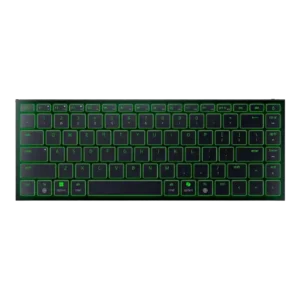
Bluetooth multi-device pairing and wired USB-C are useful, but the lack of an included 2.4GHz dongle limits gaming-focused connectivity.
Pros: portability, frame rigidity
Cons: hot-swappable switches, ease of switch replacement
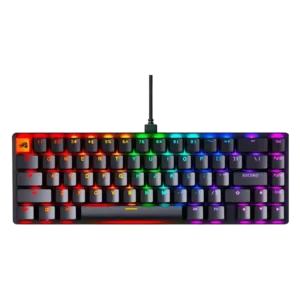
Connectivity is reliable over USB-C, but reviewers repeatedly frame it as wired-only with no wireless option.
Pros: hot-swappable switches, typing feel
Cons: wrist rest quality, actuation consistency
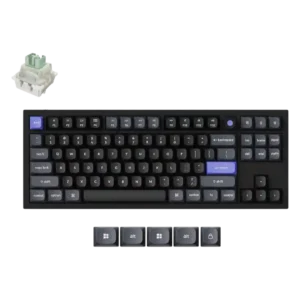
Connectivity depends on model context: Q3 HE evidence is wired USB-C, while Q3 Ultra evidence covers tri-mode wireless.
Pros: latency, polling rate
Cons: portability, switch options
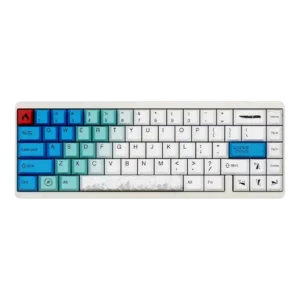
Connectivity evidence is limited to wired USB-C, with one review pointing to a USB-C port on the left side.
Pros: materials quality, polling rate
Cons: portability, software quality
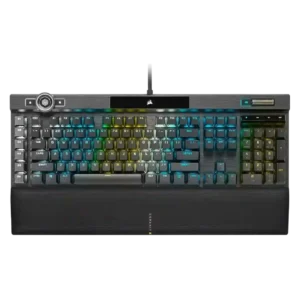
Connectivity is functional but wired-focused, supported by USB passthrough and the thick braided cable.
Pros: frame rigidity, key stability
Cons: analog input support, hot-swappable switches
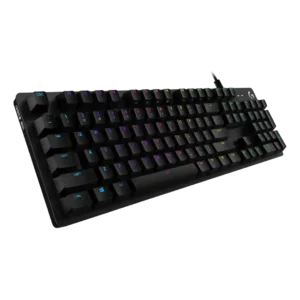
Connectivity was mixed because the USB passthrough is useful but often requires two USB connections and a thick cable.
Pros: key spacing, per-key lighting control
Cons: wrist rest quality, reliability
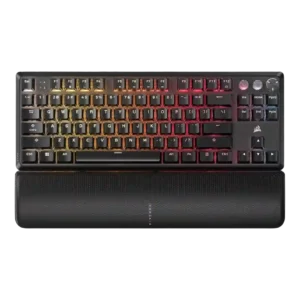
Connectivity centered on wired USB-C for performance, with reviewers praising detachable routing but also noting the lack of wireless on several models.
Pros: onboard memory, rapid trigger support
Cons: passthrough features, wireless performance
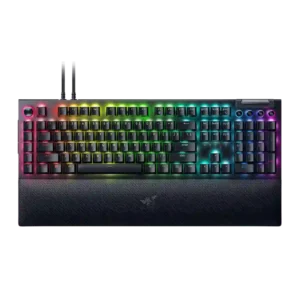
Connectivity is mixed: full-size reviews emphasize wired-only USB-C and lost wireless support, while 75% Pro coverage highlights Bluetooth, 2.4GHz and wired modes.
Pros: latency, RGB customization
Cons: battery life, size and form factor
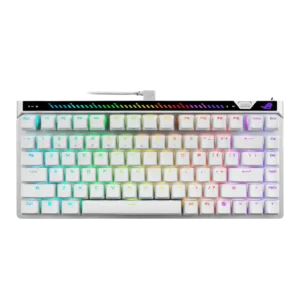
Connectivity is reliable and low-latency, but the wired-only design limits flexibility for users who want wireless.
Pros: gaming performance, latency
Cons: battery life, analog input support
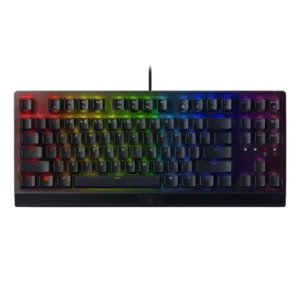
Connectivity is wired-focused, using USB-A or USB cabling; reviews do not treat this as a wireless-capable board.
Pros: latency, per-key lighting control
Cons: hot-swappable switches, wireless performance
Connectivity is primarily wired and stable, but the non-detachable cable and lack of wireless on the full-size model are common limitations.
Pros: per-key lighting control, RGB customization
Cons: analog input support, hot-swappable switches