Best for desk space efficiency
be quiet! Dark Mount
4.8 feature score
Highest scored product for this feature based on supporting review evidence.
Highest scored product for this feature based on supporting review evidence.
Balances feature score, supporting reviews, and overall product strength.
Has the broadest review evidence for this feature.
Strongest overall product among items with scored evidence for this feature.
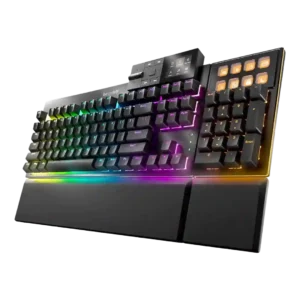
Desk space efficiency is a major benefit of the detachable numpad, which can be removed or moved left to free mouse space while preserving number-pad access.
Pros: acoustics, noise level
Cons: rapid trigger support, analog input support
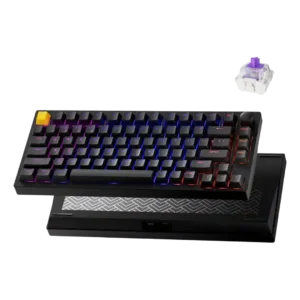
The 75% layout was praised for removing the number pad while preserving useful keys, giving more mouse room for gaming.
Pros: desk space efficiency, connectivity
Cons: per-key lighting control, layout options
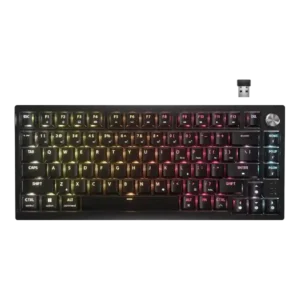
Desk space efficiency was strong, giving more mouse room and making cramped or tech-heavy setups easier to manage.
Pros: hot-swappable switches, connectivity
Cons: rapid trigger support, legend visibility
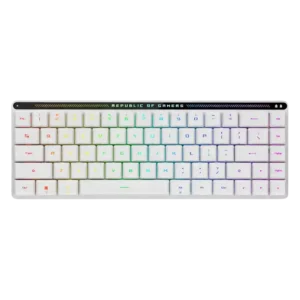
Desk space efficiency was a clear strength, with reviewers emphasizing the 65 percent layout packed into a 60 percent-style chassis.
Pros: latency, reliability
Cons: rapid trigger support, wrist rest quality
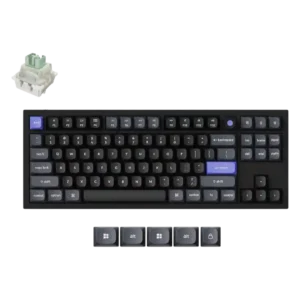
Desk-space efficiency is strong, especially in the TKL and 65% coverage where reviewers note more mouse room or a cleaner desk.
Pros: latency, polling rate
Cons: portability, switch options
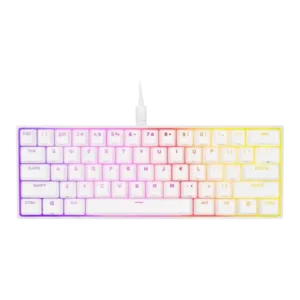
Desk space efficiency was one of the most consistent positives, with reviewers repeatedly saying the compact layout freed room for mouse movement and other desk items.
Pros: desk space efficiency, polling rate
Cons: wrist rest quality, hot-swappable switches
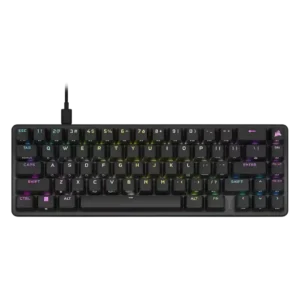
Desk-space efficiency is praised where reviewers discuss the compact design freeing mouse space or saving desk area.
Pros: profile management, durability
Cons: wireless performance, analog input support
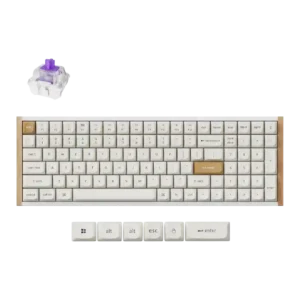
Desk space efficiency is strong because the 96% layout saves room while keeping the number pad and most full-size functions.
Pros: rapid trigger support, customization options
Cons: per-key lighting control, media controls
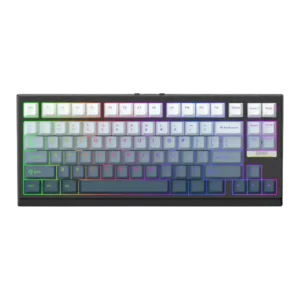
The compact layout saves desk space while keeping enough keys for normal work, especially for users who want more mouse room.
Pros: polling rate, ease of switch replacement
Cons: wrist rest quality, media controls
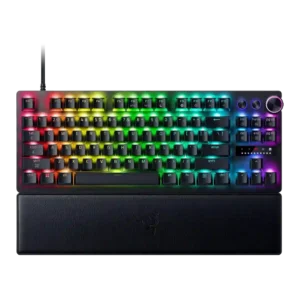
Desk space efficiency is strongest on the Mini and TKL variants, especially for players needing more mouse room or smaller desks.
Pros: layout options, key responsiveness
Cons: wireless performance, passthrough features
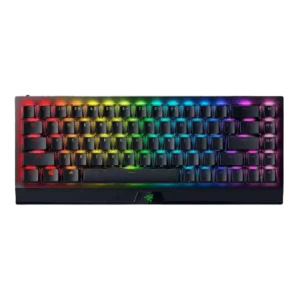
Desk space efficiency was a standout benefit, with reviewers repeatedly noting more mouse room, less clutter, and a smaller footprint.
Pros: per-key lighting control, gaming performance
Cons: passthrough features, stabilizer quality
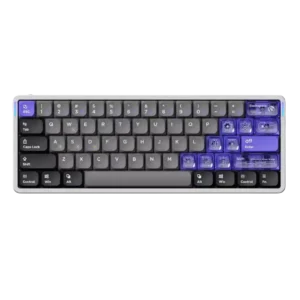
Desk space efficiency was strong because reviewers highlighted the tiny footprint and reclaimed mouse space of the 60% layout.
Pros: gaming performance, polling rate
Cons: wireless performance, battery life
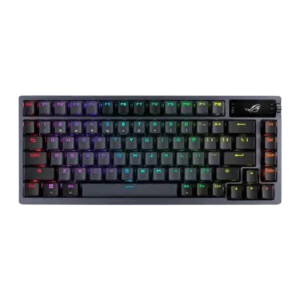
The 75% layout is repeatedly valued for saving desk space while preserving arrows, function keys, and practical navigation keys.
Pros: hot-swappable switches, connectivity
Cons: passthrough features, wrist rest quality
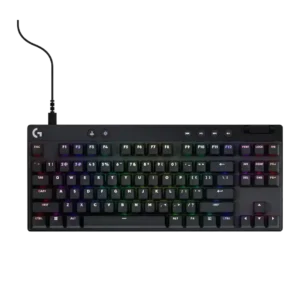
Desk space efficiency is a strong reason to consider the compact models, with reviewers repeatedly noting extra mouse space and narrower footprints.
Pros: analog input support, frame rigidity
Cons: wrist rest quality, stabilizer quality
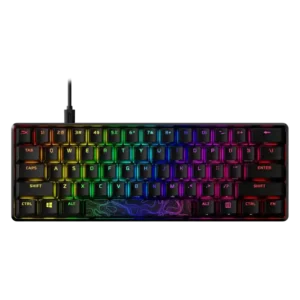
Desk space efficiency was repeatedly praised, especially on compact variants that leave more room for mouse movement.
Pros: frame rigidity, materials quality
Cons: wireless performance, hot-swappable switches
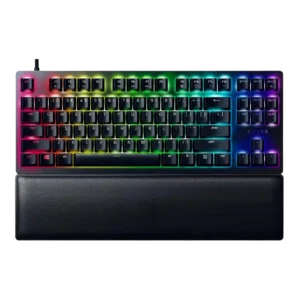
Desk space efficiency was a strength because the tenkeyless layout frees mouse room and removes the numpad.
Pros: key responsiveness, frame rigidity
Cons: analog input support, wireless performance
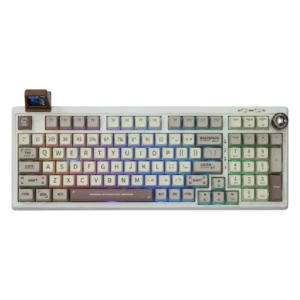
The 95/96% or 1800-style layout preserves a numpad while using less desk space than a full-size board.
Pros: noise level, hot-swappable switches
Cons: rapid trigger support, legend visibility
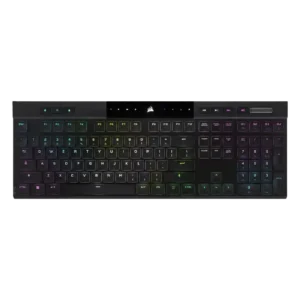
Desk space efficiency is better than many full-size keyboards because the board is very thin and wastes little space, though it remains a long 108-key design.
Pros: extra gaming features, onboard memory
Cons: hot-swappable switches, ease of switch replacement
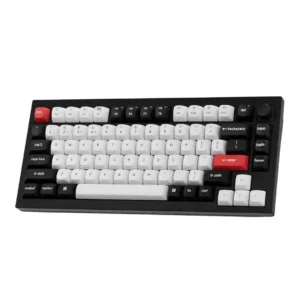
Desk space efficiency is positive because reviewers say the 75% layout saves space and still fits smaller desks.
Pros: frame rigidity, build quality
Cons: portability, per-key lighting control
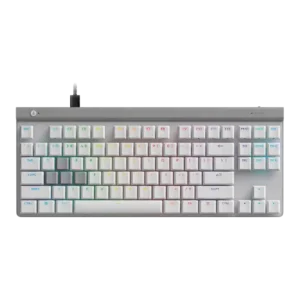
Desk space efficiency was strong thanks to the TKL layout and compact footprint, which reviewers tied to mouse room and clean setups.
Pros: sound dampening, key responsiveness
Cons: wireless performance, volume control
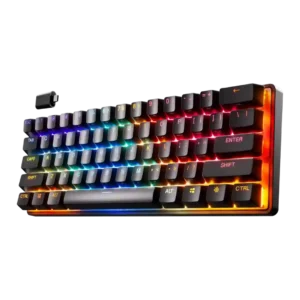
The compact layout consistently saves desk space and leaves more room for mouse movement, which reviewers especially liked for gaming.
Pros: wireless performance, latency
Cons: wrist rest quality, hot-swappable switches
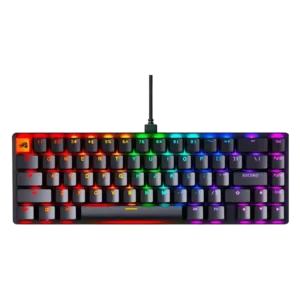
Desk space efficiency is strong, with compact layouts saving room for mouse movement without giving up too much functionality.
Pros: hot-swappable switches, typing feel
Cons: wrist rest quality, actuation consistency
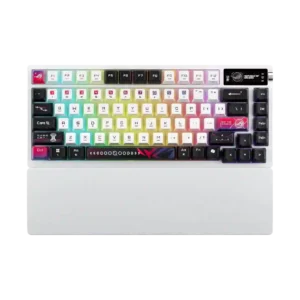
The compact case was credited with saving desk space and avoiding excessive footprint while still keeping useful keys.
Pros: battery life, hot-swappable switches
Cons: rapid trigger support, analog input support
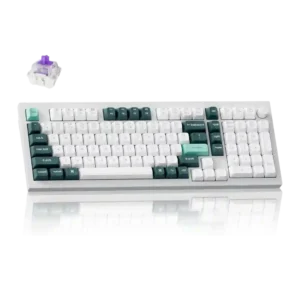
Desk space efficiency is better than a full-size board because the layout compresses the numpad and navigation cluster while preserving most functionality.
Pros: build quality, frame rigidity
Cons: portability, switch options
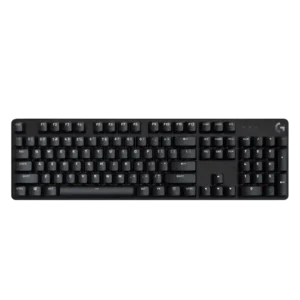
Desk space efficiency is a consistent positive, especially for the compact TKL version and the slim, low-bezel full-size layout.
Pros: layout options, keycap quality
Cons: wrist rest quality, profile management
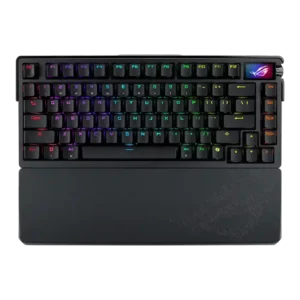
Desk space efficiency is supported by the 75% layout's balance of compactness and functionality.
Pros: typing comfort, wireless performance
Cons: rapid trigger support, analog input support
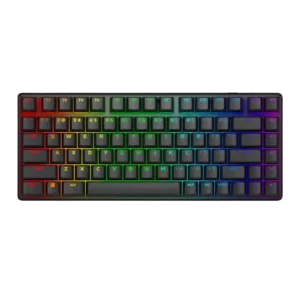
The 75% layout saves desk space and gives mouse users more room, which several reviewers specifically valued for gaming setups.
Pros: backlight brightness, latency
Cons: rapid trigger support, wrist rest quality
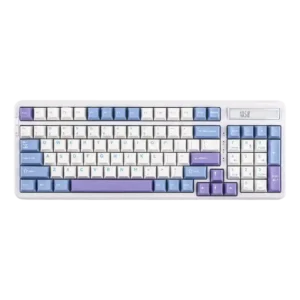
The 96-key layout keeps a numpad while saving desk space, making it more compact than a typical full-size keyboard.
Pros: polling rate, hot-swappable switches
Cons: key spacing, switch options
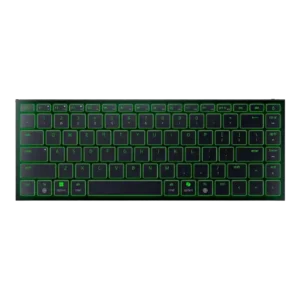
Its compact 75% low-profile body saves space while retaining useful keys, making it efficient for travel setups and tight desks.
Pros: portability, frame rigidity
Cons: hot-swappable switches, ease of switch replacement
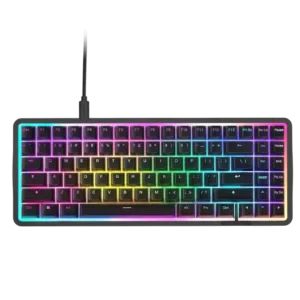
Desk space efficiency is a clear positive, especially for mouse movement and smaller setups.
Pros: polling rate, sound dampening
Cons: passthrough features, wireless performance
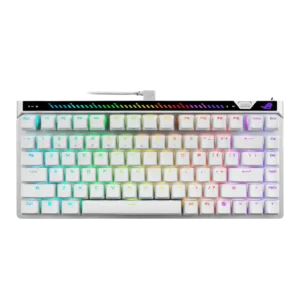
The 75 percent layout keeps important keys while saving desk space compared with larger boards.
Pros: gaming performance, latency
Cons: battery life, analog input support
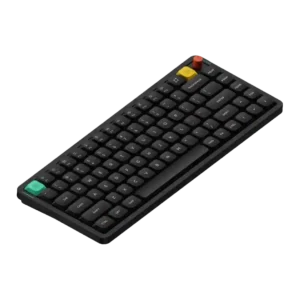
The 75% layout keeps the keyboard compact while retaining the function row.
Pros: typing feel, layout options
Cons: rapid trigger support, per-key lighting control
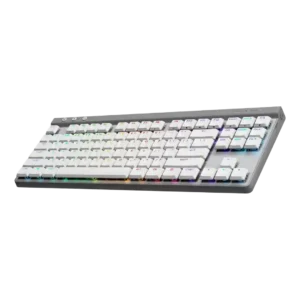
The tenkeyless layout was repeatedly praised for saving desk space while preserving a familiar key arrangement.
Pros: macro customization, latency
Cons: hot-swappable switches, passthrough features
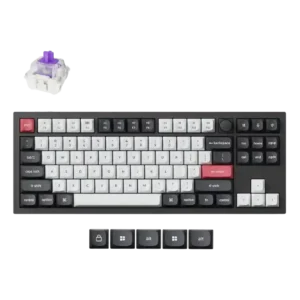
Desk efficiency was mixed: reviewers liked the compact TKL footprint, but one noted it still takes more mouse space than smaller layouts.
Pros: rapid trigger support, typing feel
Cons: switch options, portability
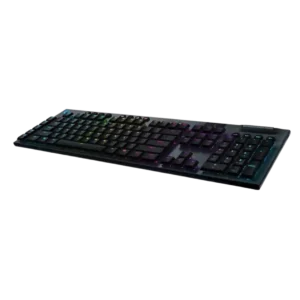
Desk space efficiency depends on layout: TKL versions free mouse room, while the full-size board can be limiting on smaller desks.
Pros: polling rate, key responsiveness
Cons: passthrough features, wrist rest quality
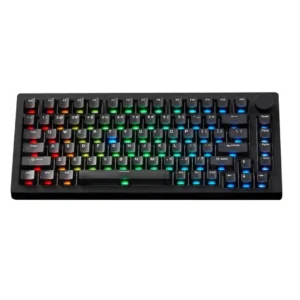
Desk-space efficiency is good for users who want a compact 75% board while retaining extra function and navigation controls.
Pros: switch options, extra gaming features
Cons: portability
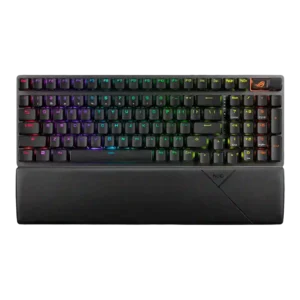
Desk space efficiency was mostly positive, especially for mouse room, though some reviewers felt the 96% layout did not save enough space.
Pros: latency, battery life
Cons: rapid trigger support, software quality
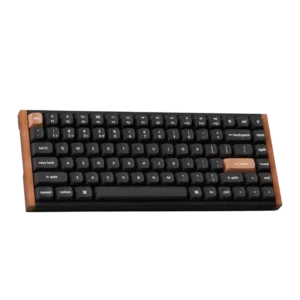
Desk-space efficiency is generally good for a 75% layout, though one reviewer still found it bulkier than an Apple Magic Keyboard.
Pros: rapid trigger support, switch feel
Cons: per-key lighting control, switch options
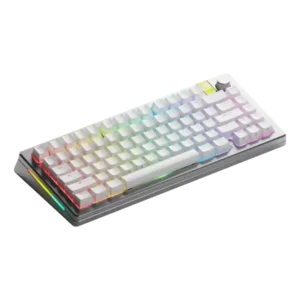
Desk-space efficiency depends on chosen layout; compact 65% and 75% versions help, while full-size versions serve users who need a numpad.
Pros: size and form factor, customization options
Cons: passthrough features, portability
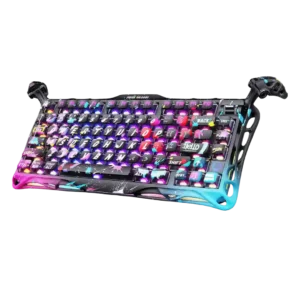
The 75% layout saves space by dropping the numpad and full navigation cluster while keeping useful keys.
Pros: switch feel, key responsiveness
Cons: wireless performance, connectivity
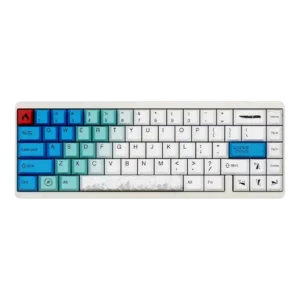
Desk space efficiency is supported by the lack of a function row and number pad, fitting the compact 65% layout.
Pros: materials quality, polling rate
Cons: portability, software quality
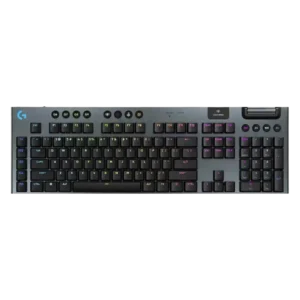
Desk space efficiency depends on model: TKL reviews praise compactness and mouse-space gains, while full-size reviews note a larger footprint.
Pros: stabilizer quality, frame rigidity
Cons: hot-swappable switches, ease of switch replacement
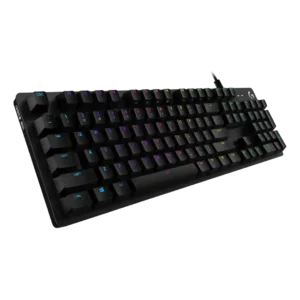
Desk-space feedback was mixed: the deck wastes little space, but the full-size layout can still feel tough on small desks.
Pros: key spacing, per-key lighting control
Cons: wrist rest quality, reliability
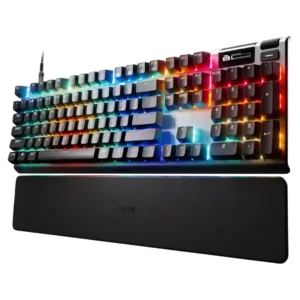
Desk space efficiency depended heavily on version: full-size models take up room, while TKL and 60% variants were praised for saving space.
Pros: customization options, sound dampening
Cons: passthrough features, ease of switch replacement
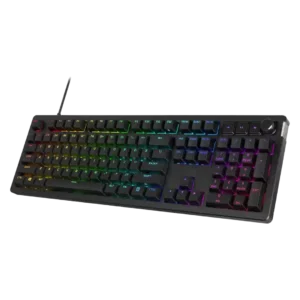
The 75% model was praised for saving desk space, while the full-size version was criticized for limiting mouse room.
Pros: legend visibility, materials quality
Cons: wrist rest quality, ease of switch replacement
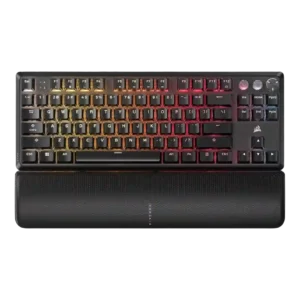
Desk space efficiency was mixed: full-size boards used more space, while removable wrist rests or smaller wireless layouts improved desk flexibility.
Pros: onboard memory, rapid trigger support
Cons: passthrough features, wireless performance
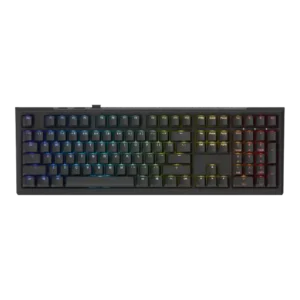
Desk space efficiency depends on size: the 60% model helps mouse room, while the full-size model limits wider sweeps.
Pros: key stability, typing feel
Cons: wrist rest quality, profile management
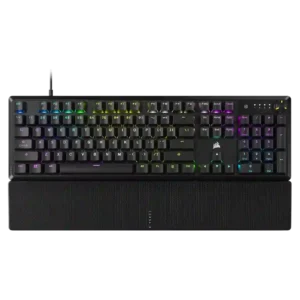
Desk-space efficiency depends on variant: the TKL Wireless is compact, while the full-size Core takes up a lot of room.
Pros: per-key lighting control, RGB customization
Cons: analog input support, hot-swappable switches

Desk-space efficiency is a drawback for users who move the board around because one review says the chunky TKL is tricky on the desk.
Pros: hot-swappable switches, frame rigidity
Cons: portability, cable quality
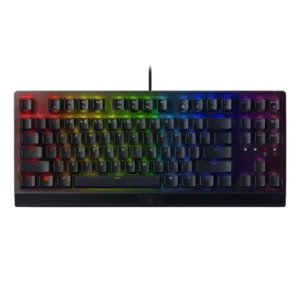
Desk-space efficiency is mixed, with the full-size board often called large or difficult to position, while TKL evidence shows more mouse room.
Pros: latency, per-key lighting control
Cons: hot-swappable switches, wireless performance