Best for extra gaming features
HyperX Alloy Origins
5.0 feature score
Highest scored product for this feature based on supporting review evidence.
Highest scored product for this feature based on supporting review evidence.
Balances feature score, supporting reviews, and overall product strength.
Has the broadest review evidence for this feature.
Strongest overall product among items with scored evidence for this feature.
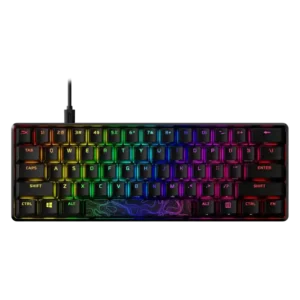
Extra gaming features are strong, with NKRO, anti-ghosting, and game mode earning positive evidence for avoiding missed or accidental inputs.
Pros: latency, actuation consistency
Cons: ease of switch replacement, reliability
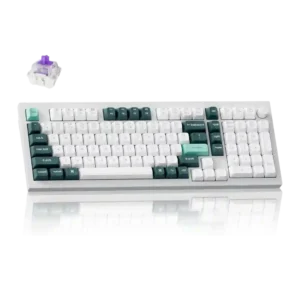
Extra gaming features were praised as plentiful and useful, especially quad actuation, Rapid Trigger, Snap Tap-style behavior, and analog-style controls.
Pros: cable quality, typing comfort
Cons: portability, switch options
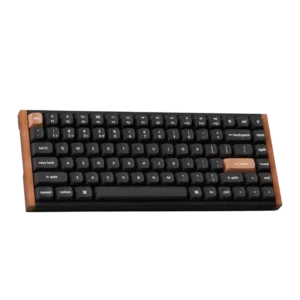
Advanced gaming features were praised as serious tools for competitive players, especially actuation tuning and rapid-trigger behaviors.
Pros: wrist rest quality, onboard memory
Cons: per-key lighting control, switch options
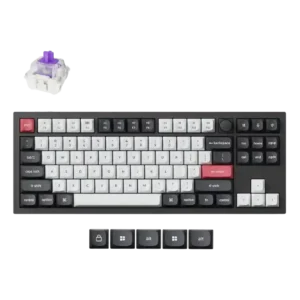
Extra gaming features were strongly praised, especially Rapid Trigger, Snap Tap, and multi-action key behavior.
Pros: build quality, extra gaming features
Cons: switch options, hot-swappable switches
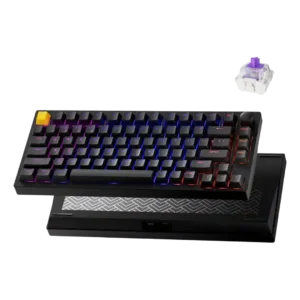
Extra gaming features were broadly praised, including rapid trigger, quad/dynamic actuation, analog behavior, and other Hall-effect tools.
Pros: frame rigidity, stabilizer quality
Cons: per-key lighting control, RGB customization
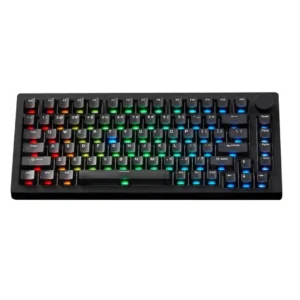
Extra gaming features are a major strength, with SOCD, DKS, rapid trigger, snap key, actuation tuning, and FPS-focused controls all praised.
Pros: switch options, hot-swappable switches
Cons: portability, cable quality
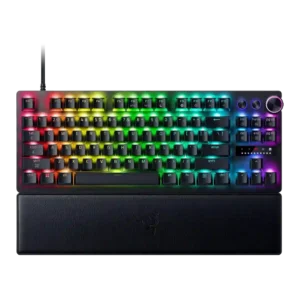
Extra gaming features such as Snap Tap and competitive movement tools were praised as game-changing, helpful, or edge-giving for shooters.
Pros: key responsiveness, actuation consistency
Cons: switch options, hot-swappable switches
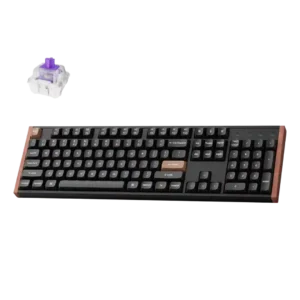
Extra gaming features were praised for movement precision, competitive advantage, and a fully loaded feature set.
Pros: wireless performance, key responsiveness
Cons: switch options, desk space efficiency
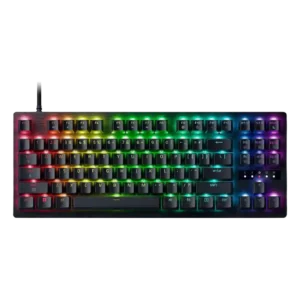
Snap Tap and similar esports features are treated as genuinely powerful, even game-changing for competitive movement. The same strength can be situational because certain games may restrict them.
Pros: polling rate, RGB customization
Cons: key stability, typing comfort
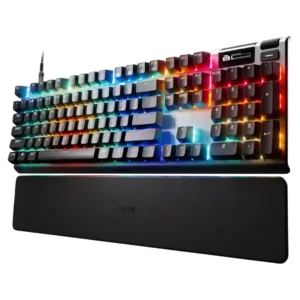
Extra gaming features such as Protection Mode, Rapid Tap, dual actuation, and OLED controls were often praised as genuinely useful.
Pros: key responsiveness, durability
Cons: passthrough features, analog input support
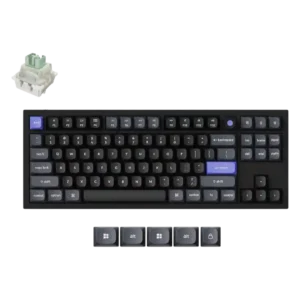
Gaming-oriented extras such as multi-layer actions were valued for making multiple moves easier to execute.
Pros: key responsiveness, polling rate
Cons: switch options, portability
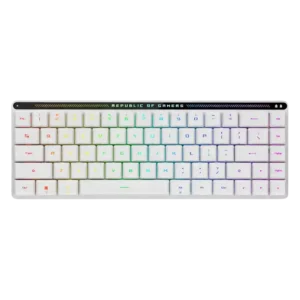
Gaming extras are viewed positively, including high rollover, Omni receiver sharing, and profile or macro features that gamers still use.
Pros: reliability, typing comfort
Cons: cable quality, wrist rest quality
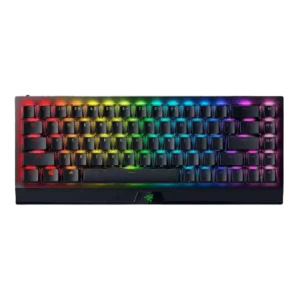
Extra gaming features were praised for strong 65% gaming functionality, macro-ready keys, and dongle-related gaming features.
Pros: per-key lighting control, backlight brightness
Cons: passthrough features, compatibility
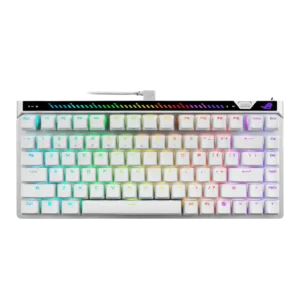
Extra gaming features were strongly praised overall, including rapid trigger, 8K polling, physical toggles, and on-board adjustment tools.
Pros: key responsiveness, latency
Cons: analog input support, wrist rest quality
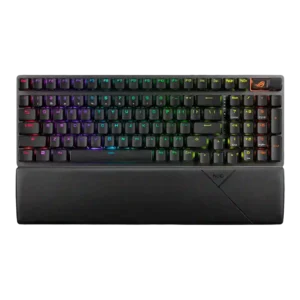
Extra gaming features are well liked, including Game Bar hotkeys, recording controls, built-in shortcuts, and broad feature coverage.
Pros: per-key lighting control, wireless performance
Cons: rapid trigger support, analog input support
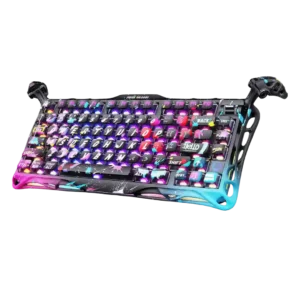
Reviewers valued the extra Hall-effect gaming features, especially Rapid Trigger, LKP, and customizable behavior.
Pros: legend visibility, key responsiveness
Cons: connectivity, cable quality
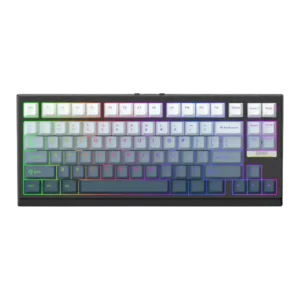
Extra gaming features were seen as worthwhile, especially for users who value HE-specific capabilities even when not fully using them.
Pros: desk space efficiency, layout options
Cons: compatibility
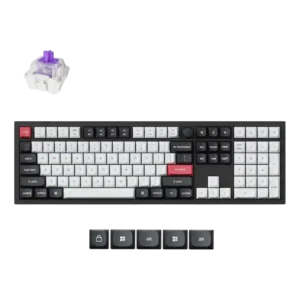
Extra gaming features were viewed as useful for tuning game feel, especially rapid trigger, snap action, and related Hall Effect controls.
Pros: key stability, frame rigidity
Cons: portability, switch options
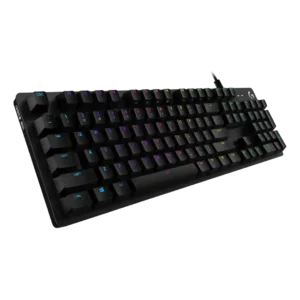
Extra gaming features are praised where anti-ghosting or game-mode functions were described as reliable and useful.
Pros: key spacing, key responsiveness
Cons: reliability, connectivity
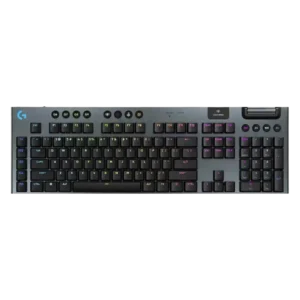
Extra gaming features received limited but positive evidence, especially for configurable Game Mode and key blocking.
Pros: stabilizer quality, latency
Cons: ease of switch replacement, hot-swappable switches
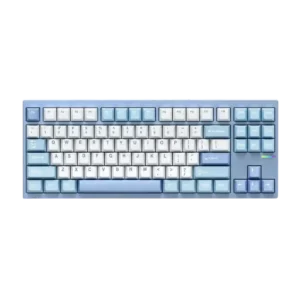
Extra gaming features received positive evidence from one reviewer who highlighted the ultra-low-latency mode as a surprise at this price.
Pros: value for money, customization options
Cons: cable quality, portability
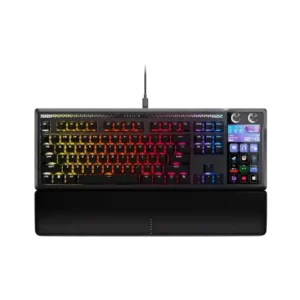
Extra gaming features include SOCD/FlashTap, game mode, profiles, and Stream Deck controls for complex games. They are useful, but the lack of Hall-effect features keeps it from being a pure...
Pros: customization options, ease of switch replacement
Cons: reliability, analog input support
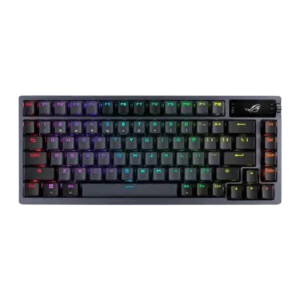
Extra gaming features were viewed positively overall, especially the OLED display, on-the-fly features, performance monitoring, and full gaming-keyboard feature set.
Pros: durability, wireless performance
Cons: passthrough features, onboard memory
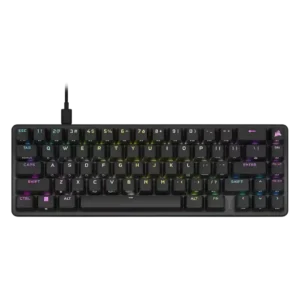
Extra functions such as lit Fn layers, mouse controls, and onboard shortcuts were valued as practical gaming/utility aids.
Pros: volume control, key responsiveness
Cons: wireless performance, wrist rest quality
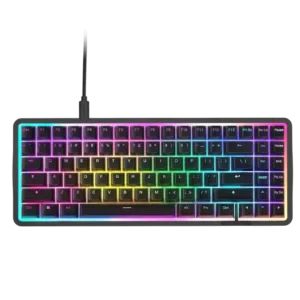
Gaming extras such as Snap Overrides, 2-in-1 actions, and competitive movement features were viewed as powerful, though sometimes game-restricted or gimmicky.
Pros: latency, acoustics
Cons: passthrough features, wireless performance
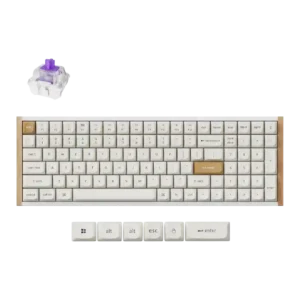
Extra gaming features such as SOCD-style controls, Snap Tap, LKP, rapid actions, and multi-command behavior were praised, though some features were situational or game-restricted.
Pros: durability, rapid trigger support
Cons: per-key lighting control, stabilizer quality
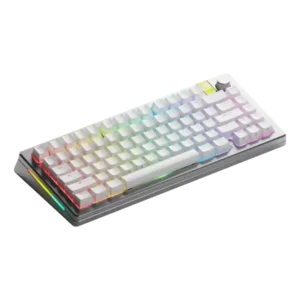
Extra gaming features were strong when Hall effect functions were included, but one review noted the board otherwise lacked physical extras.
Pros: materials quality, customization options
Cons: reliability, actuation consistency
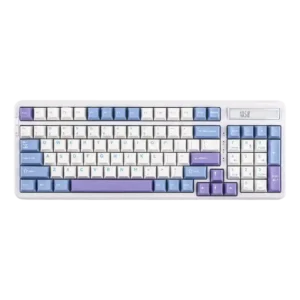
Extra gaming features were positively reviewed through programmable shortcuts and anti-ghosting/N-key rollover that prevent lost inputs.
Pros: ease of switch replacement, typing feel
Cons: key spacing, layout options
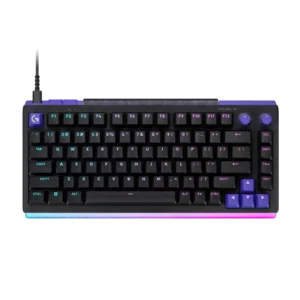
Game Mode, SOCD or Key Priority, dual actions, and per-key actuation give competitive players a broad toolkit. Some multi-action functions are niche and may conflict with game rules or become...
Pros: latency, RGB customization
Cons: actuation consistency, connectivity
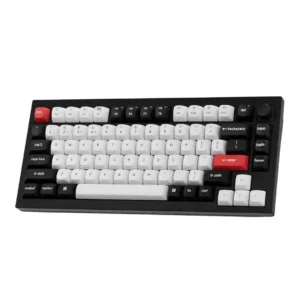
Gaming extras are generally strong, especially rapid trigger, snap/priority-style functions, and multi-action commands, though one review missed some pro-focused features.
Pros: key stability, frame rigidity
Cons: profile management, reliability
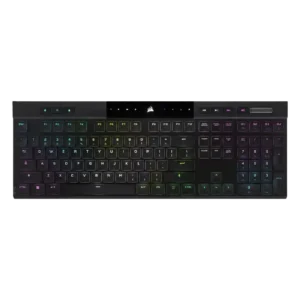
Reviewers liked the rich gaming feature set, including Stream Deck-style extras and gamer-focused controls.
Pros: backlight brightness, actuation consistency
Cons: sound dampening, stabilizer quality
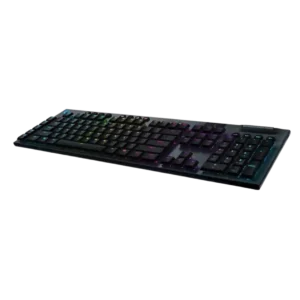
Game mode and G-key functions are considered useful, especially for locking keys or mapping game/streaming actions.
Pros: latency, polling rate
Cons: passthrough features, cable quality
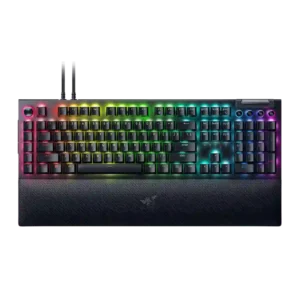
Extra gaming features were praised most by macro-heavy and Snap Tap users, with reviewers highlighting benefits for tinkerers, strafing, and command-heavy games.
Pros: key stability, ease of switch replacement
Cons: compatibility, battery life
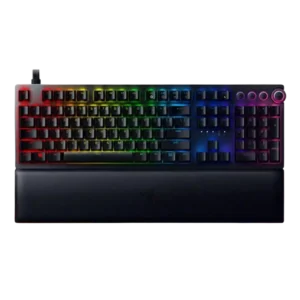
Extra gaming features were broadly strong when reviewers valued dual actuation, game mode, and advanced inputs, but they remained niche or underused for some.
Pros: per-key lighting control, wrist rest quality
Cons: polling rate, portability
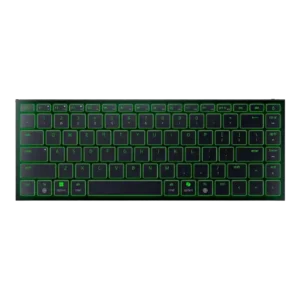
Gaming extras such as Snap Tap, NKRO, and gaming-mode features were appreciated, although they did not fully overcome the keyboard's travel-first limits.
Pros: frame rigidity, size and form factor
Cons: sound dampening, per-key lighting control
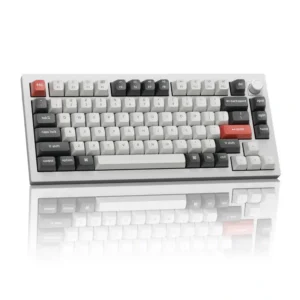
SOCD, full anti-ghosting, and 8K polling add competitive capability, though casual users may see them as overkill and magnetic-only features remain absent.
Pros: legend visibility, RGB customization
Cons: actuation consistency, rapid trigger support
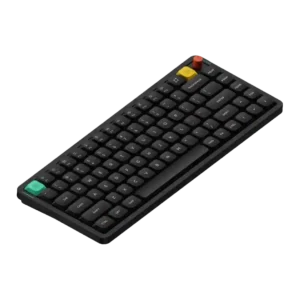
Extra gaming features were positively noted through SOCD and key toggles, with one reviewer confirming SOCD worked in testing.
Pros: key responsiveness, typing feel
Cons: per-key lighting control, legend visibility
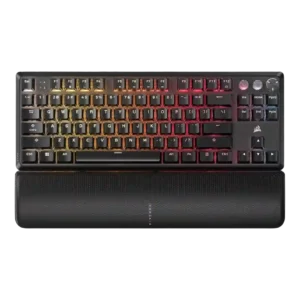
Extra gaming features were useful to many reviewers, especially Tournament/Game Mode, though some called Tournament Mode niche or unnecessary.
Pros: per-key lighting control, key responsiveness
Cons: ease of switch replacement, battery life
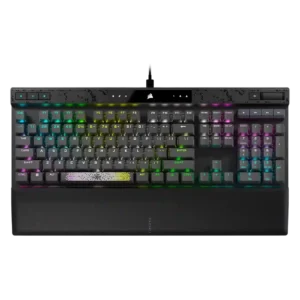
Extra gaming features were praised for dual actuation, tournament mode, and magnetic-switch tricks, but several reviewers found some features niche or hard to use in games.
Pros: reliability, key responsiveness
Cons: desk space efficiency, wireless performance
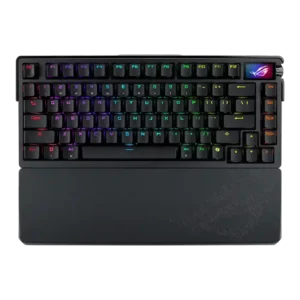
Extra gaming features were mixed-positive: reviewers liked the OLED, KPS, polling booster, and novelty features, but often questioned practical need.
Pros: key spacing, reliability
Cons: rapid trigger support, analog input support
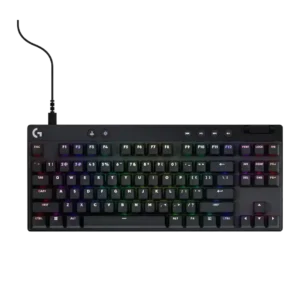
Gaming extras such as Game Mode, Key Priority, and physical toggles are useful, but several reviewers question whether they justify the price.
Pros: durability, per-key lighting control
Cons: noise level, sound dampening
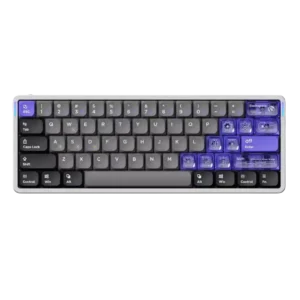
Extra gaming features were extensive and often praised, though SOCD/Hyper Tap-style features raised usefulness or fairness concerns for some reviewers.
Pros: frame rigidity, rapid trigger support
Cons: switch options, legend visibility
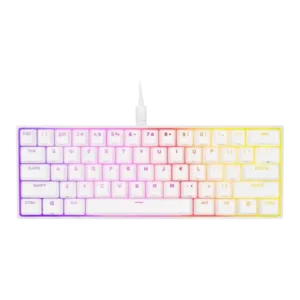
Extra gaming features were viewed as solid, including mouse controls, firmware layers, NKRO-style gaming functions, and 8,000Hz marketing features.
Pros: desk space efficiency, frame rigidity
Cons: sound dampening, ease of switch replacement
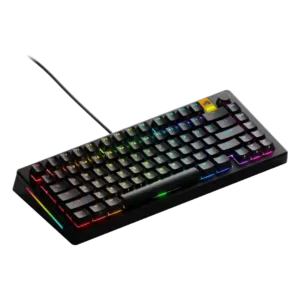
Extra gaming features were appreciated, but some reviewers thought the base board lacked certain competitive features for the price.
Pros: RGB lighting quality, layout options
Cons: frame rigidity, value for money
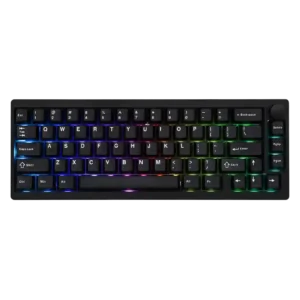
N-key rollover supports simultaneous inputs, but the board omits enthusiast gaming extras such as adjustable actuation and Hall Effect controls.
Pros: frame rigidity, acoustics
Cons: rapid trigger support, analog input support
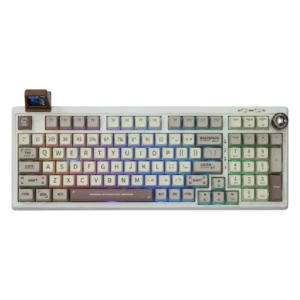
Extra gaming features have limited evidence, but NKRO was appreciated as useful for macros and gamers.
Pros: noise level, acoustics
Cons: rapid trigger support, actuation consistency
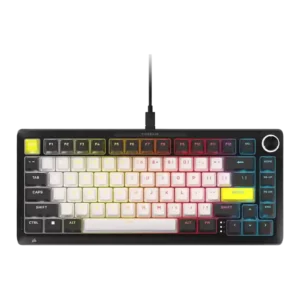
Hall Effect gaming extras such as Rapid Trigger, FlashTap, and SOCD were praised, but several reviewers complained about the missing easy Game Mode control.
Pros: per-key lighting control, durability
Cons: portability, noise level
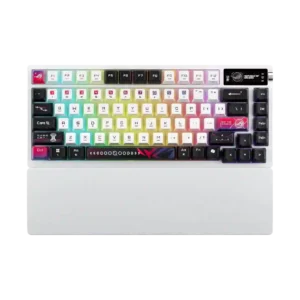
Extra gaming features were mixed: Speed Tap and the OLED were useful or fun, but reviewers questioned the OLED’s value and noted missing Hall-effect features.
Pros: latency, wireless performance
Cons: rapid trigger support, analog input support
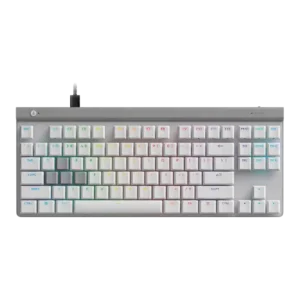
Extra gaming functions were useful for rapid input and multi-action setups, but one reviewer found multi-actuation less versatile or not personally useful.
Pros: key responsiveness, ergonomics
Cons: wireless performance, volume control
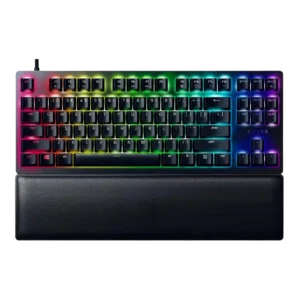
Extra gaming features were adequate rather than lavish, with useful gaming mode and Hypershift offsetting a stripped-down feature set.
Pros: key stability, per-key lighting control
Cons: stabilizer quality, media controls