Best for frame rigidity
Corsair K100 RGB
5.0 feature score
Highest scored product for this feature based on supporting review evidence.
Highest scored product for this feature based on supporting review evidence.
Balances feature score, supporting reviews, and overall product strength.
Has the broadest review evidence for this feature.
Strongest overall product among items with scored evidence for this feature.
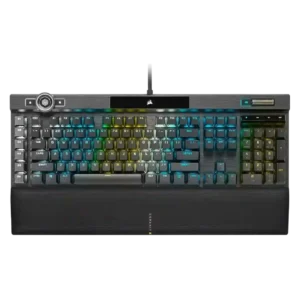
Reviews repeatedly mention minimal flex and a sturdy frame.
Pros: key responsiveness, latency
Cons: hot-swappable switches, ease of switch replacement
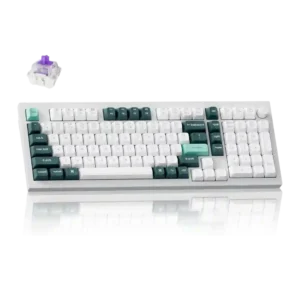
Reviews say the chassis stays planted and shows essentially no flex, reinforcing its premium desktop-first design.
Pros: frame rigidity, customization options
Cons: portability, switch options
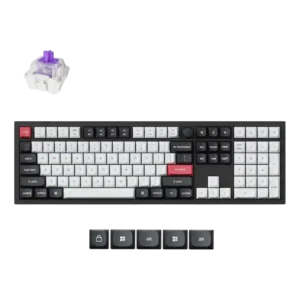
Supported reviews portray the chassis as extremely solid, with very little movement or flex.
Pros: key responsiveness, key stability
Cons: portability, switch options
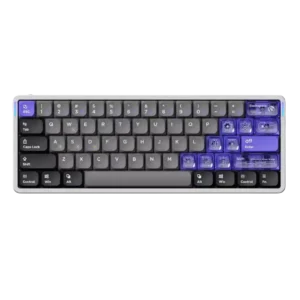
Multiple reviews call the case rigid and sturdy, with no meaningful flex or creaking.
Pros: polling rate, rapid trigger support
Cons: legend visibility, layout options
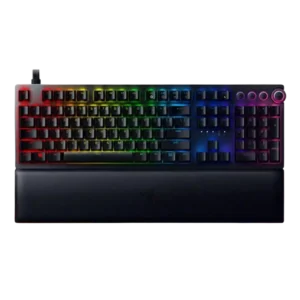
One review explicitly describes the chassis as built like a tank and notes that the heavy aluminum structure keeps it planted on the desk.
Pros: RGB customization, frame rigidity
Cons: portability, legend visibility
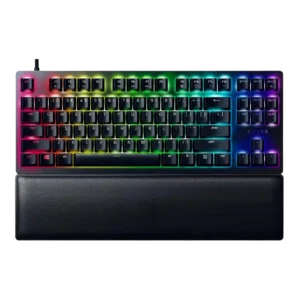
The aluminum top plate is specifically credited with a very rigid chassis and no noticeable creaking or flexing.
Pros: frame rigidity, per-key lighting control
Cons: analog input support, wireless performance
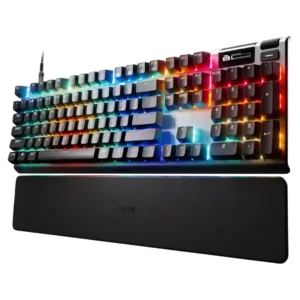
Frame rigidity is a strength, with reviewers noting dense construction, little wobble, and cases that stay planted on the desk.
Pros: legend visibility, frame rigidity
Cons: passthrough features, analog input support
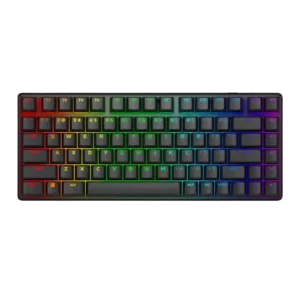
Multiple reviewers report essentially no flex in the chassis.
Pros: frame rigidity, materials quality
Cons: wrist rest quality, rapid trigger support
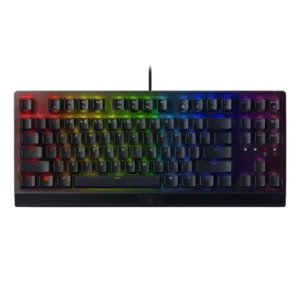
Frame rigidity is praised in the scored reviews. Writers call out very low flex and a notably stable feel.
Pros: key responsiveness, latency
Cons: hot-swappable switches, passthrough features
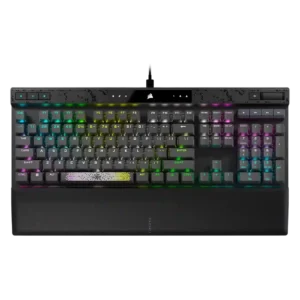
The frame is repeatedly described as very rigid and stable, with little to no flex.
Pros: per-key lighting control, polling rate
Cons: passthrough features, wireless performance
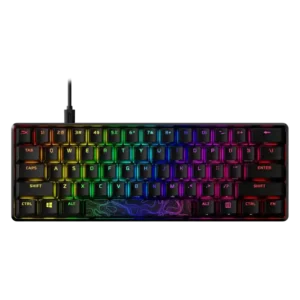
Frame rigidity was excellent across reviews, with minimal or no flex and a stable, heavy chassis.
Pros: frame rigidity, materials quality
Cons: wireless performance, hot-swappable switches
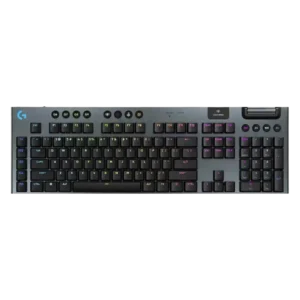
The chassis is repeatedly described as rigid and stable, with little to no flex in normal use.
Pros: customization options, latency
Cons: wrist rest quality, hot-swappable switches
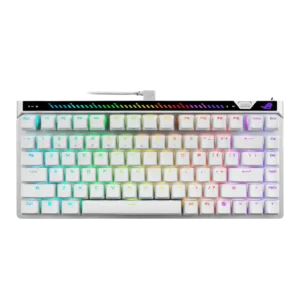
Rigidity is a clear strength, with reviewers describing the chassis as solid and free from flex.
Pros: latency, actuation consistency
Cons: analog input support, wrist rest quality
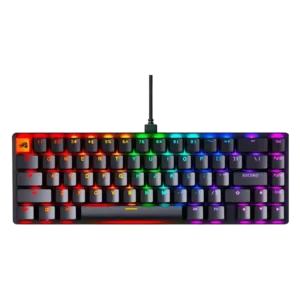
The frame feels very rigid, with reviewers specifically noting no twisting, creaking, or flex.
Pros: frame rigidity, durability
Cons: actuation consistency
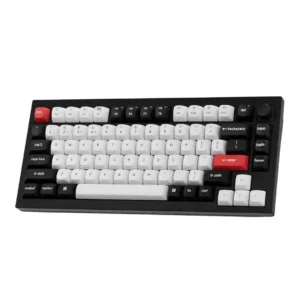
Frame rigidity is excellent, with multiple reviewers explicitly noting the lack of flex, creak, or give in the chassis.
Pros: build quality, frame rigidity
Cons: portability, wrist rest quality
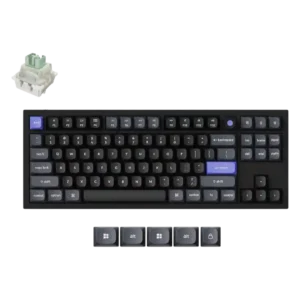
Both direct reviews tie the metal construction to a stable, rigid overall feel.
Pros: polling rate, extra gaming features
Cons: portability, switch options
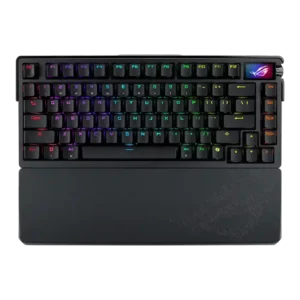
One review explicitly says the body shows no bend, reinforcing a very rigid frame.
Pros: build quality, frame rigidity
Cons: rapid trigger support, analog input support
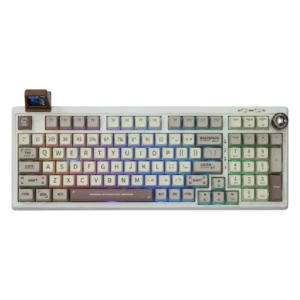
One reviewer specifically noted no key rattle or flex, indicating a firm overall structure.
Pros: key responsiveness, latency
Cons: actuation consistency, rapid trigger support
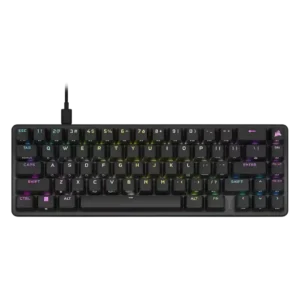
Multiple reviews note minimal flex and a notably solid frame.
Pros: profile management, onboard memory
Cons: hot-swappable switches, wrist rest quality
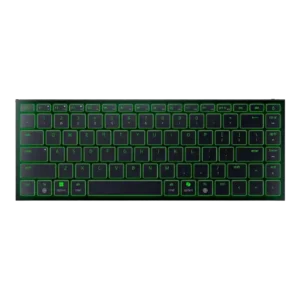
Structural rigidity is excellent, with multiple reviewers explicitly calling out the lack of flex even under pressure.
Pros: compatibility, portability
Cons: per-key lighting control, sound dampening
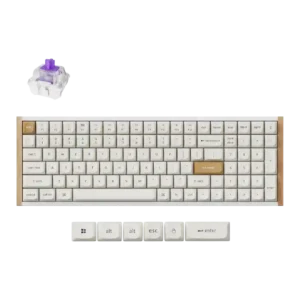
Reviewers report no body flex and very stable behavior on the desk.
Pros: durability, customization options
Cons: per-key lighting control, backlight brightness
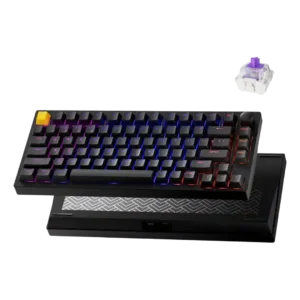
The CNC aluminum chassis and full-metal construction give the board a very rigid, substantial shell.
Pros: extra gaming features, rapid trigger support
Cons: per-key lighting control, layout options
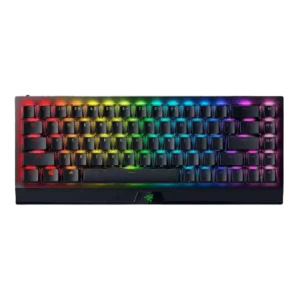
The chassis is described as planted and solid, with no flex or creaking in use.
Pros: desk space efficiency, frame rigidity
Cons: passthrough features, stabilizer quality
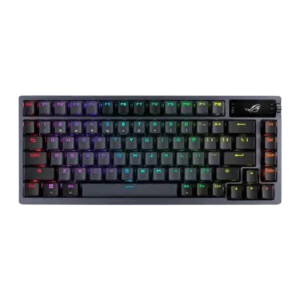
The chassis feels impressively rigid, with reviewers calling it solid and noting very little unwanted flex.
Pros: hot-swappable switches, gaming performance
Cons: passthrough features, wrist rest quality
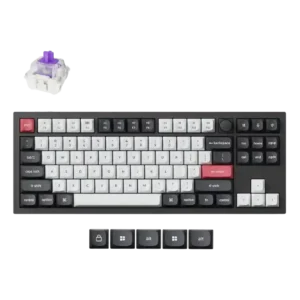
Reviewers repeatedly connect the board's weight and stiffness with better stability on the desk, noting sturdy construction and reduced unwanted movement.
Pros: rapid trigger support, build quality
Cons: portability, switch options
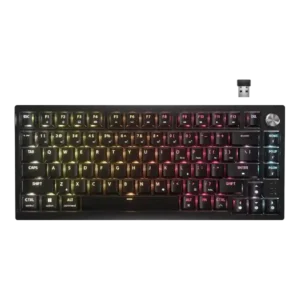
Reviewers describe the frame as rigid and low-flex, with enough heft to stay planted during use.
Pros: hot-swappable switches, connectivity
Cons: wrist rest quality, switch options
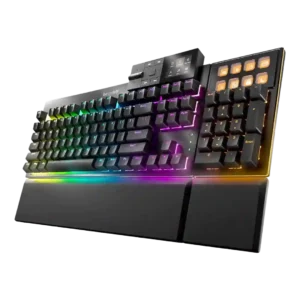
The keyboard frame is repeatedly described as rigid with very little flex.
Pros: sound dampening, noise level
Cons: rapid trigger support, analog input support
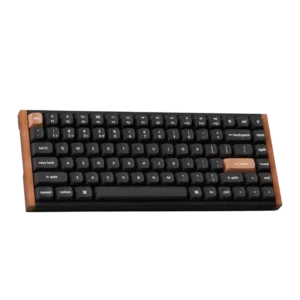
Frame rigidity is a clear strength, with reviewers calling out no deck flex, strong stability, and a rigid feel.
Pros: rapid trigger support, switch feel
Cons: switch options, portability
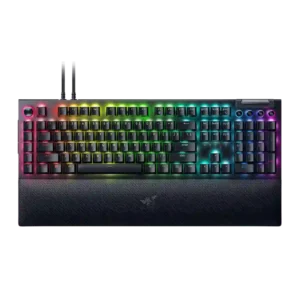
Frame rigidity is excellent, with the board repeatedly described as heavy, planted, and difficult to shift once it is on the desk.
Pros: latency, customization options
Cons: hot-swappable switches, portability
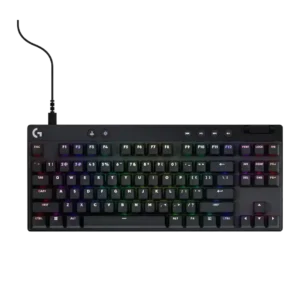
Where reviewers discuss chassis stiffness, the boards are described as very rigid, with solid frames and little to no flex.
Pros: analog input support, latency
Cons: sound dampening, value for money
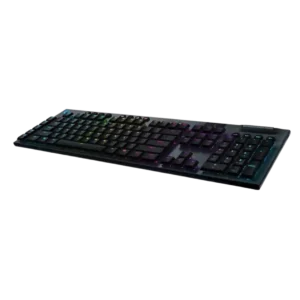
Even with the ultra-thin chassis, reviewers describe the frame as rigid and solid rather than flexy.
Pros: RGB customization, build quality
Cons: passthrough features, wrist rest quality
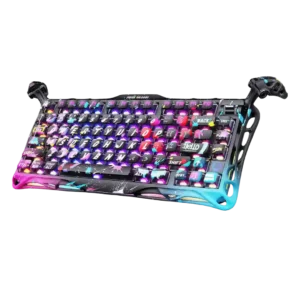
Frame rigidity is strong, with reviews emphasizing a heavy-duty aluminum or metal case, sturdy feel, and high-quality construction.
Pros: rapid trigger support, ease of switch replacement
Cons: wireless performance, connectivity
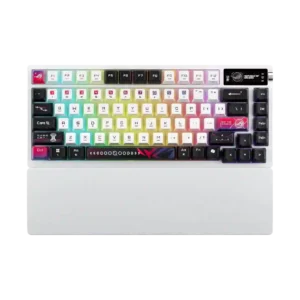
Despite mixed materials, reviews consistently describe the chassis as rigid, stable, and free of deck flex.
Pros: connectivity, wireless performance
Cons: rapid trigger support, analog input support
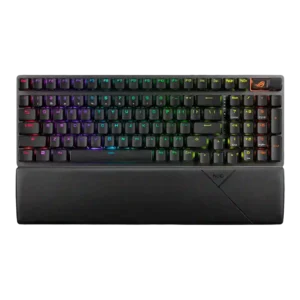
The chassis is repeatedly described as sturdy and resistant to flex, helped by its weight and rigid top structure.
Pros: polling rate, battery life
Cons: backlight brightness, legend visibility
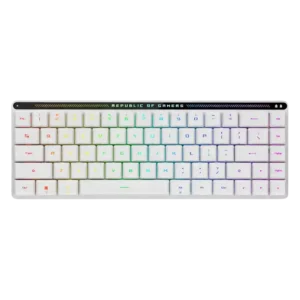
Frame rigidity is a clear strength in the review set, with multiple reviewers calling out little to no flex or creaking.
Pros: noise level, battery life
Cons: wrist rest quality, hot-swappable switches
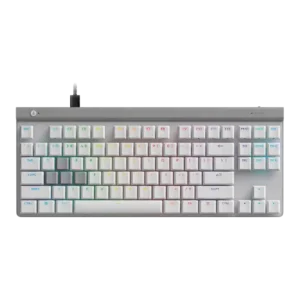
A steel top plate and low-flex construction give the board strong rigidity despite its slim profile.
Pros: latency, gaming performance
Cons: wireless performance, media controls
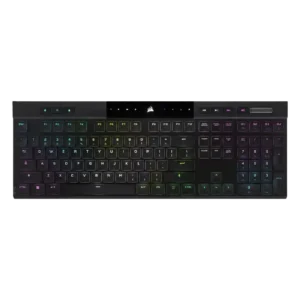
The ultra-thin chassis still feels impressively rigid, with little to no concerning flex in the cited reviews.
Pros: polling rate, RGB customization
Cons: hot-swappable switches, wrist rest quality
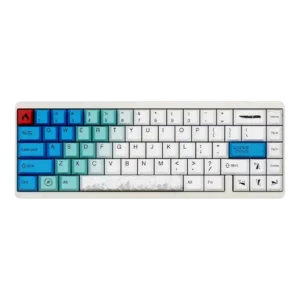
The heavy metal chassis is repeatedly described as hefty and planted.
Pros: latency, polling rate
Cons: compatibility, software quality
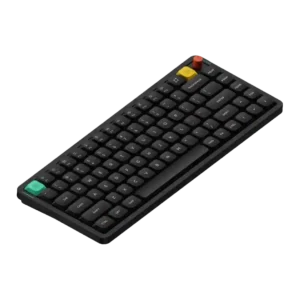
The chassis is described as sturdy with minimal flex, giving the board a firmer and more confident feel than its slim profile suggests.
Pros: key responsiveness, compatibility
Cons: per-key lighting control, legend visibility
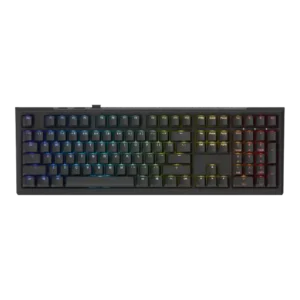
One review found little meaningful twist or bend, pointing to a rigid frame.
Pros: switch feel, key responsiveness
Cons: switch options, wrist rest quality
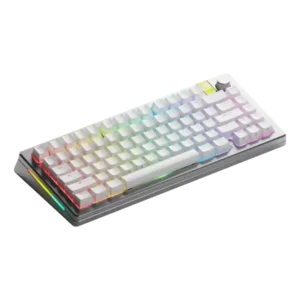
The aluminum case is described as premium and sturdy, indicating a rigid chassis.
Pros: polling rate, rapid trigger support
Cons: reliability, portability
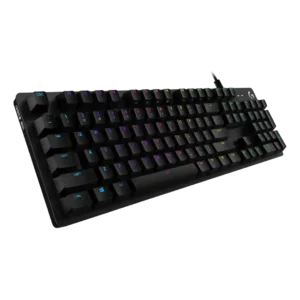
Frame rigidity is excellent in the reviews, with very little flex and repeated mentions of a rigid, stable chassis.
Pros: key responsiveness, typing feel
Cons: wrist rest quality, portability
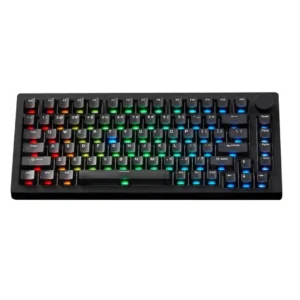
The aluminum frame is generally described as stable, heavy, tank-like, or desk-planted, though a few reviews note loose shell feel, uneven flex, or case-opening sensitivity.
Pros: switch options, extra gaming features
Cons: portability, key spacing
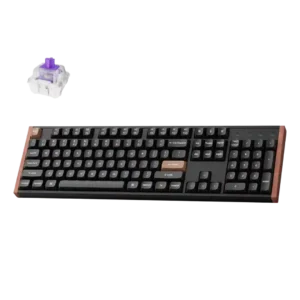
Reviewers describe the board as weighty, stable on the desk, and resistant to twisting.
Pros: key responsiveness, latency
Cons: switch options, desk space efficiency
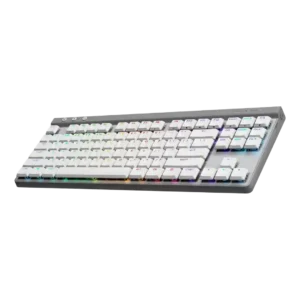
Despite its slim plastic build, the frame is described as hard to bend with very little flex.
Pros: macro customization, customization options
Cons: rapid trigger support, passthrough features
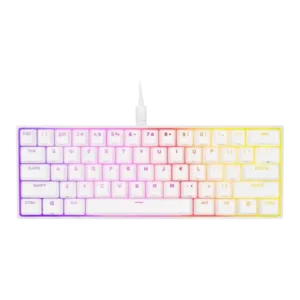
Despite the plastic construction, reviewers generally found the chassis sturdy with little or no flex.
Pros: desk space efficiency, portability
Cons: wrist rest quality, hot-swappable switches
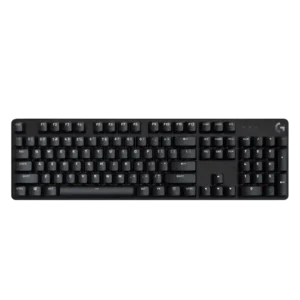
Reviews consistently report very little flex, giving the chassis a firm, rigid feel.
Pros: materials quality, durability
Cons: per-key lighting control, wrist rest quality
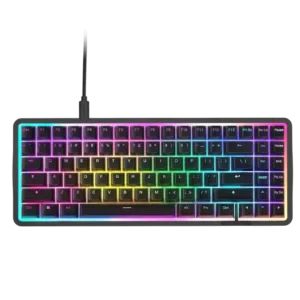
Frame rigidity is strong overall thanks to the aluminum frame, high weight, and rock-solid typing surface, though hollow-base concerns appear in one review.
Pros: polling rate, sound dampening
Cons: passthrough features, wireless performance
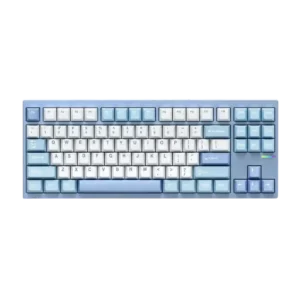
The chassis is praised for having no flex or rattles, though one video notes the quick-release design may feel less rigid than a screwed-in case.
Pros: durability, hot-swappable switches
Cons: portability, switch options
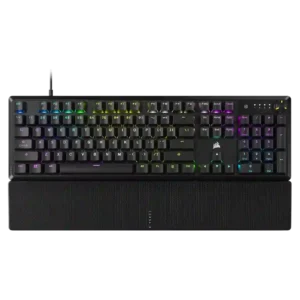
Frame rigidity is a strong point for most reviewers, who describe low flex, good resistance to bending, or a sturdy feel.
Pros: per-key lighting control, typing feel
Cons: hot-swappable switches, ease of switch replacement