Best for gaming performance
Corsair K65 PRO Mini
4.9 feature score
Highest scored product for this feature based on supporting review evidence.
Highest scored product for this feature based on supporting review evidence.
Balances feature score, supporting reviews, and overall product strength.
Has the broadest review evidence for this feature.
Strongest overall product among items with scored evidence for this feature.
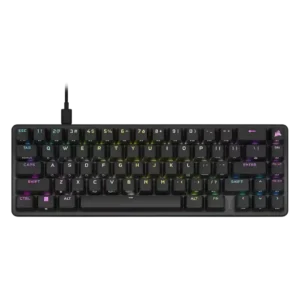
Gaming performance was strongly positive, especially for fast FPS play and compact desk setups, thanks to optical switches and the 65% layout.
Pros: volume control, key responsiveness
Cons: wireless performance, wrist rest quality
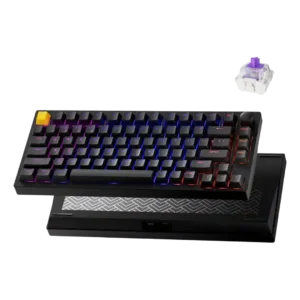
Gaming performance was a standout, with reviewers repeatedly calling the board powerful, responsive, and effective for FPS play.
Pros: frame rigidity, stabilizer quality
Cons: per-key lighting control, RGB customization
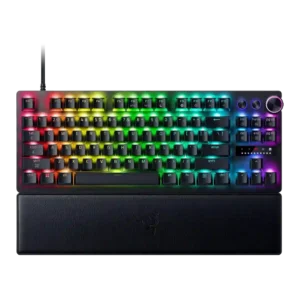
Gaming performance was the strongest consensus point, with many reviewers calling it exceptional, dreamlike, best-in-class, or especially suited to competitive play.
Pros: key responsiveness, actuation consistency
Cons: switch options, hot-swappable switches
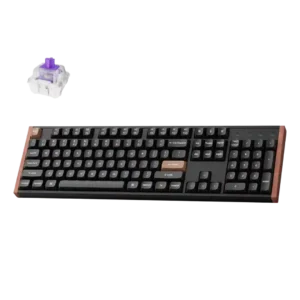
Gaming performance was a major strength, with reviewers describing fluid accuracy, great results, competitive advantages, and excellent in-game feel.
Pros: wireless performance, key responsiveness
Cons: switch options, desk space efficiency
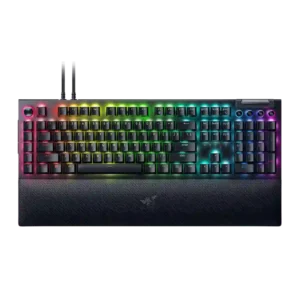
Gaming performance was consistently strong, with reviewers reporting smooth play, no stutter or delay, top-tier responsiveness, and macro advantages in games.
Pros: key stability, ease of switch replacement
Cons: compatibility, battery life
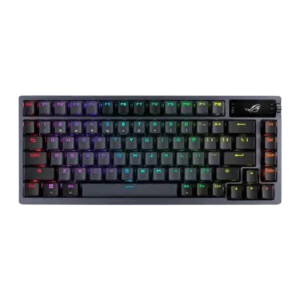
Gaming performance received very strong praise, with reviewers calling it responsive, reliable, brilliant, and among the best gaming keyboards they had used.
Pros: durability, wireless performance
Cons: passthrough features, onboard memory
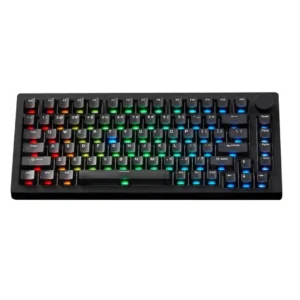
Gaming performance is repeatedly praised as responsive and feature-rich, with reviewers saying it did not hold them back and can give gamers an edge.
Pros: switch options, hot-swappable switches
Cons: portability, cable quality
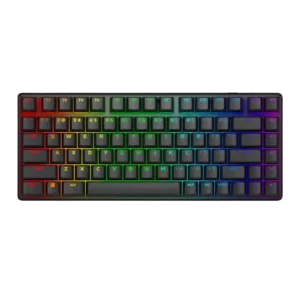
Gaming performance drew broad praise, especially for fast-paced play, with reviewers repeatedly calling it responsive, accurate, stable, and confidence-building.
Pros: key stability, backlight brightness
Cons: rapid trigger support, wrist rest quality
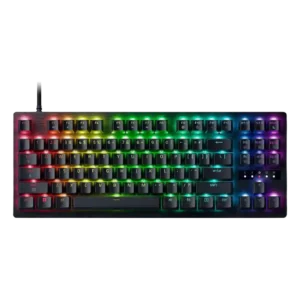
Gaming performance is the main reason to buy it: reviewers describe smooth, reactive, pro-level play with fast input handling and strong competitive control.
Pros: polling rate, RGB customization
Cons: key stability, typing comfort
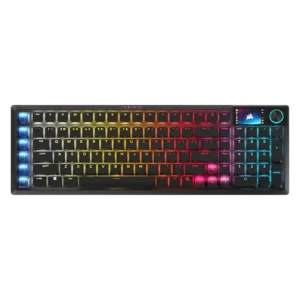
Fast optical switches, N-key rollover, FlashTap, and low-latency wireless produce excellent gaming performance. Inputs feel immediate, and several reviewers noticed cleaner movement in competitive titles.
Pros: key stability, stabilizer quality
Cons: analog input support, rapid trigger support
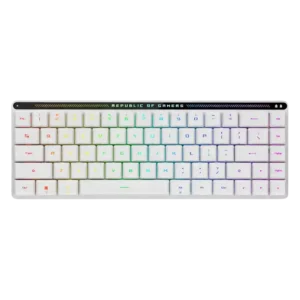
Gaming performance is praised by most reviewers for responsiveness and real-world play, with one reviewer seeing it more as a work keyboard.
Pros: reliability, typing comfort
Cons: cable quality, wrist rest quality
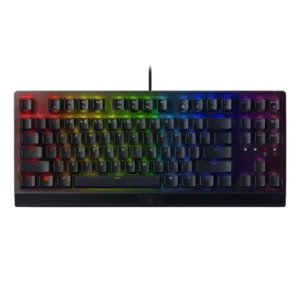
Gaming performance was broadly praised for responsive in-game behavior, reliable combos, and suitability for both MMO and shooter-style play.
Pros: latency, durability
Cons: sound dampening, passthrough features
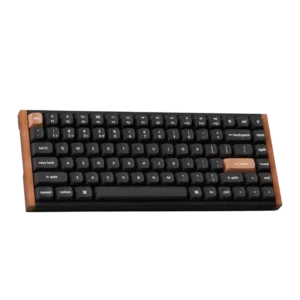
Gaming performance was broadly positive, especially for responsiveness, rapid trigger, strafing, and clean repeated inputs, though pure esports comparisons were more guarded.
Pros: wrist rest quality, onboard memory
Cons: per-key lighting control, switch options
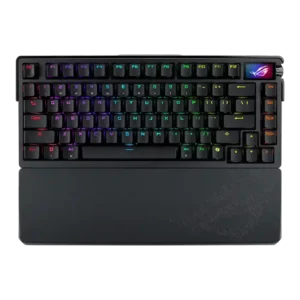
Gaming performance was praised overall, especially with smooth switches and responsive feel, though one reviewer framed it as a better all-rounder than a pure gaming specialist.
Pros: key spacing, reliability
Cons: rapid trigger support, analog input support
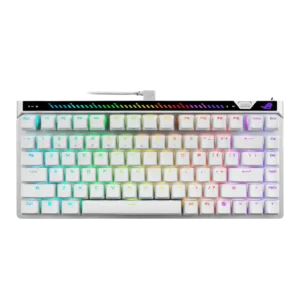
Gaming performance was strongly praised for speed, fluidity, precision, and competitive FPS usefulness.
Pros: key responsiveness, latency
Cons: analog input support, wrist rest quality
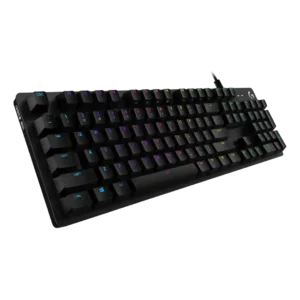
Gaming performance is strong in the evidence, with reviewers reporting no performance penalty, quick double-taps, and superb gaming response.
Pros: key spacing, key responsiveness
Cons: reliability, connectivity
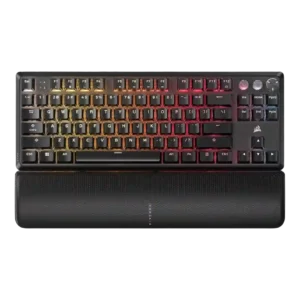
Gaming performance was one of the strongest areas, with many reviewers calling the keyboard fast, accurate, responsive, and excellent in real gameplay.
Pros: per-key lighting control, key responsiveness
Cons: ease of switch replacement, battery life
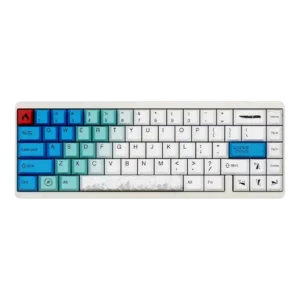
Gaming performance was one of the strongest areas, with reviewers reporting snappy movement, indistinguishable Hall-effect performance, and flawless play.
Pros: durability, key responsiveness
Cons: reliability, RGB customization
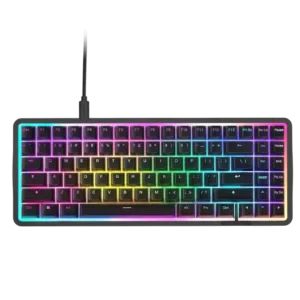
Gaming performance was widely praised for speed, responsiveness, and competitive usefulness, with only value and feature caveats tempering enthusiasm.
Pros: latency, acoustics
Cons: passthrough features, wireless performance
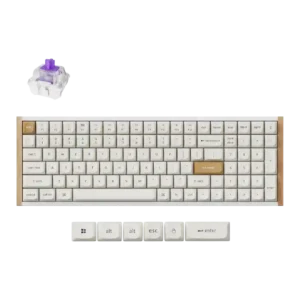
Gaming performance was strongly positive, with reviewers calling it fast, responsive, competitive, and effective in shooters, racing, and broader gaming.
Pros: durability, rapid trigger support
Cons: per-key lighting control, stabilizer quality
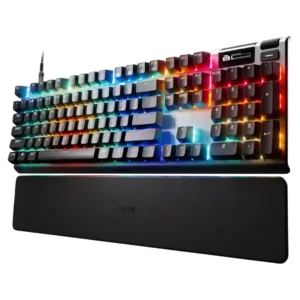
Gaming performance was strongly praised across written and video reviews, especially for shooters, fast-paced games, and esports features.
Pros: key responsiveness, durability
Cons: passthrough features, analog input support
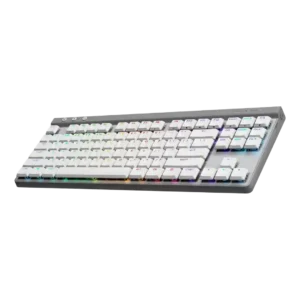
Gaming performance was consistently strong, with reviewers describing responsive, reliable, and enjoyable play across shooters and general gaming.
Pros: latency, wireless performance
Cons: rapid trigger support, ease of switch replacement
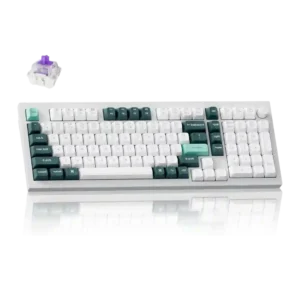
Gaming performance was widely positive, especially for shooters and fast-paced play, though one reviewer said it is not the absolute best gaming performer.
Pros: cable quality, typing comfort
Cons: portability, switch options
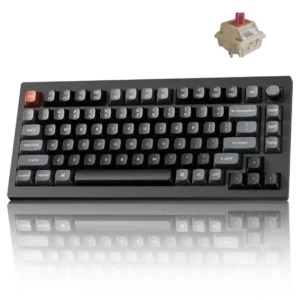
Inputs felt fast, clean, and dependable across competitive and casual games, with responsive switches and reliable multi-key registration. The board performs very well even when reviewers question the practical value...
Pros: key responsiveness, actuation consistency
Cons: rapid trigger support, analog input support
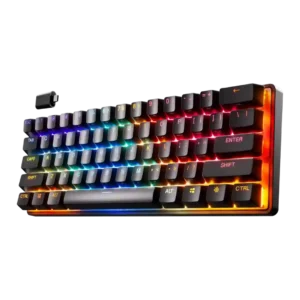
Gaming performance received the strongest consensus: reviewers repeatedly called it seamless, phenomenal, snappy, responsive, or even their best dedicated gaming keyboard experience.
Pros: latency, key responsiveness
Cons: hot-swappable switches, ease of switch replacement
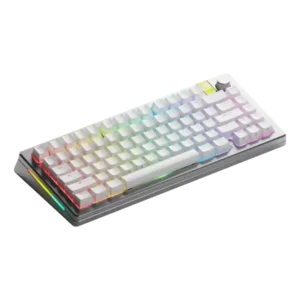
Gaming performance was a strong point across reviews, with reviewers praising Hall effect switches, rapid trigger, and confident movement in shooters.
Pros: materials quality, customization options
Cons: reliability, actuation consistency
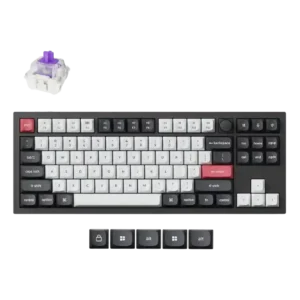
Gaming performance was praised across reviews for responsive actuation, Rapid Trigger-style inputs, and competitive-feeling advantages.
Pros: build quality, extra gaming features
Cons: switch options, hot-swappable switches
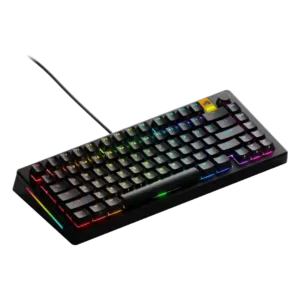
Gaming performance was generally strong thanks to precise HE inputs, rapid-trigger controls, and advanced actuation, though one review saw the feature set as merely decent.
Pros: RGB lighting quality, layout options
Cons: frame rigidity, value for money
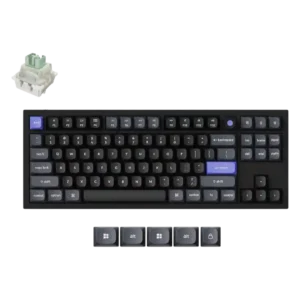
Both direct Q3 HE reviews positioned it as a competitive gaming keyboard that can help players gain an edge.
Pros: key responsiveness, polling rate
Cons: switch options, portability
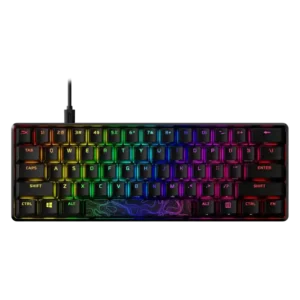
Gaming performance is one of the strongest areas, repeatedly praised as responsive, accurate, low-lag, and well suited to fast games.
Pros: latency, actuation consistency
Cons: ease of switch replacement, reliability
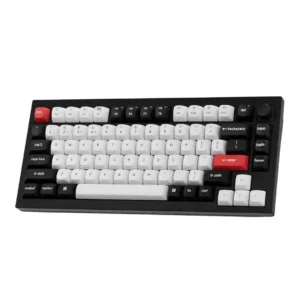
Gaming performance is a major strength; most reviewers found the Q1 HE responsive and effective for competitive play, though one PCWorld review found it less compelling than gaming-focused rivals.
Pros: key stability, frame rigidity
Cons: profile management, reliability
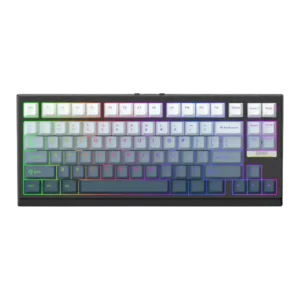
Gaming performance was widely praised, especially for responsive inputs, casual-to-competitive usefulness, and Hall Effect precision.
Pros: desk space efficiency, layout options
Cons: compatibility
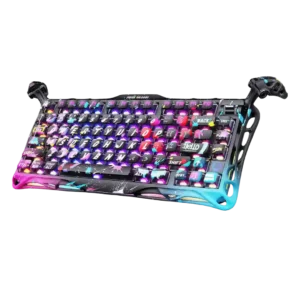
Gaming performance was one of the strongest areas, with reviewers calling it a clear gamer improvement and strong in fast-paced play.
Pros: legend visibility, key responsiveness
Cons: connectivity, cable quality
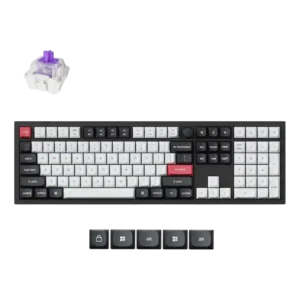
Gaming performance was strongly positive, especially in reviews that tested or valued rapid trigger, adjustable actuation, and responsive input.
Pros: key stability, frame rigidity
Cons: portability, switch options
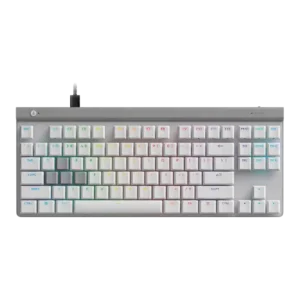
Gaming performance was the clearest consensus strength, with reviewers describing fast, responsive, competitive-focused performance and tangible in-game advantages.
Pros: key responsiveness, ergonomics
Cons: wireless performance, volume control
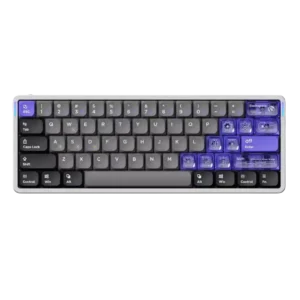
Gaming performance was one of the strongest areas, with reviewers praising speed, responsiveness, Hall Effect control, and compact competitive use.
Pros: frame rigidity, rapid trigger support
Cons: switch options, legend visibility
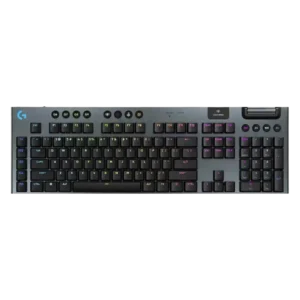
Gaming performance was broadly positive, with reviewers describing the keyboard as responsive, capable, and suitable even for competitive play, despite some rival-performance caveats.
Pros: stabilizer quality, latency
Cons: ease of switch replacement, hot-swappable switches
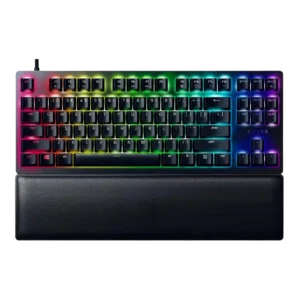
Gaming performance was broadly strong, especially for competitive play, with reviewers praising speed, control, and the TKL form factor.
Pros: key stability, per-key lighting control
Cons: stabilizer quality, media controls
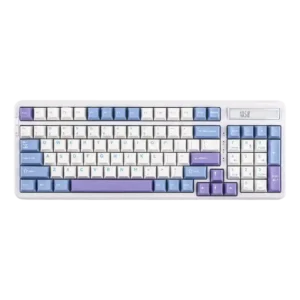
Gaming performance was reviewed positively, especially for fast-paced games and rapid movements.
Pros: ease of switch replacement, typing feel
Cons: key spacing, layout options
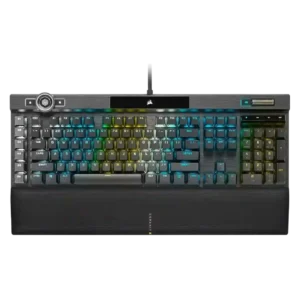
Gaming performance is widely praised as fast, smooth, and confidence-inspiring, with some reviewers reporting better responsiveness or a noticeable improvement in games.
Pros: actuation consistency, key stability
Cons: hot-swappable switches, switch options
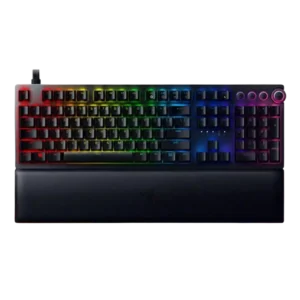
Gaming performance was broadly strong, especially when actuation tuning or analog features fit the game, although not every reviewer found the flagship features essential.
Pros: per-key lighting control, wrist rest quality
Cons: polling rate, portability
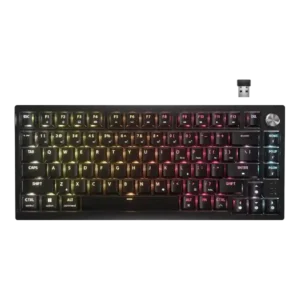
Gaming performance was mostly praised for smooth, responsive, reliable play, though one reviewer found it merely average and not exceptional.
Pros: latency, durability
Cons: legend visibility, rapid trigger support
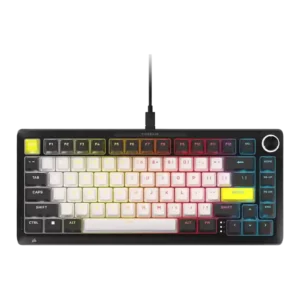
Gaming performance was usually praised as excellent or highly responsive, though one reviewer found the overall experience solid but unspectacular.
Pros: per-key lighting control, durability
Cons: portability, noise level
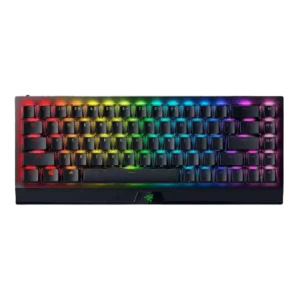
Gaming performance was a consistent highlight thanks to the compact footprint, quick switches, and responsive wireless, though one review reported a shift-key catch while gaming.
Pros: per-key lighting control, backlight brightness
Cons: passthrough features, compatibility
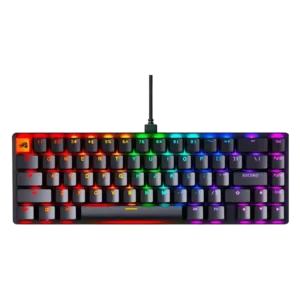
Gaming performance was broadly positive, with reviewers reporting responsive, enjoyable, and reliable play across casual and competitive use.
Pros: compatibility, key responsiveness
Cons: wrist rest quality, key spacing
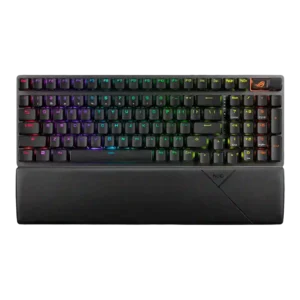
Gaming performance is strongly praised across reviews, with repeated comments about responsive keys, strong wireless gaming behavior, and enjoyable play in competitive and casual contexts.
Pros: per-key lighting control, wireless performance
Cons: rapid trigger support, analog input support
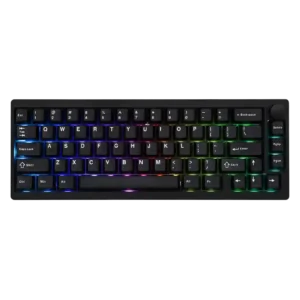
The 1,000Hz mechanical design performs well for casual and even ranked gaming, but serious competitive players may prefer Hall Effect alternatives.
Pros: frame rigidity, acoustics
Cons: rapid trigger support, analog input support
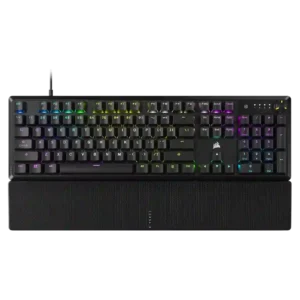
Gaming performance was consistently solid to excellent, with reviewers reporting responsive play and no major speed or registration issues in games.
Pros: per-key lighting control, compatibility
Cons: ease of switch replacement, hot-swappable switches
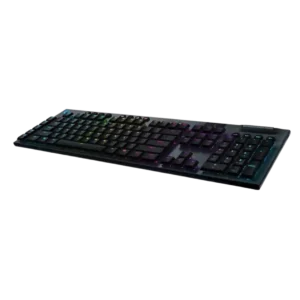
Gaming evidence is positive overall, with reviewers calling it responsive and easy to use in games, though some saw little measurable stat improvement.
Pros: latency, polling rate
Cons: passthrough features, cable quality
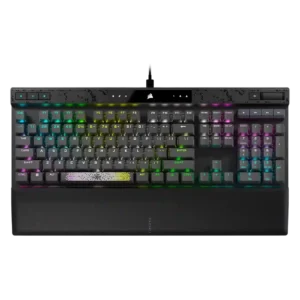
Gaming performance was usually excellent, especially for responsiveness and configurability, though a few reviewers said it did not transform their play.
Pros: reliability, key responsiveness
Cons: desk space efficiency, wireless performance