Best for health tracking accuracy
Google Pixel Watch 3
4.8 feature score
Highest scored product for this feature based on supporting review evidence.
Highest scored product for this feature based on supporting review evidence.
Balances feature score, supporting reviews, and overall product strength.
Has the broadest review evidence for this feature.
Strongest overall product among items with scored evidence for this feature.
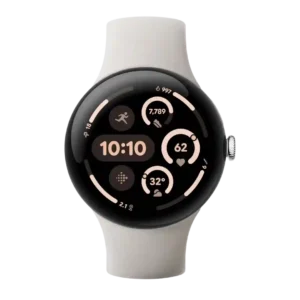
Health tracking accuracy was praised when compared with Apple Watch, Fitbit expectations, and reviewer lived experience.
Pros: outdoor visibility, health tracking accuracy
Cons: cross-platform compatibility, durability
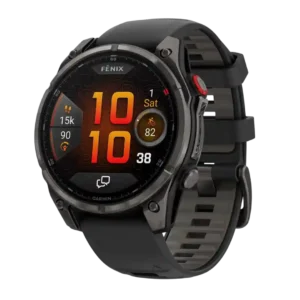
Health tracking accuracy was supported mainly by strong heart-rate and GPS evidence from wrist-based workout testing.
Pros: pairing reliability, workout tracking variety
Cons: size options, value for money
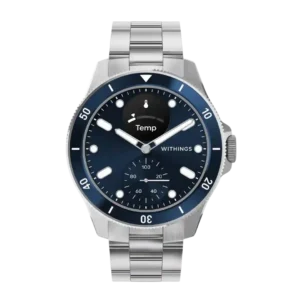
Health tracking accuracy is broadly praised, with reviewers comparing favorably against other devices and highlighting accurate sensor results.
Pros: software smoothness, safety features
Cons: contactless payments, music controls
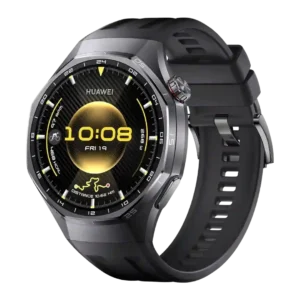
Health tracking accuracy is generally strong across heart rate, sleep, SpO2, ECG-adjacent metrics, and overall health summaries.
Pros: water resistance, brightness
Cons: LTE connectivity, Wi-Fi connectivity
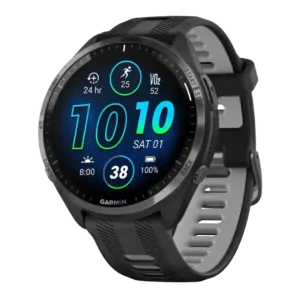
Health tracking is data-rich and generally reliable, combining heart rate, HRV, blood oxygen, stress, sleep, Body Battery, and related metrics.
Pros: mapping and navigation, watch face quality
Cons: ECG functionality, LTE connectivity
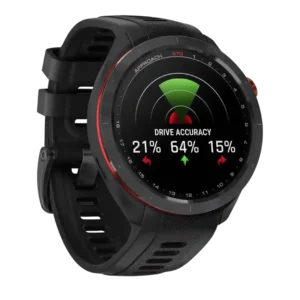
Reviewers describe broad health tracking as useful and Garmin-level accurate, especially when combining sleep, stress, heart rate, pulse ox, and fitness metrics.
Pros: pairing reliability, brightness
Cons: software smoothness, user interface
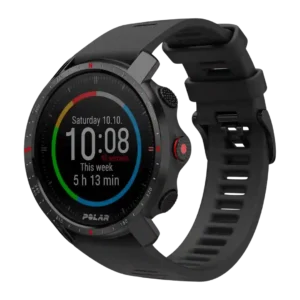
Health tracking accuracy is strongest for HRV and sleep, with reviewers especially trusting Polar’s nightly recovery data.
Pros: durability, workout tracking variety
Cons: contactless payments, onboard music storage
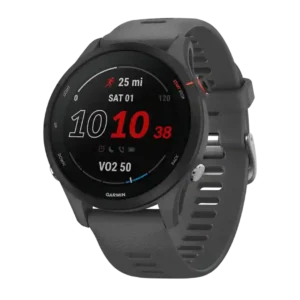
One review says the watch helps build an accurate picture of day-to-day health, based on heart rate, SpO2, sleep, stress, and related health stats.
Pros: reliability, GPS accuracy
Cons: call handling, touchscreen responsiveness
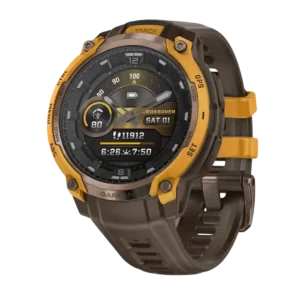
The strongest health-accuracy evidence comes from Body Battery matching the tester’s felt energy level during continuous wear.
Pros: fitness tracking accuracy, outdoor visibility
Cons: onboard music storage, touchscreen responsiveness
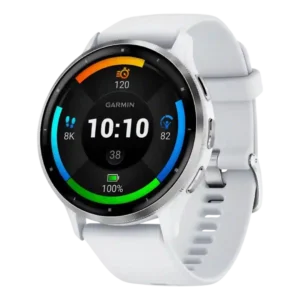
Health tracking accuracy was treated positively overall, especially for heart-rate-derived insights and the broad sensor set.
Pros: heart rate accuracy, display quality
Cons: LTE connectivity, third-party app support
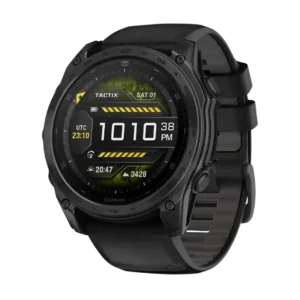
Health tracking was broad and generally positive, covering overall health metrics, body battery, heart rate, sleep, training tools, and wellness monitoring.
Pros: materials quality, durability
Cons: LTE connectivity, value for money
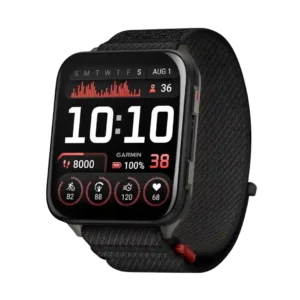
Health tracking is broadly praised for Garmin's deep metrics and sensors, though the evidence is stronger for overall capability than for every individual metric.
Pros: pairing reliability, watch face quality
Cons: LTE connectivity, ECG functionality
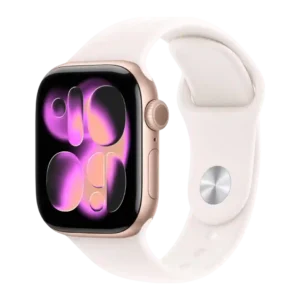
Health tracking accuracy is rated well, with reviewers pointing to the sensor suite and the watch's role as a useful health safety net.
Pros: contactless payments, pairing reliability
Cons: cross-platform compatibility, recovery insights
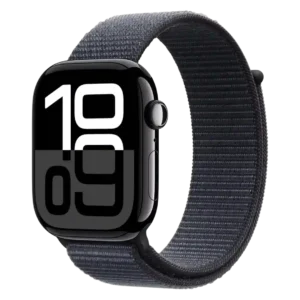
Health tracking accuracy is supported by accurate sleep timing and heart-rate comparisons, though sleep-stage accuracy is treated more cautiously.
Pros: charging speed, contactless payments
Cons: cross-platform compatibility, blood oxygen tracking
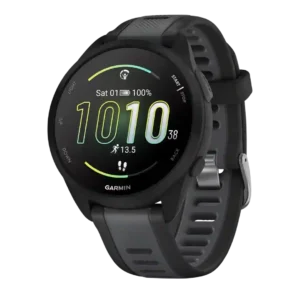
Health tracking accuracy was supported by the reliable sensor package and detailed data collection, but evidence was less extensive than for GPS and heart rate.
Pros: brightness, outdoor visibility
Cons: ECG functionality, voice assistant quality
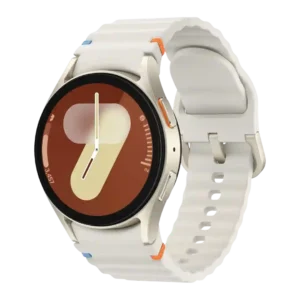
Health tracking was considered feature-rich and usually accurate, supported by the upgraded BioActive sensor and extensive Samsung Health metrics.
Pros: user interface, build quality
Cons: antioxidant index, cross-platform compatibility
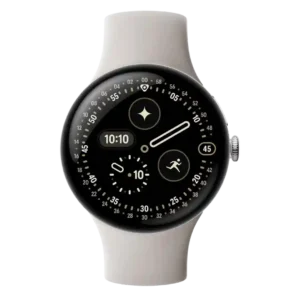
Overall health tracking accuracy is viewed as solid, with several reviewers saying results aligned with Apple Watch, Oura, or their lived experience.
Pros: outdoor visibility, charging speed
Cons: stress tracking, band quality
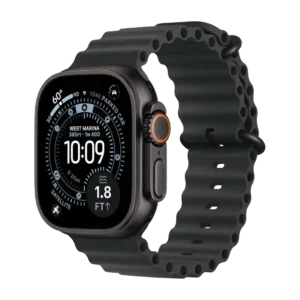
Health tracking is considered comprehensive and strong, combining Vitals, ECG, SpO2, hypertension alerts, sleep, and activity data.
Pros: pairing reliability, app ecosystem
Cons: cross-platform compatibility, size options
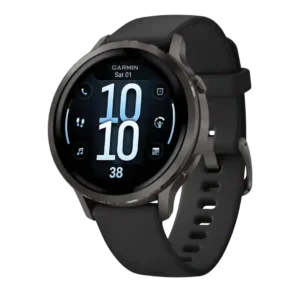
Health tracking is consistently framed as broad and useful, with reviewers citing Health Status, reliable-looking metrics, and consolidated heart-rate, HRV, temperature, respiration, and oxygen data.
Pros: outdoor visibility, brightness
Cons: LTE connectivity, charging convenience
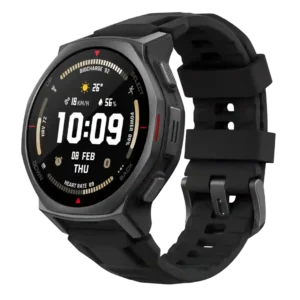
Reviewers who compared the health sensor against other devices found broad health metrics close, with strong heart-rate-adjacent data and blood oxygen support.
Pros: calorie tracking usefulness, cross-platform compatibility
Cons: ECG functionality, LTE connectivity
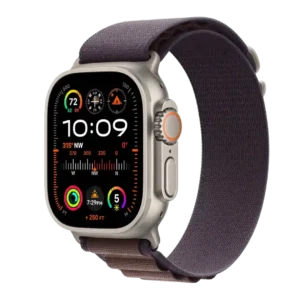
Health tracking accuracy is viewed positively for sleep apnea, ECG-adjacent accuracy, and broad health tracking, though some insights still need manual interpretation.
Pros: display quality, heart rate accuracy
Cons: cross-platform compatibility, recovery insights
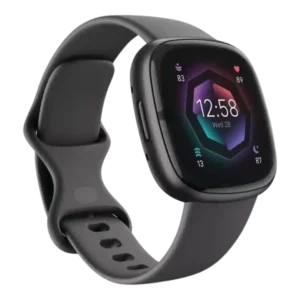
Health tracking accuracy is a relative strength, especially for trends, temperature, illness signals, and broad health metrics.
Pros: pairing reliability, cross-platform compatibility
Cons: third-party app support, music controls
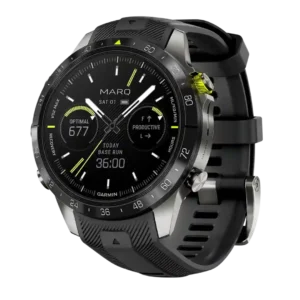
Health tracking accuracy is supported by a broad sensor suite and many tracked metrics, with reviewers generally treating Garmin’s data as credible.
Pros: charging speed, build quality
Cons: LTE connectivity, ECG functionality
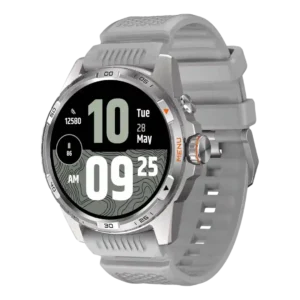
Health tracking was generally comprehensive and useful, but not always flawless because blood oxygen, sleep, and app interpretation had caveats.
Pros: battery life, durability
Cons: ECG functionality, LTE connectivity
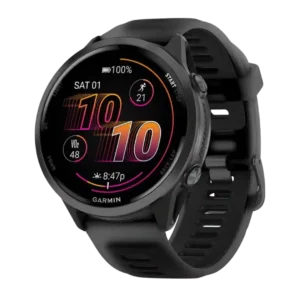
Health tracking is broad and useful, covering heart rate, sleep, stress, skin temperature, respiration, and wellness metrics, but some illness/sleep limitations appear.
Pros: outdoor visibility, brightness
Cons: ECG functionality, LTE connectivity
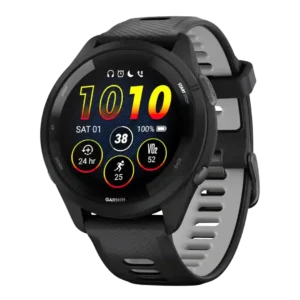
Health tracking accuracy is strong overall for heart rate, sleep, body metrics, and wellness data, but tattoos caused problems for one reviewer.
Pros: GPS accuracy, brightness
Cons: ECG functionality, voice assistant quality
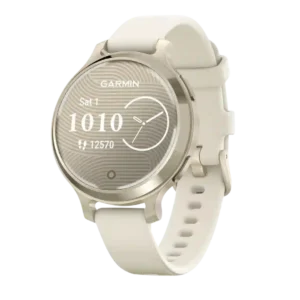
Reviewers consistently found the Lily 2 Active broad for daily health tracking, with heart rate, sleep, pulse ox, HRV, Body Battery, and activity data feeding useful insights.
Pros: comfort, style and design
Cons: ECG functionality, onboard music storage
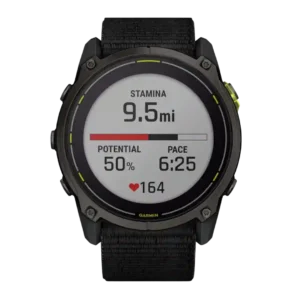
Reviewers found Garmin's health signals useful and sometimes impressively sensitive, especially when wellness scores reflected underlying fatigue or illness signs.
Pros: reliability, workout tracking variety
Cons: LTE connectivity, voice assistant quality
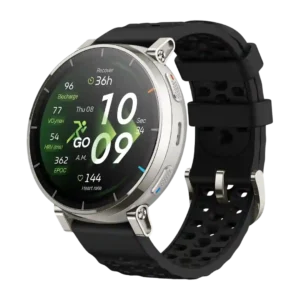
Health tracking is broad and mostly praised, covering HRV, heart rate, blood oxygen, stress, sleep, and BioCharge-type readiness insights.
Pros: outdoor visibility, software smoothness
Cons: ECG functionality, LTE connectivity
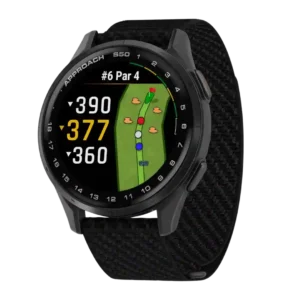
Reviewers treated the S50 as a credible health tracker, especially through body battery, HRV, blood oxygen, sleep, and daily activity insights, though the evidence is stronger on feature coverage than...
Pros: software smoothness, GPS accuracy
Cons: voice assistant quality, call handling
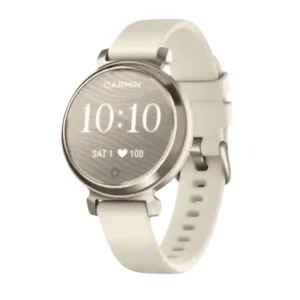
Health tracking accuracy was generally reliable for core metrics like heart rate, steps, sleep, respiration, and wellness trends, with some sleep and SpO2 caveats.
Pros: comfort, pairing reliability
Cons: ECG functionality, onboard music storage
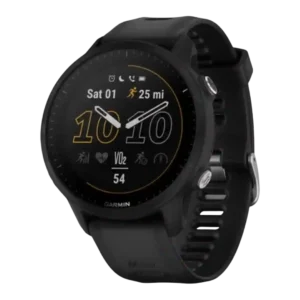
Health tracking accuracy is considered solid and consistent, with reviewers noting stable metrics, continuous sensor data, and broad health tracking, while some advanced metrics remain harder to verify directly.
Pros: charging speed, workout tracking variety
Cons: voice assistant quality, LTE connectivity
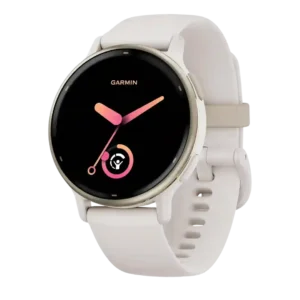
Health tracking accuracy is generally good for core wellness metrics, according to reviewer comparisons and daily use.
Pros: brightness, outdoor visibility
Cons: ECG functionality, LTE connectivity
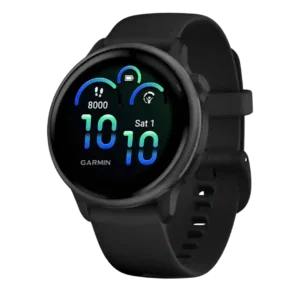
Health tracking accuracy is generally credible in reviewer comparisons, especially across sleep scores, heart rate, and steps.
Pros: comfort, software smoothness
Cons: ECG functionality, LTE connectivity
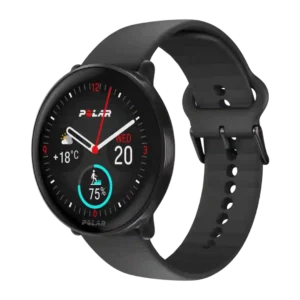
Health tracking is broadly useful, especially for heart rate, sleep, wellness, and exercise analysis, but some reviewers stress it is not medical-grade.
Pros: workout tracking variety, display quality
Cons: blood oxygen tracking, ECG functionality
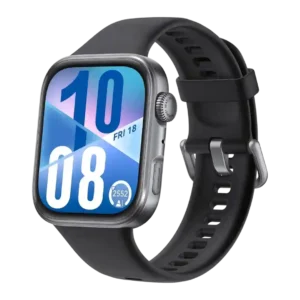
Health tracking accuracy is broadly positive for everyday use, especially heart rate and health insights, while reviewers still avoid medical-grade claims.
Pros: step counting accuracy, onboard music storage
Cons: ECG functionality, Wi-Fi connectivity
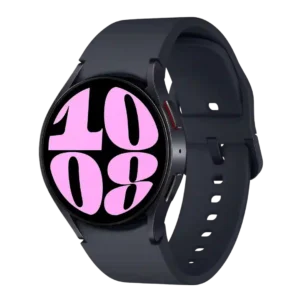
Health tracking accuracy is useful for trends and body insights, but reviewers framed some measurements as approximate rather than clinical-grade.
Pros: outdoor visibility, workout tracking variety
Cons: cross-platform compatibility, battery life
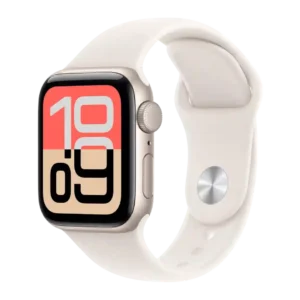
Health tracking accuracy is solid for the essentials, especially heart rate, sleep, and workouts, while advanced sensors are omitted.
Pros: value for money, contactless payments
Cons: blood oxygen tracking, ECG functionality
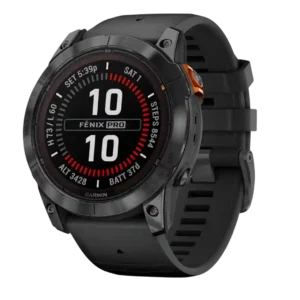
Reviewers found the health metrics broadly useful and consistent, though they framed them as training-oriented insight rather than medical-grade measurement.
Pros: customization options, workout tracking variety
Cons: calorie tracking usefulness, ECG functionality
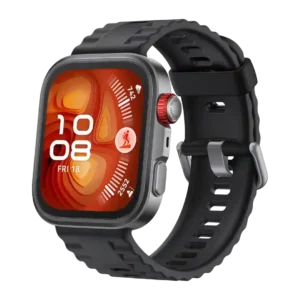
Health tracking accuracy is generally solid for heart rate, SPO2, and overall trends, though reviewers note some metrics can be generous or imperfect.
Pros: water resistance, workout tracking variety
Cons: ECG functionality, LTE connectivity
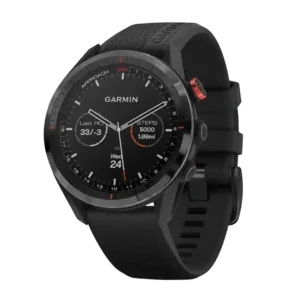
Health tracking was treated as broadly capable and accurate enough for a smartwatch-style fitness role, though the reviews focused more on features than medical precision.
Pros: battery life, GPS accuracy
Cons: voice assistant quality, onboard music storage
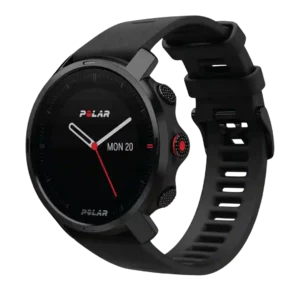
Reviewers found general health data useful, especially continuous heart-rate context, but evidence centered on heart and sleep rather than clinical health metrics.
Pros: wellness insights, workout tracking variety
Cons: contactless payments, onboard music storage
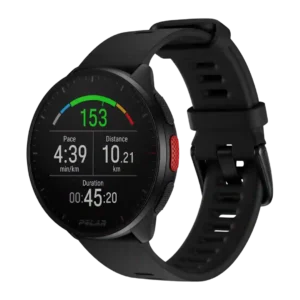
Health tracking accuracy was supported mainly through heart-rate, sleep, and HRV-based recovery data, which reviewers often found reliable.
Pros: workout tracking variety, brightness
Cons: contactless payments, onboard music storage
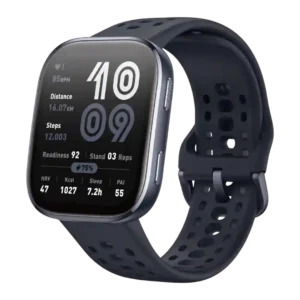
Health tracking accuracy received positive evidence in one review, but broader evidence is more mixed across individual health metrics.
Pros: workout tracking variety, brightness
Cons: ECG functionality, LTE connectivity
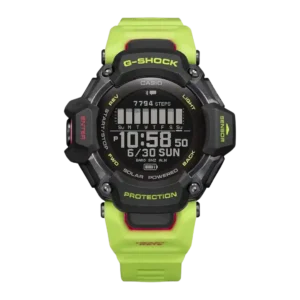
Health tracking accuracy benefits from Polar algorithms and useful sensors, but its value depends on the accuracy of the underlying readings.
Pros: water resistance, activity auto-detection
Cons: ECG functionality, call handling
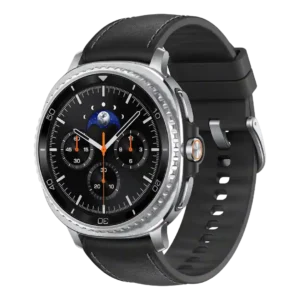
General health tracking accuracy is solid overall, with reviewers calling data accurate or comprehensive, while not every experimental metric proves equally useful.
Pros: third-party app support, heart rate accuracy
Cons: cross-platform compatibility, antioxidant index
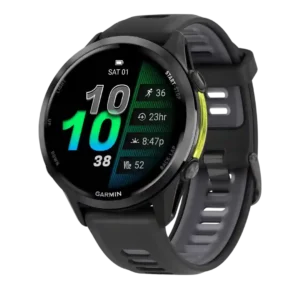
Health tracking evidence was mostly positive for derived health signals, including heart-related data and cycle/temperature-related observations, but one review noted Garmin can overestimate sleep.
Pros: button controls, GPS accuracy
Cons: LTE connectivity, size options
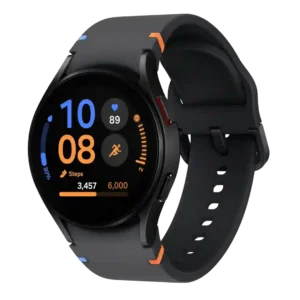
Health tracking accuracy is broadly favorable for mainstream use, but some metrics are framed as basic or sensor-limited compared with pricier watches.
Pros: workout tracking variety, materials quality
Cons: size options, cross-platform compatibility
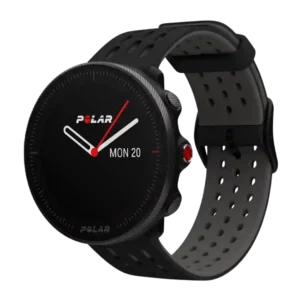
Health tracking accuracy is supported mainly through responsive heart-rate behavior and Polar’s VO2-style fitness testing rather than medical-grade metrics.
Pros: workout tracking variety, sleep tracking accuracy
Cons: blood oxygen tracking, voice assistant quality
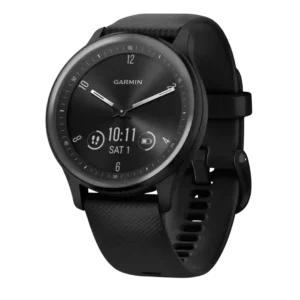
Reviewers found the Vivomove Sport useful for broad health tracking, especially everyday metrics such as heart rate, sleep, stress, steps, oxygen, hydration, and wellness trends, though it is not treated...
Pros: activity auto-detection, comfort
Cons: voice assistant quality, onboard music storage