Best for hot-swappable switches
Corsair K65 Plus
5.0 feature score
Highest scored product for this feature based on supporting review evidence.
Highest scored product for this feature based on supporting review evidence.
Balances feature score, supporting reviews, and overall product strength.
Has the broadest review evidence for this feature.
Strongest overall product among items with scored evidence for this feature.
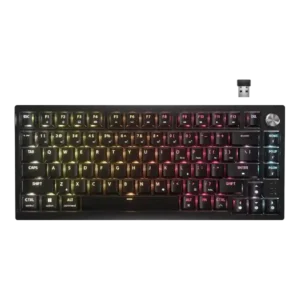
Hot-swappable switches were a universal strength, consistently described as easy, included, and central to the board’s appeal.
Pros: hot-swappable switches, connectivity
Cons: rapid trigger support, legend visibility
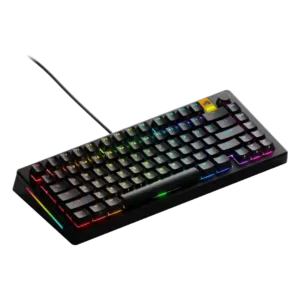
Hot-swappable switch support was a major differentiator because reviewers repeatedly confirmed HE/MX compatibility or simple component swapping.
Pros: customization options, hot-swappable switches
Cons: value for money, desk space efficiency
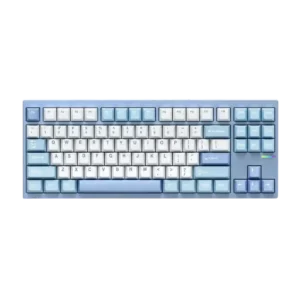
Hot-swap support is consistently confirmed, with reviewers saying switches can be changed without soldering.
Pros: hot-swappable switches, frame rigidity
Cons: portability, cable quality
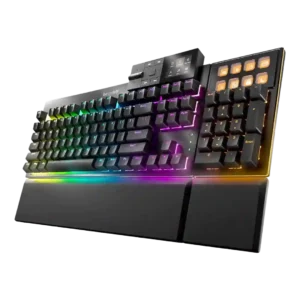
Hot-swappable switches are clearly supported and praised as a major customization and maintenance benefit.
Pros: acoustics, noise level
Cons: rapid trigger support, analog input support
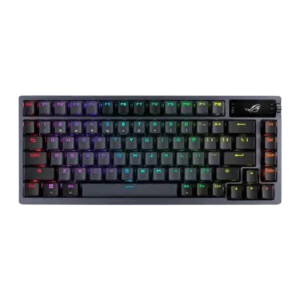
Hot-swappable switches are a standout feature, with reviewers praising both compatibility and the enthusiast-style flexibility.
Pros: hot-swappable switches, connectivity
Cons: passthrough features, wrist rest quality
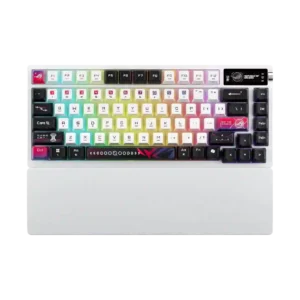
Hot-swap support was repeatedly confirmed through hot-swappable PCBs or sockets that allow switch changes without soldering.
Pros: battery life, hot-swappable switches
Cons: rapid trigger support, analog input support
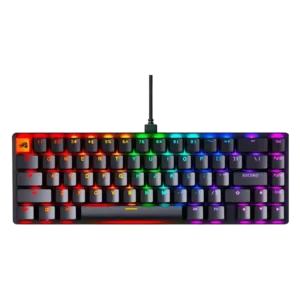
Hot-swappable switch support is one of the strongest points, repeatedly praised for 5-pin compatibility and easy switch changes.
Pros: hot-swappable switches, typing feel
Cons: wrist rest quality, actuation consistency
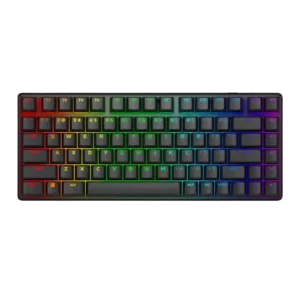
Hot-swappable switch support was clearly confirmed across reviews and was often framed as a valuable premium feature.
Pros: backlight brightness, latency
Cons: rapid trigger support, wrist rest quality
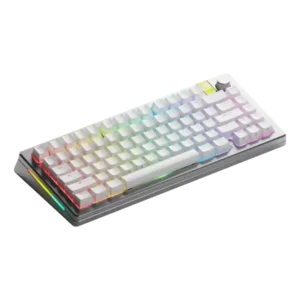
The HE version earns strong praise for dual hot-swap support that can accept both Hall-effect and MX-style switches.
Pros: size and form factor, customization options
Cons: passthrough features, portability
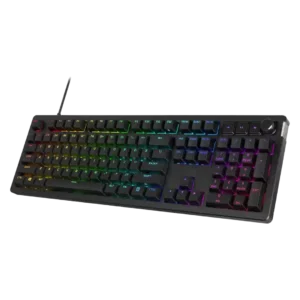
Hot-swap support was strongly covered, including 3-pin and 5-pin switch compatibility and easy mechanical switch changes in most reviews.
Pros: legend visibility, materials quality
Cons: wrist rest quality, ease of switch replacement
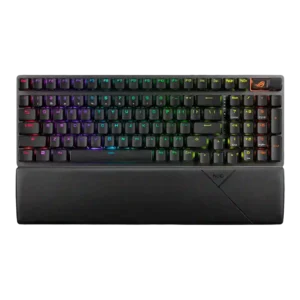
Hot-swappable switch support was widely supported in reviews and treated as a major enthusiast-friendly advantage.
Pros: latency, battery life
Cons: rapid trigger support, software quality
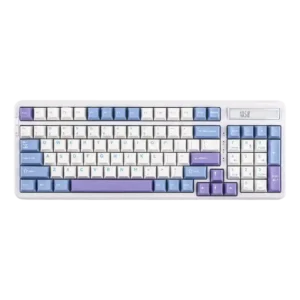
Hot-swappable switch support is consistently praised, with reviewers noting easy replacement and broad 3-pin or 5-pin compatibility.
Pros: polling rate, hot-swappable switches
Cons: key spacing, switch options
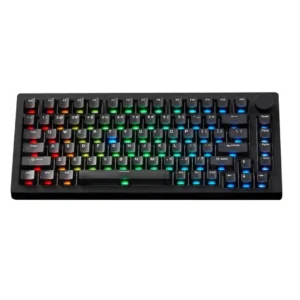
Hot-swap support is a clear strength, with reviewers citing replaceable switches and 3-pin/5-pin hot-swap compatibility.
Pros: switch options, extra gaming features
Cons: portability
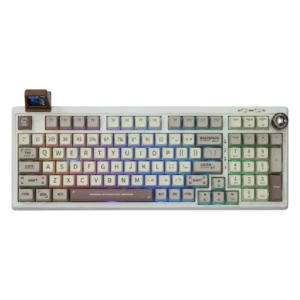
Hot-swappable switch support is one of the clearest strengths, with several reviewers citing 3-pin and 5-pin compatibility.
Pros: noise level, hot-swappable switches
Cons: rapid trigger support, legend visibility
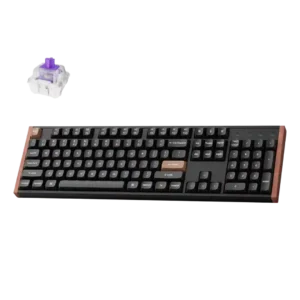
Hot-swappable switch support was directly confirmed, but within the compatible magnetic-switch ecosystem.
Pros: extra gaming features, sound dampening
Cons: desk space efficiency, portability
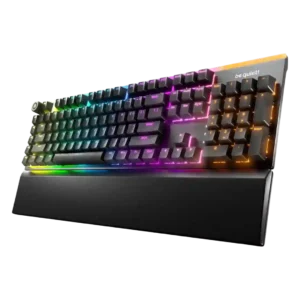
Hot-swappable switch support is repeatedly confirmed and gives owners a practical path to changing feel later.
Pros: key stability, noise level
Cons: rapid trigger support, analog input support
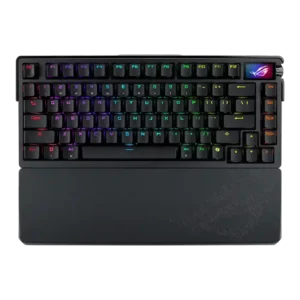
Hot-swappable switches are repeatedly supported, with reviewers noting hot-swap sockets and easy switch changes.
Pros: typing comfort, wireless performance
Cons: rapid trigger support, analog input support
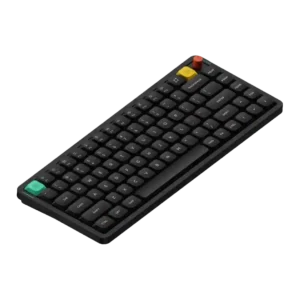
Hot-swap support was consistently mentioned as a positive for changing switches.
Pros: typing feel, layout options
Cons: rapid trigger support, per-key lighting control
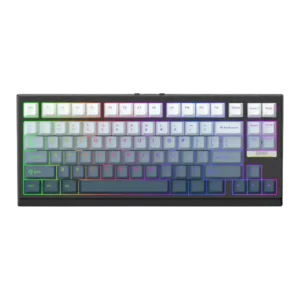
Hot-swap support is repeatedly confirmed, but one review warns that the HE version is limited to compatible magnetic switches.
Pros: polling rate, ease of switch replacement
Cons: wrist rest quality, media controls
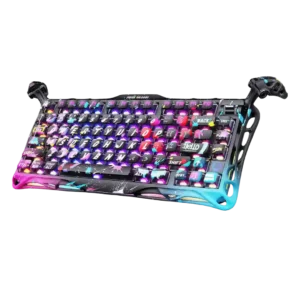
Reviewers confirm hot-swappable HE switch support, allowing switch swaps without soldering.
Pros: switch feel, key responsiveness
Cons: wireless performance, connectivity
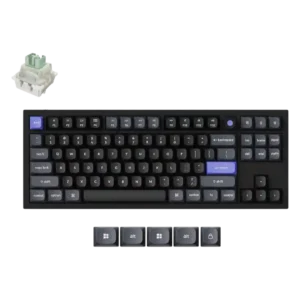
Hot-swap support is present, but the HE model's magnetic switch compatibility narrows the benefit compared with universal mechanical hot-swap.
Pros: latency, polling rate
Cons: portability, switch options
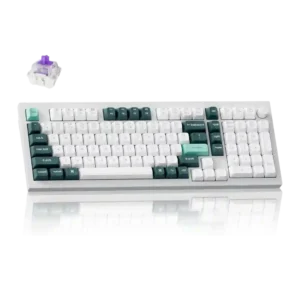
Hot-swap flexibility exists but is limited on the Q5 HE to compatible magnetic switch families rather than any standard switch.
Pros: build quality, frame rigidity
Cons: portability, switch options
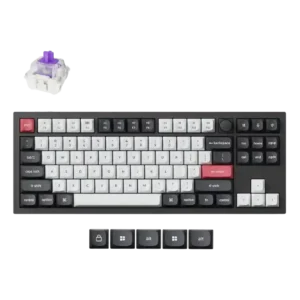
Hot-swappable magnetic switches were noted, but the benefit is narrowed by compatibility limits.
Pros: rapid trigger support, typing feel
Cons: switch options, portability
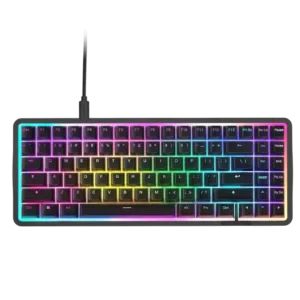
Hot-swappability exists, but it is less flexible than normal mechanical boards because Hall effect/proprietary compatibility limits choices.
Pros: polling rate, sound dampening
Cons: passthrough features, wireless performance
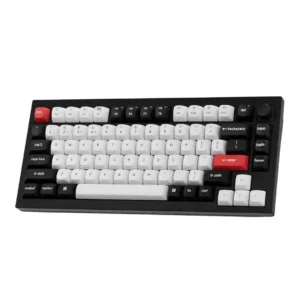
Hot-swappable switches are available, but reviewers repeatedly qualify the feature because only compatible magnetic switches fit.
Pros: frame rigidity, build quality
Cons: portability, per-key lighting control
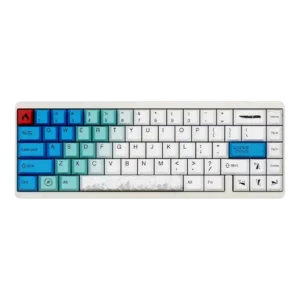
Hot-swappable switch support is mixed-positive because some reviewers say switches can be changed, while the main written review says hot-swap ability is limited.
Pros: materials quality, polling rate
Cons: portability, software quality
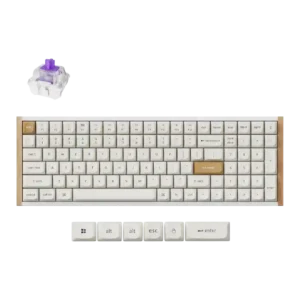
Hot-swappable switches are supported, but the benefit is limited because compatibility is restricted to specific magnetic switches.
Pros: rapid trigger support, customization options
Cons: per-key lighting control, media controls
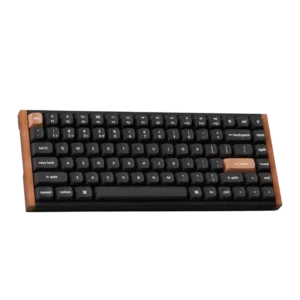
The keyboard is hot-swappable for magnetic switches, but the benefit is limited by compatibility restrictions.
Pros: rapid trigger support, switch feel
Cons: per-key lighting control, switch options
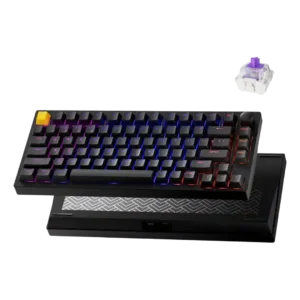
The P1 HE supports magnetic hot swapping, but reviewers also stressed it is restricted to compatible Gateron dual-rail magnetic switches.
Pros: desk space efficiency, connectivity
Cons: per-key lighting control, layout options
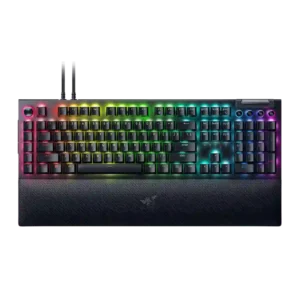
Hot-swappable support is split by model coverage: full-size reviewers criticize its absence, while 75%/Pro 75 reviews praise the hot-swap sockets.
Pros: latency, RGB customization
Cons: battery life, size and form factor
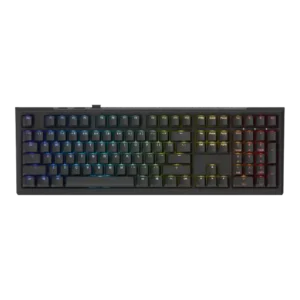
Hot-swap support exists, yet proprietary inductive switches and limited replacements keep it from being a full enthusiast win.
Pros: key stability, typing feel
Cons: wrist rest quality, profile management
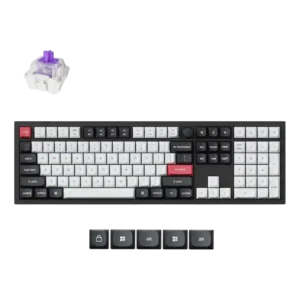
Hot-swappable switch support exists because the switches are not soldered, but the score is limited by compatibility restrictions.
Pros: key stability, frame rigidity
Cons: portability, switch options
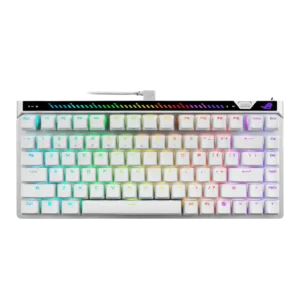
The switches are swappable, but reviewers emphasize that the compatible magnetic switch ecosystem is limited.
Pros: gaming performance, latency
Cons: battery life, analog input support
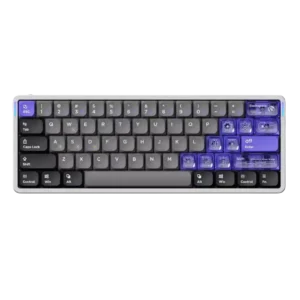
Hot-swappable switch support exists, but reviewers repeatedly warned that compatibility is restricted to the new low-profile magnetic switch niche.
Pros: gaming performance, polling rate
Cons: wireless performance, battery life
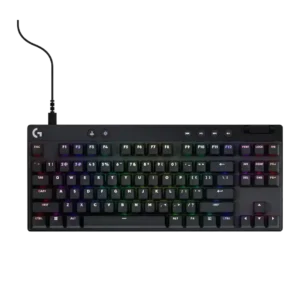
Hot-swappable switch support is the most split attribute: the older G Pro X is praised for it, while newer TKL and 60 models are repeatedly criticized for removing or limiting...
Pros: analog input support, frame rigidity
Cons: wrist rest quality, stabilizer quality
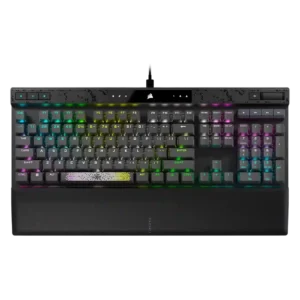
Hot-swappable switch support is conflicted and constrained: one review called it hot-swappable, another said sockets do not accept typical switches, and PCWorld said no hot-swap sockets.
Pros: frame rigidity, actuation consistency
Cons: passthrough features, wireless performance
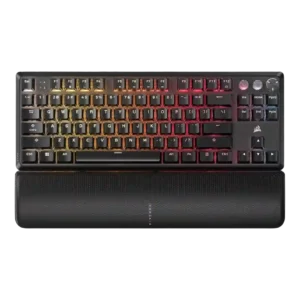
Hot-swappable switch support was mostly a weakness on RGB Pro and TKL variants, though the Mini Wireless review noted hot-swap capability.
Pros: onboard memory, rapid trigger support
Cons: passthrough features, wireless performance
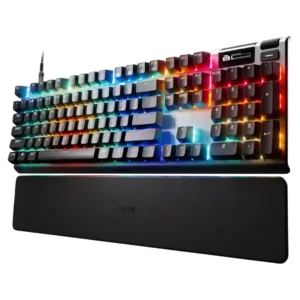
Hot-swap support was conflicting by model/reviewer: several reviews said no switch hot-swap, while one TKL review said Hall effect switches were hot-swappable.
Pros: customization options, sound dampening
Cons: passthrough features, ease of switch replacement
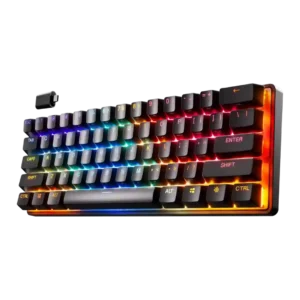
Hot-swap support is poor because reviews identify the PCB or switches as non-hot-swappable.
Pros: wireless performance, latency
Cons: wrist rest quality, hot-swappable switches
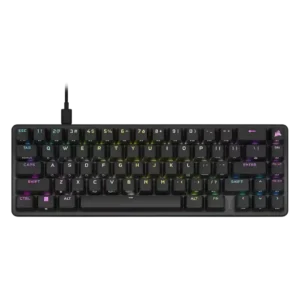
Hot-swappable switch support is limited: reviewers mostly identify it as missing or not equivalent to broader hot-swap boards.
Pros: profile management, durability
Cons: wireless performance, analog input support
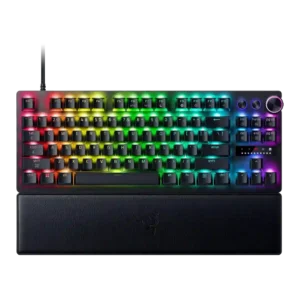
Hot-swappable switch support is weak because the keyboard is repeatedly described as non-hot-swappable, non-swappable, or unable to use standard switches.
Pros: layout options, key responsiveness
Cons: wireless performance, passthrough features
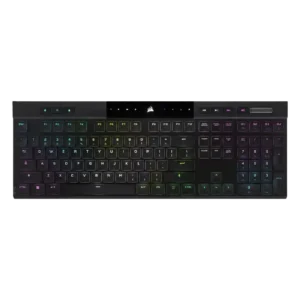
Hot-swap support is effectively absent; reviewers repeatedly noted the switches or keycaps are not hot-swappable or user-serviceable in the usual mechanical-keyboard sense.
Pros: extra gaming features, onboard memory
Cons: hot-swappable switches, ease of switch replacement
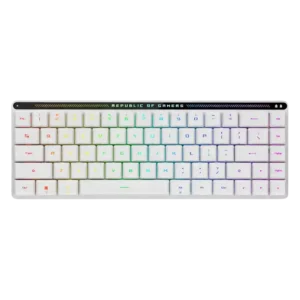
Hot-swappable switch support scored poorly because most reviews stated or implied the switches are not hot-swappable.
Pros: latency, reliability
Cons: rapid trigger support, wrist rest quality
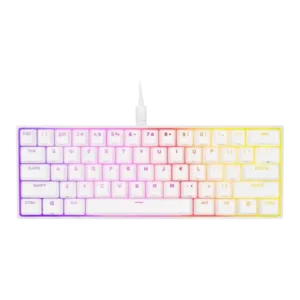
Hot-swappable switches were consistently absent where discussed, limiting enthusiast appeal and switch experimentation.
Pros: desk space efficiency, polling rate
Cons: wrist rest quality, hot-swappable switches
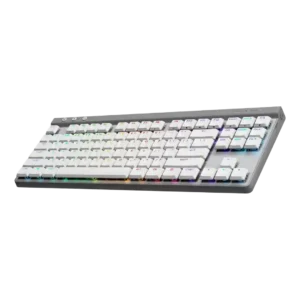
Hot-swap support is a clear weakness because multiple reviewers explicitly said the switches are not hot-swappable or are soldered.
Pros: macro customization, latency
Cons: hot-swappable switches, passthrough features
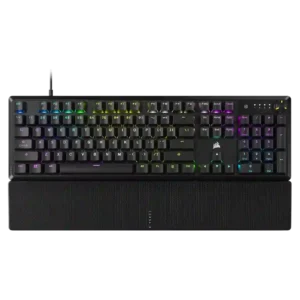
Hot-swappable switches are consistently absent, making switch replacement or modding a poor fit.
Pros: per-key lighting control, RGB customization
Cons: analog input support, hot-swappable switches
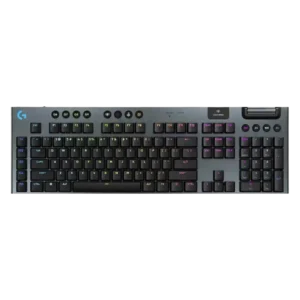
Hot-swappable switch support is poor; multiple reviewers explicitly say the switches are not hot-swappable.
Pros: stabilizer quality, frame rigidity
Cons: hot-swappable switches, ease of switch replacement
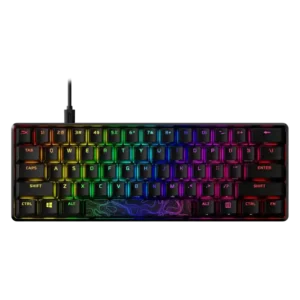
Hot-swappable switch support is a weakness because reviewers specifically noted non-hotswap PCBs or the need for desoldering.
Pros: frame rigidity, materials quality
Cons: wireless performance, hot-swappable switches
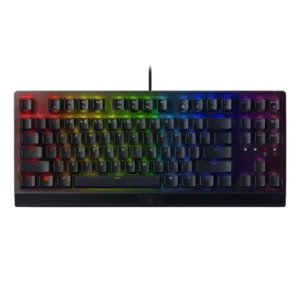
Hot-swap support is not present; the only direct evidence states that the keyboard does not support hot swapping.
Pros: latency, per-key lighting control
Cons: hot-swappable switches, wireless performance
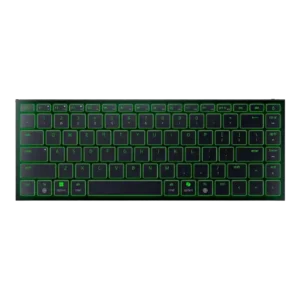
The Joro does not support hot-swappable switches; the comparison review says the keys or switches cannot be replaced.
Pros: portability, frame rigidity
Cons: hot-swappable switches, ease of switch replacement