Best for key responsiveness
Razer Huntsman V3 Pro
5.0 feature score
Highest scored product for this feature based on supporting review evidence.
Highest scored product for this feature based on supporting review evidence.
Balances feature score, supporting reviews, and overall product strength.
Has the broadest review evidence for this feature.
Strongest overall product among items with scored evidence for this feature.
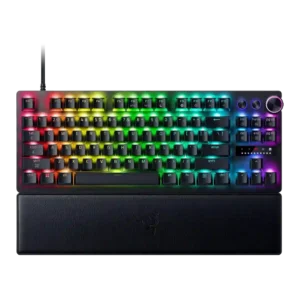
Responsiveness was a clear strength, with reviewers describing exceptional gaming responsiveness, more responsive feel in A/B testing, and latency-free input.
Pros: key responsiveness, actuation consistency
Cons: switch options, hot-swappable switches
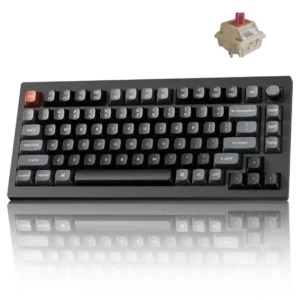
The early tactile bump on the Banana switches makes them feel quicker and lighter than their force rating suggests, and gaming inputs were perceived as immediate.
Pros: key responsiveness, actuation consistency
Cons: rapid trigger support, analog input support
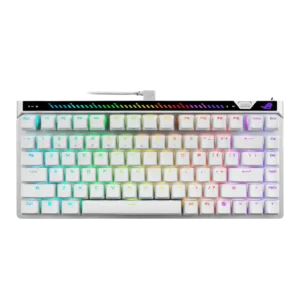
Responsiveness was a major strength, with reviewers describing immediate inputs and especially fast movement behavior.
Pros: key responsiveness, latency
Cons: analog input support, wrist rest quality
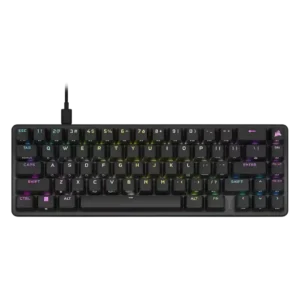
Responsiveness was one of the strongest themes, with reviewers repeatedly describing the keyboard as direct, fast, snappy, and highly responsive in use.
Pros: volume control, key responsiveness
Cons: wireless performance, wrist rest quality
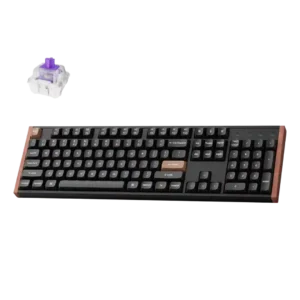
Key responsiveness was one of the clearest strengths, with reviewers praising instant response, fast behavior, and very light registration.
Pros: wireless performance, key responsiveness
Cons: switch options, desk space efficiency
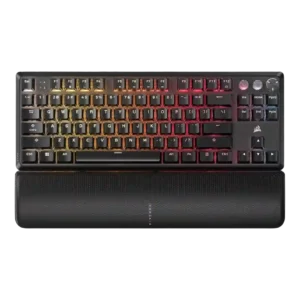
Key responsiveness scored strongly across gaming-focused reviews, with repeated praise for fast, precise inputs and reliable command registration.
Pros: per-key lighting control, key responsiveness
Cons: ease of switch replacement, battery life
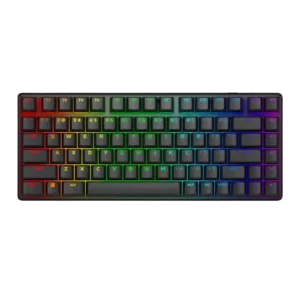
Key responsiveness was one of the strongest areas, with reviewers reporting accurate, fast, and reliable presses during both typing and games.
Pros: key stability, backlight brightness
Cons: rapid trigger support, wrist rest quality
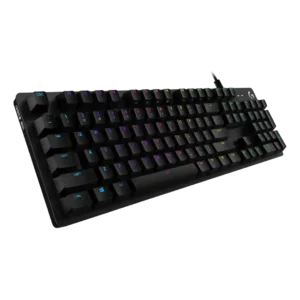
Key responsiveness is consistently praised, with reviewers calling the keys responsive, precise, or satisfying in use.
Pros: key spacing, key responsiveness
Cons: reliability, connectivity
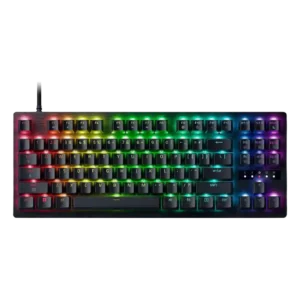
Responsiveness is consistently praised, from pressure-sensitive analog control to instantaneous-feeling keystrokes and crisp movement changes.
Pros: polling rate, RGB customization
Cons: key stability, typing comfort
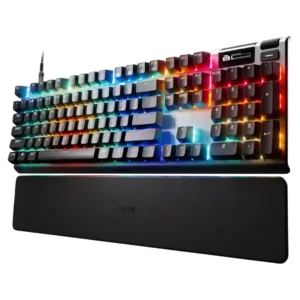
Responsiveness was one of the strongest themes, with multiple reviewers saying inputs felt immediate and kept up with fast keystrokes.
Pros: key responsiveness, durability
Cons: passthrough features, analog input support
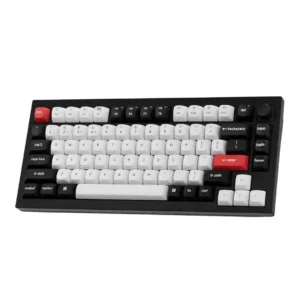
Responsiveness is rated very highly, with reviewers citing fast reaction, low actuation advantages, and little difference from top Hall Effect competitors.
Pros: key stability, frame rigidity
Cons: profile management, reliability
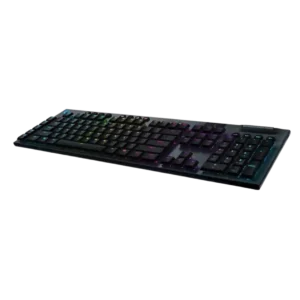
Reviewers repeatedly describe the low-profile switches as zippy, responsive, fast, and comparable to wired responsiveness.
Pros: latency, polling rate
Cons: passthrough features, cable quality
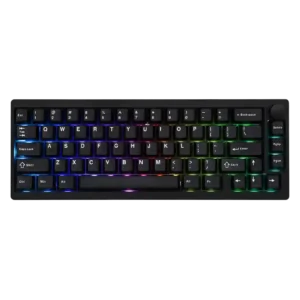
The light linear switches feel snappy and promptly register commands, with no lag noticed in normal gaming.
Pros: frame rigidity, acoustics
Cons: rapid trigger support, analog input support
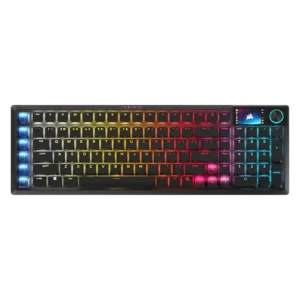
Short 1.5mm actuation and light force make keypresses exceptionally quick without feeling uncontrollably sensitive. Responsiveness remains strong in both games and everyday typing.
Pros: key stability, stabilizer quality
Cons: analog input support, rapid trigger support
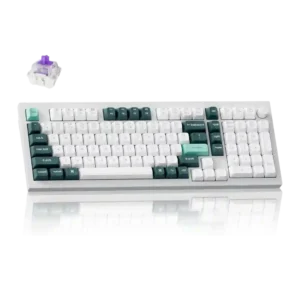
Key responsiveness was a major strength, with reviewers describing the switches as incredibly responsive, precise, and free of noticeable lag in use.
Pros: cable quality, typing comfort
Cons: portability, switch options
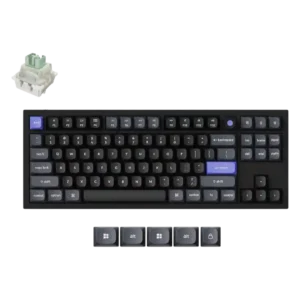
Responsiveness was praised through super-fast response times and exceptional precision.
Pros: key responsiveness, polling rate
Cons: switch options, portability
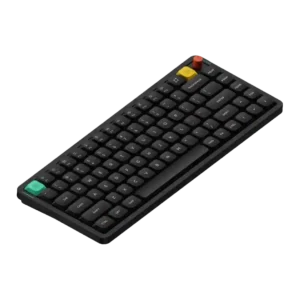
One reviewer strongly praised responsiveness, saying individual keystrokes were easy to feel and control.
Pros: key responsiveness, typing feel
Cons: per-key lighting control, legend visibility
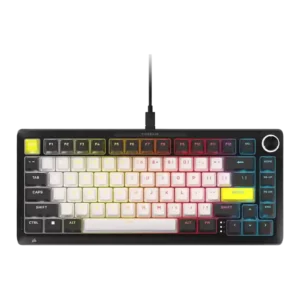
Responsiveness was one of the clearest strengths, with many reviewers describing immediate, precise, or faster inputs.
Pros: per-key lighting control, durability
Cons: portability, noise level
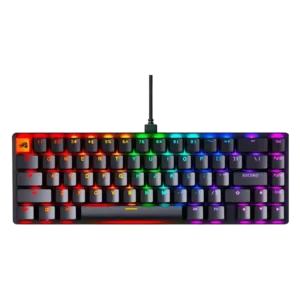
Reviewers who discussed responsiveness found the keys fast and dependable in gaming and typing, with no missed inputs in tested use.
Pros: compatibility, key responsiveness
Cons: wrist rest quality, key spacing
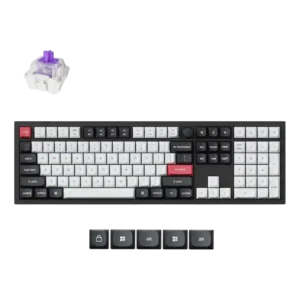
Key responsiveness was praised for adjustable actuation, instant reaction, low travel recognition, and faster touch-typing potential.
Pros: key stability, frame rigidity
Cons: portability, switch options
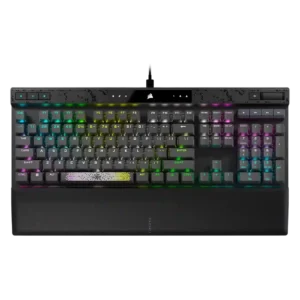
Key responsiveness was a major strength, often described as instant, flawless, precise, or extremely rapid.
Pros: reliability, key responsiveness
Cons: desk space efficiency, wireless performance
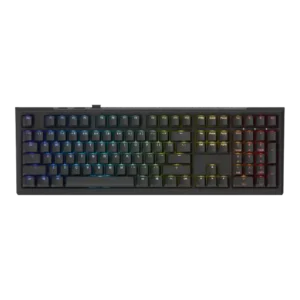
Hands-on reviewers praised responsiveness, saying response times felt great, keystrokes registered instantly, and actuation behaved as expected in tests.
Pros: typing feel, key stability
Cons: profile management, wrist rest quality
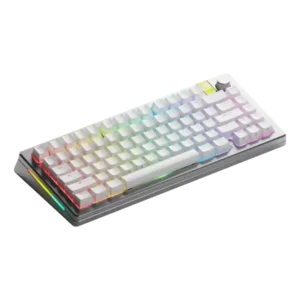
Gaming responsiveness was consistently praised, with reviewers describing fast reactions, quick Hall effect behavior, and noticeable gaming benefits.
Pros: materials quality, customization options
Cons: reliability, actuation consistency
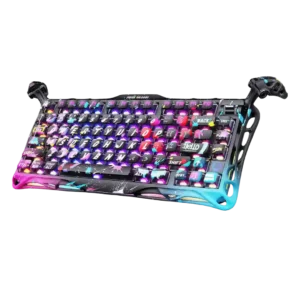
Responsiveness was a consistent strength, with reviewers reporting prompt command registration and instant key presses.
Pros: legend visibility, key responsiveness
Cons: connectivity, cable quality
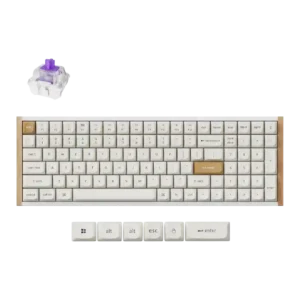
Key responsiveness was one of the most consistently praised attributes, with reviews emphasizing fast input, fluid keypresses, and responsive Hall Effect behavior.
Pros: durability, rapid trigger support
Cons: per-key lighting control, stabilizer quality
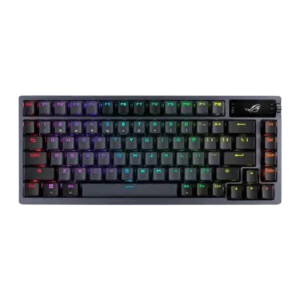
Key responsiveness was praised in both typing and gaming, with reviewers noting snappy response, fast feel, and I had no missed keypresses.
Pros: durability, wireless performance
Cons: passthrough features, onboard memory
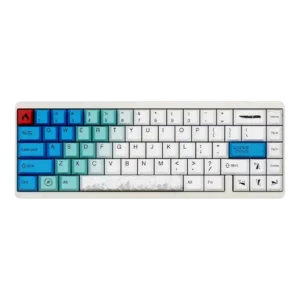
Responsiveness was a major strength, with reviewers describing the switches and in-game input response as highly responsive or flawless.
Pros: durability, key responsiveness
Cons: reliability, RGB customization
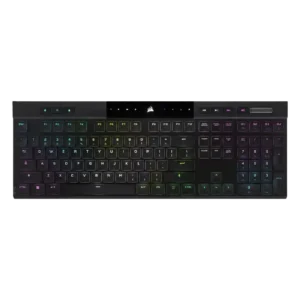
Key responsiveness was a standout positive, with reviewers describing immediate, accurate, or highly responsive inputs.
Pros: backlight brightness, actuation consistency
Cons: sound dampening, stabilizer quality
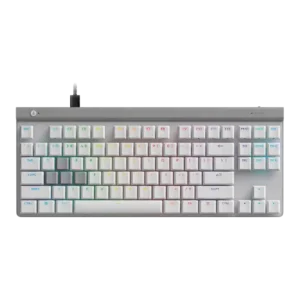
Key responsiveness was consistently praised, especially for rapid movements, immediate input response, and magnetic switch speed.
Pros: key responsiveness, ergonomics
Cons: wireless performance, volume control
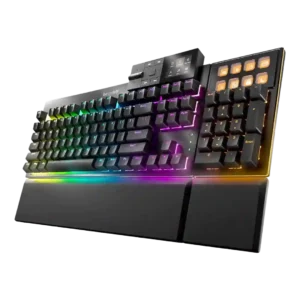
Key response was generally described as sharp, precise, and dependable across typing and gaming, with repeated praise for accurate registration.
Pros: key stability, per-key lighting control
Cons: analog input support, wireless performance
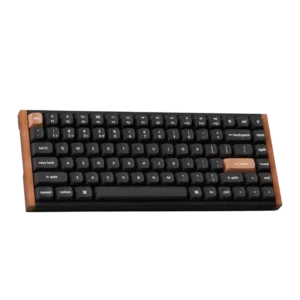
Key responsiveness was a major strength, with reviewers repeatedly calling the board fast, highly responsive, or effortless to trigger.
Pros: wrist rest quality, onboard memory
Cons: per-key lighting control, switch options
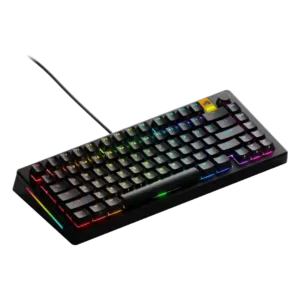
Responsiveness was widely praised, with reviewers citing crisp action, precise game movement, and highly responsive inputs.
Pros: RGB lighting quality, layout options
Cons: frame rigidity, value for money
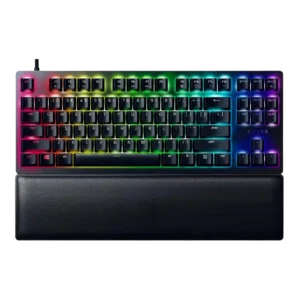
Responsiveness was consistently praised, with reviewers calling the switches fast, instant, and easy to press quickly.
Pros: key stability, per-key lighting control
Cons: stabilizer quality, media controls
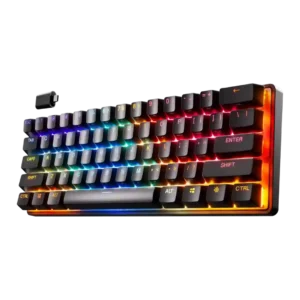
Responsiveness was one of the strongest areas: reviewers repeatedly described fast actuation, fewer missed strokes, quicker reactions, and very fast in-game feel, with only sensitivity-related caveats at low actuation.
Pros: latency, key responsiveness
Cons: hot-swappable switches, ease of switch replacement
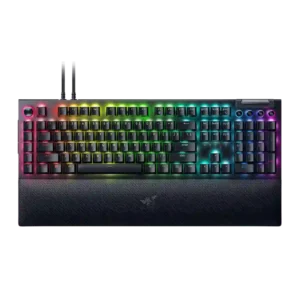
Key responsiveness was a major strength, with reviewers citing instant, smooth, accurate, and sensitive keypresses across gaming and productivity.
Pros: key stability, ease of switch replacement
Cons: compatibility, battery life
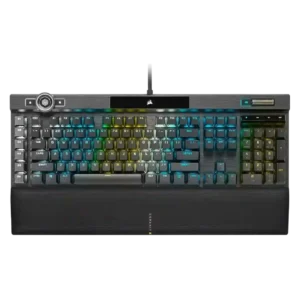
The keyboard is repeatedly praised for very fast, sensitive, and responsive inputs, with several reviewers describing immediate or lightning-fast key response.
Pros: actuation consistency, key stability
Cons: hot-swappable switches, switch options
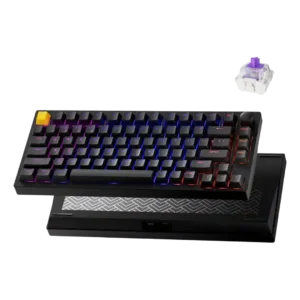
Key responsiveness was highly rated, especially for snappy movement, Hall-effect behavior, and smoother analog response.
Pros: frame rigidity, stabilizer quality
Cons: per-key lighting control, RGB customization
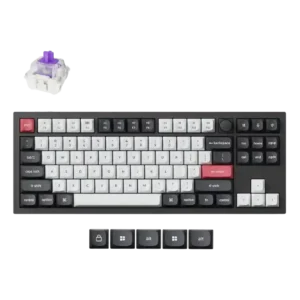
Responsiveness was strongly praised, with reviewers describing accurate, ultra-responsive, twitch-fast key behavior that helped gaming and fast typing.
Pros: build quality, extra gaming features
Cons: switch options, hot-swappable switches
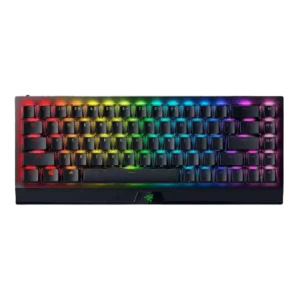
Key responsiveness was a major strength, with reviewers repeatedly saying inputs felt fast, precise, and able to keep up during games and typing.
Pros: per-key lighting control, backlight brightness
Cons: passthrough features, compatibility
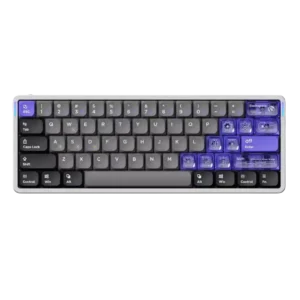
Responsiveness was a major strength across reviews, with reviewers praising fast keystrokes, snappy switches, and responsive in-game behavior.
Pros: frame rigidity, rapid trigger support
Cons: switch options, legend visibility
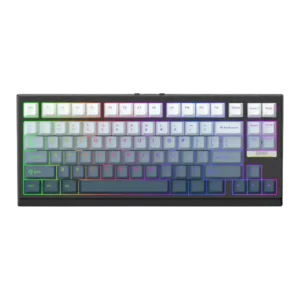
Responsiveness was consistently positive, with reviewers citing swift input, instant response, snappy gaming, and precise movement per key press.
Pros: desk space efficiency, layout options
Cons: compatibility
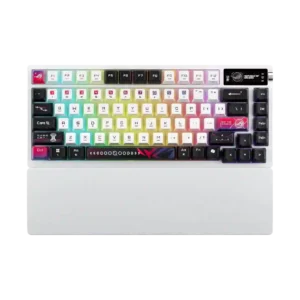
Key response was consistently praised as snappy, fast, and responsive across typing and gaming, especially with the light linear switches.
Pros: latency, wireless performance
Cons: rapid trigger support, analog input support
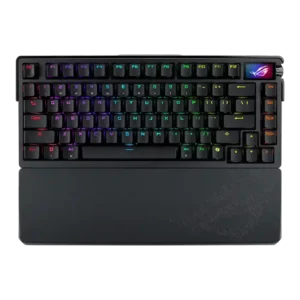
Responsiveness was praised through fast response, quicker actuation, and improved reaction time in games.
Pros: key spacing, reliability
Cons: rapid trigger support, analog input support
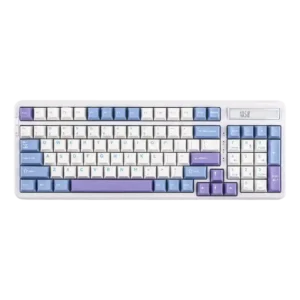
Responsiveness was a strength, with reviewers describing the switches as quick, responsive and comfortable for fast inputs.
Pros: ease of switch replacement, typing feel
Cons: key spacing, layout options
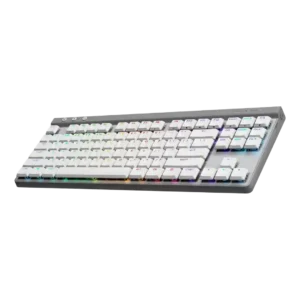
Responsiveness was a major strength, supported by short actuation, fast-feeling inputs, and good results in games.
Pros: latency, wireless performance
Cons: rapid trigger support, ease of switch replacement
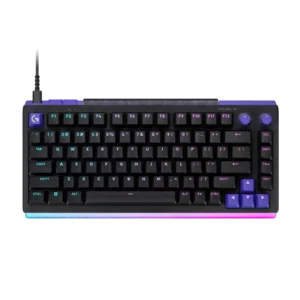
Analog keys can feel extremely quick and precise, with clear benefits for counter-strafing and rapid actions. Stock tactile switches are also responsive, though sensitivity needs careful adjustment.
Pros: latency, RGB customization
Cons: actuation consistency, connectivity
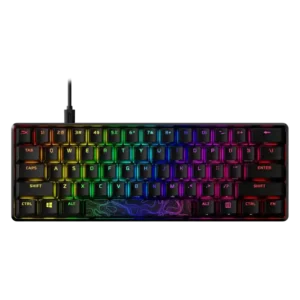
Responsiveness is a clear strength, with reviewers citing quick, precise inputs, reduced accidental presses, and skill activation that kept up with games.
Pros: latency, actuation consistency
Cons: ease of switch replacement, reliability
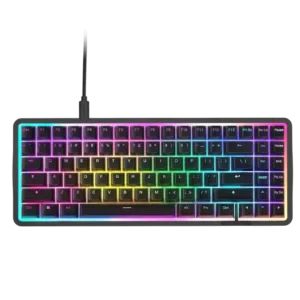
Responsiveness was usually praised as fast and snappy, though a few reviewers noted it is not the absolute fastest Hall-effect option.
Pros: latency, acoustics
Cons: passthrough features, wireless performance
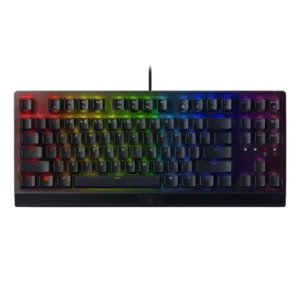
Key responsiveness was one of the clearest strengths, with reviewers reporting quick actuation, reliable in-game inputs, and no keypress problems in normal play.
Pros: latency, durability
Cons: sound dampening, passthrough features
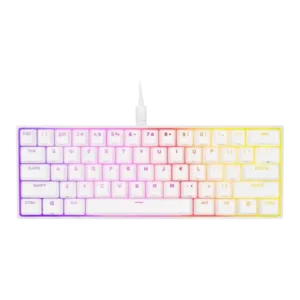
Responsiveness was consistently strong, with reviewers describing fast actuation, precise input, and satisfying keypresses for gaming.
Pros: desk space efficiency, frame rigidity
Cons: sound dampening, ease of switch replacement