Best for polling rate
Razer Huntsman V3 TKL
5.0 feature score
Highest scored product for this feature based on supporting review evidence.
Highest scored product for this feature based on supporting review evidence.
Balances feature score, supporting reviews, and overall product strength.
Has the broadest review evidence for this feature.
Strongest overall product among items with scored evidence for this feature.
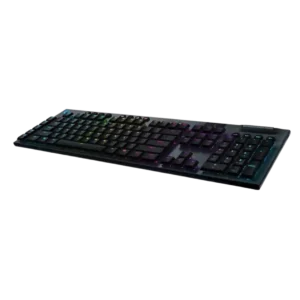
Polling-rate evidence is positive, with 1ms/1,000Hz behavior tied directly to imperceptible lag and fast wireless performance.
Pros: latency, polling rate
Cons: passthrough features, cable quality
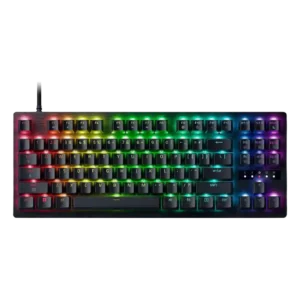
The 8KHz polling rate is repeatedly framed as a serious speed upgrade, especially for competitive play where tiny input delays matter.
Pros: polling rate, RGB customization
Cons: key stability, typing comfort
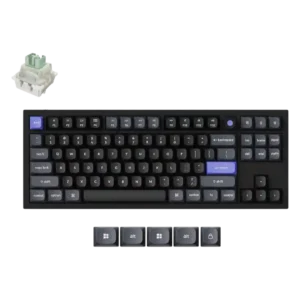
The 8K polling implementation was a standout point across the direct Q3 HE reviews.
Pros: key responsiveness, polling rate
Cons: switch options, portability
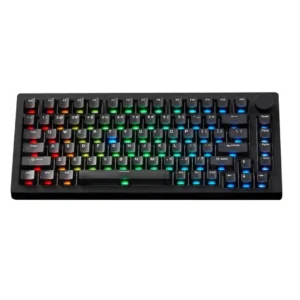
Polling-rate evidence is positive, especially for TMR and HE models with 8K claims or tests; the VIA model's lower rates are still described as acceptable.
Pros: switch options, hot-swappable switches
Cons: portability, cable quality
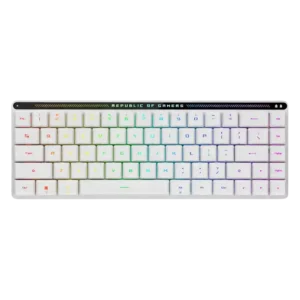
Polling-rate evidence is limited but positive, with one reviewer calling the high-rate 2.4GHz mode suitable for gaming.
Pros: reliability, typing comfort
Cons: cable quality, wrist rest quality
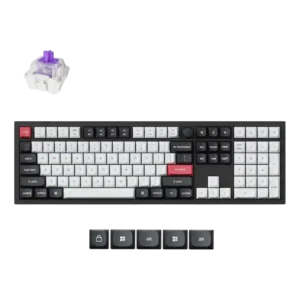
Polling-rate evidence was positive where reviewers tied 1000Hz or 2.4GHz use to strong responsiveness.
Pros: key stability, frame rigidity
Cons: portability, switch options
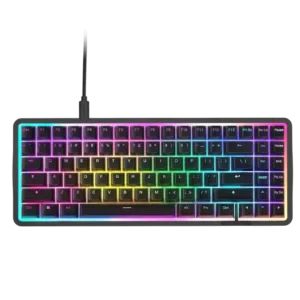
The 8,000Hz polling rate was praised for competitive performance, though some reviewers said many players will not notice the benefit.
Pros: latency, acoustics
Cons: passthrough features, wireless performance
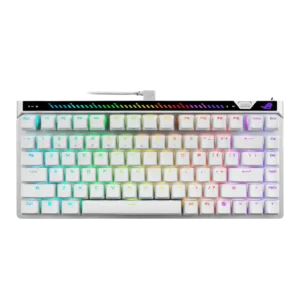
The high polling rate was treated as a competitive advantage, though one reviewer framed its benefit as most relevant to pros.
Pros: key responsiveness, latency
Cons: analog input support, wrist rest quality
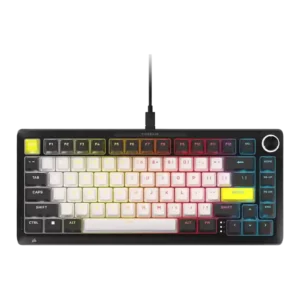
8,000Hz polling was usually treated as fast and performance-oriented, though one reviewer said it made no practical difference in use.
Pros: per-key lighting control, durability
Cons: portability, noise level
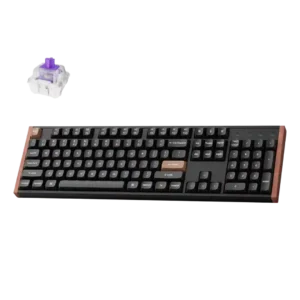
Polling rate was tied to good responsiveness, with reviewers praising the 1000 Hz behavior for gaming and wireless-like-wired feel.
Pros: wireless performance, key responsiveness
Cons: switch options, desk space efficiency
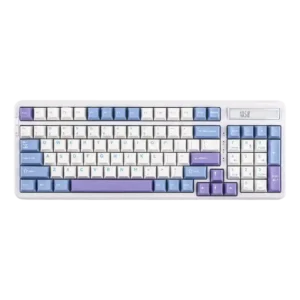
The polling rate drew praise where discussed, with one reviewer calling the 1000Hz rate impressive and another tying it to minimal latency.
Pros: ease of switch replacement, typing feel
Cons: key spacing, layout options
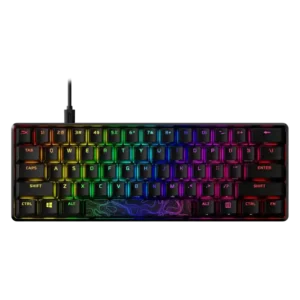
Polling rate evidence is positive but limited, with reviewers calling the 1000 Hz-class polling or scan behavior suitable for gaming.
Pros: latency, actuation consistency
Cons: ease of switch replacement, reliability
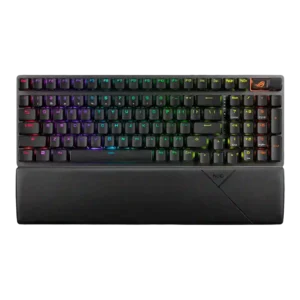
Polling-rate evidence is limited to one review, but it links the 1000Hz behavior to more responsive-feeling inputs for competitive play.
Pros: per-key lighting control, wireless performance
Cons: rapid trigger support, analog input support
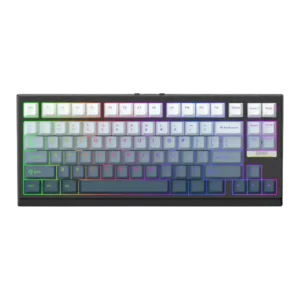
The polling rate was treated as part of the keyboard's precision-and-speed appeal for users who care about Hall Effect performance.
Pros: desk space efficiency, layout options
Cons: compatibility
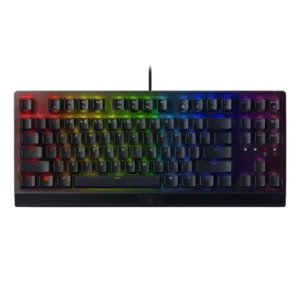
Polling rate received limited but positive support, with the reviewer tying the fast thousand-hertz rate to responsive keypress behavior.
Pros: latency, durability
Cons: sound dampening, passthrough features
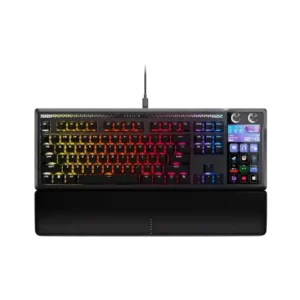
The 8,000Hz polling rate is repeatedly treated as a premium gaming feature, especially for competitive play. Several reviewers note that most people may not feel the difference, but it supports...
Pros: customization options, ease of switch replacement
Cons: reliability, analog input support
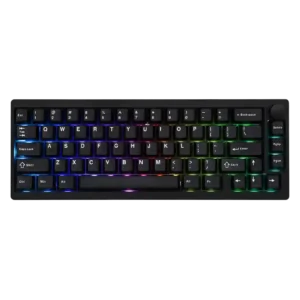
The 1,000Hz wired and 2.4GHz polling rate is viewed as fully adequate for mainstream gaming, even if it trails 8K esports-focused boards.
Pros: frame rigidity, acoustics
Cons: rapid trigger support, analog input support
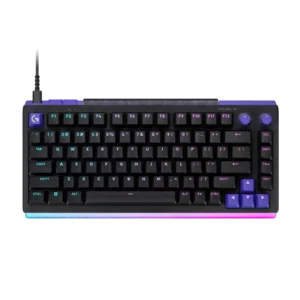
The true 8,000Hz report rate is a legitimate competitive specification and pairs well with the TMR switches. Reviewers repeatedly note that most non-elite players will struggle to notice the difference...
Pros: latency, RGB customization
Cons: actuation consistency, connectivity
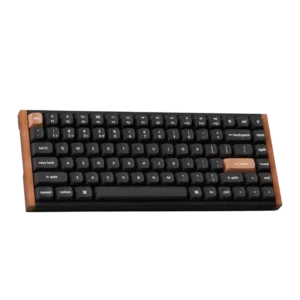
Polling rate was considered adequate to good for most users at 1,000Hz, but not class-leading for top competitive gaming.
Pros: wrist rest quality, onboard memory
Cons: per-key lighting control, switch options
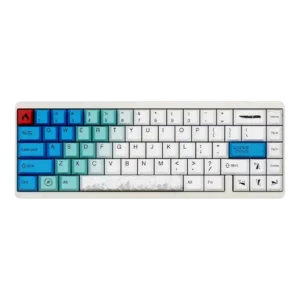
High polling support was viewed positively, with reviewers calling it fast or smooth for competitive-style play.
Pros: durability, key responsiveness
Cons: reliability, RGB customization
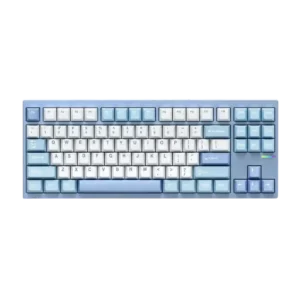
Reviewers treated the 1,000 Hz polling behavior as a strength, linking it to responsive inputs and low-latency use.
Pros: value for money, customization options
Cons: cable quality, portability
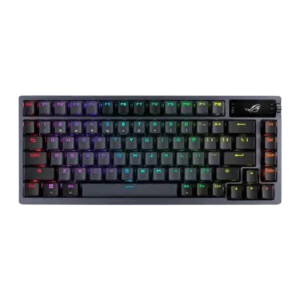
Polling rate was considered sufficient for high-end wireless use, though later reviewers framed it as no longer cutting edge for elite competitive players.
Pros: durability, wireless performance
Cons: passthrough features, onboard memory
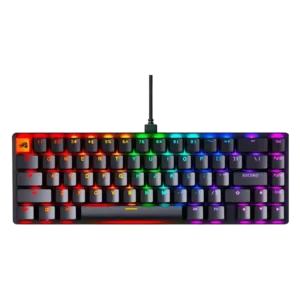
Polling-rate adjustment was treated as a useful performance-tuning feature, though most praise came as part of the broader software/performance controls.
Pros: compatibility, key responsiveness
Cons: wrist rest quality, key spacing
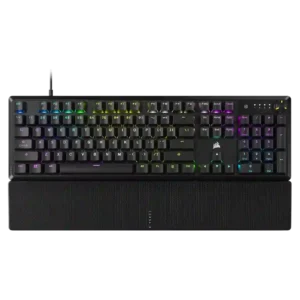
Most reviewers found the 1,000Hz polling rate sufficient or excellent for this class, even if it lacks higher-end AXON-style rates.
Pros: per-key lighting control, compatibility
Cons: ease of switch replacement, hot-swappable switches
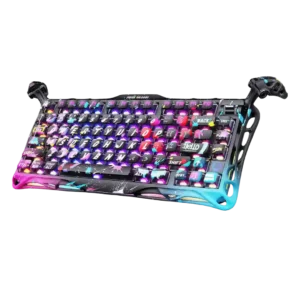
Most reviewers treated the 8,000Hz polling as effective or accurate, though one called the practical benefit a marketing gimmick.
Pros: legend visibility, key responsiveness
Cons: connectivity, cable quality
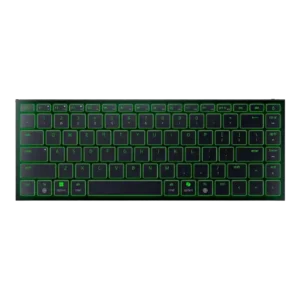
A wired 1,000Hz mode was praised as a useful fallback when battery or wireless gaming performance mattered.
Pros: frame rigidity, size and form factor
Cons: sound dampening, per-key lighting control
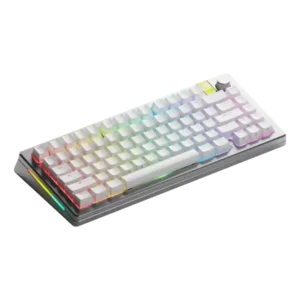
Polling-rate support impressed several reviewers at 8,000Hz, though one reviewer dismissed rates beyond 1,000Hz as marketing.
Pros: materials quality, customization options
Cons: reliability, actuation consistency
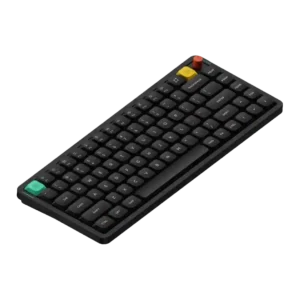
The 1000Hz wired and 2.4GHz polling was treated as good enough for casual or some gaming, not as a competitive-gaming strength.
Pros: key responsiveness, typing feel
Cons: per-key lighting control, legend visibility
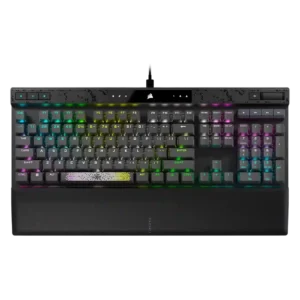
Polling rate evidence was positive for responsiveness in some reviews, but others said 8,000Hz was unnoticeable or not worth the resource tradeoff.
Pros: reliability, key responsiveness
Cons: desk space efficiency, wireless performance
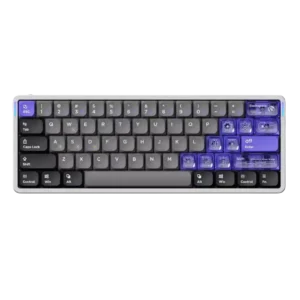
Polling rate was viewed as a strong spec, though reviewers also cautioned that 8K may be imperceptible or cause jitter for some setups.
Pros: frame rigidity, rapid trigger support
Cons: switch options, legend visibility
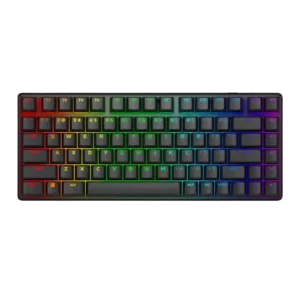
Reviewers found the 1KHz polling rate good enough for most users, but several noted it trails higher-polling competitive boards.
Pros: key stability, backlight brightness
Cons: rapid trigger support, wrist rest quality
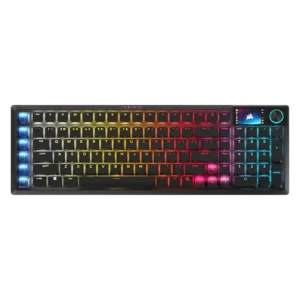
8,000Hz works over wired and 2.4GHz connections and supports very low latency. Several reviewers called the practical gain over 1,000Hz small while noting added battery and system cost.
Pros: key stability, stabilizer quality
Cons: analog input support, rapid trigger support
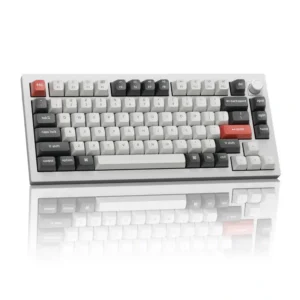
The 8,000Hz mode works over wired and 2.4GHz connections, but most testers could not feel a meaningful difference from 1,000Hz. It is more future-proofing than a daily-use breakthrough.
Pros: legend visibility, RGB customization
Cons: actuation consistency, rapid trigger support
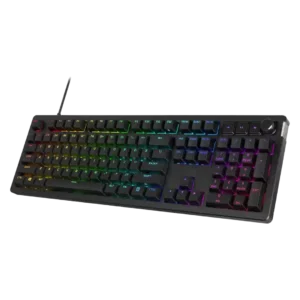
The 8,000Hz polling rate is recognized as high-end, but reviewers are split on practical benefit because some found the returns negligible.
Pros: compatibility, legend visibility
Cons: wrist rest quality, cable quality
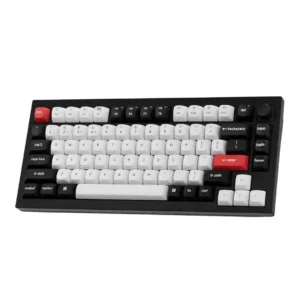
The 1,000Hz polling rate is generally adequate and responsive, but one review penalized it for lacking 8,000Hz support.
Pros: key stability, frame rigidity
Cons: profile management, reliability
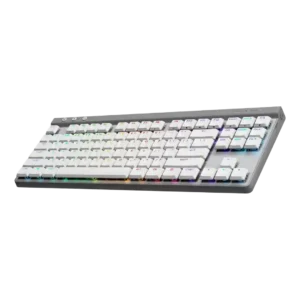
Polling-rate evidence was mixed: one review praised the steady 1,000 Hz implementation, while others treated missing adjustable polling as a competitive-feature gap.
Pros: latency, wireless performance
Cons: rapid trigger support, ease of switch replacement
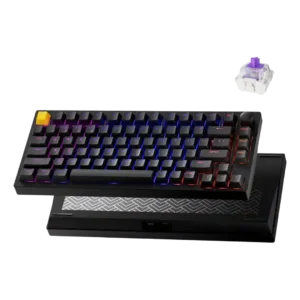
The 1,000Hz polling rate was considered sufficient for most users, though reviewers noted faster 8,000Hz competitors exist.
Pros: frame rigidity, stabilizer quality
Cons: per-key lighting control, RGB customization
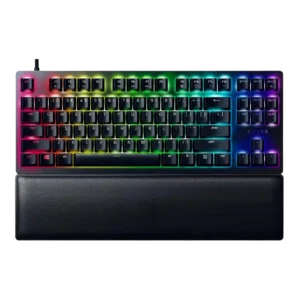
The 8,000Hz polling rate impressed as a technical spec, but reviewer consensus was mixed because its real-world benefit is hard to notice.
Pros: key stability, per-key lighting control
Cons: stabilizer quality, media controls
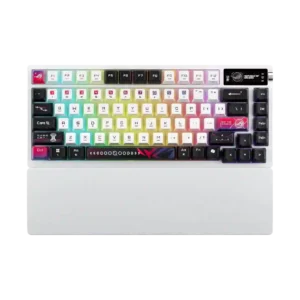
Most reviewers found the 1,000Hz polling rate adequate, but several treated the paid 8,000Hz booster requirement as a caveat.
Pros: latency, wireless performance
Cons: rapid trigger support, analog input support
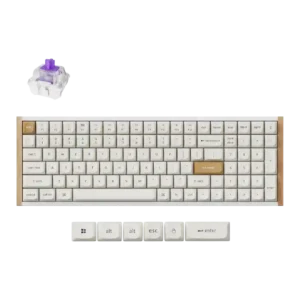
Polling-rate feedback was mixed but acceptable: 1,000Hz was considered fine or not a major issue, while reviewers noted the absence of 8,000Hz.
Pros: durability, rapid trigger support
Cons: per-key lighting control, stabilizer quality
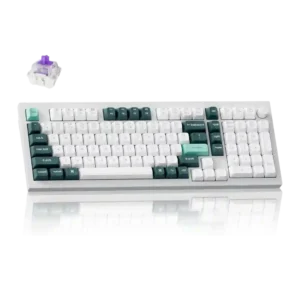
Polling rate was treated as adequate rather than elite: reviewers said 1,000Hz is fine for most gamers but noted rivals with higher polling rates.
Pros: cable quality, typing comfort
Cons: portability, switch options
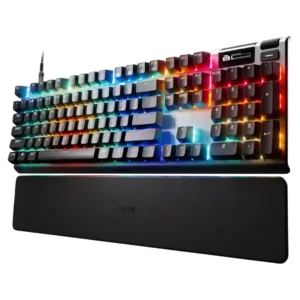
Reviewers considered the 1000 Hz polling rate usable and solid, while noting it trails newer 8000 Hz rivals.
Pros: key responsiveness, durability
Cons: passthrough features, analog input support
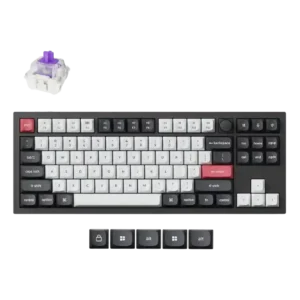
Polling-rate impressions were mixed: one reviewer found it quick and useful, while another criticized 1,000Hz against cheaper 8,000Hz competitors.
Pros: build quality, extra gaming features
Cons: switch options, hot-swappable switches
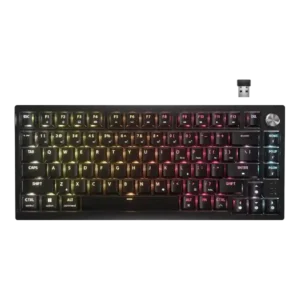
The 1,000Hz polling rate was usually considered fine for casual or average gamers, but reviewers noted it trails high-end competitive boards.
Pros: latency, durability
Cons: legend visibility, rapid trigger support
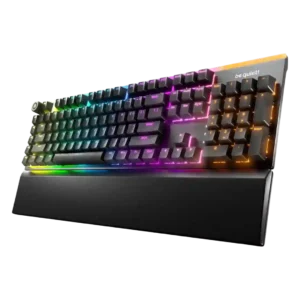
Polling rate is considered adequate or standard at 1,000 Hz, supporting mainstream gaming but not a headline feature.
Pros: ease of switch replacement, acoustics
Cons: rapid trigger support, analog input support
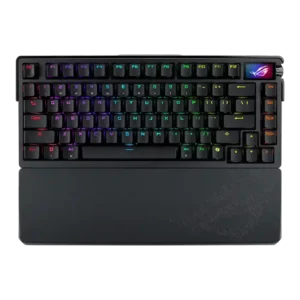
Polling rate was mixed: reviewers appreciated 8,000Hz as premium or useful for competitive users, but several said they could not feel a meaningful difference.
Pros: key spacing, reliability
Cons: rapid trigger support, analog input support
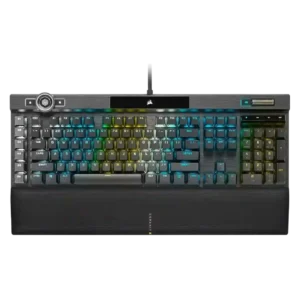
The 4,000Hz polling rate is seen as technically impressive and future-facing, yet many reviewers say the practical difference from 1,000Hz is subtle or hard to notice.
Pros: actuation consistency, key stability
Cons: hot-swappable switches, switch options
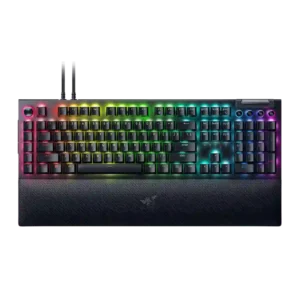
Polling rate impressed some reviewers with speed or snappiness, while others considered 8,000Hz niche or hard to notice on a keyboard.
Pros: key stability, ease of switch replacement
Cons: compatibility, battery life
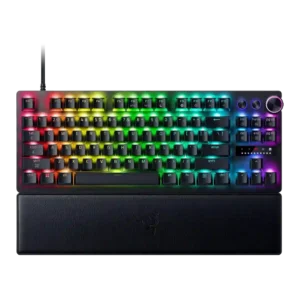
Polling-rate feedback split by version: several reviewers criticized or downplayed 1,000Hz models, while 8K reviewers praised the headline reporting speed but sometimes questioned its practical impact.
Pros: key responsiveness, actuation consistency
Cons: switch options, hot-swappable switches
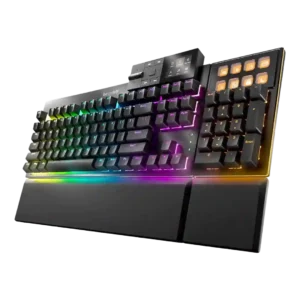
The 1,000Hz polling rate was considered fine or a reasonable tradeoff, but reviewers noted it does not compete with faster 8,000Hz gaming boards.
Pros: key stability, per-key lighting control
Cons: analog input support, wireless performance