Best for switch feel
Keychron Q6 HE
4.9 feature score
Highest scored product for this feature based on supporting review evidence.
Highest scored product for this feature based on supporting review evidence.
Balances feature score, supporting reviews, and overall product strength.
Has the broadest review evidence for this feature.
Strongest overall product among items with scored evidence for this feature.
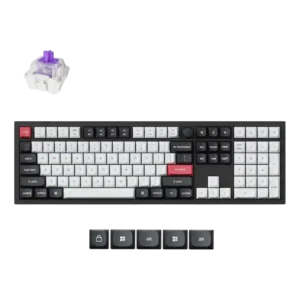
Reviewers praised the Nebula magnetic switches as exceptionally smooth, with one calling every key press infinitely smooth.
Pros: key stability, frame rigidity
Cons: portability, switch options
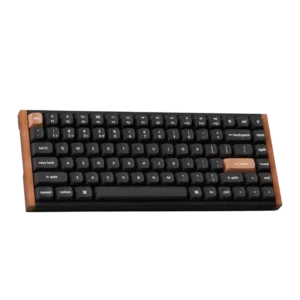
Reviewers consistently described the magnetic linear switches as smooth, satisfying, stable, and unusually good for typing, with only limited tactile-switch variety as a caveat.
Pros: rapid trigger support, switch feel
Cons: per-key lighting control, switch options
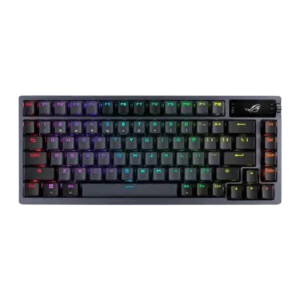
Switch feel is praised across switch variants for smoothness, tactile feedback, and strong factory tuning.
Pros: hot-swappable switches, connectivity
Cons: passthrough features, wrist rest quality
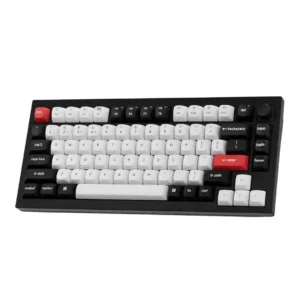
Reviewers repeatedly describe the magnetic linear switches as smooth, soft, premium, and well controlled, though tactile/clicky fans may miss a bump.
Pros: frame rigidity, build quality
Cons: portability, per-key lighting control
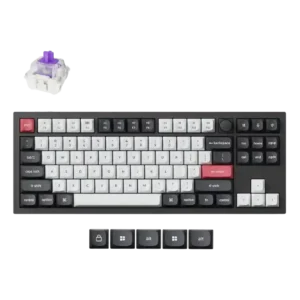
Switch feel was praised as tactile or smooth, bouncy, and satisfying, with Hall Effect switches giving a distinctive response.
Pros: rapid trigger support, typing feel
Cons: switch options, portability
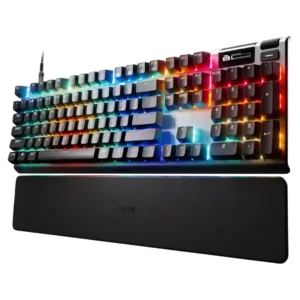
Reviewers generally praised the OmniPoint 3.0 switch feel as smooth, light, fast, and well-lubed, though one review found the lightness less suited to personal preference.
Pros: customization options, sound dampening
Cons: passthrough features, ease of switch replacement
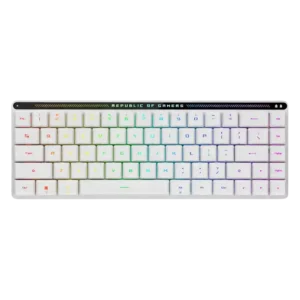
Reviewers consistently liked the low-profile RX switches, describing them as smooth, refined, quiet, and unusually satisfying for a low-profile board.
Pros: latency, reliability
Cons: rapid trigger support, wrist rest quality
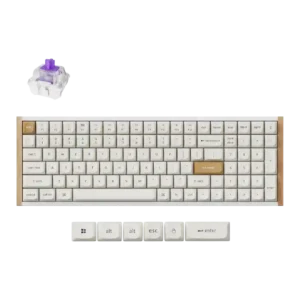
Reviewers broadly describe the Hall Effect switches as smooth, responsive, and pleasant, though a few note the linear magnetic feel may not suit every typist.
Pros: rapid trigger support, customization options
Cons: per-key lighting control, media controls
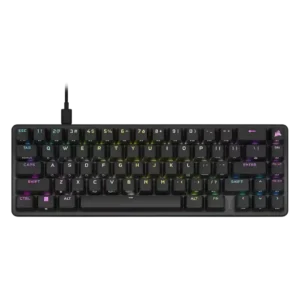
Reviewers generally found the Corsair OPX optical switches fast, light, smooth, and responsive, though the available switch choice is narrowly Corsair-focused.
Pros: profile management, durability
Cons: wireless performance, analog input support
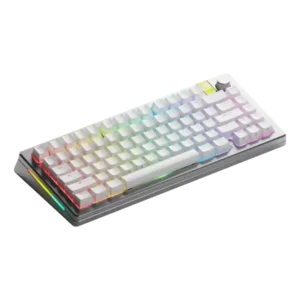
Switch feel is highly configurable and often praised, especially for smooth linear and tactile Panda HE choices.
Pros: size and form factor, customization options
Cons: passthrough features, portability
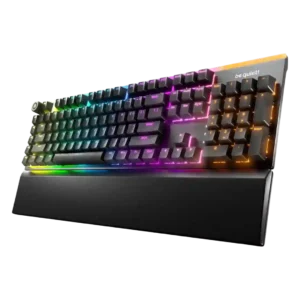
Switch feel is satisfying and quiet, with tactile and linear options described as resistant, soft, or smooth depending on switch choice.
Pros: key stability, noise level
Cons: rapid trigger support, analog input support
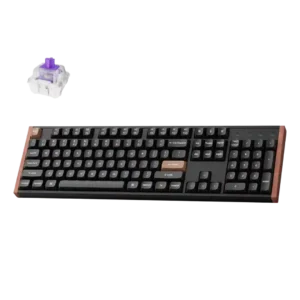
Switch feel was widely praised as butter smooth, quiet, smooth, and unlike other keyboards reviewers had tried.
Pros: extra gaming features, sound dampening
Cons: desk space efficiency, portability
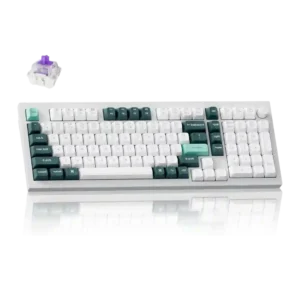
Reviewers generally liked the smooth, pre-lubed magnetic switch feel, though one review noted it lacks the tactile satisfaction of traditional switches.
Pros: build quality, frame rigidity
Cons: portability, switch options
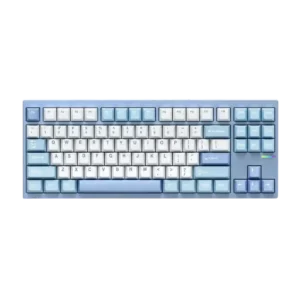
Reviewers describe the stock linear switches as smooth, poppy, crisp, snappy, and satisfying, though one notes the included choices lean linear rather than tactile.
Pros: hot-swappable switches, frame rigidity
Cons: portability, cable quality
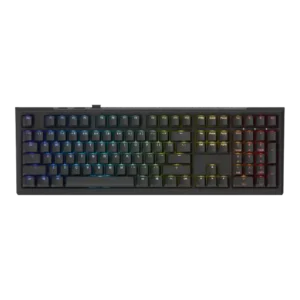
Reviewers widely liked the inductive switches for their smooth, stable feel, though one enthusiast noted they can feel heavier or less hover-like than some Hall effect switches.
Pros: key stability, typing feel
Cons: wrist rest quality, profile management
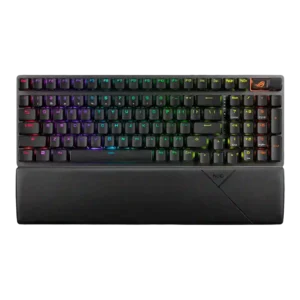
Reviewers consistently praised the NX Snow switch feel as smooth, light, and refined, with some noting Storm as the clickier alternative.
Pros: latency, battery life
Cons: rapid trigger support, software quality
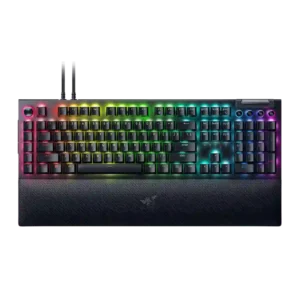
Reviewers generally liked the switch feel, with clicky, linear and tactile variants described as smooth, responsive or satisfying, though some found certain switch choices loud, stiff or less ideal for...
Pros: latency, RGB customization
Cons: battery life, size and form factor
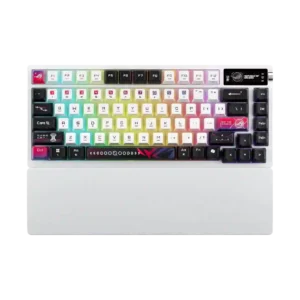
Switch feel was widely praised for smooth, pre-lubed linear action, consistent travel, and minimal scratchiness, though one reviewer found the board clunkier than other Asus models.
Pros: battery life, hot-swappable switches
Cons: rapid trigger support, analog input support
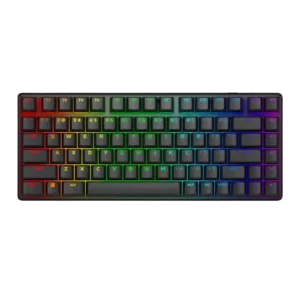
Switch feel was praised for being smooth, light, snappy, and satisfying, especially for linear-switch fans.
Pros: backlight brightness, latency
Cons: rapid trigger support, wrist rest quality
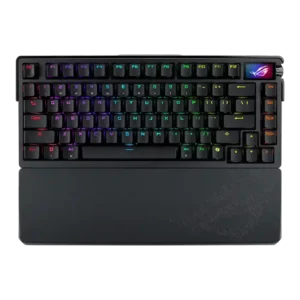
Reviewers describe the NX switches as smooth, factory-lubed, and a major reason the board feels premium for typing and gaming.
Pros: typing comfort, wireless performance
Cons: rapid trigger support, analog input support
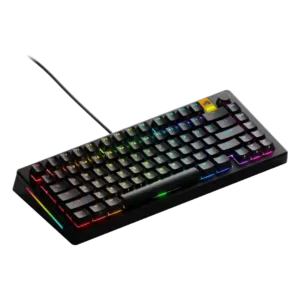
Reviewers consistently liked the switch feel, especially the smooth Hall Effect linears and the stronger Panda-style tactile option.
Pros: customization options, hot-swappable switches
Cons: value for money, desk space efficiency
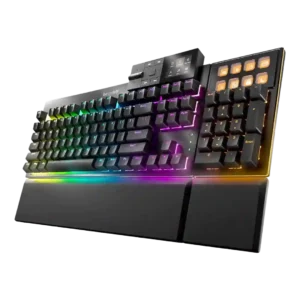
Switch feel is highly praised for smoothness, softness, quietness, and comfortable tactile or linear options.
Pros: acoustics, noise level
Cons: rapid trigger support, analog input support
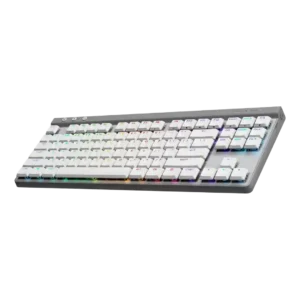
Switch feel was strongly praised, especially the tactile low-profile GL switches, pre-lubed travel, and satisfying keypress feel.
Pros: macro customization, latency
Cons: hot-swappable switches, passthrough features
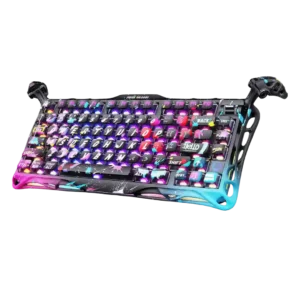
Switch feel is positive, with reviewers liking the light, smooth Gateron Jade magnetic switches.
Pros: switch feel, key responsiveness
Cons: wireless performance, connectivity
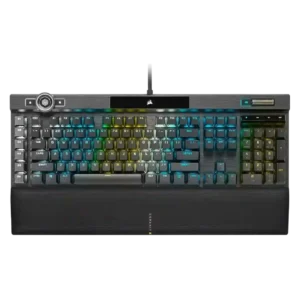
Reviewers consistently describe the OPX or Speed Silver switches as fast linear switches, with praise for smoothness and sensitivity; a few note the feel is very light or an acquired...
Pros: frame rigidity, key stability
Cons: analog input support, hot-swappable switches
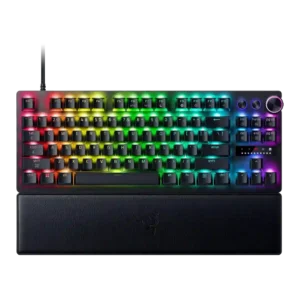
Reviewers generally liked the Gen-2 analog optical switch feel, describing it as smooth, fast, and improved on newer 8K versions, though it remains a proprietary switch ecosystem.
Pros: layout options, key responsiveness
Cons: wireless performance, passthrough features
Switch feel is broadly praised as smooth, satisfying, and gasket-assisted, though one reviewer found them only fine.
Pros: polling rate, ease of switch replacement
Cons: wrist rest quality, media controls
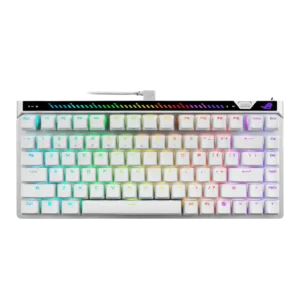
Switch feel is highly praised as smooth, light, floating, and pleasing, though some prefer other keyboards' softer bottom-out.
Pros: gaming performance, latency
Cons: battery life, analog input support
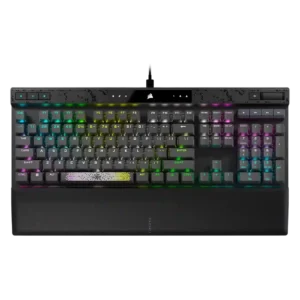
Reviewers generally liked the MGX magnetic switch feel for its smooth, fast linear action, though some found the overall typing character more rattly or clanky than premium mechanical alternatives.
Pros: frame rigidity, actuation consistency
Cons: passthrough features, wireless performance
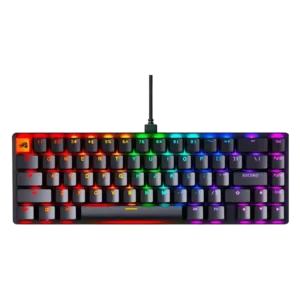
Reviewers generally liked the Fox linear switches for their smooth, lubed feel and satisfying sound, though a few noted break-in time.
Pros: hot-swappable switches, typing feel
Cons: wrist rest quality, actuation consistency
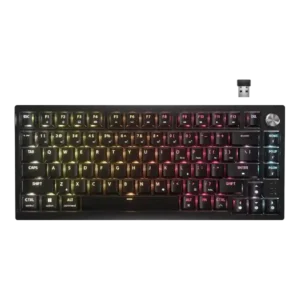
Reviewers mostly found the MLX Red switches smooth, light, and satisfying, though a few noted linear-only preference limits.
Pros: hot-swappable switches, connectivity
Cons: rapid trigger support, legend visibility
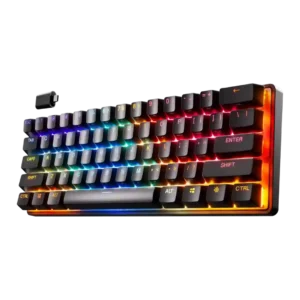
Switch feel is a core strength, with reviewers repeatedly calling the OmniPoint switches smooth, fast, and pleasant despite linear-switch preferences.
Pros: wireless performance, latency
Cons: wrist rest quality, hot-swappable switches
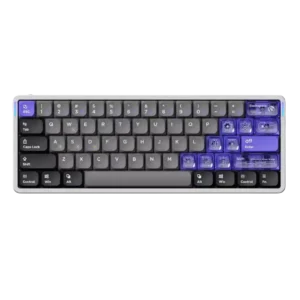
Reviewers broadly liked the low-profile magnetic switches, especially the Jade Pro feel, calling them smooth, stable, and close to full-height travel, though one reviewer questioned whether that much travel still...
Pros: gaming performance, polling rate
Cons: wireless performance, battery life
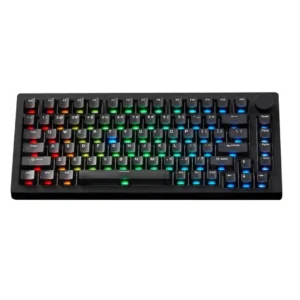
Reviewers describe the switches as smooth, light or fantastic across several versions, with some preference differences between Akko options but generally positive feel.
Pros: switch options, extra gaming features
Cons: portability
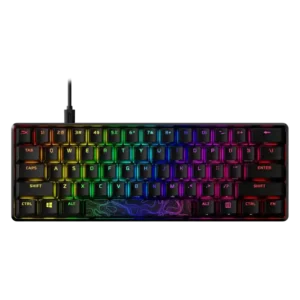
Reviewers generally liked HyperX Red and Aqua switch feel, describing the switches as smooth, familiar, quick, and pleasant, though preference depends on switch type.
Pros: frame rigidity, materials quality
Cons: wireless performance, hot-swappable switches
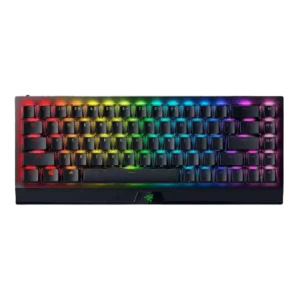
Reviewers consistently liked the switch feel, especially the smoother Yellow switches and clicky Green option, though preference depended on typing style and noise tolerance.
Pros: per-key lighting control, gaming performance
Cons: passthrough features, stabilizer quality
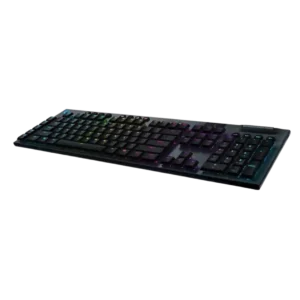
Reviewers mostly like the low-profile GL switch feel, especially clicky and tactile versions, though one TKL review found the tactile feel uncanny.
Pros: polling rate, key responsiveness
Cons: passthrough features, wrist rest quality
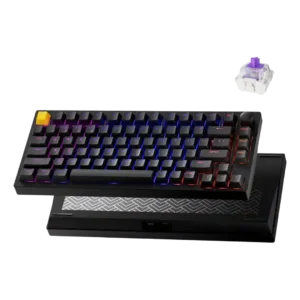
Switch feel was strongly positive overall, with linear magnetic switches described as smooth, responsive, factory-lubed, and easy to adjust.
Pros: desk space efficiency, connectivity
Cons: per-key lighting control, layout options
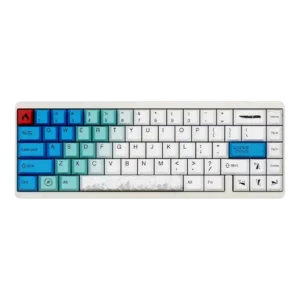
Switch feel is described as light, smooth, and strong across reviews, with praise for the magnetic switches and actuation force.
Pros: materials quality, polling rate
Cons: portability, software quality
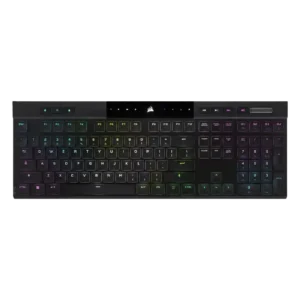
Switch feel is strongly polarizing: many reviewers liked the tactile, responsive ULP switches, while others found the shallow scissor-like feel less ideal.
Pros: extra gaming features, onboard memory
Cons: hot-swappable switches, ease of switch replacement
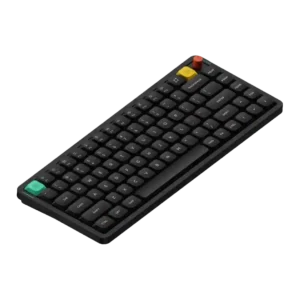
Gateron low-profile 3.0 switches were often described as smooth, creamy, tactile, or spacious, with some concern about scratchiness and limited variations.
Pros: typing feel, layout options
Cons: rapid trigger support, per-key lighting control
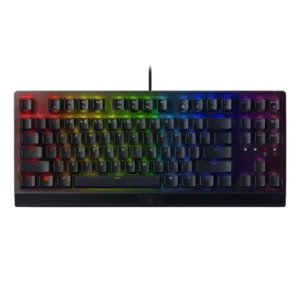
Green switches were consistently described as tactile, clicky and satisfying, though that same clickiness can become intrusive in shared spaces.
Pros: latency, per-key lighting control
Cons: hot-swappable switches, wireless performance
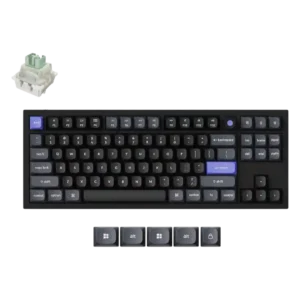
Reviewers found the magnetic switches fast and refined in the HE coverage, while the Q3 Ultra tactile switches drew a more lukewarm feel assessment.
Pros: latency, polling rate
Cons: portability, switch options
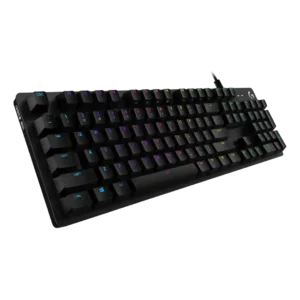
Reviewers found the switch feel highly dependent on variant: GX Blue felt clicky and familiar, Romer-G Linear was smoother, and Romer-G Tactile/Brown drew mixed notes about scratch or mushiness.
Pros: key spacing, per-key lighting control
Cons: wrist rest quality, reliability
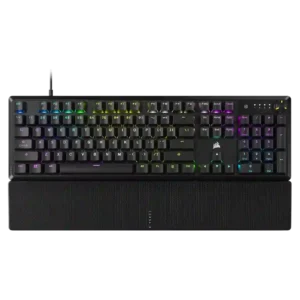
Most reviewers praise the MLX Red linear switches as smooth, pre-lubed, and pleasant, though one strongly negative review reported a stiff, poor-feeling switch experience.
Pros: per-key lighting control, RGB customization
Cons: analog input support, hot-swappable switches
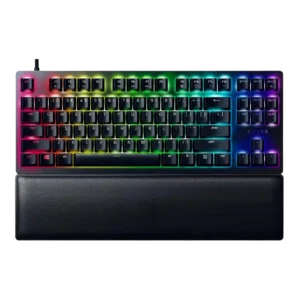
Reviewers generally liked the red optical switches for smoothness and speed, though some found the dampened linear feel rubbery or not for everyone.
Pros: key responsiveness, frame rigidity
Cons: analog input support, wireless performance
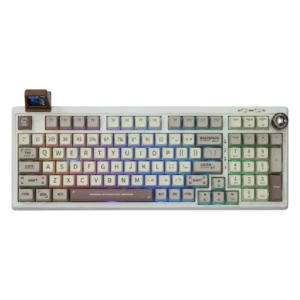
Switch feel depends on switch choice: Wisteria and Flamingo were often praised, while Sea Salt Silent was quiet and smooth but sometimes mushy or too soft.
Pros: noise level, hot-swappable switches
Cons: rapid trigger support, legend visibility
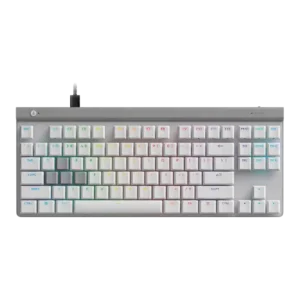
Reviewers generally found the magnetic switches smooth and satisfying, though a few noted the softer feel could seem hollow or less tactile.
Pros: sound dampening, key responsiveness
Cons: wireless performance, volume control
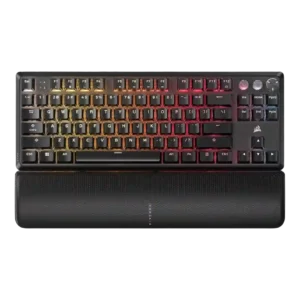
Switch feel was generally positive, with reviewers praising smooth Cherry, Hall effect, or linear/tactile options, though some noted scratchiness or preference differences.
Pros: onboard memory, rapid trigger support
Cons: passthrough features, wireless performance
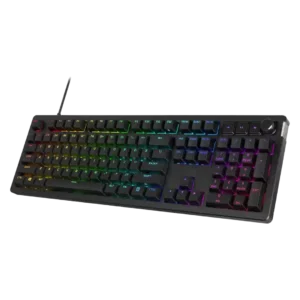
Switch feel was usually smooth, responsive, and pre-lubed, though one reviewer disliked the harsher overall keystroke.
Pros: legend visibility, materials quality
Cons: wrist rest quality, ease of switch replacement