Best for switch options
MonsGeek M1 V5 HE
4.8 feature score
Highest scored product for this feature based on supporting review evidence.
Highest scored product for this feature based on supporting review evidence.
Balances feature score, supporting reviews, and overall product strength.
Has the broadest review evidence for this feature.
Strongest overall product among items with scored evidence for this feature.
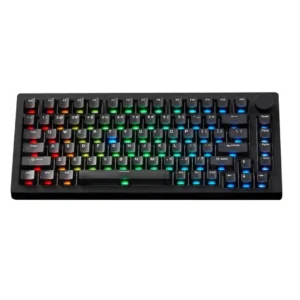
Switch flexibility is a standout strength, especially in TMR versions that can mix magnetic and mechanical switches and support multiple 3-pin/5-pin options.
Pros: switch options, extra gaming features
Cons: portability, key spacing
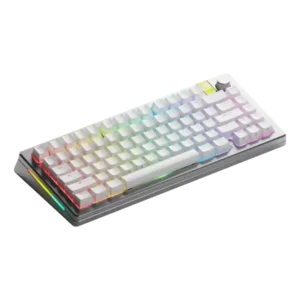
The HE version is offered with multiple Hall-effect switch choices, including linear, silent, tactile, and clicky options in Glorious' lineup.
Pros: polling rate, rapid trigger support
Cons: reliability, portability
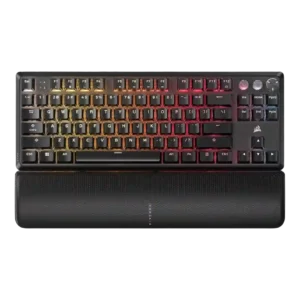
Reviewers repeatedly highlight the broad Cherry MX selection as a strength, with multiple switch types available at purchase.
Pros: key responsiveness, onboard memory
Cons: hot-swappable switches, ease of switch replacement
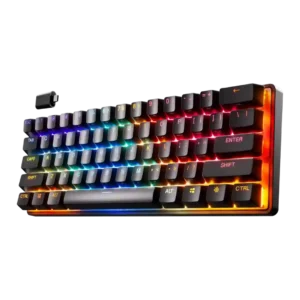
Adjustable actuation is the signature feature here, with wide per-key tuning ranges repeatedly praised across both written and video reviews.
Pros: switch options, latency
Cons: hot-swappable switches, ease of switch replacement
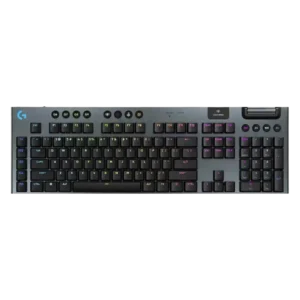
The lineup consistently offers tactile, linear, and clicky switch options.
Pros: customization options, latency
Cons: wrist rest quality, hot-swappable switches
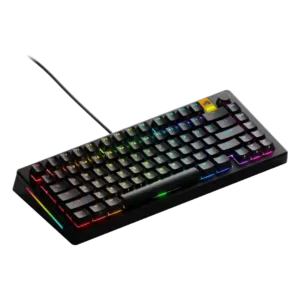
Switch choice is broad, with included samples and multiple HE options repeatedly highlighted.
Pros: customization options, hot-swappable switches
Cons: value for money, desk space efficiency
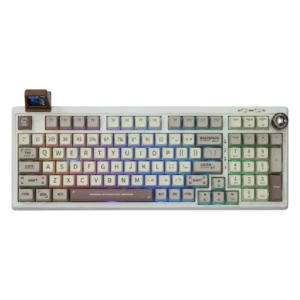
Reviews repeatedly note that Epomaker offers several switch choices, giving buyers good flexibility across linear, tactile, and quieter preferences.
Pros: key responsiveness, latency
Cons: actuation consistency, rapid trigger support
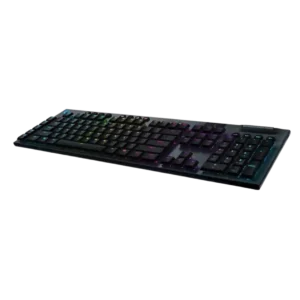
Multiple reviews note three switch choices—clicky, tactile, and linear—giving buyers real feel options instead of a one-switch lineup.
Pros: RGB customization, build quality
Cons: passthrough features, wrist rest quality
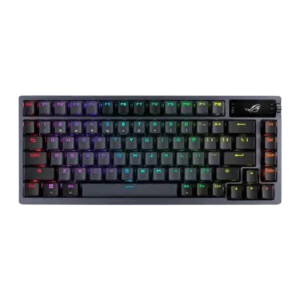
Switch choice is solid, with multiple stock switch variants that cover linear, tactile, and clicky preferences.
Pros: hot-swappable switches, gaming performance
Cons: passthrough features, wrist rest quality
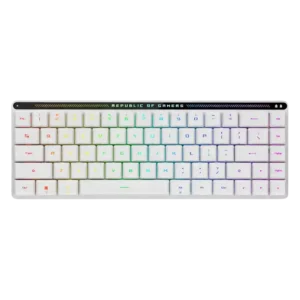
One review explicitly notes the board is sold with RX Red or RX Blue low-profile switches, giving buyers a straightforward choice between switch styles.
Pros: noise level, battery life
Cons: wrist rest quality, hot-swappable switches
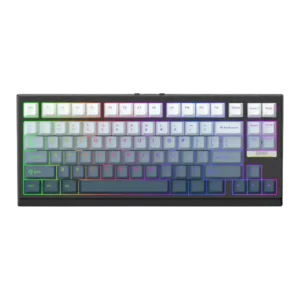
Switch options include Transparent, Creamy Jade, and magnetic hot-swappable switch discussion, but the choices vary by model or color.
Pros: polling rate, desk space efficiency
Cons: media controls
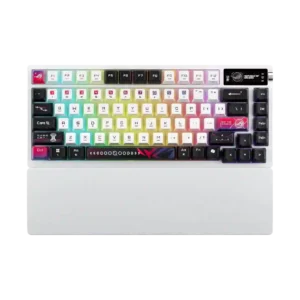
Reviews confirm at least linear and clicky stock options, plus easy swapping for other MX-style switches.
Pros: connectivity, wireless performance
Cons: rapid trigger support, analog input support
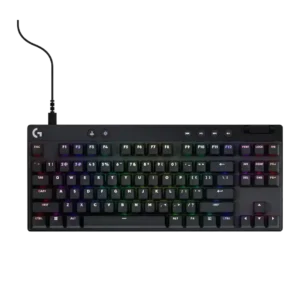
Switch choice is a consistent advantage on supported models, with reviewers highlighting multiple stock switch options and the ability to tailor feel.
Pros: analog input support, latency
Cons: sound dampening, value for money
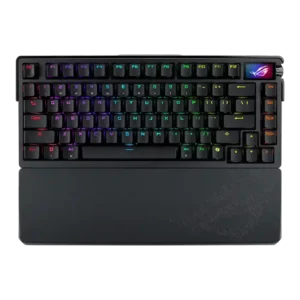
Evidence supports at least Snow and Storm switch variants.
Pros: build quality, frame rigidity
Cons: rapid trigger support, analog input support
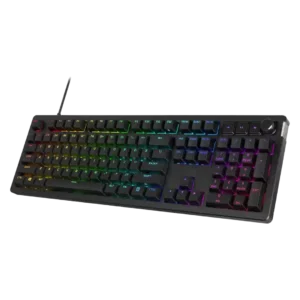
Switch options were good, with linear and tactile choices plus broad compatibility through hot-swap sockets.
Pros: legend visibility, materials quality
Cons: wrist rest quality, ease of switch replacement
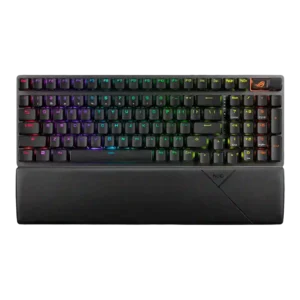
The board is sold with Snow and Storm switch variants, letting buyers choose between smoother linear or clickier tactile-feeling options.
Pros: polling rate, battery life
Cons: backlight brightness, legend visibility
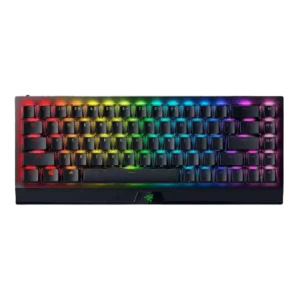
Reviews confirm both clicky Green and quieter Yellow switch versions are sold, giving buyers a clear choice between louder tactile feedback and quieter linear action.
Pros: desk space efficiency, frame rigidity
Cons: passthrough features, stabilizer quality
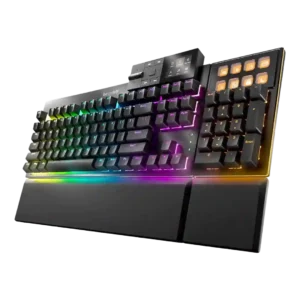
Buyers can choose between silent linear and silent tactile stock switches.
Pros: sound dampening, noise level
Cons: rapid trigger support, analog input support
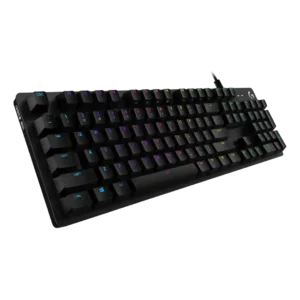
Multiple reviews highlight three switch choices: Romer-G Tactile, Romer-G Linear, and GX Blue. That gives buyers meaningful options for clicky, tactile, or smoother input.
Pros: key responsiveness, typing feel
Cons: wrist rest quality, portability
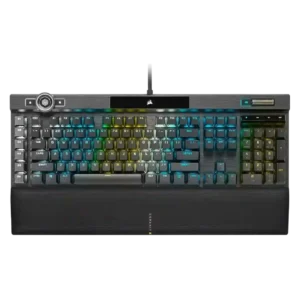
Reviews confirm OPX and Cherry MX Speed variants are available.
Pros: key responsiveness, latency
Cons: hot-swappable switches, ease of switch replacement
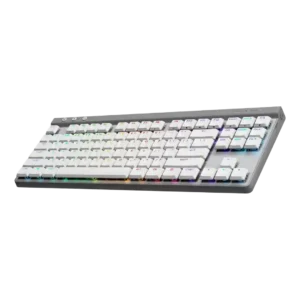
Buyers get tactile or linear switch choices, but the scored reviews do not support a third clicky option.
Pros: macro customization, customization options
Cons: rapid trigger support, passthrough features
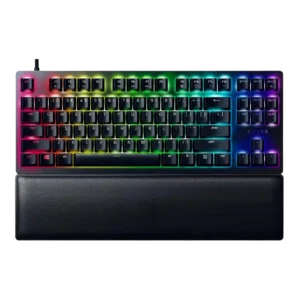
Reviews note two switch choices, clicky purple and quieter red linear, with the red option usually favored for lower noise while purple remains the louder alternative.
Pros: frame rigidity, per-key lighting control
Cons: analog input support, wireless performance
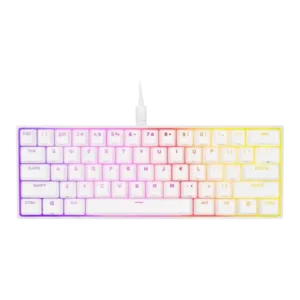
Reviews mention multiple Cherry MX options, with variants such as Red, Silent, and Speed available depending on region or SKU.
Pros: desk space efficiency, portability
Cons: wrist rest quality, hot-swappable switches
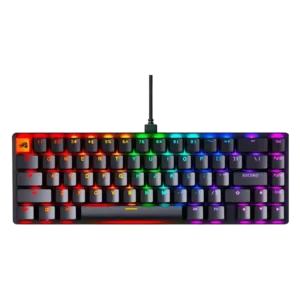
Switch choice is flexible through barebones builds and configurator options, though prebuilt buyers are largely limited to Fox linears.
Pros: frame rigidity, durability
Cons: actuation consistency
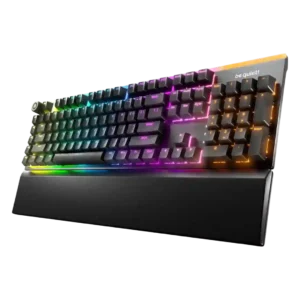
Reviews say the board ships with Silent Linear or Silent Tactile switches, so stock options exist but are limited.
Pros: acoustics, sound dampening
Cons: rapid trigger support, analog input support
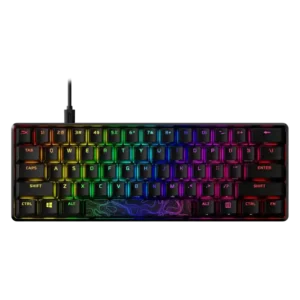
Switch options are a strength on larger models with Red, Aqua, and Blue choices, but smaller variants were sometimes limited to a single switch option.
Pros: frame rigidity, materials quality
Cons: wireless performance, hot-swappable switches
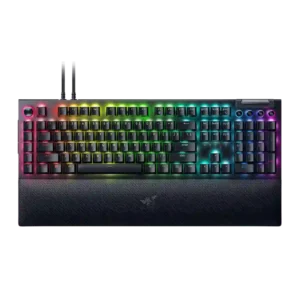
Reviews confirm two stock switch choices, Green clicky and Yellow linear, which gives buyers a basic choice but not a broad menu of switch options.
Pros: latency, customization options
Cons: hot-swappable switches, portability
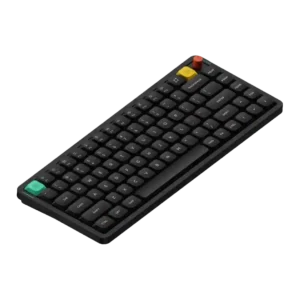
Switch choice covers linear, tactile, and silent options, but multiple reviews still call the overall selection limited compared with some expectations or prior models.
Pros: key responsiveness, compatibility
Cons: per-key lighting control, legend visibility
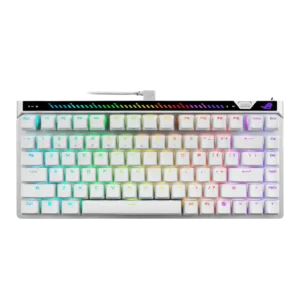
ROG offers multiple compatible magnetic switch options, but reviewers still describe the overall ecosystem as limited.
Pros: latency, actuation consistency
Cons: analog input support, wrist rest quality
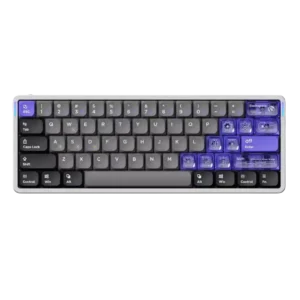
Switch choice is narrow right now, with reviewers only pointing to the Jade and Jade Pro low-profile magnetic options.
Pros: polling rate, rapid trigger support
Cons: legend visibility, layout options
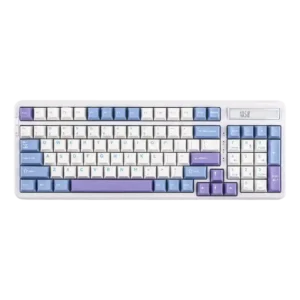
Stock choice is limited in one review, while others note two out-of-box switch options and hot-swap flexibility for changing them later.
Pros: hot-swappable switches, ease of switch replacement
Cons: key spacing, legend visibility
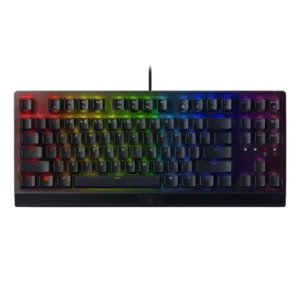
Reviews confirm the keyboard is sold with two switch choices, green and yellow. That gives buyers some flexibility, but the overall switch selection is still limited.
Pros: key responsiveness, latency
Cons: hot-swappable switches, passthrough features
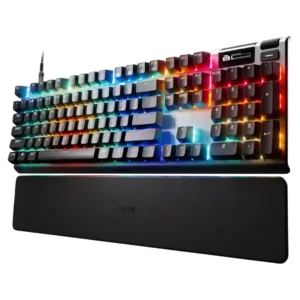
Switch options vary within the family, with size and wireless choices available, but some reviews note mixed switch types on certain rows or keys.
Pros: legend visibility, frame rigidity
Cons: passthrough features, analog input support
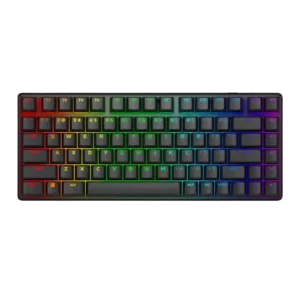
Stock switch choice is limited to Alienware linears, but hot-swap support expands aftermarket replacement options.
Pros: frame rigidity, materials quality
Cons: wrist rest quality, rapid trigger support
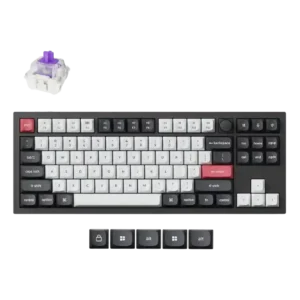
Switch choice is a recurring limitation: reviewers note narrow compatibility or support for only specific magnetic switches, even if the included options generally sound and feel good.
Pros: rapid trigger support, build quality
Cons: portability, switch options
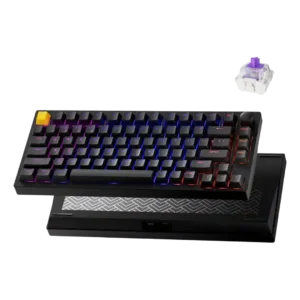
There are some magnetic switch choices, but overall switch compatibility is narrow and tied to Gateron Double-Rail magnetic options.
Pros: extra gaming features, rapid trigger support
Cons: per-key lighting control, layout options
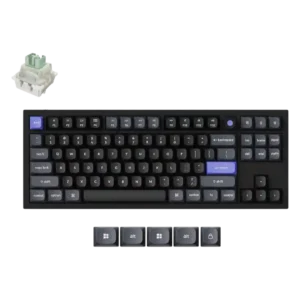
Hot-swap exists, but one direct review clearly says switch choice is restricted to Keychron’s own Ultra-Fast Lime Magnetic switches.
Pros: polling rate, extra gaming features
Cons: portability, switch options

Switch choice at purchase is limited, with one review explicitly noting only two similar linear options and no tactile choice.
Pros: durability, hot-swappable switches
Cons: portability, switch options
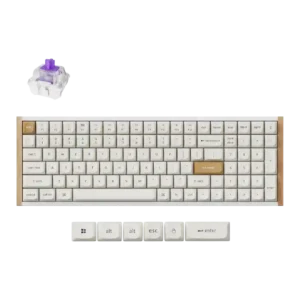
Switch choice is limited, with several reviews noting support only for specific double-rail magnetic switches.
Pros: durability, customization options
Cons: per-key lighting control, backlight brightness
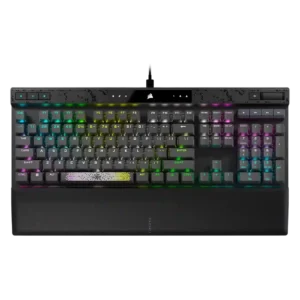
Switch choice is limited to the linear MGX approach, with reviews noting the lack of tactile or clicky alternatives.
Pros: per-key lighting control, polling rate
Cons: passthrough features, wireless performance
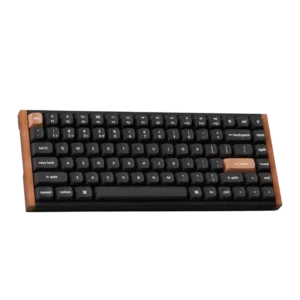
Switch choice is limited. Multiple reviewers note the board only supports Keychron or Gateron double-rail magnetic switches, with a small linear-only selection.
Pros: rapid trigger support, switch feel
Cons: switch options, portability
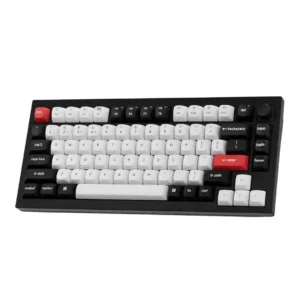
Switch choice is the most repeated hardware limitation, with only a small compatible magnetic lineup and no broad MX-style freedom.
Pros: build quality, frame rigidity
Cons: portability, wrist rest quality
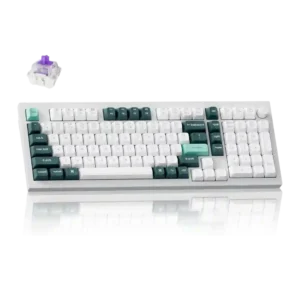
Switch choice is a recurring limitation. Reviews say the board stays within a narrower proprietary or Gateron double-rail magnetic ecosystem.
Pros: frame rigidity, customization options
Cons: portability, switch options
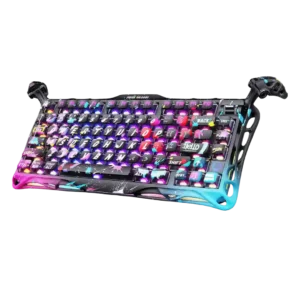
Switch options are limited, especially for stock switch choice and for users who want tactile or clicky switches rather than linear magnetic switches.
Pros: rapid trigger support, ease of switch replacement
Cons: wireless performance, connectivity
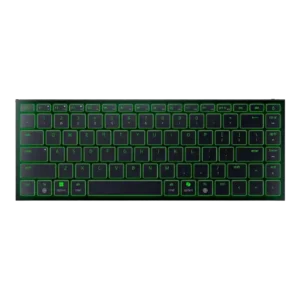
Reviews only discuss a single low-profile scissor-switch implementation, so switch variety appears limited.
Pros: compatibility, portability
Cons: per-key lighting control, sound dampening
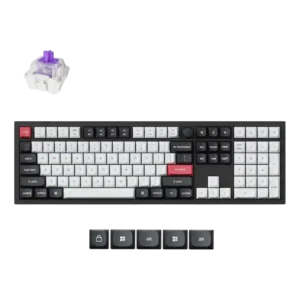
Switch choice is repeatedly described as limited, with support restricted to a narrow set of compatible magnetic switches.
Pros: key responsiveness, key stability
Cons: portability, switch options
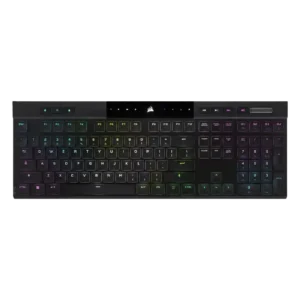
Switch choice appears limited on this board, with reviewers noting tactile-only availability or a lack of alternatives.
Pros: polling rate, RGB customization
Cons: hot-swappable switches, wrist rest quality
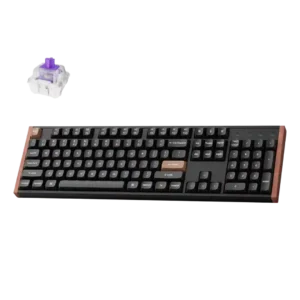
One review notes the switch ecosystem is limited because compatible switches are proprietary and must be bought from Keychron.
Pros: key responsiveness, latency
Cons: switch options, desk space efficiency
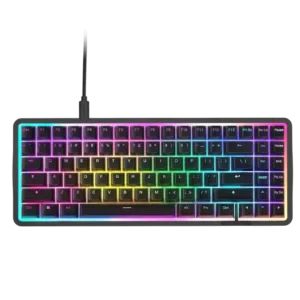
Switch options are a weak spot because reviewers repeatedly note proprietary or very limited Hall effect switch compatibility.
Pros: polling rate, sound dampening
Cons: passthrough features, wireless performance
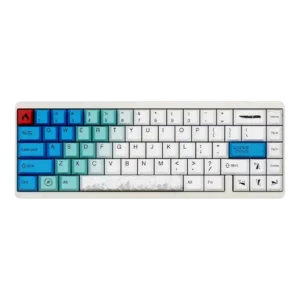
One review says switch choice is limited.
Pros: latency, polling rate
Cons: compatibility, software quality