Best for acoustics
be quiet! Dark Mount
5.0 feature score
Highest scored product for this feature based on supporting review evidence.
Highest scored product for this feature based on supporting review evidence.
Balances feature score, supporting reviews, and overall product strength.
Has the broadest review evidence for this feature.
Strongest overall product among items with scored evidence for this feature.
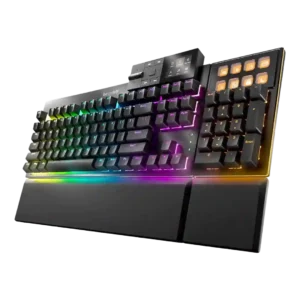
Acoustics were exceptional in the reviews that discussed them directly, with reviewers saying the silent operation was nailed.
Pros: key stability, per-key lighting control
Cons: analog input support, wireless performance
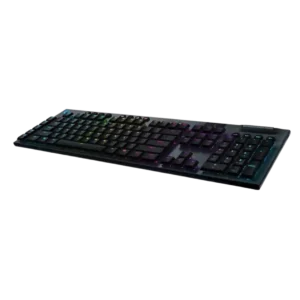
One reviewer specifically praised the clicky sound, treating the key acoustics as a standout part of the typing experience.
Pros: latency, polling rate
Cons: passthrough features, cable quality
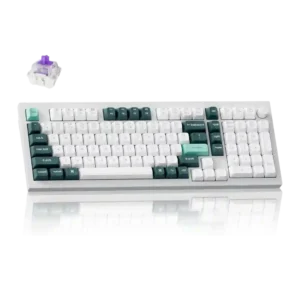
Acoustics were a standout strength, with reviewers repeatedly praising the keyboard's sound as excellent, pleasing, thocky, and free of rattle or ping.
Pros: cable quality, typing comfort
Cons: portability, switch options
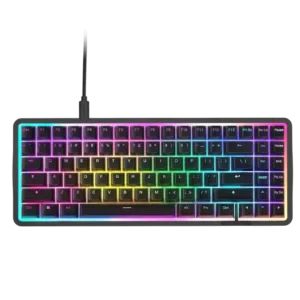
Reviewers generally liked the board's thocky, satisfying sound, crediting the gasket/foam construction and switch tuning, with several calling the acoustics a highlight.
Pros: latency, acoustics
Cons: passthrough features, wireless performance
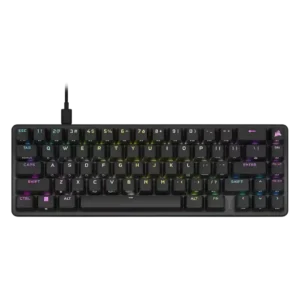
Acoustics were one of the strongest wins, with reviewers repeatedly saying the board sounded pleasant, rich, or unusually good for a gaming keyboard.
Pros: volume control, key responsiveness
Cons: wireless performance, wrist rest quality
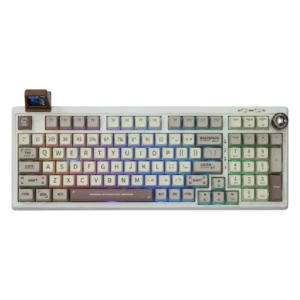
Acoustics are a major strength, with reviewers praising deep thock, muted office-friendly sound, and strong stock sound profiles.
Pros: noise level, acoustics
Cons: rapid trigger support, actuation consistency
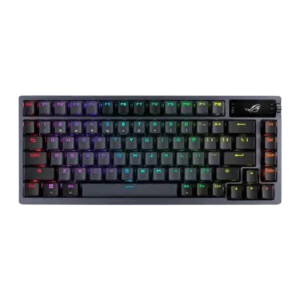
Reviewers consistently praised the Azoth for a refined, enthusiast-like sound, with multiple reviews calling its acoustics excellent, unique, or better than typical gaming keyboards.
Pros: durability, wireless performance
Cons: passthrough features, onboard memory
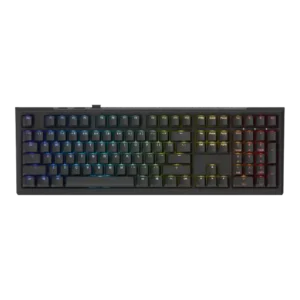
Acoustics were one of the clearest strengths, with reviewers praising the controlled, deep, soft, and fantastic sound profile.
Pros: typing feel, key stability
Cons: profile management, wrist rest quality
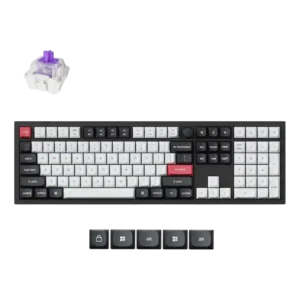
Reviewers consistently liked the Q6 HE sound, describing it as pleasing, soft, thocky, and enjoyable rather than harsh.
Pros: key stability, frame rigidity
Cons: portability, switch options
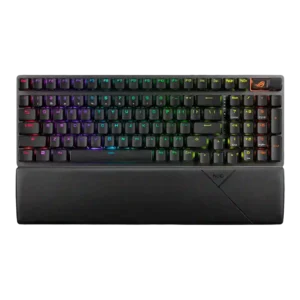
Acoustics are a major strength, with repeated praise for thocky, deep, muted, and premium-sounding keystrokes.
Pros: per-key lighting control, wireless performance
Cons: rapid trigger support, analog input support
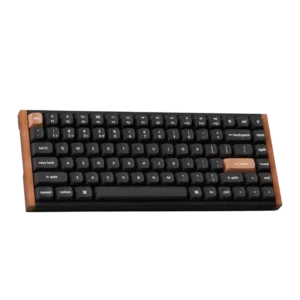
Reviewers frequently liked the K2 HE's deeper, thocky, or satisfying sound, though one called it unadventurous rather than exciting.
Pros: wrist rest quality, onboard memory
Cons: per-key lighting control, switch options
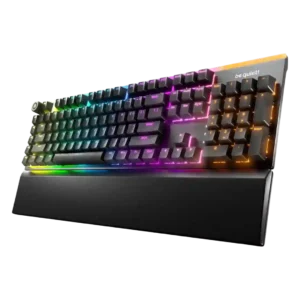
Reviewers consistently describe the keyboard as quiet, muted, or acoustically refined, with only a few noting it is not completely silent.
Pros: ease of switch replacement, acoustics
Cons: rapid trigger support, analog input support
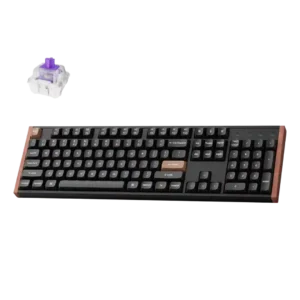
Reviewers repeatedly liked the K10 HE’s sound, describing it as amazing, creamy, thocky, quieter, and nice.
Pros: wireless performance, key responsiveness
Cons: switch options, desk space efficiency
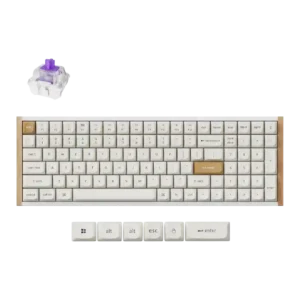
Reviewers consistently liked the K4 HE's sound, describing thocky, enjoyable, warm, and rattle-free acoustics, with only one review noting long-key sound annoyances separately.
Pros: durability, rapid trigger support
Cons: per-key lighting control, stabilizer quality
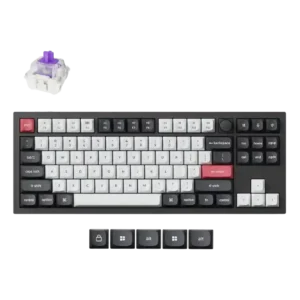
Acoustics were a major strength: reviewers liked the quiet, muted, poppy, brilliant, or office-friendly sound profile.
Pros: build quality, extra gaming features
Cons: switch options, hot-swappable switches
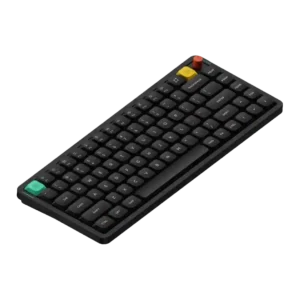
Acoustics drew strong praise for creamy, muted, controlled low-profile sound, with only some disagreement about exact pitch character.
Pros: key responsiveness, typing feel
Cons: per-key lighting control, legend visibility

Acoustics were a standout strength, with reviewers repeatedly praising the thocky, poppy, solid, and very nice sound.
Pros: value for money, customization options
Cons: cable quality, portability
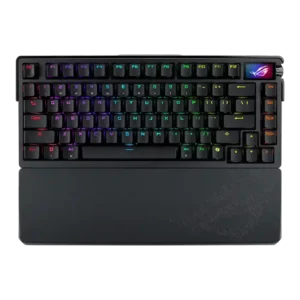
Acoustics were praised across most reviews for refined, clean, thocky, or enthusiast-level sound, though one reviewer preferred the Q3 Max tone.
Pros: key spacing, reliability
Cons: rapid trigger support, analog input support
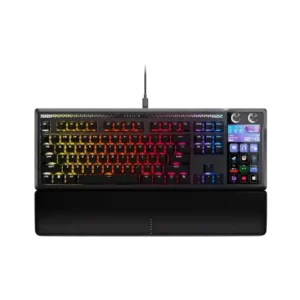
The keyboard's sound is a standout positive, often described as deep, thocky, clean, or pleasant. Owners who like mechanical keyboard sound tend to be very happy with it.
Pros: customization options, ease of switch replacement
Cons: reliability, analog input support
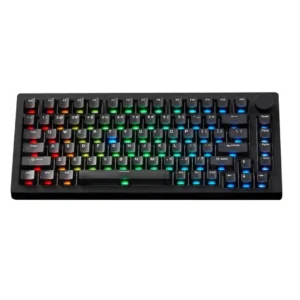
Acoustics are a major positive, with reviewers describing the stock sound as pleasant, clean, dampened, refined, or excellent, though one found it merely good rather than great.
Pros: switch options, hot-swappable switches
Cons: portability, cable quality
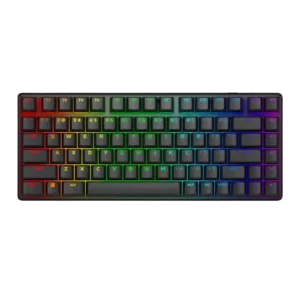
Acoustics were mostly praised for a satisfying thock, tock, or clack, although some reviewers found the sound chattery or polarizing.
Pros: key stability, backlight brightness
Cons: rapid trigger support, wrist rest quality
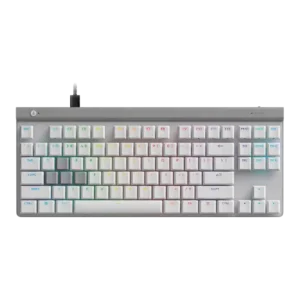
Reviewers generally liked the board's muted, clean sound, praising its rattle-free tone, satisfying thud, and audible-but-quiet character.
Pros: key responsiveness, ergonomics
Cons: wireless performance, volume control
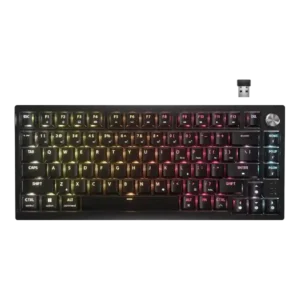
Most reviewers liked the quieter, fuller sound profile, often crediting the K65 Plus with enthusiast-like acoustics; a few noted average sound or a plasticky spacebar.
Pros: latency, durability
Cons: legend visibility, rapid trigger support
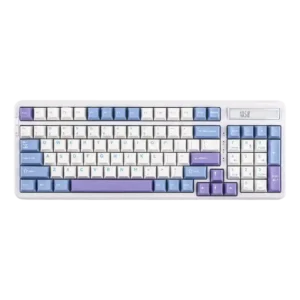
Acoustics were widely praised for clacky, thocky or natural sound, despite separate concerns about occasional pinging.
Pros: ease of switch replacement, typing feel
Cons: key spacing, layout options
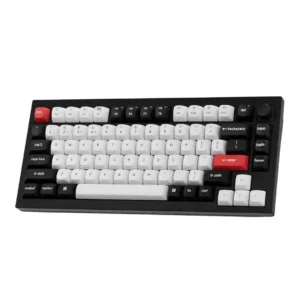
Reviewers usually liked the Q1 HE's sound, describing it as nice, deep, thocky, semi-silent, or excellent, though a few said rivals sounded better or that it could be improved.
Pros: key stability, frame rigidity
Cons: profile management, reliability
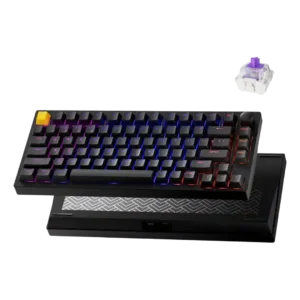
Reviewers generally liked the P1 HE’s sound, calling it soft, satisfying, and inoffensive, with one note of minor spring-ping resonance.
Pros: frame rigidity, stabilizer quality
Cons: per-key lighting control, RGB customization
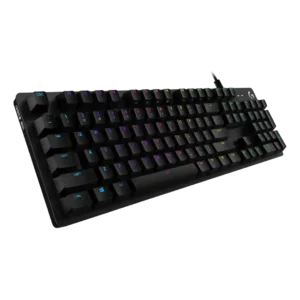
Acoustics are mostly liked by reviewers who enjoy the click or switch sound, though this overlaps with noise concerns for shared spaces.
Pros: key spacing, key responsiveness
Cons: reliability, connectivity
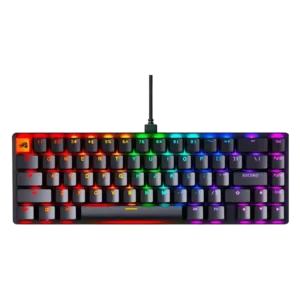
Acoustics were generally praised as satisfying, full-bodied, or surprisingly good, though one reviewer heard some hollow sound.
Pros: compatibility, key responsiveness
Cons: wrist rest quality, key spacing
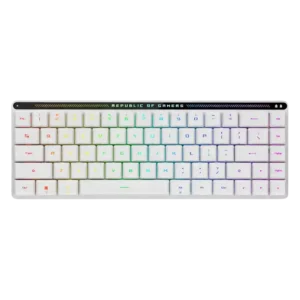
Most reviewers praised the sound profile as quiet, pleasant, or refined, though one clicky-switch review found the sound annoying for long work sessions.
Pros: reliability, typing comfort
Cons: cable quality, wrist rest quality
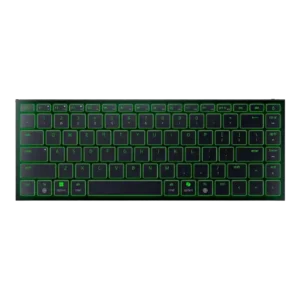
Reviewers who discussed sound found the Joro's scissor switches pleasant, leaning deeper and subtly satisfying rather than loud or clicky.
Pros: frame rigidity, size and form factor
Cons: sound dampening, per-key lighting control
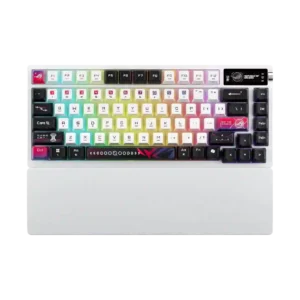
Acoustics were usually praised as crisp, deep, creamy, or fantastic, although the spacebar inconsistency kept this from being universally excellent.
Pros: latency, wireless performance
Cons: rapid trigger support, analog input support
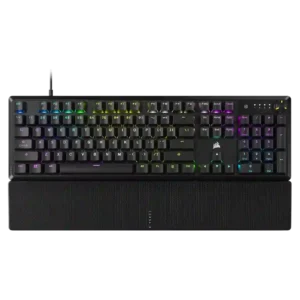
Acoustics were a clear strength for most reviewers thanks to a deeper, quieter sound, though one negative review found the sound unpleasant.
Pros: per-key lighting control, compatibility
Cons: ease of switch replacement, hot-swappable switches
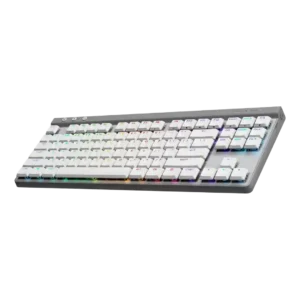
Reviewers generally found the sound profile controlled and pleasant for a mainstream low-profile gaming board, though one noted some plastic-on-plastic character.
Pros: latency, wireless performance
Cons: rapid trigger support, ease of switch replacement
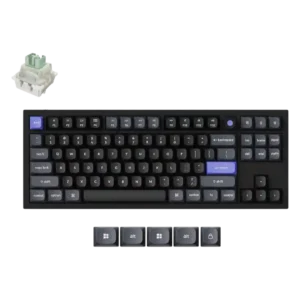
The reviewed Q3 HE evidence described the switches as having a soft typing sound, supporting a favorable acoustic impression.
Pros: key responsiveness, polling rate
Cons: switch options, portability
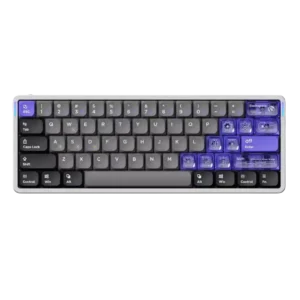
Acoustics were generally liked, especially the muted or satisfying low-profile sound, but some reviewers criticized the space bar or found the sound lackluster.
Pros: frame rigidity, rapid trigger support
Cons: switch options, legend visibility
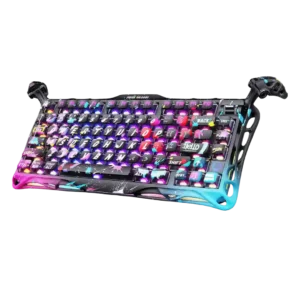
Sound impressions were generally positive and clacky, though one review framed it as a louder, more direct sound.
Pros: legend visibility, key responsiveness
Cons: connectivity, cable quality
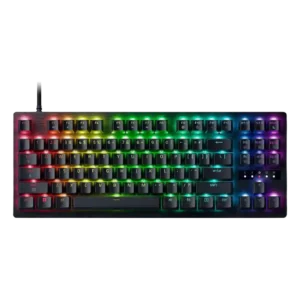
Most reviewers like the sound more than expected, especially where foam dampening gives the board a more controlled tone. One take still finds it clickier than thockier, so the sound...
Pros: polling rate, RGB customization
Cons: key stability, typing comfort
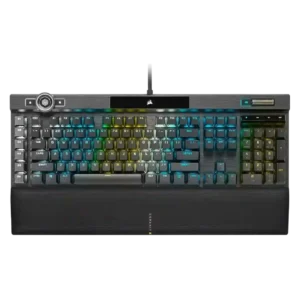
Acoustics are mixed: several reviewers like the smoother or more satisfying sound, while ProSettings complains about hollow, resonating, loud keys.
Pros: actuation consistency, key stability
Cons: hot-swappable switches, switch options
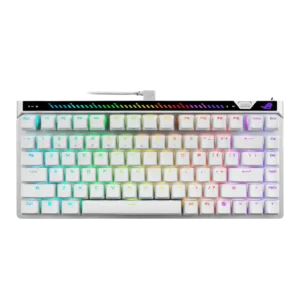
Acoustic impressions were mostly positive for controlled, smooth, and better-than-expected sound, though one reviewer found the sound clacky and annoying.
Pros: key responsiveness, latency
Cons: analog input support, wrist rest quality
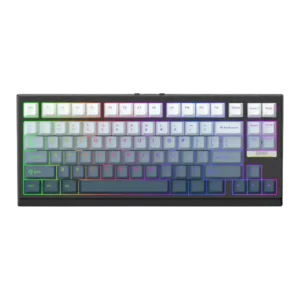
Acoustics were split: many reviewers liked the creamy, subdued, or satisfying sound, while one found heavy presses hollow and resonant.
Pros: desk space efficiency, layout options
Cons: compatibility
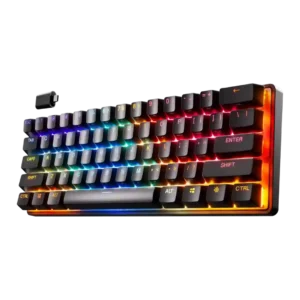
Acoustics were subjective but often liked, with praise for thock, clocky sound, and satisfying clickety-clack; IGN was the clearest negative outlier on switch/stabilizer rattle.
Pros: latency, key responsiveness
Cons: hot-swappable switches, ease of switch replacement
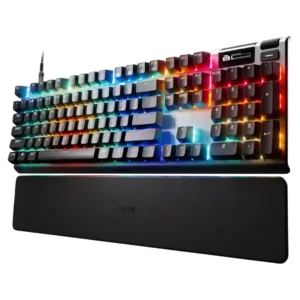
Acoustics were mixed-positive: many liked the thocky or improved sound, while others heard hollow, clacky, or less refined notes.
Pros: key responsiveness, durability
Cons: passthrough features, analog input support
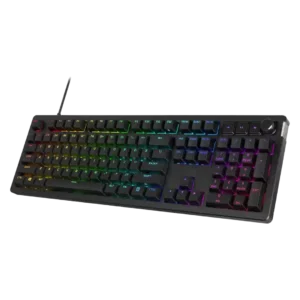
Acoustics are mixed but mostly positive: several reviews praise clean or dampened sound, while IGN and Windows Central hear sharper, metallic, or clacky notes.
Pros: compatibility, legend visibility
Cons: wrist rest quality, cable quality
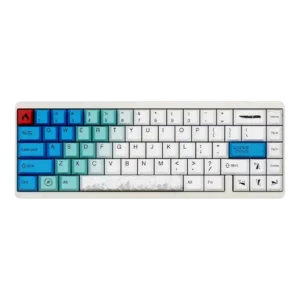
Acoustics were generally positive but not perfect, with several reviewers liking the sound while one wanted better spacebar sound.
Pros: durability, key responsiveness
Cons: reliability, RGB customization
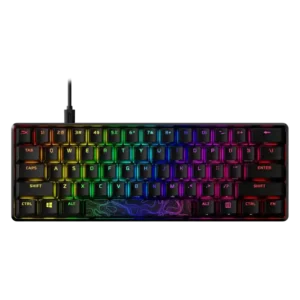
Acoustics are mixed, ranging from satisfying thock and pleasant sound to loud, clacky, or stabilizer-rattly impressions.
Pros: latency, actuation consistency
Cons: ease of switch replacement, reliability
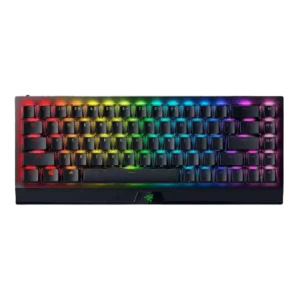
Acoustics were mixed: several reviewers liked the soft clack or subtle tap, while others heard pinging, rattle, or an irritating clack.
Pros: per-key lighting control, backlight brightness
Cons: passthrough features, compatibility
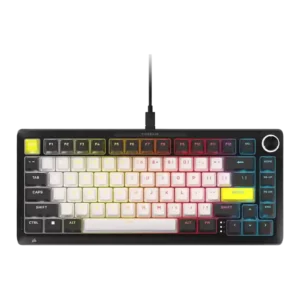
Most reviewers found the sound better than typical gaming keyboards, controlled, or even excellent, but several noted it lacked depth, sounded average, or felt over-dampened.
Pros: per-key lighting control, durability
Cons: portability, noise level
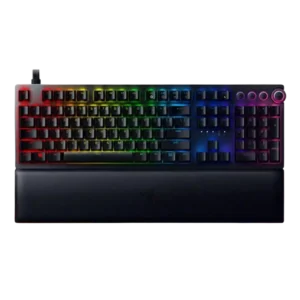
Acoustics were mixed: some enjoyed the sound profile, thocky bottom-out, or satisfying clicks, while others objected to ping or sheer volume.
Pros: per-key lighting control, wrist rest quality
Cons: polling rate, portability
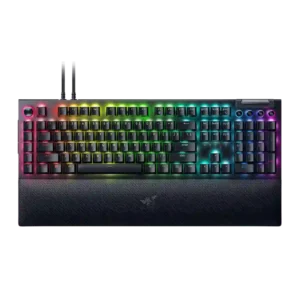
Reviewers varied by switch and model: some praised muted, clacky or lower-pitched sound, while others heard plasticky clicks, dinging, or a weaker stock sound.
Pros: key stability, ease of switch replacement
Cons: compatibility, battery life
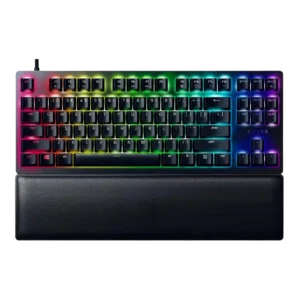
Acoustics were mixed: red-switch models sounded far better and quieter, while clicky versions, stabilizers, and case resonance drew complaints.
Pros: key stability, per-key lighting control
Cons: stabilizer quality, media controls