Best for frame rigidity
HyperX Alloy Origins
5.0 feature score
Highest scored product for this feature based on supporting review evidence.
Highest scored product for this feature based on supporting review evidence.
Balances feature score, supporting reviews, and overall product strength.
Has the broadest review evidence for this feature.
Strongest overall product among items with scored evidence for this feature.
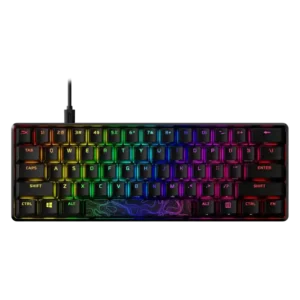
Frame rigidity is excellent in the review evidence, with repeated comments about minimal flex, no give, and stable placement.
Pros: latency, actuation consistency
Cons: ease of switch replacement, reliability
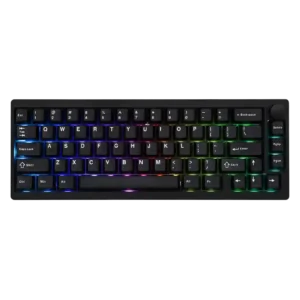
The dense aluminum shell has almost no flex and stays firmly planted during typing or gaming.
Pros: frame rigidity, acoustics
Cons: rapid trigger support, analog input support
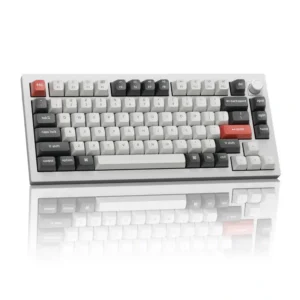
The dense metal frame has virtually no flex and stays planted during aggressive typing or gaming.
Pros: legend visibility, RGB customization
Cons: actuation consistency, rapid trigger support
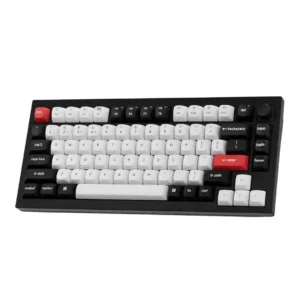
Frame rigidity is unanimously praised in the scored evidence, with reviewers noting no flex, no shifting, and strong aluminum construction.
Pros: key stability, frame rigidity
Cons: profile management, reliability
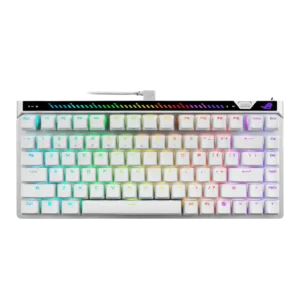
Frame rigidity was excellent, with no flex or looseness reported and a torsion-resistant feel.
Pros: key responsiveness, latency
Cons: analog input support, wrist rest quality
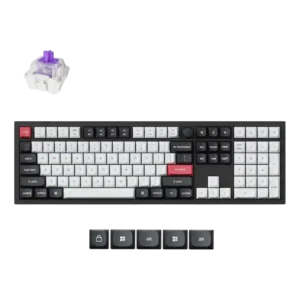
Frame rigidity was excellent in the evidence, with reviewers emphasizing no flex, no give, and a body that did not budge.
Pros: key stability, frame rigidity
Cons: portability, switch options
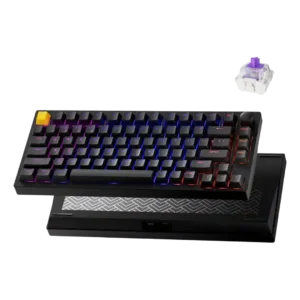
Frame rigidity was supported by the sturdy full-metal construction and reviewer confidence in long-term use.
Pros: frame rigidity, stabilizer quality
Cons: per-key lighting control, RGB customization
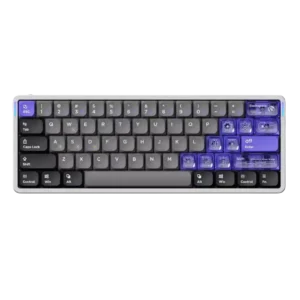
Frame rigidity was strongly praised in the PC Gamer review, which reported no flex or creaking.
Pros: frame rigidity, rapid trigger support
Cons: switch options, legend visibility
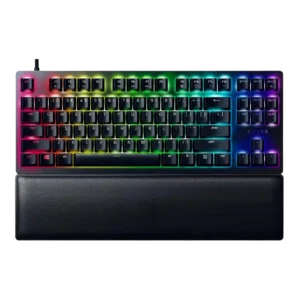
Frame rigidity was strongly praised in the review that evaluated it directly, citing no creaking or flexing.
Pros: key stability, per-key lighting control
Cons: stabilizer quality, media controls
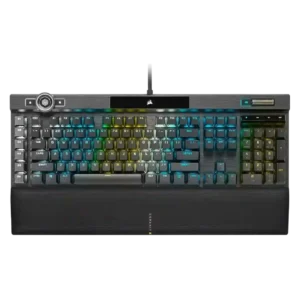
Frame rigidity receives excellent marks from reviewers who report no frame flex or only minimal flex.
Pros: actuation consistency, key stability
Cons: hot-swappable switches, switch options
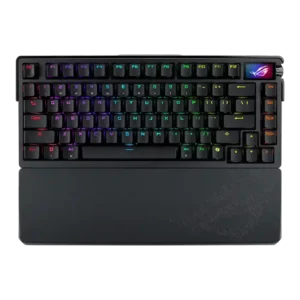
Frame rigidity was rated very highly because reviewers emphasized the aluminum frame, lack of flex, and tank-like solidity.
Pros: key spacing, reliability
Cons: rapid trigger support, analog input support
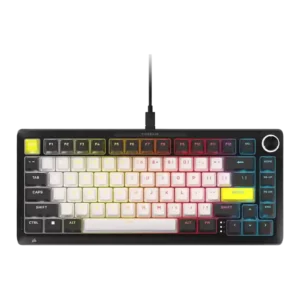
The aluminum frame was repeatedly described as rigid, stable, and resistant to creaks or flex.
Pros: per-key lighting control, durability
Cons: portability, noise level
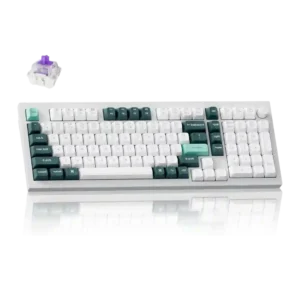
Frame rigidity was strongly praised, with reviewers pointing to a solid metal body, sturdy construction, and zero flex.
Pros: cable quality, typing comfort
Cons: portability, switch options
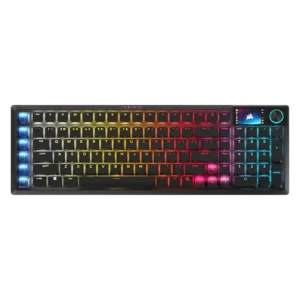
The chassis is exceptionally rigid, resisting twisting, center pressure, and edge pressure without noticeable flex or creaking.
Pros: key stability, stabilizer quality
Cons: analog input support, rapid trigger support
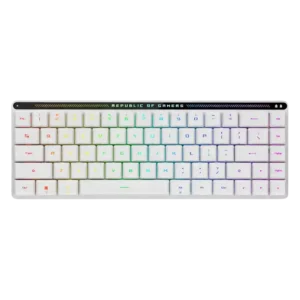
Frame rigidity is a major strength; multiple reviewers report no deck flex, creaking, or a rock-solid base.
Pros: reliability, typing comfort
Cons: cable quality, wrist rest quality
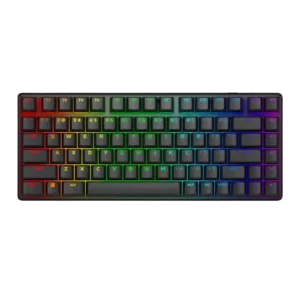
Frame rigidity was excellent across the reviews that tested it, with reviewers reporting little to no flex.
Pros: key stability, backlight brightness
Cons: rapid trigger support, wrist rest quality
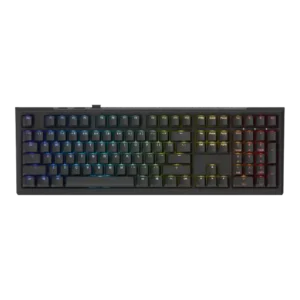
Frame rigidity earned strong marks where tested, with minimal flex and little meaningful twisting or bending reported.
Pros: typing feel, key stability
Cons: profile management, wrist rest quality
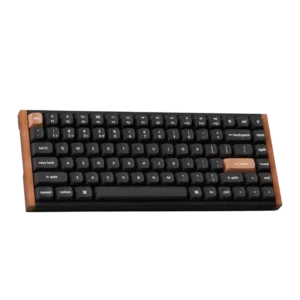
Frame rigidity was praised in the reviews that discussed it, including no deck flex, rigid construction, and ultra-stable typing.
Pros: wrist rest quality, onboard memory
Cons: per-key lighting control, switch options
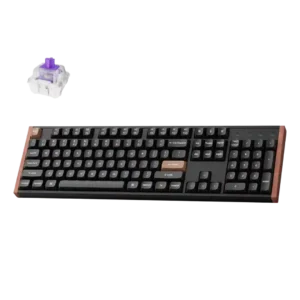
Frame rigidity was praised in one review because the board did not twist much and felt very nice.
Pros: wireless performance, key responsiveness
Cons: switch options, desk space efficiency
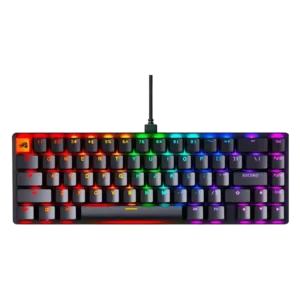
Frame rigidity scored strongly because reviewers found little to no flex, sturdy aluminum framing, and a case that resisted twisting.
Pros: compatibility, key responsiveness
Cons: wrist rest quality, key spacing
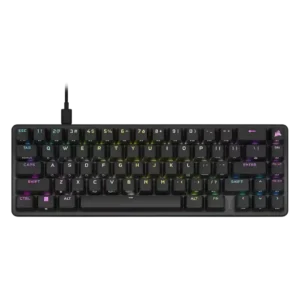
The frame was praised for sturdiness, minimal flex, and a solid aluminum-topped feel.
Pros: volume control, key responsiveness
Cons: wireless performance, wrist rest quality
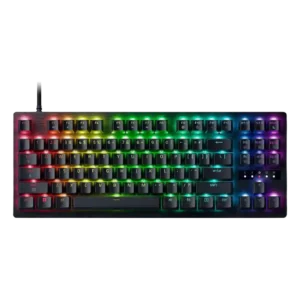
The frame feels rigid and premium, with very little flex called out and sturdy construction reinforced by the board's compact build.
Pros: polling rate, RGB customization
Cons: key stability, typing comfort
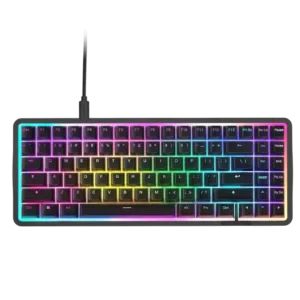
The frame and weight were repeatedly praised for keeping the board planted and rigid on the desk.
Pros: latency, acoustics
Cons: passthrough features, wireless performance
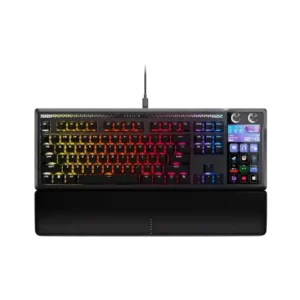
The frame is repeatedly described as solid, rigid, and low-flex. Reviewers like that the large hybrid design still feels cohesive rather than flimsy.
Pros: customization options, ease of switch replacement
Cons: reliability, analog input support
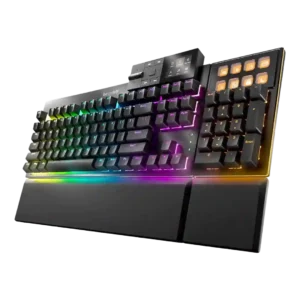
Frame rigidity was repeatedly praised, with reviewers describing the board as solid, planted, robust, and difficult to flex.
Pros: key stability, per-key lighting control
Cons: analog input support, wireless performance
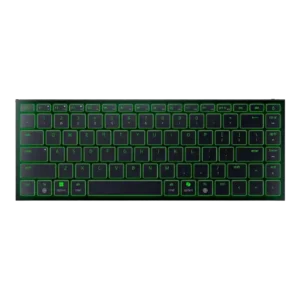
Frame rigidity was consistently praised, with multiple reviewers noting almost no flex or bending from the thin deck.
Pros: frame rigidity, size and form factor
Cons: sound dampening, per-key lighting control
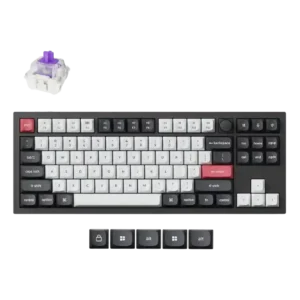
Frame rigidity and desk stability were strong positives, with reviewers noting solidity, lack of movement, and clean manufacturing.
Pros: build quality, extra gaming features
Cons: switch options, hot-swappable switches
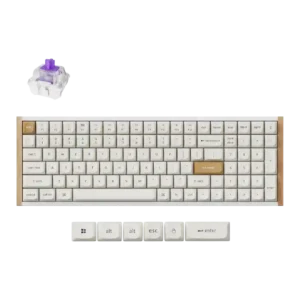
Frame rigidity was praised through sturdy-frame and no-flex comments.
Pros: durability, rapid trigger support
Cons: per-key lighting control, stabilizer quality
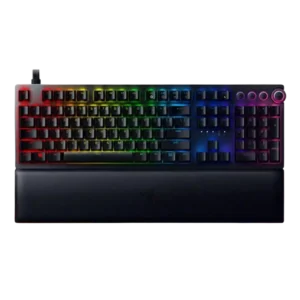
Frame rigidity was praised for heft, sturdiness, and resistance to sliding during use.
Pros: per-key lighting control, wrist rest quality
Cons: polling rate, portability
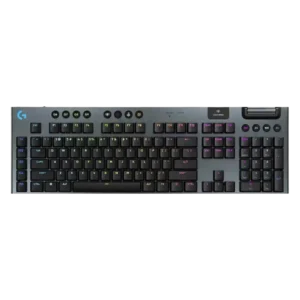
Frame rigidity was one of the strongest areas, with reviewers repeatedly reporting little to no flex and a rigid aluminum-reinforced frame.
Pros: stabilizer quality, latency
Cons: ease of switch replacement, hot-swappable switches
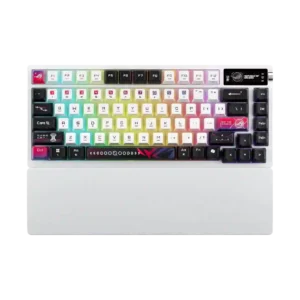
Frame rigidity was a strength, with reviewers repeatedly noting no deck flex, no rattle, and a stable body.
Pros: latency, wireless performance
Cons: rapid trigger support, analog input support
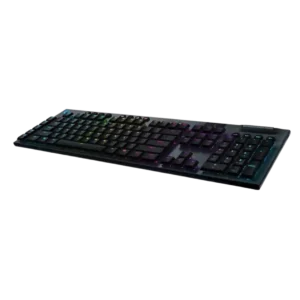
The frame is generally praised for rigidity and low flex, though one long-term reviewer noticed a slight bend that did not affect use.
Pros: latency, polling rate
Cons: passthrough features, cable quality
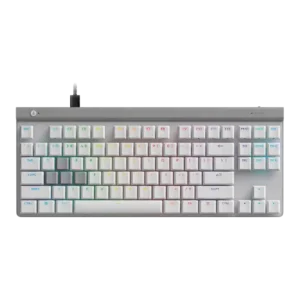
Frame rigidity scored very well, with reviewers repeatedly noting steel reinforcement, heft, no flex, and strong desk stability.
Pros: key responsiveness, ergonomics
Cons: wireless performance, volume control
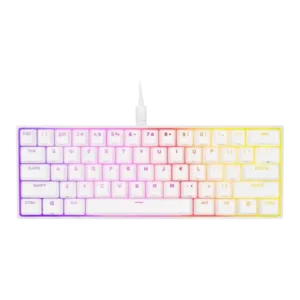
Frame rigidity was praised where tested, with reviewers noting a solid frame and little or no flex.
Pros: desk space efficiency, frame rigidity
Cons: sound dampening, ease of switch replacement
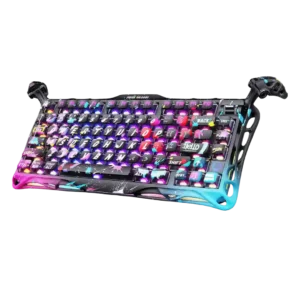
The frame and case were praised as heavy duty, sturdy, high quality, and unusually detailed.
Pros: legend visibility, key responsiveness
Cons: connectivity, cable quality
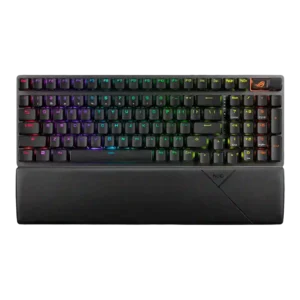
Frame rigidity is strong across reviews, with evidence about sturdy frames, desk stability, minimal flex, and resistance to twisting.
Pros: per-key lighting control, wireless performance
Cons: rapid trigger support, analog input support
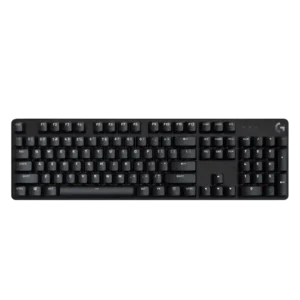
Frame rigidity is a clear strength, with reviewers repeatedly noting little to no flex and solid construction.
Pros: durability, desk space efficiency
Cons: switch options, onboard memory
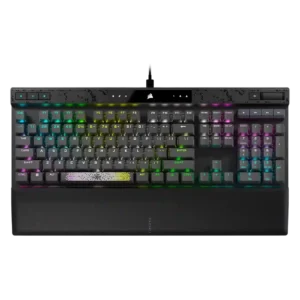
Frame rigidity was usually a strength, with reviewers reporting a solid aluminum frame or no flex, aside from one more moderate build assessment.
Pros: reliability, key responsiveness
Cons: desk space efficiency, wireless performance
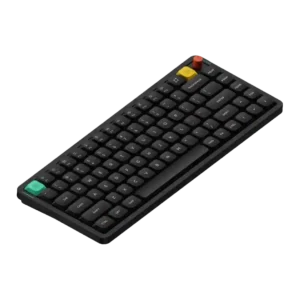
Frame rigidity scored well thanks to comments about sturdiness, a thicker metal frame, and minimal flex.
Pros: key responsiveness, typing feel
Cons: per-key lighting control, legend visibility
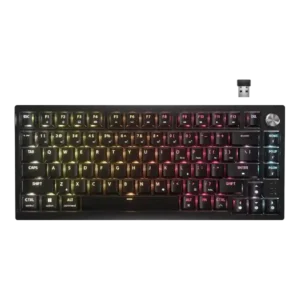
The frame was usually described as rigid and flex-resistant thanks to internal plates and solid construction, with one reviewer noting some chassis flex.
Pros: latency, durability
Cons: legend visibility, rapid trigger support
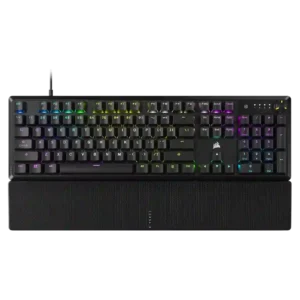
Frame rigidity was usually praised, with reviewers citing low flex, good rigidity, and torsional stiffness.
Pros: per-key lighting control, compatibility
Cons: ease of switch replacement, hot-swappable switches
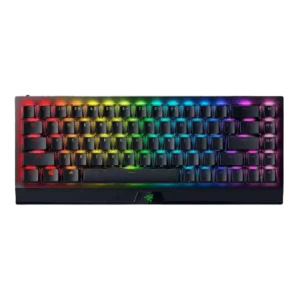
Frame rigidity scored well where discussed, with reviewers describing the keyboard as planted, rigid, free of flex, and unlikely to budge.
Pros: per-key lighting control, backlight brightness
Cons: passthrough features, compatibility
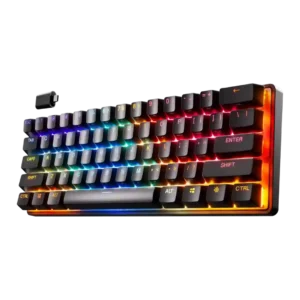
Frame rigidity was usually praised: reviewers noted little or no flex during normal use, an inflexible body, and a stable aluminum-backed construction.
Pros: latency, key responsiveness
Cons: hot-swappable switches, ease of switch replacement
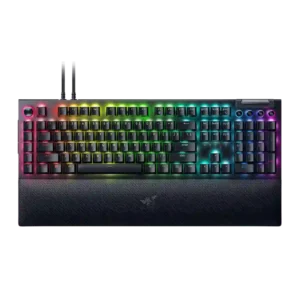
Frame rigidity was praised where reviewers described the chassis and top plate as robust, solid, and free of noticeable creaking.
Pros: key stability, ease of switch replacement
Cons: compatibility, battery life
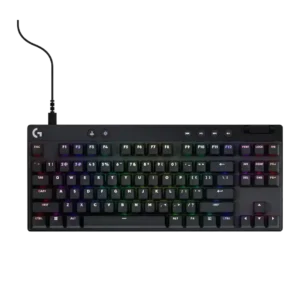
Frame rigidity is a major positive in many reviews, with repeated praise for no flex, sturdy frames, and inflexible plates.
Pros: durability, per-key lighting control
Cons: noise level, sound dampening
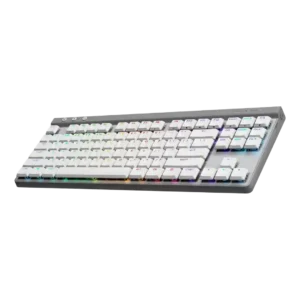
Frame rigidity was praised, with several reviewers reporting little to no flex despite the all-plastic construction.
Pros: latency, wireless performance
Cons: rapid trigger support, ease of switch replacement
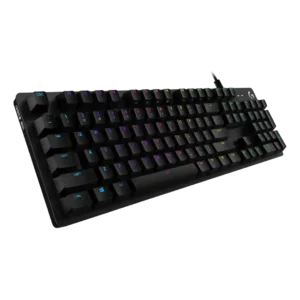
Frame rigidity is strong across reviews, with little flex and a sturdy desk presence.
Pros: key spacing, key responsiveness
Cons: reliability, connectivity
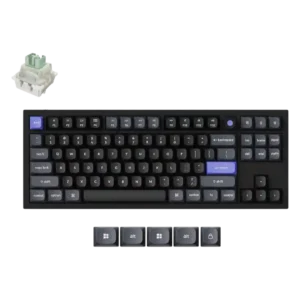
The body material was associated with increased stability and a luxury feel.
Pros: key responsiveness, polling rate
Cons: switch options, portability
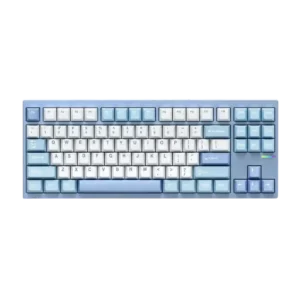
Frame rigidity was mostly praised for its solid, flex-free construction, though the quick-release design was seen by one reviewer as less sturdy than screws.
Pros: value for money, customization options
Cons: cable quality, portability
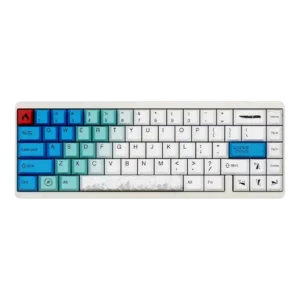
Frame rigidity and heft were praised because the heavy board felt stable, solid, and hard to knock around.
Pros: durability, key responsiveness
Cons: reliability, RGB customization