Best for materials quality
Keychron Q3 HE
4.8 feature score
Highest scored product for this feature based on supporting review evidence.
Highest scored product for this feature based on supporting review evidence.
Balances feature score, supporting reviews, and overall product strength.
Has the broadest review evidence for this feature.
Strongest overall product among items with scored evidence for this feature.
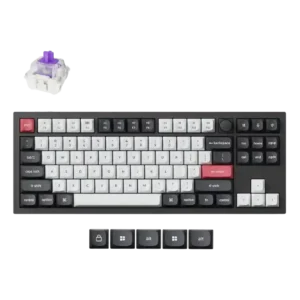
Materials quality was consistently praised, especially the aluminum body and premium-feeling construction.
Pros: rapid trigger support, typing feel
Cons: switch options, portability
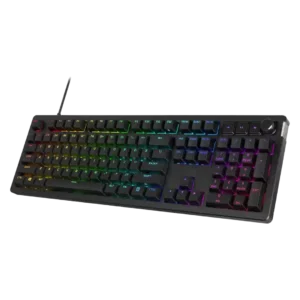
Materials quality was praised where directly discussed, especially the metal body/top-plate feel and PBT keycaps.
Pros: legend visibility, materials quality
Cons: wrist rest quality, ease of switch replacement
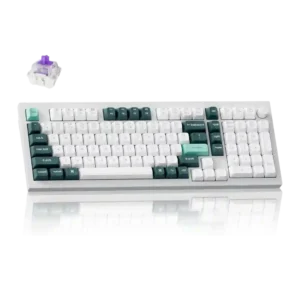
Materials quality is high, centered on aluminum or all-metal construction, PBT caps, and premium case components.
Pros: build quality, frame rigidity
Cons: portability, switch options
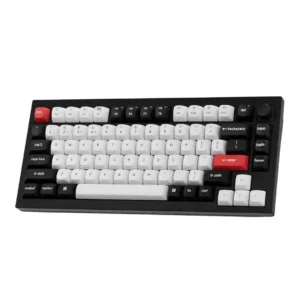
Materials quality is a major strength, centered on aluminum or metal construction, premium finishes, PBT caps, and sturdy specialty editions.
Pros: frame rigidity, build quality
Cons: portability, per-key lighting control
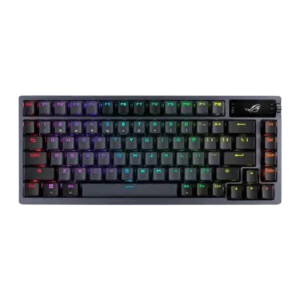
Materials quality is high, with reviews pointing to aluminum, steel, durable PBT, and premium-feeling construction.
Pros: hot-swappable switches, connectivity
Cons: passthrough features, wrist rest quality
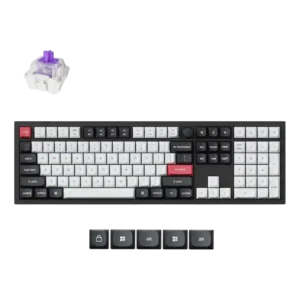
Materials quality was praised for the aluminum body, aluminum plate, and PBT keycap materials.
Pros: key stability, frame rigidity
Cons: portability, switch options
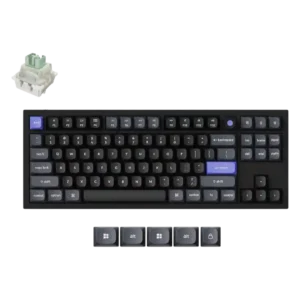
Materials quality is high overall, though the ceramic model evidence introduces a durability tradeoff not tied to the aluminum Q3 HE.
Pros: latency, polling rate
Cons: portability, switch options
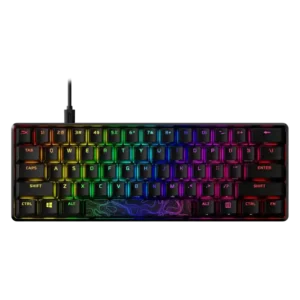
Materials quality was led by the aluminum case and, on some variants, PBT keycaps, though ABS keycaps held some versions back.
Pros: frame rigidity, materials quality
Cons: wireless performance, hot-swappable switches
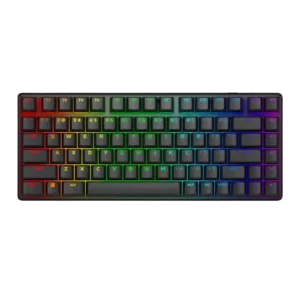
Materials quality was consistently premium, with aircraft-grade aluminum, metal top-case elements, and double-shot PBT keycaps cited.
Pros: backlight brightness, latency
Cons: rapid trigger support, wrist rest quality
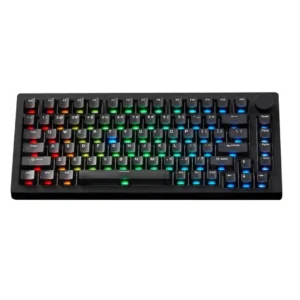
Materials quality is praised for the aluminum body and premium-feeling construction.
Pros: switch options, extra gaming features
Cons: portability
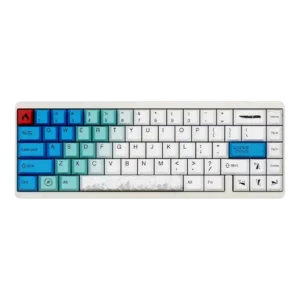
Materials quality is a clear strength thanks to the aluminum case and premium feel mentioned by several reviewers.
Pros: materials quality, polling rate
Cons: portability, software quality
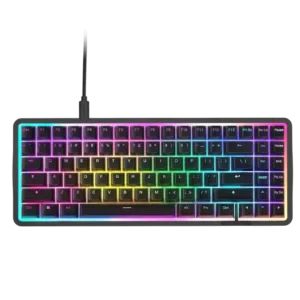
Materials quality is considered premium because of aluminum, CNC metal, PBT caps, and durable surface materials, with plastic underside as the main caveat.
Pros: polling rate, sound dampening
Cons: passthrough features, wireless performance
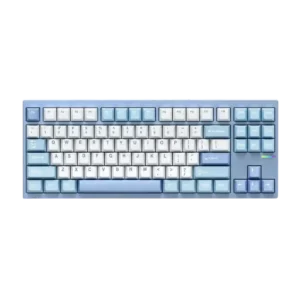
Materials quality is a strength, with aluminum construction, high-quality components, and PBT keycaps repeatedly cited.
Pros: hot-swappable switches, frame rigidity
Cons: portability, cable quality
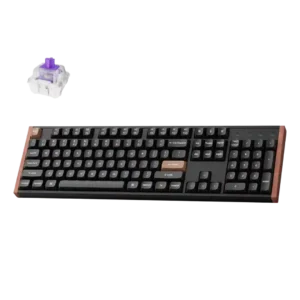
Materials quality was a strong point, with aluminum, PBT, metal, and wood/rosewood accents repeatedly highlighted.
Pros: extra gaming features, sound dampening
Cons: desk space efficiency, portability
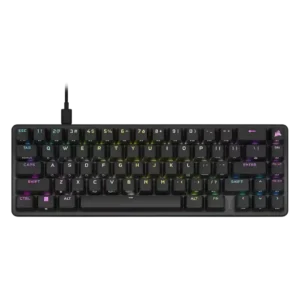
Materials quality is strong, led by aluminum, PBT, and a solid plate or frame construction.
Pros: profile management, durability
Cons: wireless performance, analog input support
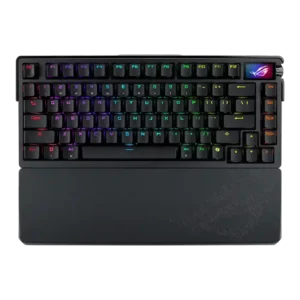
Materials quality is very strong thanks to aluminum, carbon fiber, premium machining, and high-quality internal construction.
Pros: typing comfort, wireless performance
Cons: rapid trigger support, analog input support
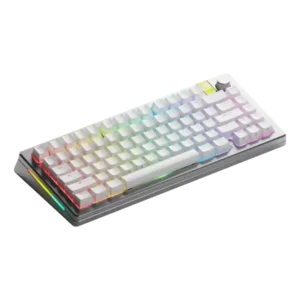
Materials quality is strong on Pro builds thanks to aluminum cases, metal finishes, and quality PBT keycap options.
Pros: size and form factor, customization options
Cons: passthrough features, portability
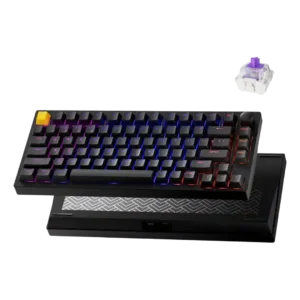
Material quality was a major strength, with CNC aluminum, full metal construction, and sound-absorbing materials cited.
Pros: desk space efficiency, connectivity
Cons: per-key lighting control, layout options
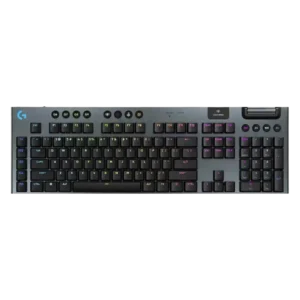
Materials quality is mostly praised for brushed aluminum, metal top plates, and premium finishes, with only isolated criticism around lighter plastic feel.
Pros: stabilizer quality, frame rigidity
Cons: hot-swappable switches, ease of switch replacement
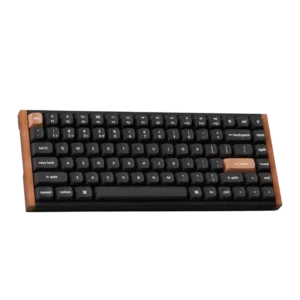
Materials quality was praised for rosewood accents, aluminum framing, PBT caps, and variant-specific premium materials.
Pros: rapid trigger support, switch feel
Cons: per-key lighting control, switch options
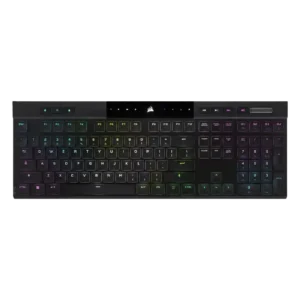
Materials quality is generally premium due to brushed aluminum or high-quality metal, with the cable and chassis receiving positive material comments.
Pros: extra gaming features, onboard memory
Cons: hot-swappable switches, ease of switch replacement
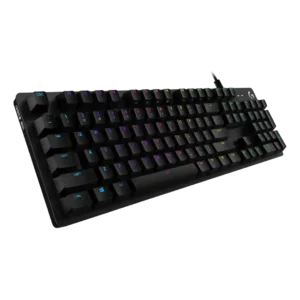
Materials quality was consistently praised, especially the aluminum or aluminum-magnesium top plate and brushed finish.
Pros: key spacing, per-key lighting control
Cons: wrist rest quality, reliability
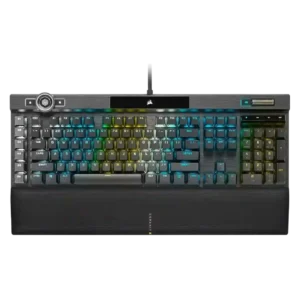
Materials quality is strong due to repeated aluminum, PBT, and durable-frame evidence, though one review notes a plastic base beneath the aluminum top.
Pros: frame rigidity, key stability
Cons: analog input support, hot-swappable switches
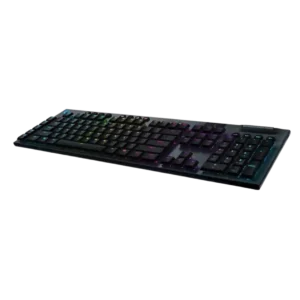
Materials quality is strong overall, centered on aluminum or metal top construction and reinforced base materials.
Pros: polling rate, key responsiveness
Cons: passthrough features, wrist rest quality
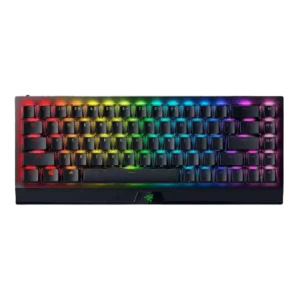
Materials quality was praised for the aluminum top plate or chassis elements, solid base, and overall premium construction.
Pros: per-key lighting control, gaming performance
Cons: passthrough features, stabilizer quality
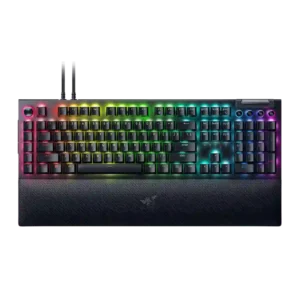
Materials quality is generally premium thanks to aluminum top plates and textured finishes, but one 75% Pro review criticizes continued plastic-case construction.
Pros: latency, RGB customization
Cons: battery life, size and form factor
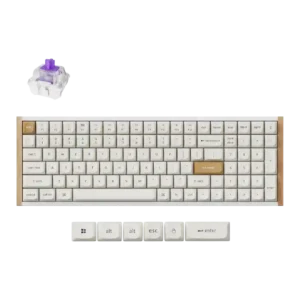
Materials quality is generally premium for the price, mixing aluminum, PBT keycaps, and wood accents, though the plastic bottom is noted.
Pros: rapid trigger support, customization options
Cons: per-key lighting control, media controls
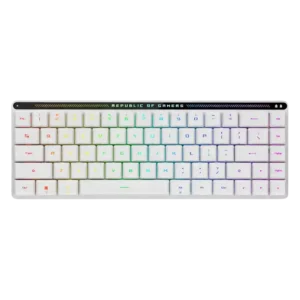
Materials quality was positive overall, especially the metal or aluminum top plate, though several reviews also noted plastic in the bottom casing.
Pros: latency, reliability
Cons: rapid trigger support, wrist rest quality
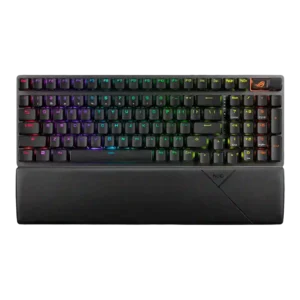
Materials quality was positive overall, with aluminum, hard plastic, PBT, foam, and silicone layers mentioned, though some reviewers noted plastic chassis tradeoffs.
Pros: latency, battery life
Cons: rapid trigger support, software quality
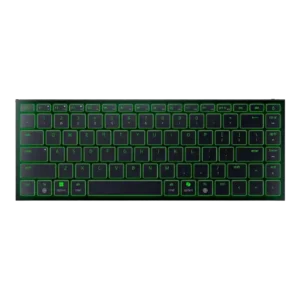
The aluminum top plate is widely praised, while the plastic underside or base is sometimes described as a compromise.
Pros: portability, frame rigidity
Cons: hot-swappable switches, ease of switch replacement
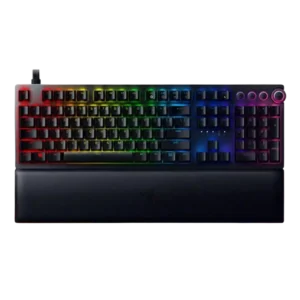
Materials quality is consistently premium, with aluminum top plates or frames, PBT caps, and leatherette wrist rests mentioned across reviews.
Pros: per-key lighting control, build quality
Cons: sound dampening, portability
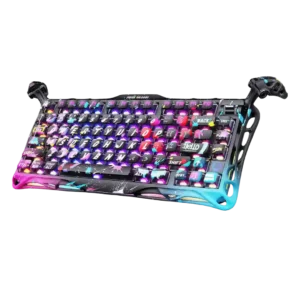
Materials quality is strong, led by aluminum construction, a carbon plate, and premium-feeling case materials.
Pros: switch feel, key responsiveness
Cons: wireless performance, connectivity
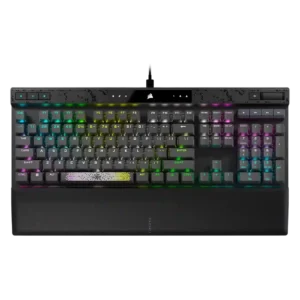
Materials quality was mostly premium thanks to aluminum or anodized top plates and PBT keycaps, though at least one reviewer criticized the plastic bottom at the price.
Pros: frame rigidity, actuation consistency
Cons: passthrough features, wireless performance
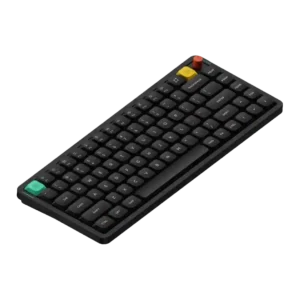
The aluminum top or frame and ABS/plastic bottom were generally considered premium enough while preserving portability.
Pros: typing feel, layout options
Cons: rapid trigger support, per-key lighting control
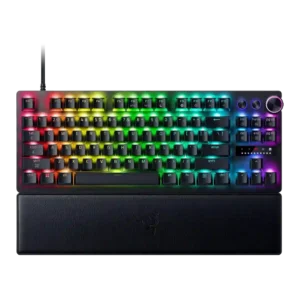
Materials quality is good but not uniformly premium: aluminum top plates and PBT caps score well, while plastic undersides draw some caveats.
Pros: layout options, key responsiveness
Cons: wireless performance, passthrough features
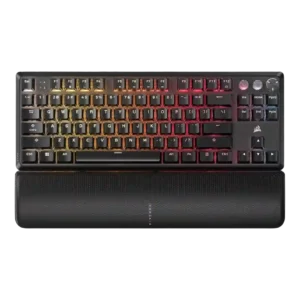
Materials quality was strong where aluminum, PBT, and solid plastic were used, giving the boards a premium or battle-ready feel.
Pros: onboard memory, rapid trigger support
Cons: passthrough features, wireless performance
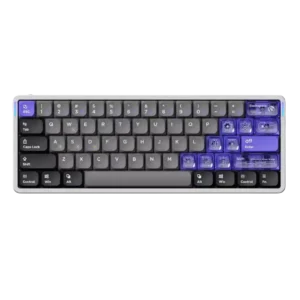
Materials quality was mostly positive thanks to aluminum top-case construction, PBT keycaps in several reviews, and a plastic bottom that still kept the board light.
Pros: gaming performance, polling rate
Cons: wireless performance, battery life
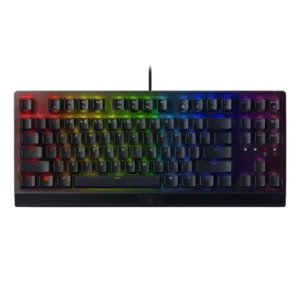
Materials are generally strong, combining aluminum or metal top plates with plastic bases; reviewers liked the premium feel despite not being fully metal.
Pros: latency, per-key lighting control
Cons: hot-swappable switches, wireless performance
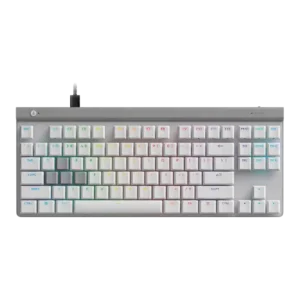
Materials quality was generally strong, led by steel/top-plate elements, PBT keycaps, and dampening layers, with some plastic-chassis caveats.
Pros: sound dampening, key responsiveness
Cons: wireless performance, volume control
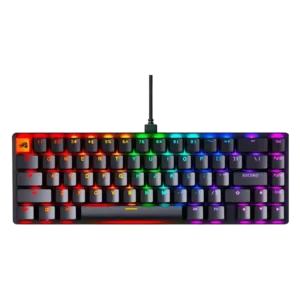
Materials quality is good for the class, combining an aluminum top with plastic lower sections and ABS keycaps.
Pros: hot-swappable switches, typing feel
Cons: wrist rest quality, actuation consistency
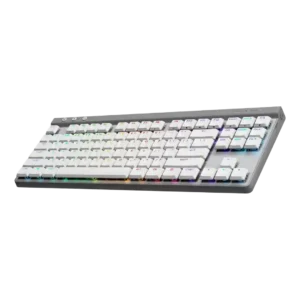
Materials quality was usually viewed as good for plastic, with reviewers describing sturdy, thick, or high-quality plastic while noting it is not as luxurious as metal.
Pros: macro customization, latency
Cons: hot-swappable switches, passthrough features
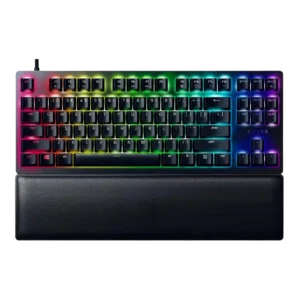
Materials quality was generally strong, combining aluminum, plastic, and PBT keycaps in a design reviewers found sturdy and mature.
Pros: key responsiveness, frame rigidity
Cons: analog input support, wireless performance
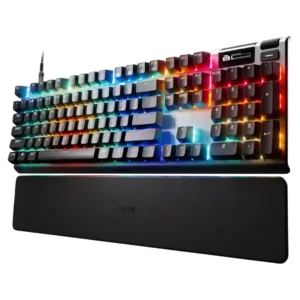
Materials quality was generally good thanks to aluminum plates and solid plastics, but one Mini review disliked the plastic-only case choice.
Pros: customization options, sound dampening
Cons: passthrough features, ease of switch replacement
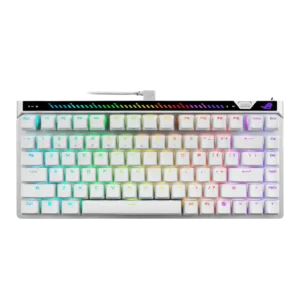
Materials are generally strong, with metal top components and PBT keycaps, though plastic bottom pieces keep it from feeling fully premium.
Pros: gaming performance, latency
Cons: battery life, analog input support
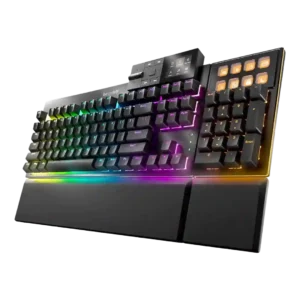
Materials quality is good overall, led by the aluminum top plate and PBT caps, but reviewers note plastic bottom sections that feel less premium.
Pros: acoustics, noise level
Cons: rapid trigger support, analog input support
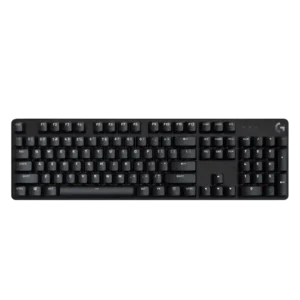
Materials quality is a positive thanks to PBT keycaps and aluminum or aluminum-magnesium construction.
Pros: layout options, keycap quality
Cons: wrist rest quality, profile management
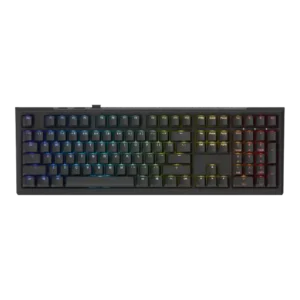
Materials are generally acceptable to good, with PBT caps, metal plate, foams, and solid plastic, though some wanted a more premium metal case.
Pros: key stability, typing feel
Cons: wrist rest quality, profile management
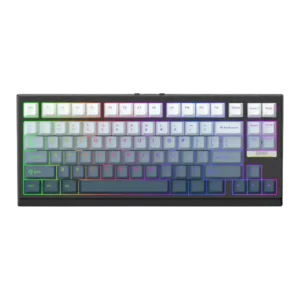
Materials are plastic but generally acceptable for the price, with reviewers saying the case does not feel cheap despite rigidity limits.
Pros: polling rate, ease of switch replacement
Cons: wrist rest quality, media controls
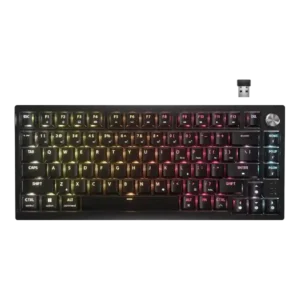
Materials were respectable for the price, mixing plastic or polycarbonate with steel and PBT, though reviewers wished for more aluminum.
Pros: hot-swappable switches, connectivity
Cons: rapid trigger support, legend visibility
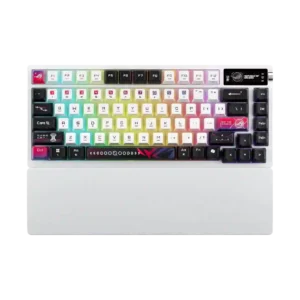
Materials quality is mixed: reviewers note aluminum or metal top parts and high-quality materials, but also plastic bases that reduce the premium feel.
Pros: battery life, hot-swappable switches
Cons: rapid trigger support, analog input support