Best for per-key lighting control
Razer BlackWidow V4 Pro
5.0 feature score
Highest scored product for this feature based on supporting review evidence.
Highest scored product for this feature based on supporting review evidence.
Balances feature score, supporting reviews, and overall product strength.
Has the broadest review evidence for this feature.
Strongest overall product among items with scored evidence for this feature.
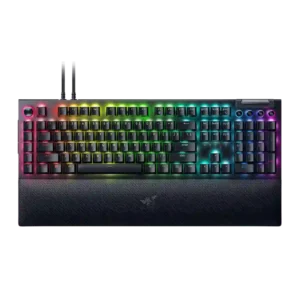
Per-key lighting control is supported by reviews noting per-key RGB lighting and bright per-key implementation.
Pros: latency, RGB customization
Cons: battery life, size and form factor
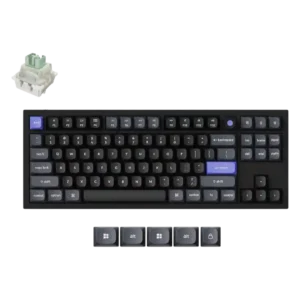
Per-key lighting control is well supported in the software-focused reviews.
Pros: latency, polling rate
Cons: portability, switch options
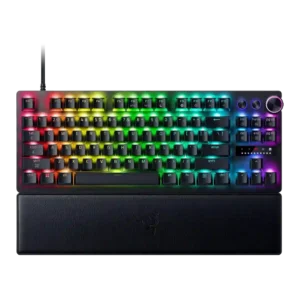
Per-key lighting control is supported and praised where mentioned, especially through Chroma and per-key RGB implementation.
Pros: layout options, key responsiveness
Cons: wireless performance, passthrough features
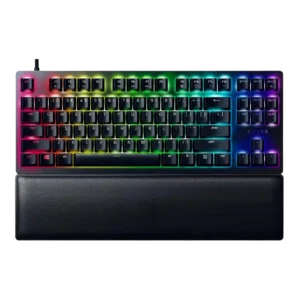
Per-key lighting control was well supported, with reviewers noting per-key RGB, individual key customization, and bespoke lighting effects.
Pros: key responsiveness, frame rigidity
Cons: analog input support, wireless performance
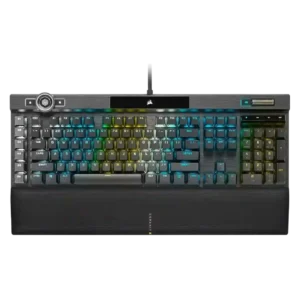
Per-key lighting control is well supported through reviewer comments about per-switch effects and granular iCUE lighting customization.
Pros: frame rigidity, key stability
Cons: analog input support, hot-swappable switches
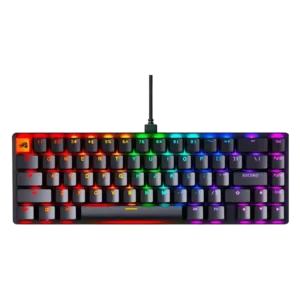
Per-key lighting control is well supported, with reviewers repeatedly noting individual key lighting customization.
Pros: hot-swappable switches, typing feel
Cons: wrist rest quality, actuation consistency
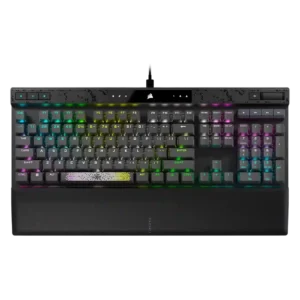
Per-key lighting and per-key adjustability were well supported, with reviewers describing individual key coloring and per-key actuation control.
Pros: frame rigidity, actuation consistency
Cons: passthrough features, wireless performance
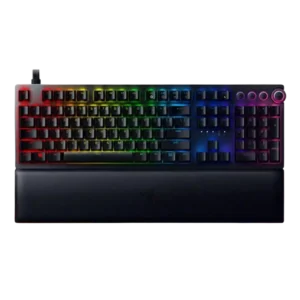
Per-key lighting control is a strength, with reviewers highlighting individual-key effects, per-key customization, and detailed Chroma control.
Pros: per-key lighting control, build quality
Cons: sound dampening, portability
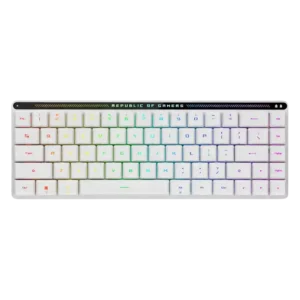
Per-key lighting evidence was clear, with reviewers noting dedicated RGB backlighting or lighting included on every key.
Pros: latency, reliability
Cons: rapid trigger support, wrist rest quality
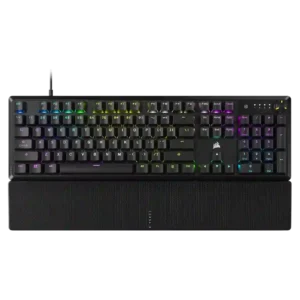
Per-key lighting control is supported and well regarded, with reviews describing per-key RGB and selectable effects for specific key groups.
Pros: per-key lighting control, RGB customization
Cons: analog input support, hot-swappable switches
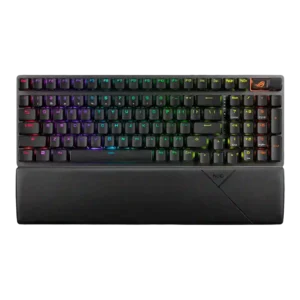
Per-key lighting control had limited but direct support from one review that described near-endless per-key lighting customization.
Pros: latency, battery life
Cons: rapid trigger support, software quality
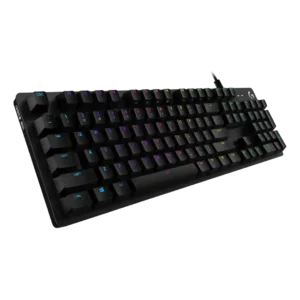
Per-key lighting control was directly supported by several reviews that mentioned per-key color or lighting customization.
Pros: key spacing, per-key lighting control
Cons: wrist rest quality, reliability
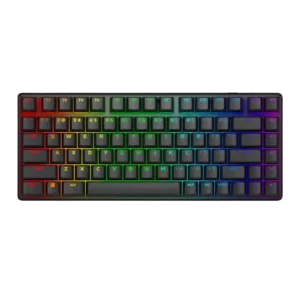
Per-key lighting control was clearly supported through Alienware Command Center and praised as well executed.
Pros: backlight brightness, latency
Cons: rapid trigger support, wrist rest quality
Per-key lighting is supported and praised in reviews that specifically mention programmable or individually controllable RGB keys.
Pros: polling rate, key responsiveness
Cons: passthrough features, wrist rest quality
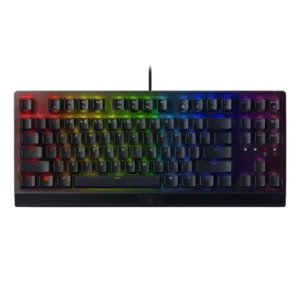
Per-key lighting is well supported by Synapse and Chroma Studio, giving users individual key control across the RGB spectrum.
Pros: latency, per-key lighting control
Cons: hot-swappable switches, wireless performance
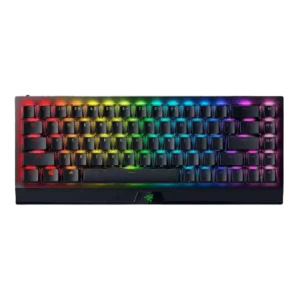
Per-key lighting control was supported through Synapse, with reviewers noting control over per-key RGB and logo lighting.
Pros: per-key lighting control, gaming performance
Cons: passthrough features, stabilizer quality
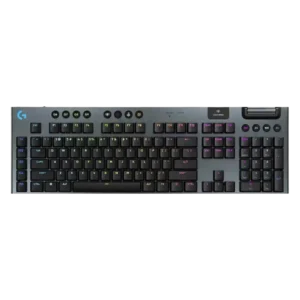
Per-key lighting control is supported by individual key lighting customization and per-key RGB, making lighting control a clear feature rather than only preset lighting.
Pros: stabilizer quality, frame rigidity
Cons: hot-swappable switches, ease of switch replacement
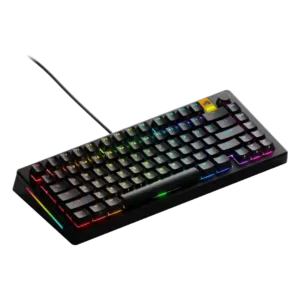
Per-key lighting control was directly supported in multiple reviews through individual key color or per-key lighting customization.
Pros: customization options, hot-swappable switches
Cons: value for money, desk space efficiency
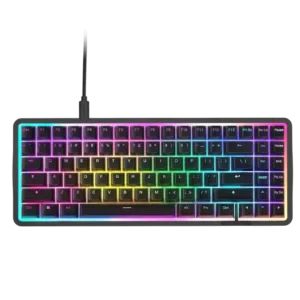
Per-key lighting control is well supported, with several reviews noting individual key lighting adjustment or highly adjustable per-key RGB.
Pros: polling rate, sound dampening
Cons: passthrough features, wireless performance
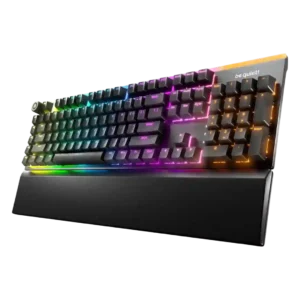
Per-key lighting control is well supported through even per-key illumination and wide ARGB effect control.
Pros: key stability, noise level
Cons: rapid trigger support, analog input support
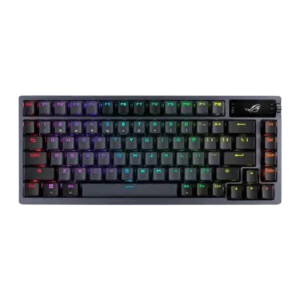
Per-key lighting control is strong in the software evidence, with direct support for key-by-key backlight adjustment.
Pros: hot-swappable switches, connectivity
Cons: passthrough features, wrist rest quality
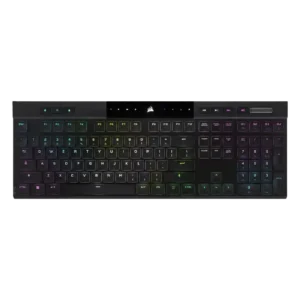
Per-key lighting control is strong, with reviewers noting per-key RGB, individually lit keys, and layered lighting control through iCUE.
Pros: extra gaming features, onboard memory
Cons: hot-swappable switches, ease of switch replacement
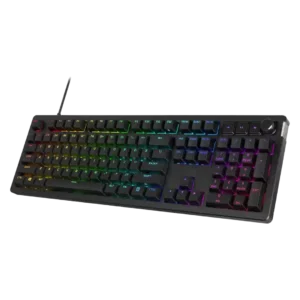
Per-key lighting control was strong, with individual key programming and per-key RGB noted in several reviews.
Pros: legend visibility, materials quality
Cons: wrist rest quality, ease of switch replacement
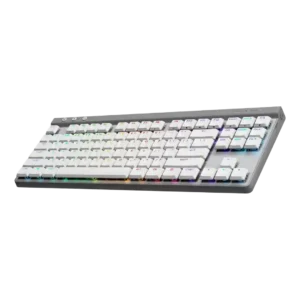
Per-key lighting control was well supported, with reviewers mentioning individual key lighting, per-key RGB, and key-by-key color customization.
Pros: macro customization, latency
Cons: hot-swappable switches, passthrough features
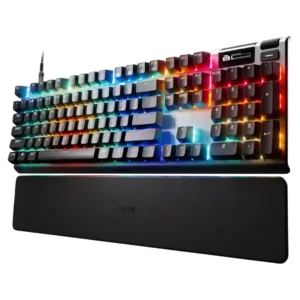
Per-key lighting control was repeatedly supported through individual-key RGB adjustment, Prism customization, and section-level selection.
Pros: customization options, sound dampening
Cons: passthrough features, ease of switch replacement
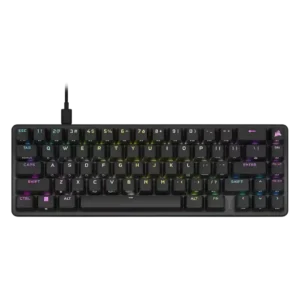
Per-key lighting control is well supported, with reviewers noting individual key or sector illumination and per-key customization.
Pros: profile management, durability
Cons: wireless performance, analog input support
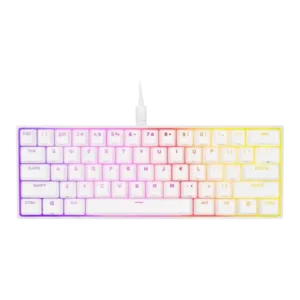
Per-key lighting and layered effects were well supported, including hardware effects, up to 20 lighting layers, and individually customizable keys in iCUE.
Pros: desk space efficiency, polling rate
Cons: wrist rest quality, hot-swappable switches
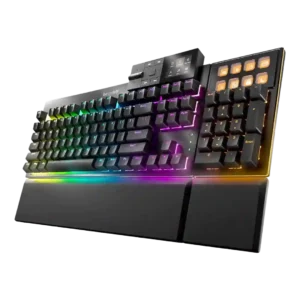
Per-key lighting control is well supported through IO Center, including per-key RGB and control over individual areas or segments.
Pros: acoustics, noise level
Cons: rapid trigger support, analog input support
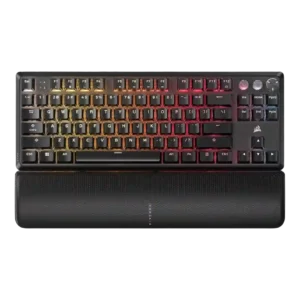
Per-key lighting control was directly supported and repeatedly highlighted as useful for custom effects and individual key programming.
Pros: onboard memory, rapid trigger support
Cons: passthrough features, wireless performance
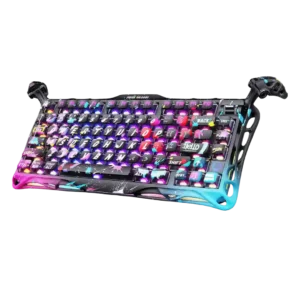
Per-key lighting is present on higher variants and repeatedly tied to RGB/backlight control.
Pros: switch feel, key responsiveness
Cons: wireless performance, connectivity
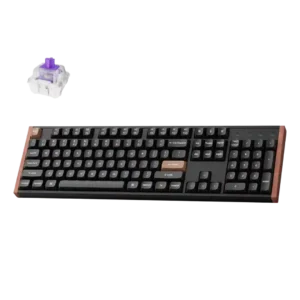
Per-key lighting control was supported through fine-tuning RGB, per-key changes, and per-key customization.
Pros: extra gaming features, sound dampening
Cons: desk space efficiency, portability
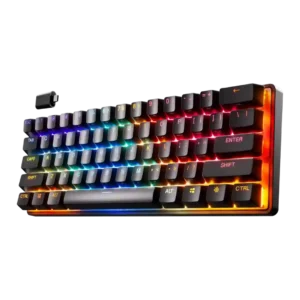
Per-key lighting control is supported and praised through software-based per-key RGB customization.
Pros: wireless performance, latency
Cons: wrist rest quality, hot-swappable switches
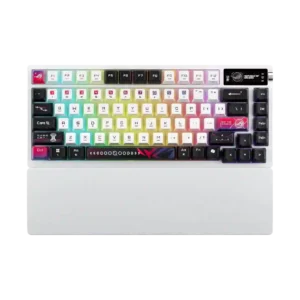
Per-key lighting control has limited direct evidence, with one review explicitly listing per-key RGB among the gaming essentials.
Pros: battery life, hot-swappable switches
Cons: rapid trigger support, analog input support
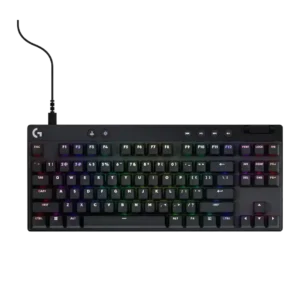
Per-key lighting control is well supported in the evidence, with several reviews describing individually backlit keys or per-key RGB customization.
Pros: analog input support, frame rigidity
Cons: wrist rest quality, stabilizer quality
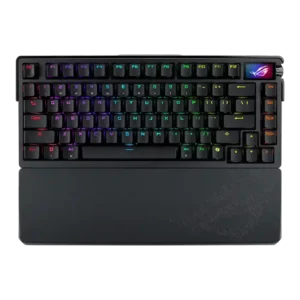
Per-key lighting is directly supported by the specs and reviewers' references to per-key RGB shine-through.
Pros: typing comfort, wireless performance
Cons: rapid trigger support, analog input support
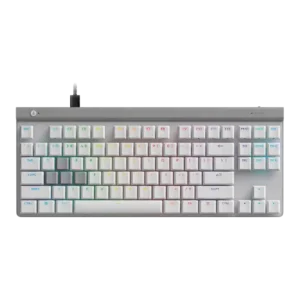
Per-key lighting control was supported through LIGHTSYNC and G Hub, with reviewers noting per-key color or RGB control.
Pros: sound dampening, key responsiveness
Cons: wireless performance, volume control
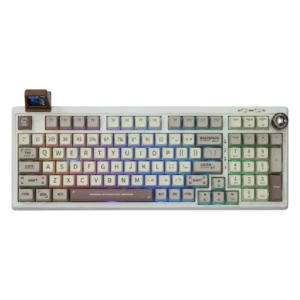
Per-key lighting is directly called out in reviews, with RGB modes and static colors available through software.
Pros: noise level, hot-swappable switches
Cons: rapid trigger support, legend visibility
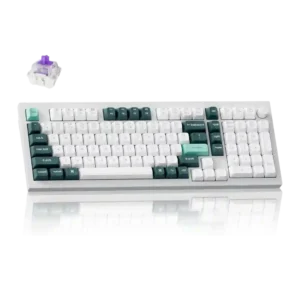
Per-key lighting control is supported by individual RGB LED references and south-facing RGB, though evidence is more limited than for general RGB customization.
Pros: build quality, frame rigidity
Cons: portability, switch options
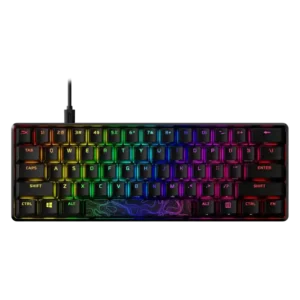
Per-key lighting control is supported and generally praised, although setup sometimes requires software work and can be unintuitive.
Pros: frame rigidity, materials quality
Cons: wireless performance, hot-swappable switches
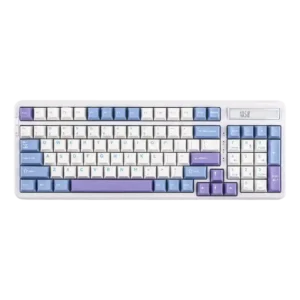
Per-key lighting evidence is limited but positive, with references to per-key RGB underglow and zone-based effects.
Pros: polling rate, hot-swappable switches
Cons: key spacing, switch options
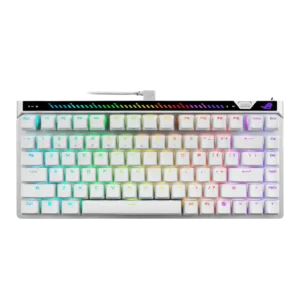
Per-key lighting support is directly mentioned through Per-Key RGB LEDs with AURA Sync.
Pros: gaming performance, latency
Cons: battery life, analog input support
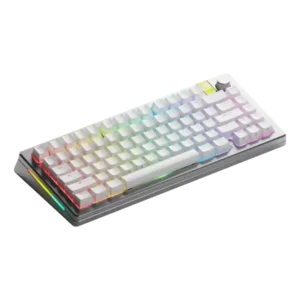
Per-key lighting control is supported through customizable RGB LED keys, though details are less emphasized than broader RGB customization.
Pros: size and form factor, customization options
Cons: passthrough features, portability
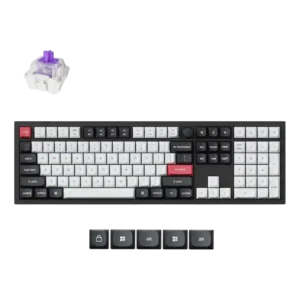
Per-key lighting control was supported through reactive effects tied to the key being typed.
Pros: key stability, frame rigidity
Cons: portability, switch options
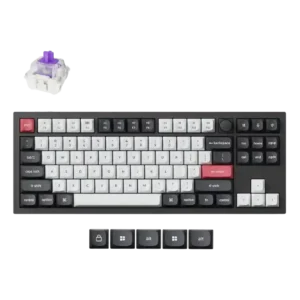
Per-key lighting hardware was noted through per-key RGB and south-facing LEDs, though detailed per-key lighting control was less emphasized.
Pros: rapid trigger support, typing feel
Cons: switch options, portability
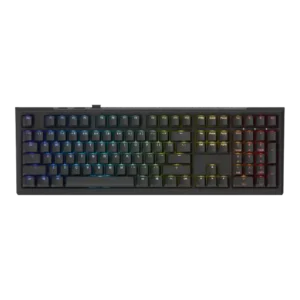
Per-key lighting exists, but reviewers note limitations, bugs, or unclear implementation in some software versions.
Pros: key stability, typing feel
Cons: wrist rest quality, profile management
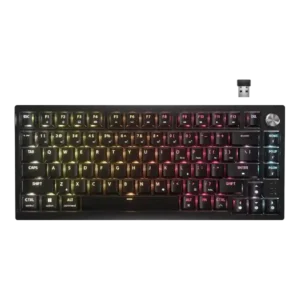
Per-key lighting exists, but reviewers noted practical restrictions, especially when trying to preserve custom lighting wirelessly.
Pros: hot-swappable switches, connectivity
Cons: rapid trigger support, legend visibility
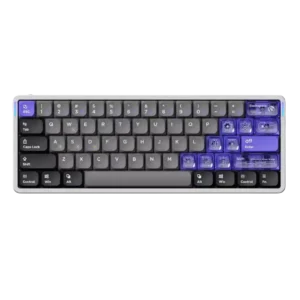
Per-key lighting evidence was mixed: specs list per-key RGB, while one hands-on reviewer did not find a per-key RGB selection option in the software.
Pros: gaming performance, polling rate
Cons: wireless performance, battery life
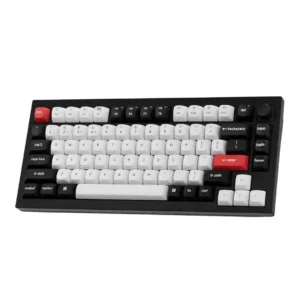
Per-key lighting control is weak because reviewers note either no per-key adjustment or per-key RGB without individual software control.
Pros: frame rigidity, build quality
Cons: portability, per-key lighting control
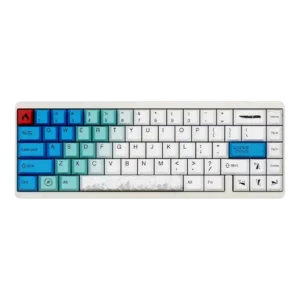
Per-key lighting control has evidence only through the software workflow, and one reviewer found selecting keys for custom lighting unreliable.
Pros: materials quality, polling rate
Cons: portability, software quality
Reviewers noted RGB is customizable and attractive, but not per-key programmable.
Pros: typing feel, layout options
Cons: rapid trigger support, per-key lighting control