Best for sound dampening
Epomaker P65
5.0 feature score
Highest scored product for this feature based on supporting review evidence.
Highest scored product for this feature based on supporting review evidence.
Balances feature score, supporting reviews, and overall product strength.
Has the broadest review evidence for this feature.
Strongest overall product among items with scored evidence for this feature.
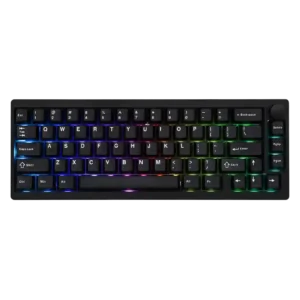
Five internal dampening layers and gasket mounting effectively suppress resonance, hollowness and metallic ping while preserving a full sound.
Pros: frame rigidity, acoustics
Cons: rapid trigger support, analog input support
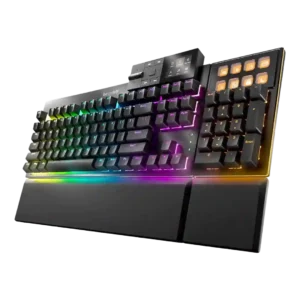
Sound dampening was one of the clearest strengths, with reviewers praising the multi-layer foam/silicone system for reducing echo, vibration, and typing noise.
Pros: key stability, per-key lighting control
Cons: analog input support, wireless performance
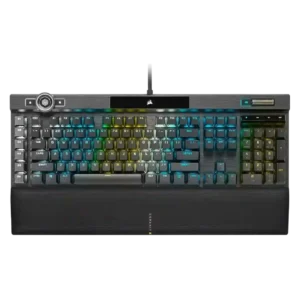
Sound dampening is praised most strongly by KitGuru, which finds the K100 noticeably more muted and less resonant than its predecessor.
Pros: actuation consistency, key stability
Cons: hot-swappable switches, switch options
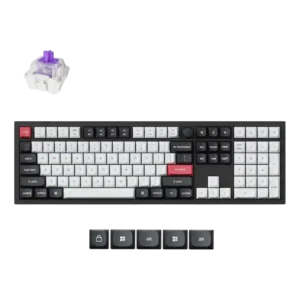
Sound dampening received strong praise for absorbing switch noise, reducing ping, and making the case sound more refined.
Pros: key stability, frame rigidity
Cons: portability, switch options
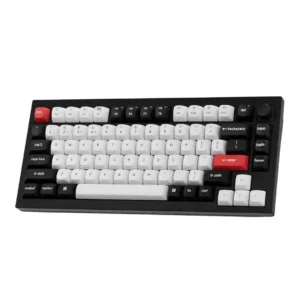
Sound dampening is a standout, with reviewers repeatedly praising foam, gaskets, acoustic pads, and reduced ping or noise.
Pros: key stability, frame rigidity
Cons: profile management, reliability
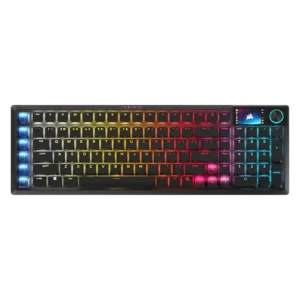
Five internal dampening layers and gasket mounting soften bottom-out, reduce vibration, and give the board a polished sound uncommon among thin keyboards.
Pros: key stability, stabilizer quality
Cons: analog input support, rapid trigger support
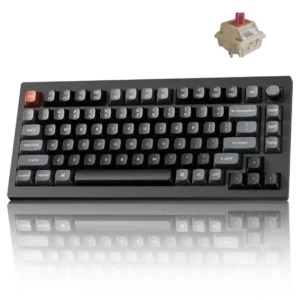
A gasket mount and several foam layers soften keypresses, suppress metallic ping, and create the rounded sound many reviewers liked.
Pros: key responsiveness, actuation consistency
Cons: rapid trigger support, analog input support
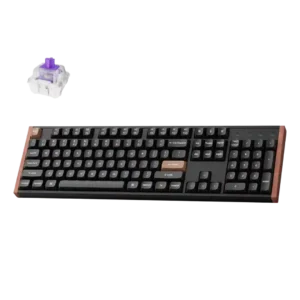
Sound dampening was praised through thocky sound and acoustic foam comments that made typing more satisfying.
Pros: wireless performance, key responsiveness
Cons: switch options, desk space efficiency
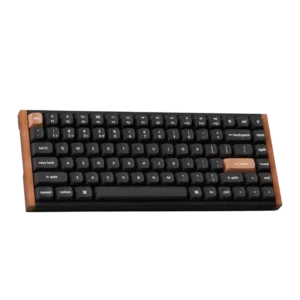
Sound dampening was praised for muted, premium, thocky sound from internal foam, silicone, and dampening layers.
Pros: wrist rest quality, onboard memory
Cons: per-key lighting control, switch options
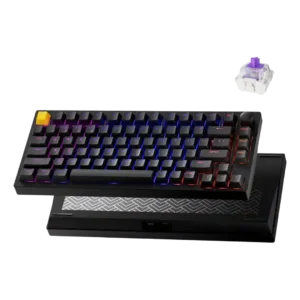
Sound dampening was praised for gasket mounting and sound-absorbing materials that made the keyboard sound softer.
Pros: frame rigidity, stabilizer quality
Cons: per-key lighting control, RGB customization
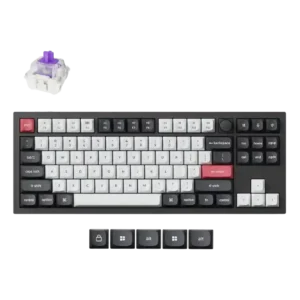
Sound dampening was praised where discussed, with padding and internal construction credited for reducing unwanted noise and improving sound.
Pros: build quality, extra gaming features
Cons: switch options, hot-swappable switches
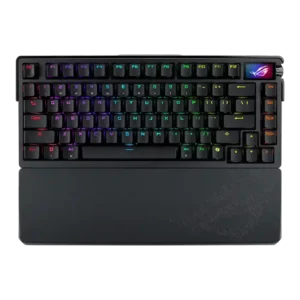
Sound dampening was strongly praised for reducing ping, hollow reverberation, and case resonance through foam and silicone layers.
Pros: key spacing, reliability
Cons: rapid trigger support, analog input support
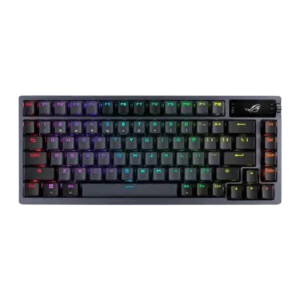
Sound dampening was a major strength, with reviewers praising the layered foam, silicone, and gaskets for reducing ping, hollowness, and harshness.
Pros: durability, wireless performance
Cons: passthrough features, onboard memory
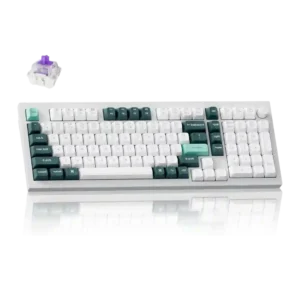
Sound dampening was viewed positively, with reviewers linking foam, gasket design, and dampening layers to bounce, reduced ping, and a softer typing experience.
Pros: cable quality, typing comfort
Cons: portability, switch options
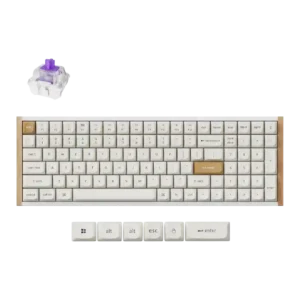
Sound dampening was praised through foam, silicone pads, and reduced hollow sound that contributed to a soft or warm sound profile.
Pros: durability, rapid trigger support
Cons: per-key lighting control, stabilizer quality
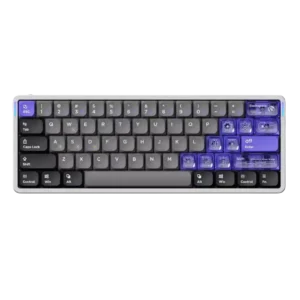
Sound dampening was praised when reviewers mentioned the foam and silicone layers, which helped make the thin board sound more refined.
Pros: frame rigidity, rapid trigger support
Cons: switch options, legend visibility
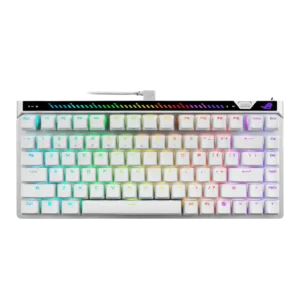
Sound dampening was praised for reducing ping, rattle, and resonance across several reviews.
Pros: key responsiveness, latency
Cons: analog input support, wrist rest quality
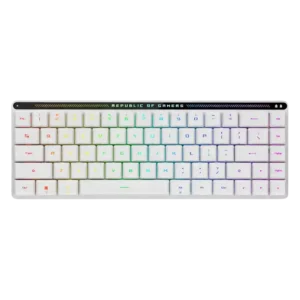
Sound dampening is strongly praised for reducing ping, rattle, echo, and case noise through silicone foam layers.
Pros: reliability, typing comfort
Cons: cable quality, wrist rest quality
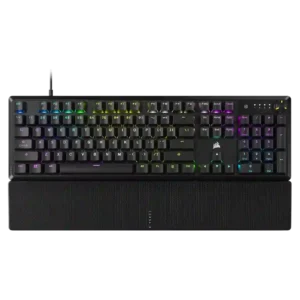
Sound dampening was one of the most consistently praised attributes, with foam layers credited for lower ping, quieter typing, and better acoustics.
Pros: per-key lighting control, compatibility
Cons: ease of switch replacement, hot-swappable switches
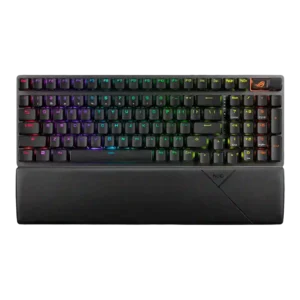
Sound dampening is strongly praised, with reviewers repeatedly crediting foam, pads, and dampening materials for reducing ping, hollowness, and reverberation.
Pros: per-key lighting control, wireless performance
Cons: rapid trigger support, analog input support
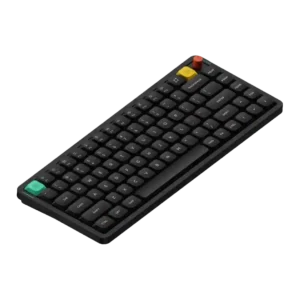
Sound dampening was a major strength, with gasket, foam, and silicone changes repeatedly credited for reducing hollowness.
Pros: key responsiveness, typing feel
Cons: per-key lighting control, legend visibility

Sound dampening was praised for reducing ping, refining the sound, and isolating vibration through the case design and internal layers.
Pros: value for money, customization options
Cons: cable quality, portability
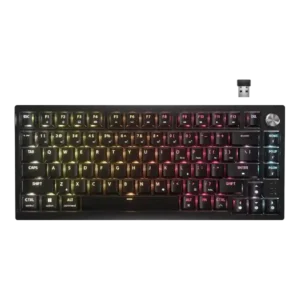
Sound dampening was strongly praised, with reviewers crediting the foam and silicone layers for quieter, smoother, less hollow sound.
Pros: latency, durability
Cons: legend visibility, rapid trigger support
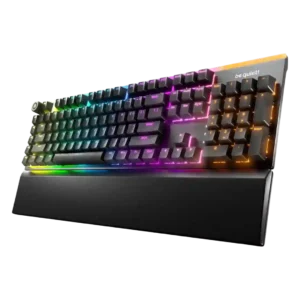
Sound dampening is strongly praised, especially the multilayer foam/silicone approach that reduces echo, reverb, and harsh keystroke noise.
Pros: ease of switch replacement, acoustics
Cons: rapid trigger support, analog input support
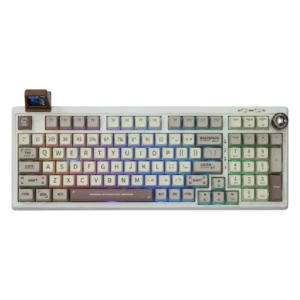
Sound dampening is widely praised; foam, gasket-style structure, and case design reduce hollowness, pinging, and harshness.
Pros: noise level, acoustics
Cons: rapid trigger support, actuation consistency
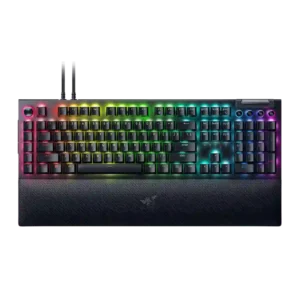
Sound dampening was generally effective, with reviewers crediting foam, tape mods, and damping for reduced ping, reverb, and a more refined sound.
Pros: key stability, ease of switch replacement
Cons: compatibility, battery life
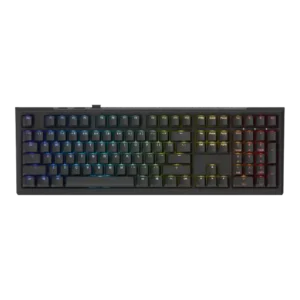
Sound dampening was strongly praised for its layers of foam, dampening materials, and controlled sound, though modders disliked how hard it was to alter.
Pros: typing feel, key stability
Cons: profile management, wrist rest quality
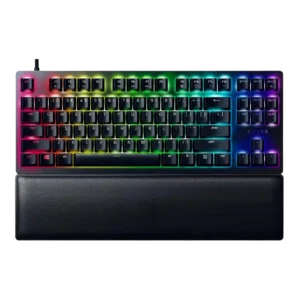
Sound dampening was widely praised on red-switch models, but one clicky-switch review found stabilizer noise undermined Razer's dampening effort.
Pros: key stability, per-key lighting control
Cons: stabilizer quality, media controls
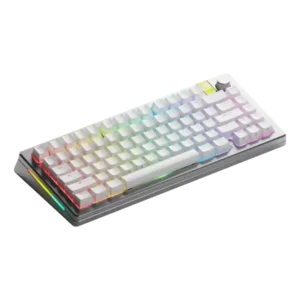
Sound dampening was a strength in positive configurations, with reviewers praising the dampened thud, gaskets, and quiet heavy-frame construction.
Pros: materials quality, customization options
Cons: reliability, actuation consistency
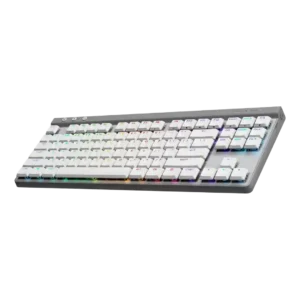
Sound dampening was one of the clearest strengths, with many reviews crediting foam and lubrication for a quieter, more refined sound.
Pros: latency, wireless performance
Cons: rapid trigger support, ease of switch replacement
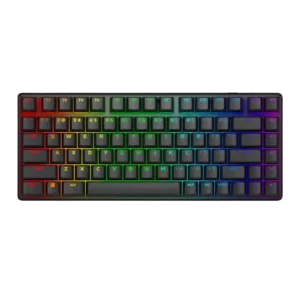
Sound dampening generally worked well to reduce hollowness, rattle, ping, and metallic resonance, but it did not make the board universally quiet.
Pros: key stability, backlight brightness
Cons: rapid trigger support, wrist rest quality
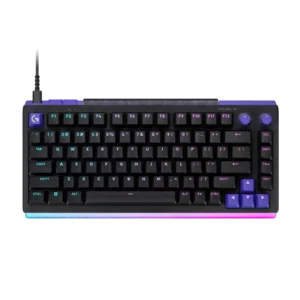
Multiple foam layers and gasket-style mounting keep the case from sounding hollow and suppress rattle, ping, and echo effectively.
Pros: latency, RGB customization
Cons: actuation consistency, connectivity
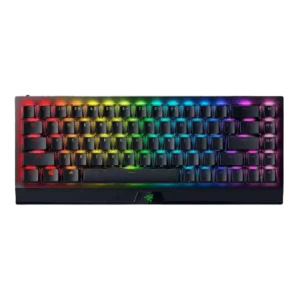
Sound dampening was praised in the Yellow-switch versions, with reviewers saying the dampeners made the board quieter and worked well.
Pros: per-key lighting control, backlight brightness
Cons: passthrough features, compatibility
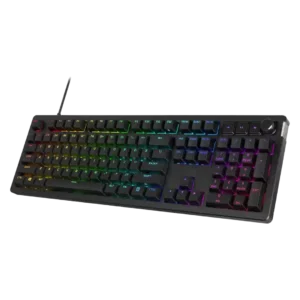
Sound dampening is widely praised, with reviewers crediting foam, gaskets, or integrated dampening for reduced harshness and better sound.
Pros: compatibility, legend visibility
Cons: wrist rest quality, cable quality
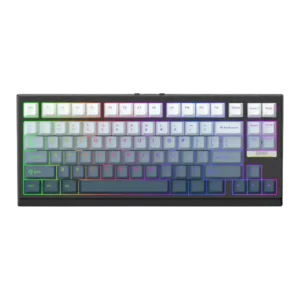
Sound dampening was praised through subdued keys, spacebar foam, and internal foams shaping the board's sound profile.
Pros: desk space efficiency, layout options
Cons: compatibility
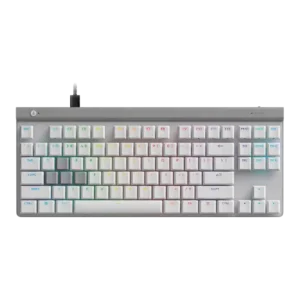
Sound dampening was praised for reducing echo and creating a quieter, more controlled acoustic profile.
Pros: key responsiveness, ergonomics
Cons: wireless performance, volume control
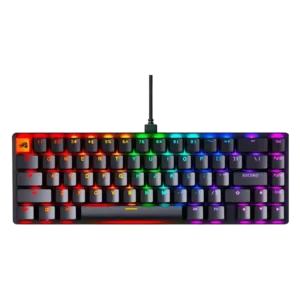
Sound dampening was praised because the foam reduced noise, improved sound, and helped avoid hollow or high-pitched acoustics.
Pros: compatibility, key responsiveness
Cons: wrist rest quality, key spacing
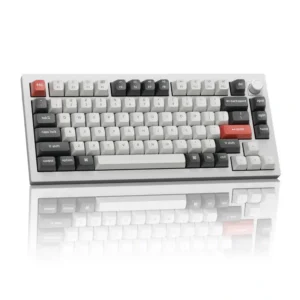
Multiple foam and silicone layers reduce vibration and smooth the sound profile. The tuning appeals to most users but can feel overly damped to those who prefer a sharper, louder...
Pros: legend visibility, RGB customization
Cons: actuation consistency, rapid trigger support
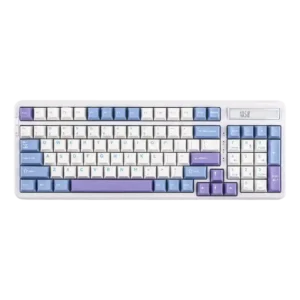
Sound dampening was a strength, with reviewers repeatedly crediting foam, dampers or gasket design for reduced noise and vibration.
Pros: ease of switch replacement, typing feel
Cons: key spacing, layout options
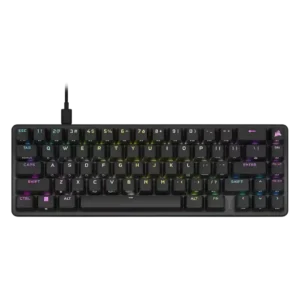
Sound dampening was generally praised for reducing ping and harshness, though one reviewer felt the internal foam did not do much.
Pros: volume control, key responsiveness
Cons: wireless performance, wrist rest quality
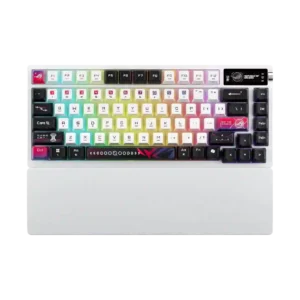
Sound dampening was a clear strength, with reviewers crediting the foam stack and damping layers for reducing ping and improving sound.
Pros: latency, wireless performance
Cons: rapid trigger support, analog input support
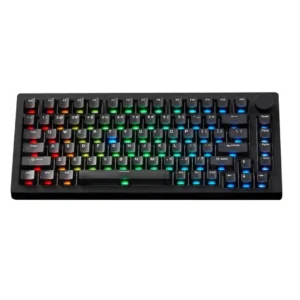
Sound dampening is effective in most builds, helping reduce hollowness and resonance, though some reviewers consider the foams typical or limiting for foamless builds.
Pros: switch options, hot-swappable switches
Cons: portability, cable quality
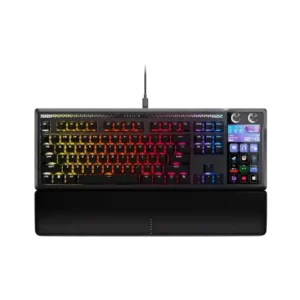
Sound dampening is consistently appreciated, with several reviewers noting the multi-layer damping and echo-free feel. It helps the board sound fuller and less pingy than older gaming keyboards.
Pros: customization options, ease of switch replacement
Cons: reliability, analog input support
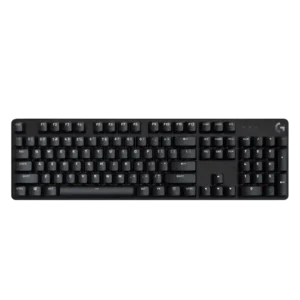
Sound dampening receives positive limited evidence from reviewers who note little reverberation or no echoing from the chassis.
Pros: durability, desk space efficiency
Cons: switch options, onboard memory
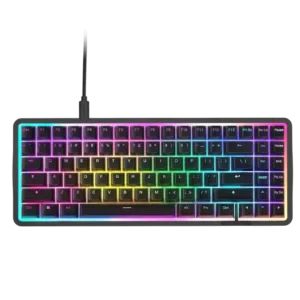
Sound dampening was usually effective, producing thocky or pleasant acoustics, though one negative review felt the gasket failed to add softness.
Pros: latency, acoustics
Cons: passthrough features, wireless performance
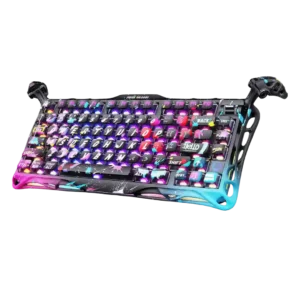
Reviewers connected the board's dampened build with a clean, clacky sound and visible effort to improve acoustics.
Pros: legend visibility, key responsiveness
Cons: connectivity, cable quality
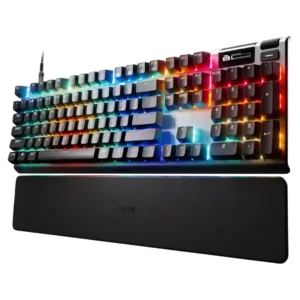
Sound dampening was generally seen as improved and effective, though one video reviewer still found the sound less refined than expected.
Pros: key responsiveness, durability
Cons: passthrough features, analog input support
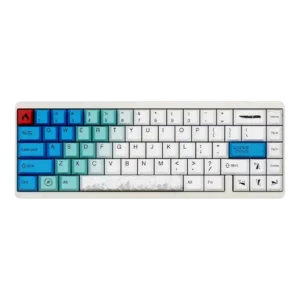
Sound dampening was viewed positively in limited evidence, with one reviewer saying the construction made the keyboard sound more premium.
Pros: durability, key responsiveness
Cons: reliability, RGB customization
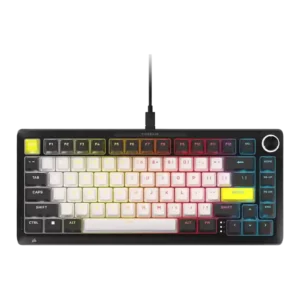
Sound dampening was often praised for reducing hollow resonance and improving feel, but some reviewers felt the board was over-dampened or still compromised by stabilizers.
Pros: per-key lighting control, durability
Cons: portability, noise level
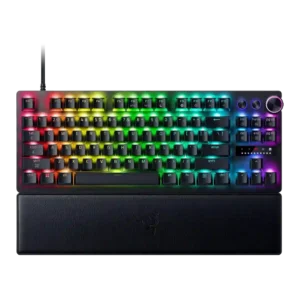
Sound dampening was mixed by model: reviewers praised added foam or reduced vibrations on some versions, while the Mini was criticized for needing more padding.
Pros: key responsiveness, actuation consistency
Cons: switch options, hot-swappable switches