Best for stabilizer quality
Keychron Q5 HE
4.8 feature score
Highest scored product for this feature based on supporting review evidence.
Highest scored product for this feature based on supporting review evidence.
Balances feature score, supporting reviews, and overall product strength.
Has the broadest review evidence for this feature.
Strongest overall product among items with scored evidence for this feature.
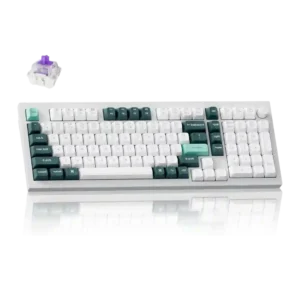
At least one review specifically praises the stock stabilizers as excellent out of the box.
Pros: frame rigidity, customization options
Cons: portability, switch options
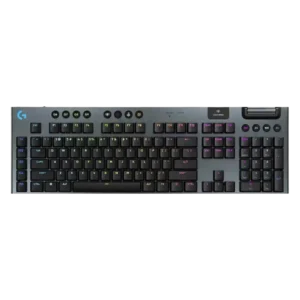
At least one review specifically praises the space bar as solid and stable.
Pros: customization options, latency
Cons: wrist rest quality, hot-swappable switches
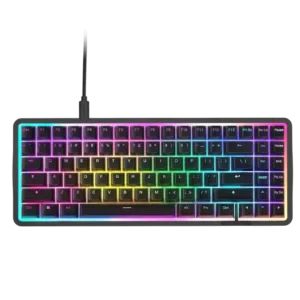
Stabilizer quality is a clear strength, with reviewers praising screw-in or well-tuned stabilizers and smooth larger-key presses.
Pros: polling rate, sound dampening
Cons: passthrough features, wireless performance
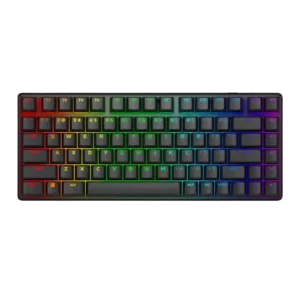
Stabilizers are praised for reducing rattle and keeping large keys sounding and feeling cleaner.
Pros: frame rigidity, materials quality
Cons: wrist rest quality, rapid trigger support
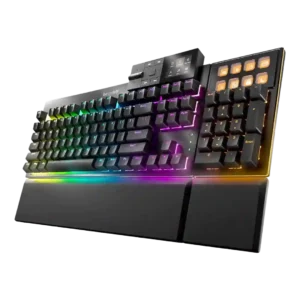
Stabilizers are consistently praised for reducing rattle and keeping larger keys controlled.
Pros: sound dampening, noise level
Cons: rapid trigger support, analog input support
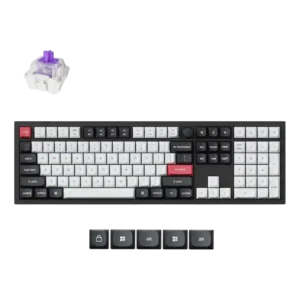
Stabilizers are positively mentioned, with praise for the stab tuning and the absence of metallic ping.
Pros: key responsiveness, key stability
Cons: portability, switch options
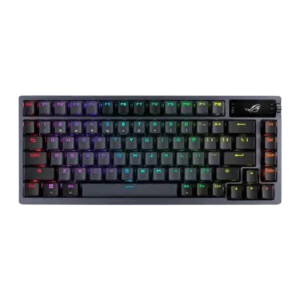
Stabilizers are a strength, with pre-lubed larger keys delivering smoother travel and better consistency than usual for gaming boards.
Pros: hot-swappable switches, gaming performance
Cons: passthrough features, wrist rest quality
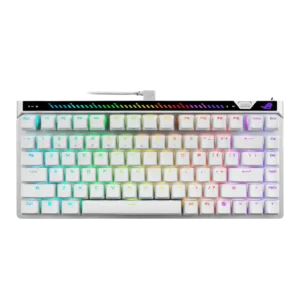
Stabilizers are praised for low rattle and a solid feel on larger keys.
Pros: latency, actuation consistency
Cons: analog input support, wrist rest quality
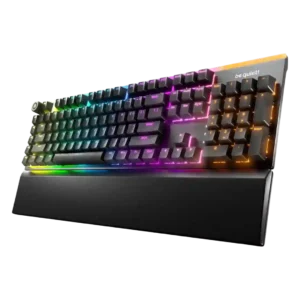
Reviews note lubed stabilizers, low rattle, even large-key movement, and strong noise control on stabilized keys.
Pros: acoustics, sound dampening
Cons: rapid trigger support, analog input support
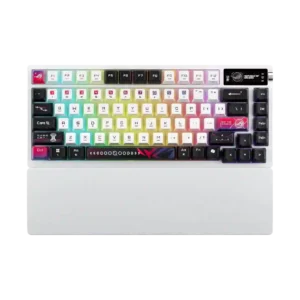
Stabilizers are usually praised as lubed, stable, and rattle-free, though spacebar tuning opinions still vary by review.
Pros: connectivity, wireless performance
Cons: rapid trigger support, analog input support
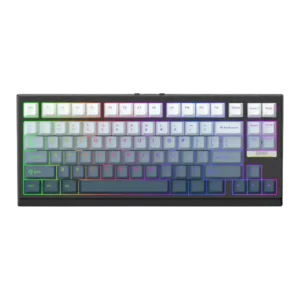
Stabilizer quality was positive where mentioned, with reviewers citing lubrication, no rattle, and prelubed plate-mounted stabilizers.
Pros: polling rate, desk space efficiency
Cons: media controls
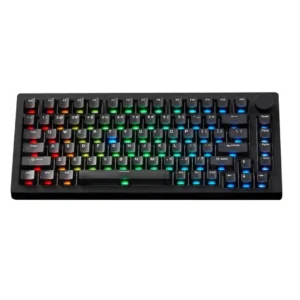
Stabilizer feedback is positive overall, with lubed stabilizers, minimal wobble, no excessive rattle, and rattle-free stock behavior noted across reviews.
Pros: switch options, extra gaming features
Cons: portability, key spacing
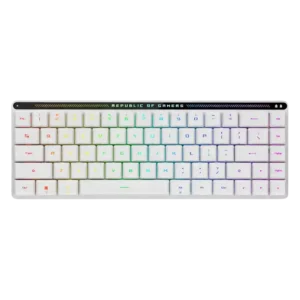
Stabilizer feedback is positive in the limited evidence available, with reviewers noting minimal spacebar rattle or ticking.
Pros: noise level, battery life
Cons: wrist rest quality, hot-swappable switches
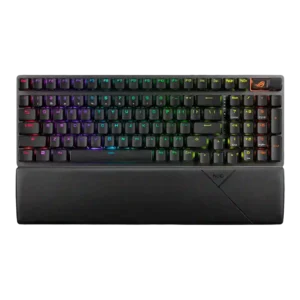
Lubricated stabilizers are a meaningful strength, helping cut friction, wobble, and larger-key noise.
Pros: polling rate, battery life
Cons: backlight brightness, legend visibility
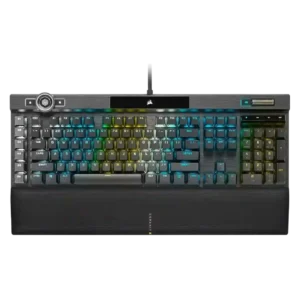
Reviews that mention stabilizers say Corsair improved them noticeably versus older boards.
Pros: key responsiveness, latency
Cons: hot-swappable switches, ease of switch replacement
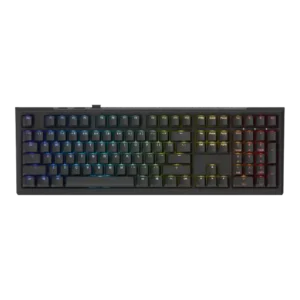
Stabilizers are a strength, with reviewers calling out low rattle and solid larger keys.
Pros: switch feel, key responsiveness
Cons: switch options, wrist rest quality
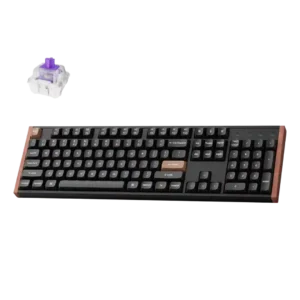
Upgraded stabilizers are credited with firmer large keys, reduced rattle, and quieter operation.
Pros: key responsiveness, latency
Cons: switch options, desk space efficiency
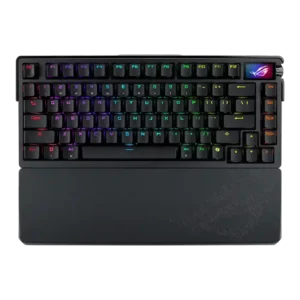
Stabilizer tuning is described as strong, with only minor rattle noted.
Pros: build quality, frame rigidity
Cons: rapid trigger support, analog input support
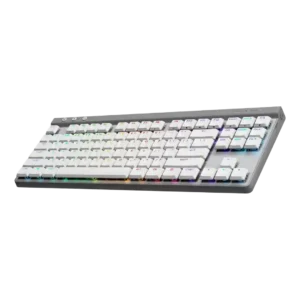
Direct stabilizer evidence is positive, with one review saying they do their job well and keep wobble low on larger keys.
Pros: macro customization, customization options
Cons: rapid trigger support, passthrough features
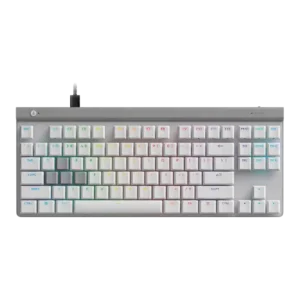
At least one review specifically praises the board for feeling free of rattle and for keeping the keys properly stabilized.
Pros: latency, gaming performance
Cons: wireless performance, media controls
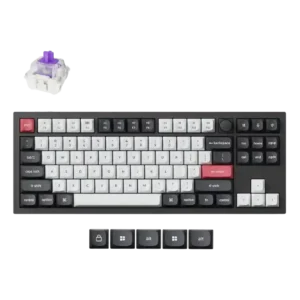
Stabilizer feedback is mostly positive. Multiple reviews praise low rattle and solid large-key behavior, though one reviewer still noticed slight spacebar wobble.
Pros: rapid trigger support, build quality
Cons: portability, switch options
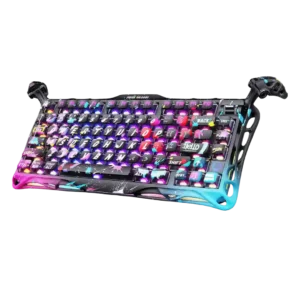
Stabilizers are positively described in the reviews that mention them, with reduced rattling/pinging and good stabilizer sound.
Pros: rapid trigger support, ease of switch replacement
Cons: wireless performance, connectivity
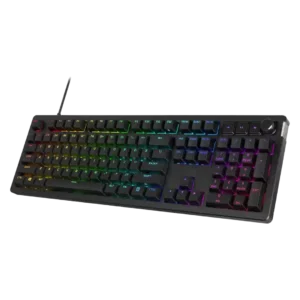
Stabilizer quality was positive where addressed, with well-tuned stabilizers and reduced rattle noted.
Pros: legend visibility, materials quality
Cons: wrist rest quality, ease of switch replacement
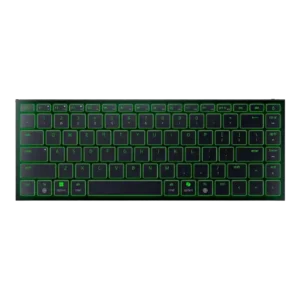
When key wobble is discussed, reviewers describe the typing action as controlled and free of mush, suggesting solid stabilization for the format.
Pros: compatibility, portability
Cons: per-key lighting control, sound dampening
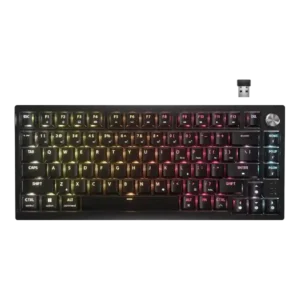
Stabilizers are better than past Corsair efforts, reducing wobble and rattle, though tuning is not flawless everywhere.
Pros: hot-swappable switches, connectivity
Cons: wrist rest quality, switch options
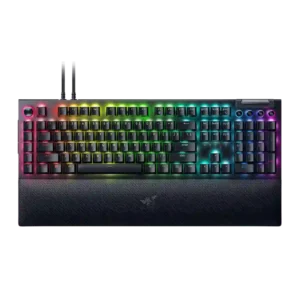
Stabilizers are better than expected for a mainstream gaming board, with reviewers noting improved stability, low rattle, and effective factory lubrication.
Pros: latency, customization options
Cons: hot-swappable switches, portability
Stabilizers are usually described as solid and low-rattle, especially on major keys, though at least one review stops short of calling them class-leading.
Pros: key responsiveness, compatibility
Cons: per-key lighting control, legend visibility
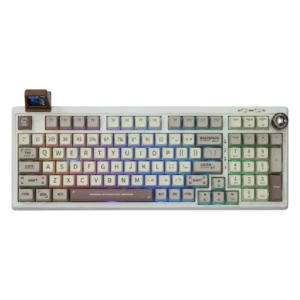
Stabilizers are generally good out of the box, though at least one review still noticed minor ticking.
Pros: key responsiveness, latency
Cons: actuation consistency, rapid trigger support
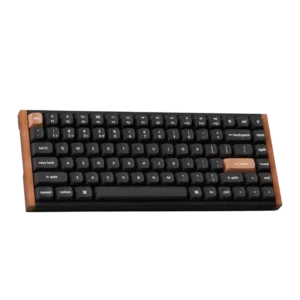
Stabilizers are generally viewed positively for reducing wobble, though one scored review still sees room for improvement.
Pros: rapid trigger support, switch feel
Cons: switch options, portability
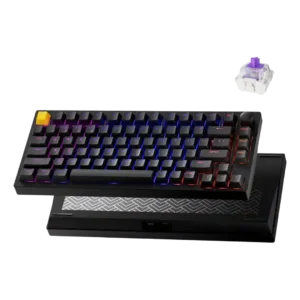
Stabilizers are described as screw-in and lightly lubed, with one reviewer saying the H version's stabilizers are clearly improved over the non-H model.
Pros: extra gaming features, rapid trigger support
Cons: per-key lighting control, layout options
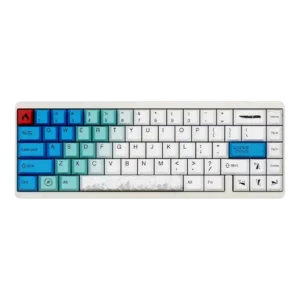
One review says the stabilizers are lubed and that the larger non-space keys feel good.
Pros: latency, polling rate
Cons: compatibility, software quality
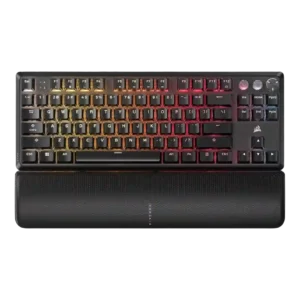
One review found little stabilizer rattle, though broader review coverage suggests this is not a universally emphasized strength.
Pros: key responsiveness, onboard memory
Cons: hot-swappable switches, ease of switch replacement
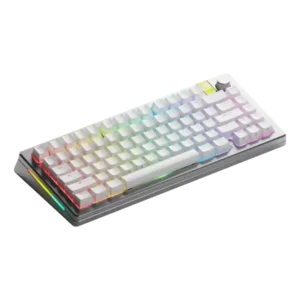
Stabilizers are described as lubed out of the box, a positive sign for the stock stabilizer setup.
Pros: polling rate, rapid trigger support
Cons: reliability, portability
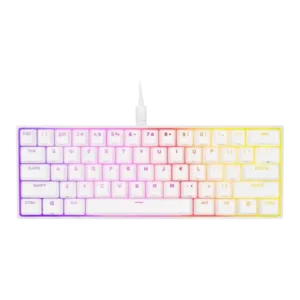
Stabilizers are generally seen as improved versus older Corsair boards, though still not exceptional.
Pros: desk space efficiency, portability
Cons: wrist rest quality, hot-swappable switches
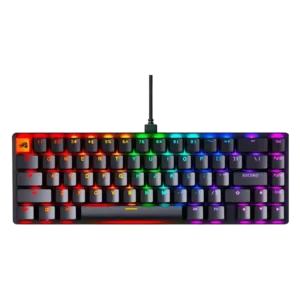
Stock stabilizers are generally decent and pre-lubed, though some larger keys still show mild rattle or less-refined feel.
Pros: frame rigidity, durability
Cons: actuation consistency
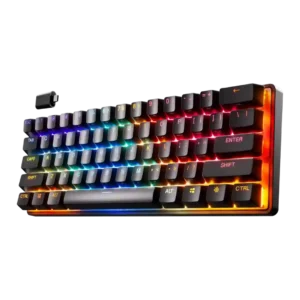
Stabilizers are decent to good for a mass-produced keyboard, though several reviews still mention some rattle or note that extra tuning would help.
Pros: switch options, latency
Cons: hot-swappable switches, ease of switch replacement
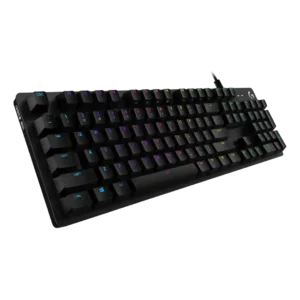
The only direct stabilizer review calls them decent, though larger keys can still rattle a bit.
Pros: key responsiveness, typing feel
Cons: wrist rest quality, portability
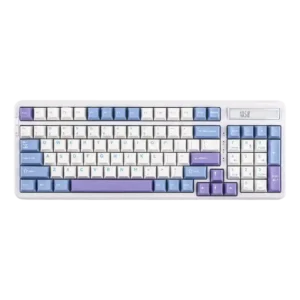
Stabilizers are mostly praised for keeping larger keys controlled, though a few reviewers mention looseness or a need for extra tuning.
Pros: hot-swappable switches, ease of switch replacement
Cons: key spacing, legend visibility
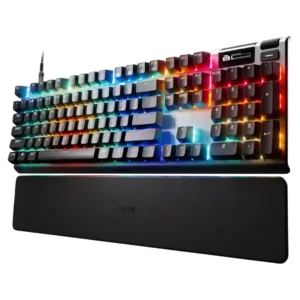
Stabilizer quality shows improvement in several reviews, especially on larger keys, though some reports still mention spacebar noise or inconsistent tuning.
Pros: legend visibility, frame rigidity
Cons: passthrough features, analog input support
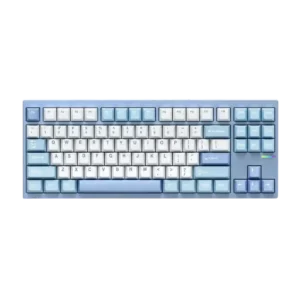
Stabilizers are mixed but acceptable overall: one review says they are nearly silent, while another wanted a bit more lube.
Pros: durability, hot-swappable switches
Cons: portability, switch options
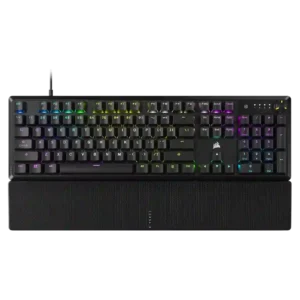
Stabilizer feedback is mostly positive, with low rattle or ticking reported, though one reviewer still wanted more lube refinement.
Pros: per-key lighting control, typing feel
Cons: hot-swappable switches, ease of switch replacement
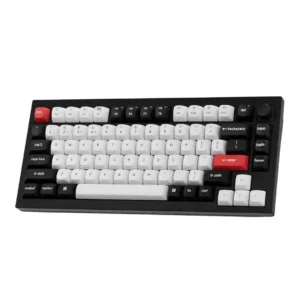
Stabilizer performance is serviceable to good overall, though some reviewers notice rattle out of the box while others praise smoother screw-in hardware or improvement with use.
Pros: build quality, frame rigidity
Cons: portability, wrist rest quality
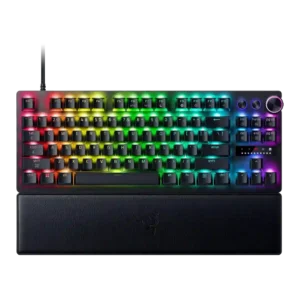
Stabilizer quality is mixed: some reviews note good lube or no rattle, while others still hear scratchiness or feel the implementation is only average.
Pros: gaming performance, latency
Cons: passthrough features, hot-swappable switches
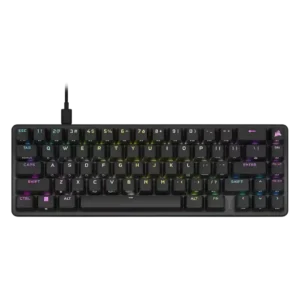
Stabilizers are decent but not exceptional, with some rattle and mushiness still called out.
Pros: profile management, onboard memory
Cons: hot-swappable switches, wrist rest quality
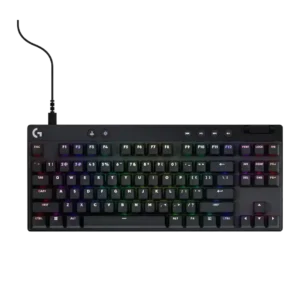
Stabilizer quality is mixed: some reviews note mushy or rattly larger keys, while others praise reduced rattle and better pre-lubing.
Pros: analog input support, latency
Cons: sound dampening, value for money
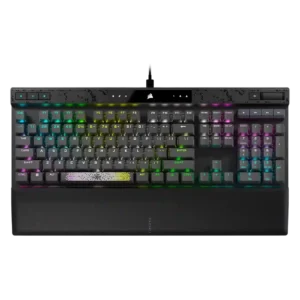
Stabilizer quality is mixed, with one review praising low ticking and others criticizing dryness or rattle.
Pros: per-key lighting control, polling rate
Cons: passthrough features, wireless performance
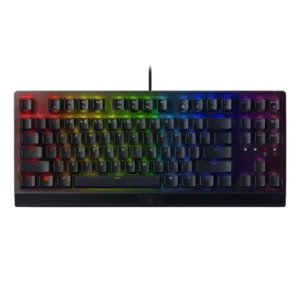
One scored review notes slight wobble on larger keys. That suggests stabilizer performance is serviceable, but not a standout strength.
Pros: key responsiveness, latency
Cons: hot-swappable switches, passthrough features
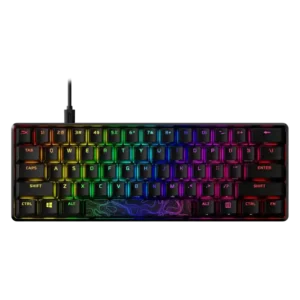
Stabilizer quality was mixed, ranging from acceptable or good to rattly, under-lubed, or problematic on larger keys.
Pros: frame rigidity, materials quality
Cons: wireless performance, hot-swappable switches
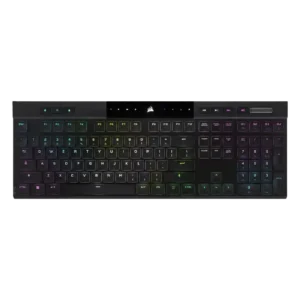
Stabilizer quality is inconsistent, with multiple complaints about looseness or rattle despite one positive stability note.
Pros: polling rate, RGB customization
Cons: hot-swappable switches, wrist rest quality
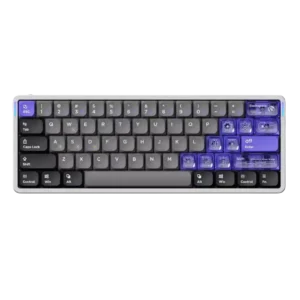
Stabilizers are acceptable overall, but the space bar is repeatedly singled out for wobble, rattle, or weaker sound.
Pros: polling rate, rapid trigger support
Cons: legend visibility, layout options