Best for switch feel
Keychron Q1 HE
4.9 feature score
Highest scored product for this feature based on supporting review evidence.
Highest scored product for this feature based on supporting review evidence.
Balances feature score, supporting reviews, and overall product strength.
Has the broadest review evidence for this feature.
Strongest overall product among items with scored evidence for this feature.
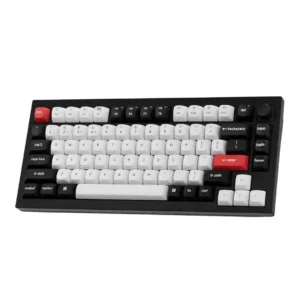
Switch feel is one of the most consistently praised attributes, with reviewers describing the magnetic switches as smooth, soft, quiet, premium, and satisfying.
Pros: key stability, frame rigidity
Cons: profile management, reliability
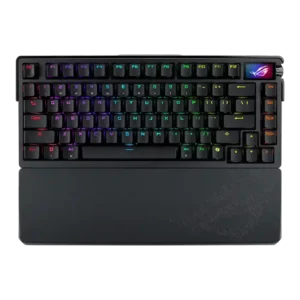
Reviewers consistently praised the NX Snow switch feel as smooth, lubed, and enjoyable, with only preference-based caveats around linear versus tactile or clicky choices.
Pros: key spacing, reliability
Cons: rapid trigger support, analog input support
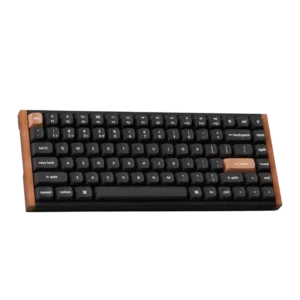
Switch feel was the standout attribute: reviewers repeatedly described the magnetic switches as smooth, stable, satisfying, and highly responsive.
Pros: wrist rest quality, onboard memory
Cons: per-key lighting control, switch options
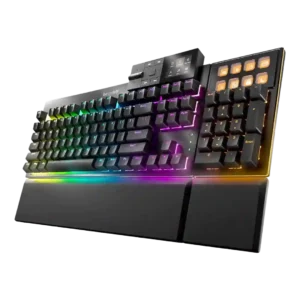
Reviewers consistently praised the Dark Mount switches as smooth, quiet, and pleasing to type on, with only minor caveats about personal preference or lack of a thocky feel.
Pros: key stability, per-key lighting control
Cons: analog input support, wireless performance
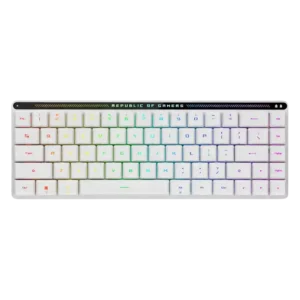
Switch feel is one of the keyboard’s strongest attributes, with reviewers describing the low-profile switches as smooth, refined, snappy, or surprisingly good.
Pros: reliability, typing comfort
Cons: cable quality, wrist rest quality
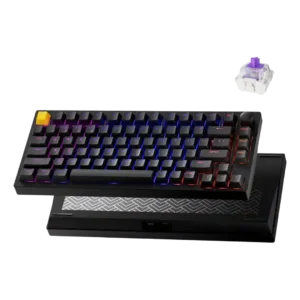
Switch feel was a major strength, with reviewers describing the magnetic linear switches as smooth, responsive, and among the best around.
Pros: frame rigidity, stabilizer quality
Cons: per-key lighting control, RGB customization
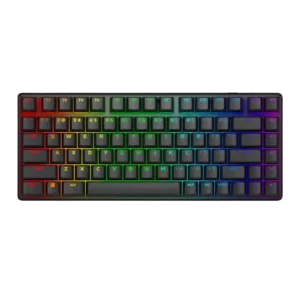
Reviewers consistently liked the stock linear switches, describing them as smooth, light, sturdy, and satisfying, with only a few preferences for other tactile or competitor switches.
Pros: key stability, backlight brightness
Cons: rapid trigger support, wrist rest quality
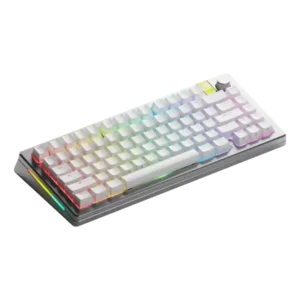
Reviewers praised the switch feel as unusually smooth, crisp, or satisfying, especially with Panda HE or silent Hall effect options.
Pros: materials quality, customization options
Cons: reliability, actuation consistency
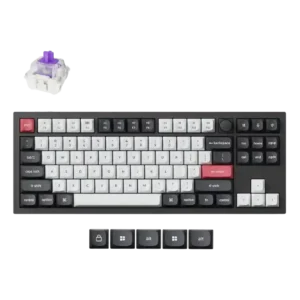
Reviewers consistently described the magnetic switches as smooth, responsive, bouncy, soft, and enjoyable, with several calling the feel highly refined.
Pros: build quality, extra gaming features
Cons: switch options, hot-swappable switches
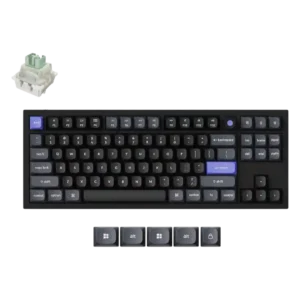
The switch feel was praised as stable, responsive, and fast.
Pros: key responsiveness, polling rate
Cons: switch options, portability
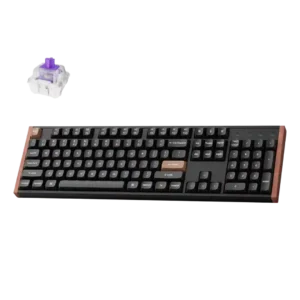
Switch feel was broadly praised as butter smooth, responsive, linear, and among the best reviewers had used, with one review noting a less tactile feel.
Pros: wireless performance, key responsiveness
Cons: switch options, desk space efficiency
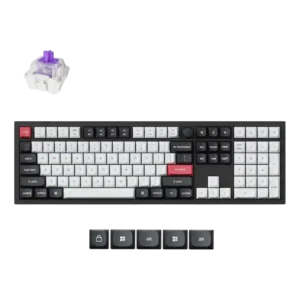
Switch feel was a highlight, with reviewers repeatedly describing the Nebula magnetic switches as exceptionally smooth and stable.
Pros: key stability, frame rigidity
Cons: portability, switch options
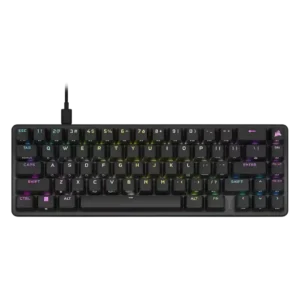
Reviewers consistently liked the OPX switches for their fast, smooth, light feel, though one noted they are still restricted to Corsair’s switch ecosystem.
Pros: volume control, key responsiveness
Cons: wireless performance, wrist rest quality
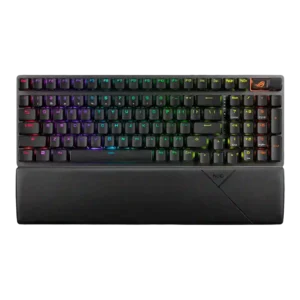
Reviewers repeatedly praised the NX Snow switch feel as smooth, refined, light, and satisfying, with only minor taste-based caveats from those who prefer clickier switches.
Pros: per-key lighting control, wireless performance
Cons: rapid trigger support, analog input support
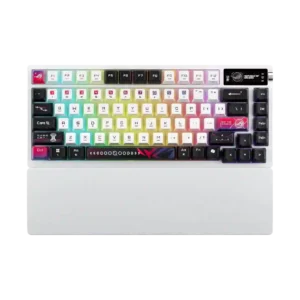
Reviewers generally liked the ROG NX Snow V2 switches, describing them as smooth, consistent, and pleasant, with a few noting they still lack Hall-effect gaming behavior.
Pros: latency, wireless performance
Cons: rapid trigger support, analog input support
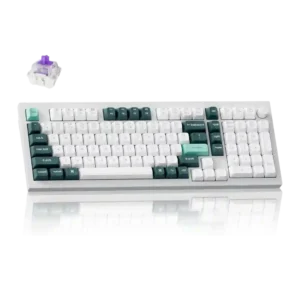
Reviewers mostly praised the Hall Effect switch feel as smooth, pre-lubed, responsive, and pleasant, though one review noted it lacks the tactile feel of traditional switches.
Pros: cable quality, typing comfort
Cons: portability, switch options
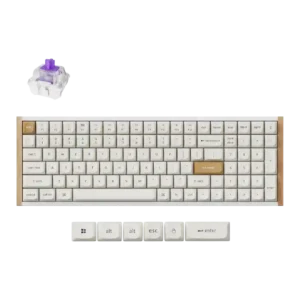
Switch feel was mostly praised as smooth, stable, airy, satisfying, or excellent, though one reviewer found the Hall Effect feel sloppy for typing.
Pros: durability, rapid trigger support
Cons: per-key lighting control, stabilizer quality
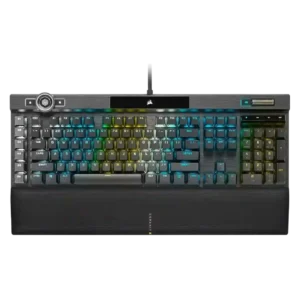
Reviewers consistently describe the OPX or Speed linear switches as fast, smooth, and satisfying, though a few note the sensitivity takes adjustment and the feel is not for everyone.
Pros: actuation consistency, key stability
Cons: hot-swappable switches, switch options
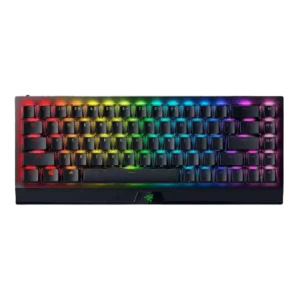
Reviewers broadly liked the switch feel, especially the smooth Yellow switches and tactile Green option; the main caveat was that the light actuation could feel sensitive for some typists.
Pros: per-key lighting control, backlight brightness
Cons: passthrough features, compatibility
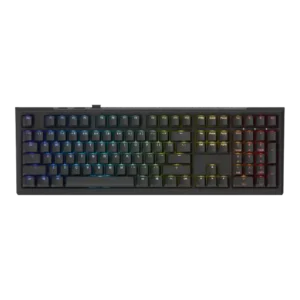
Reviewers generally liked the inductive switch feel, repeatedly calling it smooth, pleasant, and better for typing than many Hall-effect boards, though one noted it was only fine or somewhat heavy...
Pros: typing feel, key stability
Cons: profile management, wrist rest quality
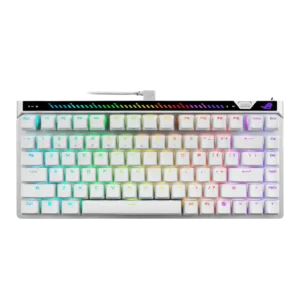
Reviewers consistently liked the HFX V2/V2X switch feel, calling it smooth, pleasing, light, and well suited to both gaming and typing, with only minor preference differences.
Pros: key responsiveness, latency
Cons: analog input support, wrist rest quality
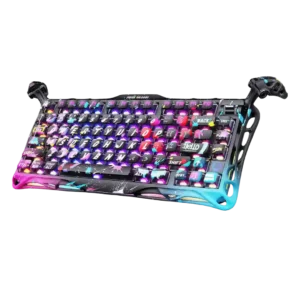
Reviewers liked the Gateron Jade feel, describing the switches as nice to type on and hard to beat among linears.
Pros: legend visibility, key responsiveness
Cons: connectivity, cable quality
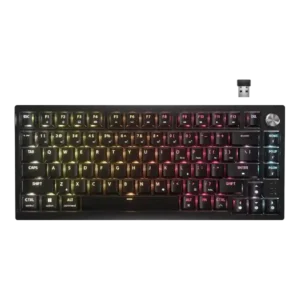
Switch feel was widely praised for smooth, soft, factory-lubed MLX Reds, though a few reviewers wanted tactile alternatives or found them average.
Pros: latency, durability
Cons: legend visibility, rapid trigger support
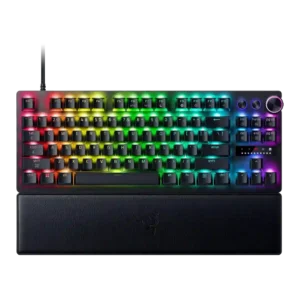
Reviewers generally liked the analog optical switch feel once tuned, often calling it smooth, controlled, or butter-smooth, though one reviewer found the light presses awkward for daily typing.
Pros: key responsiveness, actuation consistency
Cons: switch options, hot-swappable switches
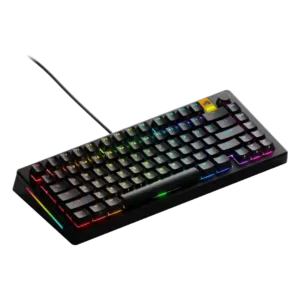
Switch feel ranged from smooth and satisfying to transformative with upgraded Panda switches, though one reviewer was less convinced by the stock Fox HE feel.
Pros: RGB lighting quality, layout options
Cons: frame rigidity, value for money
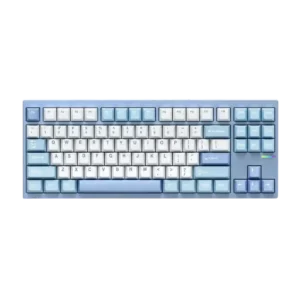
Reviewers generally liked the switch feel, calling the Vintage White or stock linear switches smooth, responsive, crisp, and satisfying, with only mild scratchiness or preference-based caveats.
Pros: value for money, customization options
Cons: cable quality, portability
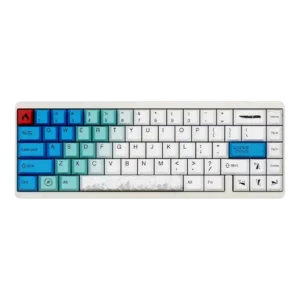
Switch feel was consistently positive, with reviewers liking the light force, smoothness, and Gateron dual-rail feel.
Pros: durability, key responsiveness
Cons: reliability, RGB customization
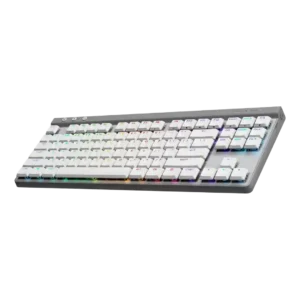
Switch feel was strongly praised across reviews for smooth, tactile, snappy, and comfortable low-profile action, though a few preferences varied.
Pros: latency, wireless performance
Cons: rapid trigger support, ease of switch replacement
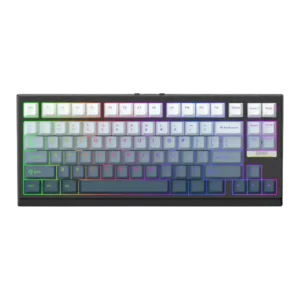
Reviewers generally liked the switch feel, describing it as smooth, satisfying, familiar, and easy to use, though one reviewer noted some scratchiness.
Pros: desk space efficiency, layout options
Cons: compatibility
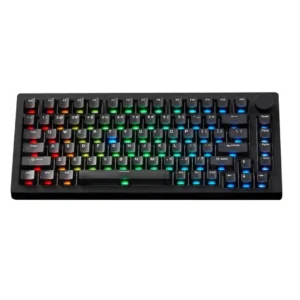
Switch feel is widely praised as smooth, stable, satisfying, or fantastic, with a few reviewers noting switch preference depends on force and sound taste.
Pros: switch options, hot-swappable switches
Cons: portability, cable quality
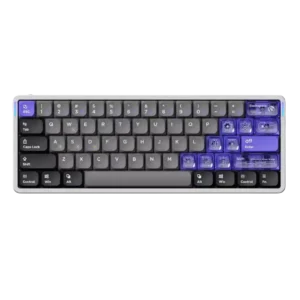
Reviewers generally liked the low-profile magnetic Jade switches for smoothness, snappiness, and comfort, though one reviewer found the light force required adjustment.
Pros: frame rigidity, rapid trigger support
Cons: switch options, legend visibility
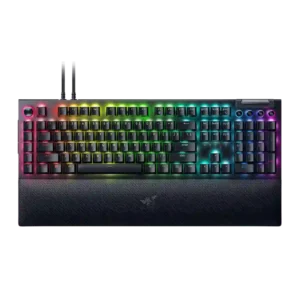
Switch feel was broadly strong, with praise for Yellow, Green, and Orange variants, though some reviewers wanted more checkout options or different stock switches.
Pros: key stability, ease of switch replacement
Cons: compatibility, battery life
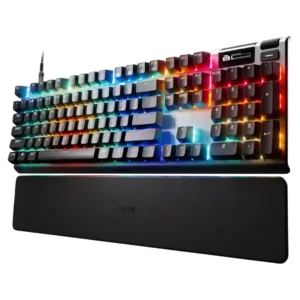
Reviewers mostly liked the OmniPoint switches for smooth, linear, fast feel, though one found them too light and preferred another board.
Pros: key responsiveness, durability
Cons: passthrough features, analog input support
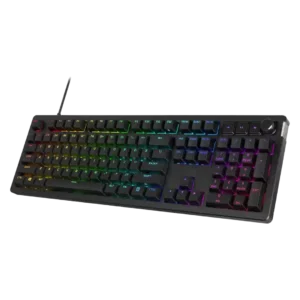
Reviewers generally liked the HyperX switches for their smooth, satisfying, responsive feel, though IGN and TechRadar found them harsher or too sensitive for some users.
Pros: compatibility, legend visibility
Cons: wrist rest quality, cable quality
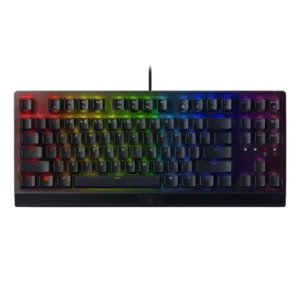
Reviewers generally liked the switch feel, describing the Green switches as tactile, clicky, responsive, and fun, though some treated the sound as a tradeoff.
Pros: latency, durability
Cons: sound dampening, passthrough features
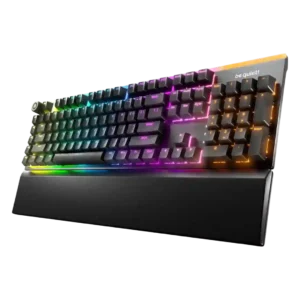
Switch feel is praised as smooth, cushioned, satisfying, and quiet, without the mushiness some users might fear.
Pros: ease of switch replacement, acoustics
Cons: rapid trigger support, analog input support
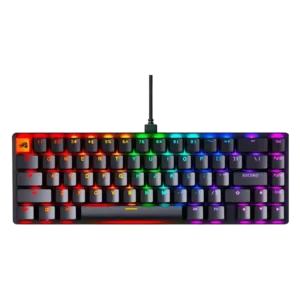
Reviewers consistently liked the Fox linear switches for smooth, soft, quiet, or satisfying feel, though a few noted break-in time or wanted other switch types.
Pros: compatibility, key responsiveness
Cons: wrist rest quality, key spacing
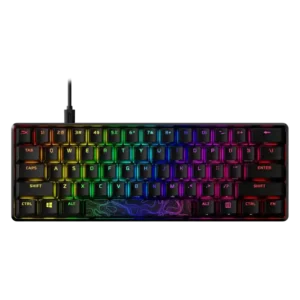
Reviewers generally describe the HyperX switches as smooth, familiar, satisfying, and good for gaming, though a few prefer Cherry-style or tactile alternatives for typing.
Pros: latency, actuation consistency
Cons: ease of switch replacement, reliability
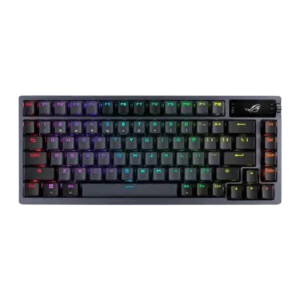
Switch feel was usually praised as smooth, tactile, satisfying, or excellent, though some reviewers found specific stock switch variants too light or merely average.
Pros: durability, wireless performance
Cons: passthrough features, onboard memory
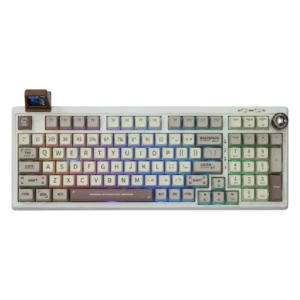
Reviewers broadly liked the switch feel, especially Wisteria, Flamingo, and Sea Salt options, but silent Sea Salts divided users who disliked their mushy or overly soft bottom-out.
Pros: noise level, acoustics
Cons: rapid trigger support, actuation consistency
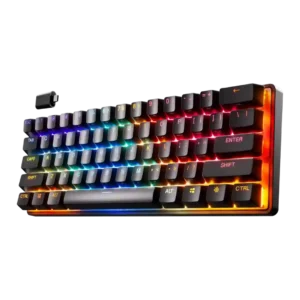
Most reviewers liked the smooth linear OmniPoint feel, with repeated praise for speed and smoothness; one typing-focused review found the linear feel a little spongy and another noted only a...
Pros: latency, key responsiveness
Cons: hot-swappable switches, ease of switch replacement
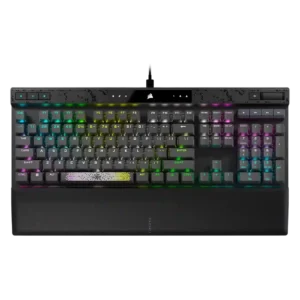
Switch feel was generally praised as smooth, friction-free, and satisfying, though a few reviewers found it merely fine or rattlier than normal.
Pros: reliability, key responsiveness
Cons: desk space efficiency, wireless performance
Switch feel is mostly praised for low-profile speed, tactile/clicky feel, and typing enjoyment, with isolated complaints about uncanny or insufficient clickiness.
Pros: latency, polling rate
Cons: passthrough features, cable quality
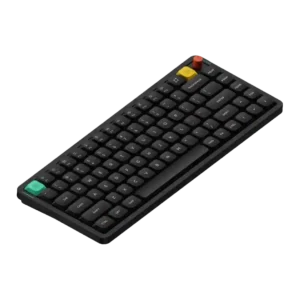
Reviewers mostly praised the switch feel as smooth, tactile, buttery, or standard-profile-like, though one reviewer noted some scratchiness.
Pros: key responsiveness, typing feel
Cons: per-key lighting control, legend visibility
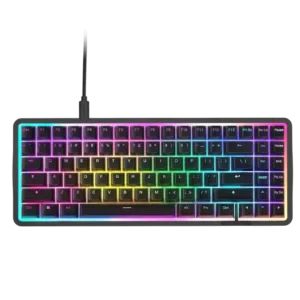
Switch feel was the most divided hands-on attribute: many described smooth, buttery, impressive switches, while one review found them rough and unpleasant.
Pros: latency, acoustics
Cons: passthrough features, wireless performance
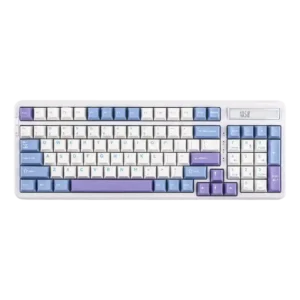
Switch feel was mostly praised as smooth, light or pleasant, but one reviewer found the Wisteria-style linears generic.
Pros: ease of switch replacement, typing feel
Cons: key spacing, layout options
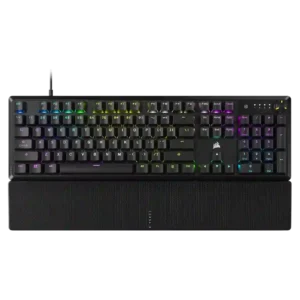
Reviewers generally liked the pre-lubed linear switch feel, often calling it smooth or buttery, though a few criticized gumminess, sluggishness, stiffness, or reliability.
Pros: per-key lighting control, compatibility
Cons: ease of switch replacement, hot-swappable switches
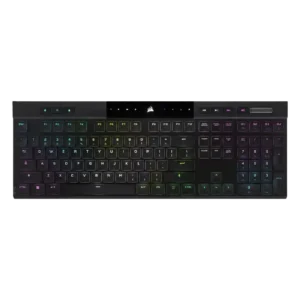
Switch feel was generally liked for tactile, fast, and satisfying feedback, but a minority found the shallow switches uncomfortable or gaming-limited.
Pros: backlight brightness, actuation consistency
Cons: sound dampening, stabilizer quality
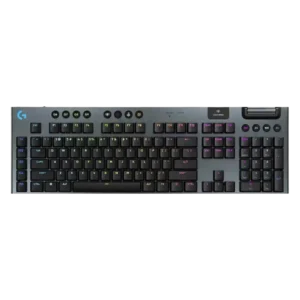
Switch feel was mixed but leaned positive: many liked the tactile, smooth, or balanced feel, while detractors found the switches mushy or resistant.
Pros: stabilizer quality, latency
Cons: ease of switch replacement, hot-swappable switches
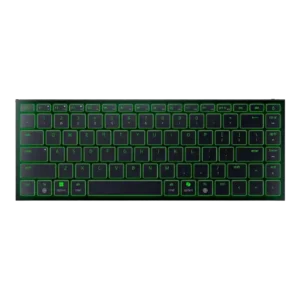
Switch feel was divisive but often positive for scissor switches, with praise for crisp tactility offset by complaints of sluggishness from critics.
Pros: frame rigidity, size and form factor
Cons: sound dampening, per-key lighting control