Best for actuation consistency
Keychron V1 Ultra 8K
5.0 feature score
Highest scored product for this feature based on supporting review evidence.
Highest scored product for this feature based on supporting review evidence.
Balances feature score, supporting reviews, and overall product strength.
Has the broadest review evidence for this feature.
Strongest overall product among items with scored evidence for this feature.
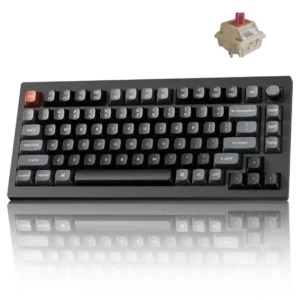
N-key rollover worked cleanly across tested modes, with simultaneous presses registering together and no missed or dropped keystrokes reported.
Pros: key responsiveness, actuation consistency
Cons: rapid trigger support, analog input support
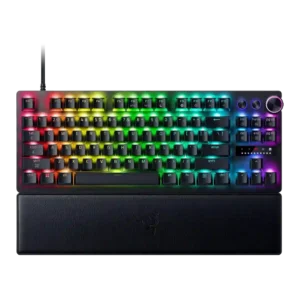
Actuation precision was praised where discussed, with reviewers calling the switches incredibly accurate and the press measurement impressive.
Pros: key responsiveness, actuation consistency
Cons: switch options, hot-swappable switches
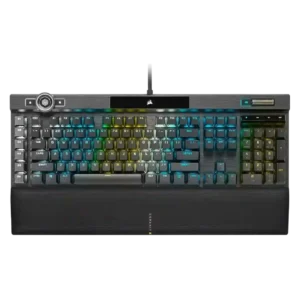
Actuation consistency is supported by IGN's report that there were no response or press issues during fast gaming use.
Pros: actuation consistency, key stability
Cons: hot-swappable switches, switch options
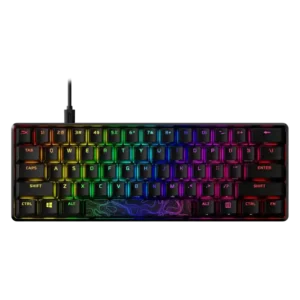
One reviewer explicitly praised the speed and consistency of the keyboard and switch combination.
Pros: latency, actuation consistency
Cons: ease of switch replacement, reliability
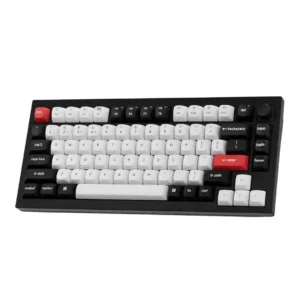
The limited direct evidence is very positive, with reviewers saying actuation felt natural across adjustment points and that tracking was very accurate.
Pros: key stability, frame rigidity
Cons: profile management, reliability
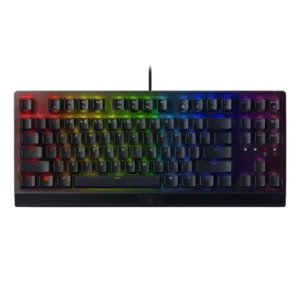
Actuation consistency was praised through no-missed-input comments, especially during gaming and heavy key-bashing scenarios.
Pros: latency, durability
Cons: sound dampening, passthrough features
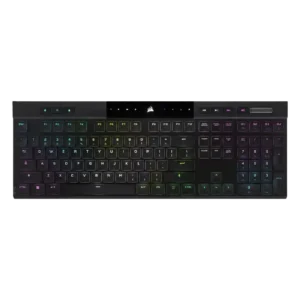
Reviewers who discussed input registration were very positive, citing correct multi-key registration, N-key rollover, and no ghosting.
Pros: backlight brightness, actuation consistency
Cons: sound dampening, stabilizer quality
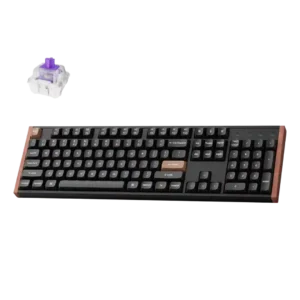
Actuation consistency was praised through comments about outstanding consistency and magnetic switches that feel linear and stable.
Pros: wireless performance, key responsiveness
Cons: switch options, desk space efficiency
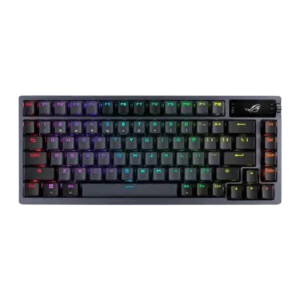
Actuation consistency was supported by direct praise for consistent, measured keystrokes, especially after switch swapping and with the board’s tuned internals.
Pros: durability, wireless performance
Cons: passthrough features, onboard memory
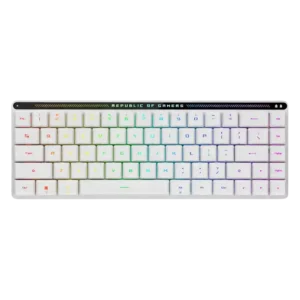
Evidence is limited but positive: the switches are described as wobble-free with near-zero debounce behavior.
Pros: reliability, typing comfort
Cons: cable quality, wrist rest quality
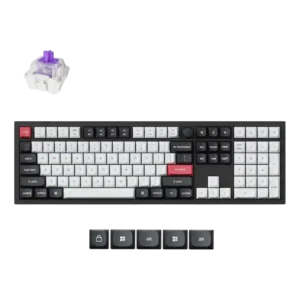
Actuation consistency was praised when the heavier baseline force prevented mis-presses while still allowing fast Hall Effect tuning.
Pros: key stability, frame rigidity
Cons: portability, switch options
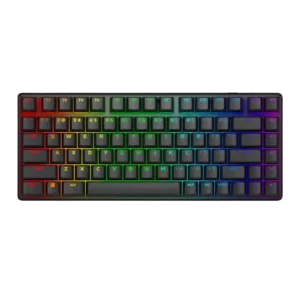
Actuation consistency was praised through accurate, reproducible presses and repeated reports that keystrokes did not fail to register.
Pros: key stability, backlight brightness
Cons: rapid trigger support, wrist rest quality
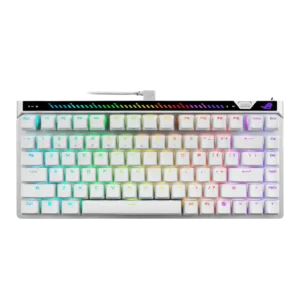
Actuation consistency was praised through even resistance, precise inputs, and consistent key behavior.
Pros: key responsiveness, latency
Cons: analog input support, wrist rest quality
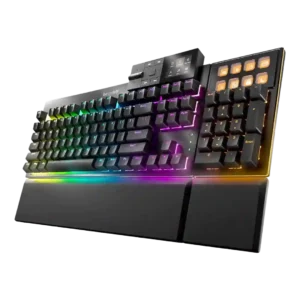
Actuation was described as smooth, consistent, and accurate, though reviewers also noted the board lacks adjustable actuation controls.
Pros: key stability, per-key lighting control
Cons: analog input support, wireless performance
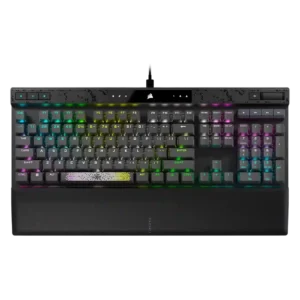
Actuation consistency drew praise when reviewers described the switches as consistent and tunable, though evidence was limited to a few reviewers.
Pros: reliability, key responsiveness
Cons: desk space efficiency, wireless performance
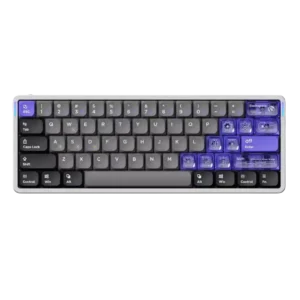
Actuation behavior was described as stable and reliable, especially with the dual-rail switches and dependable Hall Effect functions.
Pros: frame rigidity, rapid trigger support
Cons: switch options, legend visibility
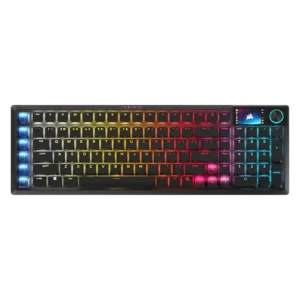
OPX optical switches register evenly and reliably, with reviewers repeatedly describing their response as immediate and consistent across typing and gaming.
Pros: key stability, stabilizer quality
Cons: analog input support, rapid trigger support
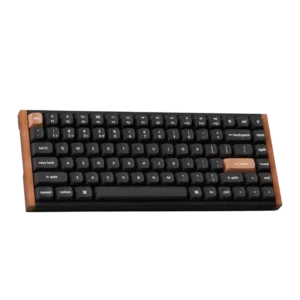
The Hall effect switches were repeatedly described as smooth and consistent, with only mild stiffness noted in one review.
Pros: wrist rest quality, onboard memory
Cons: per-key lighting control, switch options
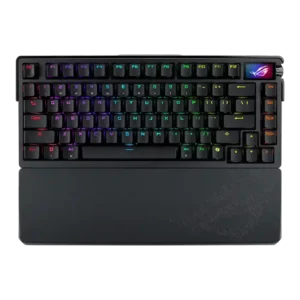
Actuation consistency was praised for quick, consistent actuation and direct keystrokes from the NX Snow setup.
Pros: key spacing, reliability
Cons: rapid trigger support, analog input support
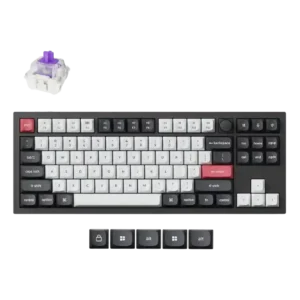
Reviewers praised the actuation behavior for detecting small presses and activating precisely, supporting high confidence in press registration.
Pros: build quality, extra gaming features
Cons: switch options, hot-swappable switches
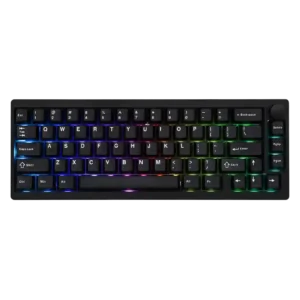
Typing feels steady and predictable, with smooth linear travel that avoids unwanted inputs and helps maintain accuracy.
Pros: frame rigidity, acoustics
Cons: rapid trigger support, analog input support
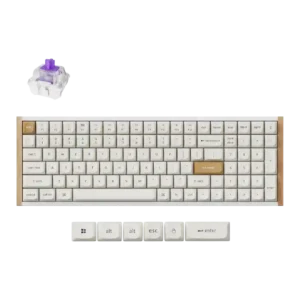
Actuation was praised as consistent, responsive, and well-balanced, especially where reviewers connected the magnetic switches to stable control and fast input.
Pros: durability, rapid trigger support
Cons: per-key lighting control, stabilizer quality
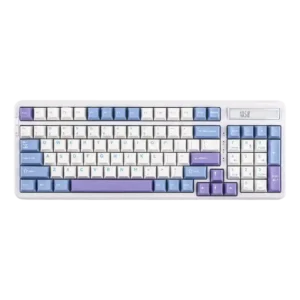
One reviewer specifically praised actuation consistency, saying the keypresses felt consistent and smooth.
Pros: ease of switch replacement, typing feel
Cons: key spacing, layout options
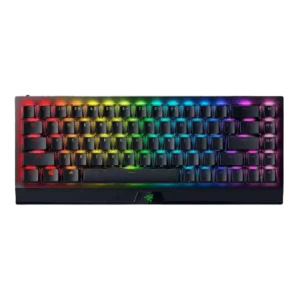
One review gave clear positive evidence that key registration was consistent, saying every key registered as expected during typing and gaming.
Pros: per-key lighting control, backlight brightness
Cons: passthrough features, compatibility
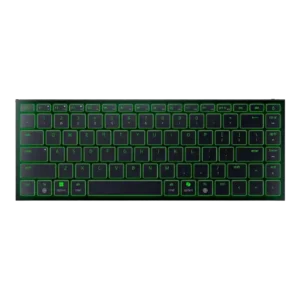
PCMag found the typing feel consistent across the whole board, supporting a strong actuation-consistency score.
Pros: frame rigidity, size and form factor
Cons: sound dampening, per-key lighting control
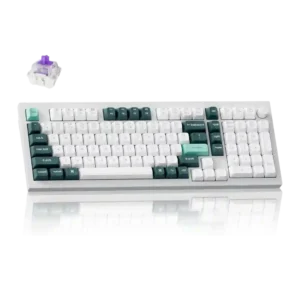
Adjustable actuation was praised for stability, precision, and false-press control, although one reviewer saw a slight gaming disadvantage versus faster rivals.
Pros: cable quality, typing comfort
Cons: portability, switch options
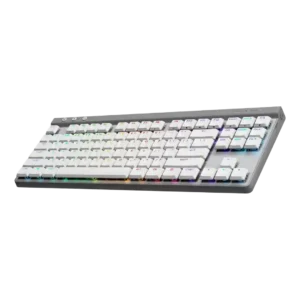
The strongest actuation comments described the tactile switches as consistent across keys and comfortable under repeated use.
Pros: latency, wireless performance
Cons: rapid trigger support, ease of switch replacement
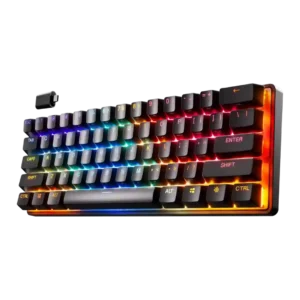
Adjustable actuation was widely praised for meaningful tuning from hair-trigger to firmer presses, though a few reviewers noted accidental double-typing or that very low settings need care.
Pros: latency, key responsiveness
Cons: hot-swappable switches, ease of switch replacement
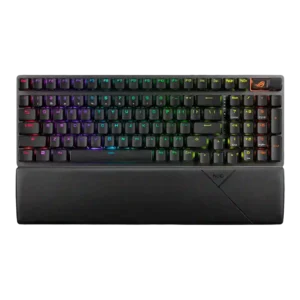
Actuation consistency is viewed positively, with reviewers citing stable presses, minimal mis-presses, consistent keystrokes, and reliable simultaneous key processing.
Pros: per-key lighting control, wireless performance
Cons: rapid trigger support, analog input support
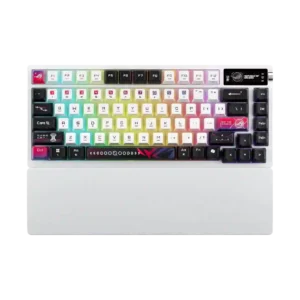
Actuation consistency was praised where discussed, with reviewers noting consistent switch feel and minimal friction across keypresses.
Pros: latency, wireless performance
Cons: rapid trigger support, analog input support
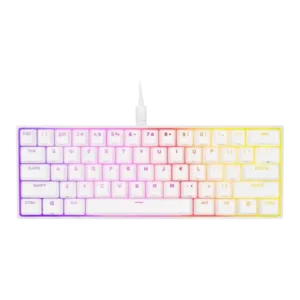
One review found no key chatter in testing, supporting good actuation consistency on the working sample.
Pros: desk space efficiency, frame rigidity
Cons: sound dampening, ease of switch replacement
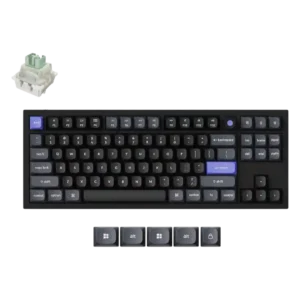
The TMR-based switching was praised for giving complete control over switch behavior and response.
Pros: key responsiveness, polling rate
Cons: switch options, portability
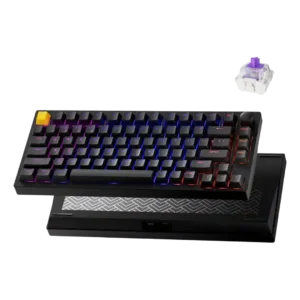
Actuation consistency was praised through reliable repeated recognition, especially when rapid trigger was enabled.
Pros: frame rigidity, stabilizer quality
Cons: per-key lighting control, RGB customization
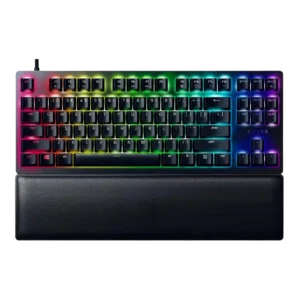
Actuation consistency received positive evidence where optical switches were described as less bounce-prone and ready for subsequent inputs.
Pros: key stability, per-key lighting control
Cons: stabilizer quality, media controls
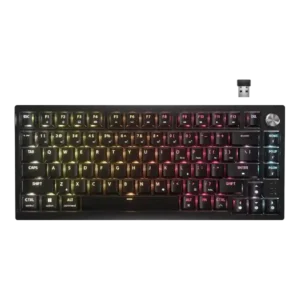
Evidence was limited but positive: reviewers described stable, consistent key travel and simultaneous presses registering as expected.
Pros: latency, durability
Cons: legend visibility, rapid trigger support
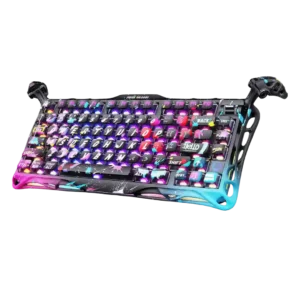
Actuation tuning was viewed positively where tested, with reviewers describing it as accurate and working well.
Pros: legend visibility, key responsiveness
Cons: connectivity, cable quality
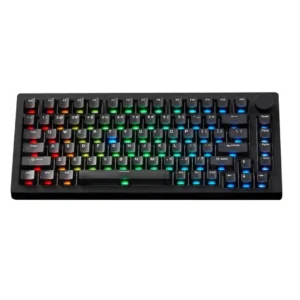
Actuation consistency is strong at practical settings, with reviewers generally avoiding accidental inputs, while very sensitive settings or mechanical switches with rapid trigger can need adjustment.
Pros: switch options, hot-swappable switches
Cons: portability, cable quality
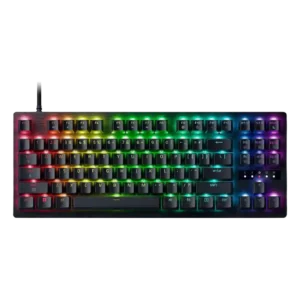
The analog switches are repeatedly praised for precise, consistent actuation and highly adjustable reset behavior. The main caveat is that very sensitive settings can lead to accidental inputs until tuned.
Pros: polling rate, RGB customization
Cons: key stability, typing comfort
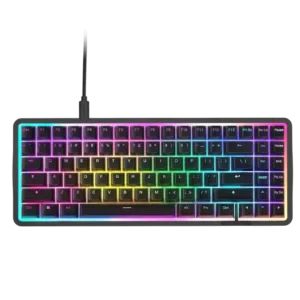
Actuation was often praised for precision and adjustability, though a few reviewers noted the 0.6mm floor trails more sensitive competitors.
Pros: latency, acoustics
Cons: passthrough features, wireless performance
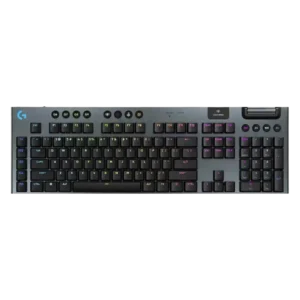
Actuation consistency received limited but positive evidence, with the linear switches described as smooth and consistent.
Pros: stabilizer quality, latency
Cons: ease of switch replacement, hot-swappable switches
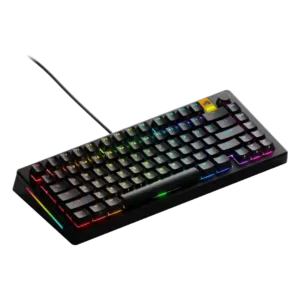
Adjustable actuation was credited with reducing accidental inputs and improving typing accuracy for different typing styles.
Pros: RGB lighting quality, layout options
Cons: frame rigidity, value for money
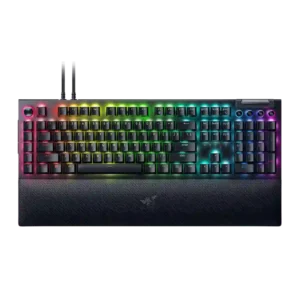
Actuation balance was described positively where reviewers noted accidental strokes were avoided and productivity work was not littered with misinputs.
Pros: key stability, ease of switch replacement
Cons: compatibility, battery life
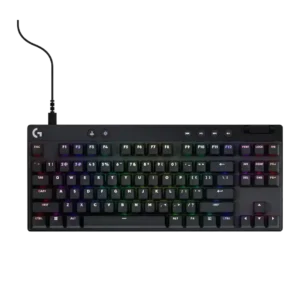
Reviewers liked smooth or adjustable actuation when it was well tuned, but several noted that actuation advantages depend heavily on setup and switch type.
Pros: durability, per-key lighting control
Cons: noise level, sound dampening
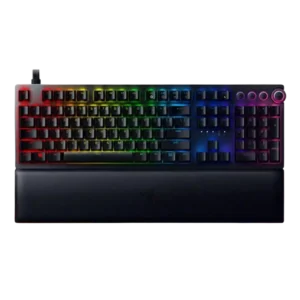
Adjustable actuation generally worked well and could be tuned effectively, but one reviewer reported occasional missed keypresses and others tied consistency to setup.
Pros: per-key lighting control, wrist rest quality
Cons: polling rate, portability
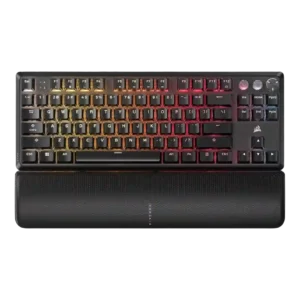
Actuation consistency was praised in mechanical-switch testing, but mixed Hall-effect and mechanical switch coverage created a more uneven feel in one TKL review.
Pros: per-key lighting control, key responsiveness
Cons: ease of switch replacement, battery life
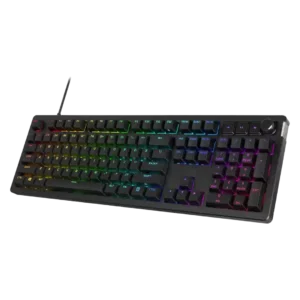
Actuation consistency is mixed: some reviews praise consistent, controlled keypresses, while TechRadar reports misinputs from the sensitive switches.
Pros: compatibility, legend visibility
Cons: wrist rest quality, cable quality
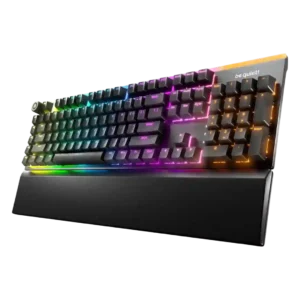
The available evidence says actuation is consistent enough for fast-paced games, but this attribute is not discussed broadly.
Pros: ease of switch replacement, acoustics
Cons: rapid trigger support, analog input support
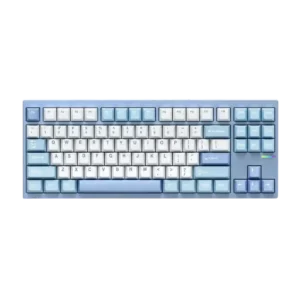
One reviewer found the switch actuation consistent, with only a slight scratchiness detectable during very slow presses.
Pros: value for money, customization options
Cons: cable quality, portability
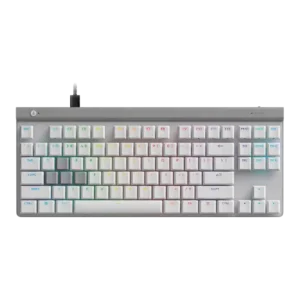
Adjustable actuation was praised when used per key, though the short low-profile travel made multi-stage precision harder in one review.
Pros: key responsiveness, ergonomics
Cons: wireless performance, volume control
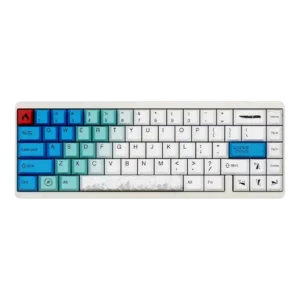
Actuation behavior was mostly strong, though one reviewer noted accidental deactivation at a zero bottom dead zone.
Pros: durability, key responsiveness
Cons: reliability, RGB customization