Best for customization options
Keychron V1 Ultra 8K
5.0 feature score
Highest scored product for this feature based on supporting review evidence.
Highest scored product for this feature based on supporting review evidence.
Balances feature score, supporting reviews, and overall product strength.
Has the broadest review evidence for this feature.
Strongest overall product among items with scored evidence for this feature.
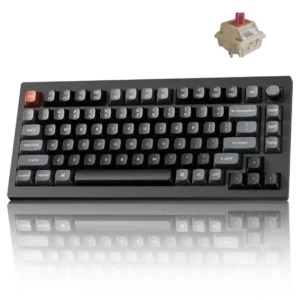
Key remapping, firmware controls, lighting, polling, macros, and even downloadable case files make this unusually open to personalization. It works well both as a ready-made board and as a platform...
Pros: key responsiveness, actuation consistency
Cons: rapid trigger support, analog input support
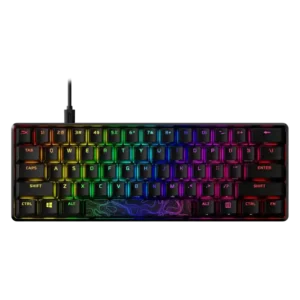
Customization options are strong where reviewers discuss remapping and key assignment, especially on the Core model.
Pros: latency, actuation consistency
Cons: ease of switch replacement, reliability
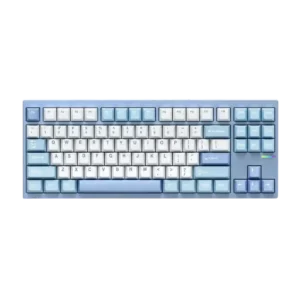
Customization options were a major strength, especially the magnetic or ball-catch quick-disassembly case, hot-swap design, and easy access for mods.
Pros: value for money, customization options
Cons: cable quality, portability
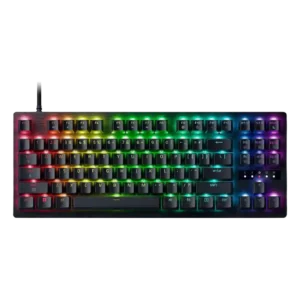
Customization is a standout: reviewers highlight actuation tuning, Rapid Trigger settings, onboard adjustments, software control, browser options, and deep analog behavior.
Pros: polling rate, RGB customization
Cons: key stability, typing comfort
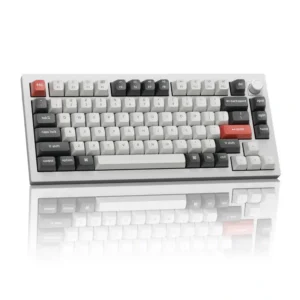
The board is highly modifiable through switch and keycap swaps, internal foam changes, remapping, macros, lighting, layers, and advanced firmware settings.
Pros: legend visibility, RGB customization
Cons: actuation consistency, rapid trigger support
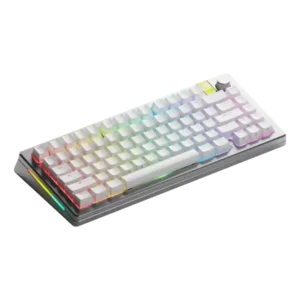
Customization options were the strongest consensus positive, with reviewers repeatedly calling the keyboard deeply, uniquely, or extremely customizable.
Pros: materials quality, customization options
Cons: reliability, actuation consistency
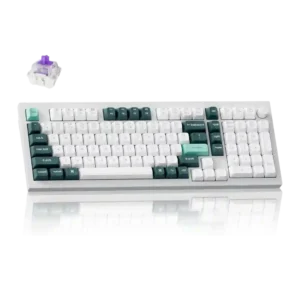
Customization options were a major strength, with reviewers praising actuation tuning, RGB control, macros, layers, and broad remapping.
Pros: cable quality, typing comfort
Cons: portability, switch options
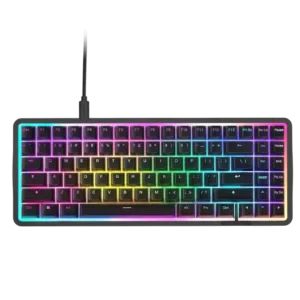
Customization was one of the strongest areas, especially per-key actuation, remapping, RGB, and performance tuning through CAM.
Pros: latency, acoustics
Cons: passthrough features, wireless performance
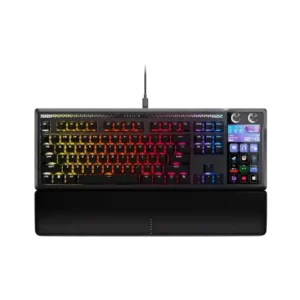
Customization is exceptionally broad, spanning Stream Deck actions, widgets, profiles, RGB, plugins, and key assignments. Positive owners often describe it as endless or unmatched.
Pros: customization options, ease of switch replacement
Cons: reliability, analog input support
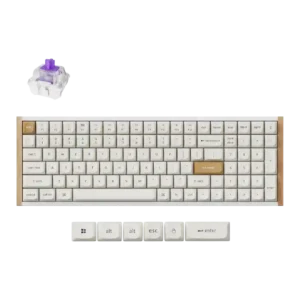
Customization was one of the strongest areas, with reviewers highlighting deep actuation, gaming, RGB, macro, and web-launcher controls.
Pros: durability, rapid trigger support
Cons: per-key lighting control, stabilizer quality
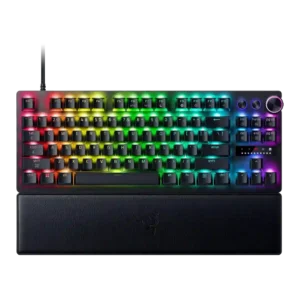
Customization options were a major strength, with reviewers praising actuation tuning, onboard controls, deep Synapse options, and flexible per-game settings.
Pros: key responsiveness, actuation consistency
Cons: switch options, hot-swappable switches
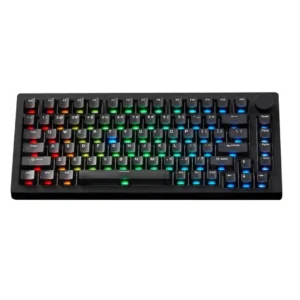
Customization options are a central strength, spanning disassembly, switch swaps, actuation, macros, lighting, knob functions, and sound tuning.
Pros: switch options, hot-swappable switches
Cons: portability, cable quality
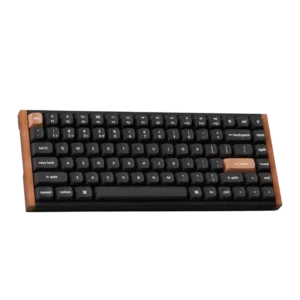
Customization was one of the strongest themes, with reviewers praising per-key actuation, remapping, lighting, macros, and Hall effect controls.
Pros: wrist rest quality, onboard memory
Cons: per-key lighting control, switch options
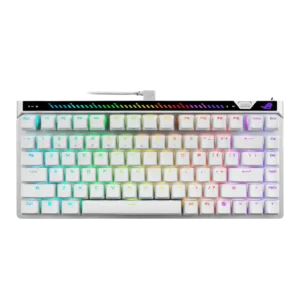
Customization was a strong point, with actuation, rapid trigger, RGB, key assignments, and browser-based tuning repeatedly praised.
Pros: key responsiveness, latency
Cons: analog input support, wrist rest quality
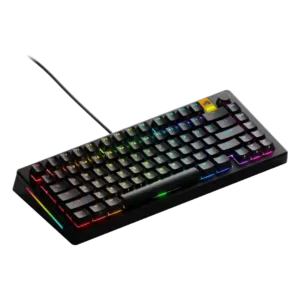
Customization was the strongest consensus attribute, with every review highlighting unusually deep physical, software, or checkout configuration options.
Pros: RGB lighting quality, layout options
Cons: frame rigidity, value for money
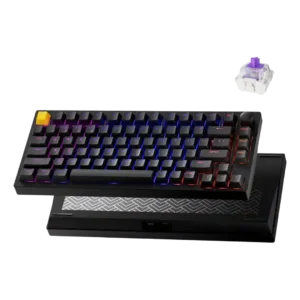
Customization options were a major strength, spanning actuation, remapping, lighting, macros, profiles, and physical modification.
Pros: frame rigidity, stabilizer quality
Cons: per-key lighting control, RGB customization
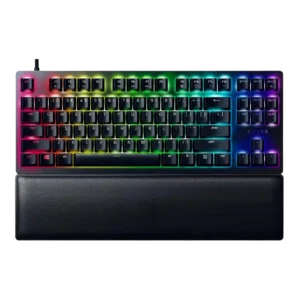
Customization options were broad, covering key remaps, secondary functions, shortcuts, RGB, macros, and profile controls.
Pros: key stability, per-key lighting control
Cons: stabilizer quality, media controls
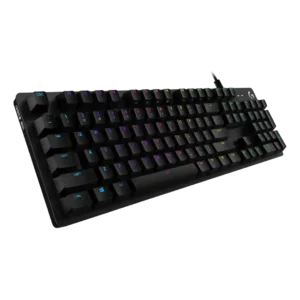
Customization options beyond basic lighting are praised as fun and flexible, especially the freedom to create effects or tune settings.
Pros: key spacing, key responsiveness
Cons: reliability, connectivity
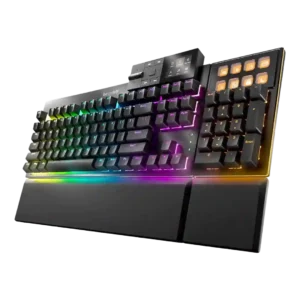
Customization options were a defining strength, with reviewers highlighting modular layouts, remapping, display keys, RGB, macros, and flexible setup choices.
Pros: key stability, per-key lighting control
Cons: analog input support, wireless performance
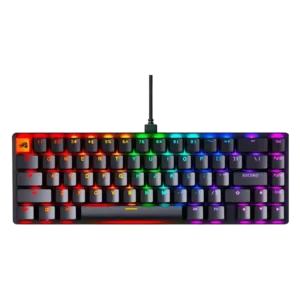
Customization options were one of the broadest strengths, spanning switches, keycaps, software, RGB, firmware, and modding.
Pros: compatibility, key responsiveness
Cons: wrist rest quality, key spacing
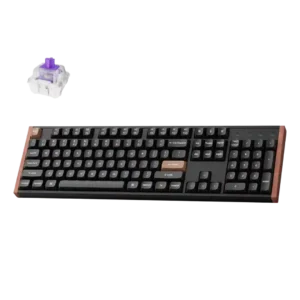
Customization was one of the strongest themes, with reviewers praising personal actuation tuning, broad control, and key behavior flexibility.
Pros: wireless performance, key responsiveness
Cons: switch options, desk space efficiency
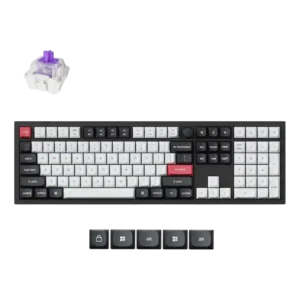
Customization was repeatedly praised across actuation settings, key mapping, macros, RGB, and per-key commands.
Pros: key stability, frame rigidity
Cons: portability, switch options
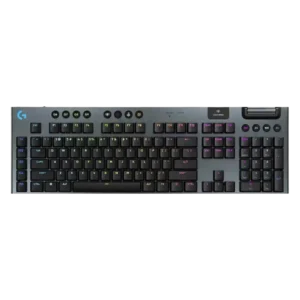
Customization options were a major strength thanks to remapping layers, G-Shift, Keycontrol, lighting controls, and broad key assignment options.
Pros: stabilizer quality, latency
Cons: ease of switch replacement, hot-swappable switches
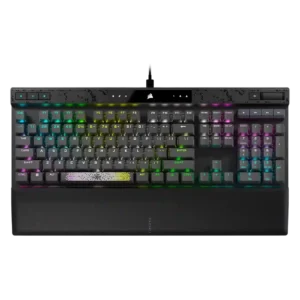
Customization was one of the strongest themes, with reviewers praising granular actuation, RGB, profiles, and per-key tuning depth, despite some software caveats.
Pros: reliability, key responsiveness
Cons: desk space efficiency, wireless performance
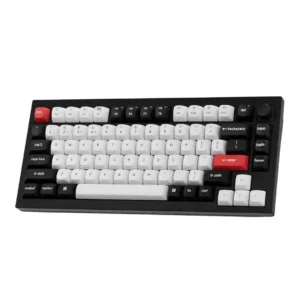
Customization is widely praised for actuation, keymaps, macros, layers, HE features, and browser-based controls, though one dissenting review argued its practical appeal is narrow.
Pros: key stability, frame rigidity
Cons: profile management, reliability
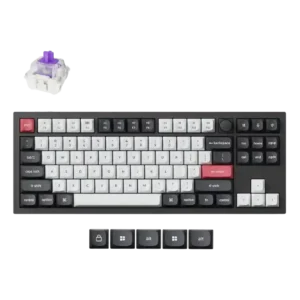
Customization options were a major strength, spanning actuation tuning, key remapping, macros, lighting, keycaps, and per-key settings.
Pros: build quality, extra gaming features
Cons: switch options, hot-swappable switches
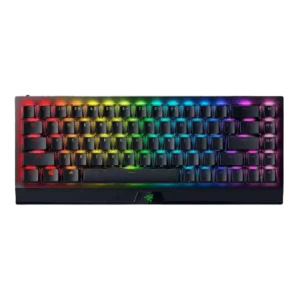
Customization options were a major strength, with reviewers praising key remaps, macros, RGB, power settings, and broad Synapse controls.
Pros: per-key lighting control, backlight brightness
Cons: passthrough features, compatibility
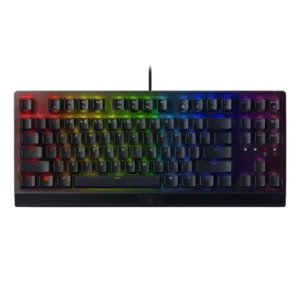
Customization options were a recurring strength, covering key remapping, RGB, macros, Hypershift, and flexible Synapse controls despite software caveats.
Pros: latency, durability
Cons: sound dampening, passthrough features
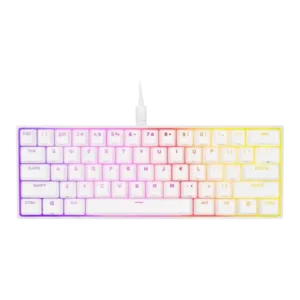
Customization options were repeatedly praised as broad and deep, covering lighting, assignments, profiles, and onboard controls.
Pros: desk space efficiency, frame rigidity
Cons: sound dampening, ease of switch replacement
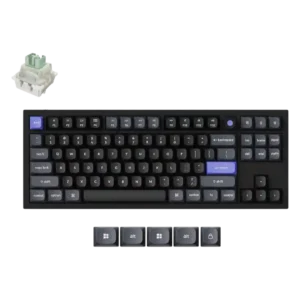
Customization was a clear strength, with both reviews emphasizing deep behavior tuning and flexible remapping.
Pros: key responsiveness, polling rate
Cons: switch options, portability
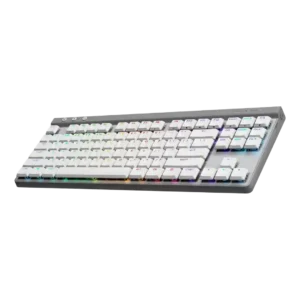
Customization was one of the strongest themes, with reviewers praising broad remapping, profiles, lighting control, and KEYCONTROL depth.
Pros: latency, wireless performance
Cons: rapid trigger support, ease of switch replacement
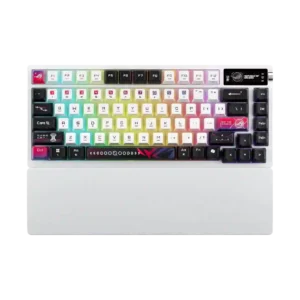
Customization options were a major strength, covering disassembly, OLED settings, RGB, macros, web tools, and component tinkering.
Pros: latency, wireless performance
Cons: rapid trigger support, analog input support
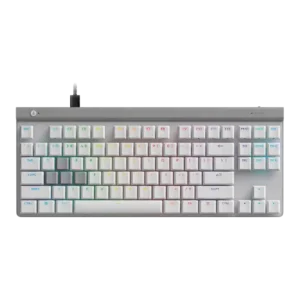
Customization was a major strength, especially per-key actuation, key remapping, RGB, macros, and deep G Hub tuning.
Pros: key responsiveness, ergonomics
Cons: wireless performance, volume control
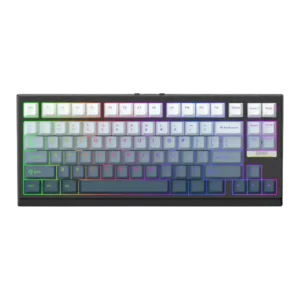
Customization options were a strength, with reviewers praising extensive software controls, rapid-trigger settings, and broad configurability.
Pros: desk space efficiency, layout options
Cons: compatibility
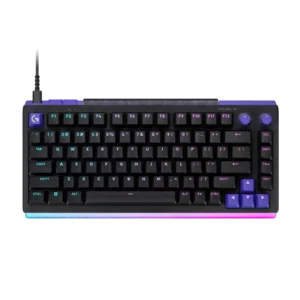
This is one of the board’s clearest strengths: users can mix switch types, tune actuation, set Rapid Trigger and dual actions, remap keys, and personalize lighting. The depth rewards experimentation...
Pros: latency, RGB customization
Cons: actuation consistency, connectivity
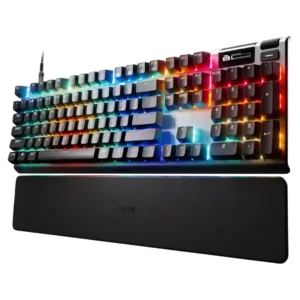
Customization was a major strength, with reviewers praising granular actuation, bindings, RGB, and profiles despite occasional complexity.
Pros: key responsiveness, durability
Cons: passthrough features, analog input support
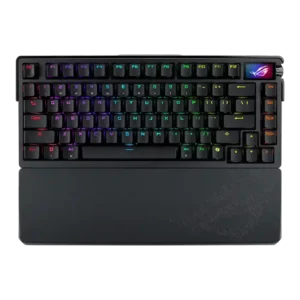
Customization options were a defining strength, led by the adjustable gasket, hot-swap design, OLED options, and broad software controls.
Pros: key spacing, reliability
Cons: rapid trigger support, analog input support
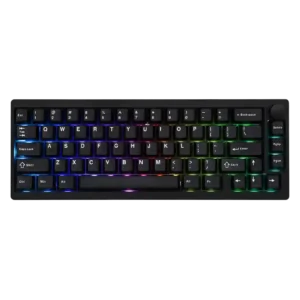
QMK/VIA support enables extensive remapping, lighting changes, macros and knob reassignment, making the board highly adaptable once configured.
Pros: frame rigidity, acoustics
Cons: rapid trigger support, analog input support
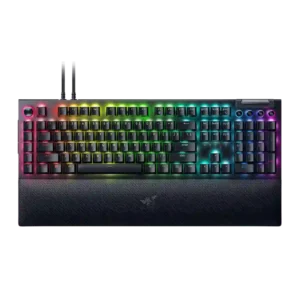
Customization was one of the strongest themes, especially around remapping, the Command Dial, Chroma, and multi-layer programmability, with some Synapse limits.
Pros: key stability, ease of switch replacement
Cons: compatibility, battery life
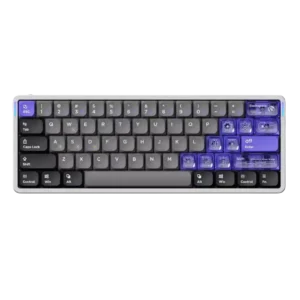
Customization options were strongly praised for remapping, actuation tuning, lighting, layers, and Hall Effect controls.
Pros: frame rigidity, rapid trigger support
Cons: switch options, legend visibility
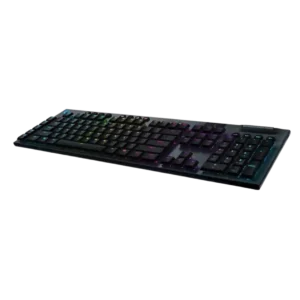
Customization is viewed positively, with reviewers highlighting many assignment, lighting, and software options.
Pros: latency, polling rate
Cons: passthrough features, cable quality
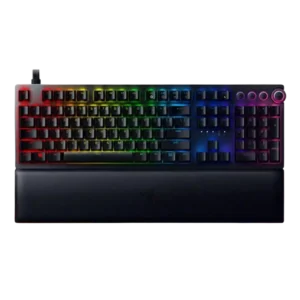
Customization options were a major strength, with reviewers repeatedly citing deep per-key actuation, lighting, remapping, and input flexibility.
Pros: per-key lighting control, wrist rest quality
Cons: polling rate, portability
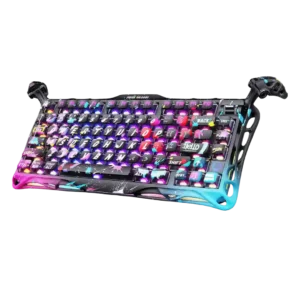
Customization was praised for Hall-effect tuning, broad feature access, and the number of available controls.
Pros: legend visibility, key responsiveness
Cons: connectivity, cable quality
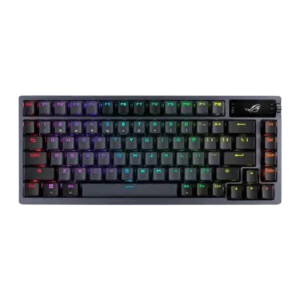
Customization was a major strength thanks to hot-swap support, included DIY tools, RGB/OLED options, and mod-friendly design, though software execution limited the experience.
Pros: durability, wireless performance
Cons: passthrough features, onboard memory
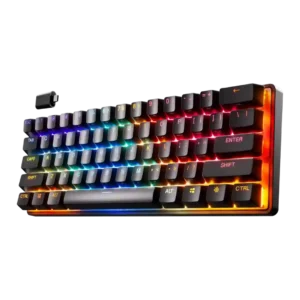
Customization options were a core strength, repeatedly praised for remapping, actuation tuning, dual actions, profiles, and deep per-key control.
Pros: latency, key responsiveness
Cons: hot-swappable switches, ease of switch replacement
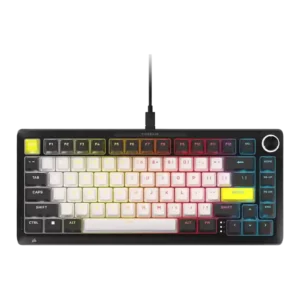
Customization was one of the strongest themes, with praise for upgrade modules, actuation tuning, lighting control, and broad software control, though modularity confused some reviewers.
Pros: per-key lighting control, durability
Cons: portability, noise level
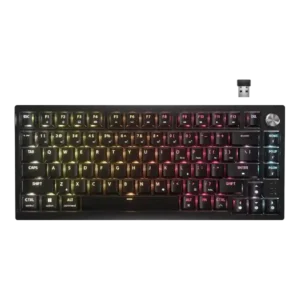
Customization was strongly praised, especially hot-swap support, onboard shortcuts, iCUE controls, remapping, lighting control, and hardware-level adjustments.
Pros: latency, durability
Cons: legend visibility, rapid trigger support
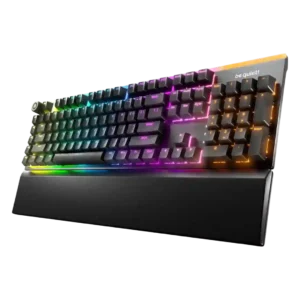
Customization is praised across lighting, remapping, macros, layers, profiles, and web/software controls.
Pros: ease of switch replacement, acoustics
Cons: rapid trigger support, analog input support
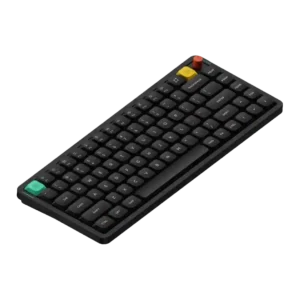
Customization options were strong across key remapping, knob actions, lighting, and software functions, despite one reviewer calling advanced options limited.
Pros: key responsiveness, typing feel
Cons: per-key lighting control, legend visibility
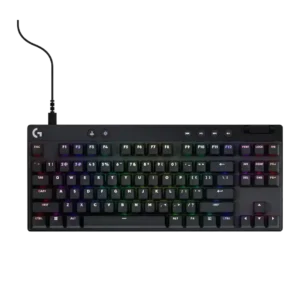
Customization is one of the line’s clearest strengths, from hot-swap layouts to Keycontrol, though cost and closed ecosystems limit it on some versions.
Pros: durability, per-key lighting control
Cons: noise level, sound dampening