Best for extra gaming features
Keychron Q3 HE 8K
5.0 feature score
Highest scored product for this feature based on supporting review evidence.
Highest scored product for this feature based on supporting review evidence.
Balances feature score, supporting reviews, and overall product strength.
Has the broadest review evidence for this feature.
Strongest overall product among items with scored evidence for this feature.
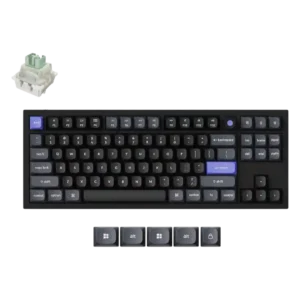
The direct reviews highlight a strong gaming feature set, including snap action, last-key priority, analog-style input, and multi-action keystrokes.
Pros: polling rate, extra gaming features
Cons: portability, switch options
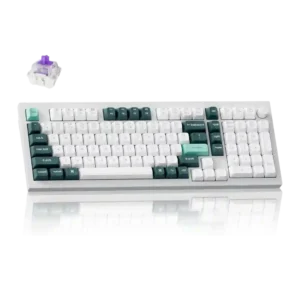
Beyond Rapid Trigger, reviews mention quad actuation, Snap Tap, and other advanced gaming features.
Pros: frame rigidity, customization options
Cons: portability, switch options
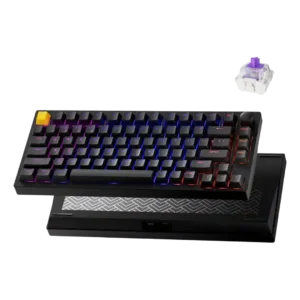
Reviews repeatedly highlight quad-actuation and dynamic keystroke features, snap and last-key tools, and other advanced gaming extras.
Pros: extra gaming features, rapid trigger support
Cons: per-key lighting control, layout options
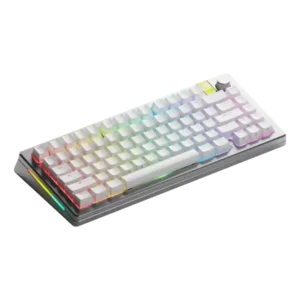
Beyond Rapid Trigger, reviews mention Dynamic Keystroke, custom deadzones, dual-action key behavior, and other advanced HE features.
Pros: polling rate, rapid trigger support
Cons: reliability, portability
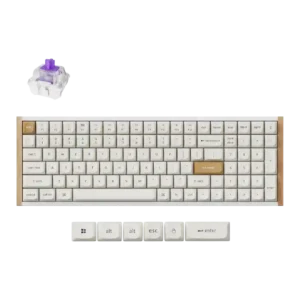
The review set repeatedly mentions quad-actuation, Snap Tap or LKP, dynamic keystrokes, and similar Hall Effect gaming extras.
Pros: durability, customization options
Cons: per-key lighting control, backlight brightness
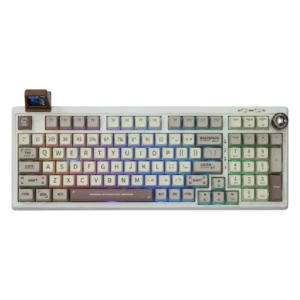
One review explicitly highlights NKRO and anti-ghosting, which strengthens the RT100’s gaming utility.
Pros: key responsiveness, latency
Cons: actuation consistency, rapid trigger support
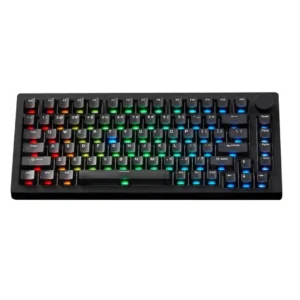
Gaming extras are extensive in the TMR/HE reviews, including Rapid Trigger, SOCD or snap key, DKS, mod-tap, toggle keys, and other advanced magnetic-keyboard features.
Pros: switch options, extra gaming features
Cons: portability, key spacing
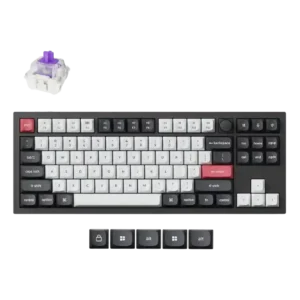
Extra gaming features are a major selling point, especially Rapid Trigger, Snap Tap or SOCD-style behavior, and multi-action Hall Effect functions.
Pros: rapid trigger support, build quality
Cons: portability, switch options
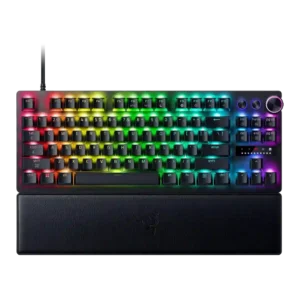
Features like Snap Tap, dual-step inputs, special onboard shortcuts, and controller-style behavior are repeatedly framed as meaningful competitive extras.
Pros: gaming performance, latency
Cons: passthrough features, hot-swappable switches
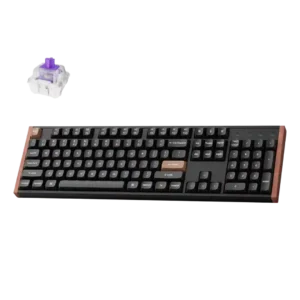
Reviews call out advanced gaming tools such as DKS, Snap Click, turbo-like long press behavior, and rapid trigger-based input tricks.
Pros: key responsiveness, latency
Cons: switch options, desk space efficiency
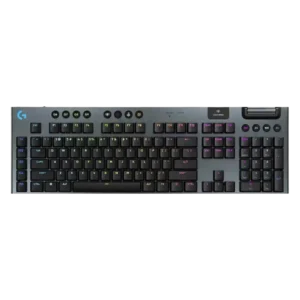
Game mode and dedicated extra keys add useful gaming-specific control, especially for locking keys and assigning shortcuts.
Pros: customization options, latency
Cons: wrist rest quality, hot-swappable switches
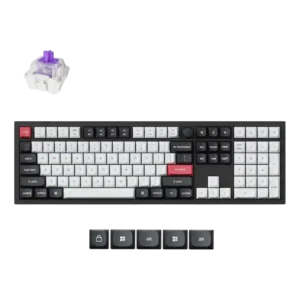
Reviews highlight gaming-specific extras such as multi-action keys, rapid trigger, snap action, and similar advanced features.
Pros: key responsiveness, key stability
Cons: portability, switch options
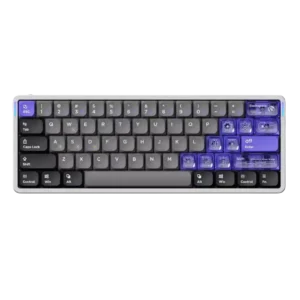
Rapid Trigger, SOCD/LKP-style functions, DKS, HyperTap, and related Hall Effect tools are a major strength of this keyboard.
Pros: polling rate, rapid trigger support
Cons: legend visibility, layout options
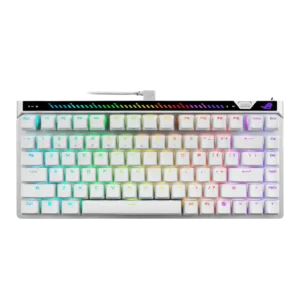
The board offers a rich competitive feature set, including rapid trigger, SOCD-style features, on-board controls, and fast tuning tools.
Pros: latency, actuation consistency
Cons: analog input support, wrist rest quality
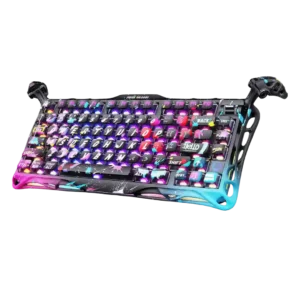
Extra gaming features are a major strength, with rapid trigger, SOCD/LKP, DKS, mod-tap, profile switching, and advanced Hall effect functions cited.
Pros: rapid trigger support, ease of switch replacement
Cons: wireless performance, connectivity
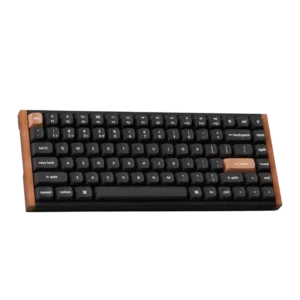
Beyond raw speed, the scored reviews repeatedly highlight features like Snap Click, last key prioritization, multiple actuation, and dynamic keystrokes.
Pros: rapid trigger support, switch feel
Cons: switch options, portability
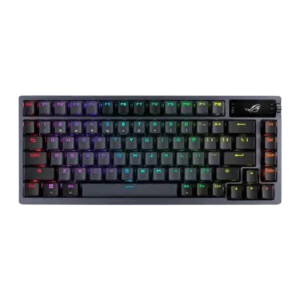
Gaming extras are plentiful, including macros, Windows lock, stealth shortcuts, and other gamer-focused convenience features.
Pros: hot-swappable switches, gaming performance
Cons: passthrough features, wrist rest quality
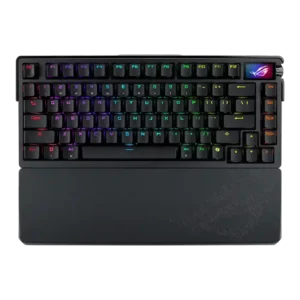
Reviews highlight the color OLED touch display, 8,000 Hz support, and other enthusiast-focused extras.
Pros: build quality, frame rigidity
Cons: rapid trigger support, analog input support
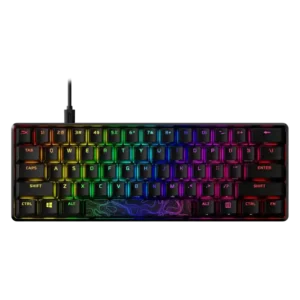
Extra gaming features are strong for the price, including game mode, anti-ghosting, N-key rollover, and shortcut-based controls.
Pros: frame rigidity, materials quality
Cons: wireless performance, hot-swappable switches
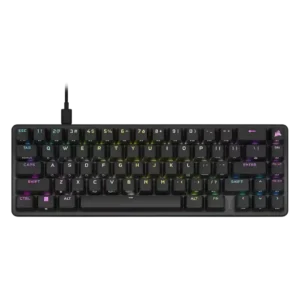
Helpful extras include function-layer lighting hints and mouse controls alongside gaming-focused shortcuts.
Pros: profile management, onboard memory
Cons: hot-swappable switches, wrist rest quality
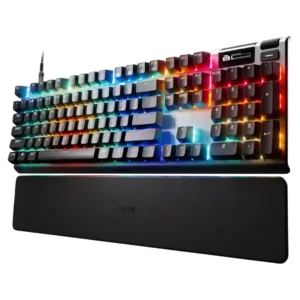
Rapid Trigger, Rapid Tap, Protection Mode, dual-action bindings, and similar features give the Apex Pro Gen 3 one of its clearest gaming-specific advantages.
Pros: legend visibility, frame rigidity
Cons: passthrough features, analog input support
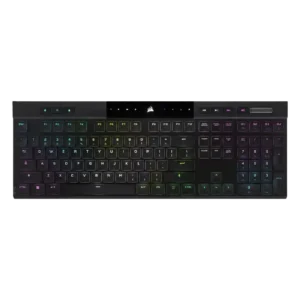
Gaming-focused extras such as PlayStation mode, streaming integration, and dedicated shortcut controls add useful functionality.
Pros: polling rate, RGB customization
Cons: hot-swappable switches, wrist rest quality
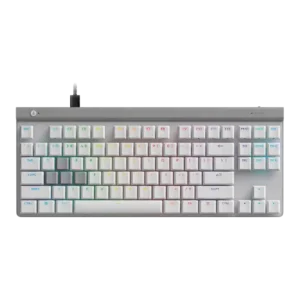
Competitive-focused extras such as key priority, SOCD-style behavior, game mode, and other advanced gaming functions are repeatedly highlighted.
Pros: latency, gaming performance
Cons: wireless performance, media controls
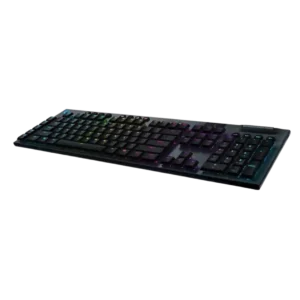
Game mode, disable-key options, and macro or profile extras give the G915 more gaming-specific utility than a basic wireless keyboard.
Pros: RGB customization, build quality
Cons: passthrough features, wrist rest quality
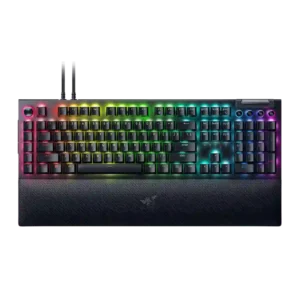
Extra gaming features are plentiful, including macro keys, command-dial functions, polling-rate options, and other gaming-focused controls.
Pros: latency, customization options
Cons: hot-swappable switches, portability
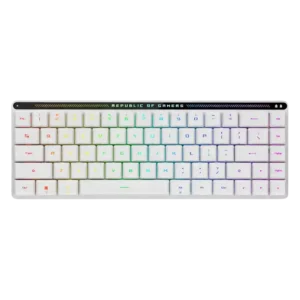
The direct gaming-feature evidence centers on full key rollover, anti-ghosting, and high simultaneous key detection.
Pros: noise level, battery life
Cons: wrist rest quality, hot-swappable switches
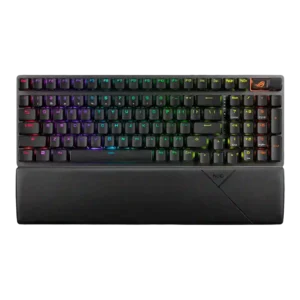
Gaming extras include preset capture and mic hotkeys plus other utility functions beyond standard typing duties.
Pros: polling rate, battery life
Cons: backlight brightness, legend visibility
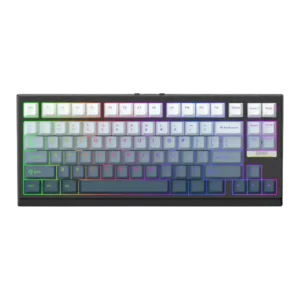
Extra gaming features are supported by one review mentioning DKS and SOCD support alongside the Hall Effect feature set.
Pros: polling rate, desk space efficiency
Cons: media controls
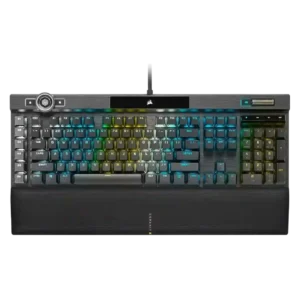
Macro keys, the control wheel, profile switching, Windows lock, and Stream Deck support are recurring standout extras.
Pros: key responsiveness, latency
Cons: hot-swappable switches, ease of switch replacement
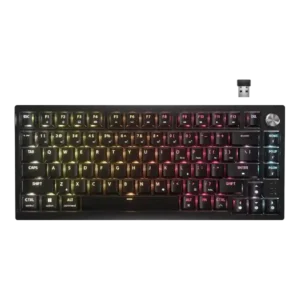
Gaming extras include full key rollover, anti-ghosting, and lockout shortcuts that help avoid accidental interruptions.
Pros: hot-swappable switches, connectivity
Cons: wrist rest quality, switch options
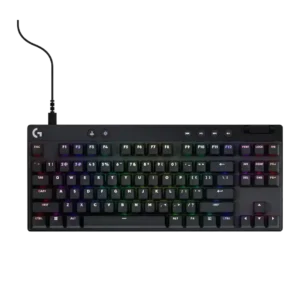
Game Mode, layered inputs, and other esports-focused controls are regularly highlighted as meaningful extras rather than filler features.
Pros: analog input support, latency
Cons: sound dampening, value for money
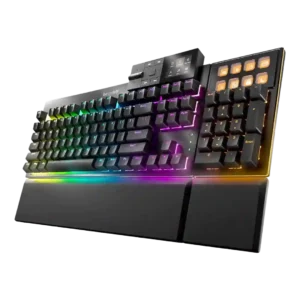
Display keys, onboard controls, and quick-access functions add utility, but they are not esports-focused extras.
Pros: sound dampening, noise level
Cons: rapid trigger support, analog input support
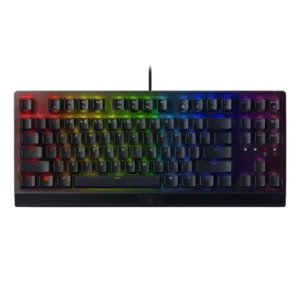
The scored reviews mention gaming-specific extras such as gaming mode, anti-ghosting behavior, and Windows-key lock functionality. These features add practical gaming utility beyond basic typing.
Pros: key responsiveness, latency
Cons: hot-swappable switches, passthrough features
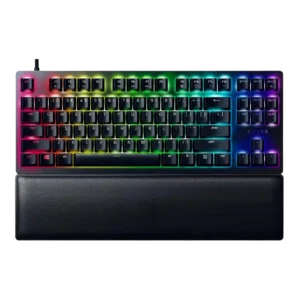
Gaming-focused extras include gaming mode and adjustable performance behavior, giving the board more than just raw switch speed.
Pros: frame rigidity, per-key lighting control
Cons: analog input support, wireless performance
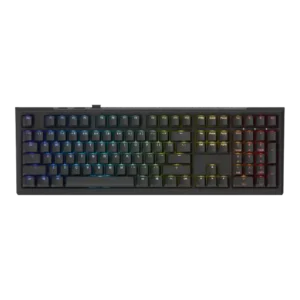
Rapid trigger, multi-point inputs, and adjustable actuation are real gaming extras, even if the feature depth trails top HE boards.
Pros: switch feel, key responsiveness
Cons: switch options, wrist rest quality
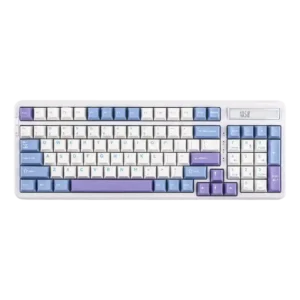
Reviewers mention programmable buttons, FN shortcuts, anti-ghosting, and N-key rollover.
Pros: hot-swappable switches, ease of switch replacement
Cons: key spacing, legend visibility
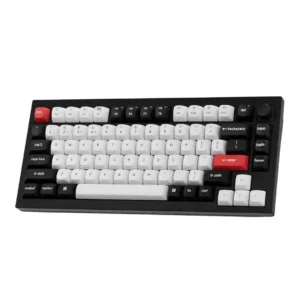
Beyond basic Hall Effect tuning, the board adds extras like snap/priority behavior, long-press functions, and multi-stage inputs for more advanced gaming use.
Pros: build quality, frame rigidity
Cons: portability, wrist rest quality
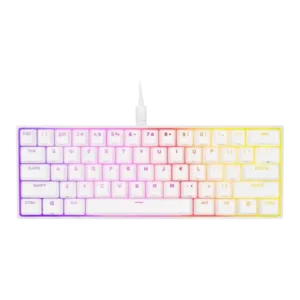
Gaming extras include NKRO, Windows lock, mouse controls, 4kHz keyscan, and onboard shortcuts, giving the small board a feature-rich gaming toolset.
Pros: desk space efficiency, portability
Cons: wrist rest quality, hot-swappable switches
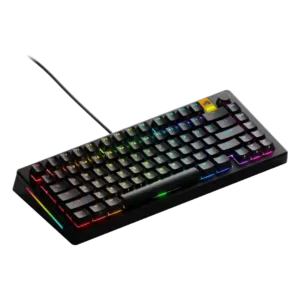
Gaming extras include adjustable actuation, rapid trigger, dynamic keystrokes, and other Hall Effect tuning tools, though one review notes missing SOCD.
Pros: customization options, hot-swappable switches
Cons: value for money, desk space efficiency
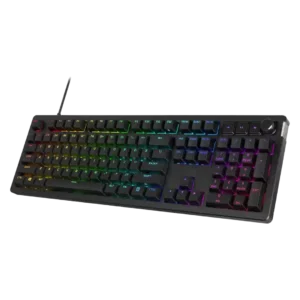
Gaming extras include Fn shortcuts, key lock/game mode, anti-ghosting, and onboard settings, but reviewers did not treat them as unusually advanced.
Pros: legend visibility, materials quality
Cons: wrist rest quality, ease of switch replacement
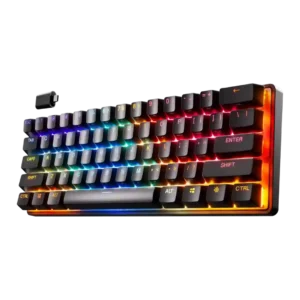
Dual actuation, multi-action keys, and layered gaming functions are standout features, though several reviews also mention a learning curve before they feel natural.
Pros: switch options, latency
Cons: hot-swappable switches, ease of switch replacement
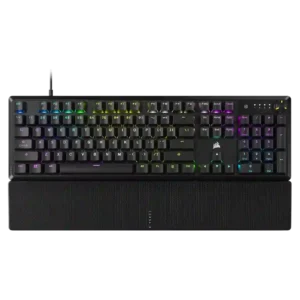
Extra gaming features are solid rather than flashy, with anti-ghosting, N-key rollover, Win lock, and similar basics supported in the reviews.
Pros: per-key lighting control, typing feel
Cons: hot-swappable switches, ease of switch replacement
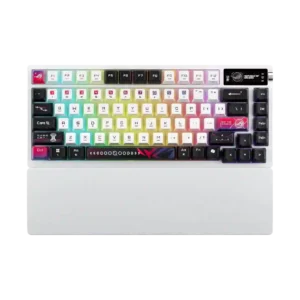
Speed Tap and OLED-based system or media utilities add gaming-oriented extras beyond basic typing.
Pros: connectivity, wireless performance
Cons: rapid trigger support, analog input support
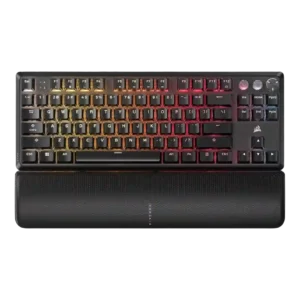
Gaming-specific extras are strong overall, especially tournament mode, Windows lock behavior, NKRO/anti-ghosting, and other competitive-use controls.
Pros: key responsiveness, onboard memory
Cons: hot-swappable switches, ease of switch replacement
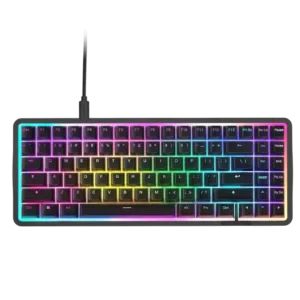
Extra gaming features are substantial, including NKRO, anti-ghosting, Snap Overrides, dual actions, and SOCD-style movement tools, though some may be banned online.
Pros: polling rate, sound dampening
Cons: passthrough features, wireless performance
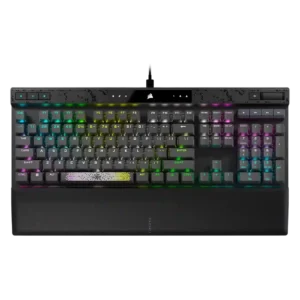
Extra gaming-focused features include tournament controls and other esports-oriented conveniences beyond the core switch tech.
Pros: per-key lighting control, polling rate
Cons: passthrough features, wireless performance
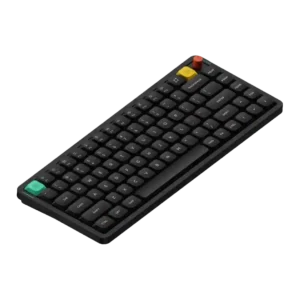
The board includes extra gaming-oriented functions such as SOCD-style features, but reviews still treat them as bonuses rather than the core reason to buy it.
Pros: key responsiveness, compatibility
Cons: per-key lighting control, legend visibility
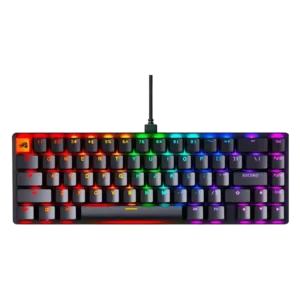
Gaming extras include hotkey-based onboard controls plus features like N-key rollover and Windows key lock.
Pros: frame rigidity, durability
Cons: actuation consistency
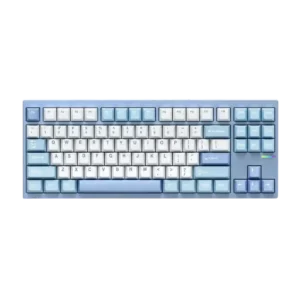
A dedicated ultra low latency mode is explicitly mentioned in the software.
Pros: durability, hot-swappable switches
Cons: portability, switch options
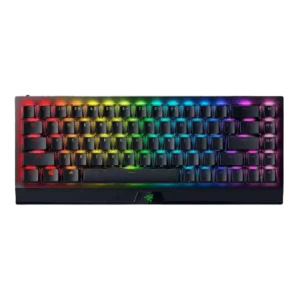
One review specifically calls out a gaming mode that can lock the Windows key and disable Alt-Tab and Alt-F4.
Pros: desk space efficiency, frame rigidity
Cons: passthrough features, stabilizer quality