Best for profile management
Corsair K65 PRO Mini
5.0 feature score
Highest scored product for this feature based on supporting review evidence.
Highest scored product for this feature based on supporting review evidence.
Balances feature score, supporting reviews, and overall product strength.
Has the broadest review evidence for this feature.
Strongest overall product among items with scored evidence for this feature.
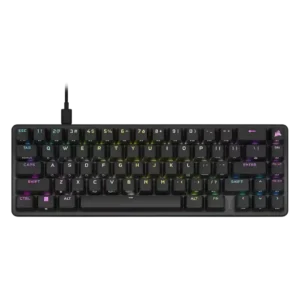
Profile handling is robust, with many onboard slots and easy switching or saving.
Pros: profile management, onboard memory
Cons: hot-swappable switches, wrist rest quality
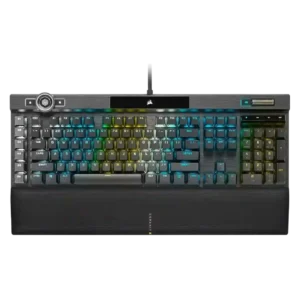
Large onboard profile storage and easy profile switching are mentioned often.
Pros: key responsiveness, latency
Cons: hot-swappable switches, ease of switch replacement
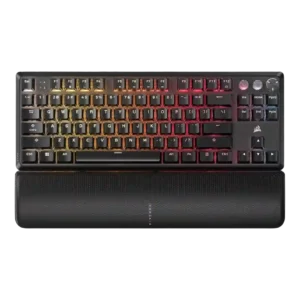
Profile handling is unusually deep, with lots of hardware profiles and easy switching called out across reviews.
Pros: key responsiveness, onboard memory
Cons: hot-swappable switches, ease of switch replacement
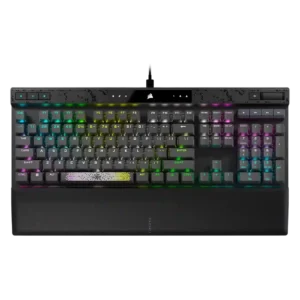
Profile management is strong, with onboard profile storage and app-linked profiles frequently mentioned.
Pros: per-key lighting control, polling rate
Cons: passthrough features, wireless performance
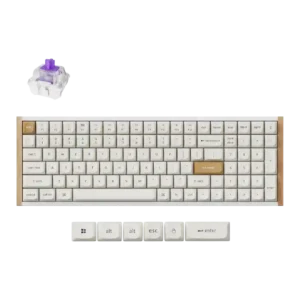
Reviews mention multiple saveable profiles, typically three, for work and gaming setups.
Pros: durability, customization options
Cons: per-key lighting control, backlight brightness
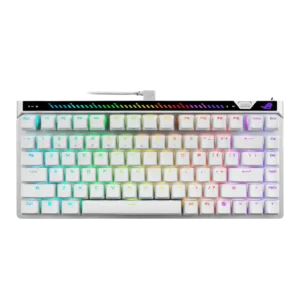
Profiles can be stored in the cloud, giving the board practical profile management across multiple systems.
Pros: latency, actuation consistency
Cons: analog input support, wrist rest quality
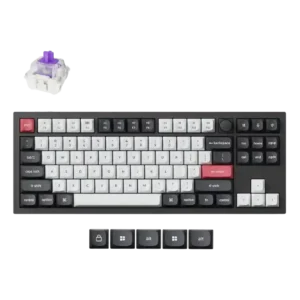
One review states that the keyboard can save up to three profiles for different games or work setups.
Pros: rapid trigger support, build quality
Cons: portability, switch options
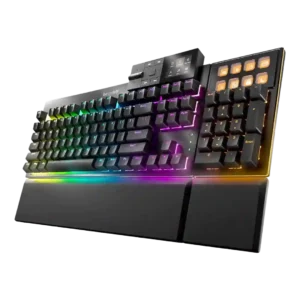
Multiple profiles and on-board switching are well supported through software and hardware controls.
Pros: sound dampening, noise level
Cons: rapid trigger support, analog input support
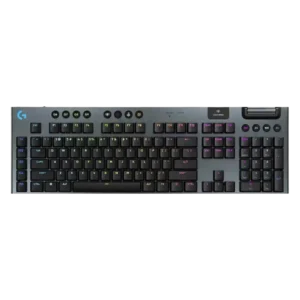
App-specific and game-specific profile management is supported and repeatedly mentioned as useful.
Pros: customization options, latency
Cons: wrist rest quality, hot-swappable switches
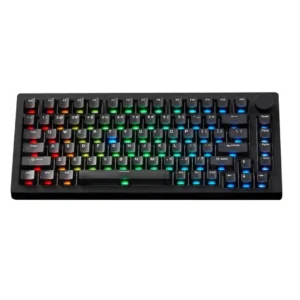
Profile support appears in the web/software coverage, including quick profile switching, downloadable/shared profiles, created profiles, and onboard-stored settings.
Pros: switch options, extra gaming features
Cons: portability, key spacing
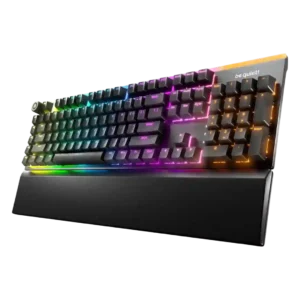
Reviews mention creating, saving, editing, and switching multiple profiles, including onboard browser-based profile handling.
Pros: acoustics, sound dampening
Cons: rapid trigger support, analog input support
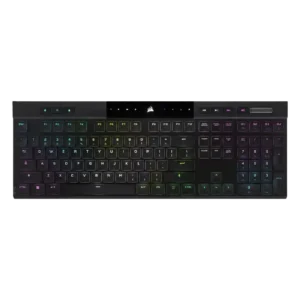
Profile management is strong, with onboard profile storage and quick switching options.
Pros: polling rate, RGB customization
Cons: hot-swappable switches, wrist rest quality
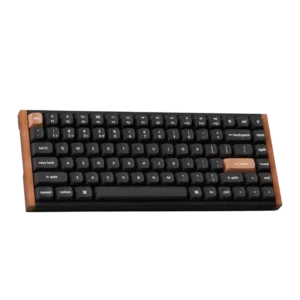
Profile handling is a strength, with stored profiles and easy switching called out in multiple reviews.
Pros: rapid trigger support, switch feel
Cons: switch options, portability
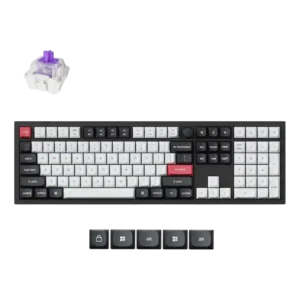
Supported reviews say the software offers multiple configurable profiles.
Pros: key responsiveness, key stability
Cons: portability, switch options
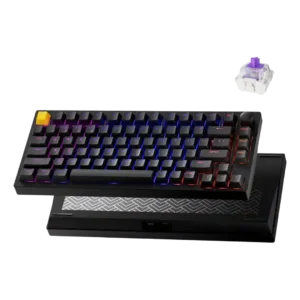
Reviews mention multiple profiles, including onboard storage and software-based switching.
Pros: extra gaming features, rapid trigger support
Cons: per-key lighting control, layout options
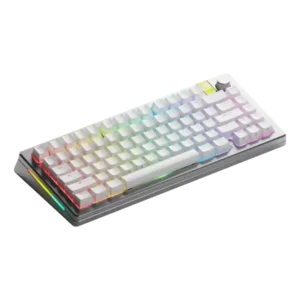
Core allows users to save and switch between multiple profiles.
Pros: polling rate, rapid trigger support
Cons: reliability, portability
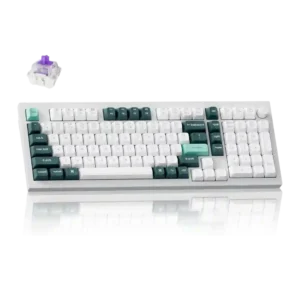
One review confirms support for saving up to three profiles for different games or work setups.
Pros: frame rigidity, customization options
Cons: portability, switch options
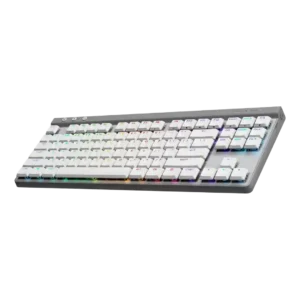
Reviews describe multiple profiles, presets, community profile sharing, or per-program configs, giving the board solid profile-management flexibility.
Pros: macro customization, customization options
Cons: rapid trigger support, passthrough features
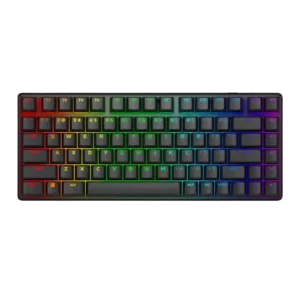
Multiple profiles can be saved and switched, with game-linked or onboard profile behavior mentioned in reviews.
Pros: frame rigidity, materials quality
Cons: wrist rest quality, rapid trigger support
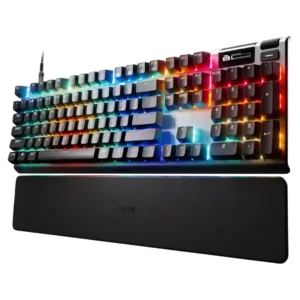
Profile management is robust, with QuickSet menus, multiple saved profiles, and easy switching called out across several reviews.
Pros: legend visibility, frame rigidity
Cons: passthrough features, analog input support
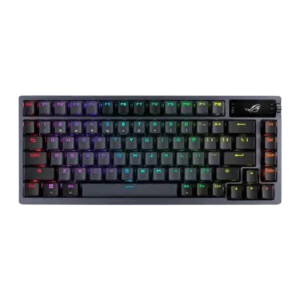
Profile management is solid, with multiple stored profiles and quick switching available for different setups or tasks.
Pros: hot-swappable switches, gaming performance
Cons: passthrough features, wrist rest quality
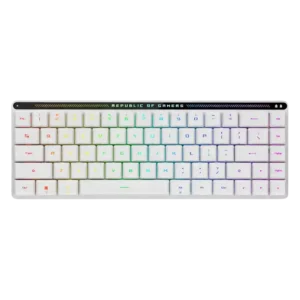
Profile management is well supported, with multiple reviews noting saved profiles or the ability to create and switch between them.
Pros: noise level, battery life
Cons: wrist rest quality, hot-swappable switches
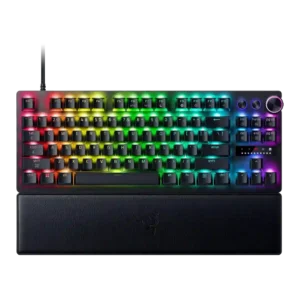
Profile management is a strength, with onboard and quick-switch profiles repeatedly praised.
Pros: gaming performance, latency
Cons: passthrough features, hot-swappable switches
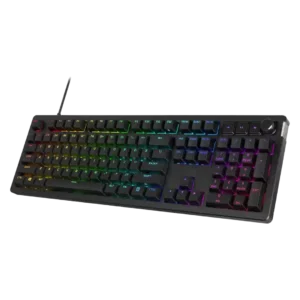
Profile management was supported through onboard profiles and profile switching for games or custom setups.
Pros: legend visibility, materials quality
Cons: wrist rest quality, ease of switch replacement
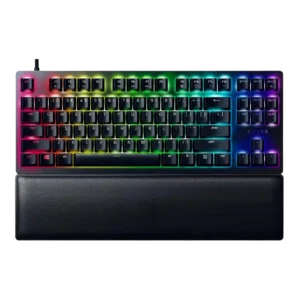
Profile management is strong, with multiple reviews noting game-specific profiles or multiple saved device profiles.
Pros: frame rigidity, per-key lighting control
Cons: analog input support, wireless performance
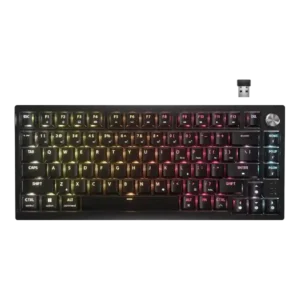
Profile management is flexible, with multiple onboard profiles and software-based profile creation or switching.
Pros: hot-swappable switches, connectivity
Cons: wrist rest quality, switch options
The keyboard supports multiple profiles and app-linked behavior, though some setup paths in software can be a little confusing.
Pros: RGB customization, build quality
Cons: passthrough features, wrist rest quality
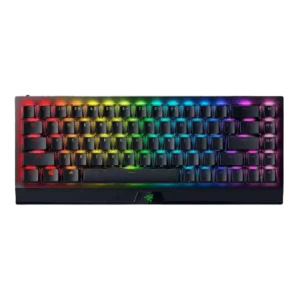
Multiple reviews mention easy profile setup and storage for games or apps, with both onboard and software-based profiles.
Pros: desk space efficiency, frame rigidity
Cons: passthrough features, stabilizer quality
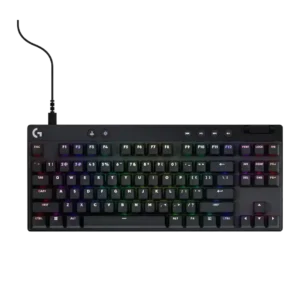
Profile management is well covered through app-based game profiles, onboard profiles, and automatic switching in supporting software.
Pros: analog input support, latency
Cons: sound dampening, value for money
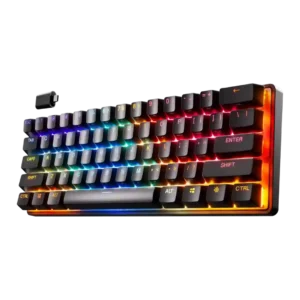
Profile handling is a positive, with reviewers mentioning multiple saved profiles for games, devices, or different actuation preferences.
Pros: switch options, latency
Cons: hot-swappable switches, ease of switch replacement
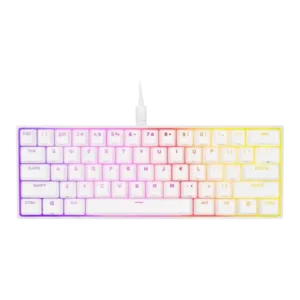
Reviews repeatedly mention onboard profile storage and easy profile switching, often citing around 50 profiles.
Pros: desk space efficiency, portability
Cons: wrist rest quality, hot-swappable switches
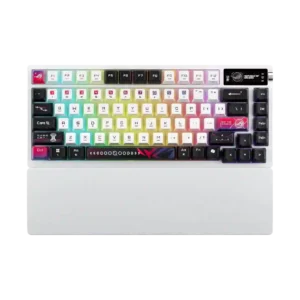
Reviews mention active profiles, profile switching, and saved settings, suggesting solid basic profile handling.
Pros: connectivity, wireless performance
Cons: rapid trigger support, analog input support
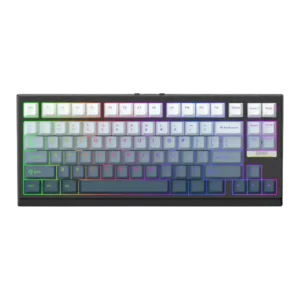
Profile-management evidence is limited to local configuration and the ability to connect up to five devices.
Pros: polling rate, desk space efficiency
Cons: media controls
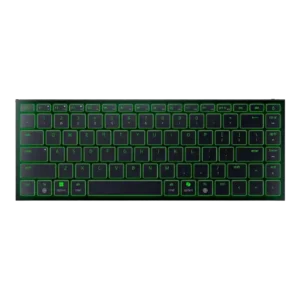
Profile handling is solid, with reviewers noting multiple savable profiles and the ability to switch between them later.
Pros: compatibility, portability
Cons: per-key lighting control, sound dampening
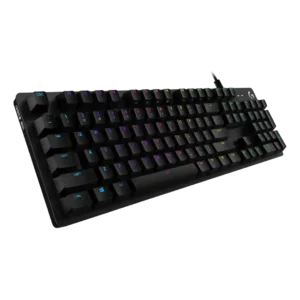
The keyboard supports game-specific or software-managed profiles, and reviews also mention saved profile handling.
Pros: key responsiveness, typing feel
Cons: wrist rest quality, portability
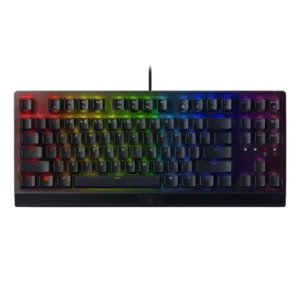
Profile management is a repeated feature in the reviews. Writers mention saving or syncing up to five profiles.
Pros: key responsiveness, latency
Cons: hot-swappable switches, passthrough features
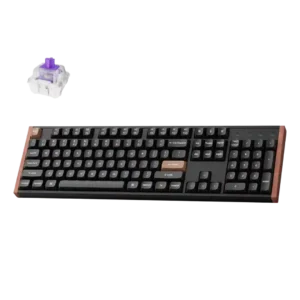
Reviews mention customizable modes and onboard storage for two layouts, suggesting some profile-style management even if it is not deeply discussed.
Pros: key responsiveness, latency
Cons: switch options, desk space efficiency
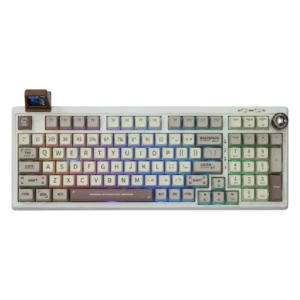
One review explicitly mentions Bluetooth support for up to three profiles, which helps multi-device use.
Pros: key responsiveness, latency
Cons: actuation consistency, rapid trigger support
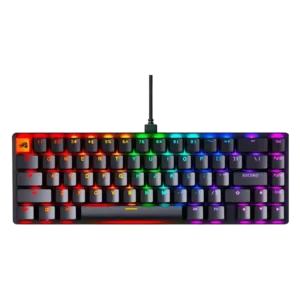
Profile management is present, with multiple onboard profiles available for different setups.
Pros: frame rigidity, durability
Cons: actuation consistency
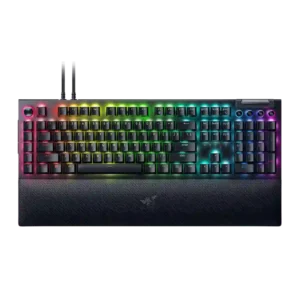
Profile management is solid, with multiple reviews confirming onboard profiles and quick switching for different tasks.
Pros: latency, customization options
Cons: hot-swappable switches, portability
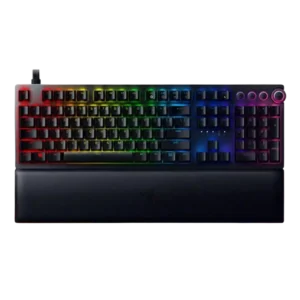
Reviews say the keyboard supports multiple profiles with quick switching and storage for different use cases, though some setup still feels manual.
Pros: RGB customization, frame rigidity
Cons: portability, legend visibility
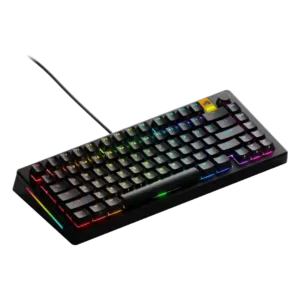
Reviewers mention three switchable profiles, managed in software and on the keyboard itself.
Pros: customization options, hot-swappable switches
Cons: value for money, desk space efficiency
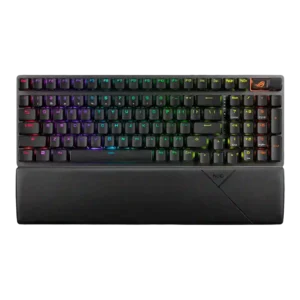
Profile support is solid, with multiple reviews mentioning several onboard or software-managed profiles.
Pros: polling rate, battery life
Cons: backlight brightness, legend visibility
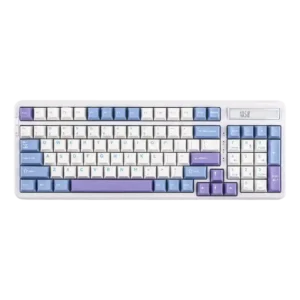
One review highlights preset sharing and downloading other users’ configurations.
Pros: hot-swappable switches, ease of switch replacement
Cons: key spacing, legend visibility
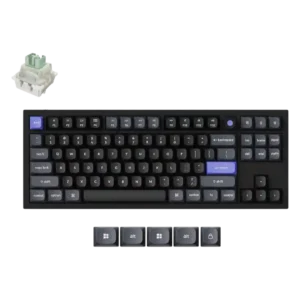
One direct review says the board can store three profiles and switch among them from a rear toggle.
Pros: polling rate, extra gaming features
Cons: portability, switch options
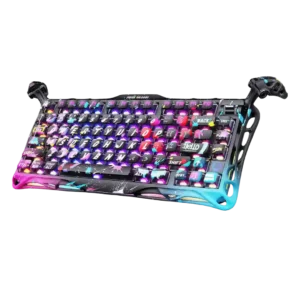
Profile management is supported through presets and easy profile switching, though some layer behavior was described as limited or imperfect.
Pros: rapid trigger support, ease of switch replacement
Cons: wireless performance, connectivity
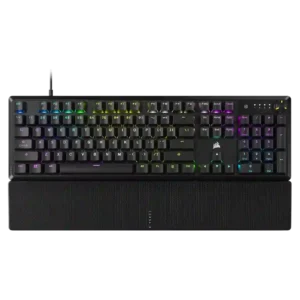
Profile management is functional but not perfect: onboard and software profiles are supported, yet one review says they must be managed separately.
Pros: per-key lighting control, typing feel
Cons: hot-swappable switches, ease of switch replacement
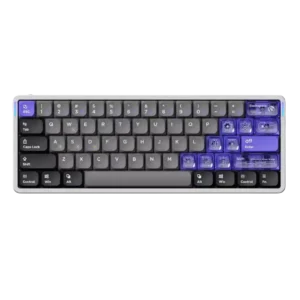
The physical switch makes profile changes quick, but the three-profile limit is one of the more common complaints.
Pros: polling rate, rapid trigger support
Cons: legend visibility, layout options
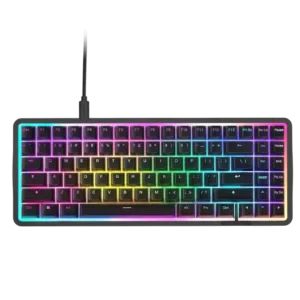
Profile management is useful through onboard profiles and function-layer remapping, but one review reports profile-related key lockouts.
Pros: polling rate, sound dampening
Cons: passthrough features, wireless performance
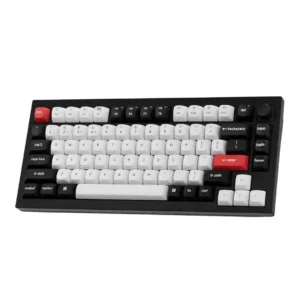
Profile handling exists, including multiple HE profiles, but management is less convenient than the best gaming software because selection can be manual.
Pros: build quality, frame rigidity
Cons: portability, wrist rest quality