Best for wireless performance
Keychron Q3 HE 8K
5.0 feature score
Highest scored product for this feature based on supporting review evidence.
Highest scored product for this feature based on supporting review evidence.
Balances feature score, supporting reviews, and overall product strength.
Has the broadest review evidence for this feature.
Strongest overall product among items with scored evidence for this feature.
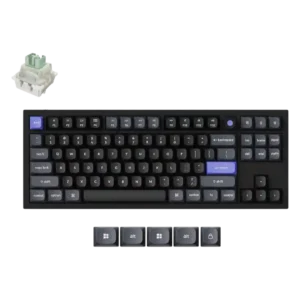
Wireless performance evidence comes from the Q3 Ultra review, which found no delay or keystroke inconsistency.
Pros: latency, polling rate
Cons: portability, switch options
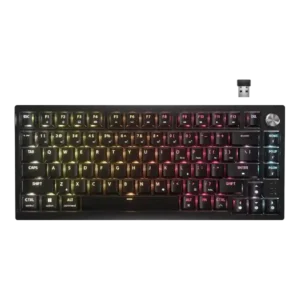
Wireless performance was strongly praised, with reliable 2.4GHz and Bluetooth use and few dropouts or lag complaints.
Pros: hot-swappable switches, connectivity
Cons: rapid trigger support, legend visibility
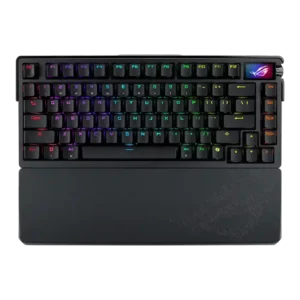
Wireless performance is a standout, with multiple reviewers reporting flawless or lag-free wireless operation.
Pros: typing comfort, wireless performance
Cons: rapid trigger support, analog input support
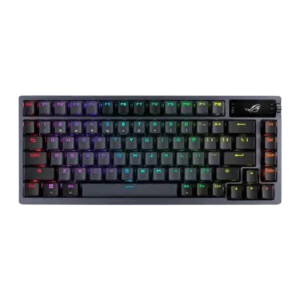
Wireless performance is a major strength, with reviewers reporting reliable Bluetooth, strong 2.4GHz performance, and no dropouts or input lag.
Pros: hot-swappable switches, connectivity
Cons: passthrough features, wrist rest quality
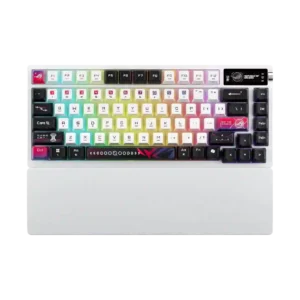
Wireless performance was repeatedly praised as strong, stable, low latency, and drop-free over 2.4GHz or SpeedNova.
Pros: battery life, hot-swappable switches
Cons: rapid trigger support, analog input support
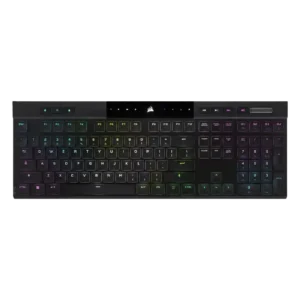
Wireless performance is a strength in Slipstream mode, with reviewers citing no noticeable latency, zero-latency feel, and stable connections.
Pros: extra gaming features, onboard memory
Cons: hot-swappable switches, ease of switch replacement
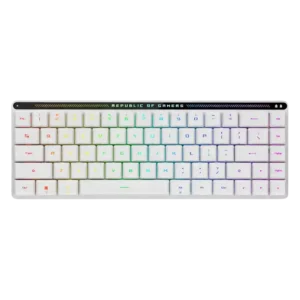
Wireless performance was a standout, with reviewers reporting low latency, no input delay, stable 2.4GHz behavior, and no dropouts.
Pros: latency, reliability
Cons: rapid trigger support, wrist rest quality
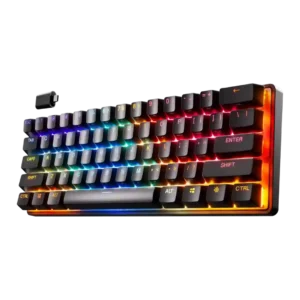
Wireless performance is one of the stronger wireless-model traits, with reviewers reporting solid 2.4 GHz behavior, no lag, and few hiccups.
Pros: wireless performance, latency
Cons: wrist rest quality, hot-swappable switches
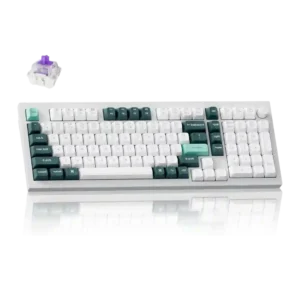
Wireless performance is consistently positive where tested, with reviewers reporting strong Bluetooth/2.4GHz operation and no noticeable input lag.
Pros: build quality, frame rigidity
Cons: portability, switch options
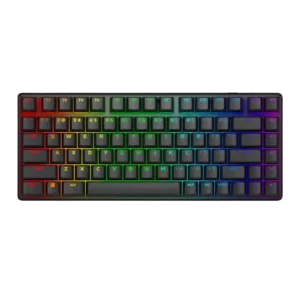
Wireless performance was a clear strength, with reviewers reporting rock-solid, seamless, lag-free 2.4GHz operation.
Pros: backlight brightness, latency
Cons: rapid trigger support, wrist rest quality
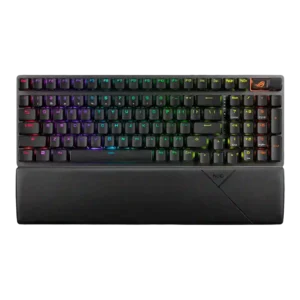
Wireless performance was strongly praised for stability, SpeedNova/SuperNova performance, low delay, and reliable gaming use.
Pros: latency, battery life
Cons: rapid trigger support, software quality
Wireless performance is praised as wired-like and reliable across many reviews, though one long-term report found receiver range/dropout issues.
Pros: polling rate, key responsiveness
Cons: passthrough features, wrist rest quality
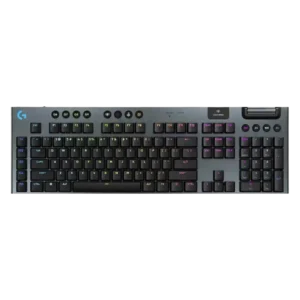
Wireless performance is one of the strongest areas, with reviewers reporting solid connections, no perceptible lag, no range issues, or wired-like behavior.
Pros: stabilizer quality, frame rigidity
Cons: hot-swappable switches, ease of switch replacement
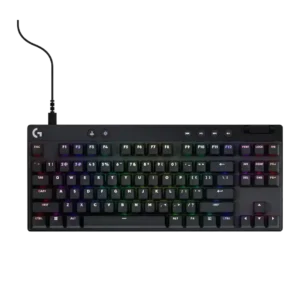
Wireless performance is consistently strong where reviewed, with Lightspeed described as steady, reliable, fast, and free of hiccups.
Pros: analog input support, frame rigidity
Cons: wrist rest quality, stabilizer quality
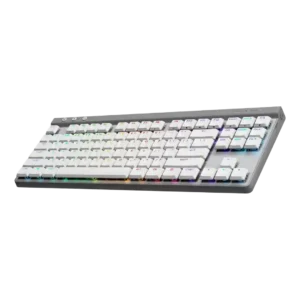
Wireless performance was one of the strongest consensus points, with Lightspeed described as stable, low-latency, rock solid, or indistinguishable from wired.
Pros: macro customization, latency
Cons: hot-swappable switches, passthrough features
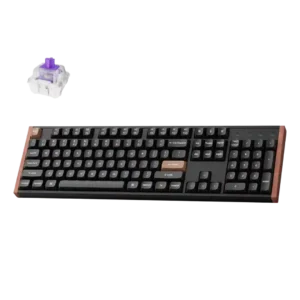
Wireless performance was excellent, with reviewers saying wireless felt close to wired and hard to distinguish from a wired keyboard.
Pros: extra gaming features, sound dampening
Cons: desk space efficiency, portability
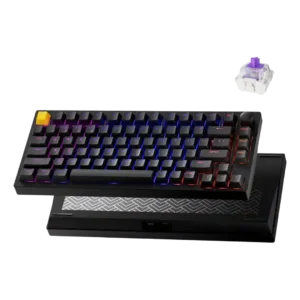
Wireless performance was praised across reviews, with Bluetooth and 2.4 GHz connections described as capable and problem-free.
Pros: desk space efficiency, connectivity
Cons: per-key lighting control, layout options
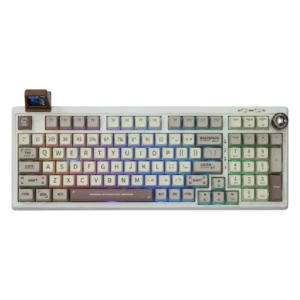
Wireless performance is mostly strong on 2.4GHz and Bluetooth for productivity, with little or no lag reported by many reviewers.
Pros: noise level, hot-swappable switches
Cons: rapid trigger support, legend visibility
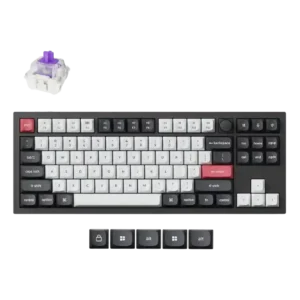
Wireless performance was mostly positive, especially the accurate 2.4GHz experience, though Bluetooth had minor hiccups in one review.
Pros: rapid trigger support, typing feel
Cons: switch options, portability
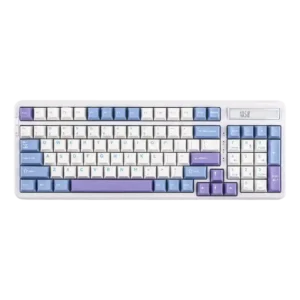
Wireless performance is strong overall, with low-latency 2.4GHz, multi-device Bluetooth, and usable range, though Bluetooth response rates can dip slightly.
Pros: polling rate, hot-swappable switches
Cons: key spacing, switch options
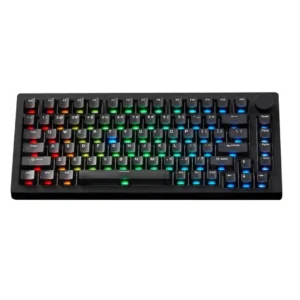
Wireless performance is generally positive, with reviewers reporting reliable or long-lasting wireless use, though other reliability caveats exist elsewhere.
Pros: switch options, extra gaming features
Cons: portability
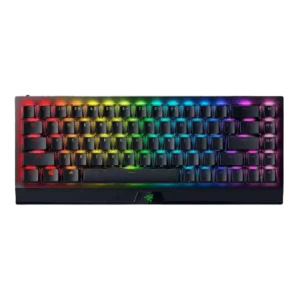
Wireless performance was mostly strong over HyperSpeed, often near wired quality, though Bluetooth and unified-dongle issues appeared in some reviews.
Pros: per-key lighting control, gaming performance
Cons: passthrough features, stabilizer quality
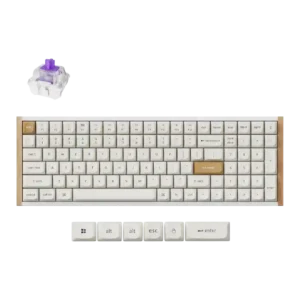
Wireless performance is mostly positive for connection, wake, and multi-device use, though configuration still requires a cable and one latency-focused review is less enthusiastic.
Pros: rapid trigger support, customization options
Cons: per-key lighting control, media controls
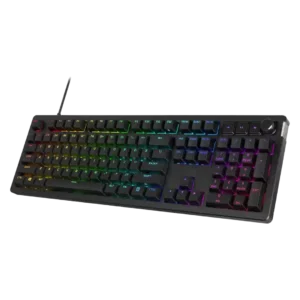
Wireless performance was strong in positive wireless reviews, but one reviewer reported occasional disconnections.
Pros: legend visibility, materials quality
Cons: wrist rest quality, ease of switch replacement

Wireless performance is promising in the dedicated evidence, especially fast reconnection, but this is supported by one review only.
Pros: hot-swappable switches, frame rigidity
Cons: portability, cable quality
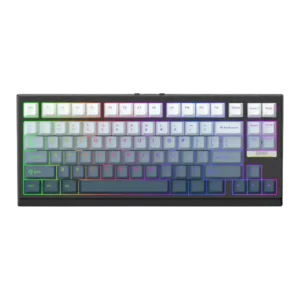
Wireless performance is generally good, especially 2.4GHz and Bluetooth productivity use, though Bluetooth latency is noted.
Pros: polling rate, ease of switch replacement
Cons: wrist rest quality, media controls
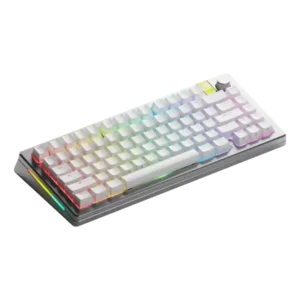
Wireless performance is mostly good once connected, with no lag or connectivity issues reported by some, but Bluetooth pairing and battery were caveats.
Pros: size and form factor, customization options
Cons: passthrough features, portability

Wireless performance was generally solid, though the same review mentioned rare lag instances before saying the connection was mostly solid.
Pros: key stability, frame rigidity
Cons: portability, switch options
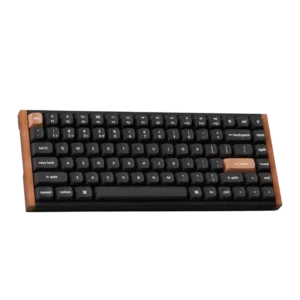
Wireless performance is mostly positive across Bluetooth and 2.4GHz, but a few reviewers reported wake-up or reconnection annoyances.
Pros: rapid trigger support, switch feel
Cons: per-key lighting control, switch options
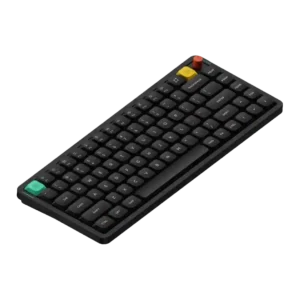
Wireless support is flexible and often stable, but a few reviewers reported Bluetooth or dongle issues.
Pros: typing feel, layout options
Cons: rapid trigger support, per-key lighting control
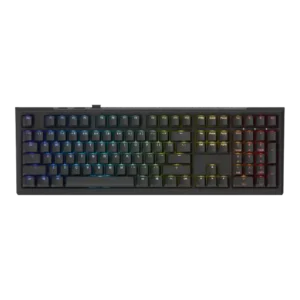
Wireless performance is mostly responsive and convenient, but battery life and the logic of wireless on a latency-focused keyboard are recurring caveats.
Pros: key stability, typing feel
Cons: wrist rest quality, profile management
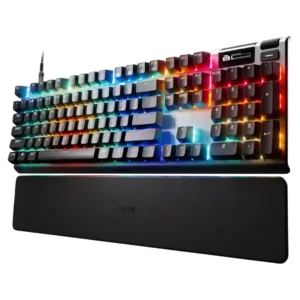
Wireless performance was split, ranging from smooth no-lag typing and several days of use to intermittent 2.4GHz input failures.
Pros: customization options, sound dampening
Cons: passthrough features, ease of switch replacement
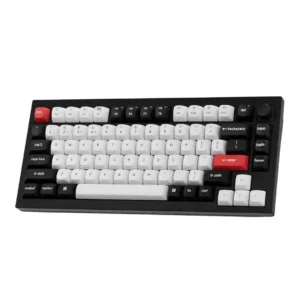
Wireless performance is mixed: 2.4GHz is praised as solid and low-latency, but some reviewers report wake or pairing problems.
Pros: frame rigidity, build quality
Cons: portability, per-key lighting control
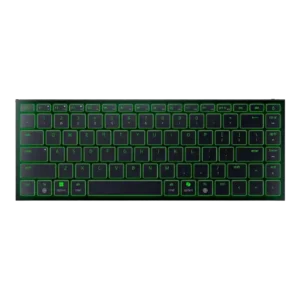
Wireless use is convenient and generally reliable for productivity, but Bluetooth-only operation creates latency concerns for gaming.
Pros: portability, frame rigidity
Cons: hot-swappable switches, ease of switch replacement
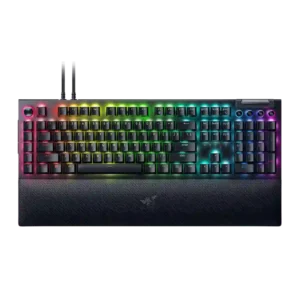
Wireless performance is split by variant: the full-size model lacks wireless, while 75% Pro reviews praise fast wireless but raise battery and value caveats.
Pros: latency, RGB customization
Cons: battery life, size and form factor
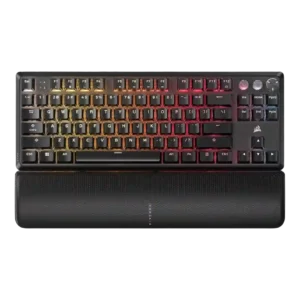
Wireless performance was mostly a limitation for wired variants, while the Mini Wireless review reported no wireless signal issues.
Pros: onboard memory, rapid trigger support
Cons: passthrough features, wireless performance
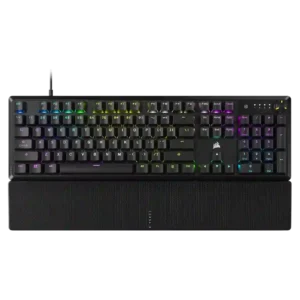
Wireless performance is only directly supported by the TKL Wireless review; the full-size Core is repeatedly described as lacking wireless.
Pros: per-key lighting control, RGB customization
Cons: analog input support, hot-swappable switches
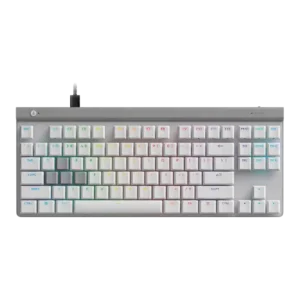
Wireless performance scored poorly because reviewers repeatedly emphasized that there is no wireless, Bluetooth, or battery-backed mode.
Pros: sound dampening, key responsiveness
Cons: wireless performance, volume control
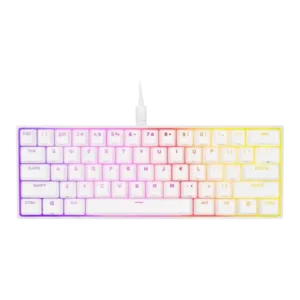
Wireless performance was only discussed as an absent feature, with one reviewer saying wireless capability would have improved the board.
Pros: desk space efficiency, polling rate
Cons: wrist rest quality, hot-swappable switches
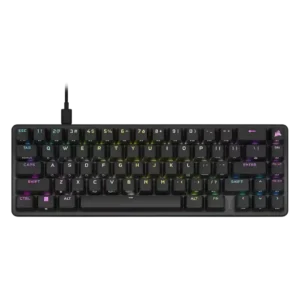
Wireless performance scores poorly because reviewers repeatedly state there is no wireless option or call its absence a drawback.
Pros: profile management, durability
Cons: wireless performance, analog input support
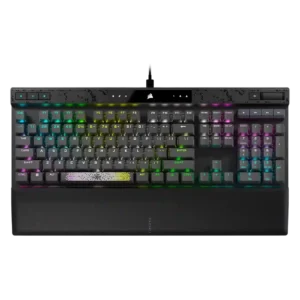
Wireless performance is poor by omission because reviewers explicitly said it lacks wireless capability or a wireless connection option.
Pros: frame rigidity, actuation consistency
Cons: passthrough features, wireless performance
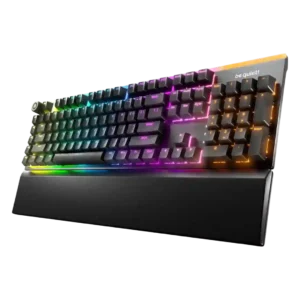
Wireless performance is effectively absent because the product is wired-only and reviewers explicitly wanted Bluetooth or wireless support.
Pros: key stability, noise level
Cons: rapid trigger support, analog input support
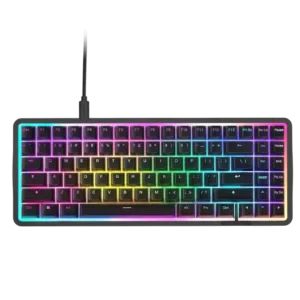
Wireless performance is effectively absent because reviewers repeatedly state the keyboard cannot be used wirelessly.
Pros: polling rate, sound dampening
Cons: passthrough features, wireless performance
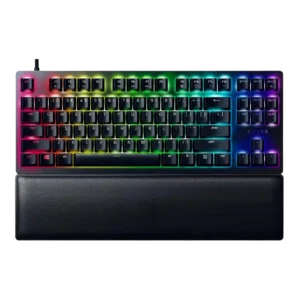
Wireless performance effectively scored poorly because reviewers repeatedly noted the keyboard is not wireless.
Pros: key responsiveness, frame rigidity
Cons: analog input support, wireless performance
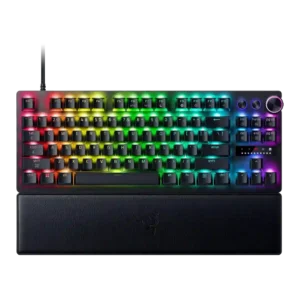
Wireless performance is effectively absent because multiple reviewers explicitly note no wireless connectivity or fully wired operation.
Pros: layout options, key responsiveness
Cons: wireless performance, passthrough features
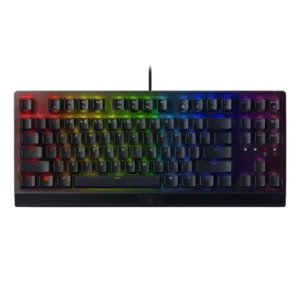
Wireless performance is effectively absent on the standard V3, with evidence that it lacks the Pro model's wireless and Bluetooth capabilities.
Pros: latency, per-key lighting control
Cons: hot-swappable switches, wireless performance
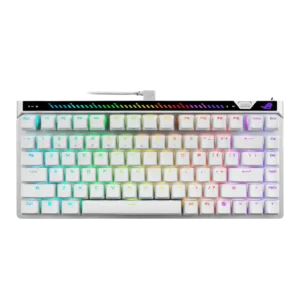
Wireless performance is poor because the product is described as having no wireless operation.
Pros: gaming performance, latency
Cons: battery life, analog input support
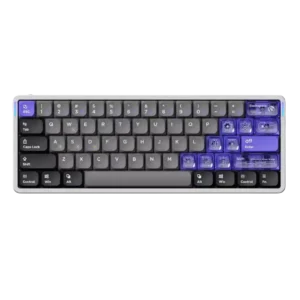
Wireless performance is effectively absent; reviewers repeatedly described the Air60 HE as wired-only and criticized the missing wireless option.
Pros: gaming performance, polling rate
Cons: wireless performance, battery life
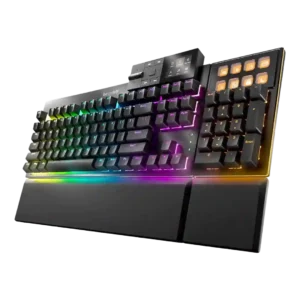
Wireless performance is essentially nonexistent because the keyboard lacks wireless capability and is wired only.
Pros: acoustics, noise level
Cons: rapid trigger support, analog input support
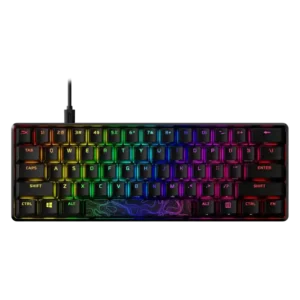
Wireless performance scores poorly because the reviewed models are wired and reviewers noted no Wi-Fi or Bluetooth support.
Pros: frame rigidity, materials quality
Cons: wireless performance, hot-swappable switches