Best for customization options
Corsair K100 RGB
5.0 feature score
Highest scored product for this feature based on supporting review evidence.
Highest scored product for this feature based on supporting review evidence.
Balances feature score, supporting reviews, and overall product strength.
Has the broadest review evidence for this feature.
Strongest overall product among items with scored evidence for this feature.
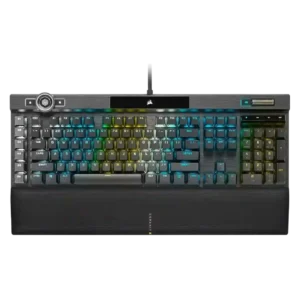
Multiple reviews emphasize deep remapping, lighting, macro, and control-wheel customization, even if setup can take effort.
Pros: key responsiveness, latency
Cons: hot-swappable switches, ease of switch replacement
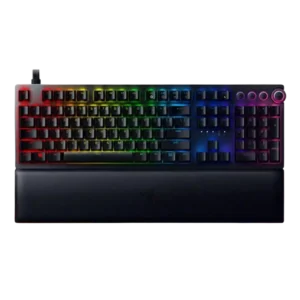
Customization is a major strength, with reviewers highlighting actuation tuning, remapping, dual-stage inputs, and broad software control.
Pros: RGB customization, frame rigidity
Cons: portability, legend visibility
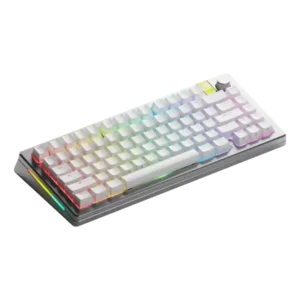
The product's defining strength is deep customization, with reviews repeatedly describing it as exceptionally customizable.
Pros: polling rate, rapid trigger support
Cons: reliability, portability
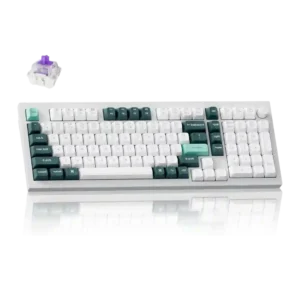
Per-key actuation tuning, multi-action keys, RGB control, and profile options make customization one of the keyboard’s clearest strengths.
Pros: frame rigidity, customization options
Cons: portability, switch options
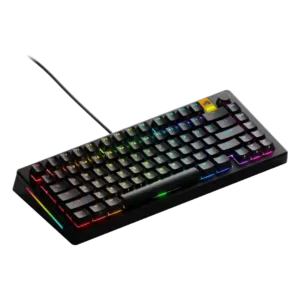
Customization is the core selling point, with multiple reviewers highlighting Boardsmith, huge part selection, and broad hardware and software tuning.
Pros: customization options, hot-swappable switches
Cons: value for money, desk space efficiency
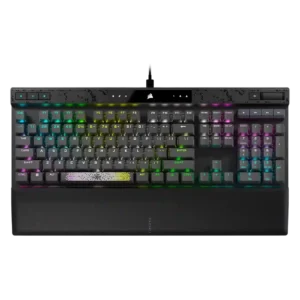
Customization is a major strength, with extensive remapping and broad per-key adjustment options repeatedly highlighted.
Pros: per-key lighting control, polling rate
Cons: passthrough features, wireless performance
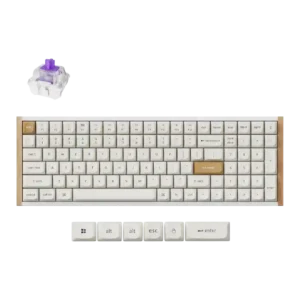
The K4 HE offers unusually deep customization in the evidence, especially around per-key actuation, remapping, and gaming settings.
Pros: durability, customization options
Cons: per-key lighting control, backlight brightness
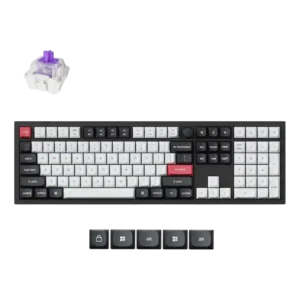
Customization is a major strength, with repeated mentions of actuation tuning, remapping, macros, and lighting controls.
Pros: key responsiveness, key stability
Cons: portability, switch options
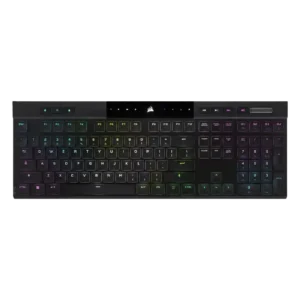
The K100 AIR offers extensive remapping, lighting, and software-driven customization across multiple reviews.
Pros: polling rate, RGB customization
Cons: hot-swappable switches, wrist rest quality
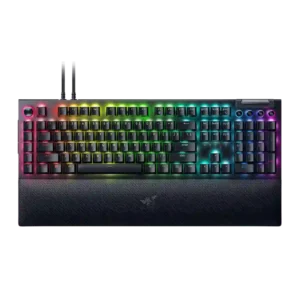
Overall customization is exceptional, especially around key remapping, dial modes, lighting, and workflow tuning.
Pros: latency, customization options
Cons: hot-swappable switches, portability
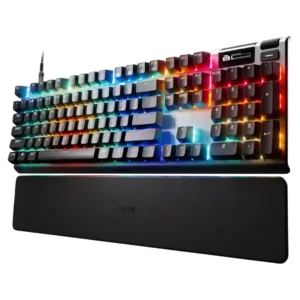
Customization is extensive, with reviewers citing deep per-key tuning, presets, profiles, RGB controls, and enthusiast-level adjustment options.
Pros: legend visibility, frame rigidity
Cons: passthrough features, analog input support
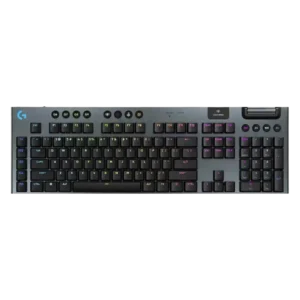
Customization depth stands out thanks to extensive remapping, layered functions, and broad software control over keys and actions.
Pros: customization options, latency
Cons: wrist rest quality, hot-swappable switches
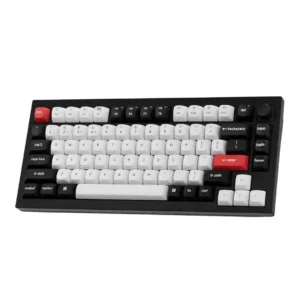
Customization is one of the keyboard’s biggest selling points, covering keymaps, actuation, lighting, macros, and Hall Effect behavior in unusual depth.
Pros: build quality, frame rigidity
Cons: portability, wrist rest quality
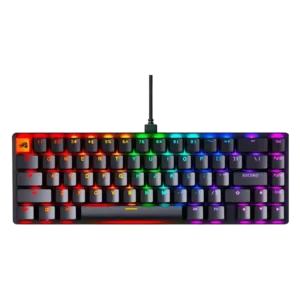
Customization is one of the keyboard’s biggest strengths, spanning switches, keycaps, lighting, and broader build choices.
Pros: frame rigidity, durability
Cons: actuation consistency
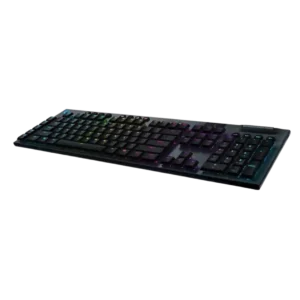
Beyond RGB alone, reviewers describe a deep overall customization stack covering effects, key assignments, macros, and presets.
Pros: RGB customization, build quality
Cons: passthrough features, wrist rest quality
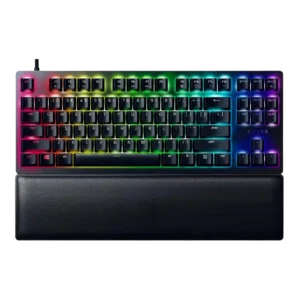
Beyond lighting, the keyboard offers broad customization through programmable keys and adjustable performance settings.
Pros: frame rigidity, per-key lighting control
Cons: analog input support, wireless performance
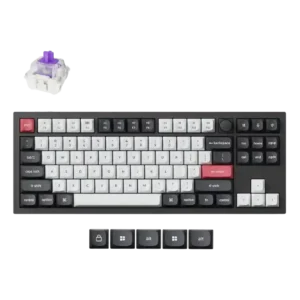
Customization breadth is one of the board's biggest advantages, spanning actuation tuning, remapping, macros, lighting, and broader software-side personalization.
Pros: rapid trigger support, build quality
Cons: portability, switch options
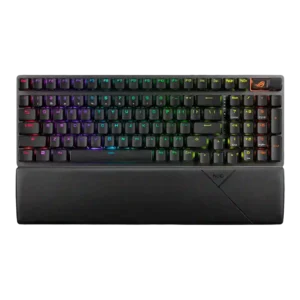
Customization is one of the board’s strongest areas, spanning hot-swap support, remapping, lighting, and wheel functions.
Pros: polling rate, battery life
Cons: backlight brightness, legend visibility
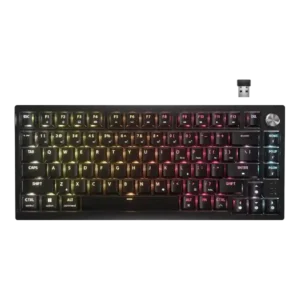
Customization is extensive, covering hot-swap hardware changes, remapping, lighting, and other programmable behaviors.
Pros: hot-swappable switches, connectivity
Cons: wrist rest quality, switch options
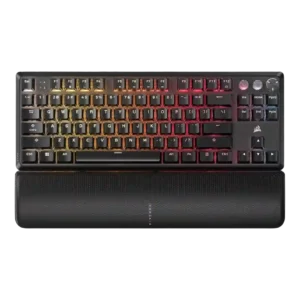
Overall customization is one of the board’s clearest strengths, spanning lighting, macros, key behavior, and saved presets.
Pros: key responsiveness, onboard memory
Cons: hot-swappable switches, ease of switch replacement

Reviewers consistently say the GX87 is easy to customize, thanks to straightforward disassembly and mod-friendly design, with one video also mentioning swappable top colors.
Pros: durability, hot-swappable switches
Cons: portability, switch options
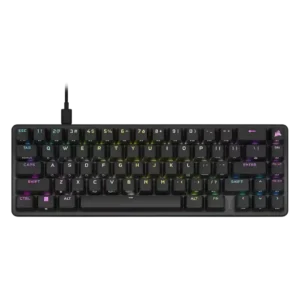
iCUE and onboard controls give the board deep control over lighting, key assignments, macros, and performance settings.
Pros: profile management, onboard memory
Cons: hot-swappable switches, wrist rest quality
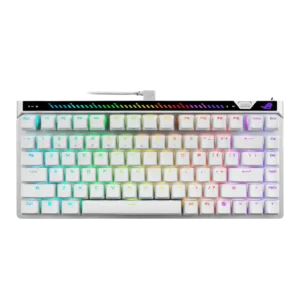
Customization is a major strength, with reviewers praising easy tuning for actuation, rapid trigger, mappings, and other settings.
Pros: latency, actuation consistency
Cons: analog input support, wrist rest quality
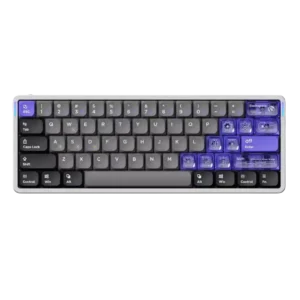
The browser-based configurator gives users broad control over remaps, actuation, layers, and gaming behaviors.
Pros: polling rate, rapid trigger support
Cons: legend visibility, layout options
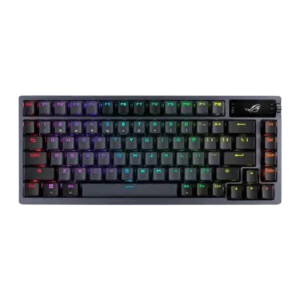
Customization is broad, covering key remaps, macros, OLED content, lighting, profiles, and mod-friendly hardware touches.
Pros: hot-swappable switches, gaming performance
Cons: passthrough features, wrist rest quality
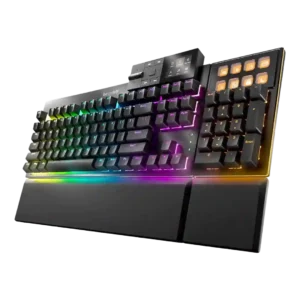
Modularity, lighting, remapping, and attachment placement give the Dark Mount unusually deep customization.
Pros: sound dampening, noise level
Cons: rapid trigger support, analog input support
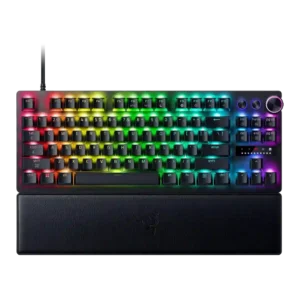
Customization is one of the strongest recurring themes, spanning actuation depth, per-key tuning, profiles, onboard controls, and game-specific behavior.
Pros: gaming performance, latency
Cons: passthrough features, hot-swappable switches
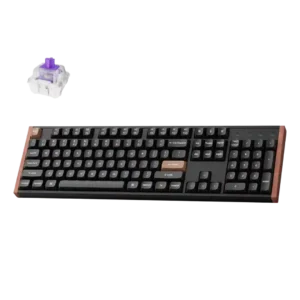
Reviews repeatedly highlight adjustable actuation, per-key tuning, remapping, and other configuration depth as major strengths.
Pros: key responsiveness, latency
Cons: switch options, desk space efficiency
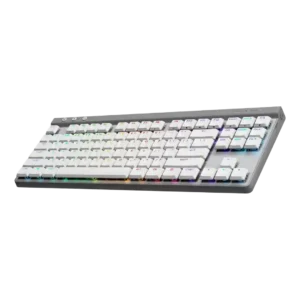
Customization is a major strength, with G Hub and KEYCONTROL providing deep remapping, layering, and setup flexibility beyond basic lighting tweaks.
Pros: macro customization, customization options
Cons: rapid trigger support, passthrough features
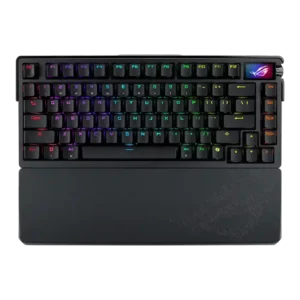
Reviews emphasize deep customization via key remapping, OLED tweaks, macros, lighting sync, and the adjustable gasket system.
Pros: build quality, frame rigidity
Cons: rapid trigger support, analog input support
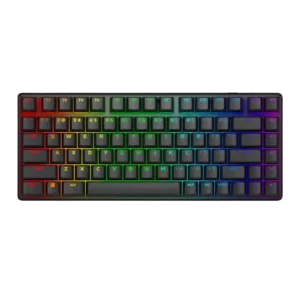
Reviewers say the keyboard is highly customizable through software and switch or keycap support.
Pros: frame rigidity, materials quality
Cons: wrist rest quality, rapid trigger support
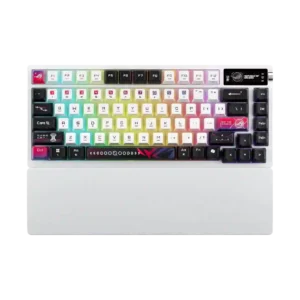
Reviews highlight easy customization via software, the OLED controls, and accessible internals or hot-swap design.
Pros: connectivity, wireless performance
Cons: rapid trigger support, analog input support
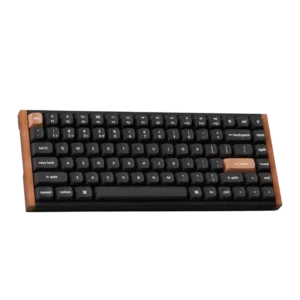
Customization is one of the board’s biggest advantages, especially per-key actuation control and broader remapping or tuning options.
Pros: rapid trigger support, switch feel
Cons: switch options, portability
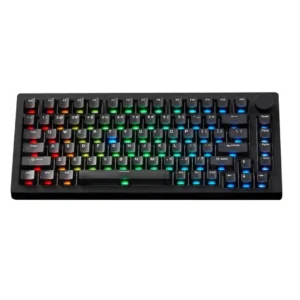
Customization is one of the strongest themes: reviewers cite included accessories, VIA/web software, rapid disassembly, switch/keycap changes, lighting, remapping, and internal modding access.
Pros: switch options, extra gaming features
Cons: portability, key spacing
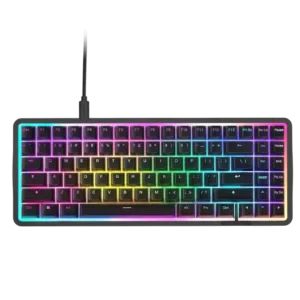
Customization options are extensive, covering actuation points, sensitivity, remapping, lighting, macros, and performance presets.
Pros: polling rate, sound dampening
Cons: passthrough features, wireless performance
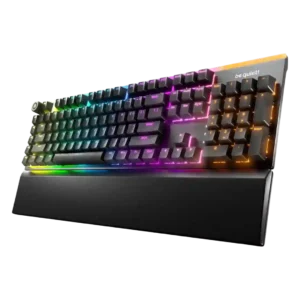
Reviews repeatedly mention deep control over lighting, remapping, macros, and software settings.
Pros: acoustics, sound dampening
Cons: rapid trigger support, analog input support
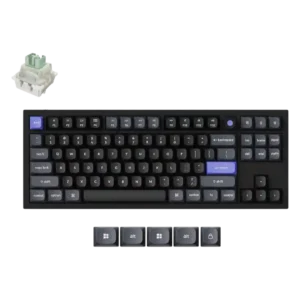
Both direct reviews emphasize deep tuning, from web-based controls to per-key behavior changes and actuation setup.
Pros: polling rate, extra gaming features
Cons: portability, switch options
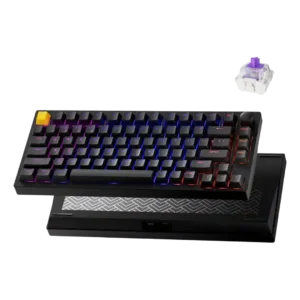
The keyboard offers deep customization through actuation tuning, remapping, macros, RGB settings, and other Hall-effect controls.
Pros: extra gaming features, rapid trigger support
Cons: per-key lighting control, layout options
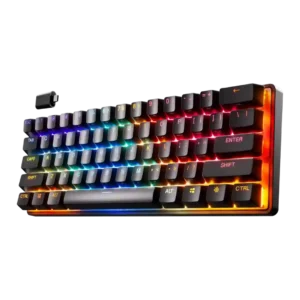
Customization is one of the board’s biggest strengths, with repeated mentions of remapping, actuation tuning, lighting changes, dual bindings, and deep software control.
Pros: switch options, latency
Cons: hot-swappable switches, ease of switch replacement
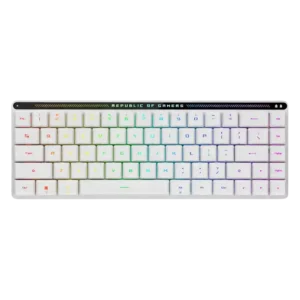
Customization options are broad in the review set, covering key remapping, RGB changes, profile setup, and other function reassignment.
Pros: noise level, battery life
Cons: wrist rest quality, hot-swappable switches
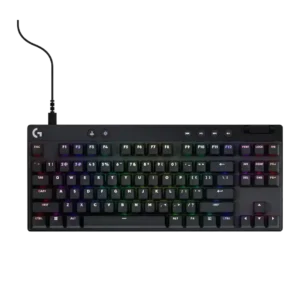
Customization is one of the line's biggest strengths. Reviews repeatedly praise G Hub, layered controls, app integrations, and extensive remapping, even when setup depth adds complexity.
Pros: analog input support, latency
Cons: sound dampening, value for money
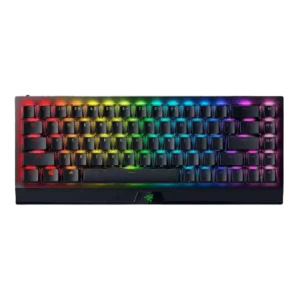
Reviewers consistently highlight broad customization for keys, layers, macros, and lighting, especially through Synapse and HyperShift.
Pros: desk space efficiency, frame rigidity
Cons: passthrough features, stabilizer quality
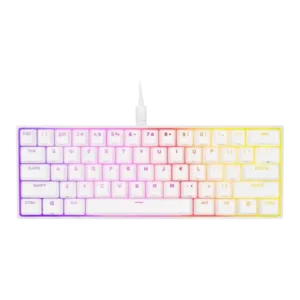
Reviews consistently highlight extensive lighting, remapping, layer, and onboard customization, with hardware-level controls being a recurring strength.
Pros: desk space efficiency, portability
Cons: wrist rest quality, hot-swappable switches
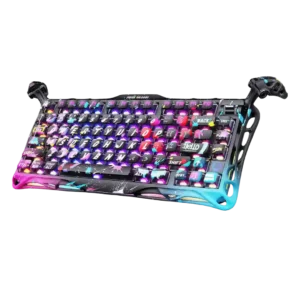
Customization is broad, especially around actuation, rapid trigger, lighting, remapping, profiles, and Hall effect features through the web-based driver.
Pros: rapid trigger support, ease of switch replacement
Cons: wireless performance, connectivity
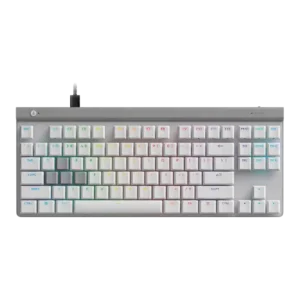
Customization is one of the keyboard's headline strengths, with repeated praise for per-key actuation tuning, remapping, multi-action inputs, and broader key personalization.
Pros: latency, gaming performance
Cons: wireless performance, media controls
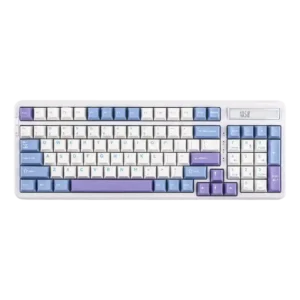
Reviewers say users can remap keys, change lighting, record macros, and otherwise tailor the board with little friction.
Pros: hot-swappable switches, ease of switch replacement
Cons: key spacing, legend visibility
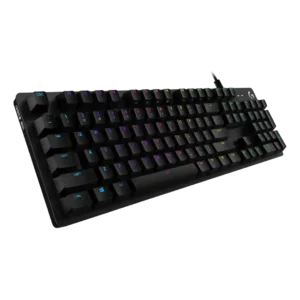
Customization goes beyond simple RGB toggles. Reviews mention zones, presets, effects, and broader software-based tweaking.
Pros: key responsiveness, typing feel
Cons: wrist rest quality, portability
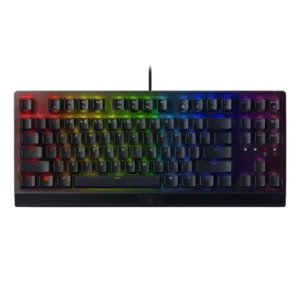
Broader customization is one of the keyboard’s strengths. Reviews mention remapping, secondary functions, lighting changes, and deeper software control.
Pros: key responsiveness, latency
Cons: hot-swappable switches, passthrough features
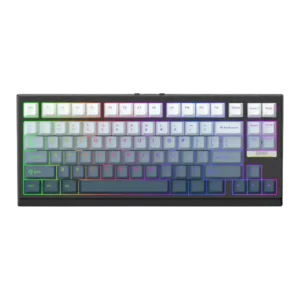
Customization was a major theme, including actuation adjustment, software controls, macros, lighting settings, VIA/QMK-style remapping, and key assignment flexibility.
Pros: polling rate, desk space efficiency
Cons: media controls
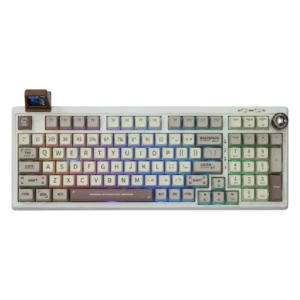
Beyond switches and colorways, reviewers consistently highlight the RT100 as a highly customizable board, especially around the screen, lighting, and mapping.
Pros: key responsiveness, latency
Cons: actuation consistency, rapid trigger support