Best for latency
Razer BlackWidow V4 Pro
5.0 feature score
Highest scored product for this feature based on supporting review evidence.
Highest scored product for this feature based on supporting review evidence.
Balances feature score, supporting reviews, and overall product strength.
Has the broadest review evidence for this feature.
Strongest overall product among items with scored evidence for this feature.
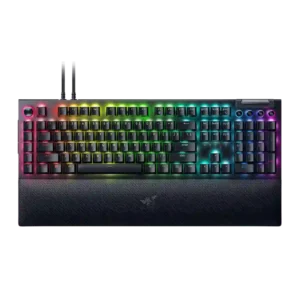
Latency is treated as a major strength in the wired full-size model, with reviewers reporting zero lag or low-latency behavior during gaming.
Pros: latency, RGB customization
Cons: battery life, size and form factor
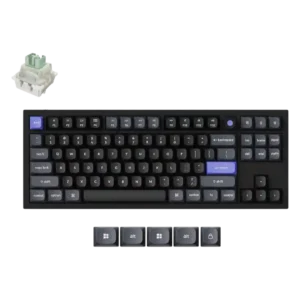
Latency evidence is very strong, with reviews pointing to ultra-low-latency sensing and competitive-play tuning.
Pros: latency, polling rate
Cons: portability, switch options
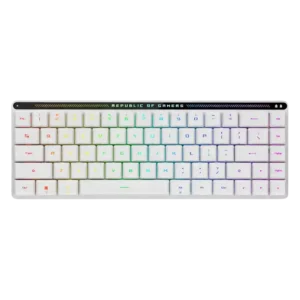
Latency evidence was very strong in wireless and wired use, with reviewers reporting no perceivable input delay and low-latency performance.
Pros: latency, reliability
Cons: rapid trigger support, wrist rest quality
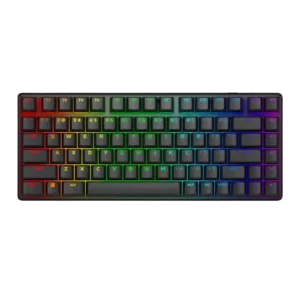
Latency was praised, with reviewers reporting no noticeable lag over 2.4GHz or wired use.
Pros: backlight brightness, latency
Cons: rapid trigger support, wrist rest quality
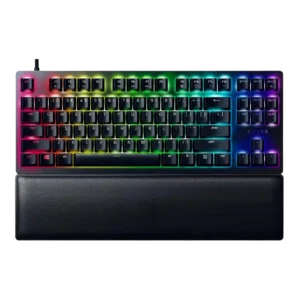
Latency was consistently framed as extremely low, with reviewers citing 0.2ms or similarly tiny latency figures, though practical gains were sometimes hard to feel.
Pros: key responsiveness, frame rigidity
Cons: analog input support, wireless performance
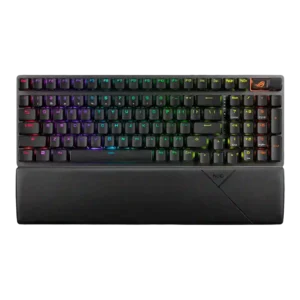
Latency evidence was very strong in 2.4GHz mode, with reviewers citing sub-millisecond claims, no perceivable lag, and strong wireless gaming results.
Pros: latency, battery life
Cons: rapid trigger support, software quality
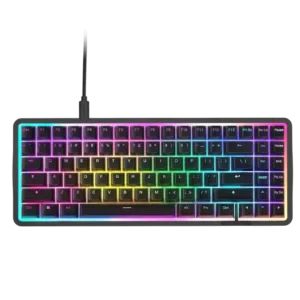
Latency feedback is strongly positive, with reviewers describing near-zero or nearly no latency during typing and gaming.
Pros: polling rate, sound dampening
Cons: passthrough features, wireless performance
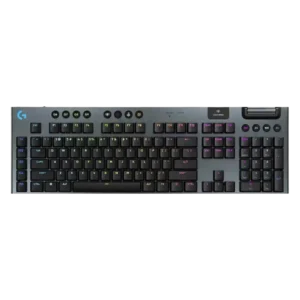
Latency is a major strength: reviewers describe no noticeable lag, near-wired behavior, and strong Lightspeed responsiveness in gaming.
Pros: stabilizer quality, frame rigidity
Cons: hot-swappable switches, ease of switch replacement
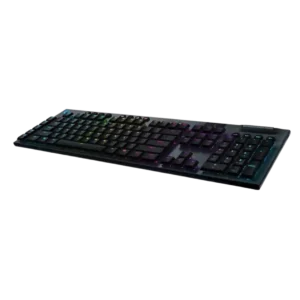
Latency is a major strength: reviewers repeatedly describe 1ms or imperceptible lag behavior, especially over Lightspeed.
Pros: polling rate, key responsiveness
Cons: passthrough features, wrist rest quality
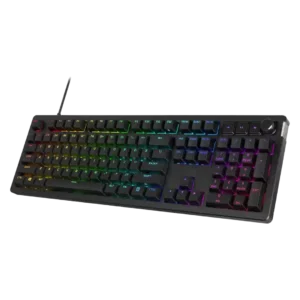
Latency was strong in the wired high-polling model and wireless reviews that found no noticeable input delay.
Pros: legend visibility, materials quality
Cons: wrist rest quality, ease of switch replacement
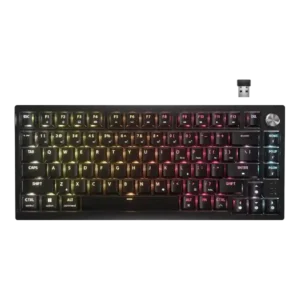
Wireless and wired input latency was reported as low, with reviewers noting lag-free use and no noticeable delay.
Pros: hot-swappable switches, connectivity
Cons: rapid trigger support, legend visibility
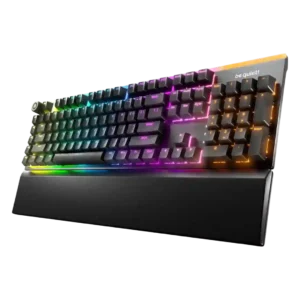
Latency impressions are positive for mainstream gaming, including explicit comments about no noticeable input delay.
Pros: key stability, noise level
Cons: rapid trigger support, analog input support
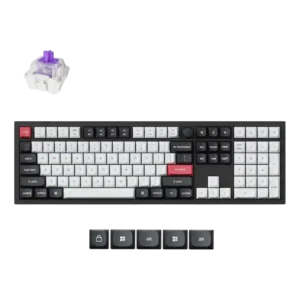
Wired testing produced no noticeable lag in the cited review, supporting a high latency score.
Pros: key stability, frame rigidity
Cons: portability, switch options
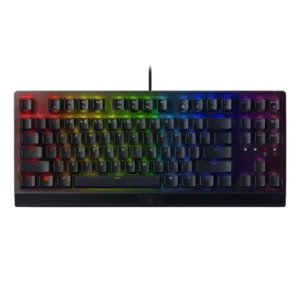
The available latency evidence is strongly positive, describing the BlackWidow V3 as remarkably low-latency for fast gaming input.
Pros: latency, per-key lighting control
Cons: hot-swappable switches, wireless performance
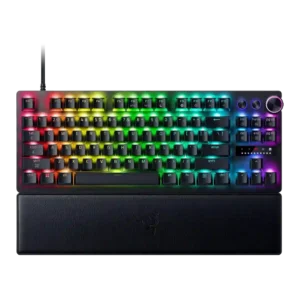
Latency is praised most strongly on the 8K models, while the standard 1,000Hz versions are still described as very fast in real-world play.
Pros: layout options, key responsiveness
Cons: wireless performance, passthrough features
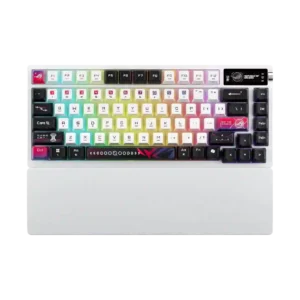
Latency evidence was positive, especially for SpeedNova and 2.4GHz wireless, with reviewers noting no lag or ultra-low-latency behavior.
Pros: battery life, hot-swappable switches
Cons: rapid trigger support, analog input support
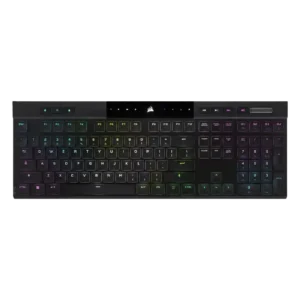
Latency is strong over Slipstream or wired modes, with reviewers describing sub-1ms behavior, ultra-low latency, and near-wired responsiveness.
Pros: extra gaming features, onboard memory
Cons: hot-swappable switches, ease of switch replacement
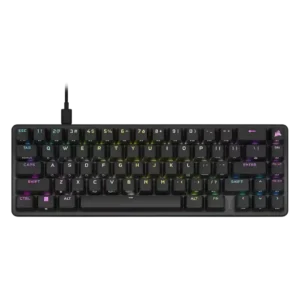
Latency evidence is favorable, driven by USB-C wired use, low-latency comments, and the high polling-rate implementation.
Pros: profile management, durability
Cons: wireless performance, analog input support
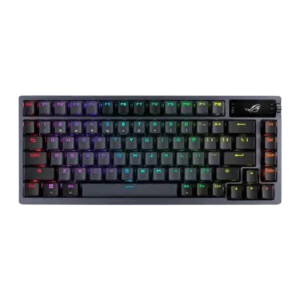
Latency is repeatedly praised, with reviews reporting no noticeable delay and test-based references to very low 2.4GHz latency.
Pros: hot-swappable switches, connectivity
Cons: passthrough features, wrist rest quality
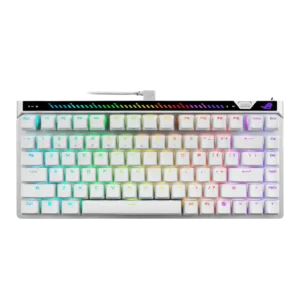
Latency is treated as excellent because the wired connection is described as latency-free or without noticeable delay.
Pros: gaming performance, latency
Cons: battery life, analog input support
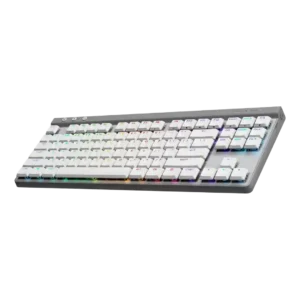
Latency was a standout strength over Lightspeed, with reviewers repeatedly reporting no noticeable lag, no missed inputs, or wired-like response.
Pros: macro customization, latency
Cons: hot-swappable switches, passthrough features
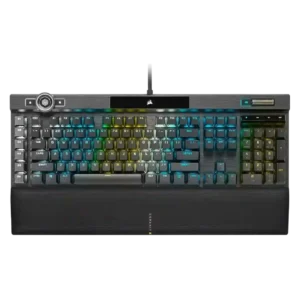
Latency evidence is strongly positive, with reviewers pointing to sub-millisecond input claims, optical signaling, and instantaneous-feeling response.
Pros: frame rigidity, key stability
Cons: analog input support, hot-swappable switches
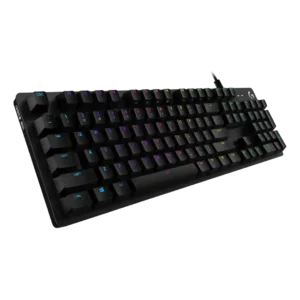
Latency-related comments were favorable, with reviews pointing to 1ms response/report language and short actuation distance as gaming advantages.
Pros: key spacing, per-key lighting control
Cons: wrist rest quality, reliability
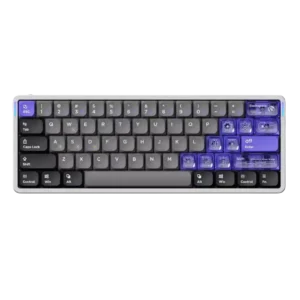
Latency impressions were very positive, helped by wired USB-C and high polling, with reviewers saying delay was negligible or competitive with other Hall Effect boards.
Pros: gaming performance, polling rate
Cons: wireless performance, battery life
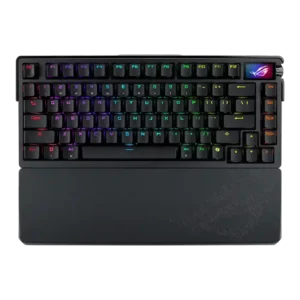
Latency evidence is strongly positive, with reviewers noting no noticeable lag, very fast reporting, and improved gaming reaction feel.
Pros: typing comfort, wireless performance
Cons: rapid trigger support, analog input support
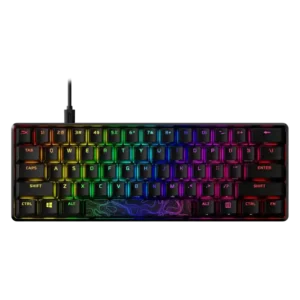
Measured and perceived latency was strong, with reviewers reporting very low or undetectable latency suitable for fast-paced gaming.
Pros: frame rigidity, materials quality
Cons: wireless performance, hot-swappable switches
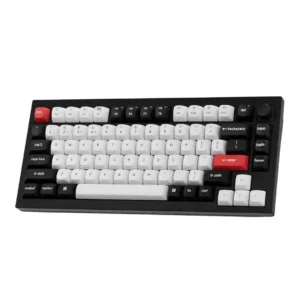
Latency impressions are strong in wired and 2.4GHz modes, while Bluetooth is treated as the slower connection.
Pros: frame rigidity, build quality
Cons: portability, per-key lighting control
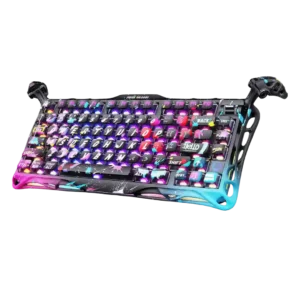
Latency is a strength across reviews, with no input lag noted and one measured result around 1.167 ms.
Pros: switch feel, key responsiveness
Cons: wireless performance, connectivity
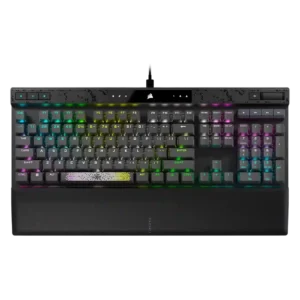
Latency evidence was positive overall, especially where reviewers linked AXON, 8,000Hz polling, and actuation tuning to lower-lag or faster input behavior.
Pros: frame rigidity, actuation consistency
Cons: passthrough features, wireless performance
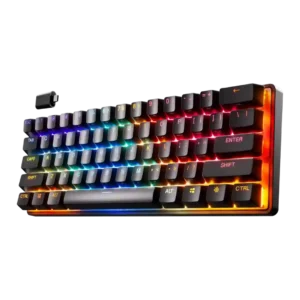
Latency is viewed favorably, especially in wireless mode where reviewers report no added lag and very fast response.
Pros: wireless performance, latency
Cons: wrist rest quality, hot-swappable switches
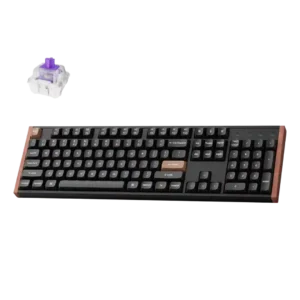
Latency evidence was strong, with low-latency sensors and no loss of performance when plugged in.
Pros: extra gaming features, sound dampening
Cons: desk space efficiency, portability
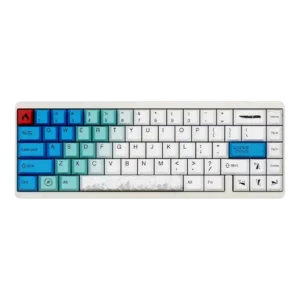
Latency evidence is positive, with the written review reporting no noticeable input lag during testing.
Pros: materials quality, polling rate
Cons: portability, software quality
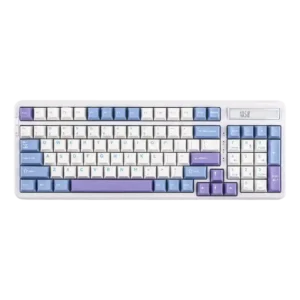
Latency is strong in 2.4GHz and wired modes, with low-latency wireless and minimal-latency wired performance cited; Bluetooth is a slight caveat.
Pros: polling rate, hot-swappable switches
Cons: key spacing, switch options
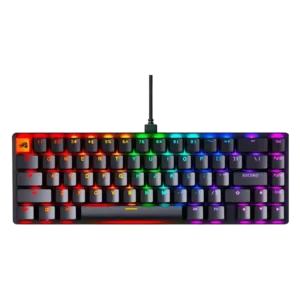
Latency support is a clear strength, with multiple reviews citing low-latency performance and adjustable settings down to 2ms.
Pros: hot-swappable switches, typing feel
Cons: wrist rest quality, actuation consistency
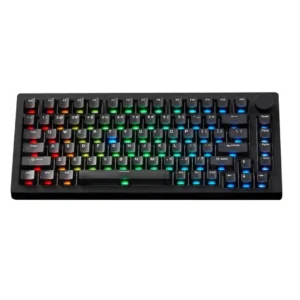
Latency impressions are positive, with reviewers citing no obvious performance issues, competitive test results, and acceptable latency across modes.
Pros: switch options, extra gaming features
Cons: portability
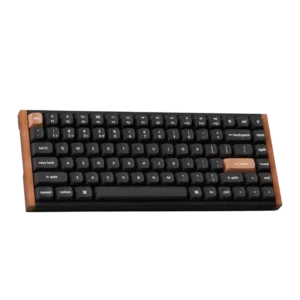
Gaming latency impressions were positive in the available evidence, with one reviewer reporting no noticeable lag during gaming.
Pros: rapid trigger support, switch feel
Cons: per-key lighting control, switch options
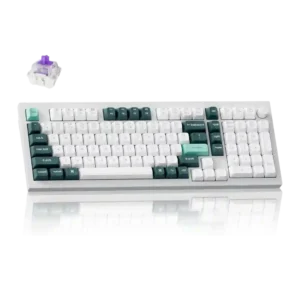
Latency is viewed as good in real use, with reviewers reporting lag-free or no-noticeable input lag, but not class-leading against the fastest HE competitors.
Pros: build quality, frame rigidity
Cons: portability, switch options
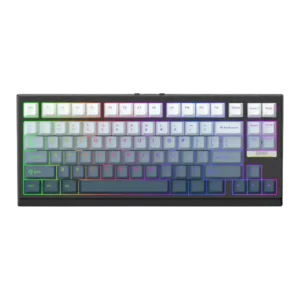
Latency evidence is favorable in wired and 2.4GHz modes, with Bluetooth identified as slower but still available.
Pros: polling rate, ease of switch replacement
Cons: wrist rest quality, media controls
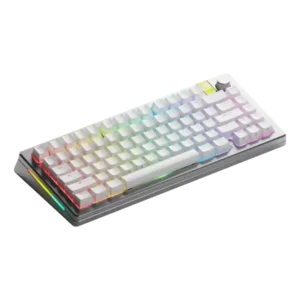
Latency control and low-latency settings are strong on wired mode, with reviewers noting adjustable input latency and low millisecond options.
Pros: size and form factor, customization options
Cons: passthrough features, portability
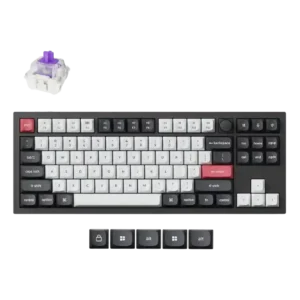
Latency impressions were positive in testing, especially over wired and 2.4GHz modes, with no input lag noted by one reviewer.
Pros: rapid trigger support, typing feel
Cons: switch options, portability
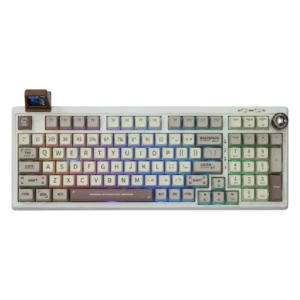
Latency is strong on 2.4GHz and wired modes, while Bluetooth can show noticeable gaming latency in at least one review.
Pros: noise level, hot-swappable switches
Cons: rapid trigger support, legend visibility
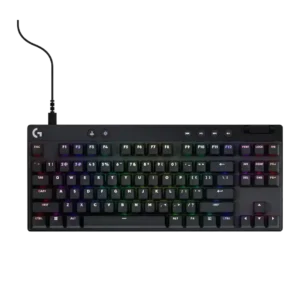
Latency is praised on Lightspeed wireless models, with reviewers describing low-latency behavior and instant-feeling responses compared with Bluetooth or wired expectations.
Pros: analog input support, frame rigidity
Cons: wrist rest quality, stabilizer quality

Latency is generally strong for a mechanical board, helped by 1,000Hz polling and an ultra-low latency mode, though it is not framed as a Hall Effect esports board.
Pros: hot-swappable switches, frame rigidity
Cons: portability, cable quality
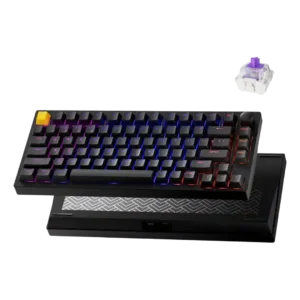
Latency was rated positively: one reviewer noticed no input lag, while another said measured latency should be enough for most people.
Pros: desk space efficiency, connectivity
Cons: per-key lighting control, layout options
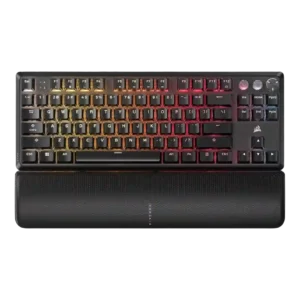
Latency was rated highly on paper and in several reviews, although some reviewers considered the real-world gains from ultra-low latency hard to perceive.
Pros: onboard memory, rapid trigger support
Cons: passthrough features, wireless performance
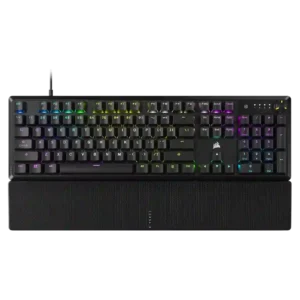
Latency is treated as solid for a wired keyboard, with reviewers calling speed good and input lag unlikely to be a practical concern.
Pros: per-key lighting control, RGB customization
Cons: analog input support, hot-swappable switches
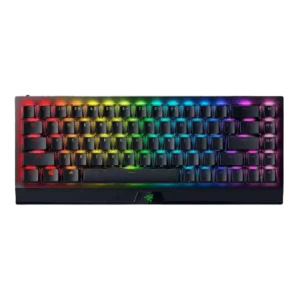
Latency feedback was mostly positive over HyperSpeed or wired connections, though Bluetooth and rare wireless interference created caveats in a few reviews.
Pros: per-key lighting control, gaming performance
Cons: passthrough features, stabilizer quality
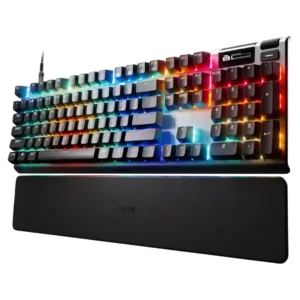
Latency evidence was mostly positive in wired use, with measured low latency and no-delay impressions, while Bluetooth was called a poor competitive option in one review.
Pros: customization options, sound dampening
Cons: passthrough features, ease of switch replacement
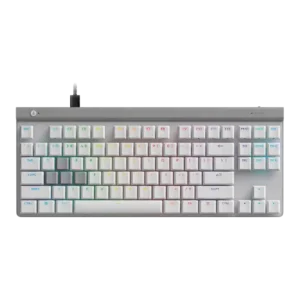
Latency evidence was mixed: the wired connection was praised for zero-latency consistency, while one review noted the lack of 8K polling limits latency potential.
Pros: sound dampening, key responsiveness
Cons: wireless performance, volume control
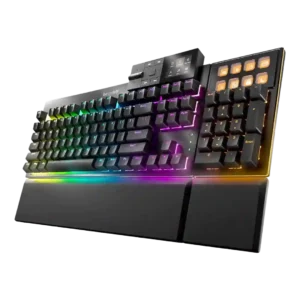
Latency-like response is viewed positively in practical use, with reviewers reporting sharp, quick, and consistent response rather than measured low-latency results.
Pros: acoustics, noise level
Cons: rapid trigger support, analog input support