Best for onboard memory
Corsair K100 RGB
5.0 feature score
Highest scored product for this feature based on supporting review evidence.
Highest scored product for this feature based on supporting review evidence.
Balances feature score, supporting reviews, and overall product strength.
Has the broadest review evidence for this feature.
Strongest overall product among items with scored evidence for this feature.
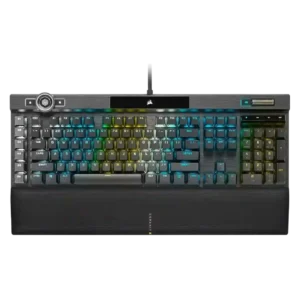
Onboard storage is repeatedly praised for holding many profiles or lighting layers.
Pros: key responsiveness, latency
Cons: hot-swappable switches, ease of switch replacement
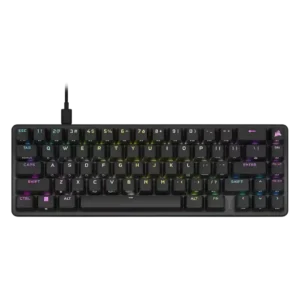
Onboard storage and profile capacity are a major strength, with up to 50 profiles repeatedly cited.
Pros: profile management, onboard memory
Cons: hot-swappable switches, wrist rest quality
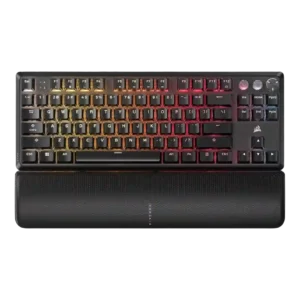
Onboard memory is a standout feature, with repeated praise for the large profile count and hardware storage capacity.
Pros: key responsiveness, onboard memory
Cons: hot-swappable switches, ease of switch replacement
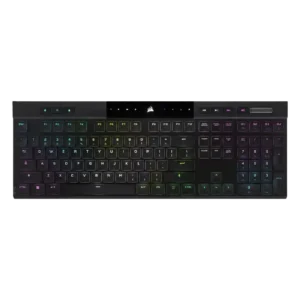
Onboard storage is a strength, with support for many saved profiles and hardware-side customization.
Pros: polling rate, RGB customization
Cons: hot-swappable switches, wrist rest quality
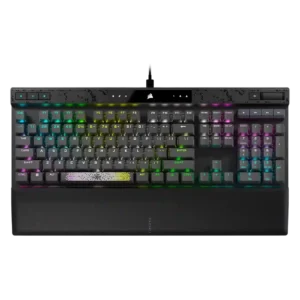
Onboard memory is a recurring positive, with 8MB storage and large profile capacity repeatedly cited.
Pros: per-key lighting control, polling rate
Cons: passthrough features, wireless performance
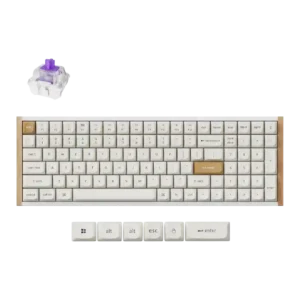
Reviews confirm onboard memory for saving settings or profiles on the keyboard itself.
Pros: durability, customization options
Cons: per-key lighting control, backlight brightness
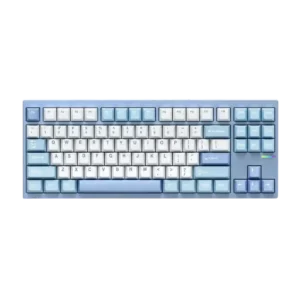
Customizations are explicitly described as being stored on the keyboard itself.
Pros: durability, hot-swappable switches
Cons: portability, switch options
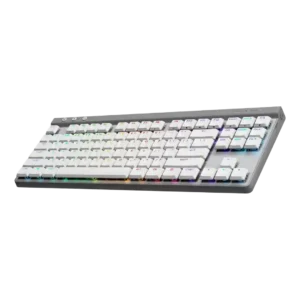
Onboard or built-in memory is confirmed for storing settings, profiles, or lighting when moving between systems.
Pros: macro customization, customization options
Cons: rapid trigger support, passthrough features
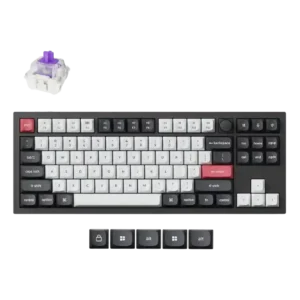
One review explicitly mentions onboard memory that stores up to three saved profiles.
Pros: rapid trigger support, build quality
Cons: portability, switch options
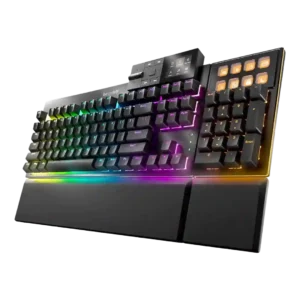
Profiles and settings can be stored on the keyboard, reducing reliance on active software.
Pros: sound dampening, noise level
Cons: rapid trigger support, analog input support
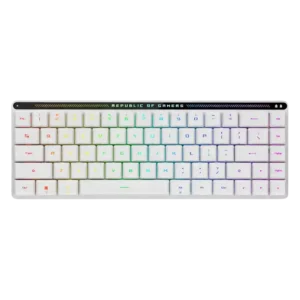
Onboard memory is a positive where mentioned, with several reviews specifically referencing built-in profile storage.
Pros: noise level, battery life
Cons: wrist rest quality, hot-swappable switches
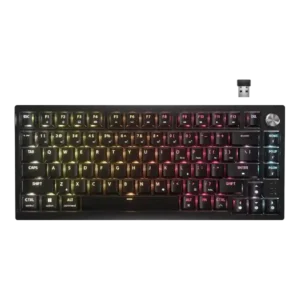
Onboard memory is useful, with reviewers noting stored settings and space for multiple saved profiles.
Pros: hot-swappable switches, connectivity
Cons: wrist rest quality, switch options
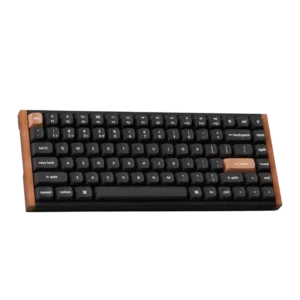
The keyboard retains settings internally in the scored evidence, including mappings or profiles that persist across devices.
Pros: rapid trigger support, switch feel
Cons: switch options, portability
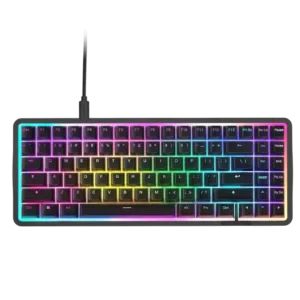
Onboard memory is a positive, with reviews reporting four or five onboard/custom profiles for work and gaming setups.
Pros: polling rate, sound dampening
Cons: passthrough features, wireless performance
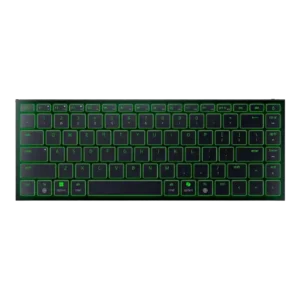
The keyboard supports saving changes on the board itself, which helps retain profiles and custom behavior without constant software reliance.
Pros: compatibility, portability
Cons: per-key lighting control, sound dampening
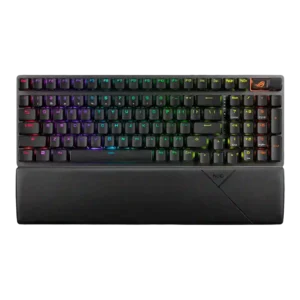
Onboard memory is a real plus, allowing multiple profiles to be saved directly to the keyboard.
Pros: polling rate, battery life
Cons: backlight brightness, legend visibility
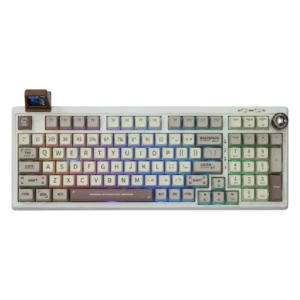
One review explicitly says remaps and macros can be stored to onboard memory.
Pros: key responsiveness, latency
Cons: actuation consistency, rapid trigger support
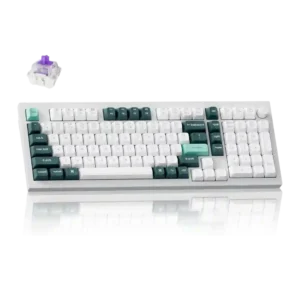
At least one review says those profiles can be stored on the keyboard’s internal memory.
Pros: frame rigidity, customization options
Cons: portability, switch options
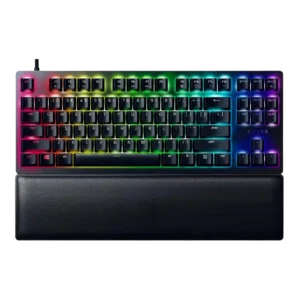
At least one review confirms onboard profile storage, with up to five profiles available to travel with the keyboard.
Pros: frame rigidity, per-key lighting control
Cons: analog input support, wireless performance
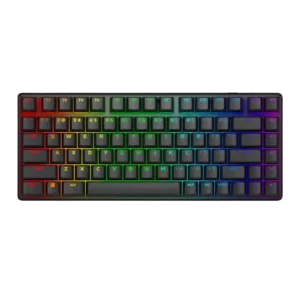
Onboard memory supports stored settings or profiles that can travel with the keyboard.
Pros: frame rigidity, materials quality
Cons: wrist rest quality, rapid trigger support
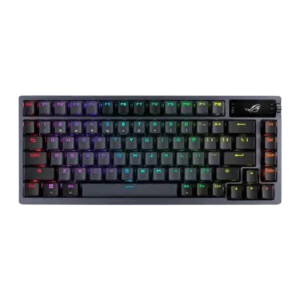
Onboard profile storage is a real advantage, letting users keep multiple saved configurations on the keyboard itself.
Pros: hot-swappable switches, gaming performance
Cons: passthrough features, wrist rest quality
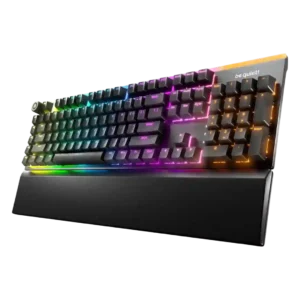
Reviews mention saved onboard profiles or lighting memory that can be edited from the browser or keyboard software.
Pros: acoustics, sound dampening
Cons: rapid trigger support, analog input support
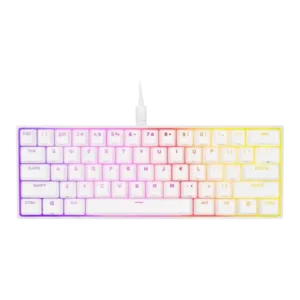
The onboard memory is repeatedly praised for storing profiles, lighting, macros, and assignments directly on the board.
Pros: desk space efficiency, portability
Cons: wrist rest quality, hot-swappable switches
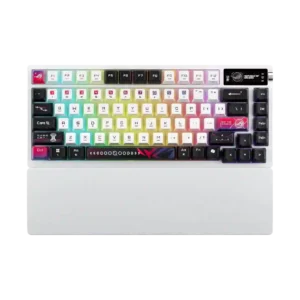
One review explicitly notes onboard memory for saving settings without leaving software open.
Pros: connectivity, wireless performance
Cons: rapid trigger support, analog input support
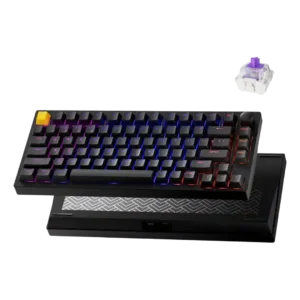
One review explicitly mentions three profiles saved in the keyboard's internal memory.
Pros: extra gaming features, rapid trigger support
Cons: per-key lighting control, layout options
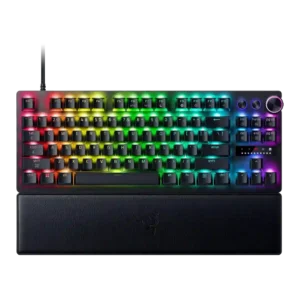
Onboard memory is positively covered where discussed, making saved profiles and settings practical without always relying on software.
Pros: gaming performance, latency
Cons: passthrough features, hot-swappable switches
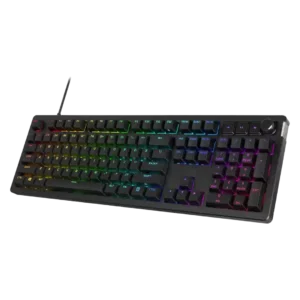
Onboard memory and profile storage were well supported, with reviewers noting saved configurations and multiple profiles on the keyboard.
Pros: legend visibility, materials quality
Cons: wrist rest quality, ease of switch replacement
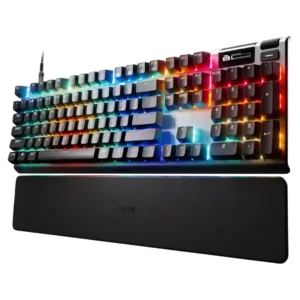
Onboard memory and hardware-stored presets are a real convenience, allowing profiles or settings to travel with the keyboard without constant software reliance.
Pros: legend visibility, frame rigidity
Cons: passthrough features, analog input support
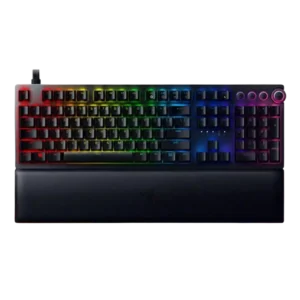
Reviews confirm onboard storage for several profiles, which helps carry settings between systems, even if RGB behavior can still be limited.
Pros: RGB customization, frame rigidity
Cons: portability, legend visibility
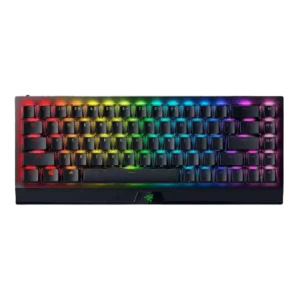
The keyboard stores multiple profiles locally, but onboard use can be less obvious or more limited than the software experience.
Pros: desk space efficiency, frame rigidity
Cons: passthrough features, stabilizer quality
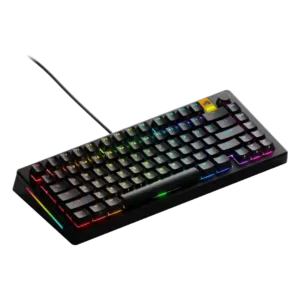
Reviews mention up to three saved onboard profiles that can be switched from the keyboard.
Pros: customization options, hot-swappable switches
Cons: value for money, desk space efficiency
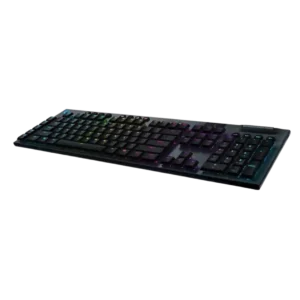
Onboard memory is present for saving profiles or settings directly to the keyboard, reducing dependence on software after setup.
Pros: RGB customization, build quality
Cons: passthrough features, wrist rest quality
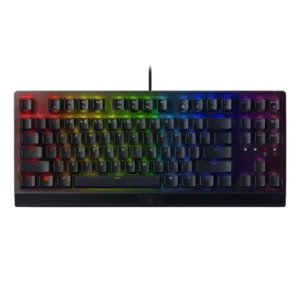
Onboard memory is directly referenced in the scored reviews, with support for up to five profiles. That gives the keyboard some settings portability without starting from scratch every time.
Pros: key responsiveness, latency
Cons: hot-swappable switches, passthrough features
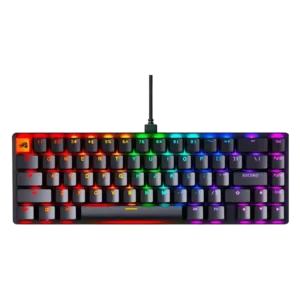
Users can save up to three onboard profiles directly on the keyboard.
Pros: frame rigidity, durability
Cons: actuation consistency
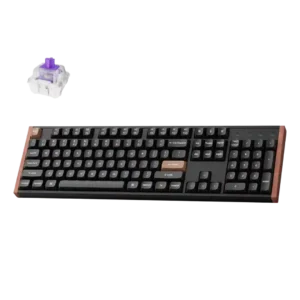
One review explicitly says the keyboard can store two layouts onboard.
Pros: key responsiveness, latency
Cons: switch options, desk space efficiency
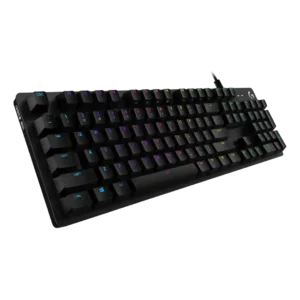
Reviews mention onboard memory or onboard profile storage for saving settings directly to the keyboard.
Pros: key responsiveness, typing feel
Cons: wrist rest quality, portability
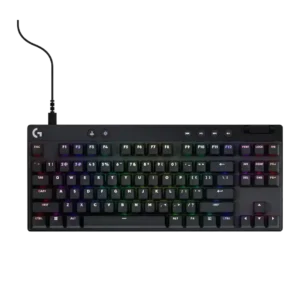
Onboard memory is a recurring positive, with hardware profiles or onboard profile storage helping users keep settings without the software always running.
Pros: analog input support, latency
Cons: sound dampening, value for money
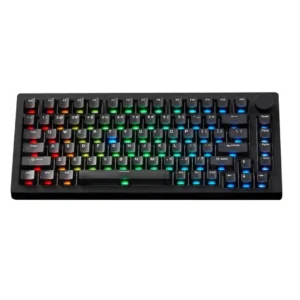
Onboard memory is directly supported in VIA/TMR coverage, with settings saved on the keyboard; one review noted no onboard storage for the 2.4 GHz dongle.
Pros: switch options, extra gaming features
Cons: portability, key spacing
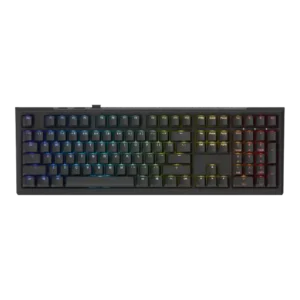
Settings and profile data are described as saving on the keyboard itself rather than living only in software.
Pros: switch feel, key responsiveness
Cons: switch options, wrist rest quality
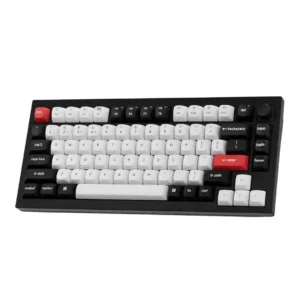
Settings can be saved to the keyboard for use later, giving the board practical onboard behavior once configuration is complete.
Pros: build quality, frame rigidity
Cons: portability, wrist rest quality
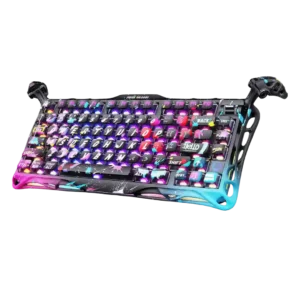
Onboard profile support is only lightly evidenced, with one review mentioning onboard presets and profiles.
Pros: rapid trigger support, ease of switch replacement
Cons: wireless performance, connectivity
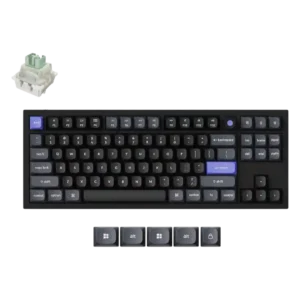
One direct review says the keyboard can store up to three profiles, supporting limited onboard storage.
Pros: polling rate, extra gaming features
Cons: portability, switch options
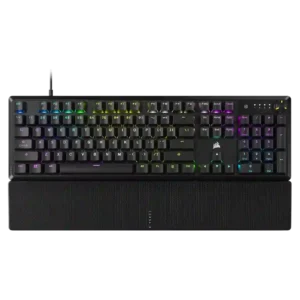
Onboard memory is well supported across reviews, usually with up to five profiles mentioned, though one review cited fewer stored profiles.
Pros: per-key lighting control, typing feel
Cons: hot-swappable switches, ease of switch replacement
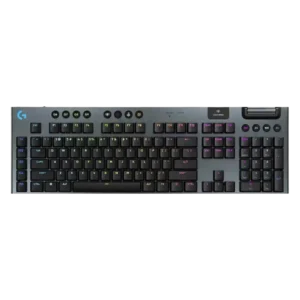
Some settings and profiles can be stored on the device, but richer behavior and complex macros still depend heavily on software.
Pros: customization options, latency
Cons: wrist rest quality, hot-swappable switches
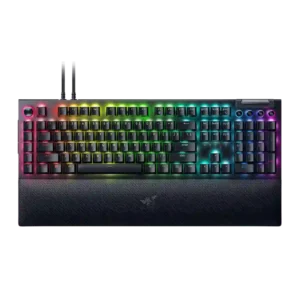
Onboard memory exists and stores profiles, but some custom behavior still depends on Synapse, so the onboard implementation is useful without being fully self-sufficient.
Pros: latency, customization options
Cons: hot-swappable switches, portability
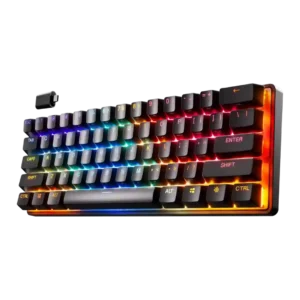
Onboard memory is useful but not perfect, with reviews mentioning saved profiles or Bluetooth slots alongside at least one lighting-related limitation.
Pros: switch options, latency
Cons: hot-swappable switches, ease of switch replacement
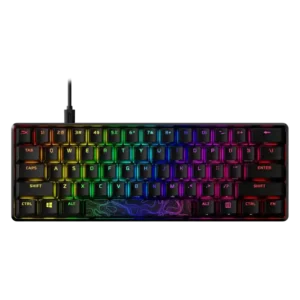
Onboard memory supports three profiles on many models, which reviewers liked, though some found the limit or syncing imperfect.
Pros: frame rigidity, materials quality
Cons: wireless performance, hot-swappable switches
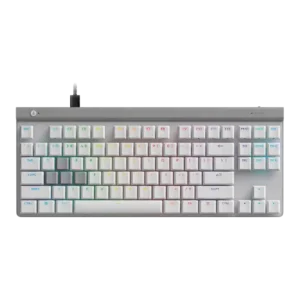
Onboard profiles are available, but at least one reviewer notes that accessing and saving them is less direct than it should be.
Pros: latency, gaming performance
Cons: wireless performance, media controls
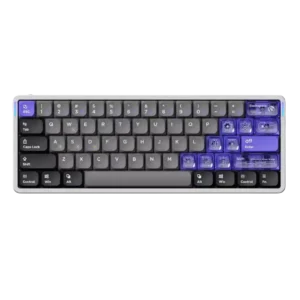
The board stores a small number of programmed layouts/profiles on-device, but that capacity is limited.
Pros: polling rate, rapid trigger support
Cons: legend visibility, layout options
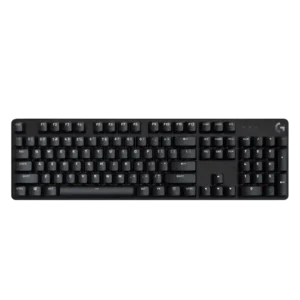
One review says settings revert to default because there is no built-in memory.
Pros: materials quality, durability
Cons: per-key lighting control, wrist rest quality