#1
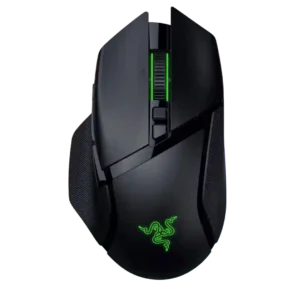
Best for FPS
Highly rated
Programmable-button coverage is very strong, with reviews repeatedly citing 11 to 13 programmable controls.
Pros: programmable buttons, Bluetooth support
Cons: handedness options, firmware reliability
#2
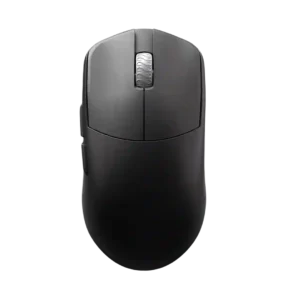
Best battery life
Programmable buttons are supported, with evidence for six programmable buttons and full key rebinding.
Pros: Accuracy and tracking precision, sensor performance
Cons: cable flexibility
#3
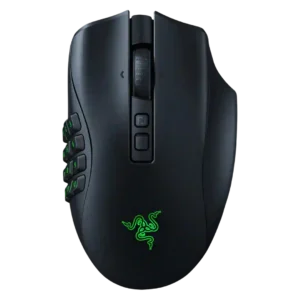
Best for FPS
Highly rated
Programmable buttons are a defining strength, with up to 19, 20, or 22 inputs depending on how reviewers count them.
Pros: click latency, switch durability
Cons: handedness options, weight
#4
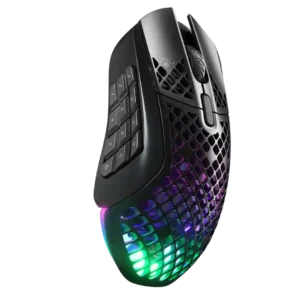
Best for FPS
Highly rated
Programmable buttons are the dominant strength, with almost every reviewer noting the 18-button layout or 12-button side panel.
Pros: programmable buttons, MOBA gaming suitability
Cons: dock compatibility, handedness options
#5
Best for FPS
Highly rated
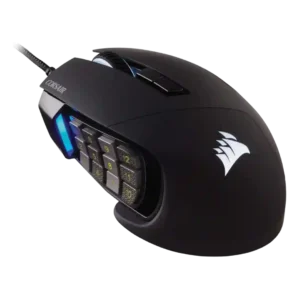
The programmable-button count was one of the strongest recurring positives, especially the 12-button side pad and 17 total programmable controls.
Pros: programmable buttons, build quality
Cons: handedness options, tilt gesture controls
#6
Best for FPS
Highly rated
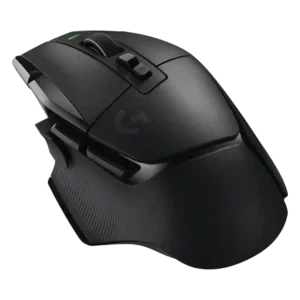
Programmable buttons are a defining advantage, with many reviews praising 11 to 13 controls.
Pros: acceleration control, long-session comfort
Cons: Bluetooth support, weight tuning
#7
Best for FPS
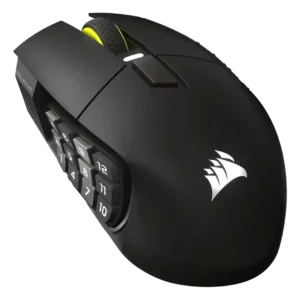
Programmable buttons are central to the product, with nearly every review emphasizing 16 total buttons or the 12-button side grid.
Pros: macro support, click latency
Cons: dock compatibility, firmware reliability
#8
Best battery life
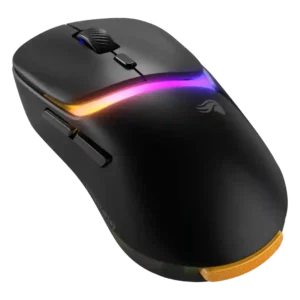
Programmable buttons are a strength, with six assignable buttons and broad remapping options reported.
Pros: switch durability, DPI range
Cons: grip texture, portability
#9
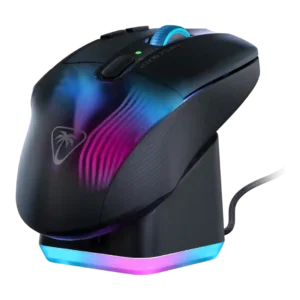
Best for FPS
Highly rated
Programmable buttons are a major strength, with many reviewers emphasizing the 10/15-button layout and up to 29 functions.
Pros: Accuracy and tracking precision, programmable buttons
Cons: weight tuning, firmware reliability
#10
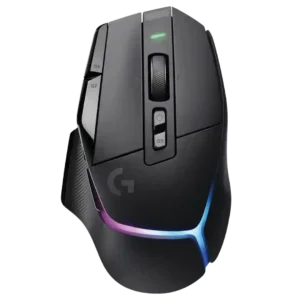
Best for FPS
Programmable buttons are a defining strength, with reviewers repeatedly citing 13 controls, abundant inputs, and practical button layouts.
Pros: DPI range, materials quality
Cons: Bluetooth support, weight tuning
#11
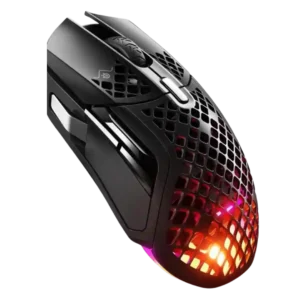
Best for FPS
Programmable buttons are a core strength, with reviewers repeatedly noting the nine-button layout and extra programmable side inputs.
Pros: Accuracy and tracking precision, motion consistency
Cons: debounce customization, tilt gesture controls
#12
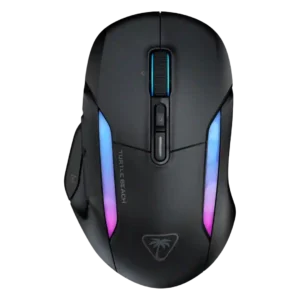
Best for MMO
Programmable buttons are a major strength, with reviewers repeatedly citing seven to eleven buttons and expanded command layers through Easy-Shift.
Pros: MMO gaming suitability, onboard memory
Cons: dock compatibility, weight
#13
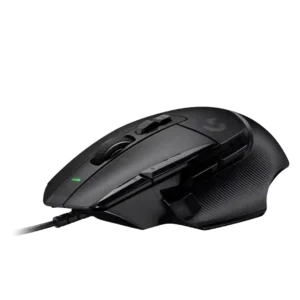
Best comfort
Programmable buttons are one of the strongest consensus positives, with reviews repeatedly praising the large number of mappable controls.
Pros: charging convenience, Accuracy and tracking precision
Cons: weight tuning, RGB features
#14
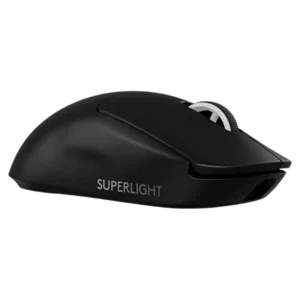
Best for FPS
Programmable buttons are supported, with reviews noting five programmable buttons and full remapping. The total button count is intentionally minimal.
Pros: connection stability, cross-platform compatibility
Cons: Bluetooth support, RGB features
#15
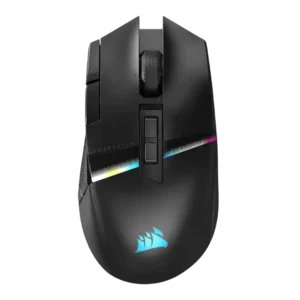
Best for MMO
Programmable buttons are one of the strongest points, with reviews consistently citing 15 programmable buttons or inputs.
Pros: sensor performance, programmable buttons
Cons: handedness options, cable flexibility
#16
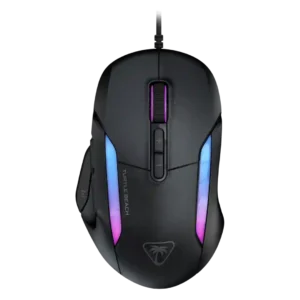
Best for FPS
Programmable buttons are a major strength, with reviewers repeatedly citing seven, eight, ten, or up to 23 programmable functions.
Pros: connection stability, 2.4GHz connectivity
Cons: handedness options, click noise
#17
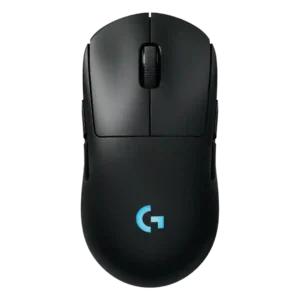
Best battery life
Programmable-button coverage is strong, with multiple reviews noting four-to-eight configurable buttons depending on side-button setup.
Pros: handedness options, DPI range
Cons: Bluetooth support, MMO gaming suitability
#18
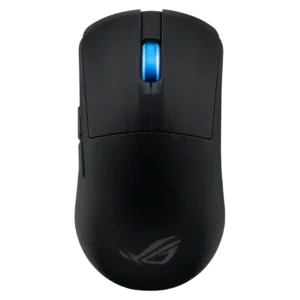
Best for FPS
Programmable buttons are supported by multiple reviews citing side buttons, six programmable buttons, remapping, and five programmable buttons.
Pros: weight, sensor performance
Cons: software stability, debounce customization
#19
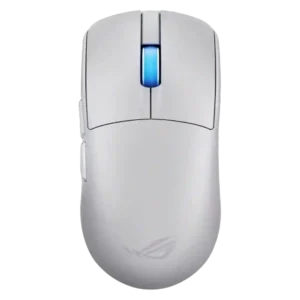
Best for FPS
Programmable buttons are well supported through Gear Link, with reviewers noting freely assignable buttons, button remapping, and key customization.
Pros: polling rate, weight
Cons: onboard memory, tilt gesture controls
#20
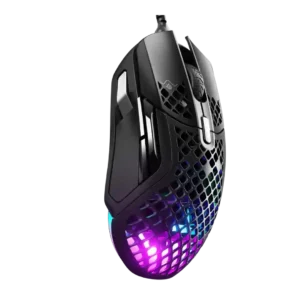
Best for FPS
Programmable buttons are a clear selling point, with reviewers repeatedly noting nine programmable buttons or plentiful extra controls.
Pros: glide smoothness, weight
Cons: handedness options, side button quality
#21
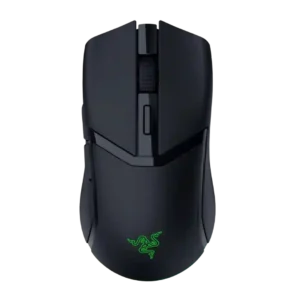
Best battery life
Programmable controls are a clear feature, with reviewers citing six to nine programmable or customizable controls depending on framing.
Pros: surface compatibility, switch durability
Cons: click noise, AI Prompt Master
#22
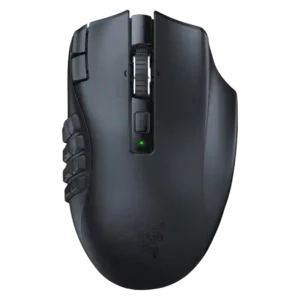
Best for FPS
Programmable button density is one of the clearest strengths, with repeated evidence around twelve side buttons and nineteen total programmable controls.
Pros: Accuracy and tracking precision, DPI range
Cons: handedness options, fingertip grip comfort
#23
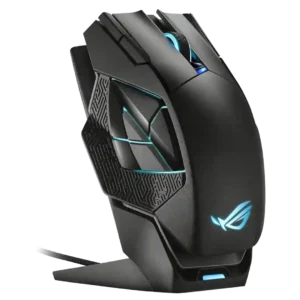
Best for FPS
The large number of remappable buttons is one of the Spatha X's main selling points across reviews.
Pros: DPI range, motion consistency
Cons: fingertip grip comfort, cross-platform compatibility
#24
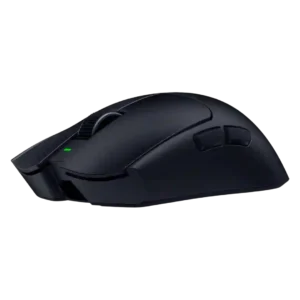
Best for FPS
Reviews confirm that the side buttons can be programmed. The mouse stays minimal on button count, but the available buttons are still treated as configurable.
Pros: DPI range, click latency
Cons: Bluetooth support, dock compatibility
#25
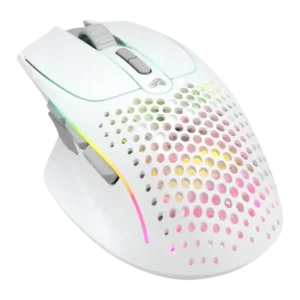
Best for FPS
Programmable buttons are a major feature, with nine physical buttons and expanded layer functions across several reviews.
Pros: DPI range, cross-platform compatibility
Cons: tilt gesture controls, battery life
#26
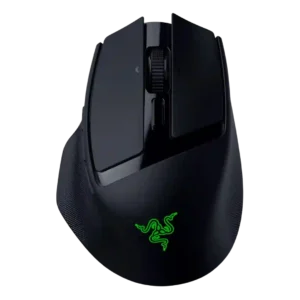
Best battery life
Reviews repeatedly mention a 10-button-style control setup with several remappable inputs, giving the mouse a strong programmable layout for its size.
Pros: switch durability, wireless performance
Cons: click noise, RGB features
#27
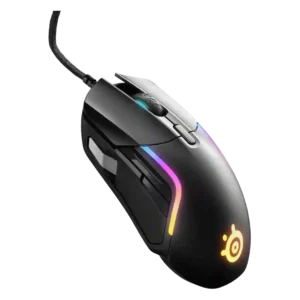
Best for FPS
Programmable buttons are a major feature, with the nine-button layout repeatedly praised for multi-genre use and extra commands.
Pros: switch durability, surface compatibility
Cons: weight tuning, skate durability
#28
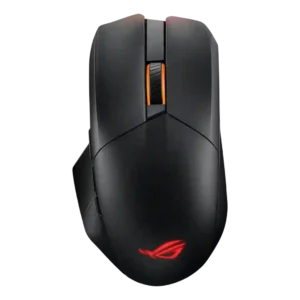
Best for FPS
Programmable controls are a strength, with reviewers noting many buttons, a joystick, and multiple remappable inputs.
Pros: polling rate, charging convenience
Cons: software stability, firmware reliability
#29
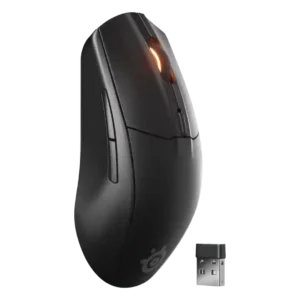
Best for FPS
Programmable buttons are a strength, with six buttons and often the scroll wheel available for customization.
Pros: battery life, weight tuning
Cons: RGB features, lift-off distance
#30
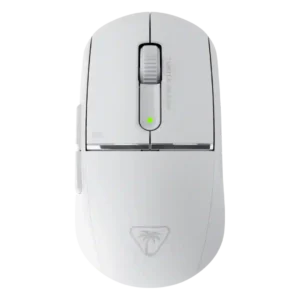
Best for FPS
Programmable button support was well covered, with remapping, multiple inputs, and software-level button changes repeatedly mentioned.
Pros: polling rate, click latency
Cons: RGB features, handedness options
#31
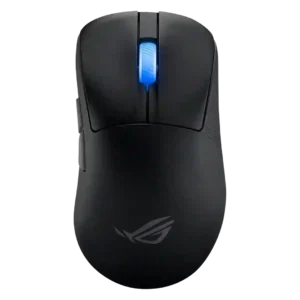
Best for FPS
Programmable button coverage is solid for an FPS mouse, typically five or six physical buttons plus scroll directions through software.
Pros: DPI range, weight
Cons: debounce customization, handedness options
#32
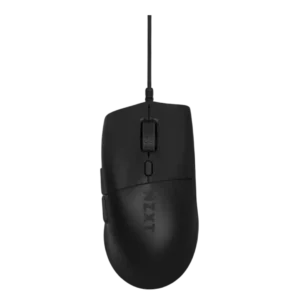
Best comfort
Programmable buttons are supported through CAM remapping, though the physical button count remains modest.
Pros: DPI range, polling rate
Cons: wireless performance, Bluetooth support
#33
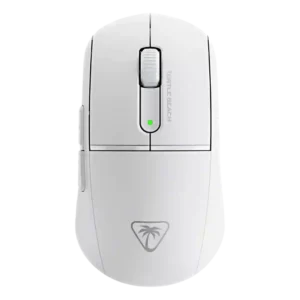
Best for FPS
Programmable-button coverage is solid for a lightweight FPS mouse, but the physical button count remains modest.
Pros: balance and weight distribution, weight
Cons: tilt gesture controls, RGB features
#34
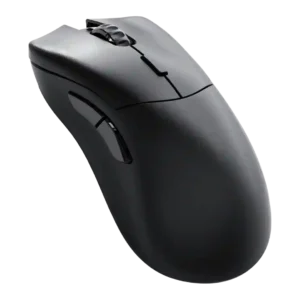
Best for FPS
Programmable buttons are a strength, with six assignable keys and software support for actions, macros, and quick functions.
Pros: click latency, sensor performance
Cons: Bluetooth support, RGB features
#35
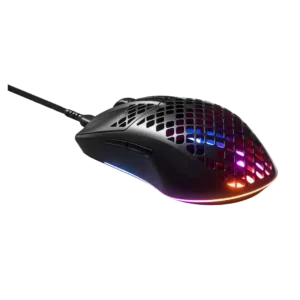
Best comfort
Programmable-button evidence is positive where discussed, including six programmable buttons and software customization of controls.
Pros: click latency, switch durability
Cons: onboard memory, palm grip comfort
#36
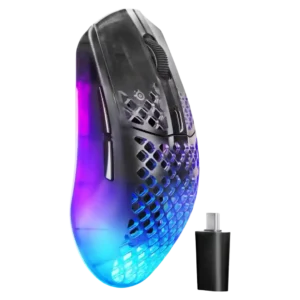
Best for FPS
Programmable buttons are present but limited to six, which is enough for standard gaming but not a button-heavy layout.
Pros: connection stability, wireless latency
Cons: MMO gaming suitability, fingertip grip comfort
#37
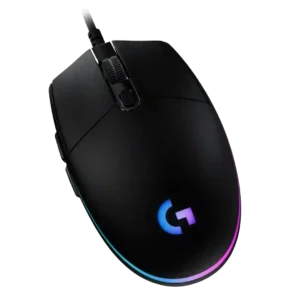
Best for FPS
Programmable buttons are consistently confirmed, with most reviews identifying six programmable controls as part of the core feature set.
Pros: motion consistency, connection stability
Cons: weight tuning, 2.4GHz connectivity
#38
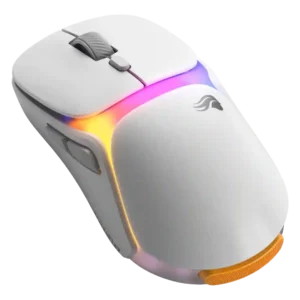
Best for FPS
Programmable-button support is strong, with software, dock controls, and freely assignable buttons cited across reviews.
Pros: switch durability, connection stability
Cons: MOBA gaming suitability, MMO gaming suitability
#39
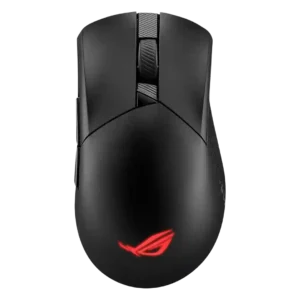
Best comfort
Programmable buttons were consistently six-button oriented and useful, though not enough for dedicated MMO users.
Pros: click latency, connection stability
Cons: tilt gesture controls, software stability
#40
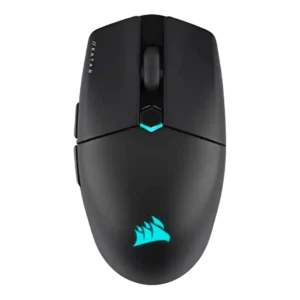
Best for FPS
Programmable-button support is strong for a simple six-button mouse, with most reviewers confirming all or nearly all buttons can be programmed.
Pros: balance and weight distribution, software stability
Cons: MMO gaming suitability, durability over time
#41
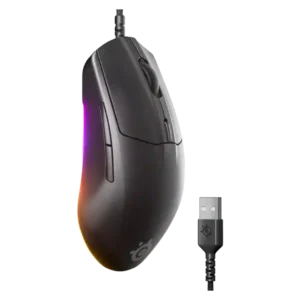
Best for FPS
The six-button layout gives the wired Rival 3 enough programmable control for everyday gaming without becoming complex.
Pros: connection stability, value for money
Cons: Bluetooth support, 2.4GHz connectivity
#42
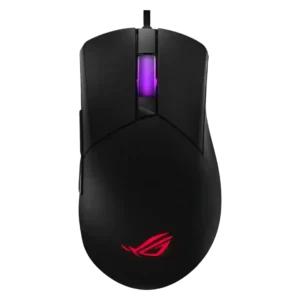
Best for FPS
Programmable buttons are well supported, with reviews describing six or seven configurable buttons and software remapping.
Pros: MMO gaming suitability, software stability
Cons: handedness options
#43
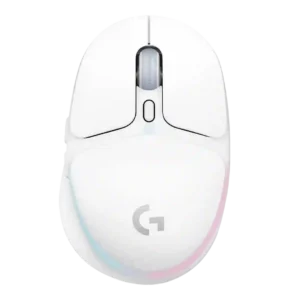
Best for FPS
Programmable buttons were consistently supported, with the six-button layout repeatedly cited and described as reprogrammable or customizable.
Pros: click latency, cross-platform compatibility
Cons: weight tuning, handedness options
#44
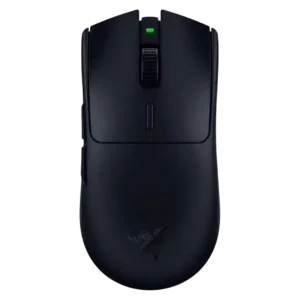
Best battery life
Programmable-button evidence supports six physical buttons or eight programmable controls depending on whether scroll directions are counted.
Pros: acceleration control, wireless latency
Cons: debounce customization, RGB features
#45
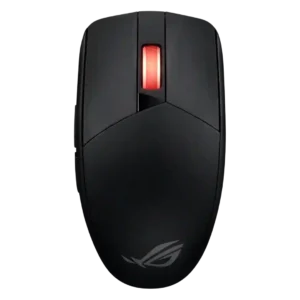
Best battery life
Strong consensus
Programmable buttons are present, especially the side buttons and configurable controls through software.
Pros: click latency, sensor performance
Cons: palm grip comfort, skate durability
#46
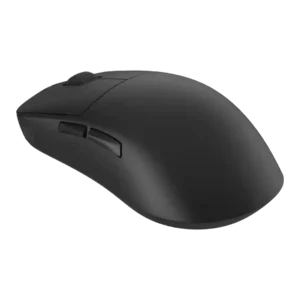
Best for FPS
Programmable button support is mostly positive through remapping, key mapping, and button assignments, but does not extend to strong macro support.
Pros: balance and weight distribution, build quality
Cons: MMO gaming suitability, macro support
#47
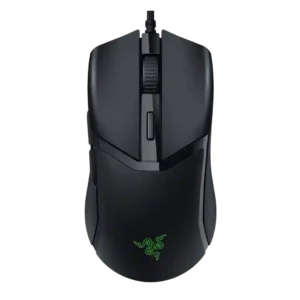
Best wireless
Programmable buttons are a clear feature, with reviewers citing the eight-button layout or the two extra side buttons.
Pros: switch durability, click latency
Cons: wireless performance, wireless latency
#48
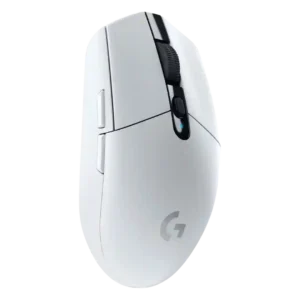
Best for FPS
Programmable buttons are consistently noted, with the G305 offering a simple six-button layout rather than an MMO-style button cluster.
Pros: wireless latency, motion consistency
Cons: Bluetooth support, charging convenience
#49
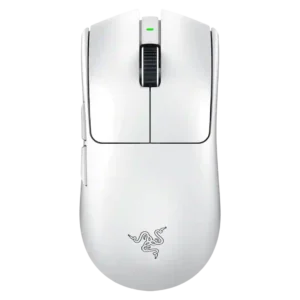
Best for FPS
Programmable buttons are adequate rather than abundant. Reviews cite six programmable buttons or eight programmable functions, plus software remapping, but the layout remains intentionally minimal for esports.
Pros: weight, FPS gaming suitability
Cons: Bluetooth support, RGB features
#50
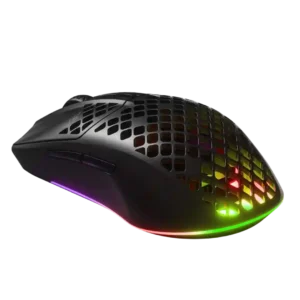
Best for FPS
Programmable-button evidence supports six-button programmability and software assignment, but the mouse is not described as button-heavy.
Pros: motion consistency, ergonomic design
Cons: firmware reliability, dock compatibility