Best for stress tracking
Garmin Forerunner 970
4.4 feature score
Highest scored product for this feature based on supporting review evidence.
Highest scored product for this feature based on supporting review evidence.
Balances feature score, supporting reviews, and overall product strength.
Has the broadest review evidence for this feature.
Strongest overall product among items with scored evidence for this feature.
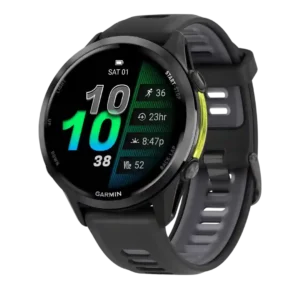
Stress tracking drew positive evidence, especially when reviewers saw stress feed into recovery, daily training, or Body Battery style insights.
Pros: button controls, GPS accuracy
Cons: LTE connectivity, size options

Stress tracking was praised as engaging and useful, often linked with Body Battery and daily wellness patterns.
Pros: comfort, pairing reliability
Cons: ECG functionality, onboard music storage
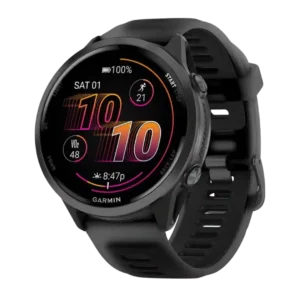
Stress tracking feeds into readiness and wellness guidance, giving it practical value for recovery decisions.
Pros: outdoor visibility, brightness
Cons: ECG functionality, LTE connectivity
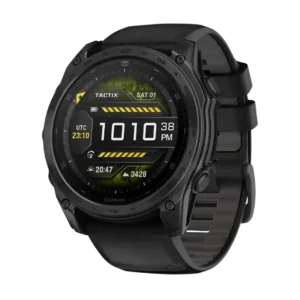
Stress tracking was mentioned as part of Garmin's health tools, with relaxation suggestions tied to emotional management.
Pros: materials quality, durability
Cons: LTE connectivity, value for money
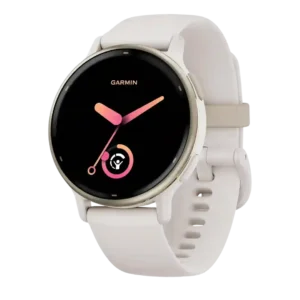
Stress tracking was generally useful and believable in reviewer daily use, though one transcript refers to it as stretch tracking.
Pros: brightness, outdoor visibility
Cons: ECG functionality, LTE connectivity
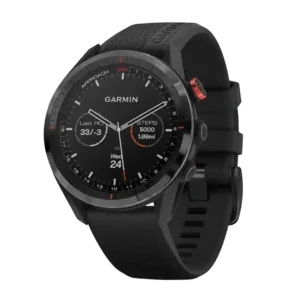
Stress tracking appears as part of the broader wellness suite, including stress level monitoring and Body Battery-style insights.
Pros: battery life, GPS accuracy
Cons: voice assistant quality, onboard music storage

Stress tracking is part of the watch’s broader wellness system and feeds Body Battery-style energy insights.
Pros: fitness tracking accuracy, outdoor visibility
Cons: onboard music storage, touchscreen responsiveness
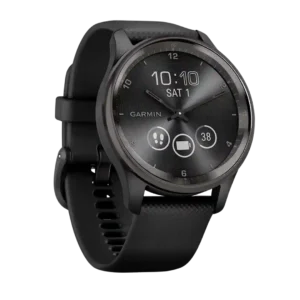
Stress tracking is a consistent wellness strength, with reviewers calling it good or excellent and pairing it with breathing or Body Battery insights.
Pros: activity auto-detection, display quality
Cons: ECG functionality, onboard music storage
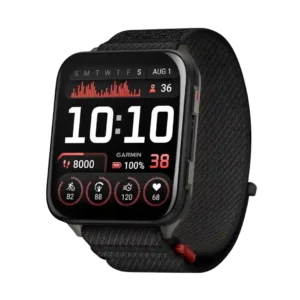
Stress tracking is commonly listed as part of Garmin's wellness suite and recovery calculations, but few reviews test it independently.
Pros: pairing reliability, watch face quality
Cons: LTE connectivity, ECG functionality
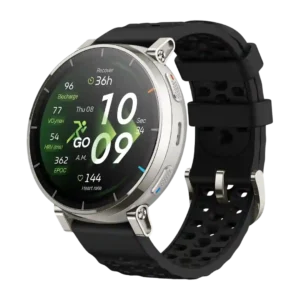
Stress tracking is repeatedly included among the automatic health features and wellness insights.
Pros: outdoor visibility, software smoothness
Cons: ECG functionality, LTE connectivity
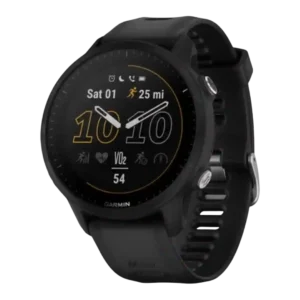
Stress tracking is a useful part of Garmin’s health/recovery system, with HRV/stress tools, breathing prompts, and readiness calculations linked to stress levels.
Pros: charging speed, workout tracking variety
Cons: voice assistant quality, LTE connectivity
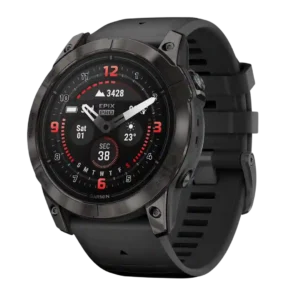
Stress tracking feeds Garmin’s Body Battery and readiness-style insights, with one reviewer noting stress clearly depletes the Body Battery estimate.
Pros: mapping and navigation, GPS accuracy
Cons: voice assistant quality, call handling
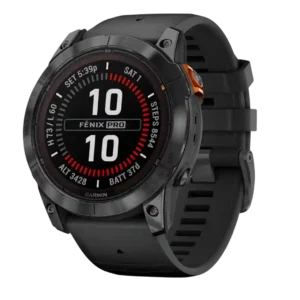
Stress tracking appeared through HRV-based insights that help connect recovery, strain, and readiness.
Pros: customization options, workout tracking variety
Cons: calorie tracking usefulness, ECG functionality
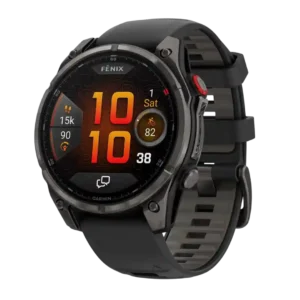
Stress tracking was mentioned as part of the broader health and wellness tracking suite.
Pros: pairing reliability, workout tracking variety
Cons: size options, value for money
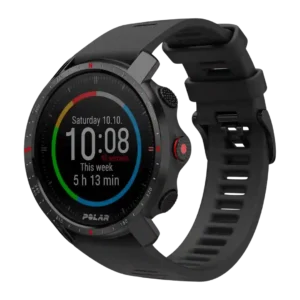
Stress tracking appears through training-load stress rather than general stress sensing, with reviewers focusing on body load and readiness.
Pros: durability, workout tracking variety
Cons: contactless payments, onboard music storage
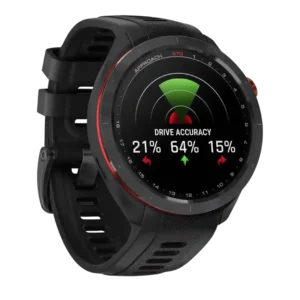
Stress tracking is widely mentioned; some reviewers found it surprisingly accurate or habit-changing, while one reviewer considered it less valuable.
Pros: pairing reliability, brightness
Cons: software smoothness, user interface
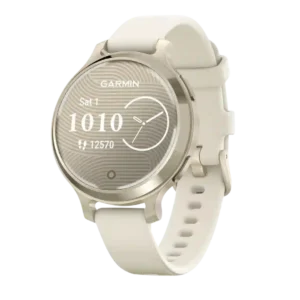
Stress tracking is part of the health suite and was discussed alongside Body Battery, HRV, meditation, and general wellness monitoring.
Pros: comfort, style and design
Cons: ECG functionality, onboard music storage
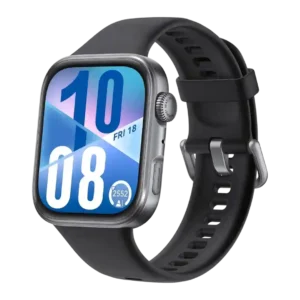
Stress tracking is well represented through HRV, all-day stress analysis, emotional well-being, and mood-pattern tracking.
Pros: step counting accuracy, onboard music storage
Cons: ECG functionality, Wi-Fi connectivity
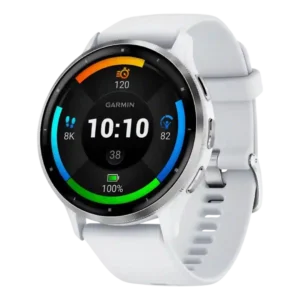
Stress tracking and HRV-based insights were useful for understanding rest, workload, and daily strain.
Pros: heart rate accuracy, display quality
Cons: LTE connectivity, third-party app support

Stress tracking appears as part of Garmin's broader wellness package, alongside sleep, Body Battery, and VO2 max data.
Pros: cross-platform compatibility, water resistance
Cons: call handling, third-party app support
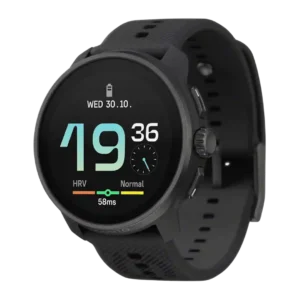
Stress tracking appears mainly through training-stress metrics, with reviewers noting Training Stress Score and Training Stress Balance displays.
Pros: build quality, GPS accuracy
Cons: activity auto-detection, contactless payments
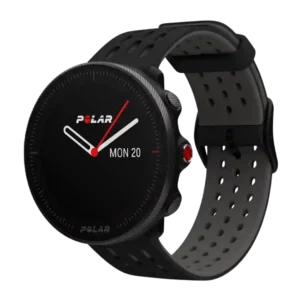
Stress tracking evidence comes through Nightly Recharge’s recovery-from-stress framing rather than a standalone stress widget.
Pros: workout tracking variety, sleep tracking accuracy
Cons: blood oxygen tracking, voice assistant quality
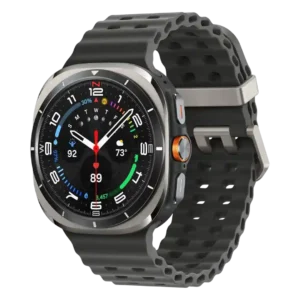
Stress tracking is included in Samsung’s health sensor set, though the reviews provide feature evidence more than accuracy testing.
Pros: brightness, durability
Cons: cross-platform compatibility, value for money
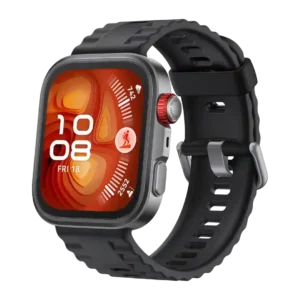
Stress tracking is present and generally responsive, appearing alongside heart-rate, SPO2, temperature, and wellness metrics in several reviews.
Pros: water resistance, workout tracking variety
Cons: ECG functionality, LTE connectivity
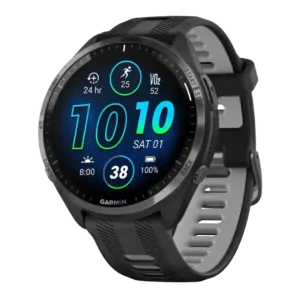
Stress tracking is part of Garmin’s broader readiness and wellness stack, useful for recovery context but not always used heavily by reviewers.
Pros: mapping and navigation, watch face quality
Cons: ECG functionality, LTE connectivity
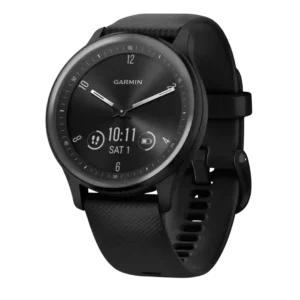
Stress tracking is a clear Garmin strength in the reviews, with multiple reviewers calling it helpful, comparable to perceived stress, or better than most competitors.
Pros: activity auto-detection, comfort
Cons: voice assistant quality, onboard music storage
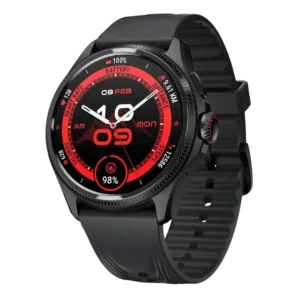
Stress tracking is clearly included and can be monitored on demand or continuously, though reviewers focus more on presence than clinical precision.
Pros: durability, battery life
Cons: ECG functionality, voice assistant quality
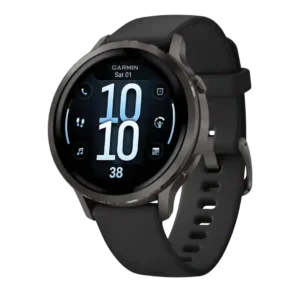
Stress and lifestyle tracking are useful when paired with Lifestyle Logging and Health Status, though manual logging can feel burdensome for some users.
Pros: outdoor visibility, brightness
Cons: LTE connectivity, charging convenience
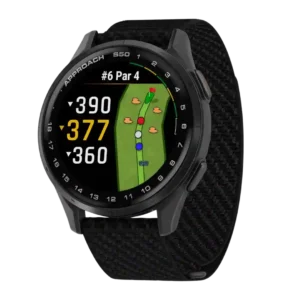
Stress tracking appeared consistently as part of the S50's wellness package, often tied to body battery, sleep, and heart-rate-based insights.
Pros: software smoothness, GPS accuracy
Cons: voice assistant quality, call handling
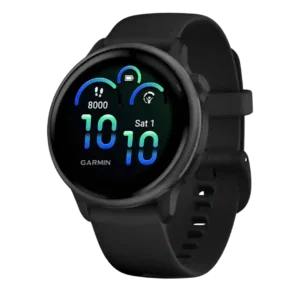
Stress tracking is part of Garmin’s wellness suite and feeds into broader energy and recovery features.
Pros: comfort, software smoothness
Cons: ECG functionality, LTE connectivity
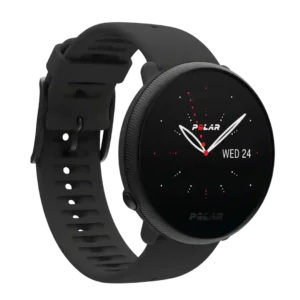
Stress and relaxation tools are present through Serene breathing and broader stress/wellness monitoring, but they are not the main selling point.
Pros: workout tracking variety, coaching features
Cons: blood oxygen tracking, contactless payments
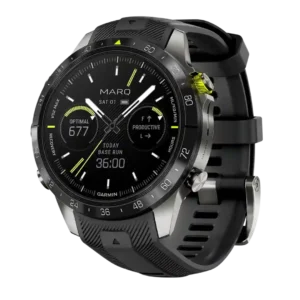
Stress tracking is part of the broader Garmin wellness and readiness system, appearing in Body Battery, Health Snapshot, and Training Readiness evidence.
Pros: charging speed, build quality
Cons: LTE connectivity, ECG functionality
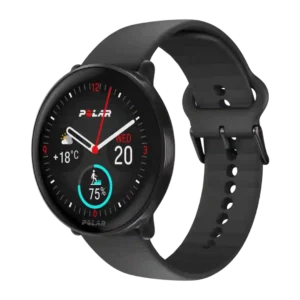
Stress-related features appear through Nightly Recharge, HRV and breathing-change context, and Serene guided breathing.
Pros: workout tracking variety, display quality
Cons: blood oxygen tracking, ECG functionality
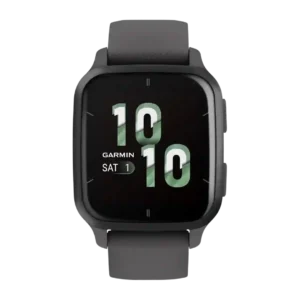
Stress tracking is useful through HRV, stress widgets, and Relax Reminders, though one quote frames it as part of broader wellness logging.
Pros: charging speed, battery life
Cons: LTE connectivity, ECG functionality
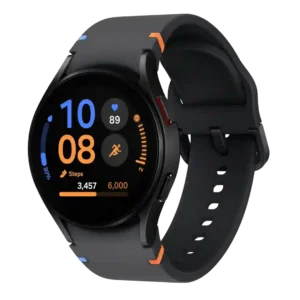
Stress tracking is present and commonly listed with the health suite, but reviews mostly discuss availability rather than accuracy.
Pros: workout tracking variety, materials quality
Cons: size options, cross-platform compatibility
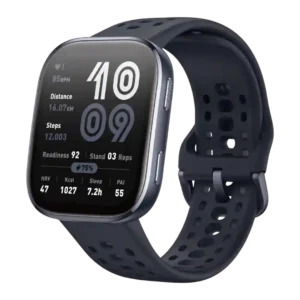
Stress tracking is part of the built-in health feature set and is often bundled with heart rate, SpO2, and breathing metrics.
Pros: workout tracking variety, brightness
Cons: ECG functionality, LTE connectivity
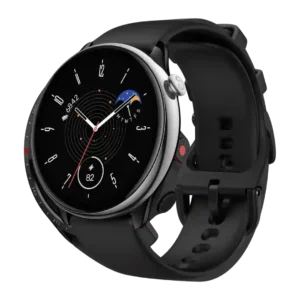
Stress tracking appears repeatedly as a built-in wellness metric, with reviewers treating it as part of the watch's broader health monitoring package.
Pros: value for money, comfort
Cons: contactless payments, onboard music storage
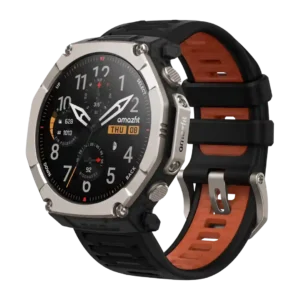
Stress tracking is well represented as part of the health suite, and one review tied improved heart-rate accuracy to better stress and training-load assessments.
Pros: brightness, water resistance
Cons: reliability, customization options
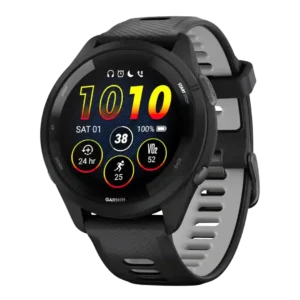
Stress tracking is useful and appears in Body Battery, Training Readiness, breathing guidance, and daily wellness context.
Pros: GPS accuracy, brightness
Cons: ECG functionality, voice assistant quality
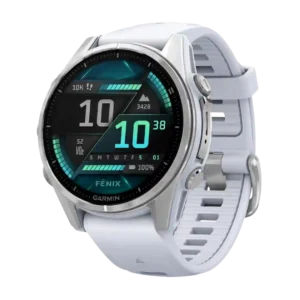
Stress tracking was repeatedly included among the health and wellness metrics, but it was not deeply validated by reviewers.
Pros: workout tracking variety, durability
Cons: LTE connectivity, value for money
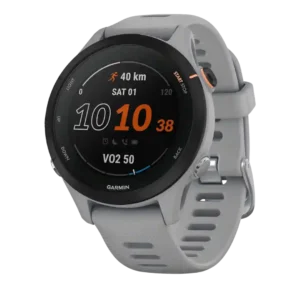
Stress tracking is available as part of the broader health suite, with reviewers presenting it as a daily wellness metric.
Pros: reliability, fit
Cons: touchscreen responsiveness, third-party app support
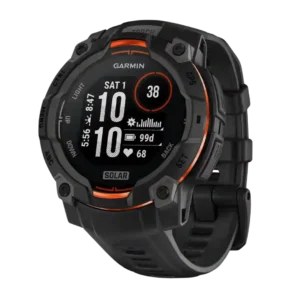
Stress tracking was present in Garmin wellness/recovery metrics and generally treated as part of the reliable daily-health suite.
Pros: water resistance, charging speed
Cons: LTE connectivity, Wi-Fi connectivity
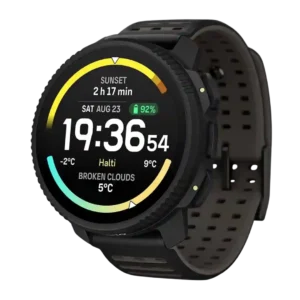
Stress-related tracking appears through ZoneSense, HRV, TSB, and Training Stress Score rather than a simple lifestyle stress widget, making it more training-focused.
Pros: cross-platform compatibility, outdoor visibility
Cons: onboard music storage, contactless payments

Stress tracking is repeatedly listed as part of the 24/7 health feature set and is paired with breathing or wellness tools.
Pros: touchscreen responsiveness, software smoothness
Cons: contactless payments, onboard music storage
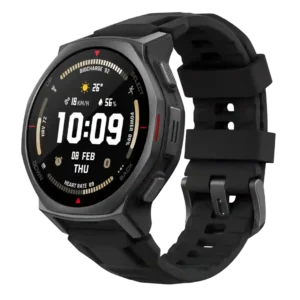
Stress tracking is included through the BioTracker health suite, with reviewers describing stress and sleep tracking as commendable or reliably available.
Pros: calorie tracking usefulness, cross-platform compatibility
Cons: ECG functionality, LTE connectivity
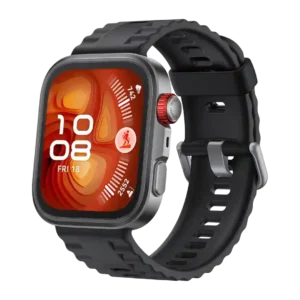
Stress tracking is present and tied into broader health and sleep metrics, with one reviewer specifically finding it accurate.
Pros: workout tracking variety, software smoothness
Cons: LTE connectivity, Wi-Fi connectivity
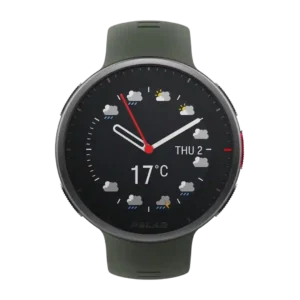
Stress support comes mainly through Serene guided breathing, which reviewers described as a calming, customizable breathing exercise feature rather than a deep stress analytics suite.
Pros: reliability, workout tracking variety
Cons: blood oxygen tracking, contactless payments
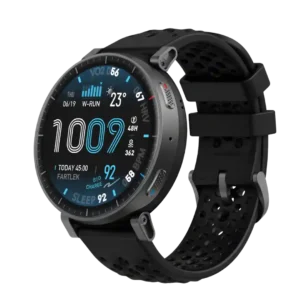
Stress tracking is included across the health platform and feeds wellness or BioCharge-style insights.
Pros: brightness, outdoor visibility
Cons: ECG functionality, LTE connectivity
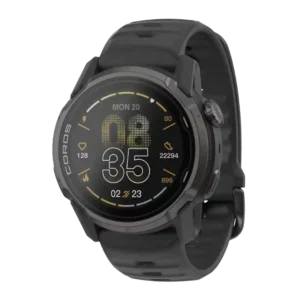
Stress tracking is present and integrated with HRV/wellness data, though reviews focus more on availability than precision.
Pros: battery life, software smoothness
Cons: contactless payments, LTE connectivity
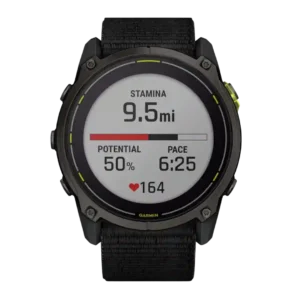
Stress tracking appears within Garmin's broader daily health suite, alongside sleep, blood oxygen, Body Battery, and recovery metrics.
Pros: reliability, workout tracking variety
Cons: LTE connectivity, voice assistant quality