Best for connectivity
Keychron Q6 HE
4.9 feature score
Highest scored product for this feature based on supporting review evidence.
Highest scored product for this feature based on supporting review evidence.
Balances feature score, supporting reviews, and overall product strength.
Has the broadest review evidence for this feature.
Strongest overall product among items with scored evidence for this feature.
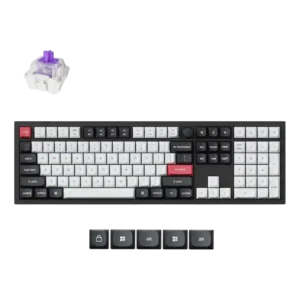
Connectivity was a clear strength, with reviewers praising multiple connection options and solid wired, 2.4GHz, Bluetooth, and multi-device use.
Pros: key stability, frame rigidity
Cons: portability, switch options
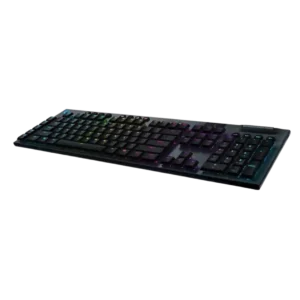
Reviewers consistently liked the mix of Lightspeed, Bluetooth, wired use, and fast device switching, with only minor caveats about Bluetooth latency.
Pros: latency, polling rate
Cons: passthrough features, cable quality
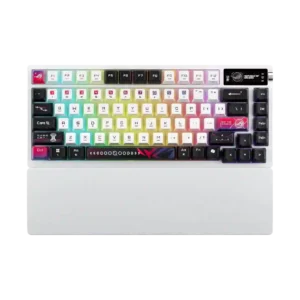
Connectivity was highly praised: reviewers liked tri-mode support, dongle convenience, and smooth switching between wireless modes or devices.
Pros: latency, wireless performance
Cons: rapid trigger support, analog input support
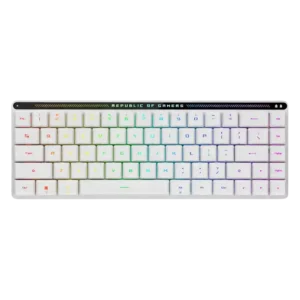
Connectivity is repeatedly praised for wired, Bluetooth, and 2.4GHz options, with several reviewers calling switching or setup easy.
Pros: reliability, typing comfort
Cons: cable quality, wrist rest quality
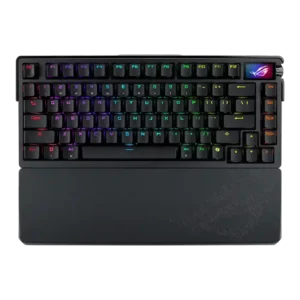
Connectivity was praised for tri-mode support, seamless wireless setup, Bluetooth flexibility, and USB-port-saving receiver options.
Pros: key spacing, reliability
Cons: rapid trigger support, analog input support
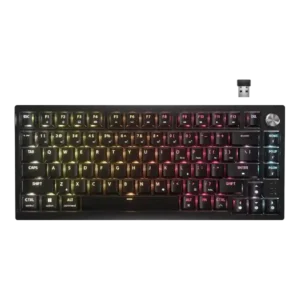
Connectivity was a major positive: wired, 2.4GHz, and Bluetooth modes were repeatedly described as versatile, smooth, and easy to use.
Pros: latency, durability
Cons: legend visibility, rapid trigger support
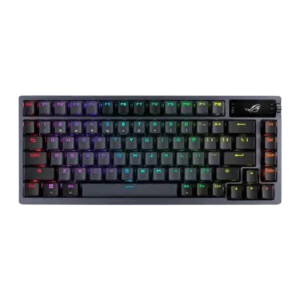
Connectivity was praised across wired, Bluetooth, and 2.4GHz use, with reviewers reporting easy setup, reliable pairing, and no trouble in normal testing.
Pros: durability, wireless performance
Cons: passthrough features, onboard memory
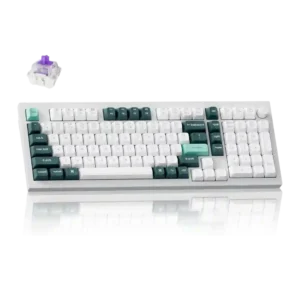
Connectivity was praised for Bluetooth, 2.4GHz, wired use, easy setup, and multi-device wireless options.
Pros: cable quality, typing comfort
Cons: portability, switch options
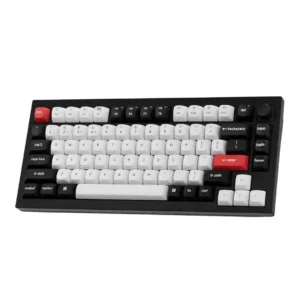
Connectivity is broadly strong thanks to wired, Bluetooth, and 2.4GHz options, although one reviewer found the mode switch fiddly.
Pros: key stability, frame rigidity
Cons: profile management, reliability
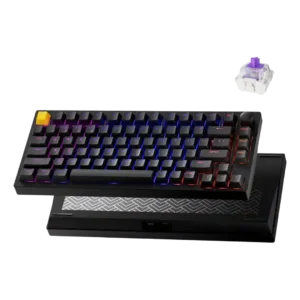
Connectivity was consistently positive, with wired, 2.4GHz, and Bluetooth options described as versatile and reliable.
Pros: frame rigidity, stabilizer quality
Cons: per-key lighting control, RGB customization
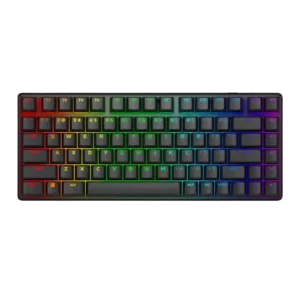
Connectivity was a strength overall thanks to wired, 2.4GHz, and Bluetooth options, though one reviewer disliked the hidden connection controls.
Pros: key stability, backlight brightness
Cons: rapid trigger support, wrist rest quality
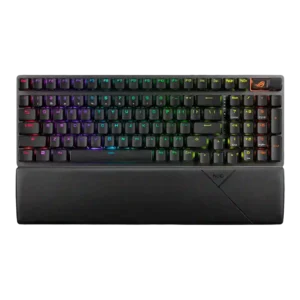
Connectivity is a major strength, with repeated praise for tri-mode wired, 2.4GHz, Bluetooth, multi-device, and dual-PC flexibility.
Pros: per-key lighting control, wireless performance
Cons: rapid trigger support, analog input support
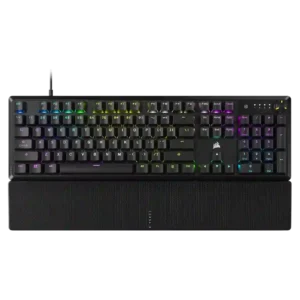
Connectivity was judged positively when discussed, mainly because the wired connection avoided disconnects and wireless-interference concerns.
Pros: per-key lighting control, compatibility
Cons: ease of switch replacement, hot-swappable switches
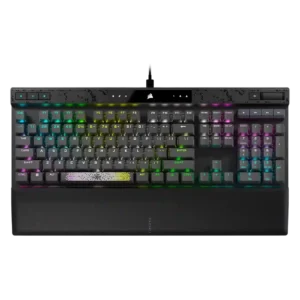
Connectivity evidence was narrow but positive where the wired connection was described as reliable.
Pros: reliability, key responsiveness
Cons: desk space efficiency, wireless performance
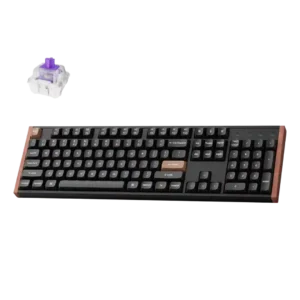
Connectivity was praised for easy switching between wireless modes and devices.
Pros: wireless performance, key responsiveness
Cons: switch options, desk space efficiency
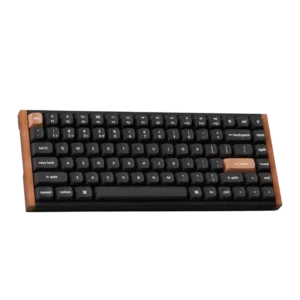
Connectivity was generally strong across Bluetooth, 2.4GHz, and wired use, though side-port design and occasional wake behavior created caveats.
Pros: wrist rest quality, onboard memory
Cons: per-key lighting control, switch options
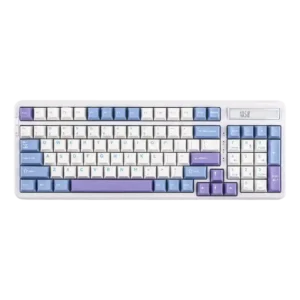
Connectivity was a strong point, with reviewers praising tri-mode flexibility, easy switching and multi-device productivity.
Pros: ease of switch replacement, typing feel
Cons: key spacing, layout options
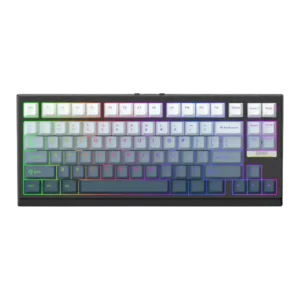
Connectivity was consistently positive, with reviewers praising flexible wired, Bluetooth, 2.4GHz, and fast mode-switching options.
Pros: desk space efficiency, layout options
Cons: compatibility
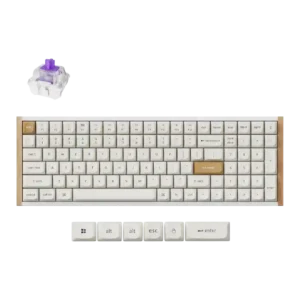
Connectivity was widely praised for easy pairing, useful Bluetooth/2.4GHz/wired versatility, and straightforward switching across devices.
Pros: durability, rapid trigger support
Cons: per-key lighting control, stabilizer quality
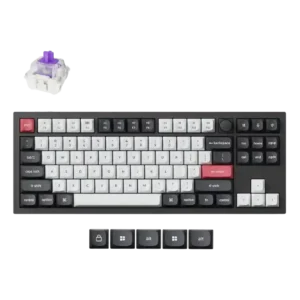
Connectivity was mostly strong thanks to wired, Bluetooth, and 2.4GHz options, though one reviewer disliked flipping the rear switch between modes.
Pros: build quality, extra gaming features
Cons: switch options, hot-swappable switches
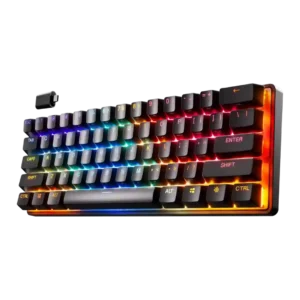
Connectivity was praised in wireless reviews for Bluetooth, 2.4GHz, wired options, and quick dongle performance, with multi-device use seen as useful.
Pros: latency, key responsiveness
Cons: hot-swappable switches, ease of switch replacement
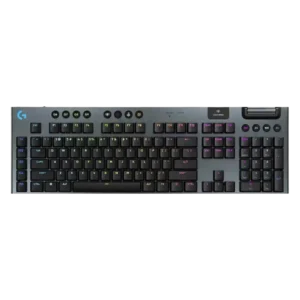
Connectivity was widely praised for tri-mode flexibility and easy switching, with the main caveat being limited multi-device Bluetooth support.
Pros: stabilizer quality, latency
Cons: ease of switch replacement, hot-swappable switches
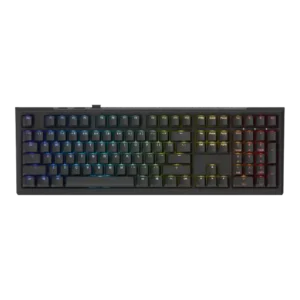
Connectivity was consistently useful, with reviewers appreciating wired, Bluetooth, 2.4 GHz, dongle storage, and stable connection options.
Pros: typing feel, key stability
Cons: profile management, wrist rest quality
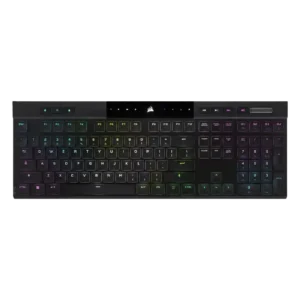
Connectivity was consistently praised for quick switching, Bluetooth and Slipstream flexibility, easy pairing, and stable multi-device use.
Pros: backlight brightness, actuation consistency
Cons: sound dampening, stabilizer quality
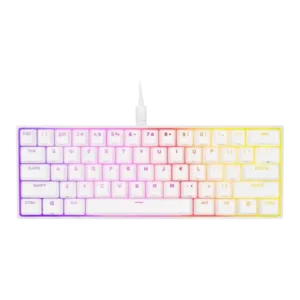
Connectivity was praised around detachable USB-C convenience and easier travel use.
Pros: desk space efficiency, frame rigidity
Cons: sound dampening, ease of switch replacement
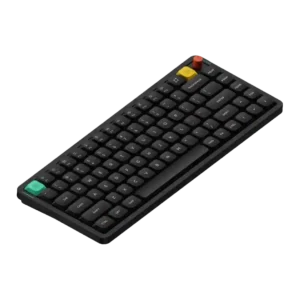
Connectivity was mostly praised for physical toggles and dongle storage, but some reviewers reported dongle or general connection issues.
Pros: key responsiveness, typing feel
Cons: per-key lighting control, legend visibility
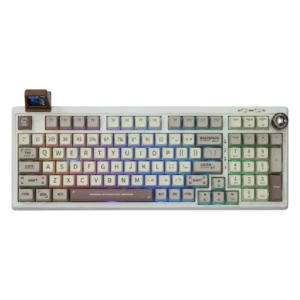
Connectivity is a consistent strength across wired, Bluetooth, and 2.4GHz, although one reviewer had cable-specific wired finickiness.
Pros: noise level, acoustics
Cons: rapid trigger support, actuation consistency
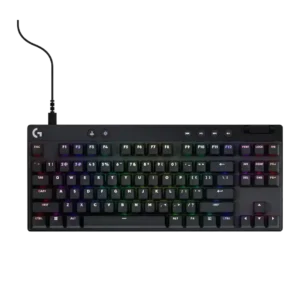
Connectivity is usually praised for easy Bluetooth/Lightspeed switching and stable use, but one reviewer disliked that a TKL unit could only be used wirelessly.
Pros: durability, per-key lighting control
Cons: noise level, sound dampening
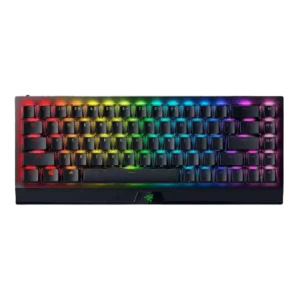
Connectivity was broadly strong thanks to USB-C, Bluetooth, HyperSpeed, and multi-device support, but a few reviews noted buggy pairing or inconvenient mode switching.
Pros: per-key lighting control, backlight brightness
Cons: passthrough features, compatibility
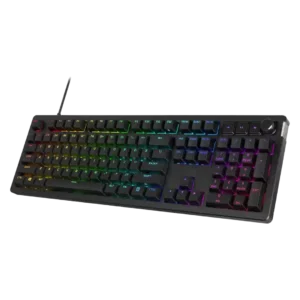
Connectivity is strong on wireless models thanks to tri-mode and multi-device support, while wired-only versions are treated as a limitation.
Pros: compatibility, legend visibility
Cons: wrist rest quality, cable quality
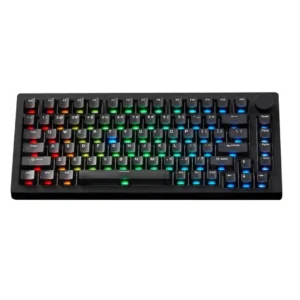
Connectivity is broadly strong thanks to tri-mode support, though Bluetooth delays, cable-fit issues, and the hidden mode switch create caveats.
Pros: switch options, hot-swappable switches
Cons: portability, cable quality
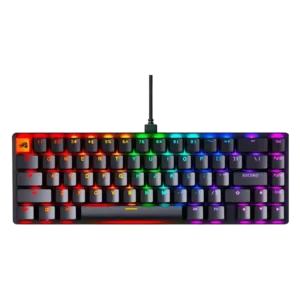
Connectivity was mixed: wired USB connections worked reliably, but one reviewer treated wired-only operation as a downside.
Pros: compatibility, key responsiveness
Cons: wrist rest quality, key spacing
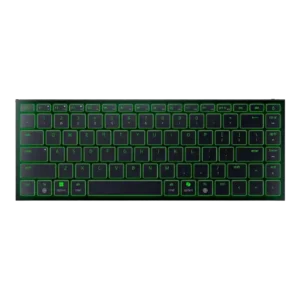
Connectivity was praised for easy pairing and device switching, but Bluetooth-only wireless and dongle omissions created caveats.
Pros: frame rigidity, size and form factor
Cons: sound dampening, per-key lighting control
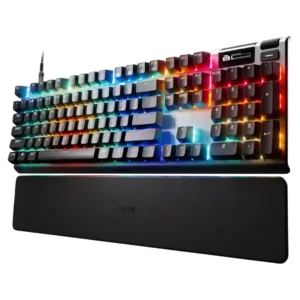
Connectivity ranged from smooth setup and simple wired use to serious wireless/dongle complaints in one PCMag review.
Pros: key responsiveness, durability
Cons: passthrough features, analog input support
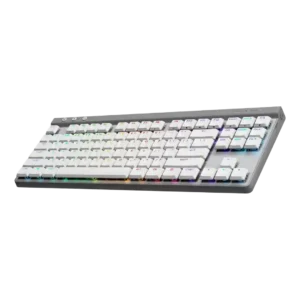
Reviewers liked the mix of Lightspeed, Bluetooth, and wired modes, but Bluetooth limitations and single-profile comments kept this from being uniformly perfect.
Pros: latency, wireless performance
Cons: rapid trigger support, ease of switch replacement
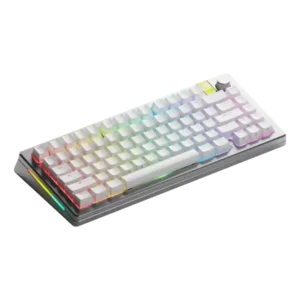
Connectivity was mostly positive, with decent options and no issues in one review, offset by unclear Bluetooth pairing and selector labeling in another.
Pros: materials quality, customization options
Cons: reliability, actuation consistency
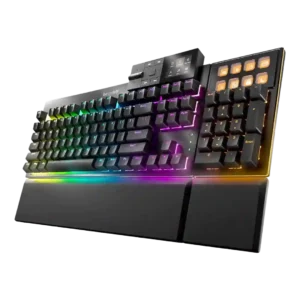
Connectivity was mixed: wired and modular connections could be sturdy and easy, but reviewers also criticized play, no wireless, or wired-only limitations.
Pros: key stability, per-key lighting control
Cons: analog input support, wireless performance
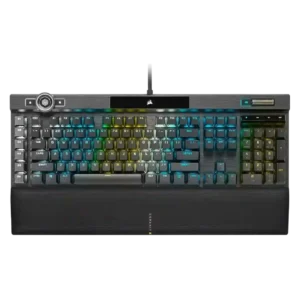
Connectivity gets positive marks for USB passthrough as a handy extra, though the wired-only setup and thick cable remain contextual limitations.
Pros: actuation consistency, key stability
Cons: hot-swappable switches, switch options
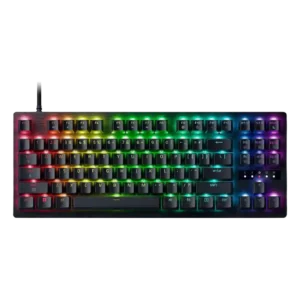
The wired USB-C setup is generally fine, with praise for the detachable cable. One reviewer notes the recessed port is harder to reach, but also sees the secure fit as...
Pros: polling rate, RGB customization
Cons: key stability, typing comfort
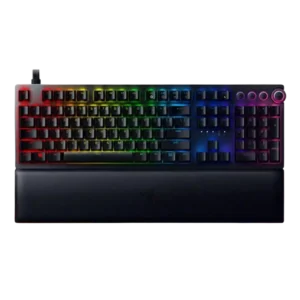
Connectivity was mixed: USB-C and passthrough support were appreciated, but port requirements, cable behavior, and inconsistent setup frustrated some reviewers.
Pros: per-key lighting control, wrist rest quality
Cons: polling rate, portability
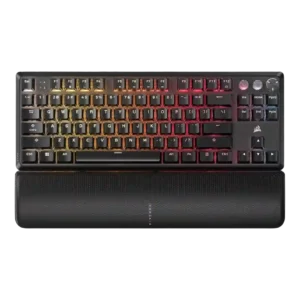
Connectivity was praised for easy wired plug-and-play and USB-C, but several reviewers disliked the lack of wireless choice.
Pros: per-key lighting control, key responsiveness
Cons: ease of switch replacement, battery life
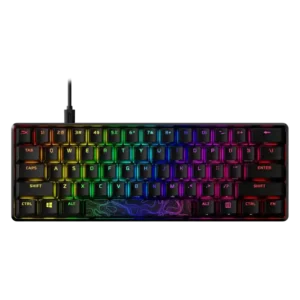
Connectivity is mixed: detachable USB-C is appreciated, but reviewers noted software detection issues and no multi-device use.
Pros: latency, actuation consistency
Cons: ease of switch replacement, reliability

Connectivity was mixed: reviewers liked the wireless and tri-mode feature set, but noted mode-switch delay, visible front controls, and minor connectivity issues.
Pros: value for money, customization options
Cons: cable quality, portability
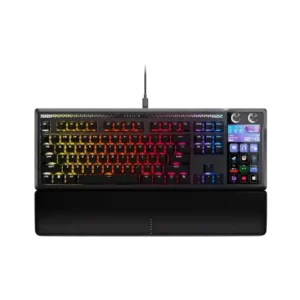
Connectivity is mostly wired and functional, with some reviewers liking the stability and single-cable operation for basic use. Customer defect reports about failed connections and recognition problems are the caution.
Pros: customization options, ease of switch replacement
Cons: reliability, analog input support
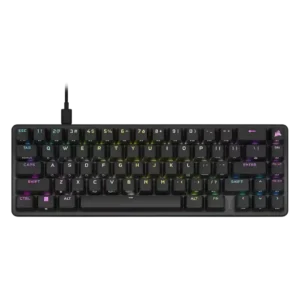
Connectivity was mixed: reviewers liked standard USB-C plug-and-play behavior, but repeatedly criticized the lack of wireless and one noted 8,000Hz connection issues.
Pros: volume control, key responsiveness
Cons: wireless performance, wrist rest quality
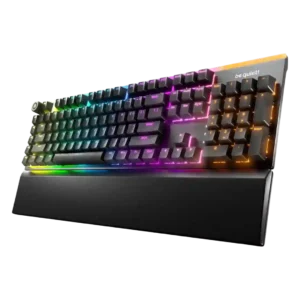
Connectivity is mixed because reviewers appreciate the reliable wired connection but repeatedly note the absence of wireless.
Pros: ease of switch replacement, acoustics
Cons: rapid trigger support, analog input support
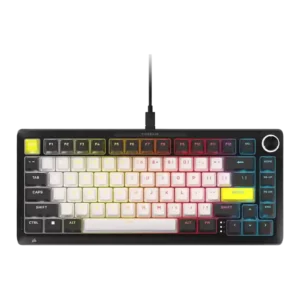
Connectivity was a recurring tradeoff: optional wireless expanded flexibility, but many reviewers disliked paying extra or lacking wireless by default.
Pros: per-key lighting control, durability
Cons: portability, noise level
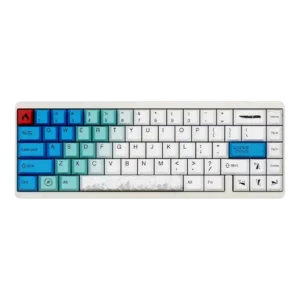
Connectivity had a small caveat because one reviewer found the USB-C opening too narrow for a coiled cable.
Pros: durability, key responsiveness
Cons: reliability, RGB customization
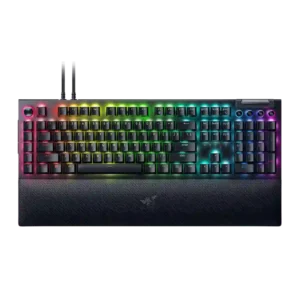
Connectivity was a recurring tradeoff: wired operation helped latency and passthrough, but reviewers missed wireless or noted cable-dependent clutter.
Pros: key stability, ease of switch replacement
Cons: compatibility, battery life
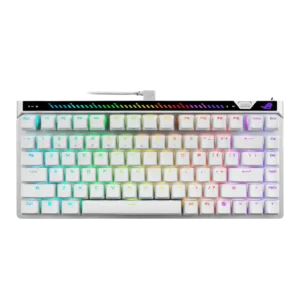
Connectivity was mixed: wired operation is fast and latency-free, but multiple reviewers missed wireless/battery support.
Pros: key responsiveness, latency
Cons: analog input support, wrist rest quality