#1
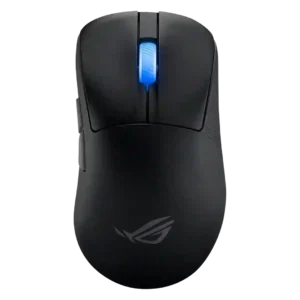
Best for FPS
Highly rated
The 42,000 DPI ceiling is repeatedly highlighted as class-leading, though reviewers often note most players will never use the upper range.
Pros: DPI range, weight
Cons: debounce customization, handedness options
#2
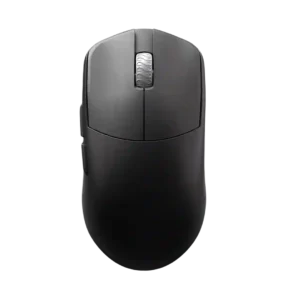
Best battery life
DPI support is high-end, with 30,000 CPI/DPI evidence and software control over DPI settings.
Pros: Accuracy and tracking precision, sensor performance
Cons: cable flexibility
#3
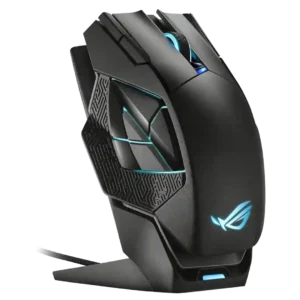
Best for FPS
Multiple reviews highlight the 19,000 DPI ceiling as one of the mouse's headline specs.
Pros: DPI range, motion consistency
Cons: fingertip grip comfort, cross-platform compatibility
#4
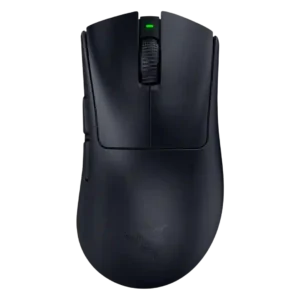
Best for FPS
Highly rated
The 45K DPI ceiling and fine DPI adjustment appear throughout the reviews, making DPI range one of the most heavily supported strengths.
Pros: click latency, 2.4GHz connectivity
Cons: Bluetooth support, dock compatibility
#5
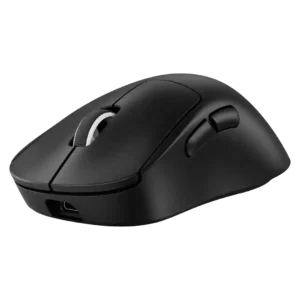
Best for FPS
Highly rated
DPI range is a clear spec strength, with reviews citing 32,000 DPI at launch and 44,000 DPI after updates. Reviewers often treat the maximum as impressive but more than many...
Pros: motion consistency, acceleration control
Cons: Bluetooth support, RGB features
#6
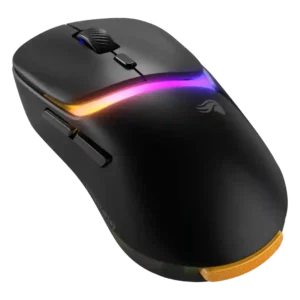
Best battery life
The D3 gets very high DPI headroom through its 30,000 DPI sensor and software-configurable sensitivity levels.
Pros: switch durability, DPI range
Cons: grip texture, portability
#7
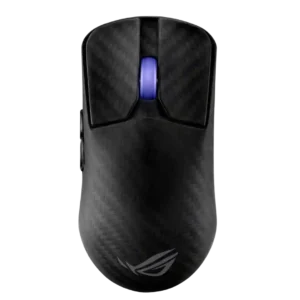
Best for FPS
Highly rated
The DPI/CPI ceiling is repeatedly cited at 42,000, with several reviews also discussing fine adjustment steps. The range is clearly flagship-level.
Pros: Accuracy and tracking precision, click latency
Cons: value for money, software stability
#8
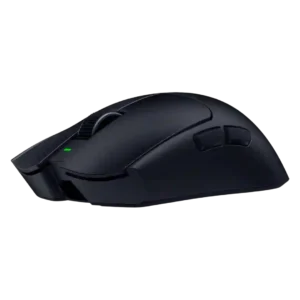
Best for FPS
One review highlights the 50,000 DPI ceiling as a meaningful expansion of the usable adjustment range. Even when reviewers did not need that maximum, they saw the headroom as a...
Pros: DPI range, click latency
Cons: Bluetooth support, dock compatibility
#9
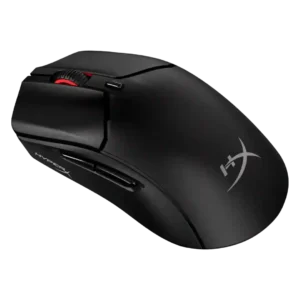
Best for FPS
Highly rated
The 26,000 DPI ceiling is widely cited as more than enough, with reviewers valuing the broad range even when they used much lower settings.
Pros: DPI range, switch durability
Cons: software stability, onboard memory
#10
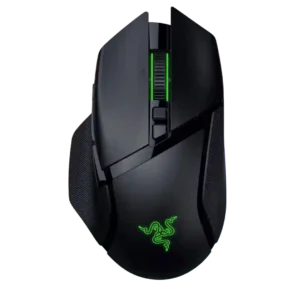
Best for FPS
Highly rated
The DPI range is extremely high, with repeated 35K references and fine DPI-step control, but reviewers often described such high settings as overkill.
Pros: programmable buttons, Bluetooth support
Cons: handedness options, firmware reliability
#11
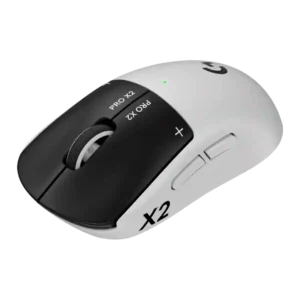
Best for FPS
Highly rated
The DPI range is consistently described as very high, typically 100 to 44,000 DPI. Reviewers treat it as a flagship spec even when noting that most players will use much...
Pros: DPI range, wireless latency
Cons: RGB features, Bluetooth support
#12
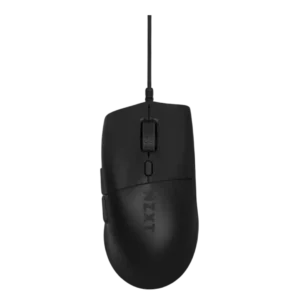
Best comfort
DPI range is a major strength, with multiple reviewers highlighting up to 26,000 DPI and fine adjustment options.
Pros: DPI range, polling rate
Cons: wireless performance, Bluetooth support
#13
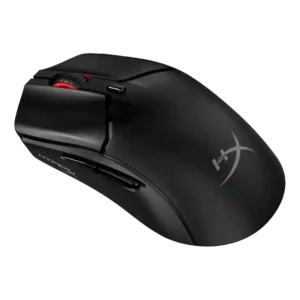
Best battery life
DPI range was a clear specification strength, with multiple reviewers citing the 26,000 DPI ceiling and available DPI settings.
Pros: DPI range, cable flexibility
Cons: software stability, firmware reliability
#14
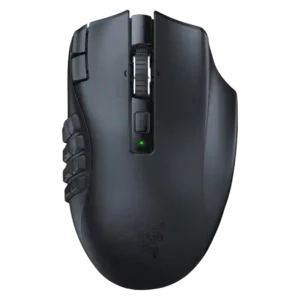
Best for FPS
DPI coverage is consistently presented as very high, topping out at 30,000 DPI in the review evidence.
Pros: Accuracy and tracking precision, DPI range
Cons: handedness options, fingertip grip comfort
#15
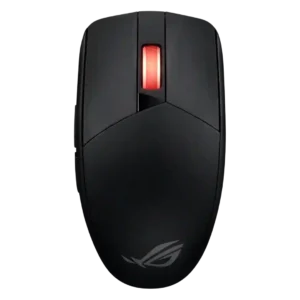
Best battery life
Strong consensus
DPI range is a standout specification, with reviewers repeatedly citing the 100-to-36,000 DPI sensor range.
Pros: click latency, sensor performance
Cons: palm grip comfort, skate durability
#16
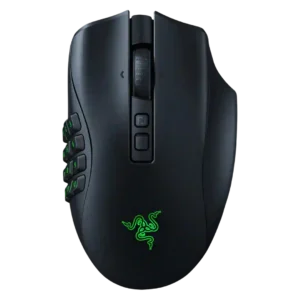
Best for FPS
DPI range is strong, with multiple reviewers citing 30,000 DPI on the Focus Pro sensor, though one review referenced a lower 16,000 DPI figure.
Pros: click latency, motion consistency
Cons: handedness options, weight
#17
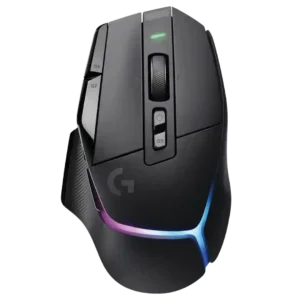
Best for FPS
Highly rated
DPI range is a strong point, with reviews repeatedly citing 100-to-25,600 DPI range, fine increments, presets, and quick DPI shift access.
Pros: DPI range, materials quality
Cons: Bluetooth support, weight tuning
#18
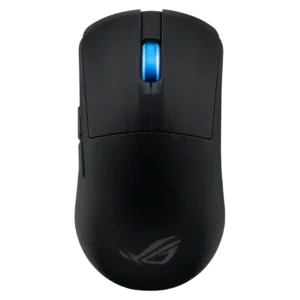
Best for FPS
Highly rated
DPI range is a standout specification. Reviewers repeatedly cite the 42,000 DPI/CPI ceiling and app or onboard controls for preset or fine-tuned DPI settings.
Pros: weight, sensor performance
Cons: software stability, debounce customization
#19
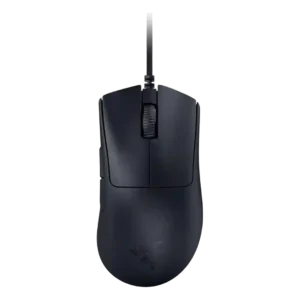
Best for FPS
Strong consensus
The 30K DPI ceiling and adjustable DPI stages give the mouse a very wide sensitivity range, though reviewers rarely needed the full maximum.
Pros: battery life, charging convenience
Cons: weight tuning, handedness options
#20
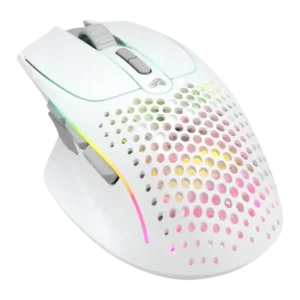
Best for FPS
The DPI ceiling is consistently high at 26,000 DPI, giving the mouse a broad sensitivity range.
Pros: DPI range, cross-platform compatibility
Cons: tilt gesture controls, battery life
#21
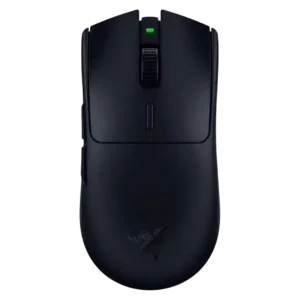
Best battery life
Reviews that mention DPI cite the 30K maximum or DPI settings, supporting a high ceiling and standard sensitivity adjustment options.
Pros: acceleration control, wireless latency
Cons: debounce customization, RGB features
#22
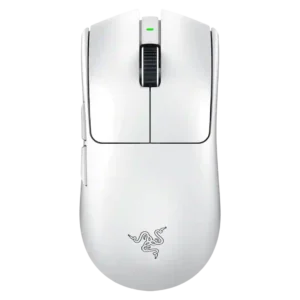
Best for FPS
DPI range is very strong on paper and in software, with repeated references to the 35,000 DPI or CPI ceiling and single-step adjustment. Most reviewers note that the extreme ceiling...
Pros: weight, FPS gaming suitability
Cons: Bluetooth support, RGB features
#23
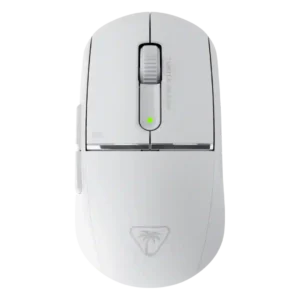
Best for FPS
DPI support was described as high-end, with several reviews citing 30K DPI or broad DPI adjustment in software.
Pros: polling rate, click latency
Cons: RGB features, handedness options
#24
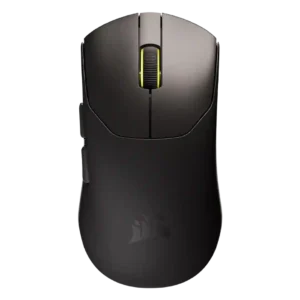
Best for FPS
The mouse offers a very high advertised DPI ceiling, with reviews repeatedly highlighting the 33,000 DPI sensor and flexible sensitivity presets.
Pros: polling rate, weight
Cons: RGB features, Bluetooth support
#25
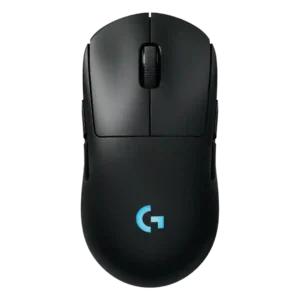
Best battery life
DPI range is consistently a major spec advantage, with several reviewers citing the HERO 2 range up to 44,000 DPI after updates or in final specs.
Pros: handedness options, DPI range
Cons: Bluetooth support, MMO gaming suitability
#26

Best for FPS
DPI range is consistently high-end, with reviewers repeatedly citing the 42K or 42,000 DPI/CPI AimPoint Pro sensor and adjustable DPI levels.
Pros: polling rate, weight
Cons: onboard memory, tilt gesture controls
#27
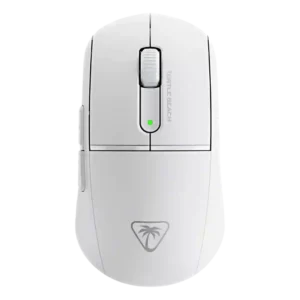
Best for FPS
DPI range is a clear strength: reviewers cite 50-to-26,000 DPI control, though several say very high DPI is mostly for niche users.
Pros: balance and weight distribution, weight
Cons: tilt gesture controls, RGB features
#28
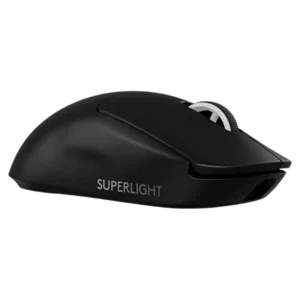
Best for FPS
DPI range is very high. Reviews cite 32,000 DPI on most units and 44,000 CPI/DPI on updated-firmware coverage, while often noting that most players will not need such extreme values.
Pros: connection stability, cross-platform compatibility
Cons: Bluetooth support, RGB features
#29
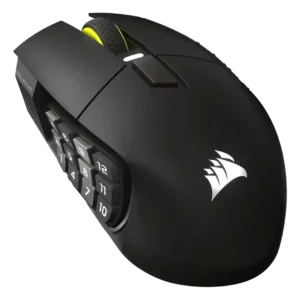
Best for FPS
DPI range is very strong on paper and in software, with many reviews citing the 33,000 DPI ceiling and adjustable DPI stages.
Pros: macro support, click latency
Cons: dock compatibility, firmware reliability
#30
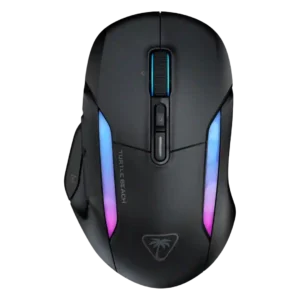
Best for MMO
The DPI range is consistently supported by the 26K maximum and detailed DPI adjustment options, giving users broad sensitivity headroom.
Pros: MMO gaming suitability, onboard memory
Cons: dock compatibility, weight
#31
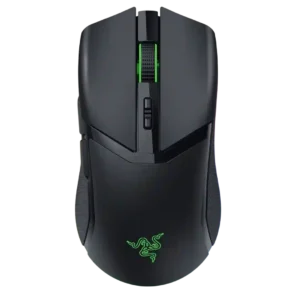
Best comfort
The DPI range is very strong on paper and in software, with many reviewers referencing the 30,000 DPI sensor and adjustable DPI stages.
Pros: surface compatibility, sensor performance
Cons: tilt gesture controls, MOBA gaming suitability
#32
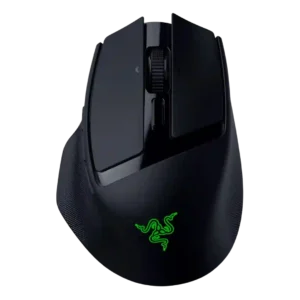
Best battery life
The cited 18K sensor range gives the mouse ample DPI headroom for both gaming and productivity use.
Pros: switch durability, wireless performance
Cons: click noise, RGB features
#33
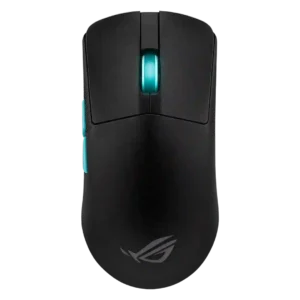
Best for FPS
The DPI range is one of the clearest strengths. Multiple reviews cite the 36,000 DPI class capability, though some reviewers note that very high DPI settings are not practical for...
Pros: weight, sensor performance
Cons: MMO gaming suitability, software stability
#34
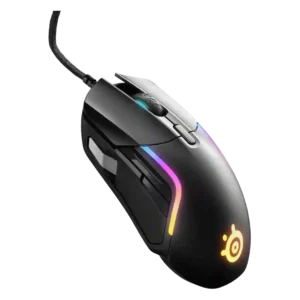
Best for FPS
The CPI/DPI range is broad, typically cited up to 18,000, with reviewers noting enough headroom for high-resolution displays and fast settings.
Pros: switch durability, surface compatibility
Cons: weight tuning, skate durability
#35
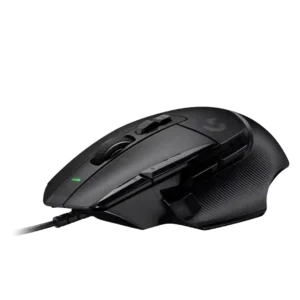
Best comfort
The DPI range is viewed as more than sufficient, with reviews citing the very high 25K or 25,600 DPI ceiling.
Pros: charging convenience, Accuracy and tracking precision
Cons: weight tuning, RGB features
#36
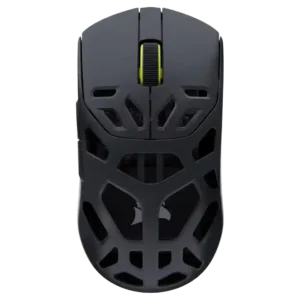
Best for FPS
DPI range is consistently high on paper, centered around the Marksman S 33K/33,000 DPI sensor.
Pros: Accuracy and tracking precision, build quality
Cons: RGB features, debounce customization
#37
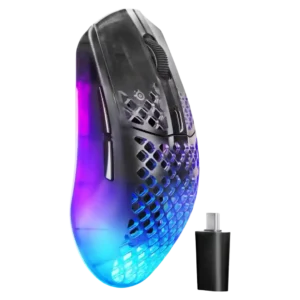
Best for FPS
DPI range is broad and repeatedly highlighted at 26,000 DPI, with reviewers appreciating the flexibility even if most users will run much lower settings.
Pros: connection stability, wireless latency
Cons: MMO gaming suitability, fingertip grip comfort
#38
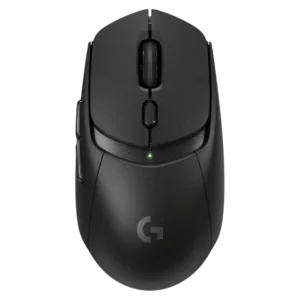
Best for MMO
DPI range is strong for the class, with repeated references to 100-25,600 DPI control and genre-specific presets.
Pros: motion consistency, dock compatibility
Cons: tilt gesture controls, RGB features
#39
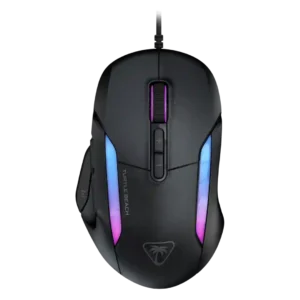
Best for FPS
The 26K Owl-Eye sensor and high DPI ceiling are consistently mentioned, with software DPI customization also noted.
Pros: connection stability, 2.4GHz connectivity
Cons: handedness options, click noise
#40
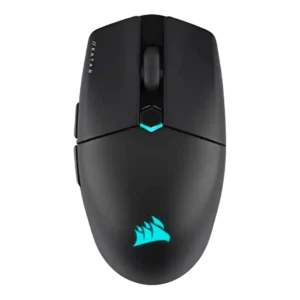
Best for FPS
The DPI range is broad, commonly cited at 26,000 DPI with configurable stages, giving plenty of sensitivity headroom even if most reviewers did not need the maximum.
Pros: balance and weight distribution, software stability
Cons: MMO gaming suitability, durability over time
#41
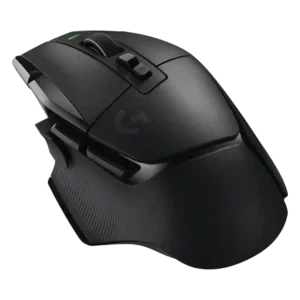
Best for FPS
DPI flexibility is broad, with 25,600 DPI and multiple stages or adjustments referenced.
Pros: acceleration control, long-session comfort
Cons: Bluetooth support, weight tuning
#42
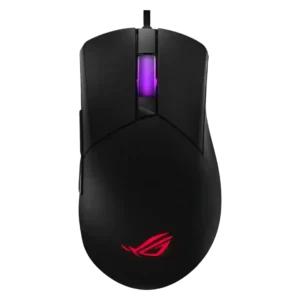
Best for FPS
DPI range is a major strength on the original Gladius III, while the Core review notes a lower but still gaming-capable 12,000 DPI sensor.
Pros: MMO gaming suitability, software stability
Cons: handedness options
#43
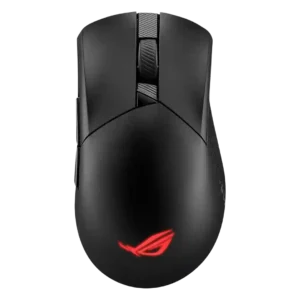
Best comfort
DPI range was repeatedly highlighted as high-end, especially on AimPoint versions with 36,000 DPI or earlier versions tuned up to 26,000 DPI.
Pros: click latency, connection stability
Cons: tilt gesture controls, software stability
#44
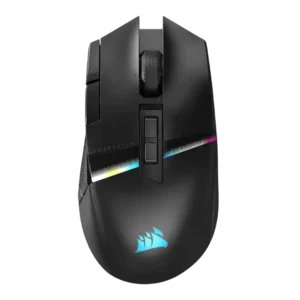
Best for MMO
The DPI range is consistently documented as high, with reviews repeatedly citing a 26,000 DPI/CPI ceiling and fine-grained DPI adjustment.
Pros: sensor performance, programmable buttons
Cons: handedness options, cable flexibility
#45
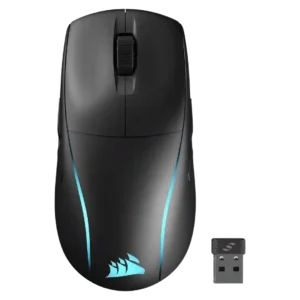
Best for MMO
The 26K DPI Marksman sensor and multi-stage DPI controls are consistently documented, giving the mouse a strong sensitivity range.
Pros: motion consistency, connection stability
Cons: tilt gesture controls, water and dust resistance
#46
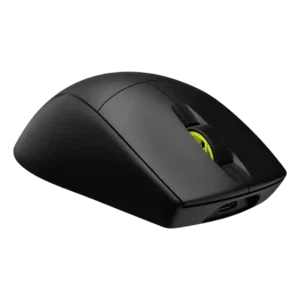
Best for FPS
DPI range is a clear strength, with many reviews citing the 26,000 DPI ceiling and fine 1-DPI adjustment, even while criticizing the missing DPI button.
Pros: click latency, wireless latency
Cons: weight tuning, skate durability
#47
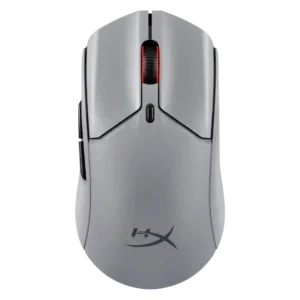
Best for FPS
The DPI range is broadly supported by the HyperX 26K sensor and profile controls, though reviewers often consider the maximum excessive for normal use.
Pros: wireless latency, connection stability
Cons: palm grip comfort, software stability
#48
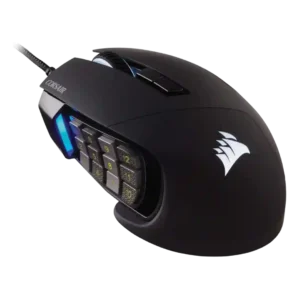
Best for FPS
DPI range is broadly strong, with the Elite commonly cited at 18,000 DPI and older Scimitar evidence still showing high configurable ranges.
Pros: build quality, motion consistency
Cons: handedness options, tilt gesture controls
#49
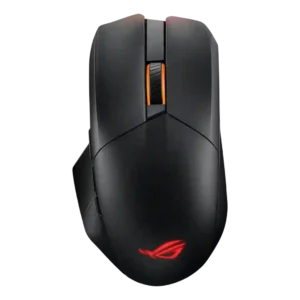
Best for FPS
The DPI range is a major strength at up to 36,000 DPI with fine adjustment, but several reviewers disliked having the hardware DPI button underneath the mouse.
Pros: polling rate, charging convenience
Cons: software stability, firmware reliability
#50
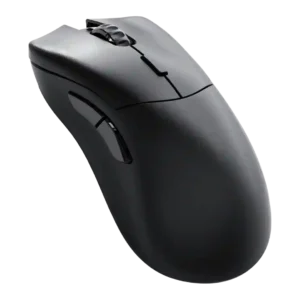
Best for FPS
DPI range is strong on paper at up to 26,000 DPI, though reviewers repeatedly note that extremely high DPI settings are not practical for normal use.
Pros: click latency, sensor performance
Cons: Bluetooth support, RGB features